
by AI Admin | Copyright Protection
Copyright infringement is not merely a technical violation of the law; it represents a serious breach of creative ownership and intellectual property rights. When individuals or businesses use, distribute, or reproduce copyrighted content without authorization, they undermine the value of the original creator’s work. The implications extend beyond moral concerns—they include financial penalties, lawsuits, and long-term reputational damage. Understanding the depth of copyright infringement helps in recognizing its potential impact on your personal or business integrity.
This blog explores the legal consequences of copyright infringement, delving into the financial, civil, and criminal liabilities that individuals and organizations face. You will learn how copyright laws protect intellectual property, what actions constitute infringement, and how businesses can safeguard their creative assets. By the end, readers will gain practical insights into compliance and the importance of proactive anti-piracy measures. For more information on professional copyright protection and monitoring services, visit AiPlex AntiPiracy.
Key Facts About Copyright Infringement
Before exploring the penalties associated with copyright infringement, it is important to understand the fundamental aspects of how copyright works. Copyright law is designed to give creators exclusive control over their work, allowing them to decide how, when, and where it is used. This section clarifies the foundational knowledge you need to fully comprehend the consequences of infringement.
1. What Is Copyright and Why It Matters
Copyright is a legal framework that grants creators exclusive rights to their original works, whether literary, artistic, musical, or digital. It ensures that creators are recognized and compensated for their intellectual efforts. When someone reproduces, distributes, or modifies content without consent, it violates these protected rights. The importance of copyright lies in preserving creative diversity and encouraging innovation across industries.
Moreover, copyright serves as a motivator for creators to continue producing high-quality content. It guarantees them control over how their work is monetized and distributed. Without copyright enforcement, creative industries such as film, music, and publishing would struggle to maintain value and profitability, leading to widespread unauthorized use of intellectual property.
2. Common Types of Copyright Infringement
Copyright infringement takes various forms, ranging from illegal downloads to unauthorized reproductions or public displays. One of the most prevalent examples is the distribution of copyrighted films or software through torrent sites or unauthorized streaming platforms. Another form involves businesses using copyrighted music or imagery in advertisements without proper licensing.
In addition to these, plagiarism and digital piracy are increasing in frequency and sophistication. Individuals may unknowingly commit infringement by sharing or reproducing content found online. Understanding these different categories helps in identifying high-risk practices that can expose individuals and companies to severe legal consequences.
3. Legal Framework Governing Copyright Protection
The legal structure surrounding copyright varies from one country to another, but most adhere to international standards set by the Berne Convention. In India, for example, the Copyright Act of 1957 governs the creation, distribution, and protection of creative works. Similarly, the Digital Millennium Copyright Act (DMCA) in the United States enforces penalties for digital infringement.
International treaties have made it easier to enforce copyright protections across borders. However, the complexity of global digital platforms means that even unintentional violations can lead to jurisdictional disputes. Awareness of these laws ensures that businesses and individuals can operate ethically and avoid legal complications.
4. Civil and Criminal Liabilities in Copyright Cases
Copyright infringement can lead to both civil and criminal liabilities. In civil cases, the copyright holder may sue for damages and seek injunctions to prevent further use of the work. Courts may award statutory damages, which can be substantial depending on the extent of the infringement and the jurisdiction involved.
In criminal cases, willful infringement done for commercial advantage or financial gain can result in imprisonment. Offenders might also face hefty fines and asset seizures. The severity of these punishments underscores the seriousness of copyright infringement and highlights why preventive measures are essential.
5. Role of Technology in Detecting Copyright Violations
Modern technology plays a vital role in identifying and preventing copyright infringement. Automated content recognition (ACR) systems, digital watermarking, and fingerprinting tools enable creators to track unauthorized uses of their work online. Platforms like YouTube and Spotify employ such systems to maintain compliance with copyright regulations.
Businesses can also use specialized anti-piracy services to monitor and remove infringing content across digital channels. AiPlex, for instance, leverages advanced tracking systems to identify and take down pirated material efficiently. These technologies not only protect intellectual property but also deter potential infringers from illegal actions.
Major Legal Consequences of Copyright Infringement
Understanding the range of penalties for copyright infringement is crucial for both individuals and organizations. These penalties vary depending on the intent, scale, and jurisdiction but often result in significant financial and legal repercussions.
1. Civil Penalties and Damages
One of the most common consequences of copyright infringement is the imposition of civil penalties. Copyright owners can file lawsuits demanding compensation for financial losses incurred due to unauthorized use of their work. Statutory damages in such cases can range from minimal fines to amounts exceeding several lakhs or even millions, depending on the jurisdiction.
Courts often award higher penalties when the infringement is deemed willful or repeated. The costs may also include attorney fees, litigation expenses, and compensation for emotional or reputational harm. Such cases serve as a deterrent to others considering copyright violations.
2. Criminal Prosecution and Imprisonment
When copyright infringement is committed intentionally for commercial gain, it escalates to a criminal offense. In such cases, offenders may face imprisonment ranging from six months to several years. The penalties differ across jurisdictions, but the underlying intent—to profit from another’s intellectual property—is universally condemned.
Additionally, law enforcement agencies collaborate with copyright holders to conduct raids, seize illegal goods, and prosecute offenders. This approach helps curb large-scale piracy networks, especially in industries like film, music, and software, where revenue losses from piracy can reach billions.
3. Reputational and Business Impact
Beyond monetary fines and legal actions, copyright infringement can irreparably damage an individual or company’s reputation. Clients and business partners may view involvement in such cases as a sign of ethical negligence. Public exposure through media or court records can harm a brand’s credibility for years.
Furthermore, companies caught infringing copyrights may face blacklisting or removal from digital platforms. This not only affects brand perception but also limits marketing opportunities and growth potential. Maintaining compliance with copyright laws is therefore essential to preserving reputation and trust.
4. Loss of Digital Platforms and Partnerships
Digital platforms like YouTube, Facebook, and Instagram have stringent copyright policies. Accounts found repeatedly violating copyright may face permanent suspension or demonetization. This results in substantial loss of revenue for creators or businesses dependent on online engagement.
Similarly, e-commerce and app stores often terminate partnerships with companies involved in infringement. The digital ecosystem values integrity, and even a single violation can sever important business relationships. Ensuring licensed usage of all content protects digital operations from sudden disruptions.
5. International Enforcement and Cross-Border Cases
With globalization and digital media expansion, copyright infringement often transcends borders. A person in one country can easily infringe upon content produced elsewhere, leading to international legal disputes. Treaties like the TRIPS Agreement facilitate cross-border enforcement of intellectual property rights.
However, navigating international law can be complex. Businesses operating globally must ensure that their operations comply with local and international copyright standards. Consulting with legal and anti-piracy experts like AiPlex helps mitigate these risks through professional monitoring and enforcement.
Why Choose AiPlex Anti-Piracy Services
AiPlex is a global leader in digital rights protection, specializing in proactive anti-piracy and copyright enforcement. The company’s services help creators, studios, and businesses safeguard their intellectual property from unauthorized use. Through AI-powered monitoring, legal takedown actions, and customized protection strategies, AiPlex ensures comprehensive coverage across platforms.
Partnering with AiPlex means leveraging cutting-edge technology to detect and remove infringing content in real-time. Their expert legal and compliance teams work closely with clients to maintain brand integrity and revenue security. For businesses seeking a trusted partner to handle complex copyright challenges, AiPlex provides the strategic advantage of speed, precision, and legal expertise.
Conclusion
Copyright infringement carries severe legal, financial, and reputational risks that no creator or business can afford to ignore. Whether intentional or accidental, violating copyright laws can lead to lawsuits, imprisonment, or lasting damage to credibility. The key to avoiding these consequences lies in education, compliance, and the adoption of professional anti-piracy measures.
By choosing AiPlex Anti-Piracy, you empower your organization with proven expertise in digital content protection. Their advanced solutions safeguard your creative assets, ensuring that your work remains both secure and profitable. Protect your intellectual property today and strengthen your digital future with AiPlex AntiPiracy.

by AI Admin | Mod APK
Mod APKs have become a trending way to access premium app features without spending a penny, but curiosity often collides with caution. Many users download modified versions of popular apps hoping for convenience or customization, unaware of the invisible risks they invite onto their devices. The term “is mod APK safe” pops up frequently across forums, and for good reason — these altered applications can hide malware or compromise privacy. Understanding what really happens behind a “modded” app is key before tapping that install button.
This blog breaks down the truth behind Mod APKs — what they are, how they work, the common threats involved, and safer alternatives. By the end, you’ll know exactly where these risks lie and how to protect yourself from data theft or piracy implications. For individuals or businesses looking to maintain digital integrity and safeguard intellectual property, Aiplex AntiPiracy offers advanced protection solutions tailored for the modern digital ecosystem.
Understanding Mod APKs
What Are Mod APKs?
A Mod APK, short for Modified Android Package, is an altered version of an original app. Developers or third-party programmers change the source code to unlock premium features, remove ads, or bypass payment restrictions. While it may seem harmless or even convenient, these changes often disrupt the app’s integrity and security. Unauthorized edits can strip away safety protocols embedded in the original version, leaving users exposed to unseen vulnerabilities.
Beyond user convenience, Mod APKs often serve as a gateway for piracy. Since these apps redistribute copyrighted code without authorization, downloading or sharing them may violate intellectual property laws. Users not only risk infecting their devices but may also unintentionally participate in software piracy, a serious digital offense.
How Mod APKs Are Created
Mod APKs are typically generated by decompiling the original app, modifying its code, and then reassembling it for distribution. Hackers or unofficial developers use specialized tools to remove in-app purchase requirements or alter permissions. While this process might seem technical, it is alarmingly easy for cybercriminals to embed harmful scripts, including spyware or ransomware, during modification. Once distributed through unofficial channels, these apps become nearly impossible to verify for safety.
Unlike apps from Google Play Store or verified developers, Mod APKs do not undergo security checks. This lack of verification allows malicious versions to spread unchecked across download sites. Users installing such files directly expose their systems to data breaches, financial theft, or complete device control loss.
Things to Know Before Downloading a Mod APK
1. Security Risks of Modified Apps
Security is the most obvious concern when questioning is mod APK safe. Modified apps are not vetted by trusted platforms, meaning they can easily carry malicious payloads. Once installed, they can access personal information, contacts, or even banking credentials. Some malware-infected APKs also run in the background, silently transmitting your data to remote servers.
Cybersecurity experts repeatedly warn that even a single compromised Mod APK can lead to severe data breaches. Unlike official updates that include security patches, these unauthorized versions lack ongoing maintenance. Users often discover infections only after noticing unusual activity on their accounts or devices.
2. Legal Implications of Using Mod APKs
Downloading or sharing Mod APKs might appear harmless, but it often infringes upon copyright laws. Modifying an application’s code or distributing its altered version without permission violates the developer’s rights. Users who engage in this behavior could face legal action, especially when the app involves monetized or subscription-based services. Moreover, using pirated content can damage a brand’s reputation if employees or affiliated entities are involved.
Businesses must be especially cautious since unintentionally using unauthorized software could lead to compliance violations. Partnering with companies like Aiplex Anti Piracy helps organizations detect and remove illegal app distributions, maintaining brand integrity in digital markets.
3. Privacy Concerns and Data Theft
Many Mod APKs request unnecessary permissions, such as camera or microphone access, which are unrelated to the app’s purpose. This overreach enables hidden surveillance or identity theft. Unsuspecting users grant permissions without realizing the extent of access they provide. Over time, stolen data may be sold on dark web marketplaces, leading to severe privacy violations.
Additionally, Mod APKs rarely include clear privacy policies. Without transparency on how your data is handled, users surrender control over their personal information. These risks make it clear that unauthorized apps compromise privacy more than they enhance usability.
4. Device Performance and Stability Issues
Using Mod APKs can lead to erratic app behavior, frequent crashes, and slower device performance. Since the code structure is altered, these apps often conflict with system updates or other software. Persistent issues such as battery drain or overheating are also common, especially when malware runs continuously in the background.
Furthermore, many modded apps are incompatible with official versions, preventing users from receiving legitimate updates. This stagnation not only leaves devices outdated but also exposes them to future security vulnerabilities. Official app stores, in contrast, regularly release updates to enhance performance and fix bugs.
5. Ethical and Developer Impact
When users download Mod APKs, they indirectly harm legitimate developers who depend on revenue from in-app purchases or ads. This discourages innovation and fair compensation for creators. Over time, consistent piracy and unauthorized distribution can force small developers out of business, limiting future app diversity and quality.
Supporting official releases ensures developers continue creating valuable tools, entertainment, and utilities. By choosing verified sources, users contribute to a safer and more sustainable digital ecosystem a principle that aligns closely with Aiplex AntiPiracy’s mission of protecting creative content online.
Common Threats Associated with Mod APKs
Malware and Spyware Infections
Malware remains the most common threat found in Mod APKs. Cybercriminals embed harmful code within the app’s framework, allowing them to monitor user behavior or steal confidential data. Once installed, such apps can compromise passwords, photos, or payment details within minutes. The lack of visible symptoms makes detection difficult until it’s too late.
Spyware, in particular, poses a long-term threat by secretly recording user actions and transmitting data continuously. Removing these infections often requires a full device reset, causing data loss and inconvenience.
Ransomware and Trojan Attacks
Some Mod APKs deliver ransomware, locking users out of their own devices until a payment is made. These attacks exploit the same privileges granted during installation. Similarly, Trojans disguise themselves as legitimate apps but execute malicious commands once installed. These programs can corrupt data or open backdoors for hackers to exploit later.
The risk of ransomware is particularly concerning for business environments, where compromised devices can halt operations. Organizations should implement strict download policies and consider professional digital protection services like Aiplex AntiPiracy.
Hidden Cryptocurrency Mining Scripts
A growing number of modded apps include cryptomining scripts that use device processors to mine cryptocurrencies secretly. Users may notice overheating, quick battery drain, or sluggish performance, unaware their hardware is being exploited. Over time, this can reduce a device’s lifespan and increase energy consumption significantly.
Such hidden processes represent an advanced form of exploitation. Without visible indicators, even cautious users may fall prey to this type of resource theft.
Phishing and Fake Login Pages
Certain Mod APKs mimic the interface of genuine apps, tricking users into entering login details on counterfeit screens. These credentials are then transmitted to attackers, granting them direct access to user accounts. Financial apps, gaming services, and social media platforms are common targets.
Phishing attacks through Mod APKs have evolved to appear convincing, making it essential for users to verify URLs and sources before installation. Always prioritize official channels that enforce two-factor authentication and verified developer credentials.
How to Stay Safe from Mod APK Risks
Download Only from Verified Sources
The simplest and most effective step toward app safety is to avoid third-party download sites. Always install applications from Google Play Store, Apple App Store, or verified developer websites. These platforms perform rigorous security checks before publishing an app. Verified stores also offer instant removal for any app flagged as malicious.
Users should also check app reviews and developer authenticity before installation. These simple precautions prevent most malware-related risks.
Use Reliable Anti-Piracy and Security Tools
Anti-piracy software like Aiplex Anti Piracy provides advanced monitoring and detection systems that identify unauthorized app distributions across the internet. Such tools protect developers’ intellectual property while ensuring users encounter fewer counterfeit versions. Combined with a reliable antivirus solution, this forms a robust line of defense against Mod APK threats.
Organizations especially benefit from proactive digital surveillance and takedown services, helping them maintain a trustworthy brand image.
Why Choose Aiplex Anti Piracy
Aiplex Anti Piracy stands at the forefront of digital content protection, offering tailored solutions to prevent unauthorized app cloning and illegal distribution. With automated monitoring systems, Aiplex tracks and removes counterfeit APKs from the web, ensuring users access only legitimate versions. This reduces piracy risks while safeguarding both user trust and developer revenue.
By partnering with Aiplex, companies can ensure that their apps, media, and intellectual properties remain protected from malicious actors. Their services not only help combat piracy but also enhance brand credibility and compliance in digital marketplaces.
Conclusion
Mod APKs may appear tempting due to the promise of free features, but the security, privacy, and ethical costs far outweigh the short-term gains. From hidden malware to legal consequences, each risk reinforces why verified apps are the only safe choice. Users must remain vigilant and prioritize cybersecurity practices that align with responsible digital usage.
For businesses and creators seeking comprehensive protection against piracy and unauthorized app distribution, Aiplex AntiPiracy provides end-to-end solutions designed for today’s evolving threats. Choosing legitimate software is not only a matter of safety it’s a stand for integrity in the digital age.

by AI Admin | Piracy
Movie piracy has become one of the most persistent challenges faced by the global entertainment industry. From unauthorized streaming websites to peer-to-peer sharing networks, the easy availability of pirated films has deeply affected content creators, distributors, and studios. Many individuals who download or stream pirated movies often do not realize the serious financial and ethical consequences associated with this act. Understanding the mechanics behind movie piracy is vital not just for protecting intellectual property but also for ensuring that creativity continues to be rewarded fairly.
This blog explores the multifaceted issue of movie piracy, breaking down its causes, impact, and practical solutions. Readers will gain insights into how piracy affects the film ecosystem and learn about the proactive measures being taken to counter it. By the end, you will discover how organizations like AiPlex Antipiracy are safeguarding the entertainment industry through advanced technologies and strategic enforcement. Let’s uncover how movie piracy can be controlled effectively and why it matters to every stakeholder in the creative world.
Understanding Movie Piracy
Movie piracy refers to the unauthorized copying, distribution, or broadcasting of films without the consent of the copyright owner. It encompasses various forms, including illegal downloads, digital ripping, and unauthorized streaming platforms. The digital transformation of cinema has made movie piracy more accessible than ever, creating a complex web of distribution channels that operate across jurisdictions. With new release models and global access, the demand for pirated content has expanded, posing new challenges for filmmakers and regulators alike.
Piracy not only impacts film studios but also the broader economy connected to entertainment—including distributors, theatre owners, and thousands of professionals who work behind the scenes. It devalues original content, reduces profits, and weakens incentives for creative production. To effectively combat it, it is important to understand what drives this issue and how digital infrastructure contributes to the spread of illegal copies.
1. The Evolution of Digital Distribution
The shift from physical DVDs to digital streaming has revolutionized content consumption. However, this same shift has enabled easy duplication and sharing of copyrighted material. Piracy networks exploit high-speed internet and file compression technologies to distribute movies rapidly across global platforms. This accessibility, while beneficial for legitimate users, has also been misused by pirates to build large-scale networks that thrive on advertising revenue and user traffic.
The film industry’s move toward simultaneous global releases has unintentionally fueled piracy as well. When users in one region cannot legally access a movie available elsewhere, they often turn to unauthorized sources. This pattern shows that accessibility gaps are among the primary contributors to the rise of piracy, emphasizing the need for better global release strategies.
2. Motivations Behind Movie Piracy
Piracy often stems from a combination of convenience, cost avoidance, and ignorance of copyright laws. Many users perceive pirated movies as a harmless alternative when legal streaming options are unavailable or too costly. Others simply lack awareness of the long-term consequences piracy has on artists and the industry. In some regions, weak enforcement and cultural normalization of piracy further encourage illegal consumption.
However, understanding user motivation also opens opportunities for deterrence. By improving access, affordability, and user experience, legal platforms can convert potential pirates into legitimate consumers. It is a reminder that combating movie piracy requires both enforcement and education.
3. Economic Impact of Piracy
The financial toll of movie piracy is staggering. Global losses to the entertainment industry exceed billions of dollars annually, affecting every stage of film production and distribution. Reduced revenues directly lead to fewer job opportunities, limited budgets for new projects, and shrinking returns for investors. These consequences are particularly severe for independent filmmakers who rely heavily on theatrical and digital sales.
Moreover, piracy doesn’t just harm studios—it impacts government tax revenues and local businesses linked to film production. The chain reaction spreads across multiple economic layers, making piracy not just a corporate issue but a societal one. Recognizing this helps policymakers craft more comprehensive anti-piracy strategies that support both creativity and commerce.
4. Legal Frameworks Against Movie Piracy
To counter the growing threat, global governments and media bodies have strengthened intellectual property laws. The Digital Millennium Copyright Act (DMCA), for example, enables swift takedown of infringing content and penalizes violators. Similarly, international coalitions under the World Intellectual Property Organization (WIPO) facilitate cross-border enforcement. Despite these efforts, evolving digital tactics continue to challenge regulators.
Modern anti-piracy measures now depend on cooperation between law enforcement, ISPs, and content creators. From blocking illegal domains to implementing watermarking technology, legal frameworks are becoming more adaptive. The success of these laws, however, depends largely on consistent implementation and public awareness.
5. Role of Technology in Fighting Piracy
Technology has emerged as both a cause and a cure for movie piracy. Advanced algorithms and AI-driven detection systems now enable real-time monitoring of piracy activities. Companies like AiPlex Antipiracy utilize automated tools that scan millions of URLs, social media posts, and torrent sites to identify and remove infringing links efficiently.
Blockchain and digital watermarking are also being integrated to track the origin of illegal copies. These tools not only provide evidence for legal action but also discourage the initial act of piracy. As digital ecosystems expand, the role of technology becomes indispensable in ensuring a sustainable and fair content economy.
Major Forms of Movie Piracy
Movie piracy manifests in several distinct forms, each with unique methods and consequences. Identifying these types helps stakeholders target enforcement more effectively. While some are driven by organized groups seeking profit, others emerge from individuals seeking early or free access to films.
Understanding these variations allows content protection services like AiPlex to develop tailored solutions. Whether it’s through data analysis, online takedown campaigns, or collaboration with global partners, recognizing how piracy operates is the first step to dismantling it.
1. Camcord Piracy
Camcord piracy occurs when individuals record a movie directly from the cinema screen. These low-quality recordings often serve as the first source for pirated versions circulating online. Despite poor visuals, camcord copies attract large audiences eager to access new releases without waiting for official availability.
To combat camcord piracy, theatres are implementing infrared camera detection, bag checks, and surveillance. Some distributors also employ unique audio watermarking, which allows authorities to trace back the origin of the recorded copy. By reinforcing cinema security, the industry can significantly reduce the inflow of early pirated content.
2. Torrent and Peer-to-Peer Sharing
Peer-to-peer (P2P) networks like BitTorrent enable users to exchange movie files directly. While these systems can have legitimate uses, they are often exploited to distribute copyrighted content illegally. Once a single pirated copy enters the network, it spreads rapidly to millions of users worldwide.
Effective strategies against P2P piracy include real-time monitoring and automated takedowns. Anti-piracy firms use algorithms that identify infringing torrents and send takedown requests to hosting providers. Education campaigns further help in discouraging users from engaging with these platforms, emphasizing legal and ethical viewing alternatives.
3. Streaming Piracy
Illegal streaming websites have become the most prevalent form of movie piracy today. These platforms mirror the design of legitimate services, offering free access to thousands of films while generating revenue through ads. Many users are unaware that visiting these sites can expose them to malware and data theft.
Combatting streaming piracy requires coordinated action between cybersecurity teams, internet service providers, and legal authorities. Website blocking, ad network penalties, and user awareness campaigns all contribute to dismantling these illegal ecosystems. Legitimate streaming platforms must also enhance convenience and affordability to reduce piracy demand.
4. Digital Ripping and File Sharing
Digital ripping involves copying content from legitimate sources such as Blu-ray discs or streaming services. Advanced software can bypass encryption, enabling high-quality unauthorized duplicates. These files are then uploaded to file-hosting sites or sold on black markets.
Protection against digital ripping relies on strong encryption protocols and watermarking technologies. Regular audits of content security systems also prevent breaches. The key lies in continuous innovation—keeping protection one step ahead of pirates who constantly seek vulnerabilities.
5. Social Media Piracy
Social media platforms have become unexpected hotspots for movie piracy. Short clips, full-length uploads, or even private groups dedicated to sharing illegal content are common. Since these platforms operate on massive scales, detecting every instance of piracy can be complex.
However, partnerships between studios and social platforms are improving response times. Using AI-driven detection tools, infringing videos can now be flagged and removed within minutes. Companies like AiPlex actively collaborate with such networks to ensure continuous content protection in real time.
Preventive Measures and Industry Solutions
While enforcement is critical, prevention remains the most sustainable solution to movie piracy. By combining legal, technological, and educational approaches, the entertainment industry can build an ecosystem that discourages piracy while promoting legal consumption.
1. Enhancing Accessibility and Affordability
Many piracy cases stem from limited access or high pricing of legal content. By expanding regional availability and offering competitive subscription rates, platforms can attract users who might otherwise turn to illegal sources. Simplified payment methods and local-language options further encourage legitimate viewing.
This approach aligns with market-driven solutions rather than punitive ones. When users feel valued and supported, they are more likely to make ethical choices. Streaming services, distributors, and content creators must therefore prioritize accessibility as a key anti-piracy strategy.
2. Strengthening Copyright Education
Public awareness remains one of the most underutilized tools against piracy. Many consumers genuinely do not understand that piracy constitutes theft or that it harms real people behind the scenes. Educational campaigns can shift perceptions by highlighting how piracy undermines creativity and employment.
Schools, universities, and online communities can integrate digital ethics programs to promote responsible content consumption. By embedding copyright awareness early in digital literacy, societies can cultivate long-term respect for intellectual property.
3. Using AI and Automation in Monitoring
Artificial Intelligence plays a crucial role in modern anti-piracy operations. Through automated scanning systems, AI can detect unauthorized uploads, flag suspicious links, and initiate takedown requests within seconds. These systems continuously learn from new piracy patterns, improving accuracy over time.
AiPlex Antipiracy utilizes such automation to protect clients across multiple digital channels. From streaming platforms to social networks, its solutions ensure consistent enforcement without human delays. This combination of technology and strategy forms the backbone of today’s content protection landscape.
4. Global Collaboration and Enforcement
Piracy is a cross-border issue, making international cooperation essential. Collaborative task forces and information-sharing networks allow countries to identify and shut down piracy operations more effectively. Agreements between content creators, telecom regulators, and cybersecurity agencies amplify enforcement power.
Global cooperation also strengthens public trust in digital media ecosystems. When viewers know that piracy is being tackled on an international scale, it reinforces confidence in legal streaming platforms and subscription services.
5. Innovative Distribution Strategies
One of the most effective deterrents to piracy is meeting consumer demand quickly and efficiently. Simultaneous global releases, digital-first premieres, and region-specific streaming strategies ensure that audiences can access films legally without delay. These innovations close the accessibility gap that often fuels piracy.
Incorporating additional incentives—such as behind-the-scenes content or interactive fan experiences—can further drive legal engagement. Ultimately, combating movie piracy is not just about removing illegal options but about enriching legitimate ones.
Why Choose AiPlex Antipiracy for Movie Protection
AiPlex Antipiracy stands as a global leader in digital content protection, offering end-to-end solutions tailored to film studios, OTT platforms, and production houses. With years of expertise, AiPlex leverages AI-driven systems to monitor, detect, and remove pirated content across thousands of online sources in real-time. Its proprietary algorithms ensure swift identification of infringing URLs, while its partnerships with global ISPs and social media platforms enhance takedown efficiency.
Beyond enforcement, AiPlex focuses on preventive intelligence—analyzing piracy trends, understanding audience behavior, and recommending strategic countermeasures. This holistic approach ensures that clients not only protect their intellectual property but also maintain audience trust and brand integrity. Choosing AiPlex means choosing resilience, innovation, and a future where creativity remains rightfully rewarded.
Conclusion
Movie piracy remains one of the most formidable challenges facing the entertainment industry, threatening both creativity and commerce. Yet, as technology evolves, so do the means to counter it. Through collaborative enforcement, intelligent monitoring, and consumer education, the global fight against piracy is gaining strength. The balance lies in protecting rights without restricting access—a goal achievable through modern innovation and strategic foresight.
AiPlex Antipiracy continues to lead this mission with unmatched precision and commitment. By partnering with AiPlex, content creators can safeguard their investments and ensure their stories reach audiences ethically and securely. Protecting creativity is not just a business necessity; it’s a responsibility we all share in preserving the integrity of global entertainment.

by AI Admin | Piracy
The scale and sophistication of intellectual piracy have expanded alongside the evolution of digital technologies. Businesses investing significant resources into developing unique products, software, creative assets, and proprietary methodologies are increasingly exposed to the threat of unauthorized copying and distribution. Intellectual piracy is no longer limited to counterfeit goods; it now spans across virtual assets, digital media, patents, and trade secrets. This complex web of illicit activity erodes the value of intellectual property (IP) and undermines trust in legitimate enterprises.
For organizations of all sizes, understanding intellectual piracy risks is essential to safeguarding innovation and maintaining a competitive advantage. This blog will explore how businesses can identify, prevent, and combat various forms of intellectual piracy that threaten their intellectual capital. By examining critical aspects such as copyright protection, legal recourse, digital surveillance, and anti-piracy measures, readers will gain practical insights into protecting their intellectual property. To learn how AiPlex Anti-Piracy solutions can fortify your digital assets, visit AiPlex AntiPiracy.
Understanding Intellectual Piracy and Its Impact
Intellectual piracy refers to the unauthorized use, duplication, or distribution of intellectual property such as software, designs, or creative works without the consent of the rightful owner. Businesses often underestimate the damage caused by intellectual piracy until they experience it firsthand. The repercussions can include revenue loss, market reputation damage, and legal complications. Understanding the dynamics of intellectual piracy enables businesses to anticipate threats and develop resilient protection mechanisms.
Moreover, intellectual piracy has evolved beyond traditional counterfeiting. The internet facilitates seamless global distribution of pirated digital content, leading to exponential losses across industries. From entertainment to software and manufacturing, every sector faces risks. A proactive approach—involving IP audits, monitoring, and enforcement—is essential to minimize exposure and protect valuable assets from theft and exploitation.
Key Factors Businesses Should Know About Intellectual Piracy
1. Legal Frameworks Governing Intellectual Property
Intellectual property laws form the foundation of anti-piracy efforts worldwide. Businesses must familiarize themselves with local and international IP regulations, including copyright laws, patent frameworks, and digital rights management (DRM) protocols. Understanding these laws ensures that your company can pursue effective legal action when infringements occur. Countries with robust IP protection laws provide greater recourse for victims of piracy.
However, the effectiveness of these laws varies significantly by jurisdiction. In regions with limited enforcement, businesses must rely on technology-driven protection and private monitoring solutions. Partnering with experts like AiPlex can help antipiracy these gaps by combining legal expertise with real-time anti-piracy technology. Ensuring compliance with evolving IP standards globally is not optional—it’s a critical aspect of long-term business security.
2. Types of Intellectual Piracy Affecting Modern Enterprises
Different forms of intellectual piracy target various aspects of a company’s IP portfolio. Software piracy, counterfeit product manufacturing, content leakage, and trade secret theft are among the most common threats. Understanding how these types differ allows businesses to implement targeted prevention strategies. For example, software firms often use license management systems to prevent unauthorized duplication, while creative agencies rely on watermarking and digital tracking.
The rise of digital transformation has also introduced new challenges such as data scraping, unauthorized streaming, and deepfake content misappropriation. Each requires tailored countermeasures. A holistic anti-piracy strategy should integrate legal, technical, and operational safeguards to address the multifaceted nature of IP theft in the digital era.
3. Economic Consequences of Piracy for Businesses
The economic cost of intellectual piracy extends far beyond lost sales. It diminishes brand equity, erodes consumer confidence, and deters innovation. When counterfeit products flood the market, legitimate businesses must compete with lower-priced, unauthorized copies that dilute their reputation. Furthermore, intellectual piracy discourages research and development investment, stifling industry progress and creativity.
The broader economic ecosystem also suffers. Governments lose tax revenues, employees face job insecurity, and consumers risk purchasing substandard or unsafe products. The cumulative effect of these losses underscores the importance of proactive anti-piracy enforcement. By adopting systematic protection measures, businesses not only secure their profitability but also contribute to a fairer market environment.
4. Role of Digital Technology in Intellectual Piracy
Digital technology, while revolutionizing how businesses operate, has also amplified opportunities for intellectual piracy. Cloud storage, peer-to-peer networks, and advanced file-sharing platforms make unauthorized distribution alarmingly simple. Hackers and illegal distributors exploit these technologies to replicate and circulate copyrighted content instantly.
On the positive side, technology also equips businesses with tools to detect and counter piracy effectively. Advanced algorithms, blockchain authentication, and digital fingerprinting enable continuous monitoring of unauthorized content online. AiPlex Anti Piracy leverages cutting-edge technology to track infringing activities, remove pirated material, and safeguard brand reputation in real-time.
5. Global Trends in IP Theft and Protection Strategies
Globalization and digital connectivity have blurred national boundaries, allowing intellectual piracy to flourish across multiple jurisdictions. As businesses expand internationally, their intellectual property becomes increasingly vulnerable to global threats. Cross-border cooperation, international treaties, and global IP databases play a pivotal role in mitigating these risks.
Emerging trends also point toward the adoption of artificial intelligence and machine learning in IP protection. Automated systems can identify infringements faster than traditional methods. Businesses must stay informed about evolving digital protection technologies and update their anti-piracy strategies accordingly to remain competitive and secure.
Best Practices for Preventing Intellectual Piracy
1. Implement Strong Copyright and Licensing Policies
A clear and enforceable copyright policy serves as the foundation for intellectual property protection. Businesses should ensure that every product, document, and creative asset is properly registered and licensed. Regularly auditing IP ownership helps maintain clarity over usage rights and distribution permissions.
Licensing policies should also define how third parties can access and utilize company assets. By implementing digital rights management (DRM) systems and license keys, businesses can prevent unauthorized replication. These proactive steps reinforce a company’s control over its intellectual property and make legal enforcement more straightforward when violations occur.
2. Leverage Technology for IP Monitoring and Enforcement
Using technology to monitor and detect infringement activities is a critical part of an effective anti-piracy strategy. Automated crawlers and AI-based monitoring tools can track unauthorized content distribution across online platforms, torrent networks, and social media channels. These tools reduce the time and resources required for detection.
Platforms like AiPlex provide automated takedown services and real-time content analysis, ensuring rapid response to intellectual piracy incidents. Businesses benefit from continuous protection that minimizes brand damage and financial loss. Integrating such monitoring solutions into operational workflows strengthens overall IP security.
3. Educate Employees and Partners About IP Protection
Employee awareness plays an often-overlooked role in combating intellectual piracy. Training staff to recognize and report suspicious activities ensures that internal leaks and accidental exposures are minimized. Employees involved in creative development, product design, or digital publishing should receive specific guidance on data handling and IP confidentiality.
In addition, extending IP education to external partners, suppliers, and distributors helps establish a culture of accountability across the business ecosystem. Companies that prioritize IP education not only reduce piracy risks but also enhance operational trust and brand credibility.
4. Use Watermarking and Digital Fingerprinting
Digital watermarking and fingerprinting technologies are effective deterrents against piracy, particularly in industries like entertainment, e-learning, and design. Watermarking embeds a traceable identifier within the content, making unauthorized copies easy to detect and trace back to their source.
Similarly, fingerprinting creates a unique digital signature for each file, allowing businesses to monitor where and how their content is used online. These technologies complement traditional copyright enforcement and provide technical evidence for legal action, strengthening overall IP protection strategies.
5. Establish Legal and Enforcement Partnerships
Partnering with legal and anti-piracy experts gives businesses a strategic advantage in combating intellectual theft. Experienced legal teams can help navigate complex IP laws, file infringement claims, and manage cross-border disputes. They also advise on compliance with evolving international IP standards.
Organizations like AiPlex Anti Piracy provide end-to-end enforcement solutions—from content identification to legal takedowns. These collaborations enable businesses to focus on innovation while experts manage protection. Combining technological vigilance with legal expertise ensures comprehensive defense against piracy.
Why Choose AiPlex Anti Piracy for IP Protection
AiPlex Anti Piracy offers a comprehensive suite of services designed to protect your intellectual assets from unauthorized distribution and misuse. With advanced AI-driven monitoring, real-time detection, and automated takedown capabilities, AiPlex ensures that your digital assets remain secure across all platforms. Their expertise spans across industries—including entertainment, software, education, and publishing—making them a trusted partner for IP protection.
What distinguishes AiPlex is its proactive and holistic approach. The team not only identifies infringements but also provides detailed analytical insights into piracy trends affecting your brand. Through collaboration with global legal partners and technical experts, AiPlex enables businesses to stay ahead of evolving threats and maintain the integrity of their intellectual property.
Conclusion
Intellectual piracy poses one of the most significant challenges for modern businesses seeking to safeguard their innovations and creative assets. The increasing complexity of digital ecosystems demands a strategic combination of legal, technological, and organizational measures to ensure comprehensive protection. By adopting proactive IP management and enforcement practices, businesses can mitigate risks, protect their reputation, and sustain growth.
Collaborating with a trusted partner like AiPlex Anti Piracy ensures continuous vigilance and expert guidance in an ever-changing threat landscape. To explore customized IP protection strategies and anti-piracy solutions tailored to your industry, visit AiPlex AntiPiracy and fortify your brand against intellectual theft today.
by AI Admin | Copyright Protection
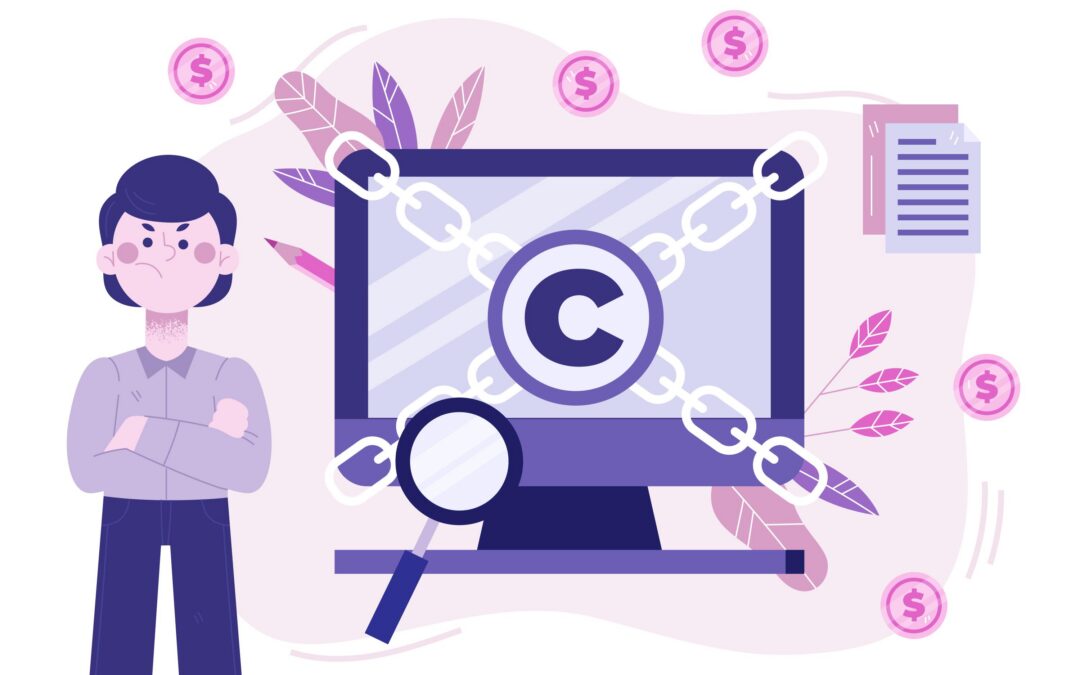
Digital creativity has opened endless opportunities for businesses and individuals alike. Whether you’re a content creator, marketer, or entrepreneur, the internet provides a limitless stage to share ideas, products, and artistry. Yet, with this freedom comes the risk of misusing or unknowingly replicating someone else’s intellectual property. Copyright infringement can lead to serious legal, financial, and reputational damage, making it essential to understand what constitutes violation and how to steer clear of it while building a responsible online presence.
Learning how to avoid copyright infringement online is not just about compliance—it’s about respect for creativity and fair use. This blog explores key strategies, practical examples, and proactive measures that help individuals and organizations stay compliant while maintaining originality. We’ll also highlight how professional copyright protection services like Aiplex AntiPiracy empower brands to safeguard their digital assets across platforms. Let’s begin with the foundational knowledge every digital participant should have.
Essential Things to Know About Copyright Infringement
Before diving into preventive strategies, it’s vital to grasp what copyright infringement entails. Understanding the principles of ownership, usage rights, and licensing helps avoid unintentional violations. The following subtopics will clarify these concepts in simple, actionable terms.
What is Copyright and Why It Matters
Copyright grants creators exclusive rights to reproduce, distribute, and display their work. It protects intellectual property such as music, videos, literature, and software. For digital businesses, respecting copyright is integral to maintaining credibility and ethical standards online.
At its core, copyright is a balance between creator protection and public access. Misusing protected materials, even unintentionally, can trigger penalties or lawsuits. This is why awareness of licensing, permissions, and attribution plays a central role in compliance. Always verify ownership before sharing, editing, or monetizing someone else’s work.
Common Types of Copyright Infringement
Unauthorized sharing of digital assets is one of the most frequent forms of infringement. Uploading a movie clip, copying written content, or using copyrighted music in marketing videos without permission can all qualify as violations. Even memes, images, and GIFs can be subject to restrictions depending on their source.
Another prevalent issue is derivative work misuse, where someone alters an existing work but fails to secure approval from the original creator. These actions not only breach intellectual property laws but can also damage professional relationships and brand image if left unchecked.
Understanding Fair Use and Licensing
Fair use allows limited use of copyrighted material for commentary, criticism, or education without explicit permission. However, these boundaries are not always clear-cut. Misinterpretation of fair use often leads to disputes, so it’s essential to evaluate how much of a work is used, its purpose, and its market impact.
Licensing offers a safer route. Creative Commons and royalty-free licenses let you use materials legally under specified terms. Understanding and adhering to these licenses ensures your projects stay compliant while benefiting from high-quality content.
The Legal and Financial Risks Involved
Ignoring copyright laws can have severe consequences. Fines, takedown notices, and even lawsuits are common outcomes of infringement cases. Businesses caught misusing intellectual property may face reputational harm that outweighs any immediate financial loss.
Apart from penalties, repeated violations can lead to permanent account suspensions or loss of monetization on platforms like YouTube or Instagram. Preventing these issues starts with building strong internal compliance practices and awareness among all content creators within an organization.
Importance of Digital Asset Management
Maintaining organized digital libraries is crucial to prevent unauthorized reuse of protected content. Digital asset management tools help track file sources, licenses, and expiration dates, ensuring materials are always used legally and ethically.
These tools also streamline collaboration, making it easier for teams to verify content authenticity before publication. For companies managing large-scale campaigns, automation and metadata tracking are key to avoiding accidental copyright violations.
Best Practices to Avoid Copyright Infringement Online
Create Original Content Whenever Possible
Producing original visuals, text, and media ensures complete ownership and reduces infringement risks. Originality also strengthens brand identity and improves SEO visibility. Always aim to produce unique assets instead of modifying or replicating existing works.
If referencing external ideas or data, provide proper citations and context. Transparency not only protects your brand legally but also enhances your credibility as a trustworthy content creator or business.
Verify Ownership Before Use
Before using any third-party material, check its source, license type, and usage rights. Many online assets come with conditions like attribution or non-commercial use only. Ignoring these terms constitutes infringement, even if credit is given.
Conducting due diligence might seem tedious, but it prevents future legal troubles. Establish a checklist within your team for content verification before publishing or sharing materials across marketing channels.
Use Stock Media Responsibly
Stock platforms like Shutterstock or Unsplash offer licensed images and videos for commercial use, but even these come with limitations. Some assets require additional permissions for merchandise or advertisement purposes. Always read license agreements carefully.
Avoid downloading visuals from random websites or social media without confirmation of ownership. Even free content may carry hidden restrictions or attribution requirements that need to be followed closely.
Educate Your Team About Copyright Compliance
Awareness is the first defense against infringement. Conduct regular training sessions for employees, freelancers, and partners who handle creative assets. Clear policies ensure everyone understands legal responsibilities and the importance of respecting intellectual property.
Aiplex Anti Piracy recommends implementing standard operating procedures for uploading, sharing, or editing digital files. These internal guidelines prevent accidental misuse and reinforce organizational accountability.
Monitor and Audit Your Digital Presence
Regularly review your website, social media, and marketing materials to ensure compliance. Use plagiarism detection and copyright-checking tools to identify potential violations. Automation can simplify this task and reduce manual errors.
Working with a professional service like Aiplex Anti Piracy ensures that unauthorized copies of your work are detected and removed efficiently. Their comprehensive monitoring systems provide long-term protection across platforms.
Why Choose Aiplex Anti Piracy for Copyright Protection
Aiplex Anti Piracy stands out as a trusted partner in digital rights management and online content protection. Their team combines advanced AI-driven technology with legal expertise to identify and remove infringing materials across the web.
From film studios to e-learning companies, Aiplex serves diverse industries, ensuring every client’s intellectual property remains secure. Their proactive approach minimizes reputational risks while helping creators focus on innovation rather than constant surveillance of their content.
Conclusion
Respecting copyright is more than just a legal obligation it’s a mark of professionalism and integrity. Whether you’re creating social media content, blogs, or video campaigns, every digital action should prioritize originality and lawful use. By following the right practices and partnering with experts like Aiplex Anti Piracy, businesses can navigate the online world with confidence and peace of mind.
Safeguard your creativity, honor others’ work, and protect your digital future with proactive copyright management. Visit Aiplex AntiPiracy to explore how their services can help your brand stay compliant, ethical, and secure across every online channel.
