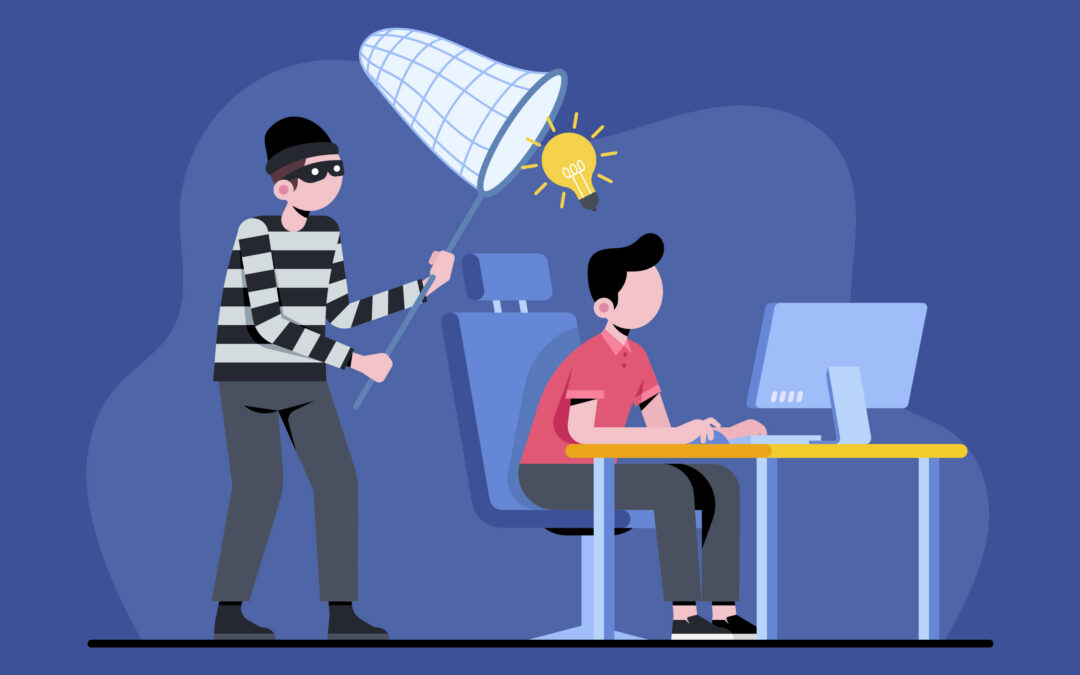
by AI Admin | Antipiracy
As digital content dominates every corner of our lives, intellectual piracy has become an increasingly urgent concern. Whether it’s movies, music, software, or eBooks, the internet has made unauthorized sharing and duplication alarmingly simple. For creators and businesses, this means lost revenue, reduced control over intellectual property, and a growing challenge to protect original work. The rise of streaming services and digital marketplaces has made content distribution easier, but it has also exposed creators to unprecedented risks related to intellectual piracy.
Understanding intellectual piracy and its growing impact is the first step toward building a safer and fairer digital ecosystem. This blog will explore what intellectual piracy means, how it affects different industries, and what modern solutions exist to combat it effectively. From advanced monitoring tools to AI-powered enforcement systems, you’ll discover how organizations like AiPlex Anti Piracy are leading the way in protecting digital assets across the globe. Let’s dive into how you can stay ahead in the fight against intellectual piracy.
Understanding Intellectual Piracy: What You Should Know
Before diving into the strategies for prevention, it’s crucial to understand the nature of intellectual piracy and how it has evolved. Intellectual piracy refers to the unauthorized use, distribution, or reproduction of someone else’s creative or intellectual work. This includes everything from illegally downloading a movie to replicating proprietary software or publishing copyrighted research without permission. In the current globalized digital environment, intellectual piracy can occur across borders in seconds, making enforcement a major challenge.
Intellectual piracy not only affects creators and corporations but also distorts fair competition and undermines innovation. When creators lose motivation to develop new ideas due to piracy, the entire creative ecosystem suffers. Recognizing the gravity of this issue, businesses now prioritize comprehensive anti-piracy strategies and digital rights management systems to safeguard their intellectual property. Below are key aspects you should know before exploring anti-piracy measures.
1. Types of Intellectual Piracy in the Modern World
Intellectual piracy takes many forms, from software cracking to streaming site piracy. Software piracy involves using unlicensed or counterfeit programs, while media piracy covers illegal downloads and streams of films, music, and eBooks. Academic and research piracy is another emerging concern, with unauthorized reproduction of scholarly work impacting education sectors. These types of piracy have become more sophisticated as technology advances, making prevention more difficult.
Another major type is data and design theft, particularly in industries like fashion, architecture, and gaming. Pirated designs and in-game assets are often replicated and sold, costing companies millions annually. Understanding these variations helps businesses adopt customized anti-piracy solutions that address their unique vulnerabilities. Solutions like AiPlex’s digital monitoring services provide targeted protection against each form of piracy.
2. The Impact of Intellectual Piracy on Businesses and Creators
The financial implications of intellectual piracy are immense, with billions lost annually to unauthorized distribution. Small businesses and individual creators are often the hardest hit because they lack the resources to pursue legal action or deploy strong protection measures. Moreover, piracy erodes brand trust, as counterfeit or low-quality reproductions of original products can tarnish a company’s reputation.
Beyond finances, piracy disrupts innovation. When intellectual property is stolen, creators lose their incentive to develop new ideas. This negative feedback loop can slow technological and cultural advancement. Fortunately, modern anti-piracy solutions like those from AiPlex are enabling creators to focus on innovation without fear of exploitation.
3. The Role of Technology in Fueling Intellectual Piracy
Technology has revolutionized both the spread and control of piracy. On one hand, file-sharing platforms, torrent sites, and streaming portals make it easy for pirates to distribute content globally. On the other hand, AI-driven monitoring tools, digital watermarking, and blockchain-based verification systems are helping businesses reclaim control over their content.
Automation has made it possible to detect and take down pirated content faster than ever. AiPlex, for instance, leverages AI algorithms to scan thousands of platforms daily, identifying unauthorized copies and initiating removal requests almost instantly. This blend of technology-driven offense and defense defines the future of anti-piracy efforts.
4. Legal Frameworks and International Regulations
Legal systems worldwide are adapting to combat intellectual piracy more effectively. International treaties like the Berne Convention and TRIPS Agreement provide foundational support for cross-border copyright protection. Many countries are also enacting stricter digital copyright laws to address emerging threats.
However, enforcement remains inconsistent due to jurisdictional challenges. Collaborations between governments, corporations, and enforcement agencies are essential. Companies like AiPlex work closely with legal experts and authorities to ensure compliance while protecting clients’ intellectual property globally.
5. Why Education and Awareness Are Key
Despite the availability of legal digital alternatives, many consumers still engage in piracy due to a lack of awareness or perceived cost benefits. Educating users about the ethical, financial, and security consequences of piracy can significantly reduce its prevalence. Awareness campaigns in schools, workplaces, and online platforms play a pivotal role in shifting behavior.
Organizations that invest in user education often see measurable improvements in compliance and reduction in piracy rates. Partnering with professional anti-piracy firms like AiPlex can amplify these efforts, combining awareness with real-time protection mechanisms.
Effective Strategies to Combat Intellectual Piracy
The fight against intellectual piracy requires a proactive and multilayered approach. Businesses must combine legal action, technological defenses, and public education to build a resilient anti-piracy ecosystem. Each industry—be it entertainment, software, or academia—has unique vulnerabilities, making it essential to adopt customized strategies for protection.
1. Digital Rights Management (DRM) Solutions
DRM systems are among the most effective tools against intellectual piracy. They restrict unauthorized copying, sharing, or modification of digital content. Modern DRM tools integrate encryption, licensing controls, and access verification to safeguard intellectual property.
However, DRM must be deployed strategically to avoid inconveniencing legitimate users. AiPlex’s DRM integration ensures that authorized users enjoy seamless access while maintaining rigorous content protection. This balance between usability and security is crucial for maintaining consumer trust.
2. Watermarking and Content Fingerprinting
Digital watermarking embeds invisible identifiers within content, allowing owners to trace pirated versions back to the source. Similarly, fingerprinting uses algorithmic patterns to detect unauthorized copies even if they’ve been altered or compressed.
AiPlex employs advanced watermarking technology across films, images, and documents, enabling real-time piracy tracking and enforcement. By integrating such systems, businesses can not only detect theft but also gather evidence for legal proceedings.
3. AI-Powered Monitoring and Enforcement
Artificial intelligence is revolutionizing how intellectual piracy is detected and removed. AI models can scan the web, identify duplicates, and automate takedown requests efficiently. This continuous surveillance ensures that pirated content is swiftly removed, minimizing revenue loss.
AiPlex’s AI-based systems monitor online marketplaces, streaming platforms, and social media channels, offering comprehensive digital protection. These technologies make it possible to fight piracy at scale without manual intervention.
4. Collaboration with Law Enforcement and Industry Partners
No single organization can tackle piracy alone. Collaboration with law enforcement agencies, digital platforms, and industry groups is critical to success. Coordinated efforts enhance the speed and scope of anti-piracy operations.
AiPlex works alongside legal teams, cybersecurity experts, and international regulators to execute global enforcement actions. Such partnerships not only improve takedown efficiency but also strengthen the overall legal ecosystem against piracy.
5. Consumer Awareness and Ethical Consumption
Promoting ethical digital consumption is one of the most sustainable ways to combat intellectual piracy. When consumers understand the real-world impact of piracy, they are more likely to support legitimate content.
AiPlex encourages its clients to invest in educational initiatives and public awareness campaigns. Combining awareness with accessible pricing models and legal alternatives significantly reduces piracy motivation.
Why Choose AiPlex Anti Piracy for Your Digital Protection
AiPlex Anti Piracy has established itself as a global leader in digital content protection. With years of expertise and state-of-the-art technology, AiPlex offers end-to-end solutions that detect, monitor, and remove pirated content swiftly. Whether you’re an entertainment studio, software company, or online educator, AiPlex tailors its services to fit your protection needs.
What sets AiPlex apart is its blend of human expertise and AI innovation. Their monitoring systems operate 24/7, ensuring rapid detection of infringements. Beyond enforcement, AiPlex also provides consultation services to help brands strengthen their overall digital security infrastructure. By choosing AiPlex, you are not only safeguarding your intellectual assets but also contributing to a fairer, safer digital world.
Conclusion
Intellectual piracy remains a formidable challenge for creators, businesses, and governments alike. While technology has made distribution effortless, it has also opened the door to large-scale infringement. Combating this issue requires awareness, innovation, and cooperation at all levels. Implementing advanced protection strategies like DRM, watermarking, and AI-driven monitoring can make a significant difference.
AiPlex Anti Piracy continues to empower global clients with robust tools and expert services to combat intellectual piracy effectively. By partnering with a trusted anti-piracy firm, you not only protect your intellectual property but also uphold the integrity of creative industries worldwide. Visit AiPlex Anti Piracy to learn more about their solutions and take the next step toward securing your digital future.
by AI Admin | Antipiracy
Creative work whether it’s a movie, song, software, or artwork—represents months or even years of effort, innovation, and investment. Yet, copyright infringement continues to threaten the integrity of intellectual property worldwide. From individuals sharing unauthorized copies online to large-scale digital piracy operations, copyright infringement has become a critical issue for creators and businesses alike. Understanding its implications is no longer optional—it’s essential for safeguarding creative assets and ensuring fair returns on creative investments.
This blog explores the key aspects of copyright infringement—its legal risks, potential penalties, and effective prevention strategies that protect creative works in an increasingly digital environment. We’ll break down what constitutes infringement, how laws are enforced, and why companies must proactively guard their intellectual property. For organizations seeking robust protection. Aiplex Anti-Piracy copyright enforcement services offer advanced monitoring and takedown solutions tailored for today’s digital landscape.
Things to Know Before Addressing Copyright Infringement
Understanding What Constitutes Copyright Infringement
Copyright infringement occurs when someone uses another person’s original work without authorization—whether by copying, distributing, displaying, or modifying it. This extends to both online and offline mediums, covering content such as videos, music, photographs, software, and written works. The digital revolution has made copying and sharing easier than ever, which means even unintentional acts can qualify as infringement under current laws. Knowing the boundary between fair use and infringement is crucial to avoid costly legal repercussions.
For businesses, recognizing infringement is especially vital. Many organizations unknowingly breach copyright laws by using unlicensed media or reusing content without consent. With digital platforms hosting vast volumes of user-generated material, companies must adopt proactive compliance strategies. This includes using licensed assets, deploying automated content recognition tools, and staying informed about copyright laws. Such practices not only minimize legal exposure but also demonstrate corporate integrity in digital content use.
The Difference Between Copyright and Other IP Rights
While copyright protects creative expressions, intellectual property (IP) also includes trademarks, patents, and trade secrets—each with distinct protections. Copyright safeguards artistic and literary works, trademarks secure brand identifiers, patents protect inventions, and trade secrets guard confidential business information. Confusing these categories can lead to weak protection strategies, especially for digital creators and media businesses managing mixed forms of IP.
Understanding these differences ensures that rights holders apply the correct form of protection. For instance, a film studio must secure copyright for its content, trademarks for its logo, and potentially patents for production technologies. Collaborating with digital enforcement agencies like Aiplex Anti-Piracy ensures comprehensive coverage, as their teams specialize in both identifying and acting against various forms of IP misuse online.
Common Types of Copyright Infringement
The most frequent form of infringement involves unauthorized reproduction—such as duplicating videos, music, or books without permission. However, digital distribution has added new dimensions, including streaming, torrenting, and embedding unauthorized content on websites or social platforms. These acts often occur on a massive scale, with infringing materials spreading rapidly across global networks before creators even become aware of the violation.
Other common types include derivative works where content is modified but still retains recognizable portions of the original—and performance infringements, where copyrighted material is publicly displayed or performed without authorization. Identifying and taking down these infringements requires specialized tools and constant monitoring, areas where companies like Aiplex provide technological advantages through AI-driven detection and rapid takedown mechanisms.
Legal Framework Governing Copyright Infringement
Copyright protection is governed by both national and international laws, including the Berne Convention, WIPO treaties, and the Digital Millennium Copyright Act (DMCA). These frameworks establish creators’ rights, enforcement mechanisms, and penalties for violations. However, implementation varies by jurisdiction, which means creators must understand both their local and global legal standing when enforcing rights.
In India, for instance, the Copyright Act, 1957 outlines both civil and criminal penalties for infringement. Internationally, the DMCA enables rightsholders to request content removal across platforms like YouTube, Facebook, and Google. Businesses that rely heavily on digital media must stay updated on evolving copyright legislation to maintain compliance and swiftly act against violators.
Economic Impact of Copyright Infringement
Beyond legal consequences, copyright infringement carries substantial economic losses for creators, studios, and entire industries. The entertainment and software sectors alone lose billions annually to piracy. For smaller creators, even limited unauthorized sharing can erode potential revenue, reduce licensing opportunities, and undermine brand credibility in competitive markets.
Moreover, infringement distorts fair market dynamics, rewarding illegal distributors while penalizing legitimate producers. This creates an environment where innovation becomes less sustainable. By investing in professional anti-piracy solutions, rights holders can reclaim lost revenue and restore fairness within their creative ecosystems.
Major Risks and Penalties of Copyright Infringement
Civil Liabilities for Infringers
Individuals or organizations found guilty of copyright infringement may face severe financial penalties, including statutory damages, compensation for actual losses, and injunctions prohibiting further use. Courts may order removal of the infringing material, destruction of unauthorized copies, or surrender of profits gained through illegal use. In commercial settings, such penalties can significantly impact brand reputation and business operations.
For companies, settlements and lawsuits can cost far more than preventive compliance measures. Implementing content usage policies, licensing agreements, and regular audits helps mitigate risks. Working with IP protection specialists ensures that copyright compliance becomes part of organizational culture, not just a legal afterthought.
Criminal Consequences of Copyright Violation
In serious cases, copyright infringement constitutes a criminal offense, particularly when performed at scale or for commercial gain. Convicted individuals may face imprisonment ranging from six months to three years, along with substantial fines. Law enforcement agencies are increasingly collaborating with digital watchdogs to trace large-scale infringers operating across multiple jurisdictions.
Governments worldwide have ramped up efforts to curb digital piracy, using advanced tracking technologies and international cooperation. For example, coordinated takedowns involving anti-piracy firms like Aiplex have successfully dismantled networks distributing copyrighted movies and software. These actions send a strong deterrent message to would-be infringers.
Reputational Damage to Businesses
Reputational harm is one of the most damaging outcomes of copyright infringement, especially for brands built on trust and originality. Being accused of using unauthorized material—intentionally or not—can erode customer confidence, damage partnerships, and trigger negative publicity. For startups and content-based firms, such exposure can stall growth permanently.
Conversely, strong copyright compliance enhances credibility. Brands that actively protect and respect intellectual property demonstrate ethical leadership. Leveraging Aiplex’s solutions for digital content monitoring ensures organizations can both prevent and respond effectively to potential violations before they escalate publicly.
Loss of Market Opportunities
Unauthorized sharing of copyrighted material often devalues creative works in legitimate markets. For example, leaked films, music, or software reduce official release revenues and deter future collaborations. Businesses affected by infringement may also lose investor confidence, licensing opportunities, or international distribution deals.
Prevention strategies such as digital watermarking, online surveillance, and AI-driven content recognition can help secure future profitability. Implementing these technologies through trusted partners like Aiplex Anti-Piracy not only protects existing assets but strengthens future licensing negotiations.
Impact on the Creative Ecosystem
When creators lose control of their work, the broader creative ecosystem suffers. Piracy discourages innovation and reduces the incentive for artists and developers to invest in new ideas. This ripple effect stifles cultural diversity and limits the availability of original content for audiences worldwide.
By enforcing copyright and promoting fair compensation, society supports sustainable creative industries. Anti-piracy organizations play an essential role in restoring this balance—identifying illegal activity, supporting legal enforcement, and ensuring creators continue to benefit from their original efforts.
Effective Prevention Strategies for Copyright Infringement
Educating Employees and Creators
One of the simplest yet most effective methods of preventing copyright infringement is through awareness and education. Employees, freelancers, and creative partners must understand what constitutes infringement and the consequences of misusing copyrighted material. Regular workshops, compliance training, and guidelines can instill best practices for using licensed resources, especially in media-heavy organizations.
Aiplex often advises its clients to establish internal copyright policies as part of broader compliance frameworks. By ensuring every team member knows the ethical and legal boundaries of content use, organizations reduce the likelihood of accidental violations. Empowered with this knowledge, teams make smarter decisions about sourcing, sharing, and creating content legally.
Deploying Digital Rights Management (DRM) Tools
Digital Rights Management (DRM) tools are critical for protecting media from unauthorized access and distribution. These systems encrypt digital files, control playback permissions, and restrict copying or sharing. Businesses in entertainment, publishing, and software industries rely heavily on DRM to maintain content integrity and profitability.
For example, streaming platforms use DRM to prevent users from downloading and redistributing copyrighted movies or music. Aiplex’s solutions integrate similar technologies with advanced analytics to identify unauthorized copies instantly. This proactive defense ensures that creative assets remain accessible only to authorized users.
Using AI-Powered Content Monitoring
AI-powered content monitoring has revolutionized copyright protection. Through automated detection, machine learning algorithms can scan the internet, flagging unauthorized use of text, video, or imagery within minutes. This level of efficiency is crucial in controlling fast-spreading piracy networks and ensuring timely enforcement.
Aiplex’s proprietary systems leverage AI to conduct 24/7 surveillance across multiple digital platforms. By recognizing patterns of infringement and automatically issuing takedown notices, their clients experience reduced manual workload and faster content recovery. This technology-driven vigilance minimizes losses and protects brand integrity.
Implementing Watermarking and Fingerprinting
Watermarking and digital fingerprinting technologies serve as invisible yet powerful deterrents against unauthorized copying. Watermarks embed unique identifiers within media files, while fingerprints analyze content characteristics to track copies across the internet. Together, they help rights holders trace the origin and spread of infringing content.
Aiplex integrates these tools into their anti-piracy systems, offering clients both reactive and preventive measures. Watermarking adds traceability, while fingerprinting allows detection even after files are altered or reformatted. This dual protection enhances overall copyright security for films, software, and digital art.
Partnering with Professional Anti-Piracy Services
While self-managed protection offers some control, partnering with professionals ensures holistic coverage. Firms like Aiplex combine technology, legal expertise, and global reach to deliver end-to-end protection. From real-time detection to content removal and legal support, their services streamline the complex enforcement process.
A partnership with Aiplex also provides continuous improvement. Their teams constantly adapt to new piracy methods, ensuring that protection remains one step ahead of infringers. This proactive collaboration enables creators and businesses to focus on growth and innovation while their intellectual assets remain safeguarded.
Why Choose Aiplex Anti-Piracy for Copyright Protection
Aiplex Anti-Piracy has established itself as a trusted leader in digital content protection. Their solutions combine artificial intelligence, legal expertise, and automated enforcement to provide unmatched coverage for businesses across entertainment, software, and publishing sectors. With over a decade of experience, they have successfully executed thousands of takedowns worldwide, defending creative rights across multiple platforms.
Partnering with Aiplex means gaining more than a service—it means securing a strategic ally committed to your content’s integrity. Their customized protection systems ensure compliance, minimize losses, and maintain the long-term value of intellectual property. For creators and enterprises seeking scalable, results-driven IP protection, Aiplex remains the top choice.
Conclusion
Copyright infringement poses real and evolving threats to creative professionals and organizations worldwide. Understanding the legal framework, recognizing the risks, and implementing effective prevention strategies are crucial for protecting intellectual assets. From AI-driven detection to global takedown execution, Aiplex Anti-Piracy empowers rights holders to regain control and uphold creative integrity.
Choosing proactive protection is not just about avoiding penalties it’s about preserving the value of originality. With Aiplex as your digital enforcement partner, you can focus on creating while ensuring your work remains secure in an increasingly complex digital landscape.

by AI Admin | Mod APK
Many users today download MOD APKs to unlock premium app features without paying, unaware of the potential security risks involved. You might have seen YouTube videos or online guides encouraging you to use these modified apps to get free coins, unlimited access, or premium features. But before you hit that download button, it’s important to ask yourself is MOD APK safe for your phone, or are you inviting hidden dangers?
This blog explores the truth behind MOD APKs, how they work, and the risks they pose to your device and data. You’ll discover why using MOD APKs can lead to serious privacy threats and how to protect yourself from such risks. In the end, we’ll also explain how AiPlex Anti-Piracy offers digital security and anti-piracy protection to keep users and creators safe online.
What You Need to Know About MOD APKs
Before diving into the risks, let’s understand what MOD APKs actually are. These are modified versions of official apps where developers or hackers alter the code to unlock features or remove restrictions. Unlike official apps available on Google Play Store, MOD APKs are shared through third-party sites and are not verified for safety. They may look identical to the original app but could contain hidden malware or spyware that compromises your device.
Understanding how MOD APKs operate helps you recognize the trade-off between free access and security. These files bypass app store guidelines, often injecting malicious code into your device. When users install these apps, they unknowingly grant permissions that can expose personal data, passwords, and even financial information. Knowing this helps users make smarter choices about app downloads.
1. The Hidden Dangers of Downloading MOD APKs
When you install a MOD APK, you risk compromising your data. These modified apps can include malware or adware that silently tracks your activities. In many cases, users experience slow phone performance or random pop-ups after installing a MOD APK. The danger doesn’t stop there some hackers use MOD APKs to access stored data like contacts, gallery photos, and saved passwords.
Another issue is that these apps may change permissions without notifying you. A game that should only require storage access might also gain control over your camera or microphone. This unauthorized access can lead to privacy breaches and identity theft. It’s always safer to install apps from trusted sources like the Play Store to ensure authenticity.
2. Legal Consequences of Using MOD APKs
Downloading and using MOD APKs can violate copyright laws. These apps are often unauthorized reproductions of licensed software, which means using them can be considered digital piracy. Developers lose revenue, and users could face legal penalties for participating in such activities. It’s important to remember that bypassing app security mechanisms or license verification violates most app developers’ terms of service.
For businesses and creators, MOD APKs harm brand credibility and profits. They also discourage innovation by making it easy for hackers to exploit others’ work. Instead of risking legal action or device compromise, consider supporting developers through legitimate purchases or subscription plans.
3. Data Theft and Privacy Risks
One of the major dangers associated with MOD APKs is unauthorized data access. These modified files can carry spyware that collects personal information. Once installed, the spyware sends your sensitive data, like login credentials or banking details, to cybercriminals. Some MOD APKs even disguise themselves as security tools to gain deeper access to your phone’s operating system.
Even if the app seems to work properly, hidden background scripts might be active, silently collecting information. Users have reported cases where their social media accounts were hacked or bank accounts compromised shortly after downloading MOD APKs. Always question why a third-party app is offering paid features for free — it usually comes with a hidden cost.
4. Malware and Device Damage
MOD APKs can infect your phone with malware that damages the system files. Unlike verified apps, these files don’t undergo safety checks or encryption, making them an open invitation for malicious code. Once the malware enters your phone, it can disrupt functions, delete important data, or make your device unusable. In some cases, ransomware locks your phone and demands payment to regain access.
Another overlooked issue is automatic updates. Since MOD APKs aren’t managed by official app stores, they can’t be updated securely. Hackers often release newer infected versions that look like updates but cause more damage. Keeping your phone free of such unauthorized software ensures better security and long-term performance.
5. Impact on App Developers and the Digital Economy
Using MOD APKs affects more than just users it impacts the digital economy. Developers spend months or even years creating applications and games. When users download modified versions, developers lose revenue that funds updates, security improvements, and innovation. This illegal sharing culture also makes the app ecosystem less secure overall.
Piracy also demotivates legitimate creators who rely on user trust. When their work is stolen, it disrupts their ability to sustain projects. As a result, fewer developers invest in new products, leading to fewer high-quality apps. Supporting official versions ensures that developers continue to build secure, reliable, and user-friendly applications.
How to Stay Safe from MOD APK Threats
While it’s tempting to download a free version of a paid app, understanding safe digital practices can protect your device and data. Let’s explore the steps you can take to avoid MOD APK-related risks and ensure a secure app experience.
1. Always Download from Trusted Sources
The simplest and most effective way to avoid MOD APK risks is to download apps only from trusted platforms like Google Play Store or Apple App Store. These platforms verify apps before publication, reducing the risk of malware or spyware infection. If an app isn’t available officially, it’s better to look for alternatives rather than download it from random websites.
Even third-party stores that claim to offer “safe MODs” can’t guarantee data security. Hackers often disguise malicious files as popular apps. Always verify the developer name, read user reviews, and check for security certifications before downloading any app.
2. Use Antivirus and Anti-Malware Software
Installing reliable antivirus software is another strong defense against malicious APKs. Security tools can detect harmful files before they cause damage. Apps like Avast, Bitdefender, or Kaspersky provide real-time scanning that identifies and blocks unsafe downloads. This extra layer of protection keeps your device and data secure.
Make sure your antivirus is updated regularly to detect newer threats. Many users install security apps but forget to keep them active, which reduces their effectiveness. Set up automatic scans and keep system protection on at all times.
3. Keep Your Device and Apps Updated
Outdated software creates vulnerabilities that hackers can exploit through MOD APKs. Regular updates ensure your phone’s operating system and apps have the latest security patches. Manufacturers release updates not only for new features but also to close potential security loopholes.
Turn on automatic updates to make sure your apps remain secure. Avoid disabling system updates for convenience — doing so may expose your device to older malware versions. Keeping both OS and apps updated helps prevent exploitation from modified applications.
4. Avoid Granting Unnecessary Permissions
Many users allow apps to access contacts, storage, and even cameras without considering the risks. Always review permission requests before installation. A flashlight or calculator app doesn’t need access to your files or microphone — if it asks for them, it’s a red flag.
Modern Android versions now allow users to revoke permissions manually. Check your settings regularly to monitor which apps have access to sensitive data. Limiting permissions ensures better privacy control and reduces exposure to harmful activities.
5. Educate Others About MOD APK Risks
Digital awareness is one of the best defenses against cyber threats. Share information about MOD APK dangers with friends and family who might unknowingly install these files. Teaching others about security can prevent large-scale data breaches and identity theft.
Online communities thrive on shared knowledge. By promoting safe downloading habits, you help create a more secure digital environment. Encourage users to support legitimate app developers — this not only strengthens the app ecosystem but also minimizes the risks associated with piracy.
Why Choose AiPlex Anti-Piracy for Digital Protection
AiPlex Anti-Piracy specializes in safeguarding digital assets from unauthorized use, piracy, and data theft. With decades of experience in cybersecurity and anti-piracy solutions, AiPlex offers proactive protection for mobile apps, OTT platforms, and online content. Their services help brands detect and remove pirated copies, track unauthorized app distribution, and prevent data leaks before they cause damage.
AiPlex uses advanced AI-driven monitoring tools that scan millions of online sources to identify illegal distributions in real time. Whether it’s a pirated APK or a cloned app, AiPlex ensures quick takedown actions to restore control to legitimate owners. Partnering with AiPlex not only enhances your security posture but also reinforces your brand’s integrity in the digital marketplace.
Conclusion
Using MOD APKs might seem like a harmless way to enjoy premium features for free, but the risks far outweigh the rewards. These apps expose your device to malware, data theft, and potential legal consequences. They also harm developers and weaken the overall digital ecosystem. By prioritizing security and ethical use, users can enjoy safe digital experiences without compromising their privacy.
To protect your apps, data, and brand reputation, consider working with AiPlex Anti-Piracy. Their robust security solutions ensure continuous monitoring and fast response against piracy threats. Visit AiPlex Anti-Piracy to explore how their expert solutions can help safeguard your digital presence and maintain trust with your users.

by AI Admin | Piracy
Brand identity is more than a logo or tagline; it’s the sum of years of hard work, investment, and consumer trust. Intellectual piracy threatens this foundation, allowing counterfeiters, plagiarists, and digital thieves to profit from what your company has built. The consequences can range from lost revenue to irreparable damage to reputation. As global markets expand and digital access increases, the challenge of protecting intellectual assets has become more pressing than ever before. Businesses that understand how to proactively safeguard their brand are those that sustain credibility and consumer loyalty.
This blog explores how companies can identify, prevent, and combat intellectual piracy effectively. We’ll discuss key concepts like copyright enforcement, digital monitoring, and the use of technology to shield creative and proprietary assets. You’ll also learn how Aiplex Antipiracy advanced solutions can help you implement robust brand protection strategies. By the end, you’ll have a comprehensive understanding of what steps your organization can take to safeguard your intellectual property and maintain brand integrity.
Things to Know About Intellectual Piracy
Before learning how to protect your brand, it’s essential to understand the different dimensions of intellectual piracy. Intellectual piracy refers to the unauthorized use, reproduction, or distribution of someone’s intellectual property—this can include trademarks, copyrighted materials, trade secrets, or digital content. Piracy affects not just media and entertainment sectors but also software, fashion, education, and even product manufacturing. Recognizing how piracy occurs and what vulnerabilities exist in your business model is the first step toward effective protection.
Below are some key elements you should know before developing a protection strategy for your intellectual property.
1. Understanding Different Forms of Intellectual Piracy
Intellectual piracy manifests in multiple forms—from counterfeit products flooding online marketplaces to unauthorized streaming of digital content. Companies often underestimate how their brand assets can be replicated or misused across platforms. Counterfeiters exploit gaps in legal protection and digital loopholes to deceive consumers and erode brand credibility. Recognizing the various piracy types counterfeiting, plagiarism, content scraping, and illegal distribution is vital for a tailored protection plan.
Equally important is the awareness that piracy tactics evolve alongside technology. For instance, AI-generated content and blockchain manipulation present new forms of infringement. Businesses need continuous vigilance and adaptive strategies to stay ahead of emerging threats. Understanding the full spectrum of intellectual piracy empowers companies to adopt preventive and corrective measures effectively.
2. The Role of Trademarks and Copyrights
Trademarks and copyrights form the legal backbone of intellectual property protection. A trademark distinguishes your brand identity logo, slogan, or design while copyright protects original works of authorship. Registering them ensures that any unauthorized use becomes legally actionable. Without these protections, it’s difficult to claim ownership or enforce rights against infringers. Many companies overlook the global aspect of registration, leaving their brand vulnerable in international markets.
For multinational brands, securing intellectual property rights in each operating region is critical. Treaties like the Madrid Protocol simplify trademark registration across countries, while the Berne Convention provides copyright protection internationally. Leveraging these frameworks can prevent competitors from exploiting your intellectual assets in foreign jurisdictions. A comprehensive registration strategy enhances your brand’s legal shield against piracy.
3. Economic and Reputational Impact of Piracy
The impact of intellectual piracy goes far beyond lost sales. When counterfeit products or pirated content circulate under your brand name, they compromise customer trust. Consumers receiving low-quality fakes associate the disappointment with your company, diminishing future loyalty. Economically, piracy drains potential revenue streams, undermines innovation, and increases the cost of brand rehabilitation.
Reputational damage can sometimes outweigh financial losses. Negative publicity stemming from fake or stolen intellectual property weakens investor confidence and market perception. In sectors like entertainment, software, and luxury goods, even a minor breach can result in millions of dollars in damage control. Therefore, addressing piracy is not merely a compliance activity but a core aspect of sustainable brand management.
4. Legal Frameworks Governing Intellectual Property
Every country enforces unique laws governing intellectual property protection. Understanding these frameworks helps brands navigate enforcement actions efficiently. In India, for example, the Copyright Act of 1957 and the Trade Marks Act of 1999 form the foundation for intellectual property rights. Globally, organizations like WIPO (World Intellectual Property Organization) oversee treaties that ensure international compliance and cooperation.
Engaging with specialized IP law firms or consultants is often beneficial for interpreting jurisdictional complexities. For businesses with digital operations, awareness of internet-specific legislation such as the Digital Millennium Copyright Act (DMCA) in the United States is crucial. Knowing how and where to file takedown requests enables swift action against infringing parties and helps reduce the spread of pirated content.
5. Importance of Digital Surveillance and Technology
In the age of automation, human monitoring alone cannot counteract the scale of intellectual piracy. Advanced digital surveillance technologies enable brands to identify infringements in real-time across websites, streaming platforms, and social media. AI-based tools can detect replicas of logos, videos, or proprietary assets with precision, even when disguised. Such systems empower businesses to act swiftly against violations.
Platforms like Aiplex Antipiracy employ sophisticated crawlers and AI-driven algorithms to detect and remove pirated materials. Their automated takedown solutions, combined with analytics dashboards, help clients monitor global IP infringements efficiently. This proactive technological integration is now essential for companies aiming to maintain their intellectual property integrity at scale.
Best Strategies to Protect Your Brand from Intellectual Piracy
Once you understand the scope and risk of intellectual piracy, implementing protective strategies becomes more straightforward. These methods combine legal, technical, and organizational measures to safeguard your brand identity.
1. Register and Maintain Intellectual Property Rights
The first defense against intellectual piracy is registering your intellectual property be it trademarks, patents, or copyrights. Registration ensures your ownership is recognized by law and enables you to enforce your rights if infringement occurs. Regular renewals of these registrations maintain their legal validity and prevent lapses that could be exploited by pirates.
Additionally, companies should monitor competitor filings to detect attempts at similar registrations. Tools like WIPO’s Global Brand Database allow businesses to search and track intellectual property worldwide. Maintaining accurate records and documentation supports stronger enforcement actions and faster dispute resolution when piracy occurs.
2. Use Digital Watermarking and Metadata Protection
Digital watermarking embeds invisible markers in images, videos, and documents, identifying them as proprietary assets. When content is pirated, watermarks help trace the source of infringement and provide admissible evidence in court. Similarly, metadata protection—embedding ownership information within file structures acts as a digital signature that deters unauthorized replication.
Implementing these measures reinforces your brand’s authenticity and strengthens forensic proof during disputes. Many modern watermarking solutions integrate AI to track reuploads across the internet. By integrating watermarking with monitoring platforms, brands can achieve continuous visibility into content usage, ensuring stronger deterrence against intellectual piracy.
3. Leverage AI-Driven Monitoring and Automated Takedowns
Manual tracking of intellectual property misuse is no longer sufficient in a globalized, fast-paced environment. AI-powered monitoring tools can scan millions of web pages daily, identifying counterfeit listings, plagiarized content, or fake brand representations. These systems operate continuously, minimizing the time between infringement and detection.
Aiplex Antipiracy’s automated takedown mechanism exemplifies this efficiency. Once infringement is detected, the system sends DMCA takedown notices, removing unauthorized content from online platforms swiftly. This minimizes potential damage to brand equity and revenue. Leveraging such automation ensures consistent protection and allows brands to focus on core business growth rather than reactive firefighting.
4. Educate Employees and Partners
Internal awareness is a powerful yet often overlooked defense against intellectual piracy. Employees, contractors, and supply chain partners must understand the importance of intellectual property protection and their role in it. Training programs that highlight secure data handling, confidentiality, and anti-piracy measures foster a culture of responsibility.
Aiplex Antipiracy recommends conducting quarterly training sessions on IP protection policies. Vendors and collaborators should also be contractually obligated to uphold data confidentiality. When everyone in your ecosystem values and protects your brand’s intellectual assets, the risk of internal leaks or unintentional piracy reduces drastically.
5. Collaborate with Enforcement Agencies and Legal Experts
Collaborating with law enforcement agencies enhances the effectiveness of anti-piracy measures. Local and international agencies work closely with private firms to identify and prosecute intellectual property violations. Establishing preemptive partnerships ensures faster response times when infringements occur.
Moreover, engaging legal experts specializing in intellectual property law helps navigate complex litigation processes. They can draft cease-and-desist letters, pursue legal injunctions, and recover damages. Strategic collaboration between technical detection tools and legal enforcement delivers comprehensive brand protection that extends beyond digital borders.
6. Monitor E-Commerce Platforms and Marketplaces
E-commerce platforms are prime locations for counterfeit goods and pirated content. Monitoring them regularly ensures that unauthorized sellers are identified and removed. Many platforms, including Amazon and eBay, have intellectual property protection programs that allow right holders to report and remove infringing listings efficiently.
Brands can also deploy automated marketplace crawlers that track listings matching their trademarks or product descriptions. When integrated with AI-driven analytics, these tools highlight high-risk sellers and regions prone to counterfeiting. Consistent e-commerce surveillance not only safeguards product authenticity but also reinforces customer confidence in the brand.
7. Secure Digital Assets with Encryption and Access Controls
Encryption acts as a robust deterrent against unauthorized copying or sharing of intellectual property. Protecting confidential files, design prototypes, or proprietary algorithms with encryption ensures that even if stolen, they remain inaccessible. Multi-layer authentication systems add further security, ensuring only authorized personnel can access critical assets.
Regular audits of access privileges prevent data leaks or accidental exposure. Combining encryption with data loss prevention (DLP) tools allows continuous monitoring of how sensitive files are being shared. Businesses that prioritize encryption as part of their IP protection strategy drastically reduce exposure to intellectual piracy.
Why Choose Aiplex Antipiracy for Brand Protection
Aiplex Antipiracy stands at the forefront of digital brand protection, offering advanced technological and legal solutions tailored for modern enterprises. Their AI-powered monitoring tools, automated takedowns, and analytics dashboards provide end-to-end visibility and enforcement against intellectual piracy. The company’s team of IP experts ensures every infringement is met with swift, precise action across global platforms.
Moreover, Aiplex Antipiracy’s customizable solutions cater to diverse industries—entertainment, publishing, software, and beyond. Whether it’s combating counterfeit goods or removing pirated content, their comprehensive approach safeguards not just intellectual property but also brand trust. Partnering with Aiplex means transforming your anti-piracy strategy into a proactive, technology-driven defense system that evolves with emerging threats.
Conclusion
Intellectual piracy is an ever-evolving challenge that demands vigilance, technology, and strategic foresight. Brands that ignore the threat risk losing not only financial assets but also customer confidence and market value. By understanding the many forms of piracy and implementing layered defenses—legal registration, digital watermarking, AI surveillance, and employee education—organizations can create a resilient protection ecosystem.
Aiplex Antipiracy empowers businesses to stay ahead of infringers through innovative tools and industry expertise. Investing in proactive brand protection isn’t just a security measure—it’s a commitment to preserving the authenticity and integrity of your brand. Visit Aiplex Antipiracy to discover how their solutions can help you secure your intellectual property globally.

by AI Admin | Antipiracy
The digital entertainment industry has transformed how audiences consume films and series, but this convenience comes with a hidden cost. As streaming becomes the dominant mode of entertainment, movie piracy continues to evolve in parallel, quietly undermining the very platforms that invest billions in content creation and distribution. Imagine an OTT executive launching a highly anticipated original film, backed by months of marketing and millions in production budgets, only to find illegal copies circulating online within hours of release. This scenario is no longer rare; it is the reality many OTT platforms face daily. The accessibility of high-speed internet, screen recording tools, and anonymous sharing platforms has made piracy easier, faster, and harder to trace than ever before, putting immense pressure on content owners.
This blog explores the complete landscape of movie piracy threats faced by OTT platforms and why understanding them is critical for sustainable growth. From revenue leakage and brand damage to legal challenges and audience trust issues, movie piracy affects every layer of the OTT ecosystem. You will gain structured insights into the foundational concepts you must understand before addressing piracy, followed by a detailed breakdown of the major threats confronting modern streaming services. As you read through, you will also discover how specialized anti-piracy solutions from Aiplex Anti-Piracy can help OTT platforms safeguard their content, reputation, and long-term profitability. If protecting your digital assets matters, this information is essential.
Key Concepts to Understand Before Addressing Movie Piracy in OTT Platforms
Before diving into the specific threats, it is crucial to understand the ecosystem in which piracy operates. Piracy is not a single act but a complex network of technologies, user behaviors, and distribution channels that exploit vulnerabilities across OTT platforms. Without clarity on these foundational aspects, decision-makers may underestimate risks or invest in incomplete solutions. This section outlines the most important concepts every OTT stakeholder should understand to accurately evaluate movie piracy threats and build effective countermeasures.
Understanding the Digital Piracy Ecosystem and Illegal Distribution Networks
The digital piracy ecosystem operates as an interconnected network of torrent sites, illegal streaming portals, private messaging groups, cyberlockers, and peer-to-peer sharing systems. These platforms thrive because they replicate legitimate OTT viewing experiences while bypassing licensing and distribution costs. Movie piracy is no longer limited to obscure websites; it spreads rapidly through social media links and search results, making illegal content accessible to a broad audience. OTT platforms must recognize that piracy distribution is organized, scalable, and monetized through advertising, subscriptions, or data exploitation.
Equally important is understanding how these networks adapt. When one piracy domain is blocked, mirror sites and alternate URLs often appear within hours. Some piracy groups use automation to scrape OTT content, upload it across multiple platforms, and monitor takedown actions. This operational sophistication shows that piracy is systematic rather than opportunistic. Without acknowledging this structure, OTT platforms risk deploying reactive measures that fail to address the underlying distribution mechanisms.
Role of Consumer Behavior and Demand in Movie Piracy Growth
Consumer behavior plays a significant role in sustaining movie piracy, particularly when users experience pricing pressure, limited regional access, or fragmented subscriptions. Many viewers rationalize piracy when legal access feels inconvenient or delayed. When content is unavailable in certain regions or released later than expected, illegal alternatives quickly fill the gap. Understanding these demand drivers allows OTT platforms to address piracy not only through enforcement but also through smarter content release and pricing strategies.
Another factor is the reduced perception of risk among users. Streaming pirated content is often seen as less risky than downloading files, even though both are illegal. This belief lowers the psychological barrier to piracy and increases consumption volumes. By recognizing how audience attitudes influence piracy, OTT platforms can develop awareness campaigns and user-centric strategies that reduce reliance on illegal sources.
Technological Vulnerabilities in OTT Streaming Infrastructure
OTT platforms depend on layered streaming infrastructures that include content delivery networks, digital rights management systems, APIs, and end-user applications. Each layer introduces potential vulnerabilities that pirates actively search for. Screen recording software, credential sharing, session hijacking, and API misuse are common techniques used to capture and redistribute protected content. Movie piracy often succeeds when attackers identify misconfigurations or weak enforcement points in the streaming pipeline.
Risk increases during high-traffic events such as premieres, early-access releases, or live streams. During these moments, speed and scale create opportunities for exploitation. Pirates take advantage of latency gaps, unsecured endpoints, or improperly implemented DRM. Understanding these technical exposure points helps OTT platforms prioritize security investments and collaborate effectively with specialized anti-piracy providers.
Legal and Regulatory Frameworks Governing Digital Piracy
Legal frameworks form an important layer of defense against movie piracy, but their effectiveness varies widely by region. Copyright laws, takedown mechanisms, and enforcement capabilities differ across jurisdictions, creating challenges for OTT platforms operating globally. While regulations provide a foundation for action, legal remedies are often slow and reactive, allowing pirated content to spread widely before intervention takes effect.
Another limitation is jurisdictional reach. Piracy sites may operate from countries with weak enforcement or unclear legal accountability. This makes prosecution difficult and, in some cases, impractical. OTT platforms must understand these constraints and treat legal action as one component of a broader anti-piracy strategy rather than a standalone solution.
Financial and Strategic Implications of Piracy for OTT Growth
Movie piracy has direct and indirect financial consequences for OTT platforms. Lost subscriptions, reduced pay-per-view purchases, and diminished advertising value contribute to immediate revenue losses. Over time, piracy also distorts audience analytics, making it harder to measure true engagement and content performance. Strategic decisions based on incomplete data can negatively affect future investments and content planning.
From a strategic perspective, piracy weakens exclusive licensing arrangements and reduces negotiating power with content creators. Studios expect strong content protection, and repeated piracy incidents can raise concerns about a platform’s ability to safeguard intellectual property. Recognizing these broader implications helps leadership teams position anti-piracy efforts as a core business priority.
Major Movie Piracy Threats Faced by OTT Platforms Today
Movie piracy presents multiple threats that affect every stage of the OTT value chain. These risks are not static; they evolve as technology and user behavior change. Understanding the primary threat categories enables OTT platforms to respond with targeted, effective measures rather than fragmented solutions.
Revenue Leakage Through Illegal Streaming and Downloads
Revenue leakage is one of the most visible impacts of movie piracy. When high-quality pirated versions of films or series are freely available, potential subscribers may opt out of paid plans. This directly affects subscription growth, transactional revenue, and advertising returns. For platforms investing heavily in original productions, even minor drops in conversion rates can translate into significant financial losses.
Piracy also complicates long-term revenue forecasting. Performance metrics tied to exclusive releases may not reflect actual audience demand when large segments consume content illegally. This uncertainty affects investor confidence and can limit future content investments. Over time, sustained revenue leakage weakens a platform’s ability to compete and innovate.
Loss of Content Exclusivity and Competitive Advantage
Exclusivity is a critical differentiator for OTT platforms. Movie piracy undermines this advantage by making premium content available outside authorized platforms shortly after release. When exclusivity disappears, the motivation for users to subscribe diminishes, especially in markets with multiple competing services offering similar libraries.
The erosion of exclusivity also impacts licensing negotiations. Content owners may demand higher fees or impose stricter conditions if they perceive inadequate protection. In highly competitive streaming markets, failure to preserve exclusivity can significantly weaken an OTT platform’s position and long-term growth potential.
Brand Reputation Damage and Loss of Consumer Trust
Brand perception plays a major role in user retention and partner relationships. Persistent piracy issues can signal weak security controls, affecting how consumers and content partners view a platform. When users encounter low-quality or harmful pirated versions of content, negative experiences may indirectly reflect on the original OTT brand.
Trust loss extends to advertisers and regulators as well. Advertisers seek brand-safe environments, and regulators expect responsible content protection practices. Repeated piracy incidents can strain these relationships, making it harder to secure premium partnerships and compliance confidence.
Increased Operational and Legal Costs
Addressing movie piracy requires continuous operational investment. OTT platforms must allocate resources for monitoring tools, enforcement workflows, legal teams, and compliance management. As piracy methods evolve, these costs tend to increase, placing pressure on operating margins.
Legal enforcement across multiple regions adds further complexity. Each jurisdiction may require different processes and documentation, often with uncertain outcomes. Without automation and expert support, anti-piracy efforts can become inefficient and resource-intensive, diverting focus from core platform development.
Data Security Risks and Malware Distribution
Piracy ecosystems are frequently linked to broader cybercrime activities, including malware distribution and data theft. Users accessing pirated content may expose their devices and personal information to security threats. Although these risks originate outside legitimate OTT platforms, any association with compromised content can harm brand credibility.
In some cases, piracy-related attacks may target OTT infrastructure directly, attempting to breach systems or exploit vulnerabilities. Such incidents increase regulatory scrutiny and potential liability. Effective anti-piracy measures therefore also contribute to stronger overall cybersecurity posture.
Why OTT Platforms Should Choose Aiplex AntiPiracy for Movie Piracy Protection
As piracy techniques become more sophisticated, OTT platforms require comprehensive protection strategies rather than isolated technical controls. Aiplex Anti-Piracy delivers end-to-end solutions designed specifically for digital content ecosystems, combining real-time monitoring, rapid enforcement, and actionable intelligence.
Aiplex AntiPiracy detects illegal streams, torrents, and unauthorized uploads across websites, social platforms, and messaging channels. By minimizing the time pirated content remains accessible, the platform helps reduce revenue loss and audience diversion. Detailed reporting and analytics further enable OTT platforms to identify high-risk regions, track repeat offenders, and refine content protection strategies over time.
Conclusion: Securing the Future of OTT Platforms Against Movie Piracy
Movie piracy remains a persistent challenge for OTT platforms seeking sustainable growth. Its impact extends beyond immediate revenue loss to affect exclusivity, brand trust, operational efficiency, and long-term strategy. Platforms that treat piracy as a secondary issue risk undermining the value of their content investments and partnerships.
By understanding the full piracy landscape and adopting proactive protection measures, OTT platforms can significantly reduce exposure to these threats. Partnering with specialized providers such as Aiplex Anti-Piracy enables faster response, deeper insight, and scalable defense. A structured, informed approach to piracy protection is essential for preserving content value and ensuring long-term success in the streaming industry.
