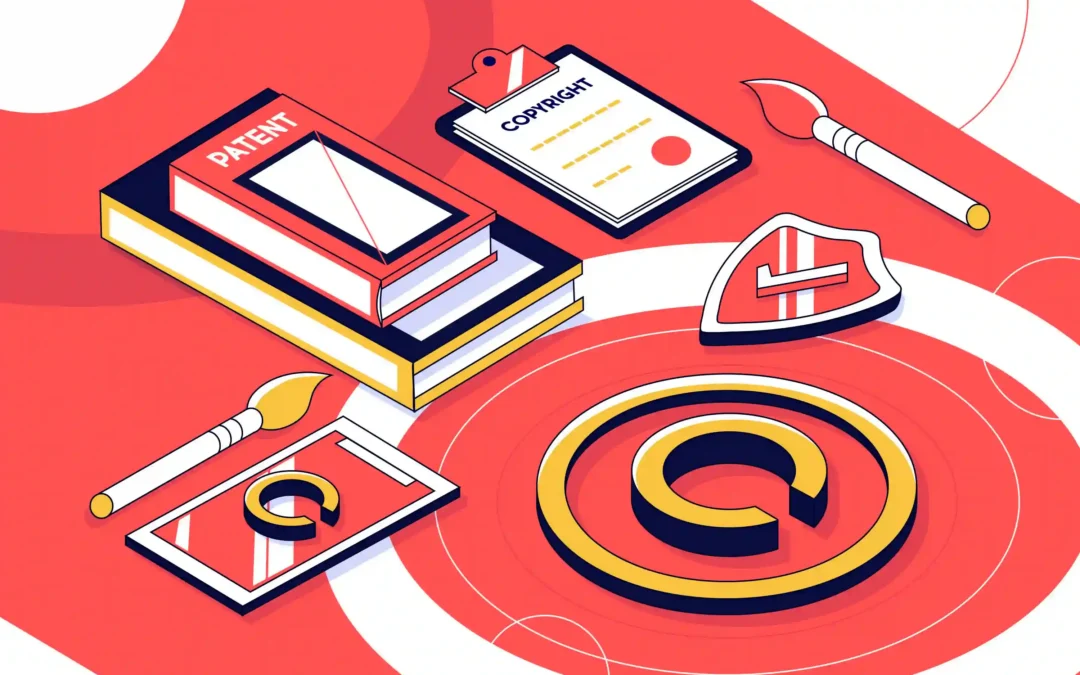
Creative assets generate measurable business value across entertainment, publishing, software, broadcasting, education, and digital media industries. A film studio depends on exclusive distribution rights to protect theatrical and streaming revenue, while software companies rely on ownership protections to prevent unauthorized duplication and illegal resale. Businesses managing valuable content often face operational risks when their intellectual property is copied, redistributed, or uploaded without permission across websites, social platforms, torrent networks, and third-party applications. Understanding copyright types helps organizations determine which legal protections apply to their content and how those protections support monetization, licensing, and enforcement strategies.
Companies and creators frequently manage several categories of protected content at the same time. A single streaming platform may contain copyrighted scripts, music tracks, promotional artwork, software infrastructure, and broadcast material operating under separate legal protections. This guide explains the major copyright types used across content and media industries while clarifying how each category supports ownership protection and anti-piracy enforcement. Readers will also understand why businesses handling high-value digital assets require proactive monitoring and enforcement support from experienced companies such as Aiplex Anti-Piracy.
Important Things to Understand About Copyright Protection
Copyright protection applies to original creative works fixed in a physical or digital format. These protections help creators and businesses maintain ownership, control distribution rights, and establish licensing structures for commercial usage. Different industries rely on different copyright categories depending on the type of content being created, distributed, or monetized. Understanding these distinctions allows organizations to build stronger operational frameworks for managing intellectual property while reducing the risk of unauthorized use or illegal redistribution.
Businesses operating across multiple content formats often encounter overlapping copyright structures. A gaming company may hold rights over source code, visual artwork, music compositions, and live-stream broadcasts simultaneously. Media organizations, educational platforms, and streaming services face similar complexities when managing digital ecosystems that contain diverse intellectual assets. Knowing how copyright categories function helps organizations improve licensing efficiency, simplify enforcement procedures, and identify vulnerabilities before piracy damages revenue and brand reputation.
Literary Copyright
Literary copyright protects written and text-based content such as books, scripts, blogs, training manuals, website copy, eBooks, educational materials, and research documents. Protection applies to the original expression of ideas rather than general concepts themselves. Businesses that produce publishing content, educational resources, and digital articles rely on literary copyright to preserve content ownership and maintain exclusive commercial rights. Unauthorized copying, plagiarism, and redistribution can significantly impact traffic, subscriptions, advertising income, and licensing agreements.
Publishers and educational institutions increasingly face risks associated with unauthorized PDF sharing, automated content scraping, and illegal reposting across online platforms. Protecting literary assets therefore requires both legal safeguards and active monitoring strategies. Effective management helps organizations maintain credibility while preserving the commercial value of original written material.
Literary copyright protects original written and text-based material across physical and digital platforms.
Businesses use literary copyright to secure ownership over articles, scripts, educational resources, and publishing assets.
Unauthorized copying and redistribution can reduce content exclusivity, traffic value, and licensing revenue.
Musical Copyright
Musical copyright applies to compositions, lyrics, sound recordings, and commercial performances. The music industry operates through layered ownership structures because songwriting rights, recording rights, and public performance rights may belong to different parties. Record labels, artists, streaming platforms, and advertising agencies rely on these protections to control distribution and monetize content through subscriptions, licensing, and public usage agreements.
Digital streaming and short-form video platforms have increased the complexity of music rights management. Unauthorized uploads, illegal streaming websites, and social media misuse continue to affect revenue generation across the music ecosystem. Companies protecting musical assets often require large-scale monitoring systems capable of detecting unauthorized distribution across websites, applications, and online platforms.
Musical copyright protects compositions, lyrics, recordings, and performance-related ownership rights.
Different ownership layers allow artists, labels, and distributors to manage separate commercial rights.
Monitoring unauthorized uploads and illegal streaming activity helps preserve music revenue streams.
Artistic Copyright
Artistic copyright covers creative visual works including illustrations, logos, photographs, paintings, graphic designs, animations, architectural drawings, and digital artwork. Creative agencies, advertising firms, entertainment studios, and online marketplaces depend on artistic copyright to protect visual assets used for branding, marketing, and commercial campaigns. These assets often represent significant investments in design and production.
The rapid growth of digital publishing and social sharing platforms has made visual content highly vulnerable to unauthorized reuse and replication. Businesses frequently encounter logo theft, image manipulation, counterfeit merchandise designs, and unlicensed artwork usage. Strong copyright protection allows organizations to take enforcement action while maintaining the uniqueness and commercial integrity of their visual identity.
Artistic copyright protects original visual and design-oriented creative works.
Businesses rely on artistic copyright to secure branding materials, graphics, and promotional assets.
Audiovisual copyright protects movies, television programs, documentaries, web series, advertisements, online video content, and other synchronized audio-video productions. Media companies invest heavily in production, licensing, and distribution, making audiovisual assets among the most commercially valuable forms of intellectual property. Copyright ownership enables studios and streaming services to regulate broadcasting, licensing, and geographic distribution.
Piracy remains one of the biggest threats to audiovisual industries because unauthorized uploads and illegal streaming platforms can distribute content globally within hours of release. Businesses managing audiovisual content therefore require advanced detection systems and enforcement processes capable of identifying infringing material across multiple digital channels.
Audiovisual copyright covers films, television programs, advertisements, and online video productions.
Exclusive ownership rights support distribution agreements, licensing models, and streaming monetization.
Anti-piracy enforcement reduces losses caused by illegal uploads and unauthorized streaming platforms.
Software Copyright
Software copyright protects computer programs, applications, operating systems, databases, and source code. Technology companies depend on software copyright to preserve ownership over digital products and prevent unauthorized duplication or reverse engineering. Protection extends to original code structures and software architecture while supporting licensing agreements and subscription-based business models.
Software piracy affects industries ranging from enterprise technology to gaming and mobile applications. Unauthorized copying and cracked software distribution can lead to direct financial losses and cybersecurity risks for businesses and users alike. Companies therefore combine copyright enforcement with monitoring systems designed to detect illegal software sharing and unauthorized distribution.
Software copyright protects original code, applications, databases, and digital systems.
Licensing agreements rely on software copyright to regulate legal commercial usage.
Monitoring illegal distribution helps reduce piracy-related revenue and security risks.
Types of Copyright Ownership Structures
Copyright protection does not always belong to a single creator or organization. Ownership structures vary depending on employment agreements, collaborative projects, licensing arrangements, and commissioned work. Businesses managing intellectual property portfolios must understand these ownership structures to avoid legal disputes and operational confusion. Clear ownership frameworks also simplify licensing negotiations and improve enforcement efficiency when unauthorized usage occurs.
Modern media production often involves partnerships between studios, agencies, creators, distributors, and technology providers. Ownership structures therefore influence how revenue is shared, how enforcement actions are handled, and who controls long-term commercialization rights. Understanding these structures helps organizations create stronger agreements and avoid conflicts regarding intellectual property usage.
Individual Ownership
Individual ownership exists when a single creator produces original content independently without transferring rights to another party. Writers, musicians, photographers, designers, and independent developers commonly operate under individual ownership structures. The creator maintains control over licensing, distribution, reproduction, and commercial usage decisions.
Although individual ownership offers flexibility, creators often face challenges when protecting their content from unauthorized use. Independent creators may lack the resources required for large-scale monitoring and enforcement. As a result, many professionals seek specialized anti-piracy support to identify infringement and protect revenue opportunities.
Individual ownership grants exclusive rights to a single creator or copyright holder.
Independent creators control licensing, distribution, and commercial usage decisions.
Enforcement support helps creators protect revenue against unauthorized content sharing.
Joint Ownership
Joint ownership applies when multiple parties contribute creatively to a single work. Collaborative projects such as films, music productions, software development, and publishing initiatives frequently involve shared ownership agreements. Each contributor may hold equal or negotiated rights depending on contractual arrangements established during production.
Joint ownership structures require detailed agreements covering licensing permissions, revenue allocation, enforcement authority, and future commercial usage. Poorly defined agreements can create operational disputes that complicate distribution and monetization. Businesses handling collaborative intellectual property must therefore establish transparent ownership frameworks from the beginning.
Joint ownership applies when multiple creators contribute to a copyrighted work.
Contracts define revenue sharing, licensing authority, and enforcement responsibilities.
Transparent agreements reduce legal disputes and improve operational efficiency.
Work Made for Hire
Work made for hire refers to content created by employees or commissioned creators under contractual employment arrangements. In these cases, the employer or commissioning organization usually owns the copyright rather than the individual creator. Media agencies, production houses, software firms, and corporate marketing teams commonly use this ownership structure.
This model simplifies rights management for organizations handling large volumes of commercial content. Businesses can maintain centralized ownership over branding materials, advertising campaigns, software systems, and media productions without negotiating separate licensing permissions for every asset.
Work made for hire transfers copyright ownership to employers or commissioning businesses.
Organizations maintain centralized control over commercially produced intellectual property.
Employment agreements clarify ownership responsibilities and reduce future disputes.
Why Copyright Enforcement Matters for Businesses
Copyright ownership alone does not automatically prevent infringement. Businesses must actively monitor digital platforms, streaming websites, marketplaces, and social channels to identify unauthorized content usage. Piracy operations often distribute copyrighted material rapidly across multiple regions, reducing revenue and damaging content exclusivity before enforcement actions can begin.
Organizations operating in entertainment, broadcasting, publishing, and software industries increasingly depend on advanced anti-piracy systems to maintain operational control over intellectual property. Effective enforcement strategies involve content tracking, automated monitoring, takedown management, legal coordination, and risk analysis across large digital ecosystems.
Revenue Protection
Unauthorized distribution directly affects monetization models for publishers, broadcasters, streaming services, and software providers. Pirated content reduces subscription growth, advertising value, and transactional revenue while weakening licensing agreements. Businesses investing heavily in content production therefore require strong enforcement frameworks to maintain commercial sustainability.
Revenue protection becomes especially important during high-value launches such as movie premieres, sports broadcasts, gaming releases, and subscription-based educational programs. Immediate detection and response help reduce losses associated with illegal distribution during peak demand periods.
Copyright enforcement protects subscription, licensing, and advertising revenue streams.
Rapid response systems reduce losses during high-value content launches.
Monitoring unauthorized distribution preserves commercial exclusivity and market value.
Brand Reputation Protection
Unauthorized distribution often exposes audiences to low-quality, manipulated, or incomplete versions of copyrighted material. Consumers may associate poor viewing experiences, malware risks, or fraudulent websites with the original brand. Businesses therefore prioritize enforcement not only for revenue protection but also for preserving audience trust and professional credibility.
Strong anti-piracy measures demonstrate that a company actively values content quality, intellectual property rights, and customer safety. This approach supports long-term brand positioning while strengthening confidence among distributors, advertisers, and strategic partners.
Pirated content can damage audience trust and professional brand perception.
Enforcement helps businesses maintain content quality and platform credibility.
Strong protection strategies support long-term partnerships and commercial growth.
Why Choose Aiplex Anti-Piracy
Aiplex Anti-Piracy provides specialized anti-piracy and copyright enforcement solutions for businesses managing high-value digital content. Companies operating in broadcasting, entertainment, publishing, software, and sports industries require continuous monitoring systems capable of identifying unauthorized distribution across websites, streaming services, social platforms, and online marketplaces. Aiplex Anti-Piracy helps organizations strengthen content protection through advanced detection, enforcement, and monitoring capabilities.
The company supports businesses with scalable anti-piracy operations designed to reduce infringement exposure while protecting monetization opportunities. By combining monitoring technology, enforcement workflows, and operational expertise, Aiplex Anti-Piracy helps organizations maintain stronger control over intellectual property assets across rapidly evolving digital ecosystems.
Aiplex Anti-Piracy provides monitoring and enforcement solutions for digital content protection.
Businesses receive scalable support for detecting unauthorized distribution across multiple platforms.
Advanced anti-piracy operations help organizations protect revenue and brand integrity.
Conclusion
Understanding copyright types is essential for businesses and creators managing valuable intellectual property across media, publishing, entertainment, and technology industries. Literary, musical, artistic, audiovisual, and software copyrights each serve distinct purposes while supporting licensing, monetization, and ownership protection. Organizations that recognize these differences can create stronger operational frameworks for managing content while reducing legal uncertainty and commercial risk.
Copyright protection becomes significantly more effective when combined with proactive monitoring and enforcement strategies. Unauthorized distribution can spread rapidly across digital ecosystems, making early detection and response critical for preserving revenue and maintaining brand credibility. Businesses seeking stronger protection for high-value digital assets often require specialized anti-piracy support to manage infringement risks efficiently. Aiplex Anti-Piracy helps organizations maintain better control over their intellectual property while supporting long-term content security and commercial sustainability.
Telegram and Mobile Apps have emerged as prime conduits for pirated content distribution in India due to their ease of use, anonymity, and massive scale.
Telegram’s large file-sharing (up to 2GB) and private channels enable rapid dissemination. Telegram piracy threat is so pervasive that the government chose to intervene and flag 3,142 piracy channels in 2026 for hosting OTT movies and series.
Mobile apps rank second at 16% of piracy sources (after streaming at 63%), powering on-demand access.
11.05 million links removed on Telegram by AiPlex in 2025
We have the lowest turnaround time and the highest compliance rate in the industry for removals on Telegram.
7.5 Lakhs Mobile App Piracy links removed by AiPlex in 2025
This disrupted on-demand streaming and protected official downloads.
Top Infringing Mobile App
APK Files Removed
Show Box
258,770
Pikashow
96,106
Tea TV
83,332
Movie Box Pro
50,720
Bee TV
48,967
YouCine
24,023
PPCine
23,179
Stremio
11,398
Zona
8,157
FilmPlus
8,024
All other Infringing apps
136,311
Total
748,987
Core USPs in Action
AiPlex, India’s pioneering antipiracy firm, protects 300+ clients, 28,000 original content properties, and has 90%+ market share of Bollywood theatrical releases. We enforce 300 million infringement links with 95% average compliance rate achieved-the highest in the industry. We are ranked among Google’s top 3 for delistings. We are staffed with 200+ highly trained associates including legal, IP rights and enforcement specialists that operate 24/7/365.
Proprietary Detection Tools
Our Infringement Investigation Suite (IIS) uses AI-driven crawlers, keywords, and meta-tags to uncover cyber-lockers, torrents, and streaming sites even in deep directories. Complementing our net vigilance expertise, it achieves 99.99% detection accuracy worldwide.
Direct Takedown Access
Exclusive moderator privileges on 250+ platforms including YouTube, Facebook, Instagram, and Dailymotion enable instant removals, 40-50% of content is brought down in seconds.
Revenue Disruption
“Follow the money”: We monitor ads on pirate sites, decode masked links, and coordinate with 56+ payment gateways to halt revenue flows. This targets brokers and resellers effectively when takedowns fall short.
Hitting pirates where it hurts and making piracy unsustainable!
Multi-Platform Coverage
AiPlex protects content across social media, search engines, apps, marketplaces, OTT, and fake sites. A compliance rate of 99.99% social media infringement removal, 1,00,000+ infringing apps removed, and 20,000+ non-compliant sites blocked via John Doe orders across top ISPs.
Mobile-App Reports
Clients get access to real-time report on removals and insights via our Online Reporting Suite (since 2012) and Mobile App (since 2016)—view dashboards anywhere. Generate title-wise BI reports, track John Doe blocks on 7,000 sites, and export evidence screenshots, and a lot more.
Contractual Guarantee
AiPlex guarantees 90%+ eradication contractually, often exceeding 98% with legal backing.
Future-Proof Solutions
Integrating AI/ML for verification, we provide risk assessments on piracy hotspots and actionable intelligence. Beyond takedowns, we foster digital citizenship awareness for sustainable growth. AiPlex transforms piracy threats into protected revenue streams.
Understanding ownership of creative work is no longer optional for creators and businesses that rely on original content to grow. Whether it is a video, software, design, or written material, knowing the different copyright types helps you make informed decisions about protection and usage. When people begin exploring copyright types, they often realize that not all rights are the same, and each type plays a distinct role in safeguarding intellectual property. This awareness becomes especially important when your content starts gaining visibility and commercial value.
This blog provides a complete breakdown of copyright types, helping you understand what applies to your work and how each category functions in real-world scenarios. You will also learn how to manage and protect your content effectively, especially in environments where unauthorized distribution is common. If your business depends on content integrity, working with Aiplex Anti-Piracy can help you monitor and enforce your rights efficiently while maintaining control over your intellectual assets.
Key Things to Know About Copyright Before Exploring Types
Before diving into different copyright types, it is important to understand the foundational concepts that define how copyrights work. These include ownership, duration, rights granted, limitations, and enforcement mechanisms. Each of these elements determines how your content is protected and how you can legally use or license it. Having clarity on these aspects ensures that you do not misuse your own rights or unknowingly violate someone else’s work.
At a strategic level, businesses and creators must view copyright not just as a legal formality but as an asset. Proper understanding allows you to monetize, distribute, and scale your content without unnecessary risks. It also prepares you to take action against infringement in a structured and effective way.
Ownership of Copyright
Copyright ownership defines who legally controls a piece of creative work from the moment it is created. In most cases, the original creator automatically holds the copyright, but there are exceptions such as work-for-hire agreements or employer ownership. Understanding ownership helps prevent disputes, especially in collaborative environments where multiple contributors are involved.
Ownership can belong to individuals, companies, or multiple parties.
Contracts can transfer or share ownership rights.
Misunderstanding ownership can lead to legal conflicts.
Duration of Copyright Protection
The duration of copyright determines how long a work remains protected under the law. This timeframe varies depending on jurisdiction and type of work, but it typically extends for decades after the creator’s lifetime. Knowing the duration helps businesses plan long-term usage and licensing strategies without violating expired or active rights.
Protection often lasts for the creator’s life plus additional years.
Different countries may have different durations.
Public domain begins after copyright expiration.
Exclusive Rights Granted
Copyright provides exclusive rights to the owner, allowing them to control how their work is used, reproduced, or distributed. These rights are the core of copyright protection and form the basis for licensing and monetization opportunities.
Right to reproduce and distribute content.
Right to create derivative works.
Right to publicly display or perform the work.
Limitations and Exceptions
Not all uses of copyrighted content require permission. Certain exceptions like fair use or educational use allow limited usage under specific conditions. Understanding these limitations helps creators avoid over-enforcement and ensures lawful usage.
Fair use allows limited usage without permission.
Educational and research purposes may be exempt.
Misuse of exceptions can still lead to infringement claims.
Enforcement and Protection
Having rights is only useful if you can enforce them effectively. Enforcement involves monitoring usage, identifying infringements, and taking action when necessary. This is where specialized services become essential for businesses dealing with large volumes of content.
Monitoring tools help detect unauthorized usage.
Legal actions can be taken against infringers.
Professional services streamline enforcement processes.
Types of Copyright Every Creator Should Know
Understanding the different copyright types helps you identify how your content is categorized and protected. Each type applies to a specific form of creative work, and knowing the distinction ensures accurate registration, licensing, and enforcement.
Literary Copyright
Literary copyright covers written works such as books, articles, blogs, scripts, and even software code. This type ensures that the author has control over how their written content is used or reproduced. Businesses that rely on written communication or digital content must prioritize this type of protection.
Includes books, blogs, and scripts.
Covers software and digital text.
Protects both published and unpublished work.
Artistic Copyright
Artistic copyright applies to visual creations like paintings, illustrations, photographs, and designs. It ensures that the creator retains control over reproduction and commercial use of their artwork.
Covers paintings, drawings, and graphics.
Includes photography and digital art.
Protects design elements used in branding.
Musical Copyright
Musical copyright protects compositions, lyrics, and recordings. This type is essential for artists, producers, and businesses using music in their content.
Covers melodies, lyrics, and compositions.
Includes recorded performances.
Applies to both live and digital formats.
Dramatic Copyright
Dramatic copyright applies to plays, scripts, and performances that involve storytelling through dialogue and action. It ensures that creators maintain control over performance and adaptation rights.
Includes plays and theatrical scripts.
Covers choreography and performance elements.
Protects adaptations and reproductions.
Cinematographic Copyright
Cinematographic copyright protects films, videos, and other audiovisual content. With the rise of streaming platforms, this type has become increasingly important for businesses and creators alike.
Covers films, videos, and web series.
Includes visual storytelling formats.
Protects distribution and broadcasting rights.
Why Choosing Aiplex Anti-Piracy Matters
Protecting your copyright types is not just about understanding them but also about enforcing them effectively. Aiplex Anti-Piracy specializes in monitoring, detecting, and removing unauthorized content across digital platforms. Their expertise ensures that your intellectual property remains secure while allowing you to focus on growth.
With advanced tracking systems and a proactive approach, Aiplex Anti-Piracy helps businesses maintain control over their content distribution. Their solutions are designed to adapt to evolving digital challenges, making them a reliable partner for creators and enterprises.
Conclusion
Understanding copyright types equips creators and businesses with the knowledge needed to protect, manage, and monetize their content effectively. Each type serves a specific purpose, and recognizing these differences allows you to make informed decisions about ownership, licensing, and enforcement. With the right approach and support from Aiplex Anti-Piracy, you can safeguard your creative assets and ensure long-term value for your work.
Copyright violations have become a serious concern for businesses, creators, and digital platforms that depend on original content for value and reputation. Whether it involves movies, software, music, live broadcasts, or educational materials, unauthorized distribution can undermine the financial and creative investment behind intellectual property. Many organizations invest significant time and resources into producing high-quality content, only to find it copied, redistributed, or monetized elsewhere without permission. Understanding copyright infringement and the laws surrounding it is therefore essential for anyone who produces or distributes digital assets in modern media ecosystems.
This blog explores copyright infringement laws and anti-piracy measures in a structured and practical way. Readers will learn about the fundamental concepts behind copyright protection, the legal frameworks that govern unauthorized use, and the strategies used to prevent and respond to piracy. By understanding these elements, businesses and rights holders can better protect their intellectual property and maintain control over how their content is distributed. Organizations such as Aiplex Anti-piracy provide specialized monitoring and enforcement solutions that help brands safeguard their digital assets effectively.
Key Factors to Understand Before Exploring Copyright Infringement Laws
Before diving into specific regulations and enforcement methods, it is important to understand the broader context of copyright protection and the challenges surrounding it. Intellectual property rights operate across different jurisdictions, digital platforms, and distribution channels, which means that the enforcement of copyright infringement laws requires both legal knowledge and technical expertise. Organizations must also understand how piracy networks function and how copyrighted material spreads across online ecosystems.
Another essential factor is recognizing the evolving nature of digital distribution. Streaming services, peer-to-peer networks, social media platforms, and content sharing websites have transformed how media is consumed and distributed. While these technologies create opportunities for legitimate distribution, they also introduce new risks related to unauthorized copying and redistribution. Understanding these structural elements helps organizations design effective strategies to prevent copyright violations.
Understanding Intellectual Property Rights
Intellectual property rights form the legal foundation that protects creative works such as films, music, books, software, and digital media. These rights grant creators exclusive authority over how their work is reproduced, distributed, and publicly displayed. Without these protections, it would be extremely difficult for creators and companies to maintain control over their original work or to generate sustainable revenue from it.
The importance of intellectual property protection extends beyond individual creators. Entire industries, including entertainment, publishing, software development, and digital education, rely on copyright protection to maintain economic stability. When unauthorized copying occurs at large scale, it weakens legitimate distribution channels and reduces incentives for further innovation.
How Unauthorized Distribution Occurs
Unauthorized distribution occurs when copyrighted content is shared, streamed, downloaded, or sold without permission from the rightful owner. This can happen through multiple channels, including peer-to-peer networks, unauthorized streaming websites, file-sharing platforms, and social media uploads. In many cases, these activities are coordinated by networks that specialize in distributing pirated media.
These systems often operate across international jurisdictions, making enforcement more complicated. A website hosting illegal content may be registered in one country, hosted on servers in another, and accessed globally by users. This decentralized structure requires coordinated legal and technological approaches to effectively combat infringement.
The Role of Digital Platforms in Content Distribution
Digital platforms play a major role in the distribution and discovery of content. Video streaming services, social media networks, and online marketplaces allow creators to reach large audiences with minimal barriers. However, the same platforms can also become channels for unauthorized uploads and redistribution.
Many platforms have introduced systems that detect and remove copyrighted material automatically. Content identification tools, automated scanning systems, and rights management frameworks help platforms reduce infringement. However, these technologies must be continuously improved because piracy networks constantly adapt their methods to avoid detection.
Economic Impact of Piracy on Creative Industries
Piracy has significant economic consequences for businesses and creative professionals. Revenue losses occur when audiences access pirated versions instead of legitimate distribution channels. These losses can affect production budgets, investment in future projects, and the sustainability of creative industries.
The financial impact also extends to related sectors such as distribution companies, marketing agencies, and licensing partners. When piracy becomes widespread, the entire value chain surrounding content production is disrupted. As a result, organizations increasingly invest in anti-piracy monitoring and enforcement services to protect their assets.
Legal Enforcement and Compliance Challenges
Enforcing copyright laws across the internet presents several legal and logistical challenges. Online content spreads rapidly across borders, which means that rights holders often need to coordinate with multiple jurisdictions and regulatory frameworks. Legal enforcement therefore requires collaboration between governments, courts, digital platforms, and specialized enforcement providers.
Compliance is another major factor. Businesses that distribute copyrighted content must ensure that their own operations follow licensing agreements and regulatory requirements. Failure to maintain proper compliance can lead to legal disputes, penalties, and reputational damage.
Global Copyright Infringement Laws
Copyright laws exist in most countries and are designed to protect creators by granting them exclusive rights over their work. These laws typically regulate how content can be reproduced, distributed, adapted, or publicly displayed. Although the fundamental principles of copyright protection remain consistent worldwide, the specific enforcement mechanisms vary depending on national legislation and legal systems.
International agreements also play a crucial role in harmonizing copyright protection across borders. Treaties and conventions encourage countries to recognize and enforce intellectual property rights beyond their domestic jurisdictions. This global coordination is essential for addressing piracy networks that operate across multiple regions.
Digital Rights Management Systems
Digital rights management systems are technological frameworks used to control access to copyrighted content. These systems help rights holders regulate how digital files are distributed, viewed, or copied. By embedding permissions directly into the content, DRM solutions can restrict unauthorized reproduction or sharing.
DRM technologies are commonly used by streaming platforms, software publishers, and online media services. They provide an additional layer of protection that complements legal enforcement strategies. While DRM cannot eliminate piracy entirely, it can significantly reduce unauthorized access and protect the value of digital assets.
Content Monitoring and Detection Technologies
Content monitoring technologies help organizations identify unauthorized distribution of their intellectual property across the internet. These systems scan websites, streaming platforms, file-sharing networks, and social media channels to detect instances where copyrighted material is being distributed without authorization.
Advanced monitoring tools often use automated algorithms, fingerprinting techniques, and machine learning models to identify infringing content quickly. Once detected, organizations can initiate enforcement actions such as takedown requests, legal notices, or platform-level removal procedures.
Takedown Mechanisms and Enforcement Procedures
Takedown procedures are one of the most widely used tools for addressing copyright violations online. When rights holders identify unauthorized content, they can submit formal requests to hosting platforms or service providers asking for the removal of infringing material. These requests typically follow established legal frameworks that outline the responsibilities of platforms and rights owners.
Efficient takedown systems allow organizations to respond quickly to piracy incidents before they spread widely across the internet. Automated reporting tools and enforcement services have significantly improved the speed at which infringing content can be identified and removed.
Strategic Anti-Piracy Operations
Anti-piracy operations combine legal expertise, technological monitoring, and investigative processes to protect copyrighted content. These operations often involve identifying piracy networks, analyzing distribution patterns, and coordinating enforcement actions with authorities and digital platforms.
Comprehensive anti-piracy strategies may also include proactive measures such as tracking leaks, monitoring newly released content, and identifying high-risk distribution channels. By addressing piracy at multiple stages of the distribution chain, organizations can significantly reduce the spread of unauthorized copies.
Why Choose Aiplex Anti-piracy for Content Protection
Organizations that produce valuable digital content require specialized expertise to monitor and protect their intellectual property. Aiplex Anti-piracy provides comprehensive solutions that combine advanced monitoring technologies with legal enforcement capabilities. These services help businesses detect unauthorized distribution quickly and respond with effective enforcement strategies.
The approach focuses on continuous monitoring across multiple platforms, rapid takedown procedures, and strategic anti-piracy planning. By working with experienced professionals, rights holders can protect their creative investments and maintain control over their digital assets in increasingly complex online environments.
Conclusion
Copyright protection remains a fundamental requirement for businesses and creators operating in modern digital ecosystems. As content distribution channels expand across global platforms, the risks associated with unauthorized copying and redistribution continue to grow. Understanding copyright infringement laws and the anti-piracy mechanisms available to rights holders is therefore essential for protecting intellectual property and sustaining creative industries.
Organizations that combine legal awareness with advanced monitoring and enforcement strategies are better positioned to protect their assets. Services offered by Aiplex Anti-piracy help businesses maintain visibility over their digital content and respond quickly to piracy incidents. By adopting proactive protection strategies, companies can safeguard their intellectual property and support the continued growth of legitimate digital distribution systems.
Digital creators, production houses, OTT platforms, publishers, and independent artists often invest significant time and capital into building original content, only to realize that ownership and protection are not as straightforward as they first assumed. Whether you produce films, music, software, eBooks, online courses, or visual art, understanding copyright types is essential to safeguarding what you create. Without clarity on how different rights apply, monetization strategies, licensing agreements, and enforcement actions can quickly become complicated and risky.
This guide breaks down copyright types in a structured and practical way so digital content owners can understand exactly what protections apply to their work. You will learn how each type functions, what it covers, and how it influences distribution, licensing, and enforcement decisions. If you are looking to strengthen your protection strategy, combining knowledge of copyright types with professional anti-piracy solutions from Aiplex can significantly reduce risk. Explore their services through their official website to ensure your digital assets remain secure and profitable.
Important Things to Know Before Understanding Copyright Types
Before exploring individual copyright types, it is important to understand the foundational principles that govern ownership, duration, enforcement, and commercial exploitation. Copyright law operates within a defined legal framework, but its practical application varies depending on the nature of the content and how it is distributed. Digital distribution, global access, and real-time sharing have introduced additional layers of complexity that content owners must consider when planning protection strategies.
The following sections clarify the essential elements you should understand before categorizing your content under specific copyright types. These principles influence how rights are divided, transferred, licensed, and enforced. A strong grasp of these fundamentals will help you structure contracts correctly, identify infringements accurately, and collaborate with anti-piracy experts when enforcement becomes necessary.
Originality and Fixation Requirements
For any copyright to exist, the work must be original and fixed in a tangible medium. Originality does not require absolute uniqueness, but it does demand independent creation and a minimal degree of creativity. Fixation means the work must be recorded in some stable form, whether written, recorded, filmed, coded, or stored digitally. Ideas alone cannot be copyrighted; only their expressed form receives protection.
Understanding these requirements helps digital content owners distinguish between protected expressions and unprotected concepts. For example, a storyline outline in your mind is not protected, but once written, recorded, or scripted, it becomes eligible for copyright. This distinction becomes critical when disputes arise, particularly in industries such as film, publishing, and software development.
Automatic Protection and Registration
Copyright protection arises automatically once a work is created and fixed in a tangible form. Unlike trademarks or patents, no formal registration is required for protection to exist. However, registration offers procedural advantages, particularly in enforcement actions and litigation. Many jurisdictions provide stronger remedies and evidentiary benefits when works are formally registered.
For digital content owners distributing content globally, registration can strengthen enforcement mechanisms across borders. While automatic protection exists, formal documentation can significantly improve your position when issuing takedown notices or pursuing legal remedies. Combining legal registration with monitoring and enforcement support ensures comprehensive protection.
Ownership and Transfer of Rights
Ownership typically belongs to the creator unless the work qualifies as a work made for hire or is contractually assigned. In collaborative projects such as films, software platforms, or music productions, ownership may be shared or contractually distributed among parties. Clear documentation is essential to prevent future disputes regarding exploitation and licensing.
Digital businesses must carefully structure contracts to define ownership boundaries. Misunderstandings in joint ventures, outsourced development, or commissioned projects can lead to conflicts over revenue sharing and distribution rights. A defined ownership framework simplifies licensing and strengthens enforcement against unauthorized use.
Duration of Protection
Copyright protection lasts for a defined period, typically the life of the author plus several decades, depending on jurisdiction. For corporate or anonymous works, duration is calculated differently, often based on publication date. Once protection expires, the work enters the public domain and can be used freely.
For content libraries and legacy assets, understanding duration is critical for valuation and long-term strategy. Media companies, publishers, and streaming platforms must track expiration timelines carefully to manage catalog rights and avoid unintended public domain exposure.
Enforcement in the Digital Environment
Digital distribution has significantly increased the speed and scale of infringement. Unauthorized streaming, torrent distribution, illegal IPTV services, and content scraping are common challenges. Enforcement now requires proactive monitoring, automated detection tools, and structured takedown processes.
Working with specialized anti-piracy providers such as Aiplex helps digital content owners detect infringements across platforms and jurisdictions. Their enforcement services provide monitoring, notice issuance, and strategic removal processes that complement your understanding of copyright types.
Literary Copyright
Literary copyright protects written works including books, blogs, articles, scripts, research papers, manuals, and digital publications. This type applies regardless of format, whether the content appears in print, PDF, website format, or eBook distribution. For digital entrepreneurs running content-driven platforms, literary copyright forms the foundation of intellectual property protection.
Protection extends to the structure, expression, and specific wording of the content, but not to the underlying ideas or general themes. For example, two authors may write about the same subject, but copying specific paragraphs or unique expressions constitutes infringement. Digital publishers must ensure both internal protection and external monitoring to safeguard written assets effectively.
Musical Copyright
Musical copyright covers both musical compositions and accompanying lyrics. In many cases, rights are divided into separate components, including composition rights and sound recording rights. Streaming platforms, production studios, and independent musicians must clearly understand these distinctions to manage licensing properly.
Unauthorized distribution through streaming piracy, illegal downloads, or background use in unlicensed videos can significantly affect revenue streams. Musical copyright owners benefit from active monitoring and takedown strategies to ensure their compositions and recordings are not exploited without authorization.
Dramatic Copyright
Dramatic copyright applies to works intended for performance, such as plays, screenplays, choreography, and scripted content. This type is particularly relevant for film producers, theatre companies, and OTT content creators. Scripts, dialogue sequences, and structured performances fall under this protection.
Infringement may occur when scripts are reproduced, adapted without permission, or performed without proper licensing. Digital streaming has amplified risks, as unauthorized recordings and redistributed performances can spread rapidly. Structured enforcement ensures that performance-based content remains protected.
Artistic Copyright
Artistic copyright protects visual works including paintings, photographs, illustrations, graphics, logos, and digital art. Designers, photographers, and marketing agencies rely heavily on this category. In digital spaces, visual assets are often misused through unauthorized downloads, reposting, or reproduction in commercial campaigns.
Protection applies regardless of artistic quality, provided originality exists. Content owners should watermark, document creation dates, and monitor online platforms to reduce misuse. Combining legal ownership with active tracking ensures visual assets retain both creative and commercial value.
Cinematographic Copyright
Cinematographic copyright protects films, web series, documentaries, and video content. This includes both visual and audio components embedded within the production. Production houses and OTT platforms depend heavily on this type of protection for revenue security.
Piracy in this category is widespread, including torrent leaks, illegal streaming portals, and IPTV redistribution. Comprehensive anti-piracy monitoring is essential to detect and remove infringing copies quickly. Services such as those offered by Aiplex play a critical role in minimizing revenue loss from unauthorized distribution.
Sound Recording Copyright
Sound recording copyright protects the specific recorded version of audio content. This differs from musical composition rights, focusing instead on the produced recording. Record labels and independent producers often hold these rights.
Unauthorized reproduction, remixing, or redistribution of recordings without permission constitutes infringement. Digital platforms have made copying easier, increasing the need for systematic monitoring and rapid takedown mechanisms to preserve revenue integrity.
Software Copyright
Software copyright protects source code, object code, and structured programming elements. Technology companies, SaaS providers, and app developers rely on this protection to prevent unauthorized duplication or distribution.
While functionality itself may not be protected, the specific code expression is. Pirated software distribution can severely damage profitability. Combining legal protection with active digital monitoring reduces risk and preserves competitive advantage.
Broadcast Copyright
Broadcast copyright protects the rights of broadcasting organizations over their transmitted programs. This includes television and radio transmissions. Unauthorized rebroadcasting, signal theft, or online streaming of broadcast content falls under infringement.
With the expansion of digital rebroadcast platforms, broadcast copyright enforcement has become increasingly technical. Proactive detection and removal strategies are essential to prevent signal piracy and protect advertising revenue.
Derivative Works Copyright
Derivative works are new creations based on existing copyrighted material, such as adaptations, translations, remixes, or sequels. Authorization from the original rights holder is required to create lawful derivatives.
Understanding derivative rights helps content owners manage licensing agreements effectively. Unauthorized adaptations can dilute brand value and infringe upon exclusive rights, making vigilant monitoring crucial.
Why Choose Aiplex for Copyright Protection and Anti-Piracy Enforcement
Understanding copyright types is only one part of protecting digital assets. Effective enforcement requires continuous monitoring, technical detection tools, and structured legal processes. Aiplex specializes in anti-piracy services that help content owners identify unauthorized distribution across digital platforms, including streaming sites, torrent networks, and illegal IPTV services.
By partnering with Aiplex, digital businesses gain access to proactive monitoring, evidence collection, takedown notice issuance, and strategic enforcement planning. Their expertise complements your legal ownership framework and ensures that your copyrighted assets remain secure. Visit their official website to learn how their solutions can strengthen your intellectual property protection strategy.
Conclusion
Copyright protection forms the backbone of digital content ownership. From literary works and musical compositions to films, software, and broadcasts, each category serves a specific purpose within the broader intellectual property framework. Understanding copyright types allows creators and organizations to structure contracts, licensing agreements, and enforcement strategies with clarity and confidence.
However, knowledge alone does not prevent infringement. Digital distribution environments require active monitoring and rapid response mechanisms. By combining a clear understanding of copyright types with professional anti-piracy enforcement from Aiplex, content owners can protect revenue, maintain brand integrity, and ensure long-term sustainability in competitive digital markets.
Summary: Protecting Your Digital Assets with the Right Strategy
Every digital asset you create fits within a specific copyright category, and each category carries distinct implications for licensing, monetization, and enforcement. Whether you produce written content, music, films, software, or broadcasts, recognizing the applicable copyright types enables smarter business decisions and stronger contractual frameworks.
Partnering with Aiplex enhances that legal foundation with real-time monitoring and structured enforcement. Their services help you detect unauthorized usage, remove infringing copies, and protect revenue streams effectively. When legal clarity meets proactive protection, digital content owners can focus confidently on growth, innovation, and sustained profitability.
Copyright infringement sounds like a legal term you only hear in lawsuits, but for most brands and creators it shows up in everyday moments: a ripped video on a pirate site, your paid course reuploaded on Telegram, your app cracked and redistributed, or your product photos copied into counterfeit listings. What makes this so damaging is speed. One unauthorized upload can replicate across mirrors, file hosts, social platforms, search results, and marketplaces in hours, and the longer it stays live, the more it trains audiences to expect your work for free. That’s why understanding copyright infringement isn’t optional anymore—it’s basic digital survival for anyone who publishes, sells, or licenses content online.
This blog explains copyright infringement in practical terms, then maps it to the laws and penalties that matter in real enforcement. You’ll learn the difference between civil and criminal consequences, how penalties vary across jurisdictions, and what common “gray area” arguments actually mean in practice. We’ll also connect the legal framework to modern reality: platform reporting systems, notice-and-takedown workflows, repeat infringer patterns, and why consistent enforcement changes outcomes more than one-off reporting. For organizations that need large-scale monitoring and takedowns across platforms, AiPlex Anti-Piracy positions its solutions around detection, enforcement, and reporting for infringed content across social media, search engines, mobile apps, marketplaces, and more.
Copyright infringement basics before we get into laws and penalties
Copyright protects original works of authorship—like films, music, books, software, photos, designs, and digital learning assets—once they’re fixed in a tangible form. Infringement happens when someone uses those protected elements without permission in ways reserved for the copyright owner, such as reproducing, distributing, publicly performing, or creating unauthorized derivatives. The tricky part is that online infringement often looks “casual” to the uploader: a repost, a download link, a cropped image, a re-edited clip. Legally, that casualness doesn’t automatically remove liability, especially when the use substitutes the original market or bypasses paid access.
Before you evaluate penalties, you need to separate three questions: what is protected, what exactly was copied, and what permission or exception might apply. Many disputes are not about whether copying happened, but whether it was substantial, whether it was licensed, and whether a legal defense like fair use (or a local equivalent) could apply. This is also why enforcement has both a legal and operational side: you need evidence, platform-specific processes, and consistency to reduce reuploads. AiPlex Anti-Piracy describes an operational model that combines monitoring and takedown tooling with professional enforcement workflows to reduce infringement exposure at scale.
What counts as copyright infringement in plain language
In plain terms, copyright infringement is using someone’s protected work without permission in a way the law reserves for the owner. That includes copying a movie file and sharing it, reuploading paid course videos to a file host, republishing blog posts, scraping product images for counterfeit listings, distributing cracked versions of software, or streaming live content without authorization. Even partial copying can be infringement if the copied portion is substantial or distinctive. Online, infringement is often packaged as “sharing,” but the legal reality is that sharing can still be distribution, and distribution is typically a right controlled by the copyright owner.
The most important practical detail is that infringement can be direct or indirect. Direct infringement is the act of copying or distributing; indirect infringement often involves facilitating or profiting from infringement, depending on local law and facts. In the real world, infringers rarely post one copy and stop; they repost, mirror, and fragment content to evade takedowns. That’s why professional enforcement focuses on patterns and networks, not single links. AiPlex Anti-Piracy emphasizes continuous monitoring and takedown execution across platforms, which aligns with how modern infringement actually behaves online.
Common infringement scenarios in 2026 digital ecosystems
Today’s most common infringement scenarios are less about “someone burned a DVD” and more about platform-native replication. A single pirated upload can spread through short-video clips, story reposts, Telegram channels, torrent indexes, cyberlockers, mirror domains, and even search snippets that surface unauthorized pages. App and software infringement has also evolved into modded builds, cracked APKs, and counterfeit app listings that reuse official branding while distributing altered files. The result is a double harm: revenue loss and brand trust erosion when users blame the original brand for broken or unsafe pirated versions.
Another fast-growing scenario is marketplace infringement: sellers copy images, descriptions, and videos to push counterfeits or lookalikes, often using identical creative assets because they convert better. Many brands also face “education piracy,” where paid PDFs, notes, and recorded lectures are shared in closed groups that are difficult to find without specialized monitoring. This is where enforcement becomes operationally intensive, because speed and volume matter. AiPlex Anti-Piracy highlights coverage across social media, search engines, mobile apps, marketplaces, and fake websites, reflecting the multi-surface nature of modern infringement.
Copyright vs trademark vs piracy: why the distinction matters
People often mix copyright, trademark, and “piracy” into one bucket, but the distinction matters for enforcement. Copyright covers original creative expression—like video footage, code, images, and written content—while trademark covers brand identifiers like names, logos, and slogans used in commerce. Piracy is usually a broader practical label for large-scale unauthorized copying and distribution, often involving copyright violations, but sometimes also involving trademark misuse when pirates impersonate brands. Different laws, takedown paths, and evidence standards apply depending on which right is being violated.
This distinction also affects penalties and remedies. Copyright disputes often focus on damages tied to copying and distribution, while trademark disputes can focus on consumer confusion and counterfeit sales. Many real cases involve both: counterfeit listings use copyrighted photos and also misuse trademarks. From an operational standpoint, you want your enforcement team to choose the correct path quickly—copyright notice, trademark complaint, platform policy report, or legal escalation—because speed reduces replication. AiPlex Anti-Piracy describes a “techno-legal” model that aligns with using the right enforcement path for the right infringement type.
Fair use and “educational use” myths people rely on
One of the biggest myths is that “if I credit the creator, it’s fine.” Credit may be ethical, but it does not automatically create legal permission. Another myth is that “educational use” is always allowed; in reality, educational context can be a factor, but it does not universally permit copying entire works, distributing paid materials, or substituting the original market. In the U.S., fair use is a multi-factor analysis, not a blanket label, and other countries have their own exceptions that vary widely. That’s why confidently claiming “fair use” online doesn’t end the legal question.
A practical rule that helps non-lawyers is market substitution. If the use competes with the original—like reposting a paid course, a film, a full textbook chapter set, or a subscription app feature set—risk rises quickly. Transformative commentary and small excerpts can sometimes fit within exceptions, but “full copy posted for free” is rarely defensible. This matters because penalties can escalate when infringement is willful or commercial. If your business is protecting content, your strategy should assume that many infringers will hide behind myths, so evidence, monitoring, and consistent takedowns are essential to reduce exposure.
How infringement is detected online and why speed changes outcomes
Detection is often the difference between minor leakage and major revenue loss. Many infringements are not “found” by chance; they’re found by systematic monitoring, keyword + brand query scanning, file fingerprint matching, link graph discovery, and repeat uploader tracking. Once content is indexed in search and shared in multiple communities, it becomes exponentially harder to remove fully because every takedown triggers new mirrors. That’s why time-to-action is a major KPI in anti-piracy operations. If you remove an upload early, you reduce the chance it becomes a reference link that dozens of others replicate.
Speed also matters because platforms have different responsiveness and evidence requirements. Some hosts process notices quickly if they’re valid and complete, while others delay or ignore requests, requiring escalation. AiPlex Anti-Piracy describes having takedown tooling integrations with many hosts and emphasizes streamlined operational processes and real-time reporting for clients, which is designed to reduce the time gap between detection and removal. In modern infringement, that gap often determines whether a leak stays small or becomes a permanent search-visible problem.
Laws that govern copyright infringement in major regions
Copyright is territorial, meaning the applicable law depends on where the infringement happens, where the platform operates, and where enforcement is pursued. That’s why “the penalty” for infringement is not one universal number. Still, most systems share common building blocks: civil remedies (injunctions, damages, profits, costs) and criminal provisions for certain willful, commercial, or large-scale infringements. Understanding these structures helps you choose enforcement strategies that actually work, rather than relying on generic threats that don’t match the jurisdiction.
In practice, brands often use a layered approach: platform enforcement first, then civil action for persistent or high-value infringement, and criminal escalation in jurisdictions where the facts fit criminal thresholds. For cross-border content leakage, you also need consistent evidence management, because each platform and jurisdiction expects specific proof. This is where operational anti-piracy programs become valuable: they standardize detection, evidence capture, and notice workflows across many surfaces. AiPlex Anti-Piracy positions its services as cross-platform removal and enforcement, which matches how modern infringement crosses borders and platforms.
India: the Copyright Act, 1957 and criminal penalties under Section 63
In India, copyright infringement can trigger criminal liability under the Copyright Act, 1957. Section 63 specifically addresses “offence of infringement” and provides punishment that includes imprisonment and fines, with a statutory minimum and a maximum range depending on facts and judicial discretion. Official statutory text and official government resources show the structure of Section 63 and its positioning within the enforcement chapter of the Act. This matters operationally because it influences how enforcement is framed when infringement is willful and commercial, and it affects how evidence is collected for stronger escalation pathways.
For businesses facing large-scale piracy—films, OTT content, e-learning libraries, paid PDFs, software builds—India’s enforcement framework is often used alongside platform takedowns to create pressure on repeat infringers and organized networks. The practical lesson is not that every infringement becomes a criminal case; it’s that the law provides escalation options when infringement crosses certain seriousness thresholds. Anti-piracy providers that combine monitoring with techno-legal enforcement often build playbooks around this, especially when reuploads are persistent and financially harmful.
United States: civil remedies and statutory damages under Title 17
In the U.S., copyright owners can pursue civil remedies including actual damages plus infringer profits, or statutory damages in qualifying cases, depending on circumstances and procedural requirements. The statutory damages framework is codified in Title 17, and Section 504 is a central reference point for damages, including enhanced statutory damages in cases of willful infringement. These provisions matter because they shape negotiation leverage and the financial risk profile of infringement, particularly for commercial actors and repeat offenders.
The U.S. environment is also where many platforms have mature notice-and-takedown processes tied to legal regimes and platform policies. That makes civil enforcement and platform enforcement strongly linked: takedown histories, repeat infringer records, and documented notice compliance can shape outcomes. For brands, the key is to treat U.S. law as both a deterrence tool and a framework for operational takedown strategy, because timely notices reduce spread while civil escalation targets persistent harm.
United Kingdom: criminal liability under the CDPA 1988 Section 107
In the UK, criminal copyright offences are addressed in the Copyright, Designs and Patents Act 1988, including Section 107 on criminal liability for making or dealing with infringing articles and related conduct. The statutory language outlines categories of offences and the conditions under which criminal liability can apply. This is important because it shows that, under certain circumstances, infringement can move beyond a private dispute into criminal exposure, especially where business dealing and distribution are involved.
From a practical enforcement perspective, UK guidance materials also summarize how penalties can vary depending on the offence type and trial venue. For businesses, the operational takeaway is similar to other regions: most day-to-day online enforcement starts with platform takedowns, but the legal framework provides escalation options when infringement is organized, persistent, or commercially motivated. When anti-piracy programs include repeat offender mapping, they can better identify cases that justify stronger legal escalation rather than endless link-by-link removals.
European Union: civil enforcement measures under the IPR Enforcement Directive
Within the EU, civil enforcement is supported by a harmonized baseline through the Intellectual Property Rights Enforcement Directive, which sets minimum measures, procedures, and remedies for effective civil enforcement across member states. While each country still has its own detailed rules and criminal provisions, the directive provides a common framework for tools like injunctions, evidence measures, and damages-related principles, improving predictability for rights holders operating across multiple EU markets.
For brands managing infringement across several EU countries, this matters because enforcement isn’t only “local court or nothing.” A consistent civil enforcement foundation helps coordinate multi-country strategies, especially when platforms and hosts operate across borders. Operationally, it also underscores why documentation quality matters: evidence standards, traceability, and repeat infringement logs become critical inputs to civil actions and platform escalations. Strong anti-piracy operations often treat EU enforcement as a process design challenge as much as a legal issue—building repeatable evidence capture and notice workflows that stand up across jurisdictions.
Civil vs criminal penalties: what “penalties” really mean
When people hear “penalties,” they often imagine jail first, but most copyright disputes are handled through civil remedies. Civil penalties typically include injunctions (court orders to stop the infringement), monetary damages (either actual damages and profits, or statutory damages in some jurisdictions), and sometimes costs or attorneys’ fees. Criminal penalties, by contrast, are generally reserved for willful infringement in certain categories—often commercial-scale copying, distribution, or dealing in infringing articles—depending on the region’s statutory framework.
For content owners, the practical value of understanding this split is strategic. If you’re dealing with casual reposting on social platforms, the fastest and most proportional tool is platform notice-and-takedown. If you’re dealing with organized piracy networks, counterfeit app ecosystems, or monetized mirror sites, you may need a layered approach that includes repeat offender tracking, host-level notices, search deindexing actions, and legal escalation where appropriate. AiPlex Anti-Piracy’s positioning around 24/7 monitoring, takedown tooling, and structured reporting is designed for exactly this “high-volume civil enforcement + selective escalation” reality.
Civil remedies: injunctions, damages, profits, and costs
Civil remedies are the most common path because they aim to stop harm and compensate the rights holder. In U.S. law, for example, Section 504 describes recovery options like actual damages plus infringer profits, and statutory damages with higher ceilings for willful infringement. In practice, civil enforcement often begins long before court: rights holders send notices, platforms remove content, and persistent infringers can be escalated through stronger actions when notices fail. The civil toolbox is broad because it’s meant to scale across many types of infringement.
For businesses, the key is that civil strategy is strongest when it’s evidence-driven and consistent. If you can show repeated unauthorized uploads, link networks, and monetization trails, your claims become more persuasive and your leverage increases. That’s why operational anti-piracy programs treat evidence capture as a core function, not an afterthought. When your monitoring and takedown process is structured, you can also measure real outcomes—time-to-removal, reupload frequency, and repeat infringer clusters—so your civil enforcement becomes smarter over time rather than purely reactive.
Criminal penalties: when infringement becomes a prosecutable offence
Criminal liability typically requires more than accidental copying; it usually involves knowledge, willfulness, commercial dealing, or other seriousness factors described in statute. India’s Copyright Act includes criminal provisions for infringement offences, including Section 63 within the enforcement chapter. The UK’s CDPA includes criminal liability provisions under Section 107 addressing making or dealing with infringing articles and similar conduct. These criminal frameworks are not “automatic jail for any repost,” but they are meaningful escalation levers for large-scale, organized infringement.
From an operational standpoint, criminal pathways also change what evidence matters. You need clearer proof of intent, knowledge, scale, and commercial benefit, not just “the file exists.” That’s why anti-piracy enforcement often includes repeat offender tracking and pattern analysis, because patterns help demonstrate willfulness and commercialization. Even when criminal prosecution is not pursued, the existence of criminal provisions can influence settlement behavior and platform cooperation in high-severity cases. The point is not to criminalize every user; it’s to have credible escalation options when infringement becomes systematic and financially harmful.
Notice-and-takedown in real life: how enforcement actually happens online
Most rights holders enforce copyright today through platform processes long before they ever see a courtroom. Notice-and-takedown systems exist across major platforms, and the practical goal is speed: remove links before they replicate, get deindexing where possible, and reduce the distribution channels that drive traffic. This is why operational readiness matters more than legal vocabulary. A perfect legal argument that arrives three weeks late often loses to a good-enough notice delivered fast and consistently. AiPlex Anti-Piracy’s solutions emphasize takedown tooling, rapid action, and reporting dashboards, which aligns with the operational reality of online enforcement.
At the same time, takedowns are not a “set and forget” button. Infringers adapt: they change filenames, move to new hosts, create mirror domains, and distribute through closed groups. That’s why effective programs treat takedown as a cycle: detect → validate → remove → track reuploaders → disrupt repeat channels → report results. AiPlex Anti-Piracy publicly describes an operational process with trained professionals and host-level takedown capabilities, and positions eradication targets as part of program outcomes.
DMCA and platform policies: what a takedown notice needs to succeed
In many contexts, “DMCA” becomes shorthand for takedowns, but the bigger reality is that platforms each have their own requirements for copyright complaints, even when they align with legal frameworks. A notice typically needs identification of the protected work, the infringing location, and contact and good-faith statements, plus sufficient detail for the platform to act confidently. Incomplete notices often fail, not because infringement isn’t real, but because platforms must avoid removing lawful content without adequate information. That’s why high-volume enforcement often relies on structured templates and evidence capture routines.
Speed and quality have to coexist. If you rush notices without validation, you risk errors that weaken future enforcement credibility. If you validate too slowly, the content spreads. The most effective programs solve this with operational design: standardized evidence capture, trained review, and tooling that makes submissions efficient at scale. AiPlex Anti-Piracy describes takedown tooling integrated with many hosts and emphasizes streamlined operations and 24/7 monitoring professionals, which is built for balancing speed with consistency across large infringement volumes.
Repeat infringers and reupload loops: why one takedown isn’t enough
A single takedown rarely ends a problem because infringement behaves like a network. The same uploader may reupload under new accounts, the same file may be mirrored on multiple cyberlockers, and the same link may be reposted by dozens of aggregators. If you only remove one URL, you reduce one surface but leave the distribution engine intact. That’s why serious enforcement programs track repeat offenders, link trees, and distribution patterns, then target the nodes that drive the most replication. This is also where analytics becomes more valuable than intuition.
When you track reupload patterns, you can shift from reactive takedowns to preventive disruption. You can identify which platforms require faster notice cycles, which hosts respond poorly and need escalation, and which channels are monetizing the infringement through ads or subscriptions. AiPlex Anti-Piracy highlights structured reporting through a mobile application and reporting suite, plus host tooling that supports faster takedown execution—features that matter because repeat loops require continuous visibility and continuous action, not occasional reporting bursts.
Prevention: how creators and businesses reduce infringement risk proactively
Prevention doesn’t mean you’ll never be infringed; it means you reduce exposure and make enforcement more effective when infringement happens. The most practical prevention strategies are not “legal threats,” but operational hardening: clear licensing terms, controlled distribution, watermarking or fingerprinting where appropriate, monitoring for brand and content keywords, and rapid takedown workflows. Prevention also includes internal readiness—knowing who owns enforcement, how evidence is collected, and what the escalation path is when infringement is persistent or commercial.
This is where many organizations struggle: they treat infringement as an occasional legal problem, then are surprised when it becomes a daily operational drain. Modern piracy is persistent because it’s profitable, so prevention needs to be persistent too. Anti-piracy providers often help organizations build these systems, including monitoring coverage across multiple digital surfaces and consistent enforcement processes. AiPlex Anti-Piracy positions its services around ongoing monitoring, takedown execution, and reporting visibility, which supports a proactive posture rather than purely reactive “whack-a-mole.”
Practical steps that reduce copying, leakage, and unauthorized redistribution
One of the simplest preventive actions is tightening access and distribution flows. If your premium content can be downloaded without friction, it will be redistributed; if your app assets can be scraped easily, they will be copied into counterfeit listings. Use controlled delivery methods, limit direct download exposure where possible, and add friction that doesn’t punish legitimate users but does raise the cost of mass redistribution. Watermarking and content fingerprinting can also help trace leak sources and increase confidence in enforcement claims when you file notices.
Prevention is also communication. Clear licensing language, transparent terms, and consistent “official source” messaging reduce consumer confusion that pirates exploit. Many users consume pirated material because they can’t tell what’s official or safe; your brand can reduce that ambiguity with clear channels and verified profiles. However, communication alone doesn’t stop organized piracy, which is why monitoring plus enforcement is essential. AiPlex Anti-Piracy emphasizes multi-platform monitoring and takedown coverage, which is the practical backbone of prevention in a world where copying is instant and distribution is decentralized.
Building an enforcement-ready workflow inside your organization
An enforcement-ready workflow is the difference between “we know piracy exists” and “we can reduce it fast.” Start by defining ownership: who files notices, who validates infringement, who manages evidence, and who approves escalation. Then define SLAs: how fast do you act when a high-impact leak appears, and how do you handle after-hours incidents? Many brands lose the first 24–48 hours simply because no one knows the process. In fast-moving piracy ecosystems, that delay becomes permanent damage because links replicate into search and closed communities.
Next, build evidence discipline. Save URLs, timestamps, screenshots, file hashes if available, and proof of ownership, then store it in a searchable system. This makes takedowns more consistent and supports stronger escalation later. Finally, measure outcomes: time-to-removal, reupload frequency, and platform responsiveness. Anti-piracy programs that provide real-time dashboards and reporting help leaders see results without drowning teams in manual spreadsheets. AiPlex Anti-Piracy describes real-time reporting through a mobile application and reporting suite, plus 24/7 operational coverage, which is designed to support this “workflow-first” approach.
Why choose AiPlex Anti-Piracy for copyright infringement protection?
For most rights holders, the hardest part of copyright enforcement is not understanding the law—it’s executing enforcement consistently across hundreds or thousands of infringing links and uploads. AiPlex Anti-Piracy positions itself around that execution layer: ongoing monitoring, multi-platform coverage, takedown tooling integrations, and client-facing reporting that shows progress and outcomes. That’s particularly relevant when your content is distributed across the exact places where piracy thrives: social platforms, search engines, third-party app markets, file hosts, and rapidly changing fake websites.
AiPlex Anti-Piracy also highlights operational scale—trained professionals, 24/7 workflows, and structured eradication targets—because piracy is a volume and speed problem as much as a legal one. When enforcement is systematic, you reduce exposure windows, discourage repeat infringers, and protect legitimate audiences from counterfeit or unsafe copies that can harm brand trust. If your goal is not just occasional takedowns but sustained reduction in infringement visibility, a provider built for monitoring + enforcement + reporting cycles can be a practical advantage.
Conclusion
Copyright infringement is not a niche legal issue anymore; it’s a day-to-day business risk that affects revenue, trust, and distribution control. The laws and penalties vary by region, but the structure is consistent: civil remedies are the most common path, while criminal provisions apply in more serious, willful, or commercially oriented cases depending on jurisdiction. India’s Copyright Act includes criminal provisions for infringement offences, including Section 63; the U.S. framework includes civil remedies and statutory damages under Title 17, including Section 504; and the UK’s CDPA includes criminal liability provisions in Section 107. When you understand these frameworks, you can choose enforcement actions that match the situation rather than relying on vague threats or inconsistent reporting.
The practical reality, though, is that online enforcement is won operationally. Notice-and-takedown, repeat infringer tracking, evidence discipline, and rapid response cycles are what reduce exposure before piracy replicates into a permanent search-visible ecosystem. Prevention strengthens this by reducing leakage points and making enforcement cleaner, faster, and more credible. If you’re a creator, publisher, OTT platform, app company, or e-learning brand facing persistent copying, partnering with a team built for multi-platform monitoring and high-volume takedowns can move you from “we see the problem” to “we measurably reduce it.” AiPlex Anti-Piracy positions its solutions around exactly that: cross-platform infringement removal, tooling-enabled takedowns, and real-time reporting visibility.