
by AI Admin | Online piracy, Piracy
Streaming platforms invest heavily in premium content, exclusive releases, and seamless user experiences, yet revenue leakage continues to threaten sustainable growth. Decision-makers across media and entertainment ecosystems constantly evaluate solutions to piracy because unauthorized distribution not only reduces subscription income but also weakens licensing value, brand equity, and partner confidence. Whether you manage a global OTT service, a regional broadcaster, or a sports streaming platform, the pressure to protect intellectual property while maintaining user convenience is real and immediate. Understanding the advanced systems available today helps you make informed, strategic choices instead of reactive decisions.
This blog provides a structured overview of solutions to piracy that are reshaping how streaming businesses defend their content libraries. You will explore foundational considerations, core technology-driven approaches, enforcement mechanisms, and strategic frameworks that align protection with growth objectives. Each section clarifies how modern anti-piracy models operate and what value they deliver to rights holders. If you are evaluating a comprehensive anti-piracy partner, explore the services offered by Aiplex at aiplexantipiracy to understand how integrated protection strategies can strengthen your content ecosystem.
Key Considerations Before Implementing Anti-Piracy Measures
Before deploying any technical or legal framework, streaming businesses must align anti-piracy initiatives with broader commercial objectives. Content protection is not merely an IT decision; it influences subscriber acquisition, user experience, licensing negotiations, and regional expansion strategies. Executives should assess content value, geographic exposure, platform architecture, and risk tolerance before selecting enforcement models. A fragmented approach often results in redundant tools and limited visibility. A unified, data-driven framework ensures measurable outcomes and long-term scalability.
Additionally, effective protection requires coordination between technology teams, legal departments, compliance officers, and distribution partners. Piracy ecosystems evolve rapidly, and isolated responses rarely achieve sustainable impact. Organizations must evaluate detection speed, enforcement jurisdiction, and reporting transparency. Clear performance indicators, such as takedown turnaround time and revenue recovery metrics, allow leadership teams to assess return on investment. These considerations create a stable foundation for implementing advanced, enterprise-grade anti-piracy programs.
Content Value Assessment and Risk Mapping
- A structured content valuation process helps prioritize protection efforts based on revenue impact and exclusivity. Premium originals, live sports events, and early-release films often require enhanced monitoring because they attract high piracy demand. By mapping risk exposure across territories and platforms, streaming providers can allocate resources more effectively. This analytical approach prevents overspending on low-risk assets while ensuring high-value properties receive proactive surveillance and enforcement support.
- Risk mapping should also account for device ecosystems, distribution channels, and historical infringement patterns. Some regions demonstrate higher rates of unauthorized IPTV redistribution or torrent sharing. Data-driven insights enable companies to anticipate infringement spikes during major premieres or sports tournaments. When risk intelligence guides operational planning, organizations move from reactive takedowns to predictive protection models that reduce financial damage before it escalates.
Regulatory Environment and Jurisdictional Challenges
- Anti-piracy enforcement varies significantly across jurisdictions, influencing how quickly infringing content can be removed. Streaming platforms operating globally must understand regional copyright laws, intermediary liability frameworks, and site-blocking regulations. Some countries offer expedited takedown processes, while others require lengthy legal proceedings. A strategic approach incorporates localized expertise to navigate compliance requirements efficiently.
- Jurisdictional complexity also affects collaboration with internet service providers and hosting platforms. Establishing partnerships with regional authorities enhances enforcement speed and consistency. Companies that evaluate regulatory landscapes before launching protection programs can design workflows that minimize delays. This foresight reduces legal friction and strengthens cross-border enforcement effectiveness.
Technology Infrastructure Compatibility
- Integrating anti-piracy tools into existing streaming architectures requires careful planning. Multi-device streaming environments, cloud-based content delivery networks, and third-party distribution partnerships create technical interdependencies. Organizations must ensure that digital rights management systems, watermarking technologies, and monitoring platforms integrate seamlessly without disrupting user experience.
- Scalable infrastructure is equally important. As subscriber bases expand and content libraries grow, protection systems must process higher data volumes without latency issues. Compatibility assessments prevent operational bottlenecks and ensure smooth deployment. A well-integrated system supports continuous monitoring, automated reporting, and centralized oversight across the content lifecycle.
Speed of Detection and Response Capabilities
- Piracy spreads rapidly, particularly during live broadcasts or premiere releases. The first few hours after distribution are often the most critical for revenue protection. Evaluating detection speed, automated crawling capacity, and real-time alert systems helps determine whether a protection partner can respond effectively to emerging threats.
- Response efficiency is equally important. Automated notice generation, platform-level escalation, and coordinated legal actions significantly reduce the lifespan of unauthorized streams. A measurable response framework ensures that infringing links are identified, verified, and removed quickly. Faster intervention directly correlates with reduced audience diversion and improved subscriber retention.
Reporting Transparency and Performance Metrics
- Comprehensive reporting provides visibility into enforcement outcomes and strategic progress. Streaming executives require clear dashboards outlining takedown volumes, geographic distribution of infringements, and recovery benchmarks. Transparent analytics allow leadership teams to evaluate performance and optimize future investments.
- Performance metrics should align with business objectives rather than focusing solely on takedown counts. Indicators such as audience redirection, repeat infringement reduction, and domain disruption rates provide meaningful insights. A transparent reporting model transforms anti-piracy from a reactive cost center into a measurable revenue protection initiative.
Multi-DRM Implementation for Secure Streaming
- Multi-DRM frameworks protect content across diverse devices and operating systems by integrating encryption standards such as Widevine, PlayReady, and FairPlay. This layered encryption approach ensures that only authorized users can access streaming assets, reducing unauthorized downloads and screen capture attempts. Implementing robust DRM solutions strengthens platform credibility with studios and sports leagues that demand strict security controls.
- Beyond encryption, effective DRM deployment includes secure key management, license rotation, and device authentication protocols. Streaming businesses that centralize DRM management gain improved oversight and reduced vulnerability to exploitation. When DRM strategies align with distribution models, they create a consistent security baseline across web, mobile, and smart TV ecosystems.
Forensic Watermarking for Source Identification
- Forensic watermarking embeds invisible identifiers within video streams, enabling rights holders to trace leaked copies back to specific user accounts or distribution partners. This capability transforms enforcement strategies from broad takedowns to targeted accountability. When infringers understand that content can be traced, deterrence becomes significantly stronger.
- Modern watermarking operates without compromising visual quality or playback performance. It integrates seamlessly into live and on-demand workflows, ensuring traceability across formats. The ability to identify leak sources enhances contractual enforcement and reduces repeated violations within partner networks.
Real-Time Monitoring and Automated Takedowns
- Continuous monitoring systems scan websites, social media platforms, IPTV services, and torrent networks to identify unauthorized content distribution. Advanced crawling technologies combined with AI-driven pattern recognition improve detection accuracy and minimize false positives. Real-time alerts enable rapid verification and enforcement actions.
- Automated takedown mechanisms streamline notice generation and submission to hosting providers, search engines, and content platforms. This reduces manual workload and accelerates removal timelines. Coordinated automation ensures that infringing links are disabled quickly, preserving audience engagement on legitimate platforms.
AI-Driven Content Recognition and Detection
- Artificial intelligence enhances content identification by analyzing audio-visual fingerprints and metadata patterns. Machine learning models detect modified or partially altered content that traditional keyword-based systems may miss. This capability strengthens enforcement against camcorded recordings and clipped highlights.
- As AI systems process increasing datasets, detection precision improves over time. Adaptive algorithms recognize evolving piracy tactics and adjust monitoring parameters accordingly. Integrating AI into protection workflows ensures scalable, intelligent defense mechanisms aligned with modern distribution environments.
Dynamic Site Blocking and Domain Disruption
- Dynamic site-blocking strategies restrict access to repeat infringing domains through collaboration with internet service providers and regulatory authorities. Instead of targeting individual URLs, this approach disrupts entire piracy ecosystems by preventing user access at the network level.
- Domain disruption techniques also address mirror sites and rapid domain switching, common tactics used by infringing operators. By implementing flexible blocking frameworks, streaming businesses reduce recurring exposure and discourage persistent piracy networks.
Legal Enforcement and Investigative Actions
- While technology provides detection and disruption, legal enforcement reinforces accountability. Structured evidence collection, digital forensics, and coordinated litigation strategies enable rights holders to pursue repeat offenders effectively. Strong legal action signals commitment to content protection.
- Investigative measures may include identifying hosting providers, tracing financial transactions, and collaborating with law enforcement agencies. A balanced strategy combining legal and technical interventions enhances deterrence and long-term impact.
Consumer Awareness and Audience Redirection
- Educational initiatives inform audiences about the risks associated with unauthorized streaming, including malware exposure and data breaches. Transparent communication reinforces brand integrity and encourages viewers to choose legitimate services.
- Audience redirection strategies guide users from infringing platforms to authorized streaming portals. Search result optimization, strategic messaging, and targeted campaigns help convert diverted traffic into paying subscribers. This approach transforms enforcement efforts into revenue recovery opportunities.
Why Choose Aiplex for Anti-Piracy Services
Aiplex delivers integrated anti-piracy services that combine advanced monitoring technologies, forensic expertise, and global enforcement capabilities. Their comprehensive approach addresses detection, takedown, investigation, and reporting within a unified operational framework. By partnering with experienced specialists, streaming platforms gain access to scalable solutions tailored to evolving content distribution models.
The team at Aiplex emphasizes measurable performance, rapid response, and regulatory compliance across jurisdictions. Their data-driven insights empower decision-makers to refine protection strategies continuously. Organizations seeking structured, enterprise-grade defense mechanisms can rely on Aiplex to safeguard digital assets and strengthen long-term revenue resilience.
Conclusion
Protecting streaming content requires more than isolated tools or sporadic enforcement actions. Sustainable defense depends on strategic planning, technological integration, regulatory awareness, and measurable performance evaluation. From DRM encryption and forensic watermarking to AI detection and dynamic site blocking, each layer contributes to a resilient ecosystem that deters infringement and preserves intellectual property value.
By aligning protection strategies with commercial goals and partnering with experienced specialists such as Aiplex, streaming businesses can transform anti-piracy initiatives into strategic revenue safeguards. A proactive, integrated approach ensures that premium content remains secure, subscriber trust remains intact, and long-term growth objectives stay firmly within reach.

by AI Admin | Piracy
The global film industry commands massive investments, intricate production schedules, and carefully timed release strategies, yet a single unauthorized upload can disrupt that entire ecosystem within hours. Producers, distributors, and streaming platforms often find themselves navigating a marketplace where digital access moves faster than legal enforcement. This environment has intensified concerns around movie piracy, especially as audiences increasingly consume content across multiple devices and regions. Stakeholders who finance, market, and distribute films are therefore paying closer attention to how illicit circulation affects box office performance, streaming subscriptions, and long-term brand equity.
This blog explores the rising impact of movie piracy on film revenues by examining the structural, financial, technological, and strategic dimensions shaping the industry today. You will gain detailed insight into how revenue streams are influenced, what economic patterns are emerging, and which protective frameworks are being adopted across global markets. For studios, OTT platforms, and independent filmmakers seeking structured protection, professional anti-piracy solutions such as those offered by Aiplex Anti-Piracy provide actionable pathways to secure intellectual property and preserve commercial returns.
Key Factors Influencing Film Revenue Vulnerability
Film revenue vulnerability is not determined by a single leak or unauthorized link; it is shaped by a combination of distribution models, release timing, digital infrastructure, and consumer behavior. The shift toward hybrid releases, simultaneous streaming premieres, and global digital launches has created new exposure points that did not exist in the era of strictly theatrical distribution. Each additional distribution channel, while expanding audience reach, also introduces potential risk vectors that must be evaluated carefully.
Understanding these influencing factors is essential before analyzing the broader revenue impact. Production budgets have increased significantly, marketing campaigns have become more data-driven, and global box office recovery depends on tightly coordinated release windows. When content protection measures lag behind these evolving strategies, revenue leakage accelerates. The following sections break down the core elements that determine how exposed a film project may be in a digitally interconnected marketplace.
Digital Distribution Expansion
The expansion of digital distribution has transformed how films reach audiences across continents in a matter of seconds. Streaming platforms, transactional video-on-demand services, and direct-to-consumer applications have reduced geographical barriers, allowing global releases to occur simultaneously. While this accelerates monetization opportunities, it also increases the number of access points that must be monitored for unauthorized extraction and redistribution.
High-definition streaming files, once captured or decrypted, can be replicated endlessly at minimal cost. This scalability changes the economics of infringement, because a single compromised source can generate thousands of illegal mirrors across torrent sites and streaming portals. As digital distribution expands, studios must balance accessibility with stringent monitoring and enforcement mechanisms to prevent revenue erosion.
Theatrical Release Windows
Theatrical release windows historically served as a protective buffer, allowing box office revenue to accumulate before films transitioned to home entertainment formats. Shortened windows, accelerated by changing consumer preferences and platform competition, have narrowed this buffer. When high-quality digital versions become available sooner, the probability of early leaks increases correspondingly.
Box office performance is particularly sensitive during opening weekends, where audience turnout heavily influences long-term theatrical runs. If pirated copies surface during this critical phase, potential ticket buyers may opt for unauthorized access instead. Even marginal declines in early attendance can significantly affect total revenue, especially for high-budget productions dependent on strong opening figures.
Global Simultaneous Releases
Global simultaneous releases aim to minimize staggered distribution gaps that previously encouraged cross-border file sharing. While synchronized launches reduce certain risks, they also require highly coordinated digital security measures across multiple territories. Any weak link in a regional distribution chain can become the origin point for worldwide unauthorized circulation.
Moreover, regional pricing differences and varying subscription models create economic incentives for redistribution. When content is accessible earlier or at lower cost in specific markets, illicit sharing networks exploit these discrepancies. Effective revenue protection therefore demands centralized oversight combined with localized enforcement strategies to address jurisdiction-specific challenges.
High-Resolution Content Availability
Advancements in filming technology have elevated audience expectations for ultra-high-definition formats, immersive sound, and enhanced visual fidelity. Ironically, the same technological progress that enhances cinematic experience also increases the commercial value of leaked copies. High-resolution pirated versions are more attractive to viewers than low-quality cam recordings, thereby intensifying potential revenue loss.
The availability of 4K and HDR files across streaming services means that unauthorized distributors can offer near-theatrical quality from home environments. Once these files are disseminated through peer-to-peer networks or illicit streaming portals, controlling replication becomes exponentially more complex. Protecting master files and distribution pipelines is therefore critical to safeguarding premium revenue tiers.
Consumer Behavior and Pricing Sensitivity
Consumer behavior plays a pivotal role in shaping the economic impact of unauthorized access. Pricing sensitivity, subscription fatigue, and content fragmentation across multiple platforms influence viewing decisions. When audiences perceive legal access as costly or inconvenient, the temptation to seek alternative sources increases, affecting both box office and subscription revenue.
However, behavioral patterns are not uniform across regions or demographics. Some viewers prioritize convenience and legality, while others are driven by immediate access and cost avoidance. Understanding these behavioral dynamics allows industry stakeholders to design pricing models, release strategies, and educational campaigns that reduce the perceived attractiveness of illicit options.
Box Office Revenue Disruption
Box office revenue remains a primary indicator of a film’s commercial success, particularly for large-scale productions. Theatrical earnings not only recoup production budgets but also influence downstream licensing agreements, merchandise deals, and franchise expansions. Unauthorized circulation during the early release period can divert potential ticket buyers, especially in urban markets where digital access is widespread.
Empirical analyses often reveal that even small percentage declines in ticket sales translate into millions of dollars in lost revenue for blockbuster films. This disruption extends beyond immediate financial impact, as diminished theatrical performance may alter investor confidence and future financing opportunities. Maintaining strict monitoring during premiere phases is therefore central to preserving projected returns.
Streaming Subscription Impact
Subscription-based streaming platforms rely on exclusive content to attract and retain users. When newly released films appear on unauthorized portals shortly after launch, the perceived value of subscription services can decline. Potential subscribers may delay or avoid registration if they believe content is easily accessible without payment.
Churn rates also become a concern when subscribers question the platform’s ability to protect premium releases. If exclusivity is compromised, competitive differentiation weakens. Over time, this erosion can affect platform valuation, advertising revenue in hybrid models, and long-term subscriber growth trajectories, making digital enforcement a strategic priority.
Advertising and Licensing Losses
Beyond direct ticket and subscription revenue, films generate income through advertising partnerships, product placements, and international licensing agreements. Advertisers negotiate rates based on projected audience reach and engagement metrics. When unauthorized distribution siphons viewers away from official channels, these projections may fall short.
Licensing partners in foreign markets similarly assess performance benchmarks to determine renewal terms and future collaboration. If revenue underperforms due to illicit access, contractual negotiations may become less favorable. Protecting official distribution pathways therefore safeguards not only primary income streams but also extended commercial relationships tied to a film’s success.
Brand Value and Franchise Longevity
Major film franchises depend on consistent brand positioning and carefully managed release cycles. Revenue impact is not limited to a single installment; it influences merchandise sales, sequel viability, and cross-media adaptations. When revenue projections are disrupted, long-term franchise planning may require recalibration.
Brand perception can also be affected if audiences associate a franchise with widespread unauthorized circulation. While demand may appear high, the inability to convert that demand into legitimate revenue weakens financial sustainability. Strategic protection frameworks help ensure that popularity translates into measurable economic returns rather than fragmented digital exposure.
Independent Filmmaker Challenges
Independent filmmakers operate with narrower margins and limited marketing budgets, making them particularly vulnerable to revenue leakage. A single unauthorized upload can significantly reduce potential earnings, especially when distribution deals are structured around performance thresholds. For smaller productions, every transaction contributes meaningfully to cost recovery.
Unlike major studios, independent creators may lack internal compliance teams or advanced monitoring infrastructure. As a result, proactive engagement with specialized anti-piracy partners becomes a practical necessity rather than an optional enhancement. Structured enforcement mechanisms can help preserve revenue streams that are critical to sustaining creative careers.
Why Choose Aiplex Anti-Piracy for Protection
Aiplex Anti-Piracy offers comprehensive monitoring, detection, and enforcement services tailored to the entertainment industry. Their expertise spans digital surveillance, real-time takedown management, and legal coordination across jurisdictions, ensuring that unauthorized links are identified and removed swiftly. By combining technological tools with investigative expertise, they provide multilayered protection for films across theatrical and streaming platforms.
Through its specialized anti-piracy and DMCA takedown services, stakeholders can implement structured response systems that minimize revenue leakage. The company’s approach emphasizes proactive monitoring rather than reactive cleanup, enabling studios and creators to maintain control over distribution channels while reinforcing brand integrity and commercial performance.
Conclusion
The financial architecture of the film industry depends on coordinated release strategies, secure distribution pipelines, and sustained audience engagement. Unauthorized circulation disrupts these foundations by diverting revenue from theatrical, streaming, advertising, and licensing channels. As distribution models evolve, so must protection strategies that align with contemporary consumption patterns and technological realities.
Addressing revenue impact requires more than isolated takedown efforts; it demands integrated monitoring, rapid enforcement, and continuous adaptation to emerging risks. By investing in professional anti-piracy infrastructure, stakeholders can protect intellectual property, stabilize revenue forecasts, and reinforce investor confidence across global markets.
Summary
The rising impact of film revenue disruption stems from interconnected factors including digital expansion, shortened release windows, high-resolution content availability, and evolving consumer behavior. Each dimension influences how quickly unauthorized distribution can scale and how deeply it can affect box office, streaming, advertising, and licensing income streams.
Partnering with experienced enforcement specialists such as Aiplex Anti-Piracy enables studios, OTT platforms, and independent creators to convert demand into legitimate earnings. With structured monitoring and rapid takedown processes, stakeholders can secure distribution ecosystems and ensure that creative investment translates into sustainable commercial success.

by AI Admin | Piracy
A single unauthorized upload can undo months of creative investment. Whether you are a film studio preparing for a global release, a broadcaster managing exclusive rights, or a digital platform distributing premium content, the fear of illegal distribution is constant. Search results filled with infringing links, revenue leaking through unlicensed streams, and brand dilution across rogue platforms push decision-makers to actively explore reliable solutions to piracy. Content owners today are not simply reacting to isolated incidents; they are looking for structured, scalable frameworks that protect intellectual property while maintaining audience trust and commercial momentum.
This blog presents a structured overview of strategic solutions to piracy that content owners can implement across digital ecosystems. You will gain clarity on preventive, monitoring, enforcement, and recovery mechanisms that help secure media assets across web, mobile, apps, and streaming environments. Each section outlines practical approaches that can be integrated into an enterprise protection strategy. For organizations seeking advanced, technology-driven protection, exploring professional anti-piracy services such as those offered by Aiplex can provide a direct path to safeguarding revenue and strengthening long-term content control.
Foundational Considerations Before Implementing Anti-Piracy Measures
Before selecting tools or vendors, content owners must evaluate the scale, distribution model, and risk exposure of their digital assets. Piracy does not affect all industries in identical ways. A theatrical release faces camcorder leaks and torrent distribution, while OTT platforms experience credential sharing and live stream restreaming. Understanding where vulnerabilities exist allows organizations to prioritize enforcement channels effectively. Without a foundational assessment, even the most advanced tools may operate in isolation without delivering measurable impact.
Strategic planning also requires alignment between legal, technical, and operational teams. Anti-piracy initiatives should not function as standalone IT activities. They must integrate with rights management, distribution agreements, and monetization strategies. By defining measurable objectives such as revenue recovery, takedown speed, and infringement reduction rates, content owners can ensure that anti-piracy investments are accountable and performance-driven rather than reactive responses to isolated incidents.
Risk Mapping Across Distribution Channels
Every distribution channel introduces a distinct exposure profile. Social media platforms allow rapid viral sharing, while cyberlockers store full-length files for repeated downloads. Live sports broadcasts are especially vulnerable to real-time restreaming, which directly impacts subscription and advertising revenue. Conducting a comprehensive audit of all official and unofficial distribution points enables content owners to visualize the scale of potential infringement and prioritize monitoring efforts accordingly.
Risk mapping should include geographic considerations as well. Certain territories may demonstrate higher rates of infringement due to regulatory gaps or enforcement limitations. By identifying high-risk regions and platforms, organizations can deploy targeted enforcement resources instead of dispersing efforts thinly across low-impact areas. Structured risk mapping ensures that anti-piracy actions remain focused, measurable, and strategically aligned with business objectives.
Legal Framework Awareness
Effective enforcement depends on understanding international copyright regulations and digital compliance mechanisms. Content owners operating across borders must account for jurisdictional differences in takedown procedures, evidence requirements, and intermediary liability rules. Without legal clarity, enforcement notices may be delayed, rejected, or improperly executed, reducing overall impact.
Establishing standardized legal documentation and response templates accelerates the enforcement cycle. Organizations should also maintain updated records of content ownership, licensing rights, and distribution timelines to support infringement claims. When legal readiness is integrated into anti-piracy planning, takedown actions become more efficient and defensible.
Technology Infrastructure Readiness
Anti-piracy initiatives rely heavily on digital detection, monitoring, and reporting tools. Before implementation, content owners must evaluate their internal infrastructure to ensure compatibility with watermarking systems, tracking dashboards, and automated detection technologies. Disconnected systems often slow response times and complicate evidence management.
Centralized dashboards that consolidate infringement data allow decision-makers to monitor trends and performance metrics in real time. When detection tools integrate seamlessly with enforcement workflows, organizations can move from discovery to takedown with minimal operational friction. Technology readiness strengthens the speed and reliability of anti-piracy interventions.
Internal Policy Alignment
Internal stakeholders must understand their roles in anti-piracy enforcement. Marketing teams, for example, may unintentionally amplify pirated content through unverified links, while distribution partners may lack standardized reporting procedures. Clear policies ensure that all departments contribute to protection efforts rather than inadvertently increasing exposure.
Developing formal escalation procedures and communication protocols enhances coordination. When infringement is detected, teams should know exactly how to document, report, and escalate cases. Internal clarity reduces confusion and supports a unified response strategy that protects both brand integrity and revenue streams.
Data-Driven Performance Measurement
Without measurable indicators, anti-piracy programs cannot demonstrate return on investment. Content owners should define key metrics such as takedown success rate, average response time, recurrence frequency, and revenue recovery estimates. These metrics provide tangible benchmarks for evaluating strategy effectiveness.
Regular reporting cycles allow organizations to refine their approach based on observed patterns. If certain platforms repeatedly host infringing material, targeted escalation or platform partnerships may be required. Data-driven evaluation transforms anti-piracy from a reactive expense into a strategic performance function.
Advanced Monitoring and Detection Mechanisms
Proactive monitoring forms the backbone of modern solutions to piracy. Automated systems can scan search engines, marketplaces, streaming platforms, and peer-to-peer networks continuously, identifying unauthorized copies within minutes of upload. Manual detection alone is insufficient for large-scale content distribution.
Advanced detection tools often leverage artificial intelligence to identify variations of copyrighted material, including modified filenames, cropped videos, and partial clips. This reduces the likelihood of infringers bypassing basic keyword-based searches. Continuous, technology-driven monitoring ensures rapid identification and documentation of infringements.
Digital Watermarking and Content Fingerprinting
Watermarking embeds unique identifiers within media files, enabling traceability even when content is redistributed across unauthorized channels. Invisible forensic watermarks allow content owners to trace leaks back to specific distribution partners or geographic markets. This creates accountability across the supply chain.
Fingerprinting technology compares digital signatures of original content against uploaded files across the internet. Even if pirates alter format or resolution, fingerprinting algorithms can detect matches. These tools strengthen evidence collection and enhance enforcement precision across multiple platforms.
Automated Takedown Systems
- Manual notice submission can delay enforcement and allow pirated copies to spread. Automated takedown systems streamline the process by generating and submitting notices in bulk across platforms. This significantly reduces response times and limits content exposure.
- Automation also ensures consistent documentation, tracking status updates and maintaining compliance records. For organizations handling thousands of infringements daily, automated workflows prevent operational bottlenecks and support scalable enforcement strategies.
Domain and Website Enforcement
- Persistent infringing websites require escalated action beyond basic takedowns. Domain suspension requests, hosting provider notifications, and search engine delisting can disrupt repeat offenders and reduce traffic to piracy hubs.
- Collaborating with internet service providers and regulatory authorities strengthens enforcement impact. Strategic escalation ensures that repeat infringers face increasing consequences, deterring long-term violations.
App Store and Marketplace Monitoring
- Mobile applications and digital marketplaces frequently host unauthorized streaming or downloads. Continuous monitoring of app stores ensures rapid identification of infringing applications before they gain significant user traction.
- Submitting structured complaints supported by documented evidence accelerates removal. Marketplace monitoring protects subscription revenue and prevents user migration to unauthorized alternatives.
Social Media Enforcement
- Social platforms amplify pirated clips rapidly, especially during live events. Monitoring real-time streams and user uploads reduces exposure during critical release windows.
- Coordinated enforcement across multiple social platforms ensures consistent protection. Rapid takedown of short-form clips minimizes traffic diversion to full-length pirated versions.
Search Engine Delisting Strategies
- Search engines significantly influence piracy traffic. Removing infringing links from search results reduces discoverability and discourages casual users from accessing illegal content.
- Structured delisting campaigns, supported by accurate documentation, can substantially lower visibility of piracy domains. Over time, sustained delisting efforts weaken the digital presence of repeat offenders.
Cyberlocker Disruption Measures
- Cyberlockers store downloadable copies of premium content. Monitoring and issuing structured removal notices reduces file availability and discourages repeated uploads.
- Coordinated action targeting hosting providers and payment gateways further disrupts revenue channels supporting piracy networks.
Live Stream Protection Protocols
- Live events require real-time monitoring due to their time-sensitive nature. Rapid detection systems can identify unauthorized restreams within minutes of broadcast.
- Immediate enforcement during live transmission prevents audience migration and protects subscription-based revenue models.
Why Choose Aiplex for Comprehensive Anti-Piracy Services
Protecting digital assets requires a combination of technology, legal expertise, and operational scalability. Aiplex delivers integrated anti-piracy solutions that address detection, enforcement, monitoring, and reporting within a unified framework. Their experience across industries enables customized strategies aligned with specific content distribution models.
By leveraging advanced monitoring tools, automated takedown systems, and global enforcement networks, Aiplex helps content owners reduce infringement visibility and strengthen revenue recovery. Organizations seeking a structured, measurable, and scalable approach to content protection can benefit from partnering with a dedicated anti-piracy service provider.
Conclusion
Piracy presents an ongoing operational and financial challenge for content owners operating in competitive digital markets. Addressing it requires more than sporadic takedown notices; it demands structured planning, continuous monitoring, and coordinated enforcement across multiple digital channels. From watermarking and fingerprinting to domain disruption and live stream protection, each layer contributes to a comprehensive defense strategy.
By implementing the strategic solutions outlined above and partnering with experienced service providers such as Aiplex, organizations can transform piracy management into a measurable, performance-driven function. A proactive and technology-enabled approach not only safeguards intellectual property but also reinforces brand credibility, protects revenue streams, and ensures sustainable growth in evolving digital ecosystems.
by AI Admin | Piracy
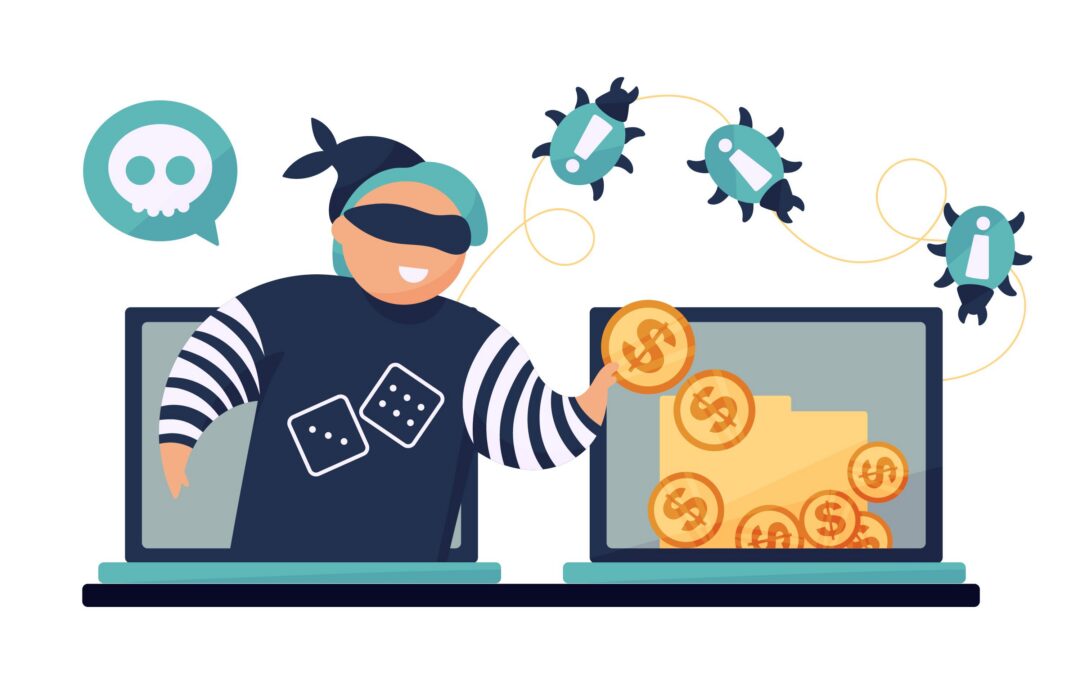
The scale and sophistication of digital piracy have grown far beyond isolated incidents of illegal downloads or unauthorized sharing. Content owners, broadcasters, OTT platforms, software companies, and enterprises now face constant exposure to piracy across websites, social platforms, apps, and private networks. Rights holders searching for reliable information are no longer just asking whether piracy exists, but how it operates, how it evolves, and what structured approaches are available to counter it. This growing complexity has pushed decision-makers to actively research solutions to piracy that go beyond manual monitoring and reactive takedowns.
This blog provides a structured and detailed overview of modern solutions to piracy, focusing on the options available to rights holders who want to protect their content, revenue, and brand reputation. It explains the key concepts that must be understood before selecting an anti-piracy approach, followed by an in-depth look at next-generation methods used by leading organizations. Throughout the blog, readers will gain clarity on how different solutions work and how they align with long-term rights protection strategies. To explore how these approaches can be implemented effectively, readers are encouraged to review the comprehensive services offered by Aiplex Anti Piracy.
Key Factors to Understand Before Choosing Solutions to Piracy
Before evaluating specific tools or technologies, it is essential to understand the broader framework within which piracy occurs. Not all piracy threats are the same, and not all solutions deliver equal value across industries or content types. This section outlines the foundational factors that influence the effectiveness of piracy mitigation strategies and prepares decision-makers to assess solutions with greater clarity and confidence.
Understanding Digital Piracy Ecosystems and Threat Channels
- Digital piracy operates through a complex ecosystem of websites, streaming platforms, peer-to-peer networks, messaging apps, and social media channels. Each of these environments presents unique risks, enforcement challenges, and operational constraints. For example, piracy hosted on streaming websites may require rapid takedown workflows, while social media piracy often demands continuous monitoring and platform-specific enforcement. Understanding these ecosystems allows rights holders to align piracy protection strategies with the channels where infringement is most likely to occur.
- Beyond visibility, threat channels also differ in scale and persistence. Some piracy sources reappear minutes after takedown, while others operate through decentralized infrastructures that are harder to disrupt. Effective content protection depends on recognizing these patterns and selecting anti-piracy services that are designed to operate across multiple environments simultaneously. Without this understanding, even advanced tools may deliver limited results.
Content Type, Distribution Models, and Piracy Risk Exposure
- Different types of content face different piracy risks. Live sports streams, premium entertainment, software products, and educational content are targeted in distinct ways, often requiring specialized enforcement methods. Live content piracy prioritizes speed and automation, while on-demand piracy may focus on scale and long-term suppression. Understanding how content is distributed helps define the most relevant protection mechanisms.
- Distribution models also influence enforcement complexity. Content distributed through multiple OTT platforms, international partners, or licensing arrangements introduces jurisdictional and compliance considerations. Selecting solutions to piracy without accounting for these factors can create enforcement gaps. A clear understanding of content value, lifecycle, and distribution reach ensures that protection strategies remain aligned with business objectives.
Legal Frameworks, Compliance, and Enforcement Readiness
- Anti-piracy enforcement relies heavily on legal frameworks such as DMCA regulations, platform policies, and regional copyright laws. Rights holders must understand how these frameworks support or limit enforcement actions. Automated systems may identify infringements, but successful takedowns depend on compliant notice formats, accurate rights validation, and jurisdictional awareness.
- Organizations also need internal readiness for enforcement. This includes maintaining proper rights documentation, defining escalation processes, and ensuring coordination between legal, technical, and commercial teams. Solutions to piracy are most effective when they integrate seamlessly with legal workflows rather than operating in isolation.
Automation, Scalability, and Operational Efficiency
- Manual piracy monitoring is no longer viable at scale. As content libraries grow and distribution expands, automation becomes a core requirement rather than a feature. Scalable solutions use AI-driven detection, automated takedowns, and centralized dashboards to manage thousands of infringements simultaneously.
- Operational efficiency also determines long-term sustainability. Solutions that require constant manual intervention can increase costs and slow response times. Understanding the level of automation and scalability offered by a service provider helps organizations evaluate whether a solution can grow alongside their content portfolio.
Data Intelligence, Reporting, and Strategic Insights
- Beyond enforcement, modern piracy protection generates valuable data. Insights into infringement sources, geographic trends, repeat offenders, and platform vulnerabilities can inform broader business and distribution strategies. Rights holders who leverage this data gain a strategic advantage, turning piracy mitigation into an intelligence-driven process.
- Effective solutions to piracy provide actionable reporting rather than raw data. Clear dashboards, trend analysis, and performance metrics enable decision-makers to measure ROI and refine protection strategies over time. Without robust analytics, enforcement efforts remain reactive and difficult to optimize.
Next-Gen Solutions to Piracy Used by Modern Rights Holders
With foundational factors established, it becomes easier to evaluate the specific solutions available in the market. The following sections outline next-generation approaches that are redefining how piracy is detected, enforced, and prevented across industries.
AI-Powered Content Monitoring and Detection
- AI-powered monitoring systems use machine learning and computer vision to identify infringing content across websites, apps, and platforms in real time. These systems can recognize video, audio, and visual fingerprints even when content is altered, cropped, or re-encoded. This capability significantly increases detection accuracy compared to keyword-based or manual methods.
- By operating continuously, AI monitoring reduces the time gap between content release and infringement detection. This is particularly valuable for live content and premium releases where early piracy causes the highest revenue loss. As part of comprehensive solutions to piracy, AI detection forms the foundation for rapid and scalable enforcement.
Automated Takedown and Enforcement Workflows
- Automated takedown systems streamline the process of issuing copyright notices across multiple platforms. Once infringing content is detected, these systems generate compliant notices and submit them directly to hosting providers, search engines, and social platforms. Automation ensures speed, consistency, and reduced administrative overhead.
- Such workflows also track takedown success rates and reappearance patterns, enabling continuous optimization. For rights holders managing large-scale infringement, automated enforcement transforms piracy mitigation from a reactive task into a controlled operational process.
Live Content Protection and Real-Time Stream Blocking
- Live content piracy requires immediate intervention. Next-generation solutions focus on real-time detection and blocking of illegal streams before they gain significant viewership. These systems monitor streaming platforms and cyberlocker sites with minimal latency, enabling swift enforcement.
- Real-time protection is critical for sports broadcasters and event organizers, where piracy directly impacts subscription value and advertising revenue. Integrating live monitoring with automated takedowns ensures that piracy is disrupted at its most damaging stage.
Domain, App, and Rogue Platform Disruption
- Beyond individual takedowns, advanced solutions target the infrastructure supporting piracy operations. This includes identifying repeat offender domains, rogue apps, and dedicated piracy platforms. By working with registrars, app stores, and hosting providers, rights holders can disrupt entire piracy networks.
- This approach reduces long-term infringement by addressing root causes rather than isolated incidents. As part of comprehensive solutions to piracy, infrastructure disruption creates sustained impact and deters repeat violations.
Data-Driven Anti-Piracy Strategy and Reporting
- Strategic reporting transforms enforcement activity into actionable intelligence. Advanced dashboards provide insights into infringement volumes, platform performance, geographic hotspots, and enforcement efficiency. This data supports informed decision-making and continuous improvement.
- Organizations that adopt data-driven approaches can align piracy protection with broader commercial and content strategies. Reporting also strengthens stakeholder confidence by demonstrating measurable outcomes from anti-piracy investments.
Why Choose Aiplex Anti Piracy for Advanced Rights Protection
Aiplex AntiPiracy offers a comprehensive suite of next-generation solutions designed to address the full spectrum of digital piracy challenges. By combining AI-powered detection, automated enforcement, live content protection, and detailed reporting, the platform delivers scalable and efficient rights protection across industries.
What differentiates Aiplex Anti Piracy is its focus on adaptability and intelligence. The solutions are designed to evolve alongside piracy tactics, ensuring long-term effectiveness. With a centralized dashboard, proactive monitoring, and expert support, rights holders gain both operational control and strategic clarity.
Conclusion
Digital piracy is no longer a static threat that can be managed with isolated tools or manual processes. It is a dynamic and evolving challenge that demands structured, intelligent, and scalable responses. Understanding the ecosystem, evaluating content-specific risks, and leveraging automation are essential steps toward effective protection.
By adopting next-generation solutions to piracy, rights holders can safeguard revenue, preserve brand integrity, and maintain control over their digital assets. Platforms like Aiplex AntiPiracy provide the technology and expertise needed to move from reactive enforcement to proactive rights protection, enabling organizations to operate with confidence in an increasingly complex digital environment.

by AI Admin | Piracy
Creators, innovators, and businesses invest years of effort, financial resources, and strategic thinking to bring original ideas into existence. When those ideas are copied, distributed, or exploited without permission, the impact extends far beyond immediate revenue loss. Intellectual piracy disrupts the balance between effort and reward, creating an environment where originality is undervalued and risk-taking feels unrewarding. For entrepreneurs, artists, software developers, and researchers, the fear of having their work misused often influences how openly they share ideas or invest in future projects. This growing concern is what pushes many stakeholders to understand intellectual piracy not as a vague legal term, but as a direct threat to sustainable innovation.
This blog explores how intellectual piracy affects innovation, creators, and entire industries from a factual and strategic perspective. It explains the different forms piracy takes, the economic and creative consequences, and the broader implications for businesses operating in competitive markets. You will also gain clarity on why proactive protection strategies matter and how structured anti-piracy solutions can safeguard intellectual assets. By the end, readers will have a comprehensive understanding of the issue and a clear direction on why working with professional anti-piracy service providers like Aiplex Anti-Piracy becomes a practical step rather than a reactive measure.
Foundational Concepts to Understand Intellectual Piracy
Before analyzing the wider impact, it is important to understand the fundamental aspects that shape how intellectual piracy operates across industries. These concepts explain why piracy persists, how it evolves, and what makes certain intellectual assets more vulnerable than others.
Legal Definition and Scope of Intellectual Property Rights
Intellectual property rights form the legal backbone that protects original work, inventions, designs, and brand identities. These rights include copyrights, patents, trademarks, and trade secrets, each serving a distinct purpose. Intellectual piracy occurs when these rights are violated through unauthorized copying, distribution, or commercial use. Understanding this legal scope is essential because many creators underestimate what qualifies as infringement. The issue is not limited to large-scale counterfeit operations but also includes digital misuse, unlicensed reproductions, and derivative works created without consent.
From a strategic standpoint, the legal definition determines how enforcement actions can be taken and which jurisdictions apply. Intellectual piracy often crosses borders, making enforcement complex and time-consuming. This complexity is one reason why piracy thrives despite existing laws. Creators who lack clarity on their rights may delay action, allowing infringing content to spread further. Knowing the scope of protection helps innovators recognize violations early and approach anti-piracy measures with informed expectations.
Common Forms of Intellectual Piracy Across Industries
Intellectual piracy manifests differently depending on the industry involved. In media and entertainment, it often appears as unauthorized streaming, downloads, or physical duplication. In software and technology, piracy includes cracked software, illegal licensing, and source code theft. Product-based industries face counterfeiting, where designs and branding are replicated to mislead consumers. Each form creates unique challenges, but the underlying issue remains the same: unauthorized exploitation of intellectual assets.
These variations matter because a one-size-fits-all approach to protection rarely works. Businesses must understand how piracy targets their specific assets to respond effectively. For example, digital piracy spreads rapidly and requires continuous monitoring, while counterfeit goods involve supply chain tracking and enforcement. Recognizing these patterns allows organizations to align protection strategies with real-world risks rather than theoretical threats.
Why Certain Intellectual Assets Are More Vulnerable
Not all intellectual property faces the same level of risk. Assets that are easy to replicate, distribute digitally, or monetize quickly are often prime targets for piracy. Software, digital media, and branded consumer goods fall into this category because the cost of copying is low while the potential returns are high. Vulnerability also increases when protection mechanisms are weak or enforcement is delayed.
Market demand plays a significant role as well. High-demand products and popular content attract unauthorized distributors looking to capitalize on visibility. Additionally, emerging creators and startups are often more vulnerable because they lack the resources for robust monitoring and legal action. Understanding why certain assets are targeted helps businesses prioritize protection efforts and allocate resources more strategically.
The Role of Technology in Enabling Piracy
Technology has significantly lowered the barriers to intellectual piracy. High-speed internet, file-sharing platforms, and anonymous marketplaces allow infringing content to spread globally within minutes. Automation tools enable pirates to replicate and distribute content at scale, making manual enforcement ineffective. This technological advantage often places creators at a disadvantage if they rely solely on traditional legal responses.
At the same time, technology also provides solutions. Advanced monitoring systems, digital fingerprinting, and automated takedown mechanisms can counter piracy when implemented correctly. The key lies in understanding how technology fuels piracy so that equally sophisticated tools can be used to mitigate it. Without this awareness, enforcement efforts remain reactive rather than preventive.
Economic Incentives That Sustain Piracy Networks
Piracy persists because it is profitable. Unauthorized distributors often operate with minimal overhead and little regard for compliance, allowing them to undercut legitimate creators. Consumers seeking lower prices or free access unintentionally fuel these networks, reinforcing demand. This economic loop makes piracy resilient, even when enforcement actions occur.
For creators, this creates an uneven playing field where ethical practices compete with illegal alternatives. Over time, sustained revenue loss affects investment decisions, hiring, and innovation budgets. Recognizing the economic drivers behind piracy helps stakeholders understand that combating it requires more than legal action; it requires disrupting the incentives that make infringement attractive in the first place.
How Intellectual Piracy Directly Harms Innovation
Innovation depends on the expectation that original ideas will be rewarded and protected. Intellectual piracy undermines this expectation, creating long-term consequences for creative and technological progress.
Reduced Investment in Research and Development
When piracy erodes potential returns, businesses become cautious about investing in research and development. Developing new technologies, products, or creative works involves significant financial risk. If the results can be easily copied without consequence, the justification for that risk weakens. Over time, this leads to fewer experimental projects and a focus on safer, incremental improvements.
This shift affects entire industries. Reduced R&D spending slows technological advancement and limits the introduction of disruptive ideas. Startups, in particular, feel this pressure because they rely heavily on intellectual property as a competitive advantage. Intellectual piracy, therefore, does not just harm individual creators; it dampens the broader innovation ecosystem.
Discouragement of Independent Creators and Startups
Independent creators often lack the legal and financial resources to combat piracy effectively. When their work is infringed upon, the emotional and financial toll can be significant. Many creators report feeling discouraged from releasing future projects or sharing ideas openly due to fear of exploitation.
For startups, intellectual property is often their most valuable asset. Piracy can undermine investor confidence, as potential backers may question the startup’s ability to protect its innovations. This discouragement reduces diversity in the market, as only well-funded entities can afford sustained protection, limiting competition and creative variety.
Distortion of Market Competition
Pirated products and content distort fair competition by allowing infringers to bypass development costs. Legitimate creators must price their offerings to recover investments, while pirates can offer lower prices or free access. This imbalance pressures ethical businesses to either lower standards or exit the market.
Over time, distorted competition leads to market consolidation, where only a few players with strong enforcement capabilities survive. This reduces consumer choice and stifles innovation. Healthy competition relies on respect for intellectual property, and piracy disrupts that balance at every level.
Loss of Knowledge Sharing and Collaboration
Innovation thrives on collaboration and knowledge exchange. However, when piracy is prevalent, creators become guarded about sharing ideas, even in legitimate partnerships. The fear of misappropriation limits open dialogue and slows collaborative progress.
This environment affects academic research, open innovation initiatives, and cross-industry partnerships. While protection is necessary, excessive secrecy driven by piracy concerns can hinder collective advancement. Intellectual piracy thus indirectly reduces opportunities for shared growth and learning.
Long-Term Impact on Industry Standards
Persistent piracy can lower industry standards by normalizing unauthorized use. When infringement becomes widespread, it erodes respect for intellectual property rights. New entrants may view piracy as an unavoidable cost of doing business rather than an ethical violation.
This normalization creates a cycle where enforcement becomes harder and innovation less rewarding. Reversing this trend requires consistent education, enforcement, and the visible success of protection strategies that demonstrate the value of respecting intellectual property.
Why Intellectual Piracy Is Especially Damaging for Creators
Creators experience the effects of intellectual piracy on both professional and personal levels, making its impact particularly profound.
Financial Instability and Revenue Loss
For creators, revenue often comes directly from their intellectual output. Piracy diverts this income, making it harder to sustain creative work as a viable profession. Irregular income streams force creators to seek alternative employment, reducing the time and energy available for innovation.
This financial instability disproportionately affects emerging talent, who rely on early success to build momentum. Without adequate protection, many promising creators leave their fields altogether, resulting in a loss of potential cultural and technological contributions.
Erosion of Creative Ownership and Control
Intellectual piracy strips creators of control over how their work is used and perceived. Unauthorized modifications, poor-quality reproductions, or misuse can damage a creator’s reputation. This loss of control undermines the personal connection between creators and their work.
Ownership is not only about revenue but also about creative integrity. When creators cannot protect their vision, it diminishes motivation and pride in their work. This erosion affects long-term commitment to creative pursuits.
Psychological and Motivational Impact
Beyond financial harm, piracy has a psychological impact. Repeated infringement can lead to frustration, stress, and burnout. Creators may feel that their efforts are undervalued or exploited, leading to decreased motivation.
This emotional toll is often overlooked in discussions about piracy, yet it plays a significant role in shaping creative output. Sustainable innovation requires not only legal protection but also an environment where creators feel respected and supported.
Why Choose Aiplex Anti-Piracy for Intellectual Protection
Aiplex Anti-Piracy offers structured, technology-driven solutions designed to address the complexities of intellectual piracy. Their approach focuses on proactive monitoring, rapid response, and strategic enforcement tailored to different industries. By combining automated detection tools with expert analysis, they help clients identify infringements early and minimize damage.
What sets Aiplex apart is its emphasis on scalability and customization. Whether protecting digital content, software, or branded products, their services adapt to evolving piracy methods. This allows creators and businesses to focus on innovation while maintaining confidence that their intellectual assets are actively safeguarded.
Conclusion
Intellectual piracy is more than a legal issue; it is a systemic challenge that affects innovation, creators, and market integrity. Its impact reaches into investment decisions, creative motivation, and the overall pace of progress across industries. Understanding how piracy operates and why it persists is the first step toward addressing it effectively.
By recognizing the long-term consequences and adopting proactive protection strategies, creators and businesses can restore balance between effort and reward. Partnering with specialized anti-piracy services provides not only enforcement but also peace of mind, enabling innovators to focus on what they do best: creating original value that drives industries forward.

by AI Admin | Piracy
Digital content has become one of the most valuable assets for businesses operating across media, entertainment, education, software, and live streaming industries. Movies, TV shows, e-learning modules, SaaS tools, and live sports broadcasts are created with significant financial and creative investment, yet they can be duplicated and redistributed within minutes if left unprotected. This reality pushes organizations to actively research and understand content piracy, not because they are already facing losses, but because the risk landscape keeps evolving. Decision-makers, publishers, and platform owners increasingly look for structured information that explains how piracy happens, who is affected, and what modern protection frameworks look like.
This blog provides a comprehensive, information-focused overview of content piracy, the risks it introduces, and the modern strategies organizations use to safeguard their digital assets. You will gain clarity on piracy models, legal implications, technological safeguards, and operational considerations before implementing protection measures. The article also outlines how advanced anti-piracy solutions align with business scalability and compliance needs. If you are evaluating long-term content protection strategies or planning to strengthen existing defenses, this guide will help you make informed decisions and explore specialized solutions available through Aiplex Anti-Piracy.
Foundational Concepts to Understand Before Addressing Content Piracy
Before evaluating protection strategies, it is essential to understand the core elements that shape the piracy ecosystem. These foundational concepts explain how piracy networks operate, why they persist, and how businesses are affected at different operational levels. Understanding these elements helps organizations assess their exposure accurately and choose strategies aligned with their content distribution models.
Types of Digital Content Most Targeted by Piracy
- Certain categories of digital assets are more vulnerable to unauthorized distribution due to demand, ease of access, and monetization potential. Entertainment content such as films, TV series, and live sports streams are frequent targets because of their global appeal and time-sensitive value. Educational platforms and software products are also heavily pirated, particularly when licensing models are rigid or regionally restricted. Understanding which assets attract piracy helps organizations prioritize protection layers based on content type and audience behavior.
- Targeted content often shares common traits, including high production value, limited official access windows, and subscription-based pricing. Piracy groups exploit these characteristics to distribute content rapidly through torrent platforms, illegal streaming sites, and private messaging networks. Identifying these patterns allows rights holders to align monitoring and enforcement strategies with the specific risk profile of their digital assets.
Common Distribution Channels Used by Pirates
- Pirated content is rarely distributed through a single channel. Instead, it moves across a network of torrent sites, cyberlockers, illegal IPTV services, and social media platforms. Each channel has unique characteristics, such as speed of dissemination, audience size, and takedown complexity. Understanding these channels provides insight into how quickly content can spread and which platforms require proactive monitoring.
- Modern piracy increasingly leverages encrypted messaging apps and private communities, making detection more complex. These closed networks reduce visibility while enabling rapid sharing among thousands of users. Businesses that understand these channels are better positioned to implement detection technologies that monitor both open and closed environments, ensuring faster response times and reduced revenue leakage.
Legal and Regulatory Implications of Pirated Content
- Content piracy is not only a commercial risk but also a legal concern with regulatory implications across jurisdictions. Copyright laws vary by region, and enforcement mechanisms differ depending on local compliance frameworks. Businesses distributing content globally must understand how piracy intersects with international copyright treaties, local enforcement agencies, and platform-level compliance requirements.
- Failure to address piracy may expose organizations to contractual disputes, licensing violations, and reputational damage. Rights holders are increasingly expected to demonstrate reasonable protection efforts, especially when dealing with partners and distributors. Awareness of the legal environment helps organizations align technical strategies with compliance obligations and industry standards.
Financial and Brand Impact on Content Owners
- Piracy directly affects revenue by diverting users away from legitimate platforms, reducing subscription conversions, and impacting advertising models. However, the financial impact extends beyond immediate losses. Long-term brand erosion occurs when consumers associate content availability with unofficial sources, reducing perceived value and trust in official platforms.
- Brands may also face increased customer support costs due to fraudulent sites impersonating official services. These issues complicate customer acquisition and retention strategies. Understanding the broader financial and brand implications highlights why content protection is a strategic investment rather than a reactive expense.
The Role of Technology in Both Piracy and Protection
- Technology drives both the evolution of piracy methods and the development of protection mechanisms. Pirates adopt advanced encoding, encryption bypass techniques, and automation tools to distribute content efficiently. At the same time, rights holders deploy AI-driven monitoring, watermarking, and automated takedown systems to counter these threats.
- Recognizing technology as a dual-use factor helps organizations stay adaptive. Effective protection strategies require continuous updates and integration with emerging platforms. Businesses that understand this dynamic are better prepared to invest in scalable, future-proof anti-piracy solutions.
Key Risks Associated With Content Piracy for Modern Businesses
Understanding risks allows organizations to evaluate the true cost of piracy beyond surface-level losses. These risks vary based on industry, distribution model, and audience geography, making a structured overview essential for informed decision-making.
Revenue Leakage and Subscription Losses
- Piracy undermines revenue models by offering free alternatives to paid content, directly impacting subscriptions, pay-per-view sales, and licensing agreements. When users access pirated versions, conversion funnels break down, and long-term monetization strategies weaken. This effect is particularly significant for live content, where exclusivity drives value.
- Over time, revenue leakage affects budgeting, content production investments, and platform expansion plans. Organizations that quantify these losses can better justify investment in advanced protection strategies that safeguard sustainable growth.
Reduced Content Lifecycle Value
- Every piece of digital content has a lifecycle that determines its earning potential. Piracy shortens this lifecycle by making content widely available immediately after release. Early leaks are especially damaging, as they reduce demand during peak monetization periods.
- A reduced lifecycle impacts syndication deals, regional releases, and long-term catalog value. Businesses that protect content during critical release windows preserve its earning potential and maximize return on investment.
Increased Operational and Enforcement Costs
- Addressing piracy without automated systems can strain internal resources. Manual monitoring, legal coordination, and takedown requests require dedicated teams and ongoing effort. As piracy scales, so do enforcement costs, often without proportional results.
- Automated protection solutions reduce operational overhead by streamlining detection and enforcement processes. Understanding these cost dynamics helps organizations shift from reactive to proactive protection models.
Customer Trust and Platform Credibility Risks
- When pirated content circulates widely, users may encounter malicious sites posing as legitimate platforms. This exposes consumers to malware, phishing, and fraud, indirectly affecting the original brand’s credibility. Users may associate negative experiences with the content owner, even when piracy occurs externally.
- Maintaining trust requires visible efforts to protect users and content. Businesses that actively combat piracy demonstrate accountability and reinforce platform credibility.
Modern Protection Strategies Used to Combat Content Piracy
Modern protection strategies combine technology, legal frameworks, and operational processes. Rather than relying on a single method, organizations adopt layered approaches to address piracy comprehensively.
Digital Rights Management and Access Control
- Digital Rights Management (DRM) systems control how content is accessed, shared, and consumed. By enforcing licensing rules, DRM prevents unauthorized copying and redistribution. Advanced access control mechanisms also ensure content is delivered securely across devices and platforms.
- While DRM is not foolproof, it significantly raises the barrier for piracy. When combined with other technologies, it forms a foundational layer in content protection strategies.
Forensic Watermarking for Source Identification
- Forensic watermarking embeds invisible identifiers within content, allowing rights holders to trace leaks back to the source. This method is particularly effective for premium content, pre-release screenings, and partner distributions.
- Watermarking supports accountability across the distribution chain. When leaks occur, organizations can take targeted action, reducing repeat incidents and strengthening partner compliance.
Automated Monitoring and Detection Systems
- Automated monitoring tools scan the internet, social platforms, and streaming services to detect unauthorized content distribution. These systems use AI and pattern recognition to identify pirated assets quickly.
- Early detection enables faster takedowns, minimizing exposure and financial impact. Continuous monitoring ensures ongoing protection across evolving piracy channels.
Rapid Takedown and Enforcement Mechanisms
- Once pirated content is detected, rapid takedown processes are essential. Automated notice systems streamline communication with hosting providers, platforms, and regulators, reducing response times.
- Efficient enforcement discourages repeat offenders and limits the visibility of pirated content. Businesses benefit from structured workflows that integrate detection with enforcement actions.
Data-Driven Insights and Reporting
- Advanced anti-piracy platforms provide analytics that reveal piracy trends, high-risk regions, and recurring offenders. These insights support strategic decision-making and resource allocation.
- Data-driven approaches allow organizations to refine protection strategies over time. By understanding where and how piracy occurs, businesses can adapt defenses proactively.
Why Choose Aiplex Anti-Piracy for Content Protection
Aiplex Anti-Piracy delivers comprehensive solutions designed to address the full spectrum of content piracy risks. The platform integrates automated monitoring, forensic watermarking, rapid takedown mechanisms, and actionable analytics into a unified system. This approach enables organizations to protect digital assets efficiently without overwhelming internal teams.
Aiplex focuses on scalability and adaptability, ensuring protection strategies evolve alongside content distribution models. With expertise across media, entertainment, and digital platforms, Aiplex supports long-term content security while aligning with business growth objectives. Organizations seeking structured, technology-driven protection benefit from solutions built to address both current and emerging piracy challenges.
Conclusion
Content piracy remains a persistent challenge for organizations distributing digital assets across global platforms. Understanding how piracy operates, the risks it introduces, and the strategies available empowers businesses to make informed protection decisions. Modern approaches emphasize automation, data-driven insights, and layered defenses that address piracy at scale.
By investing in comprehensive protection strategies and partnering with specialized providers, organizations can safeguard revenue, preserve brand value, and support sustainable content distribution. Proactive content protection is not just a defensive measure but a strategic component of long-term digital success.
