by AI Admin | Antipiracy, Brand Protection
Introduction
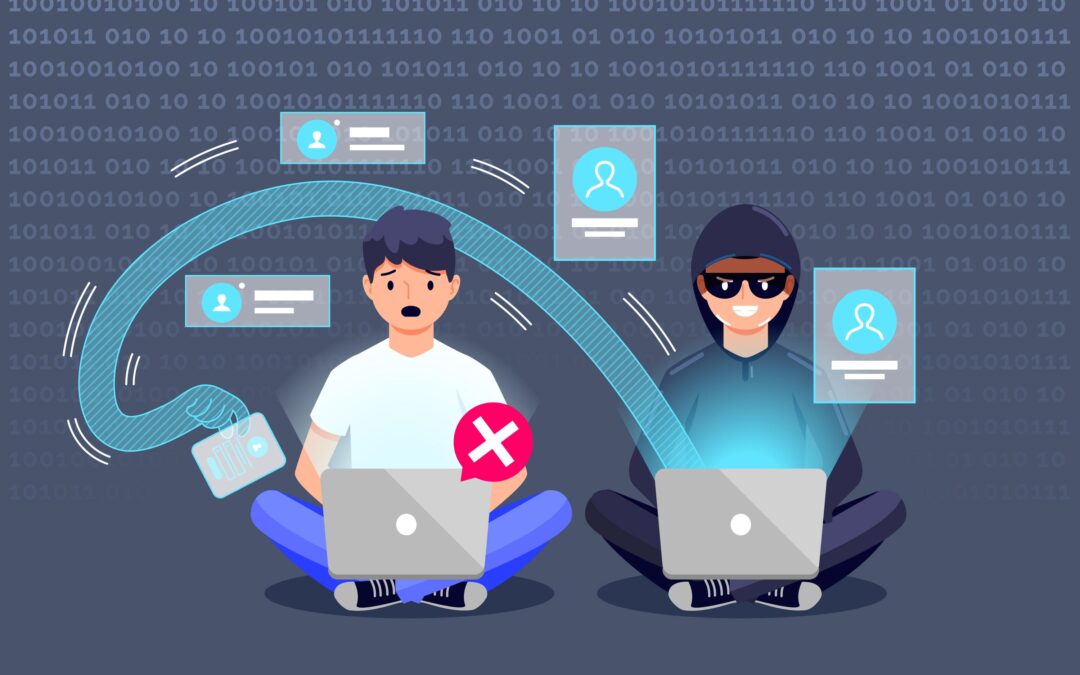
The digital era has opened endless opportunities for creators, businesses, and entertainment industries to share their work with a global audience. But with this freedom comes a significant risk—content theft. From movies and music to eBooks and software, piracy continues to cost industries billions every year. As a creator or business owner, understanding the basics of anti-piracy is not just a matter of legal protection but also a necessity for safeguarding your intellectual property. Without proactive steps, your content could be stolen, shared, and monetized by others before you even realize it.
This blog will take you through everything you need to know about anti-piracy, from essential concepts to practical measures you can adopt to protect your work. We’ll explore digital piracy threats, explain how copyright protection works, and introduce tools, strategies, and industry standards that every creator should understand. By the end, you’ll not only be aware of the risks but also empowered with actionable insights. If you want to ensure your content stays secure, consider partnering with Aiplex Anti-Piracy—a leader in digital rights enforcement.
Things to Know Before Diving into Anti-Piracy
Before we explore the strategies and tools available to combat piracy, it’s important to establish some foundational knowledge. Understanding what piracy looks like, how it affects industries, and the legal framework surrounding it helps you take informed steps toward protection.
Understanding What Digital Piracy Really Means
Digital piracy refers to the unauthorized use, reproduction, or distribution of digital content such as movies, music, games, software, and written works. While some may see piracy as harmless file sharing, it is in fact a violation of intellectual property rights. With global internet access and advanced file-sharing technologies, pirated content spreads within minutes of being uploaded online.
Creators often underestimate the scale of piracy until they notice lost revenues or declining sales. For businesses, piracy not only impacts profitability but also damages brand reputation when consumers encounter poor-quality pirated copies. Knowing what constitutes piracy helps in identifying risks early and applying the right anti-piracy measures.
The Impact of Piracy on Creators and Industries
Piracy has a severe economic impact across industries. According to reports, the film and television industry loses billions annually due to illegal distribution of movies and series. Independent musicians and authors struggle to generate sustainable income when pirated versions of their work circulate freely. Software developers lose revenue as cracked or copied applications are shared globally.
But the harm isn’t only financial. Piracy affects innovation, reduces incentives for creators to produce new content, and weakens the overall cultural ecosystem. Businesses also face additional expenses in cybersecurity and monitoring efforts. Recognizing the scale of this impact highlights the urgency of adopting strong anti-piracy strategies.
Copyright Protection as the First Line of Defense
Copyright law grants creators exclusive rights to reproduce, distribute, and monetize their works. Registering your content under copyright ensures legal ownership and gives you the authority to take action against infringement. It is often the first legal shield that creators and businesses must adopt in their anti-piracy journey.
While copyright provides the legal basis for protecting your work, enforcement requires vigilance. Piracy often crosses borders, making enforcement complicated. That’s why copyright registration should be combined with digital protection tools and professional monitoring to ensure maximum effectiveness.
Types of Piracy You Need to Watch Out For
Piracy isn’t limited to illegal downloads. It takes many forms: streaming piracy, where content is broadcasted on unauthorized platforms; counterfeit copies, where fake DVDs or CDs are sold; and peer-to-peer sharing, where torrents distribute files worldwide. Even social media platforms and video-sharing sites can host pirated material.
Each type of piracy requires a different response. For instance, illegal streaming may demand quick takedown notices, while counterfeit distribution may involve legal enforcement. Understanding these types ensures that you can design a comprehensive anti-piracy strategy tailored to your content and industry.
The Role of Technology in Combating Piracy
Technology is both a driver of piracy and a tool for fighting it. On one hand, file-sharing platforms and torrent networks enable content theft at scale. On the other hand, digital rights management (DRM), watermarking, and content monitoring tools give creators powerful means of protection.
Advanced technologies like AI-driven monitoring systems can scan the web for pirated copies, while automated takedown systems ensure quick action. As piracy methods evolve, so must anti-piracy technologies. Staying updated on these innovations ensures your protection efforts remain effective.
Key Strategies for Effective Anti-Piracy
When it comes to anti-piracy, relying on a single approach is rarely effective. A multi-layered strategy that combines legal, technical, and operational measures provides the strongest defense against content theft.
Register and Protect Your Intellectual Property
The foundation of any anti-piracy plan begins with legal recognition of your content. Register your work under copyright, trademarks, or patents as applicable. This not only asserts ownership but also empowers you to take legal action if infringement occurs.
Many creators skip registration thinking their work is automatically protected. While that’s true to some extent, registration strengthens your legal claim, especially in cross-border disputes. Protecting your intellectual property ensures you are prepared to act swiftly against piracy.
Use Digital Rights Management (DRM) Systems
Digital Rights Management is one of the most common technical solutions against piracy. DRM software controls how content is accessed, copied, or shared. For example, streaming services use DRM to prevent users from downloading or redistributing content.
While DRM sometimes faces criticism for restricting user freedom, it remains a vital tool for industries like film, publishing, and software. Implementing DRM ensures that your content is accessed only in the way you intend, reducing the risk of unauthorized use.
Watermarking and Content Tracking
Watermarking involves embedding invisible or visible marks into your content to track its distribution. For videos, it may include unique identifiers for each copy. For documents, it could mean embedding digital signatures. If pirated versions appear online, watermarks can help trace the leak.
Combined with tracking tools, watermarking ensures accountability and provides evidence for legal action. Many professional anti-piracy solutions, including those offered by Aiplex, integrate watermarking with automated monitoring systems to detect and remove pirated content quickly.
Automated Monitoring and Takedown Services
Given the speed at which pirated content spreads, manual monitoring is nearly impossible. Automated monitoring services scan websites, social media, and torrent platforms for infringing copies. Once detected, takedown notices can be issued immediately.
Quick response is key to minimizing piracy damage. Partnering with anti-piracy firms ensures 24/7 monitoring and rapid removal of pirated material. This not only safeguards your revenue but also preserves your audience’s trust in your brand.
Educating Your Audience and Stakeholders
Surprisingly, many consumers don’t realize the harm caused by piracy. Educating your audience about the ethical and financial consequences of piracy can reduce demand for pirated content. Campaigns that highlight the importance of supporting creators encourage users to choose legal alternatives.
Similarly, businesses should educate employees and partners on anti-piracy practices. Internal leaks are often a source of content theft. Training stakeholders to follow best practices in content security ensures a more robust defense system.
Why Choose Aiplex Anti-Piracy
While there are several tools and techniques available, managing anti-piracy effectively requires constant vigilance, technical expertise, and legal know-how. That’s where Aiplex Anti-Piracy comes in. With decades of experience in digital rights enforcement, Aiplex provides comprehensive solutions to protect your intellectual property across platforms.
From automated monitoring to swift takedown services, Aiplex combines technology with legal expertise. Their AI-driven detection systems ensure that pirated copies are identified quickly, while their global reach allows for enforcement across multiple jurisdictions. Whether you’re an independent creator, a publisher, or a large-scale entertainment company, Aiplex offers tailored solutions to safeguard your work.
Most importantly, partnering with Aiplex means you can focus on what you do best—creating—while leaving the complexities of anti-piracy to the experts.
Conclusion
In today’s digital economy, protecting your content is as important as creating it. Piracy continues to evolve, but so do the tools and strategies designed to combat it. By understanding the basics of anti-piracy, from copyright protection to advanced monitoring systems, creators and businesses can build a strong defense against content theft.
However, fighting piracy is not a one-time effort. It requires constant vigilance, adaptation to new threats, and professional support. This is where expert partners like Aiplex Anti-Piracy make a real difference. Their technology-driven, proactive approach ensures your work remains secure while maximizing your creative and commercial potential.
If your content is valuable, don’t wait for it to be stolen—act now. Secure your intellectual property and ensure your creative journey continues without disruption.
Summary
This blog covered the basics of anti-piracy, emphasizing why creators and businesses must safeguard their digital assets before they are stolen. We explored key concepts including digital piracy definitions, copyright protection, types of piracy, and the role of technology. We also highlighted effective strategies such as DRM, watermarking, automated monitoring, and audience education.
https://aiplexantipiracy.com/Ultimately, while there are multiple anti-piracy solutions available, Aiplex Anti-Piracy stands out as a trusted partner with proven expertise in protecting intellectual property. Choosing Aiplex means accessing AI-driven monitoring, global enforcement, and swift takedown capabilities—all designed to ensure your content stays safe. Protect your work today and secure your future as a creator.
by AI Admin | Antipiracy, Brand Protection
Introduction
The rise of instant messaging platforms has transformed the way we communicate, but it has also created new challenges in digital piracy. Telegram, with its encrypted chats, large file-sharing capabilities, and ease of group creation, has become a hotspot for illegal content distribution. For entertainment companies, content creators, and rights holders, this has led to a significant battle for piracy control. The sheer volume of pirated movies, music, and software circulating on Telegram highlights the urgency of addressing this issue before it grows further.
This blog explores how Telegram is misused for circulating pirated videos, the mechanics behind these illegal networks, and why strong piracy control measures are crucial. You will learn about the methods pirates use, the challenges in regulating digital spaces, and what steps companies and governments are taking to curb piracy. By the end, you will also discover how specialized anti-piracy solutions, such as those offered by AiPlex Anti-Piracy, can help safeguard intellectual property in the digital age.
Things to Know About Piracy on Telegram Before Diving Into Control Measures
Before discussing piracy control, it’s essential to understand how Telegram became a hub for piracy. The platform offers features that inadvertently support piracy networks. These include anonymous accounts, encrypted file sharing, and channels with thousands of users, making it extremely difficult to trace culprits. Recognizing these fundamentals will help in grasping the scale of the issue.
Ease of File Sharing and Encrypted Communication
Telegram allows users to share files up to 2GB in size, far surpassing many messaging apps. Pirates exploit this by distributing high-quality films, software, and e-books. Encrypted communication also prevents authorities from easily monitoring these exchanges, further complicating enforcement.
The anonymity offered on Telegram lets users set up groups without revealing identities, creating massive distribution hubs. Pirates can upload new releases and distribute them across multiple channels within minutes, reaching global audiences. This unique infrastructure has turned Telegram into a preferred platform for piracy, far more resilient than older forums and websites.
The Role of Piracy Channels and Groups
Telegram channels function like broadcast stations, where admins distribute content to subscribers. Piracy channels often have thousands of members eager to download leaked movies or shows. Unlike private groups, these channels act as one-way distribution systems that are difficult to shut down.
In addition, groups function like interactive communities where pirated content is shared openly among members. These groups thrive on user-to-user sharing, often linking to external storage sites for larger files. The combination of channels and groups allows piracy to spread at an alarming pace.
Global Nature of Piracy Networks
Piracy on Telegram is not bound by borders. Channels can be accessed worldwide, making enforcement a cross-jurisdictional nightmare. This global reach enables pirates to upload content in one country and distribute it to users in hundreds of others.
Because of this international nature, laws vary in effectiveness. Some countries may take piracy more seriously than others, leaving loopholes for pirates to exploit. Without coordinated global enforcement, shutting down piracy on Telegram becomes nearly impossible.
How Piracy Impacts Entertainment Industries
The entertainment industry is one of the hardest hit by piracy on Telegram. From Hollywood blockbusters to regional film industries, pirated versions often appear online within hours of release. This directly affects box office revenue and discourages investment in new content.
Music, e-books, and gaming industries also suffer heavy losses. Unauthorized distribution impacts not just major corporations but also small creators who depend on sales for livelihood. In many cases, these illegal copies spread faster than legitimate versions, severely undermining intellectual property rights.
User Demand and Psychology Behind Piracy
It’s important to understand why users flock to pirated content on Telegram. The biggest draw is free access to expensive or paid material. Convenience, availability, and anonymity also play major roles in encouraging piracy consumption.
Psychologically, many users underestimate the consequences of piracy. Since Telegram feels like a private space, they assume their actions go unnoticed. This false sense of security fuels demand, making it harder to enforce piracy control measures.
How Pirated Content Circulates on Telegram
Step 1: Sourcing the Illegal Content
Pirates first obtain content through leaks, hacks, or illegal recordings. Often, insiders or hackers are responsible for leaking movies or shows before their official release. This initial sourcing sets the chain of piracy into motion.
Another common source is “camrips” — movies recorded illegally in theaters. Though quality is poor, demand remains high because people want early access. Once uploaded to Telegram, these files spread widely, often replaced later with higher-quality versions.
Step 2: Uploading and Channel Creation
After sourcing, pirates upload files to Telegram channels. These channels often have thousands of subscribers who are notified instantly when new content is available. The use of bots automates sharing across multiple groups and platforms.
In many cases, these channels brand themselves with flashy names, pretending to be legitimate fan communities. This disguise allows them to grow rapidly without raising immediate suspicion, drawing in massive audiences hungry for free content.
Step 3: Expanding Through External Links
Since Telegram has a file size limit, larger content like full Blu-ray movies is often hosted on external sites such as Google Drive or torrent links. Pirates post these links within groups, making Telegram a distribution hub rather than just a hosting space.
This interconnected web makes enforcement even harder. Even if a Telegram channel is taken down, the external storage remains intact, ready to be reshared elsewhere. Thus, piracy on Telegram thrives on this multi-platform strategy.
Step 4: Viral Sharing Among Communities
One of the biggest reasons piracy thrives on Telegram is viral sharing. Once a movie or show is uploaded, users quickly share it with friends or forward it to other groups. This viral effect amplifies reach, spreading pirated files across multiple networks.
Forwarding features make it easy for content to circulate without duplication. Pirates leverage this by building massive distribution trees where one upload can reach millions in hours. This speed makes piracy control extremely challenging.
Step 5: Monetization of Pirated Content
Contrary to the perception that piracy is only about free access, many piracy networks monetize their channels. They do this through advertisements, paid memberships, or redirecting users to malicious sites. In some cases, pirates even charge users for “premium” pirated content.
This commercialization makes piracy a profitable business model, incentivizing criminals to continue operations. Users may not realize they are indirectly funding illegal networks, further complicating the ethics and legality of the issue.
Piracy Control Challenges on Telegram
Encryption and Privacy Policies
Telegram’s strong encryption, while great for privacy, creates hurdles for anti-piracy enforcement. Authorities cannot easily track the content shared, making pirates confident about operating freely.
The company’s reluctance to compromise user privacy also complicates legal enforcement. While privacy is essential, it inadvertently shields piracy, forcing anti-piracy agencies to develop advanced monitoring solutions.
Constant Re-Creation of Channels
Even when Telegram shuts down piracy channels, new ones appear almost immediately. Pirates often use backup channels or bots to redirect users to fresh groups. This cat-and-mouse game makes permanent takedowns nearly impossible.
The persistence of pirates demonstrates how adaptive and resilient these networks are. This ongoing cycle demands continuous monitoring and rapid-response solutions.
Lack of Global Enforcement Coordination
Piracy enforcement requires international collaboration. Unfortunately, many countries lack strong anti-piracy laws, or enforcement varies significantly. Pirates exploit these differences by hosting content in less regulated jurisdictions.
Without a unified global framework, enforcement agencies face immense difficulties. This fragmented approach allows piracy to flourish across platforms like Telegram.
High User Demand and Social Acceptance
As long as there is user demand for free content, piracy will continue. Many users don’t perceive piracy as a crime, especially when it feels as simple as joining a Telegram group. This social acceptance normalizes piracy.
Shifting user perceptions through awareness campaigns is just as important as legal action. Unless demand decreases, pirates will always find ways to supply.
Speed of Digital Distribution
The speed at which pirated files spread across Telegram is staggering. By the time authorities identify and attempt to shut down a channel, the content has already circulated widely.
This rapid spread reduces the effectiveness of takedowns. Advanced AI-based monitoring solutions are essential to catch piracy at its source before it snowballs.
Why Choose AiPlex Anti-Piracy for Piracy Control?
AiPlex Anti-Piracy specializes in advanced solutions to tackle digital piracy across platforms like Telegram. With AI-powered monitoring, real-time takedowns, and international legal support, AiPlex ensures your content is protected around the clock. Their services cover films, music, e-books, and software, offering end-to-end piracy control.
The company’s expertise extends beyond takedowns, focusing on deterrence and education. By partnering with AiPlex, businesses can minimize revenue losses, protect intellectual property, and maintain brand reputation. For creators and companies, AiPlex is not just a service provider but a trusted partner in the fight against piracy.
Conclusion
Telegram has revolutionized communication but has also become a breeding ground for piracy. From file sharing and anonymous channels to global distribution, the platform enables pirates to circulate illegal videos at an alarming pace. The entertainment industry, creators, and businesses face huge losses, and traditional enforcement methods are often insufficient.
However, with advanced piracy control measures and dedicated solutions like those provided by AiPlex Anti-Piracy, this challenge can be met head-on. By combining technology, legal expertise, and global coordination, it’s possible to safeguard intellectual property and ensure creators receive the value they deserve. In a digital-first world, choosing the right anti-piracy partner is no longer optional — it’s essential.
by AI Admin | Antipiracy, Brand Protection, Latest Trends
Introduction
In today’s hyper-digital world, video content is king. From promotional videos and webinars to full-length films and e-learning modules, businesses and creators rely on video to communicate, educate, and engage. But with this rise in video usage comes a darker reality—video piracy. If you’ve ever found your video content circulating on unauthorized websites or social platforms, you’re not alone. Many businesses and content creators don’t even realize they’re victims of video piracy until significant damage is done.
This blog will guide you through how to detect if your content has been pirated and what signs to look for. We’ll break down common red flags, highlight detection techniques, and show you why anti-piracy services are essential in today’s content economy. If protecting your intellectual property and brand reputation is a priority, this guide is a must-read. Learn more about AiPlex’s anti-piracy solutions.
Key Things to Know Before Identifying Video Piracy
Before jumping into the telltale signs of piracy, it’s important to understand how piracy works and how it often goes unnoticed. Most pirated content is redistributed quickly and anonymously, making detection and enforcement a real challenge without the right tools.
1. What Constitutes Video Piracy?
Video piracy involves the unauthorized use, distribution, or replication of video content. This includes streaming on third-party platforms, torrent downloads, and even resharing clips on social media without permission. Video piracy is a violation of intellectual property rights and can lead to financial and legal consequences.
It’s not limited to entertainment. Corporate training videos, educational courses, product demos, and webinars are all common targets. If your videos are valuable and have a wide audience, they are at risk.
2. How Pirated Content Spreads Online
Pirated videos are often uploaded to torrent sites, illegal streaming platforms, social media pages, and file-sharing networks. The process is automated in many cases, using bots to rip and reupload content within hours of its release.
Once uploaded, pirated content can spread rapidly, making it nearly impossible to track manually. Monitoring and takedown efforts need to be automated and continuous to be effective.
3. Legal Risks and Financial Losses
Beyond loss of revenue, video piracy can drag your business into legal battles. It may also impact licensing deals, affiliate partnerships, and brand perception. The financial implications are long-term and go beyond simple content theft.
Video piracy not only drains income but also disrupts strategic growth. Businesses may face penalties for failing to protect third-party licensed content, especially in co-branded projects.
4. Role of Anti-Piracy Technology
Modern anti-piracy solutions use AI and machine learning to track pirated versions of your videos across platforms. From watermark tracking to advanced crawling algorithms, these tools provide real-time detection and removal services.
Partnering with an experienced provider like AiPlex ensures constant monitoring, legal follow-up, and SEO protection for your video content.
5. Importance of Proactive Monitoring
Waiting to act until after your content is stolen is too late. Setting up proactive systems for tracking video distribution, downloads, and unauthorized mentions is the only way to stay ahead.
Monitoring also allows for early intervention, which significantly reduces the spread of pirated versions and protects your brand’s digital footprint.
10 Signs You May Be a Victim of Video Piracy
Sign 1: Drop in Organic Video Views
One of the first signs is a sudden decrease in your video platform’s analytics. A significant drop in views may suggest your content is being consumed elsewhere, especially if engagement on official channels is unusually low.
This might not always be due to algorithms. When pirated versions become more accessible or free, users may gravitate toward them, affecting your genuine traffic and conversions.
Sign 2: Unusual Traffic Referrals in Analytics
Check your website and video analytics for strange traffic patterns or new referral sources. These may point to unauthorized websites embedding or linking to your pirated videos.
You can use tools like Google Analytics or YouTube Studio to trace these anomalies. Early detection often starts with data.
Sign 3: Your Videos Found on Unofficial Platforms
Search your video titles on Google or Bing. If they appear on torrent sites, third-party streaming pages, or forums you don’t control, that’s a red flag for piracy.
Use incognito mode and different geographic settings during your search to uncover more unauthorized appearances. AiPlex tools can automate and expand this process.
Sign 4: Cloned or Fake Social Media Pages
Pirates often create fake pages mimicking your brand and post stolen content. These impostor accounts not only distribute pirated videos but also mislead and divert your audience.
If you spot duplicate accounts sharing your content, report and monitor them. Anti-piracy platforms help detect and shut these down swiftly.
Sign 5: Video Files Appearing on Torrent Sites
Searching for your brand or video titles on popular torrent platforms like The Pirate Bay or 1337x can be revealing. If your videos appear there, it’s a piracy incident.
Using specialized dark web and torrent monitoring tools ensures real-time alerts. AiPlex provides this surveillance as part of their service suite.
Sign 6: Users Reporting Seeing Your Content Elsewhere
Sometimes your audience is the first to alert you. If customers or followers mention seeing your content on odd sites, take it seriously. Their feedback could be the tip of the iceberg.
Encourage your community to report such instances. Consider including a “Report Piracy” button on your site or video descriptions.
Sign 7: Content Leak Before Official Release
If trailers, lessons, or product videos appear online before their scheduled release, it’s a clear sign of internal or external piracy. This can disrupt your entire marketing plan.
Content leaks harm not just monetization but also trust. Implement content access controls and employee protocols to prevent premature sharing.
Sign 8: Search Engines Indexing Unauthorized Versions
If a pirated version of your video appears on search engines and ranks higher than your original, that’s a serious issue. It diverts traffic, hurts SEO, and damages brand credibility.
Submit DMCA complaints quickly and improve your own SEO rankings to compete. AiPlex assists with these legal and technical steps.
Sign 9: Unauthorized Video Downloads From Cloud Links
Businesses often use services like Google Drive or Dropbox to share video files. Without proper access controls, these links can be leaked and reshared publicly.
Use password-protected, expiring links and secure content delivery platforms. Tools with download tracking also help trace leaks.
Sign 10: Drop in Course/Video Sales or Subscriptions
For educators or SaaS companies offering video-based services, piracy often manifests as declining sales despite growing interest or web traffic.
When people access your content for free elsewhere, it directly impacts your revenue. Anti-piracy monitoring can identify these leaks early and take action.
Why Choose AiPlex to Protect Your Video Content?
AiPlex is a trusted leader in anti-piracy solutions, offering specialized protection for video content. Their AI-driven tools track, detect, and remove pirated videos from torrent platforms, social media, streaming sites, and the dark web in real time.
They provide seamless takedown services, enforce copyright through legal channels, and even optimize your content’s SEO to combat pirated versions. With a team of legal experts and 24/7 monitoring, AiPlex ensures that your video assets are always safeguarded.
Whether you’re a content creator, educator, or media brand, AiPlex offers scalable, reliable anti-piracy protection tailored to your needs. Learn more about AiPlex’s services here.
Conclusion
Being a victim of video piracy is more common than many realize, and the impact can be devastating. By knowing the signs—like sudden view drops, unauthorized social media accounts, or torrents of your content—you can act faster to reclaim control. Today’s piracy tactics are more advanced than ever, making it essential to pair awareness with action.
Don’t wait until your brand reputation and revenue are compromised. Be proactive. With the right tools and a partner like AiPlex, you can protect what you’ve worked so hard to create. Stay vigilant and stay protected.
Blog Summary
This blog outlined the most common signs of video piracy and how businesses and creators can identify if they’ve been targeted. From view count drops and cloned accounts to unauthorized uploads and SEO issues, the signs are often hiding in plain sight. By partnering with AiPlex, you get real-time monitoring, powerful takedown tools, and comprehensive support to protect your content. If video is central to your business, defending it from piracy should be too. Choose AiPlex and keep your content secure.

by AI Admin | Antipiracy, Brand Protection, Latest Trends
Introduction
In today’s digitally-driven landscape, businesses are racing to stay ahead by innovating, producing, and distributing faster than ever. But with speed and accessibility comes a lurking danger—piracy. The term “anti-piracy” might seem like jargon relevant only to movie studios or software giants, but the truth is that every business, big or small, can become a victim. If you’ve ever wondered why your digital content appears on unverified platforms or noticed a dip in customer trust, you’re already feeling the effects of poor anti-piracy measures.
This blog will uncover the most common mistakes businesses make that expose them to piracy threats. By understanding and avoiding these pitfalls, you can better safeguard your brand and assets. We’ll cover everything from overlooking copyright basics to failing to invest in robust monitoring tools. If you want to strengthen your anti-piracy strategy and secure your digital content, you’re in the right place. Learn how AiPlex’s anti-piracy solutions can help.
What Every Business Should Know About Digital Piracy
Before diving into the specific mistakes, it’s crucial to understand the mechanics and risks of digital piracy in today’s business environment. With the explosive growth of digital platforms, the ease of duplicating and distributing content has increased, leaving many businesses vulnerable.
1. The Rise of Digital Content Theft
With growing digital transformation, businesses rely more on multimedia content—videos, eBooks, courses, designs, and more. Unfortunately, this content is easily copied and shared without permission. Anti-piracy measures are not just for entertainment giants anymore; they’re essential for e-commerce, education, and tech companies alike.
The growing sophistication of piracy tools means that pirated content often appears online minutes after its official release. Without immediate detection and takedown, this can result in revenue loss and damage to brand reputation. Businesses must recognize this as an urgent threat.
2. Piracy is a Legal and Financial Risk
Pirated content doesn’t just affect sales—it can lead to massive legal complications. Businesses may find themselves liable if they inadvertently use or distribute pirated material. Anti-piracy solutions not only protect your content but also shield you from potential legal backlash.
Moreover, investing in professional anti-piracy protection saves money in the long term. The cost of rectifying piracy-related damages—like litigation fees and brand restoration—can far outweigh the price of preventive measures.
3. The Importance of Copyright and Licensing
Understanding copyright law and securing proper licenses for all digital assets is foundational. Many businesses either ignore this step or don’t fully grasp its implications. Anti-piracy begins with strong internal awareness and legal clarity.
Failure to register or enforce copyrights can make it harder to pursue offenders in court. Licensing agreements should be specific and enforceable to prevent misuse or unauthorized sharing of digital assets.
4. Visibility is a Double-Edged Sword
Your content might go viral or get listed on multiple platforms to increase reach—but this also increases the chances of piracy. Each distribution channel is a potential leak. A comprehensive anti-piracy strategy involves continuous monitoring of all online platforms.
Popular search engines, social media channels, and peer-to-peer platforms are often used to distribute pirated content. Businesses must monitor these in real-time to identify infringements and respond swiftly.
5. Not All Piracy Is External
Employees, vendors, and partners can inadvertently—or intentionally—leak or misuse digital content. Internal security protocols, such as access restrictions and watermarking, are a necessary layer of anti-piracy defense.
Training staff on the importance of IP protection and auditing third-party usage can drastically reduce internal threats. Implementing digital rights management (DRM) tools helps track how and where content is accessed.
10 Mistakes Every Business Makes Leading to Anti-Piracy
Mistake 1: Not Using Watermarks on Digital Content
Watermarks are a simple yet effective deterrent. They embed identifying information into the content, discouraging unauthorized use. Still, many businesses skip this step, especially with demo content or previews.
Failure to watermark leaves your content vulnerable to cloning or misattribution. Even dynamic watermarks—which update based on user or access—can significantly strengthen your anti-piracy framework.
Mistake 2: Ignoring Regional Restrictions
Some companies don’t apply geolocation restrictions, inadvertently making their content available in piracy-prone regions. These regions often lack strict enforcement of copyright laws.
Using geo-blocking technology to control access is a critical step. Anti-piracy strategies must be customized based on where your content is most vulnerable.
Mistake 3: Underestimating Social Media Piracy
Social media platforms are a hotbed for pirated content. Businesses often overlook monitoring these spaces, allowing unauthorized posts and shares to go viral.
Platforms like Facebook, Reddit, and Telegram are commonly used to distribute pirated material. Implementing social media monitoring tools can flag unauthorized posts quickly.
Mistake 4: Using Insecure File Sharing Methods
Relying on public file-sharing services or unsecured cloud links for business transactions is a big mistake. These links can be easily copied and leaked.
Instead, use secure platforms with expiration controls, download tracking, and user authentication. Anti-piracy begins with how you share and store content.
Mistake 5: No Proactive Monitoring of Torrent and Dark Web Platforms
Torrent sites and dark web forums are common places where pirated content is distributed. Businesses not monitoring these spaces are missing key parts of the piracy ecosystem.
Tools that actively scan these platforms can help identify and take down unauthorized content. AiPlex offers robust monitoring solutions tailored for this.
Mistake 6: Not Partnering with an Anti-Piracy Service Provider
DIY anti-piracy efforts often fall short due to lack of resources and expertise. Partnering with experts ensures your protection strategy is up-to-date and comprehensive.
AiPlex, for example, uses AI-driven tools to detect, report, and remove pirated content across the web, giving you peace of mind and legal backing.
Mistake 7: Failing to Educate Teams on IP Protection
Anti-piracy starts within the organization. If your team isn’t aware of piracy risks and preventive protocols, they could unknowingly jeopardize your content.
Training sessions and internal policy documents help create a culture of IP respect. This is especially vital for companies handling large volumes of creative assets.
Mistake 8: Not Securing Streaming and Download Platforms
If your business provides streaming services or downloadable assets, these must be fortified with anti-piracy technologies like DRM, encryption, and tokenization.
Neglecting these protections can lead to large-scale leaks, especially during new content releases. Platform security should be revisited regularly.
Mistake 9: Lack of a Takedown Strategy
Detecting piracy is only half the battle. Without a rapid takedown protocol—via DMCA notices, cease-and-desist letters, or legal follow-ups—your content remains compromised.
AiPlex provides end-to-end takedown support, helping you act fast and effectively when infringements occur.
Mistake 10: Overlooking SEO and Web Crawlers
Pirated content often appears high in search engine results, stealing your traffic. Not optimizing your SEO or submitting proper site maps allows counterfeit copies to dominate SERPs.
With anti-piracy SEO practices, you can suppress pirated links and boost your original content’s visibility. Monitoring crawler activity is essential for this.
Why Choose AiPlex for Anti-Piracy Solutions?
AiPlex stands out as a comprehensive anti-piracy partner offering 360-degree protection for digital assets. With over a decade of experience, AiPlex has helped global brands protect their IP across entertainment, e-learning, software, and e-commerce sectors.
Their AI-powered detection tools scan thousands of sources in real-time, including social media, dark web, torrents, and streaming platforms. Coupled with a dedicated takedown team and legal expertise, AiPlex ensures your content is not just protected, but continuously monitored. Their services also include brand reputation management, helping you maintain authority in your niche. Whether you’re launching new digital content or scaling globally, AiPlex is your go-to anti-piracy partner.
Conclusion
Digital piracy is a silent business killer. While many companies focus on growth, branding, and user acquisition, they often ignore the silent leech—piracy. As we’ve seen, even simple oversights can expose your business to significant financial, legal, and reputational risks. By avoiding these 10 common mistakes, and by implementing a proactive anti-piracy strategy, you can protect your content, revenue, and brand integrity.
Don’t wait for a piracy incident to react. Be prepared. Be protected. Let AiPlex safeguard your digital assets so you can focus on growth. Discover how AiPlex can help.
Blog Summary
Piracy is not limited to the entertainment world—it affects all businesses dealing in digital content. From failing to use watermarks to neglecting dark web monitoring, companies often make preventable mistakes that invite piracy. This blog walked through 10 such pitfalls and emphasized how strategic anti-piracy measures can mitigate these risks. With AiPlex’s intelligent monitoring, secure content delivery, and rapid takedown support, your business can stay one step ahead of content thieves. Secure your brand today—because prevention is always better than a cure.

by AI Admin | Antipiracy, Brand Protection
Introduction
In the digital age, protecting your creative assets has never been more critical. Whether you are a filmmaker, software developer, publisher, or content creator, the risk of unauthorized copying, distribution, and monetization of your work is a real and constant threat. Anti piracy software offers a proactive solution, helping you safeguard your intellectual property from misuse and revenue loss. With the right tools in place, you can ensure your content remains secure while maintaining the trust of your audience and partners.
This blog explores everything you need to know about anti piracy software—how it works, what to look for, and why it’s essential for any organization producing valuable digital content. We’ll break down key features, compare different types of solutions, and share tips on choosing the right partner for your needs. By the end, you’ll be better equipped to protect your assets and prevent piracy from undermining your hard work. Discover Aiplex Anti Piracy Solutions.
Key Factors to Understand Before Choosing Anti Piracy Software
Before investing in anti piracy software, it’s important to understand the elements that define an effective solution. These considerations ensure your investment delivers maximum protection and efficiency.
1. Nature of your digital content
Different types of content—such as videos, music, eBooks, or software—require specific protection methods. Understanding the format and distribution channels of your work will help you choose the most suitable anti piracy software.
By tailoring the solution to your content type, you can implement targeted protections that reduce vulnerabilities and improve enforcement success rates.
2. Coverage across platforms
Your content may be at risk across multiple platforms—social media, streaming services, torrents, and file-sharing sites. Effective anti piracy software should provide comprehensive monitoring across these spaces.
Broad coverage ensures your protection efforts are not limited to one channel, helping you maintain control over your intellectual property wherever it appears.
3. Real-time monitoring capabilities
The speed of detection is crucial in minimizing piracy impact. Real-time monitoring allows for swift identification and removal of infringing material.
Rapid detection prevents widespread distribution, limiting revenue loss and maintaining the exclusivity of your content.
4. Automated takedown processes
Manually requesting content removal can be time-consuming and ineffective. Anti piracy software with automated takedown features streamlines this process.
Automated enforcement reduces administrative burden, speeds up response times, and increases the likelihood of successful removals.
5. Legal compliance and reporting
Enforcement efforts must comply with copyright laws and platform-specific policies. A good solution will also provide detailed reporting for legal follow-up.
These reports not only assist in legal proceedings but also help you track the effectiveness of your anti piracy measures over time.
Features to Look for in Anti Piracy Software
Advanced detection algorithms
Look for software that uses AI and machine learning to detect piracy across various formats and platforms. This improves accuracy and reduces false positives.
Advanced algorithms adapt to evolving piracy tactics, ensuring long-term effectiveness.
Scalability
Your anti piracy needs may grow as your content library expands. Choose software that can scale to match your evolving requirements.
Scalable solutions save you from costly migrations and ensure consistent protection.
User-friendly interface
A straightforward interface makes it easier for your team to monitor and act on piracy incidents.
Ease of use encourages consistent engagement with the software, maximizing its value.
Integration with existing systems
Your anti piracy software should integrate seamlessly with your content management and distribution systems.
Integration reduces redundancy and streamlines operational workflows.
Dedicated support team
Having a responsive support team ensures you can address any technical or enforcement issues quickly.
Reliable support enhances the effectiveness of your anti piracy strategy, providing peace of mind.
Implementation Best Practices
Conduct a risk assessment
Identify where your content is most vulnerable and prioritize monitoring for those channels. This ensures your resources are focused on the highest-risk areas.
A clear understanding of your risk profile helps tailor anti piracy strategies for maximum efficiency.
Train your team
Equip your staff with the knowledge to use anti piracy software effectively. This includes interpreting reports, initiating takedowns, and tracking enforcement results.
Training fosters a proactive approach to content protection and ensures consistency in enforcement efforts.
Review and update strategies regularly
Piracy tactics evolve quickly. Regularly reviewing your anti piracy strategy ensures it remains effective against emerging threats.
Periodic updates help maintain the relevance and efficiency of your protection efforts.
Monitor competitors’ approaches
Observing how similar businesses handle piracy can offer insights into effective practices and potential gaps in your own strategy.
Benchmarking against competitors can inspire innovations in your approach to protection.
Leverage analytics
Data-driven insights from your anti piracy software can reveal patterns in infringement attempts. Use these insights to refine your content distribution and security protocols.
Analytics also demonstrate ROI from your anti piracy investment.
Why Choose Aiplex Anti Piracy?
Aiplex Anti Piracy offers end-to-end protection tailored to the needs of content creators and distributors. With cutting-edge monitoring technology, automated takedowns, and global enforcement capabilities, Aiplex ensures your intellectual property remains secure. Their expertise spans industries from film and music to software and publishing.
Partnering with Aiplex means gaining access to robust tools, legal support, and a team dedicated to safeguarding your work. Their proactive approach helps you stay ahead of piracy threats and maintain the integrity of your brand.
Conclusion
Anti piracy software is an essential tool for any creator or organization producing valuable digital content. By understanding the key factors that influence protection, and knowing what features to prioritize, you can make informed decisions that secure your work effectively.
Aiplex Anti Piracy combines advanced technology, global coverage, and expert support to deliver unmatched protection. In a world where piracy can spread in seconds, investing in the right software is not just a precaution—it’s a necessity.
Summary
This blog covered the fundamentals of anti piracy software, including content-specific protection, platform coverage, real-time monitoring, and automated enforcement. We highlighted the must-have features—such as AI-powered detection, scalability, and strong support—that ensure effective protection. Choosing Aiplex Anti Piracy means securing your content with a trusted partner that understands the complexity of piracy threats and offers solutions that deliver real results.

by AI Admin | Brand Protection, Latest Trends
In the modern digital landscape, video piracy has transformed from a fringe issue into a mainstream business threat. The rise of high-speed internet, cloud storage, and instant file sharing has given pirates unprecedented access to replicate and distribute copyrighted content. Picture this: you launch a highly anticipated film, training program, or exclusive brand video. Within hours, pirated copies appear on social media, unauthorized streaming sites, and even in private messaging channels. The result? Lost revenue, diluted brand image, and weakened audience engagement. In 2025, video piracy isn’t just a legal issue—it’s a strategic challenge every brand must prepare for.
This guide will walk you through the most important aspects of understanding, detecting, and combating video piracy in today’s rapidly evolving environment. You’ll learn the latest trends, the technology pirates use, and the tools and strategies available to protect your intellectual property. We’ll also highlight why partnering with experts like AiPlex Anti-Piracy is a game-changing move for safeguarding your video assets. Whether you’re a content creator, broadcaster, or streaming service, these insights will help you strengthen your defense and stay ahead of piracy in 2025.
Things to Know Before Protecting Your Content from Video Piracy
The Evolution of Video Piracy Techniques
Over the last decade, video piracy has evolved from basic file-sharing methods to highly sophisticated, AI-assisted distribution models. Early piracy often relied on peer-to-peer (P2P) networks and physical copying, but today’s pirates use advanced encoding, streaming mirrors, and even screen recording tools to bypass security measures. The widespread adoption of cloud storage and encrypted messaging platforms has made it easier to share large video files instantly, while AI tools help in re-encoding content to evade detection.
Understanding this evolution is critical for businesses aiming to protect their assets. Modern pirates are not only faster but also better at hiding their tracks, making traditional enforcement methods less effective. Brands that still rely on outdated monitoring tools risk leaving their content vulnerable. Staying informed about these shifting tactics allows companies to choose countermeasures that address current threats rather than yesterday’s problems.
The Role of AI in Piracy and Protection
Artificial intelligence has become a double-edged sword in the fight against video piracy. On one hand, pirates leverage AI to automate tasks like detecting newly released content, removing watermarks, and creating compressed versions that maintain quality while reducing file size. This speeds up their distribution process and makes pirated content harder to trace. AI can even help pirates mimic streaming interfaces, tricking users into thinking they’re on a legitimate platform.
On the other hand, AI also offers powerful tools for anti-piracy operations. Machine learning algorithms can scan vast portions of the internet in real time, identifying unauthorized copies through content fingerprinting and pattern recognition. Solutions like those from AiPlex combine AI-driven monitoring with rapid takedown capabilities, enabling rights holders to act quickly before pirated content spreads uncontrollably.
Legal Frameworks and Global Enforcement Challenges
Copyright laws provide the backbone for anti-piracy enforcement, but their effectiveness varies across regions. While some countries have strict penalties and efficient takedown systems, others lack the infrastructure or political will to address piracy effectively. This creates safe havens for pirates who exploit jurisdictional loopholes to host and distribute content without facing serious consequences.
Brands must navigate these complexities by working with global enforcement partners who understand local laws and have the resources to take swift legal action. A company like AiPlex leverages its international network to initiate takedowns and pursue infringers across multiple jurisdictions, ensuring that content owners are not limited by geographic boundaries when protecting their assets.
Economic Impact of Video Piracy
The financial consequences of video piracy extend far beyond immediate revenue loss. Piracy can erode the perceived value of content, making consumers less willing to pay for legitimate access. For subscription-based services, unauthorized sharing undermines business models, leading to higher churn rates and reduced customer acquisition. Moreover, piracy impacts ancillary revenue streams like merchandising, licensing, and advertising, as brand exposure occurs in uncontrolled environments.
Quantifying these losses can help companies justify the investment in robust anti-piracy measures. By understanding the full economic impact, decision-makers can allocate resources more effectively and prioritize prevention strategies that deliver measurable returns.
Consumer Awareness and Education
While technology and legal enforcement are essential, consumer behavior plays a critical role in curbing video piracy. Many users engage with pirated content without fully understanding its legal and ethical implications. Educational campaigns can shift public perception, emphasizing how piracy harms creators, reduces content quality, and limits future production.
Brands can collaborate with industry bodies to run awareness initiatives, promote legitimate access channels, and highlight the risks associated with pirated sites, such as malware and data theft. An informed audience is less likely to engage in piracy, reducing demand and weakening pirate networks over time.
Proven Strategies to Protect Your Video Content in 2025
Advanced Content Fingerprinting
Content fingerprinting involves creating a unique digital signature for each video asset, allowing anti-piracy systems to detect unauthorized copies quickly. This technology is highly effective in identifying even modified versions of content, as the fingerprint remains consistent despite changes in format, resolution, or compression.
Implementing fingerprinting technology ensures that detection is both accurate and scalable, covering the vast expanse of the internet and social platforms. Companies like AiPlex integrate this technology into their monitoring systems, enabling real-time alerts and rapid response to potential infringements.
Automated Takedown Systems
Speed is crucial in minimizing the damage caused by piracy. Automated takedown systems streamline the process of identifying and removing infringing content from websites, streaming platforms, and search engines. These systems use AI to verify matches and send legally compliant takedown notices without human delay.
With piracy capable of spreading globally in minutes, automation ensures that brands maintain control over their content distribution. AiPlex’s automated workflows help rights holders act within hours, significantly reducing the availability of pirated copies online.
Watermarking for Traceability
Watermarking embeds a visible or invisible code into video content, allowing owners to trace the source of leaks. Modern watermarking can survive re-encoding, cropping, and other alterations, making it a reliable tool for identifying where and how piracy occurs.
Forensic watermarking, in particular, enables companies to pinpoint the exact user account or distribution channel responsible for a leak. This level of traceability not only aids enforcement but also acts as a deterrent, as potential pirates know their actions can be traced.
Geo-Blocking and Access Controls
Geo-blocking restricts content access to specific regions, reducing exposure to markets where piracy is prevalent. Combined with strong user authentication and secure streaming protocols, geo-blocking limits the avenues through which pirates can obtain content.
Although no solution is foolproof, layered access controls make it significantly harder for unauthorized users to download or redistribute videos. This approach works best when combined with monitoring tools that can detect breaches and adjust controls dynamically.
Partnership with Professional Anti-Piracy Services
While in-house teams can handle basic monitoring, combating sophisticated piracy networks often requires specialized expertise. Professional anti-piracy services offer the technology, legal knowledge, and global reach necessary to protect content at scale.
AiPlex Anti-Piracy, for instance, provides end-to-end protection, from real-time monitoring to legal enforcement. Their proactive approach ensures that content owners can focus on production and distribution while experts handle the constant battle against piracy.
Why Choose AiPlex Anti-Piracy for Your Brand
AiPlex stands out as a leader in the anti-piracy industry, combining advanced technology with a global enforcement network. Their AI-powered monitoring systems scan millions of web pages, streaming platforms, and social channels daily, ensuring that infringing content is detected quickly. With automated takedown processes, AiPlex minimizes the window of opportunity for pirates, protecting both revenue and brand integrity.
Beyond technology, AiPlex offers unmatched expertise in navigating complex legal landscapes. Their team coordinates with local authorities, internet service providers, and hosting companies to ensure that takedown requests are honored swiftly. By partnering with AiPlex, brands gain a dedicated ally committed to preserving the value of their video content worldwide.
Conclusion
Video piracy in 2025 is a fast-moving, sophisticated threat that demands a proactive, multi-layered defense. Brands must combine advanced detection tools, rapid response capabilities, strong legal strategies, and consumer education to create a resilient protection framework. As pirates adopt new technologies, staying ahead requires continuous adaptation and expert guidance.
AiPlex Anti-Piracy provides exactly that—integrating AI-driven monitoring, automated takedowns, and global enforcement into a seamless protection strategy. Partnering with them allows content creators, distributors, and streaming platforms to safeguard their assets, protect revenue streams, and maintain audience trust in a competitive digital market.
Summary
In 2025, protecting your brand from video piracy means understanding the evolving tactics of pirates, leveraging powerful detection methods like content fingerprinting and watermarking, and applying preventative measures such as geo-blocking and access controls. The economic, legal, and reputational stakes are too high to leave to chance. Working with a trusted partner like AiPlex ensures your content is monitored around the clock, takedowns are executed rapidly, and your rights are enforced globally. With comprehensive protection in place, you can focus on creating exceptional content, confident that your brand remains secure in an age where piracy is both sophisticated and relentless.
