by AI Admin | Antipiracy, Brand Protection
Introduction
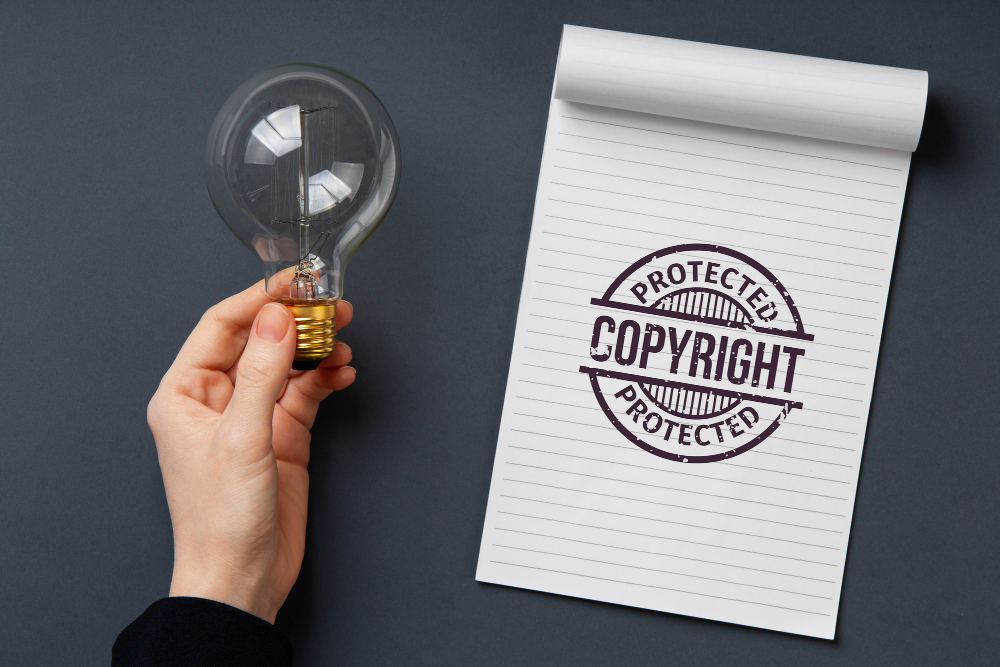
Imagine pouring months or even years of effort into writing a book, crafting intricate storylines, and building compelling characters, only to discover that someone has copied your work without permission. For many writers, this nightmare is a genuine risk in today’s interconnected digital world. This is where copyright types play a pivotal role. Literary copyright acts as a shield for authors, ensuring that their creativity is respected and protected against unauthorized use, plagiarism, and exploitation. It empowers writers by giving them control over their work and the recognition they deserve.
In this blog, we will explore how literary copyright strengthens the position of creative writers in the publishing ecosystem. From understanding different copyright types to learning about legal frameworks, ownership rights, and protection strategies, writers will discover valuable insights to safeguard their intellectual property. By the end, you’ll know not only why copyright is important but also how to use it effectively. If you are a writer looking to secure your work, Aiplex Anti-Piracy’s copyright protection services are designed to help you maintain ownership and authority over your creations.
Things Writers Should Know Before Understanding Copyright Types
Before diving into the specifics of copyright types, it is essential to grasp the basics of how copyright applies to literary works. Copyright is more than just a legal formality; it is a recognition of the writer’s originality and creativity. It grants exclusive rights, including the ability to reproduce, distribute, adapt, and publicly perform the work. Without these protections, authors would find it difficult to earn recognition or financial reward from their labor.
However, copyright law comes with its limitations and exceptions. Writers must know about the concepts of fair use, public domain, and moral rights to avoid confusion. Additionally, understanding how long copyright lasts and what rights expire over time can save authors from unexpected challenges. In the following subsections, we will break down these essential ideas that every writer should be familiar with.
Literary Works Copyright
Literary works copyright specifically covers original writing such as novels, short stories, poems, essays, and scripts. This form of protection ensures that the creator retains full control over how their written work is reproduced, adapted, or shared. It also provides legal recourse in cases where their content is copied without permission.
Writers should understand that literary copyright begins the moment their work is fixed in a tangible medium—whether on paper or in digital format. There is no requirement for formal registration to claim ownership, although registering with copyright offices can strengthen protection. This form of intellectual property law acts as a foundation for writers seeking long-term recognition and financial security.
Duration of Copyright Protection
One of the most critical aspects of copyright law is the duration of protection. In most jurisdictions, literary copyright lasts for the lifetime of the author plus an additional 50 to 70 years, depending on the country’s laws. This ensures that both the author and their heirs can benefit from the intellectual property.
Writers should note that once the copyright term expires, the work enters the public domain, making it free for anyone to use without permission. Understanding this timeline is essential because it allows writers to plan for long-term benefits, such as royalties, licensing, and legacy planning for their families.
Moral Rights in Copyright Law
Apart from economic rights, writers also enjoy moral rights, which protect their reputation and authorship. Moral rights ensure that a writer is credited as the creator of the work and prevent unauthorized modifications that could damage their integrity. For example, a poem cannot be altered and published under another author’s name without violating moral rights.
Moral rights are crucial because they maintain the link between the writer and their work, beyond financial considerations. These rights often last even after the transfer of economic rights, ensuring authors continue to receive acknowledgment for their creations.
Fair Use and Exceptions
While copyright protection is powerful, it does not apply without exceptions. One of the most significant exceptions is fair use (or fair dealing in some countries). This allows limited use of copyrighted works for purposes such as education, criticism, research, or parody without seeking permission.
Writers must understand the scope of fair use so they can avoid unnecessary disputes. For instance, quoting a few lines from a novel in a review may fall under fair use, but reproducing an entire chapter likely does not. Recognizing these boundaries ensures writers can protect their works while respecting others’ rights.
Digital Rights Management (DRM)
In the digital era, piracy and unauthorized sharing are widespread challenges for writers. This is where Digital Rights Management (DRM) technologies come into play. DRM restricts how digital content can be copied, distributed, or modified, offering writers an additional layer of protection.
DRM is particularly beneficial for e-books and online publishing. Authors who release digital content can use DRM tools to prevent unauthorized downloads or ensure that their work is accessed only through legal channels. By combining legal copyright protection with DRM, writers can maximize control over their digital assets.
Exploring the Different Copyright Types
Copyright is not one-size-fits-all. Different copyright types exist depending on the nature of the work. For writers, it is vital to understand how these categories apply to their literary creations. Each type provides tailored protection, ensuring that diverse forms of creativity receive adequate legal coverage.
Copyright for Original Literary Works
This is the most common copyright type that applies directly to writers. It covers any original text such as books, essays, scripts, and poetry. Protection under this category ensures that no one can reproduce or distribute the content without the author’s consent.
Authors can also license their literary works to publishers, film studios, or educational institutions. This type of copyright provides the foundation for authors to monetize their creativity while retaining ownership rights.
Copyright for Translations and Adaptations
Writers often expand their reach by translating or adapting their work into different formats such as plays, films, or digital content. Copyright law also protects these adaptations, provided they are original and authorized by the author of the original work.
This ensures that translators and adaptors cannot profit unfairly from someone else’s writing. Authors can grant licenses for adaptations, creating new revenue streams while ensuring their core content remains under their control.
Copyright for Anthologies and Compilations
Another important copyright type is for anthologies and compilations. This applies when multiple works are collected into a single volume, such as poetry collections, essay compilations, or short story anthologies. The creator of the compilation holds rights over the structure and arrangement.
Writers whose works are included in compilations still retain copyright for their individual pieces. This dual protection allows both the compiler and contributing authors to benefit legally and financially.
Copyright for Online and Digital Publications
As more writers publish e-books, blogs, and digital stories, online copyright has become increasingly significant. Digital works face higher risks of unauthorized distribution, making it essential to understand how copyright applies to online publishing.
Writers can register digital works and use technological tools like watermarks and DRM to strengthen protection. This type of copyright ensures authors remain in control of their online presence and prevent their works from being misused in digital spaces.
Copyright for Audiobooks and Performances
In recent years, audiobooks and live readings have surged in popularity. Copyright also extends to audio recordings and performances of literary works. Authors hold rights over how their works are read, recorded, or broadcasted.
This ensures that performances cannot be reproduced or monetized without the writer’s consent. By granting performance rights, writers can collaborate with voice actors, publishers, and event organizers to reach new audiences while protecting their ownership.
Why Choose Aiplex Anti-Piracy for Copyright Protection
While understanding copyright types is essential, enforcing them is often challenging in today’s digital-first world. Piracy, plagiarism, and unauthorized distribution remain serious threats. This is where Aiplex Anti-Piracy provides unmatched support. The company specializes in digital rights management, anti-piracy monitoring, and copyright enforcement across multiple platforms.
By choosing Aiplex, writers gain access to advanced tools that track, detect, and remove unauthorized copies of their works online. Their services also cover legal takedowns, ensuring writers’ intellectual property is respected worldwide. With Aiplex, authors not only protect their creations but also preserve their professional reputation and revenue streams.
Conclusion
Literary copyright is more than just a legal safeguard—it is a powerful tool that empowers creative writers to thrive in the modern publishing landscape. By understanding the different copyright types, writers can ensure their works remain protected, respected, and monetized. From original manuscripts to digital publications and audiobooks, copyright law extends its protective umbrella across every medium.
For writers seeking peace of mind and robust protection against piracy, working with professionals like Aiplex Anti-Piracy ensures that creativity is not compromised. Ultimately, copyright allows writers to focus on what matters most: telling stories, sharing knowledge, and inspiring audiences—while knowing their rights are fully safeguarded.
Summary
In this blog, we explored how literary copyright empowers writers by safeguarding originality, ensuring fair compensation, and protecting against misuse. We examined critical elements writers must know—such as literary works copyright, duration of protection, moral rights, fair use, and digital rights management. We then broke down the different copyright types, including those for original works, translations, anthologies, digital publications, and performances.
Finally, we highlighted why choosing Aiplex Anti-Piracy is a smart move for writers seeking comprehensive copyright protection and enforcement. With expert support and advanced anti-pirac

by AI Admin | Antipiracy, Brand Protection, Software Piracy
Introduction
Digital content creators, whether filmmakers, musicians, publishers, or software developers, face a growing challenge today—piracy. Every time a movie is leaked online or a software product is shared illegally, it causes significant revenue loss and undermines years of creative effort. This is where an anti piracy service becomes essential, ensuring creators can safeguard their work and prevent unauthorized access or distribution across multiple platforms worldwide.
In this blog, we will explore the essentials of anti-piracy solutions, from understanding piracy threats to recognizing the features of an effective service. We will also look at how different industries benefit from robust protection strategies. Finally, we will highlight why AiPlex stands out as a trusted partner in safeguarding digital content. By the end of this article, you’ll know exactly what to look for in an anti-piracy service and why AiPlex is your best choice. Discover more about AiPlex’s services here.
Key Things to Know Before Choosing an Anti Piracy Service
Importance of Protecting Digital Assets
Protecting digital assets is critical in today’s hyper-connected world. Piracy not only impacts financial performance but also threatens the integrity and credibility of brands. Without robust digital piracy protection, companies risk losing customer trust and long-term sustainability. Whether it’s a blockbuster movie, an e-learning course, or a gaming product, safeguarding digital assets is essential to maintain originality and ensure fair distribution.
Moreover, copyright protection ensures that creators can maintain ownership and control over how their content is used. Businesses that overlook this aspect often face losses far greater than monetary, including damaged reputations and weakened market positioning. Hence, selecting a reliable anti piracy service becomes a foundational step toward long-term business security.
Understanding Different Piracy Threats
Piracy threats manifest in many forms, from torrent websites to unauthorized streaming platforms. Movies often leak through illegal file-sharing, while software piracy is rampant via cracked downloads. In recent years, live events and sports broadcasting have also been heavily targeted by illicit streams. Without proactive monitoring, this kind of exposure can cripple businesses in just a few weeks.
Another growing threat is illegal streaming, where entire platforms operate without licensing agreements, profiting off stolen content. These piracy threats are constantly evolving, making it essential for companies to invest in an anti piracy service capable of adapting to the latest digital challenges.
How Piracy Impacts Businesses
The financial implications of piracy are staggering. Global industries lose billions annually due to unauthorized content distribution. Revenue loss is just one aspect—piracy also erodes brand reputation, discourages investors, and diminishes the perceived value of products. For smaller creators or independent businesses, even a small amount of piracy can create significant setbacks.
Beyond finances, piracy also impacts brand reputation. When audiences access low-quality pirated copies, it tarnishes the experience associated with the brand. Over time, this can lead to reduced trust and a decline in loyal customer bases. Businesses must treat piracy as a strategic risk that demands comprehensive protection.
Role of Technology in Anti-Piracy
Modern anti-piracy solutions rely heavily on advanced technologies like artificial intelligence and machine learning. These systems can scan thousands of websites simultaneously, identifying infringements in real-time. AI-driven content tracking allows companies to stay one step ahead of pirates by detecting even altered versions of their original files.
Additionally, technologies like content tracking and automated monitoring ensure that pirated copies are identified across global platforms, from social media sites to file-hosting services. This proactive approach reduces risks significantly and enhances the efficiency of an anti piracy service in protecting digital content.
Legal Considerations for Anti-Piracy
An effective anti-piracy strategy also considers the legal landscape. Copyright laws, DMCA takedown notices, and international compliance are central to successfully removing pirated content. Businesses must ensure their chosen service provider has the expertise to handle these processes efficiently.
With regulations varying across regions, knowledge of copyright law and adherence to procedures like DMCA takedown requests is essential. An experienced anti piracy service will navigate these complexities seamlessly, ensuring businesses remain compliant while protecting their intellectual property worldwide.
Top Features of an Effective Anti Piracy Service
Real-Time Monitoring and Detection
Real-time monitoring ensures that piracy is detected the moment it occurs. Online piracy spreads quickly, and the ability to respond instantly can save companies millions. This feature allows businesses to reduce the window of exposure and prevent unauthorized distribution.
Effective content security requires continuous scanning of streaming platforms, torrent sites, and file-sharing networks. By implementing real-time detection, an anti piracy service safeguards digital assets before significant damage occurs.
Automated Takedown Requests
Automated takedown mechanisms simplify the process of removing infringing content. Instead of manually sending requests, anti piracy services leverage automation to dispatch legally compliant notices instantly. This feature enhances efficiency and ensures quicker results.
By focusing on DMCA compliance and streamlined infringement removal, businesses can reclaim their content across global platforms. This reduces downtime and prevents pirates from profiting off stolen material.
Global Coverage Across Platforms
Piracy knows no borders, which means protection must extend worldwide. Anti piracy services provide coverage across multiple countries and platforms, ensuring global reach. This includes monitoring peer-to-peer networks, streaming services, and social media.
International piracy prevention ensures that businesses can operate confidently in diverse markets. Whether the infringement originates in Asia, Europe, or the Americas, global monitoring ensures no threat goes unnoticed.
AI-Driven Content Recognition
Advanced AI-driven recognition tools, such as video fingerprinting and digital watermarking, are crucial to spotting altered or disguised pirated copies. Pirates often manipulate content slightly to bypass detection, but AI makes it possible to catch even the smallest variations.
This technological edge strengthens content protection and ensures companies can enforce their intellectual property rights effectively. For industries like film and gaming, where visual fidelity matters, AI-driven recognition is invaluable.
Detailed Analytics and Reporting
Analytics provide businesses with clear insights into how piracy affects them. Regular reports outline the scale of infringements, response times, and regional trends. These insights enable organizations to fine-tune their anti-piracy strategies.
With robust piracy reports and compliance tracking, companies can demonstrate accountability and showcase their efforts in protecting intellectual property. This transparency also helps build trust with stakeholders and investors.
Industries That Benefit Most from Anti Piracy Services
Film and Entertainment Industry
The film industry is among the hardest hit by piracy. Movie leaks and unauthorized streaming significantly cut into box office revenues. Effective anti piracy services provide essential monitoring to minimize these risks.
Studios and independent filmmakers alike benefit from services that ensure their films are only accessible through authorized distribution channels. This protects both revenue streams and creative integrity.
Music and Audio Content Creators
Musicians and audio creators also face rampant piracy, with tracks shared illegally across countless platforms. Without protection, artists risk losing earnings from streaming services and licensed sales.
An anti piracy service ensures that music remains exclusive to authorized channels, preserving the value of official distribution and supporting artists’ livelihoods.
Software and Gaming Companies
Software piracy costs billions annually, with cracked versions widely circulated online. Gaming companies face additional risks from illegal downloads, which compromise both revenues and user experiences.
By deploying comprehensive piracy detection and removal, software and gaming firms safeguard their intellectual property while maintaining fair competition in the market.
Publishing and E-Learning Providers
Digital books, research materials, and e-learning courses are increasingly targeted by piracy. Unauthorized sharing diminishes value for legitimate users and erodes trust in educational platforms.
Anti piracy services protect publishers and educators by ensuring that their materials remain behind secure platforms, available only to authorized users.
Sports Broadcasting and Live Streaming
Sports broadcasters lose significant revenue due to illegal live streams. Fans often turn to pirated platforms, undermining official partnerships and ticketing deals.
Anti piracy services detect and shut down unauthorized streams in real-time, ensuring sports organizations retain control over their broadcasting rights.
Why Should You Choose AiPlex Anti Piracy Service?
AiPlex has established itself as a global leader in anti-piracy solutions, offering comprehensive protection across industries. With cutting-edge AI-driven monitoring, automated takedown systems, and worldwide coverage, AiPlex ensures clients’ content remains secure from unauthorized distribution.
What sets AiPlex apart is its deep expertise in handling legal compliance across regions. From DMCA takedown requests to global copyright enforcement, AiPlex ensures a smooth and efficient process. Moreover, their detailed analytics provide actionable insights that help businesses strengthen their anti-piracy strategies.
For film studios, publishers, software companies, or sports broadcasters, AiPlex offers tailored solutions that address industry-specific needs. By partnering with AiPlex, businesses gain not just protection, but peace of mind knowing their digital assets are secured by professionals. Learn more about AiPlex Anti Piracy Services here.
Conclusion
Piracy is a global challenge that affects creators across industries, from movies and music to software and sports. Protecting intellectual property requires a multi-layered approach, combining technology, legal expertise, and proactive monitoring. Choosing the right anti piracy service can make the difference between sustained success and devastating losses.
AiPlex stands out as a trusted partner in this fight, offering cutting-edge tools, global coverage, and expert legal support. Whether you are a filmmaker, an e-learning provider, or a broadcaster, AiPlex has the solutions to keep your content safe. By safeguarding digital assets, businesses not only protect their revenues but also uphold the integrity of their brand.
In an era where piracy is constantly evolving, proactive protection is no longer optional—it is essential. And with AiPlex by your side, you can focus on creating and innovating while leaving piracy concerns to the experts. Get in touch with AiPlex today to protect your digital future.

by AI Admin | Antipiracy, Brand Protection, Copyright Protection
Introduction
In today’s digital-first world, the fight against intellectual piracy has become more critical than ever. From unauthorized distribution of films and music to illegal software usage and counterfeit digital products, creators and businesses are constantly under threat. Imagine spending years perfecting a movie, software application, or creative work, only to have it copied, sold, or streamed illegally within days of release. This scenario is no longer rare—it’s a growing challenge that businesses, studios, and creators must confront daily, making it essential to understand how piracy impacts industries and how effective solutions can make a difference.
This blog explores how AiPlex tackles intellectual piracy with precision, technology, and expertise. You’ll gain insights into the methods, tools, and strategies AiPlex employs to secure intellectual property (IP) across industries. We will also cover the important aspects you must know before selecting an anti-piracy partner, explore the ways AiPlex protects creative and digital assets, and show why businesses worldwide trust AiPlex for their IP protection needs. By the end, you’ll understand not just the threats of piracy, but also the solutions available—and how AiPlex can be your trusted partner in safeguarding intellectual property. Explore AiPlex Services.
Key Things to Know Before Addressing Intellectual Piracy
The Growing Threat of Digital Piracy
Digital piracy has escalated in recent years due to the widespread availability of high-speed internet and file-sharing platforms. Movies, music albums, e-books, and software can be copied and distributed globally in a matter of minutes. This trend has created significant losses for creators and industries, making robust anti-piracy solutions a necessity rather than a choice.
For businesses, piracy is not just about lost revenue. It also erodes brand credibility, diminishes consumer trust, and undermines the overall creative ecosystem. Understanding the size and scale of the threat is essential before identifying solutions. The digital piracy threat is now global and relentless, requiring vigilance and strong protection mechanisms.
The Impact on Creative Industries
Intellectual piracy significantly impacts the entertainment and creative sectors, including film, music, publishing, and gaming. For instance, a blockbuster film can lose millions in potential revenue due to illegal streaming websites that upload it within hours of release. Similarly, musicians face reduced royalties as pirated versions of their songs circulate without authorization.
Authors and publishers also face challenges when e-books are illegally downloaded, cutting into sales and discouraging future creativity. Video game developers, too, suffer from cracked versions of their titles being freely distributed. To safeguard creativity, businesses need comprehensive anti-piracy solutions that secure not only profits but also the long-term sustainability of creative industries.
Legal Implications of Piracy
Piracy doesn’t only harm businesses; it also carries significant legal implications. Organizations and individuals found guilty of distributing pirated content face lawsuits, fines, and sometimes even imprisonment. This makes it important for creators and distributors to act swiftly against piracy to avoid both financial and legal consequences.
For businesses, having a partner like AiPlex ensures that infringing content is quickly detected and removed, minimizing exposure to legal complications. By working with an anti-piracy company, organizations can demonstrate their commitment to compliance and intellectual property rights, further protecting themselves from unnecessary risks.
Why Technology is Critical in Combating Piracy
With piracy networks becoming more sophisticated, manual monitoring is no longer sufficient. Pirated content often spreads across multiple platforms simultaneously, including social media, torrent sites, and illegal streaming services. Only advanced technology, powered by AI and automation, can track, identify, and take down such content effectively.
AiPlex leverages state-of-the-art AI-driven anti-piracy technology to monitor digital channels around the clock. This ensures that infringing content is not only detected quickly but also acted upon with speed and efficiency, safeguarding valuable intellectual property.
Choosing the Right Anti-Piracy Partner
Selecting an anti-piracy partner is a crucial decision for businesses aiming to protect their intellectual property. It’s not enough to rely on generic solutions—organizations must work with specialists who understand the nuances of piracy across industries. A trusted partner should offer global monitoring, AI-enabled detection, rapid takedown services, and legal expertise.
AiPlex stands out by combining technology with industry knowledge, making it a leader in intellectual property protection. By choosing AiPlex, businesses gain access to a proven system that minimizes piracy risks while maximizing content security.
How AiPlex Tackles Intellectual Piracy Across Industries
Film and Television Piracy Protection
Piracy in the film and television industry is one of the most damaging forms of intellectual theft. Unauthorized distribution of movies and shows often begins within hours of release, leading to massive losses for production houses. Streaming platforms also face the challenge of illegal websites broadcasting their exclusive content without permission.
AiPlex combats this by deploying real-time monitoring systems that scan torrent sites, social media platforms, and illegal streaming services. With advanced AI-driven detection, pirated versions are identified instantly, and takedown notices are issued immediately. This proactive approach helps studios protect box-office revenues and preserve exclusive streaming rights.
Music Industry Protection
Musicians and record labels lose millions each year due to piracy. Songs are frequently leaked online before official releases, and pirated versions often circulate across file-sharing networks and unauthorized websites. This reduces royalty earnings and devalues the hard work of artists.
AiPlex provides comprehensive protection for the music industry by continuously scanning digital platforms for unauthorized uploads. Whether it’s YouTube, social media, or underground sharing sites, AiPlex ensures pirated tracks are taken down swiftly. This safeguards both the financial and creative interests of artists and record labels.
Publishing and E-Book Protection
The publishing industry is no stranger to piracy, with e-books and digital publications often shared illegally across websites. Authors face reduced income when their work is available for free download, discouraging future publications and creativity.
AiPlex addresses this issue by identifying illegal e-book distribution channels and executing rapid takedowns. By protecting digital publications, AiPlex ensures that authors and publishers receive fair compensation for their work while maintaining the integrity of the publishing industry.
Gaming Industry Piracy Solutions
The gaming sector also suffers significant losses due to piracy. Games are often cracked and shared illegally, leading to revenue loss and damaged developer reputations. Piracy in gaming also exposes users to malware and cybersecurity threats, further amplifying the risks.
AiPlex protects game developers and publishers by monitoring forums, torrent sites, and digital marketplaces where cracked games are shared. Its AI-driven tools ensure pirated versions are quickly identified and eliminated, allowing developers to maintain profitability and protect their user communities.
Software Piracy Control
Software piracy is another major concern, with businesses and individuals using unauthorized versions of applications. This not only impacts revenue but also exposes users to security vulnerabilities, as pirated software often comes bundled with malicious code.
AiPlex addresses software piracy by monitoring distribution channels for cracked or unauthorized copies. By removing such content and discouraging illegal downloads, AiPlex helps software companies protect revenue streams and maintain user trust.
Why Choose AiPlex for Intellectual Piracy Protection?
When it comes to combating intellectual piracy, AiPlex is a trusted partner for businesses across industries. Its unique combination of AI-driven technology, global monitoring capabilities, and industry expertise makes it highly effective in addressing piracy threats. By working with AiPlex, organizations benefit from 24/7 monitoring, real-time takedowns, and legal support tailored to their industry needs.
Unlike generic anti-piracy services, AiPlex provides customized solutions designed for films, music, publishing, gaming, and software. This specialization ensures maximum protection and faster results. Moreover, AiPlex’s reputation as a global leader in intellectual property protection gives businesses the confidence they need to safeguard their valuable digital assets. Learn more about AiPlex’s services.
Conclusion
Intellectual piracy continues to be a growing challenge across industries, threatening revenues, creativity, and the overall sustainability of the digital economy. From films and music to books, software, and games, piracy erodes the value of intellectual property and exposes creators to significant risks. However, with the right strategies and partners, these challenges can be effectively addressed.
AiPlex stands out as a leader in the fight against piracy, combining advanced AI-driven technology with unmatched industry expertise. Its solutions are tailored to the unique needs of creators and businesses, ensuring maximum protection across multiple industries. For organizations looking to protect their intellectual assets and maintain long-term growth, AiPlex offers the ideal combination of technology, speed, and reliability. Choosing AiPlex means choosing a future where creativity thrives, revenues are secured, and intellectual property remains protected.
Summary
This blog explored how AiPlex tackles intellectual piracy across industries including film, music, publishing, gaming, and software. We highlighted the key things to know about piracy, including its impact, legal implications, and the role of technology in combating it. We also examined AiPlex’s strategies for protecting creative works through AI-driven detection, global monitoring, and swift takedowns.
For businesses and creators, the choice of anti-piracy partner is critical. AiPlex’s customized, industry-specific solutions make it a global leader in intellectual property protection. By choosing AiPlex, organizations not only protect revenue but also secure the future of creativity and innovation. Get in touch with AiPlex to safeguard your intellectual property today.
by AI Admin | Antipiracy, Brand Protection, Online piracy
Introduction
In today’s digital world, video piracy has become one of the biggest threats to creators, businesses, and streaming platforms. From movies and web series to live broadcasts, pirated content spreads across the internet within hours, causing massive revenue losses and damaging brand reputation. For content owners, detecting pirated videos online is no longer optional but a necessity to safeguard intellectual property. The rise of piracy websites, peer-to-peer sharing platforms, and social media leaks has made it essential to adopt reliable detection methods.
This blog will walk you through practical steps to detect pirated videos online effectively. We will explore different detection methods, technologies, and monitoring strategies that help organizations stay one step ahead of pirates. By the end of this blog, you’ll understand how to identify piracy, what tools are available, and why partnering with experts like AiPlex Anti-Piracy ensures maximum protection for your digital assets. Let’s dive in and discover how you can combat video piracy today.
Things to Know Before Detecting Pirated Videos
Before learning the actual steps to detect pirated videos online, it is important to understand the basics of how piracy works. Knowing the different formats of piracy, the platforms where pirated content circulates, and the common challenges in enforcement will help you adopt a more effective strategy.
In this section, we’ll break down the essential knowledge you must have before diving into detection methods. From copyright laws to digital watermarking, these aspects lay the foundation for successful anti-piracy measures.
Understanding Copyright Infringement
Copyright infringement is at the heart of video piracy. When individuals or groups distribute, copy, or monetize videos without proper authorization, they violate intellectual property rights. This results not only in financial losses but also in reputational harm for creators and distributors.
For businesses, understanding copyright infringement laws across different countries is critical, as piracy often spans international boundaries. Having clarity on these legal aspects helps in building stronger detection and enforcement strategies to protect original content.
Role of Digital Watermarking
Digital watermarking plays a crucial role in piracy detection. It involves embedding hidden, unique identifiers within a video that are invisible to viewers but traceable by specialized software. This helps identify leaks quickly and trace pirated videos back to their source.
Many content owners use forensic watermarking to track illegal distribution. When pirated copies appear online, watermarks allow owners to pinpoint where the leak originated, whether from a theater, a screener, or an OTT platform.
Piracy Detection Tools and Software
Technology has made it possible to track pirated content efficiently. Piracy detection tools scan millions of websites, streaming platforms, and peer-to-peer networks to identify illegally shared videos. These tools rely on automated crawlers, fingerprinting technology, and artificial intelligence to detect matches.
Such software not only flags pirated videos but also assists in swift takedowns. Having robust piracy detection tools is essential for content creators and distributors who want to reduce revenue losses and protect intellectual property.
Platforms Where Piracy Thrives
Pirated videos are most commonly found on torrent sites, file-sharing platforms, social media channels, and unauthorized streaming portals. These platforms allow pirated copies to spread rapidly, making it harder to contain once leaked.
Understanding where piracy thrives enables businesses to monitor those platforms proactively. By keeping an eye on high-risk channels, content owners can act quickly and minimize the impact of piracy.
Challenges in Detecting Pirated Content
While tools and technology help, detecting pirated videos is not always straightforward. Pirates often use techniques like altering video resolution, changing watermarks, or re-encoding files to avoid detection. This makes manual monitoring almost impossible.
Content owners must be aware of these challenges and use advanced solutions that combine automation with expert intervention. Staying updated on piracy tactics ensures that detection efforts remain effective.
Steps to Detect Pirated Videos Online
Detecting pirated videos involves a combination of technology, proactive monitoring, and enforcement. Below are the key steps to identify pirated content across the internet.
Step 1: Use Content Fingerprinting Technology
Content fingerprinting creates a unique digital signature for every video. This allows anti-piracy tools to compare files across platforms and detect pirated versions, even if they have been altered slightly.
Fingerprinting is widely used by major streaming platforms and production houses. It ensures accuracy in detection and reduces false positives, making it one of the most reliable methods for video piracy protection.
Step 2: Deploy Automated Crawlers
Automated crawlers are essential in scanning the web for pirated videos. These crawlers continuously search websites, forums, torrent platforms, and social media for matches to copyrighted content.
By automating the search process, businesses can cover vast amounts of online data quickly. This ensures that pirated content is detected in real time, minimizing the chances of further spread.
Step 3: Monitor Torrent and File-Sharing Networks
Torrents and peer-to-peer file-sharing networks remain hotspots for piracy. Monitoring these networks helps detect illegal uploads of movies, shows, and live broadcasts.
Anti-piracy teams use specialized tools to track torrent activity, identify seeders, and trace IP addresses associated with piracy. Keeping a close watch on these platforms ensures early detection and faster response.
Step 4: Track Social Media Platforms
Social media has become a major source of pirated content distribution. Short video clips, live-streamed events, or even full-length movies are often uploaded illegally.
Regular monitoring of platforms like Facebook, YouTube, and TikTok helps identify such leaks. Automated reporting tools and copyright claim systems can be used to remove pirated videos quickly from social platforms.
Step 5: Implement Web Crawling for Streaming Sites
Illegal streaming websites are among the biggest piracy threats. These sites host pirated content and generate revenue through ads and subscriptions. Web crawling technology scans these sites, matches pirated content, and reports it for takedown.
By actively monitoring unauthorized streaming platforms, businesses can prevent large-scale revenue leakage and protect their distribution rights.
Step 6: Leverage AI-Powered Piracy Detection
Artificial Intelligence is revolutionizing piracy detection. AI tools can analyze large volumes of data, identify piracy patterns, and adapt to new piracy techniques faster than manual methods.
Using AI-driven detection systems enhances efficiency and ensures that even modified pirated versions are detected. This makes AI a valuable asset in the fight against online video piracy.
Step 7: Conduct Regular Manual Audits
While technology is powerful, manual audits remain an important step. Human experts can identify subtle piracy techniques that automated systems may miss.
Combining manual monitoring with automated tools creates a stronger defense against piracy. Experts can also prioritize high-risk content and ensure faster resolution of piracy incidents.
Why Choose AiPlex Anti-Piracy?
AiPlex Anti-Piracy offers industry-leading solutions to protect your video content from illegal distribution. With advanced tools like AI-driven detection, automated crawlers, and forensic watermarking, AiPlex ensures comprehensive protection against piracy. The company monitors thousands of websites, social media channels, and torrent platforms 24/7 to identify and remove pirated videos.
Beyond detection, AiPlex provides swift takedown services and legal support to safeguard intellectual property rights. With years of expertise in digital rights management, AiPlex has helped global studios, OTT platforms, and broadcasters reduce losses and protect their brand reputation. Choosing AiPlex means partnering with a trusted ally in the fight against video piracy.
Conclusion
Video piracy is a growing challenge in the digital era, but with the right detection methods, businesses can safeguard their content effectively. From content fingerprinting and watermarking to AI-powered tools and manual audits, a multi-layered approach ensures maximum protection.
By understanding piracy threats, monitoring vulnerable platforms, and acting swiftly on detected cases, content owners can minimize losses and maintain brand integrity. Partnering with experts like AiPlex Anti-Piracy provides the added advantage of advanced technology and professional enforcement support. If you want to protect your digital assets and ensure uninterrupted revenue growth, AiPlex is your go-to solution for video piracy protection.
Summary
Detecting pirated videos online requires a strategic blend of technology, monitoring, and enforcement. This blog outlined the key steps, including content fingerprinting, automated crawlers, torrent monitoring, social media tracking, and AI-powered detection. We also highlighted the importance of watermarking, manual audits, and understanding piracy challenges before implementing detection methods.
By choosing AiPlex Anti-Piracy, businesses gain access to advanced tools, round-the-clock monitoring, and expert support for fast and effective takedowns. With AiPlex by your side, you can stay ahead of pirates, protect your revenue, and safeguard your creative assets. The fight against video piracy is tough, but with the right partner, victory is assured.
by AI Admin | Antipiracy, Online piracy, Software Piracy
Introduction
The rise of social media and digital platforms has made it easier than ever for imposters to create fake accounts that mimic individuals, brands, or organizations. These imposters may steal identities, spread misinformation, or scam unsuspecting victims. If you’ve ever encountered a fake profile pretending to be you or your business, you know how unsettling and potentially damaging it can be. Knowing how to report an imposter online is the first step toward protecting your digital identity and ensuring online safety.
In this blog, we’ll explore everything you need to know about reporting imposters safely and effectively. From spotting the warning signs to documenting evidence and using the right reporting channels, you’ll gain a clear roadmap for action. We’ll also highlight how specialized services like AiPlex Anti-Piracy can help safeguard your brand against identity theft and impersonation attacks. By the end, you’ll be equipped with practical steps and reasons to act swiftly when you come across an online imposter.
Things to Know Before You Report an Imposter Online
Before jumping into the reporting process, it’s important to understand the landscape of impersonation online. Not all fake accounts are the same, and knowing the key differences and strategies can help you take stronger action. Below are essential things you should consider before making your report.
Verify the Authenticity of the Account
When you come across a suspicious account, the first step is to verify if it’s truly an imposter. Many platforms now offer verification badges for genuine individuals or brands. If the profile lacks such signs, has minimal activity, or uses stolen images, it’s likely fake. Checking mutual connections, content quality, and engagement patterns also provides useful clues.
Equally important is ensuring you don’t mistakenly report a legitimate fan page or support account. Some well-meaning users create tribute accounts or fan content that may appear similar. Always double-check the account’s intentions before proceeding with your report. This way, your action remains accurate and effective.
Recognize Red Flags of Fake Profiles
Fake profiles often follow a predictable pattern. They may have recently created accounts with little to no activity, suspicious usernames with added numbers, or stock images instead of real photos. They might also send unsolicited friend requests or messages, especially those involving money or sensitive information.
Learning to identify these red flags can help you act quickly before the imposter causes harm. The sooner you identify an imposter account, the faster you can document and report it. Recognizing patterns across platforms also strengthens your vigilance, ensuring your online presence remains secure.
Understand Platform-Specific Reporting Tools
Each platform has its own mechanisms for reporting imposters. For example, Facebook, Instagram, Twitter (X), and LinkedIn all provide reporting options within user profiles. Some platforms allow you to report for impersonation specifically, while others require categorizing it under harassment or spam.
Knowing how these tools work is vital to making your report effective. Platforms prioritize user safety but rely heavily on proper categorization of reports. By selecting the correct reporting reason, you increase the likelihood of quick resolution and removal of the imposter account.
Consider the Risks of Inaction
Ignoring an imposter account can have long-term consequences. Imposters may misuse your identity to scam people, tarnish reputations, or even commit fraud. Inaction not only affects you but can also harm those who interact with the fake account, believing it to be genuine.
By taking swift action, you minimize potential damage and send a strong signal that your identity is protected. Early intervention prevents imposters from gaining traction and ensures trust in your personal or business brand remains intact.
Protect Your Personal Data During the Process
When reporting an imposter, avoid engaging directly with the fake profile. Communicating with imposters may put your personal data at risk. Instead, focus on gathering evidence, such as screenshots and URLs, before submitting reports through official channels.
Data safety is crucial, as imposters often thrive on exploiting small interactions. By keeping your communication secure and reporting through legitimate platforms, you safeguard yourself while ensuring the imposter is dealt with effectively.
Step 1 – Identify the Imposter Profile
The first step to reporting an imposter is recognizing that the account is fraudulent. Imposters typically use stolen images, names, or brand logos to appear legitimate. Take a close look at their activity—low engagement, odd messaging patterns, and requests for sensitive information are all clear signs.
In cases of business impersonation, imposters may use a nearly identical username, with minor spelling changes that trick users into following or transacting with them. Spotting these subtle changes can save you and your customers from serious harm.
Step 2 – Collect Evidence Before Reporting
Before you take action, gather as much evidence as possible. This can include screenshots of the profile, conversations, or any harmful activity the imposter is engaging in. Saving the URL of the fake account is also critical since platforms often require direct links for reporting.
Having solid documentation ensures that platforms can take faster and more decisive action. Evidence also helps if you need to escalate the issue to law enforcement or involve professional brand protection services later.
Step 3 – Report Directly on the Platform
Most social media platforms make it simple to report imposters directly from their profile pages. You’ll usually find a reporting option in the account’s menu, where you can choose impersonation as the reason. Be sure to follow each platform’s specific guidelines when submitting your report.
By using the official reporting system, you help platforms quickly verify and remove fraudulent accounts. Multiple reports from different users also strengthen the case, so encourage colleagues or followers to report imposters as well.
Step 4 – Report to Legal Authorities
In cases of severe impersonation—such as financial scams, fraud, or identity theft—it’s important to take your complaint beyond the platform. Many countries have cybercrime divisions where you can file formal reports. Law enforcement can pursue legal action that platforms alone cannot handle.
Filing a legal complaint provides a formal record of the incident and acts as an additional layer of protection. If damages occur, this documentation also supports any claims you may need to make in court or through insurance providers.
Step 5 – Use Professional Anti-Piracy & Brand Protection Services
For businesses and high-profile individuals, professional support is often the most efficient way to deal with imposters. Companies like AiPlex Anti-Piracy specialize in monitoring digital spaces for impersonation and intellectual property misuse. They have the expertise and tools to track, report, and permanently remove imposters.
Beyond removal, professional services also provide proactive monitoring to catch imposters before they cause harm. This is especially crucial for brands dealing with counterfeiting or large-scale impersonation attacks.
Why Choose AiPlex Anti-Piracy for Reporting Imposters?
AiPlex Anti-Piracy has years of experience helping brands and individuals protect their online presence. Their advanced monitoring systems scan multiple platforms to detect fake profiles, counterfeit listings, and fraudulent accounts in real-time. This ensures that imposters are identified and removed swiftly, preventing damage before it escalates.
Additionally, AiPlex doesn’t just stop at reporting imposters. Their holistic approach includes ongoing surveillance, legal escalation support, and brand reputation management. By choosing AiPlex, you gain a trusted partner committed to safeguarding your digital identity and reinforcing the trust of your audience.
Conclusion
Reporting an imposter online can feel overwhelming, but with the right knowledge and tools, you can protect your identity and reputation effectively. Start by verifying suspicious accounts, gathering solid evidence, and using platform reporting tools. When necessary, escalate the matter to law enforcement or seek the expertise of professional services like AiPlex Anti-Piracy.
By acting swiftly, you not only safeguard your own digital presence but also protect your followers, customers, and community from harm. Imposters thrive on hesitation—so taking proactive steps ensures your brand and personal identity remain secure. With AiPlex Anti-Piracy at your side, you gain both immediate solutions and long-term protection, giving you peace of mind in an increasingly digital world.
Summary
In this blog, we’ve covered the essential steps to report an imposter safely online. From identifying fake profiles and collecting evidence to reporting on platforms and involving authorities, every action plays a role in protecting your identity. We also highlighted why choosing AiPlex Anti-Piracy gives you an edge in safeguarding your brand, thanks to their proactive monitoring and comprehensive protection strategies. By trusting AiPlex, you ensure your digital presence is not only secure today but resilient against future impersonation threats.

by AI Admin | Antipiracy, Brand Protection
Introduction
Piracy is one of the most persistent threats in today’s digital world. Whether you are in the film industry, music, gaming, publishing, or software development, unauthorized distribution of your work can devastate revenues and tarnish your brand’s reputation. As technology evolves, piracy networks become more sophisticated, leaving businesses vulnerable to large-scale intellectual property theft. This is where leveraging a reliable anti piracy service becomes not just an option but a necessity for businesses that want to protect their digital assets and maintain competitive advantage.
Businesses across industries are now recognizing the importance of deploying comprehensive solutions that go beyond manual takedowns. A robust anti piracy service ensures continuous monitoring, faster response times, and legal enforcement against infringers. In this blog, we will explore the critical things every business should know about piracy, and provide an in-depth look at the leading anti-piracy solutions available today. By the end, you’ll understand why working with an expert service provider like AiPlex Antipiracy can safeguard your business effectively.
Key Things Businesses Should Know Before Choosing an Anti Piracy Service
The Scale of Piracy in the Digital Age
Piracy is not a minor issue—it is a multi-billion-dollar problem affecting nearly every industry. Studies show that global digital piracy causes losses exceeding hundreds of billions annually, with industries like film, music, and gaming hit the hardest. For businesses, this means not only financial setbacks but also challenges in maintaining consumer trust. Without addressing piracy effectively, businesses risk losing significant market share to illegal distributors who exploit their content.
Moreover, piracy is no longer restricted to peer-to-peer file sharing. Today’s piracy networks use advanced technologies, cloud storage, and streaming platforms to distribute unauthorized content globally within minutes of release. This widespread accessibility makes it increasingly important for businesses to adopt professional anti-piracy measures that can monitor and act across all digital platforms simultaneously.
Common Types of Piracy Threatening Businesses
Piracy manifests in several forms, each presenting unique risks to businesses. In the film industry, movie leaks and unauthorized streaming sites cause substantial losses before official releases. In the software industry, counterfeit products and cracked versions erode revenues. Music piracy continues through illegal downloads and streaming, while eBook piracy undermines authors and publishers alike. These diverse threats highlight the urgent need for specialized protection.
In addition to direct revenue loss, piracy damages brand credibility. Consumers often encounter poor-quality pirated versions, associating the negative experience with the original brand. Businesses that fail to address these risks not only lose financially but also suffer long-term reputational harm. Hence, adopting an anti piracy service tailored to the specific threats in your industry is critical.
The Limitations of Manual Monitoring
While some businesses rely on internal teams to monitor piracy manually, this method is both inefficient and ineffective. Manual monitoring lacks the scalability to track thousands of piracy incidents occurring simultaneously across platforms. In most cases, piracy sites multiply faster than businesses can act, rendering manual intervention outdated.
Furthermore, manual takedowns often require significant time and resources, leading to delays in removing infringing content. By the time action is taken, the pirated material may have already been shared widely. An anti piracy service equipped with automated technology provides real-time detection and takedowns, ensuring businesses can stay ahead of pirates rather than constantly playing catch-up.
The Role of Technology in Piracy Prevention
Technology has shifted the landscape of anti-piracy efforts. Advanced systems now use artificial intelligence, automation, and machine learning to identify piracy faster and more accurately. These tools allow businesses to monitor thousands of online channels simultaneously, flagging infringing content instantly for removal.
AI-driven tools also adapt over time, learning new piracy techniques and adjusting detection methods accordingly. This makes them far superior to static manual processes. For businesses looking to safeguard intellectual property at scale, leveraging technology through an anti piracy service is a proactive and sustainable approach.
The Legal and Compliance Landscape for Businesses
Piracy isn’t just a financial concern—it’s also a legal one. Businesses need to ensure compliance with copyright laws, intellectual property rights, and global frameworks like the DMCA. However, navigating the complexities of legal enforcement is challenging without expert support. A professional anti piracy service not only monitors and removes infringing content but also ensures proper legal documentation and compliance at every step.
Working with a service provider that understands global piracy laws is essential for businesses with international reach. Legal enforcement strengthens takedown requests and adds weight to copyright protection strategies, making anti-piracy measures more effective in the long run.
Top Anti Piracy Service Solutions for Businesses
Automated Content Recognition (ACR) Systems
Automated Content Recognition systems play a key role in protecting businesses from piracy. These tools scan platforms like social media, streaming services, and file-sharing sites to identify copyrighted material instantly. By matching digital content against reference databases, ACR systems allow businesses to detect infringements in real-time.
The speed of detection is crucial in limiting the spread of pirated material. With ACR, businesses can ensure unauthorized content is removed quickly before it gains traction among users. An anti piracy service offering ACR provides continuous surveillance, minimizing financial losses and protecting brand value.
Digital Watermarking and Fingerprinting
Digital watermarking embeds invisible markers into content, enabling businesses to trace unauthorized copies back to the source. Similarly, digital fingerprinting creates unique identifiers for every piece of content, making piracy detection more precise. These technologies help businesses identify exactly where leaks occur in the distribution chain.
For industries like film and publishing, these tools are particularly effective. If a pirated copy surfaces online, watermarking and fingerprinting reveal whether the breach came from a distributor, theater, or another partner. This level of tracking enables businesses to take targeted action and prevent future leaks.
AI-Powered Web Crawlers for Piracy Detection
AI-powered web crawlers continuously scan websites, forums, and marketplaces for pirated content. Unlike manual searches, crawlers work 24/7, ensuring that businesses can detect piracy at any time, across the globe. These automated systems use intelligent algorithms to identify infringing material even when disguised with altered titles or metadata.
This approach significantly reduces the time it takes to identify piracy sources. With AI-driven detection, businesses can issue takedown requests more efficiently and protect content during its most vulnerable periods, such as product launches or film premieres.
Blockchain Technology for Content Security
Blockchain technology offers businesses a powerful way to secure digital assets against piracy. By recording every transaction and ownership detail on a decentralized ledger, blockchain ensures that only authorized users have access to original content. This creates a transparent and tamper-proof system for verifying content authenticity.
For filmmakers, software developers, and publishers, blockchain provides long-term solutions for distribution and rights management. By integrating blockchain into an anti piracy service, businesses can secure their intellectual property from unauthorized duplication and ensure content ownership remains indisputable.
Machine Learning for Predictive Piracy Analysis
Machine learning enhances anti-piracy efforts by predicting piracy patterns. These algorithms analyze data from past piracy incidents to identify where future risks are most likely to occur. Businesses can use this intelligence to strengthen protection before releasing new content.
For example, if a new film is about to premiere, machine learning tools can forecast potential leak sources and monitor those channels proactively. This predictive approach enables businesses to be one step ahead, protecting their assets more effectively than reactive measures.
Advanced Takedown and Enforcement Services
Detection is only half the battle—removal and enforcement are equally important. Professional anti piracy services offer streamlined takedown processes backed by legal expertise. These services ensure that infringing content is removed quickly and efficiently, supported by proper legal notices that compel platforms to comply.
In addition, enforcement extends beyond takedowns. Some services work directly with law enforcement and regulatory bodies to pursue large-scale piracy networks. This holistic approach not only removes pirated material but also dismantles the systems enabling piracy.
Secure Streaming Platforms with DRM Protection
For businesses in the film and media industry, secure streaming is a vital defense against piracy. Digital Rights Management (DRM) protection ensures that content cannot be downloaded, copied, or redistributed illegally. Advanced anti piracy services integrate DRM with encryption to create a secure environment for streaming content.
This is particularly valuable during digital premieres or pay-per-view events, where piracy risks are highest. DRM-equipped platforms limit unauthorized access, protecting revenues while ensuring a smooth viewing experience for legitimate users.
Audience Tracking and Data Analytics
Understanding how audiences interact with content can also help prevent piracy. Data analytics tools allow businesses to track unusual patterns, such as abnormal traffic from regions known for piracy or unauthorized account sharing. These insights enable businesses to identify vulnerabilities early.
By integrating audience tracking with anti-piracy systems, businesses can strengthen protection strategies while gaining valuable insights into consumer behavior. This dual benefit makes audience tracking a critical component of modern anti piracy services.
AI Chatbots and Community Piracy Awareness
Awareness campaigns are an underrated yet powerful anti-piracy tool. AI-powered chatbots can interact with users on social media or websites, educating them about the risks of piracy and promoting legal alternatives. By building awareness, businesses reduce demand for pirated content.
In addition, community engagement fosters loyalty. When users understand the harm caused by piracy, they are more likely to support legitimate channels. Businesses that integrate education into their anti-piracy strategies not only protect their assets but also build stronger customer relationships.
Integrating Anti Piracy with Business Marketing Strategies
Anti-piracy and marketing are closely linked. Businesses that integrate anti piracy services into their campaigns highlight their commitment to quality and authenticity. This reassures customers that they are receiving legitimate, high-value products or services.
Moreover, marketing strategies can incorporate anti-piracy messaging, raising awareness while strengthening brand image. This dual approach allows businesses to protect content while reinforcing customer trust, making anti-piracy not just a defensive measure but also a brand-building strategy.
Why Choose AiPlex Antipiracy for Anti Piracy Service
AiPlex Antipiracy has established itself as a global leader in content protection, offering a full suite of services designed to safeguard businesses from piracy. With advanced AI-driven monitoring, 24/7 detection, and legal enforcement expertise, AiPlex ensures that your intellectual property remains secure across all digital platforms.
Unlike generic solutions, AiPlex customizes its anti piracy services to address the unique challenges of each industry, whether it’s film, gaming, publishing, or software. By combining cutting-edge technology with proven legal processes, AiPlex delivers faster takedowns, broader protection, and long-term peace of mind for businesses worldwide.
Conclusion
Piracy is a threat that no modern business can afford to ignore. From financial losses to reputational damage, the risks are extensive and constantly evolving. However, with the right anti piracy service, businesses can not only protect their assets but also strengthen their competitive edge in the market.
The solutions discussed in this blog—from AI-powered crawlers and digital watermarking to blockchain and DRM protection—highlight the power of technology in combating piracy. By partnering with a trusted service provider like AiPlex Antipiracy, businesses gain access to comprehensive protection that combines advanced detection, legal enforcement, and global reach. Safeguarding your business against piracy is not just about defense—it’s about ensuring long-term growth, credibility, and success in an increasingly digital world.
