
by AI Admin | Antipiracy, Brand Protection
Introduction
Video piracy has become one of the biggest challenges in the digital age, where streaming platforms and online video distribution are at the core of entertainment and education. From movies and TV shows to training courses and corporate presentations, nearly every type of video content is at risk of being stolen, copied, or illegally distributed. For content creators, production houses, and businesses, video piracy not only causes significant revenue loss but also undermines years of hard work, investment, and creativity. Understanding how to prevent video piracy online is no longer optional—it is a necessity.
In this blog, we will explore the top ways to prevent video piracy online and ensure your content remains secure. We’ll begin by outlining key aspects you must understand before choosing an anti-piracy strategy. Then, we’ll cover the most effective methods—from watermarking and encryption to AI-driven monitoring systems—that can protect your videos from unauthorized sharing and distribution. Finally, we’ll explain why choosing a trusted partner like Aiplex Antipiracy can make all the difference in safeguarding your digital assets. Let’s dive in!
Things to Know Before Preventing Video Piracy
Before implementing anti-piracy solutions, it’s important to understand how piracy works, what risks are involved, and the types of tools available. This section will cover the key elements that every content owner should know.
How Video Piracy Happens
Video piracy occurs when unauthorized users copy, record, or distribute digital content without the creator’s permission. This can happen through illegal streaming sites, file-sharing platforms, screen recording software, or even peer-to-peer networks. Understanding the channels through which piracy spreads is critical to building effective protection mechanisms. By knowing how pirates operate, content owners can better anticipate vulnerabilities and take proactive steps.
Another major driver of video piracy is the widespread availability of free tools that make it easy to capture, edit, and redistribute digital content. Screen recorders, torrent software, and open-source video downloaders give pirates multiple avenues to bypass security. Without proactive anti-piracy strategies, creators risk losing control of their content in minutes, leading to both financial and reputational damage.
The Financial and Creative Impact
The financial damage caused by piracy runs into billions of dollars annually, affecting not only large studios but also small creators and businesses. For subscription-based platforms, piracy leads to declining revenues and reduced growth potential. Beyond money, piracy also damages brand reputation and discourages content creators from investing in future projects.
Creators also face the emotional toll of seeing their hard work stolen and misused. Independent filmmakers, online educators, and corporate trainers put countless hours into developing original content, only to watch it appear on illegal platforms. Knowing the gravity of these impacts is crucial to understanding why robust protection is essential.
Different Types of Video Piracy
Piracy doesn’t come in one form—it varies from illegal downloads and live-streaming to file sharing and unauthorized screenings. Each type of piracy requires a unique defense. For example, torrent piracy spreads quickly through peer-to-peer networks, while live-streaming piracy undermines events in real time. Recognizing these differences helps businesses deploy targeted anti-piracy tools.
Furthermore, pirates are constantly evolving their methods. While torrent sites were once the biggest threat, streaming piracy has now taken over. Staying updated on emerging piracy trends enables content owners to future-proof their defenses and adapt to the ever-changing digital landscape.
Common Weaknesses in Video Distribution
Many organizations unintentionally make piracy easier due to weak security practices. For example, hosting videos without encryption or relying on basic password protection leaves them vulnerable. Similarly, sharing videos through unsecured platforms can expose them to unauthorized downloads.
Businesses often underestimate the risk of insider leaks, where employees or collaborators with access share content illegally. Understanding these weaknesses ensures that anti-piracy strategies cover both internal and external threats.
Why Legal Action Alone Isn’t Enough
While legal action is an important part of combating piracy, it is often slow, reactive, and expensive. By the time a piracy website is taken down, hundreds of copies may already be circulating online. Legal frameworks also vary across countries, making enforcement inconsistent.
This is why proactive digital protection measures are essential. Instead of waiting for piracy to occur and then reacting, businesses must invest in preventive tools that detect and block piracy in real time. Combining legal and technological defenses creates a stronger, multi-layered protection strategy.
Top Ways to Prevent Video Piracy Online
1. Digital Rights Management (DRM) Protection
Digital Rights Management (DRM) is one of the most effective tools for preventing video piracy. DRM systems encrypt content and restrict access to authorized users only. This means even if someone downloads the video, they cannot play it without proper authorization.
DRM can also control how content is consumed—for example, preventing screen recording, restricting playback to certain devices, or setting expiration dates for video access. Platforms like Netflix and Amazon Prime rely heavily on DRM to protect their massive content libraries. For businesses and creators, implementing DRM ensures that only paying users can access your videos securely.
2. Watermarking for Traceability
Watermarking is another powerful anti-piracy technique. By embedding visible or invisible watermarks into your videos, you can trace unauthorized copies back to their source. This discourages users from illegally sharing content, as it becomes easier to identify the culprit.
Dynamic watermarking goes a step further by customizing watermarks for each viewer—such as embedding their email or IP address. This ensures accountability and reduces the likelihood of unauthorized sharing. Even if a video is leaked, you can identify the source and take immediate action.
3. Secure Video Hosting Platforms
Not all video hosting platforms are created equal. Using secure video hosting platforms that offer encryption, restricted access, and anti-download features is essential to protecting content. Platforms like Vimeo OTT, Brightcove, and enterprise-grade solutions offer advanced anti-piracy features.
Additionally, secure hosting platforms allow for granular access control—such as limiting video playback to certain regions, devices, or authenticated users. Choosing a trusted platform prevents piracy at the distribution level and gives creators confidence in sharing their content online.
4. AI-Powered Content Monitoring
Piracy is widespread and fast-moving, which is why manual detection is insufficient. AI-powered content monitoring tools continuously scan the internet for pirated versions of your videos. These tools detect unauthorized uploads on streaming sites, social media platforms, and torrent networks, enabling quick removal.
With machine learning algorithms, AI tools can identify pirated content even if it has been modified—such as cropped, resized, or re-encoded. By leveraging AI monitoring, businesses gain real-time visibility into piracy threats and can act before significant damage occurs.
5. Encryption and Secure Streaming Protocols
Encrypting video content ensures that even if data is intercepted, it cannot be accessed without the correct decryption keys. Secure streaming protocols like HTTPS, HLS, and RTMPE protect content during transmission and prevent interception by unauthorized parties.
In addition, implementing multi-level encryption adds an extra layer of protection. Combining encryption with other security measures like DRM and token-based authentication makes it much harder for pirates to exploit vulnerabilities.
6. Multi-Factor Authentication (MFA)
Adding multiple layers of authentication for user access reduces the risk of unauthorized entry. MFA requires users to verify their identity through additional steps, such as a one-time password (OTP) or biometric verification, making it harder for stolen credentials to be misused.
For businesses offering subscription-based content, MFA ensures that only genuine users can log in and reduces credential-sharing risks. This simple yet powerful tool strengthens video security while enhancing user accountability.
7. Real-Time Takedown Services
Even with strong preventive measures, piracy attempts may still occur. That’s where real-time takedown services come in. These services monitor piracy websites and immediately send takedown requests when pirated content is found. Fast response is key to minimizing damage.
Partnering with specialized anti-piracy service providers like Aiplex Antipiracy ensures rapid detection and removal of pirated content. These providers have expertise in legal compliance and global enforcement, making them an indispensable part of anti-piracy defense.
8. Educating Users and Employees
Sometimes, piracy happens not out of malice but ignorance. Educating employees, partners, and even customers about the risks of piracy can go a long way. Clear policies, training programs, and awareness campaigns help reduce insider leaks and careless sharing.
For instance, corporate organizations should educate employees on the importance of secure handling of training videos. Similarly, streaming platforms can raise user awareness about the legal consequences of piracy. Creating a culture of accountability ensures everyone contributes to safeguarding digital content.
Why Choose Aiplex for Video Piracy Protection?
When it comes to preventing video piracy, having the right partner makes all the difference. Aiplex Antipiracy is a global leader in digital content protection, offering cutting-edge tools and services to safeguard videos across industries. With advanced AI-powered monitoring, real-time takedown services, and customized anti-piracy strategies, Aiplex provides end-to-end solutions that go beyond traditional methods.
What sets Aiplex apart is its proactive approach. Instead of waiting for piracy to occur, Aiplex actively scans and monitors piracy networks worldwide, ensuring rapid detection and removal. Their expertise spans entertainment, education, sports, and corporate sectors, making them the go-to choice for organizations that value their content. By partnering with Aiplex, you gain not just a service provider but a trusted ally committed to protecting your creativity, revenues, and brand reputation.
Conclusion
Video piracy is a growing threat that affects everyone from independent creators to global entertainment companies. With billions lost annually to illegal distribution, protecting your content has never been more important. Fortunately, tools such as DRM protection, watermarking, AI-powered monitoring, encryption, and real-time takedown services provide powerful ways to prevent video piracy online.
However, the most effective strategy combines technology, awareness, and professional expertise. This is where Aiplex Antipiracy plays a crucial role. By offering comprehensive protection backed by AI and legal enforcement, Aiplex ensures that your content remains safe in an increasingly digital world. If you are serious about securing your videos, reducing piracy risks, and safeguarding your revenue, partnering with Aiplex is the best step forward. Protect your creativity today—because your work deserves nothing less.
Summary
In this blog, we explored the top ways to prevent video piracy online, starting with the importance of understanding how piracy works and its financial and creative impacts. We covered the leading methods such as DRM protection, watermarking, AI-powered monitoring, encryption, secure hosting, MFA, real-time takedowns, and user education. Each of these plays a vital role in ensuring content security.
Finally, we highlighted why choosing Aiplex Antipiracy is the smartest choice for businesses and creators who value their digital assets. With its proactive monitoring, advanced tools, and proven expertise, Aiplex provides unmatched protection in the fight against piracy. By combining innovative technology with legal enforcement, Aiplex helps you stay one step ahead of pirates and secure the future of your video content.

by AI Admin | Antipiracy, Brand Protection
Introduction
In today’s digital-first world, video has become the most powerful medium for businesses, creators, and entertainment platforms alike. From streaming services to educational platforms and corporate training, videos drive engagement, communication, and revenue. However, with opportunity comes risk—video piracy has surged into a multi-billion-dollar problem worldwide, threatening both financial security and intellectual property rights. For any organization relying on video distribution, ignoring piracy is no longer an option. This is where knowing how to secure your videos becomes crucial.
This blog will explore practical and effective strategies to safeguard your valuable video content against piracy. You will discover different approaches such as DRM solutions, watermarking, secure streaming methods, and more. By the end, you’ll not only understand the key measures to protect your videos but also know why partnering with trusted anti-piracy experts like AiPlex Antipiracy ensures maximum protection. Let’s dive into the essential knowledge every content creator and distributor needs to defend against piracy.
What You Need to Know Before Securing Your Videos
Before diving into specific solutions, it’s important to understand the fundamentals of video piracy and why it poses such a serious threat. Piracy isn’t just about people downloading movies illegally—it impacts industries across education, business, sports, and media. Hackers use advanced tools, illegal distribution networks, and file-sharing platforms to exploit video content, making it widely accessible without authorization. This not only reduces potential revenue but also harms your brand credibility and trust.
To properly combat video piracy, you need to grasp the types of piracy threats, how they operate, and what makes certain content more vulnerable. By building this foundational understanding, you can select the right security strategies and prevent costly mistakes. Below are the core areas every video distributor should be familiar with before implementing protection measures.
Understanding Types of Video Piracy
Video piracy comes in many forms, and knowing the types helps you choose the right defense. The most common is illegal streaming, where websites host copyrighted material without authorization. Peer-to-peer sharing is another widespread method, using torrent sites to distribute pirated files quickly. Additionally, screen recording software makes it easy for individuals to copy content directly from playback.
Other forms include credential sharing, where multiple users exploit one paid subscription, and illicit content redistribution across social media platforms. Each of these methods poses unique challenges, making a multi-layered defense strategy essential. Recognizing these different piracy models enables businesses to anticipate attacks and deploy solutions accordingly.
How Piracy Affects Revenue and Growth
The economic cost of video piracy is staggering. Reports estimate billions of dollars are lost annually by media companies, OTT platforms, and e-learning institutions due to illegal distribution. Beyond revenue, piracy undermines long-term growth by reducing subscriber loyalty and discouraging new signups. For creators, it means fewer incentives to produce high-quality content when unauthorized users can access it for free.
Businesses face more than just financial damage—piracy also impacts brand trust. If users can easily find pirated versions of your videos, they may question your credibility and professionalism. This highlights why video protection isn’t just about guarding intellectual property; it’s about securing the future of your business.
Why Digital Rights Management (DRM) Matters
Digital Rights Management (DRM) is one of the most reliable ways to prevent video piracy. DRM solutions encrypt video files and control how they are accessed, ensuring only authorized users can view them. Platforms like Netflix and Amazon Prime rely heavily on DRM to protect their massive content libraries.
For businesses, DRM can be tailored to restrict downloads, control playback devices, and prevent screen capture attempts. Implementing DRM is a crucial first step toward comprehensive video security, as it ensures piracy prevention is integrated directly into the content delivery process.
The Role of Watermarking in Video Protection
Watermarking adds another layer of defense by embedding unique identifiers in video streams. These can be visible or invisible, allowing businesses to trace leaks back to their source. For instance, if a recorded training session ends up online, watermarking can identify which employee account was responsible for the breach.
Advanced watermarking technology is dynamic and difficult to remove, making it a powerful deterrent. While it doesn’t prevent piracy by itself, it creates accountability and enables legal action, making pirates think twice before attempting to duplicate and share your content.
Secure Streaming vs. Downloadable Content
One of the biggest decisions in video distribution is whether to allow downloads or rely on secure streaming. Downloads inherently increase piracy risks, as files can be copied and redistributed easily. Secure streaming, on the other hand, leverages encryption and token-based access to ensure content is only available in real-time and through approved devices.
For most organizations, a hybrid approach works best—using secure streaming for sensitive material and applying DRM with watermarking for any downloadable files. Understanding the difference empowers businesses to balance accessibility with protection.
Effective Strategies to Secure Your Videos Against Piracy
Now that you know the fundamentals of video piracy and its risks, it’s time to explore actionable strategies. Each of these solutions plays a vital role in creating a comprehensive security framework that protects your digital assets.
Implementing Strong Digital Rights Management (DRM)
DRM solutions protect your content at the core level by encrypting files and managing user access. With DRM, you can decide how, when, and where your videos are played. For instance, DRM can block playback on unauthorized devices or prevent downloads entirely.
By integrating DRM into your content distribution strategy, you gain full control over user rights. This ensures your intellectual property remains secure, even when distributed across multiple regions or platforms. For industries like OTT streaming and e-learning, DRM is an absolute necessity.
Using Dynamic Watermarking for Accountability
Watermarking technology embeds unique identifiers in every video stream, helping track leaks. Visible watermarks deter casual piracy, while invisible forensic watermarks allow businesses to pinpoint the exact source of piracy.
Dynamic watermarking makes each user’s stream unique, discouraging individuals from attempting illegal distribution. When combined with DRM, watermarking forms a powerful two-layer defense against piracy.
Leveraging Secure Video Streaming Protocols
Secure streaming protocols such as HLS (HTTP Live Streaming) and DASH (Dynamic Adaptive Streaming over HTTP) provide encrypted delivery of video files. These protocols use adaptive bitrate streaming, ensuring seamless playback while protecting against unauthorized access.
Tokenized streaming further enhances security by assigning time-limited tokens to each playback session. This makes it nearly impossible for hackers to replicate or redistribute the video outside the intended platform.
Deploying Anti-Piracy Software and Monitoring Tools
Automated anti-piracy tools continuously monitor the internet for unauthorized use of your videos. These tools detect pirated copies across file-sharing platforms, illegal streaming websites, and social media.
Once identified, takedown notices can be issued to remove infringing content. Companies like AiPlex Antipiracy specialize in such services, offering real-time detection and enforcement, ensuring that piracy incidents are dealt with swiftly and effectively.
Educating Users and Building Awareness
While technology plays a key role, user awareness is equally important. Educating employees, students, or subscribers about the consequences of piracy reduces intentional or accidental sharing of content.
Clear communication of your piracy policies, supported by visible deterrents like watermarks, sets expectations early. When users understand that piracy can be traced and punished, they are less likely to engage in unauthorized distribution.
Why Choose AiPlex Antipiracy for Video Protection
While many strategies can be implemented independently, managing them at scale requires expertise. This is where AiPlex Antipiracy comes in. With years of experience protecting global media, entertainment, and e-learning companies, AiPlex offers comprehensive anti-piracy solutions tailored to your needs.
AiPlex combines advanced DRM, dynamic watermarking, secure streaming, and real-time monitoring to create a multi-layered security ecosystem. Their proactive approach ensures that piracy incidents are detected quickly and resolved efficiently, minimizing both financial and reputational damage. Choosing AiPlex means choosing peace of mind and a partner dedicated to defending your digital assets.
Conclusion
Video piracy is an evolving challenge, but with the right strategies, it can be effectively managed and mitigated. From implementing DRM and watermarking to leveraging secure streaming and anti-piracy monitoring tools, businesses have a range of options to protect their valuable content. However, securing videos isn’t just about technology—it’s about building a holistic defense that combines technical measures, user education, and professional support.
Partnering with experts like AiPlex Antipiracy ensures that your videos are safeguarded against piracy at every stage of distribution. By taking proactive steps today, you not only protect your revenue streams but also secure the long-term credibility of your brand. Don’t let piracy undermine your hard work—make video security a priority and stay one step ahead of content thieves.
Summary
This blog explored the growing threat of video piracy and the strategies businesses can use to protect their digital assets. We examined the different forms of piracy, its financial and reputational impact, and the importance of tools like Digital Rights Management, watermarking, secure streaming, and anti-piracy monitoring. We also highlighted how user awareness plays a critical role in deterring unauthorized sharing.
Finally, we discussed why AiPlex Antipiracy stands out as a trusted partner in combating piracy. With their expertise, advanced technology, and proactive approach, AiPlex provides unmatched protection for organizations across industries. By choosing AiPlex, businesses gain not only security but also peace of mind, knowing their content is defended against one of the biggest threats of the digital age.

by AI Admin | Brand Protection, Latest Trends
In the modern digital landscape, video piracy has transformed from a fringe issue into a mainstream business threat. The rise of high-speed internet, cloud storage, and instant file sharing has given pirates unprecedented access to replicate and distribute copyrighted content. Picture this: you launch a highly anticipated film, training program, or exclusive brand video. Within hours, pirated copies appear on social media, unauthorized streaming sites, and even in private messaging channels. The result? Lost revenue, diluted brand image, and weakened audience engagement. In 2025, video piracy isn’t just a legal issue—it’s a strategic challenge every brand must prepare for.
This guide will walk you through the most important aspects of understanding, detecting, and combating video piracy in today’s rapidly evolving environment. You’ll learn the latest trends, the technology pirates use, and the tools and strategies available to protect your intellectual property. We’ll also highlight why partnering with experts like AiPlex Anti-Piracy is a game-changing move for safeguarding your video assets. Whether you’re a content creator, broadcaster, or streaming service, these insights will help you strengthen your defense and stay ahead of piracy in 2025.
Things to Know Before Protecting Your Content from Video Piracy
The Evolution of Video Piracy Techniques
Over the last decade, video piracy has evolved from basic file-sharing methods to highly sophisticated, AI-assisted distribution models. Early piracy often relied on peer-to-peer (P2P) networks and physical copying, but today’s pirates use advanced encoding, streaming mirrors, and even screen recording tools to bypass security measures. The widespread adoption of cloud storage and encrypted messaging platforms has made it easier to share large video files instantly, while AI tools help in re-encoding content to evade detection.
Understanding this evolution is critical for businesses aiming to protect their assets. Modern pirates are not only faster but also better at hiding their tracks, making traditional enforcement methods less effective. Brands that still rely on outdated monitoring tools risk leaving their content vulnerable. Staying informed about these shifting tactics allows companies to choose countermeasures that address current threats rather than yesterday’s problems.
The Role of AI in Piracy and Protection
Artificial intelligence has become a double-edged sword in the fight against video piracy. On one hand, pirates leverage AI to automate tasks like detecting newly released content, removing watermarks, and creating compressed versions that maintain quality while reducing file size. This speeds up their distribution process and makes pirated content harder to trace. AI can even help pirates mimic streaming interfaces, tricking users into thinking they’re on a legitimate platform.
On the other hand, AI also offers powerful tools for anti-piracy operations. Machine learning algorithms can scan vast portions of the internet in real time, identifying unauthorized copies through content fingerprinting and pattern recognition. Solutions like those from AiPlex combine AI-driven monitoring with rapid takedown capabilities, enabling rights holders to act quickly before pirated content spreads uncontrollably.
Legal Frameworks and Global Enforcement Challenges
Copyright laws provide the backbone for anti-piracy enforcement, but their effectiveness varies across regions. While some countries have strict penalties and efficient takedown systems, others lack the infrastructure or political will to address piracy effectively. This creates safe havens for pirates who exploit jurisdictional loopholes to host and distribute content without facing serious consequences.
Brands must navigate these complexities by working with global enforcement partners who understand local laws and have the resources to take swift legal action. A company like AiPlex leverages its international network to initiate takedowns and pursue infringers across multiple jurisdictions, ensuring that content owners are not limited by geographic boundaries when protecting their assets.
Economic Impact of Video Piracy
The financial consequences of video piracy extend far beyond immediate revenue loss. Piracy can erode the perceived value of content, making consumers less willing to pay for legitimate access. For subscription-based services, unauthorized sharing undermines business models, leading to higher churn rates and reduced customer acquisition. Moreover, piracy impacts ancillary revenue streams like merchandising, licensing, and advertising, as brand exposure occurs in uncontrolled environments.
Quantifying these losses can help companies justify the investment in robust anti-piracy measures. By understanding the full economic impact, decision-makers can allocate resources more effectively and prioritize prevention strategies that deliver measurable returns.
Consumer Awareness and Education
While technology and legal enforcement are essential, consumer behavior plays a critical role in curbing video piracy. Many users engage with pirated content without fully understanding its legal and ethical implications. Educational campaigns can shift public perception, emphasizing how piracy harms creators, reduces content quality, and limits future production.
Brands can collaborate with industry bodies to run awareness initiatives, promote legitimate access channels, and highlight the risks associated with pirated sites, such as malware and data theft. An informed audience is less likely to engage in piracy, reducing demand and weakening pirate networks over time.
Proven Strategies to Protect Your Video Content in 2025
Advanced Content Fingerprinting
Content fingerprinting involves creating a unique digital signature for each video asset, allowing anti-piracy systems to detect unauthorized copies quickly. This technology is highly effective in identifying even modified versions of content, as the fingerprint remains consistent despite changes in format, resolution, or compression.
Implementing fingerprinting technology ensures that detection is both accurate and scalable, covering the vast expanse of the internet and social platforms. Companies like AiPlex integrate this technology into their monitoring systems, enabling real-time alerts and rapid response to potential infringements.
Automated Takedown Systems
Speed is crucial in minimizing the damage caused by piracy. Automated takedown systems streamline the process of identifying and removing infringing content from websites, streaming platforms, and search engines. These systems use AI to verify matches and send legally compliant takedown notices without human delay.
With piracy capable of spreading globally in minutes, automation ensures that brands maintain control over their content distribution. AiPlex’s automated workflows help rights holders act within hours, significantly reducing the availability of pirated copies online.
Watermarking for Traceability
Watermarking embeds a visible or invisible code into video content, allowing owners to trace the source of leaks. Modern watermarking can survive re-encoding, cropping, and other alterations, making it a reliable tool for identifying where and how piracy occurs.
Forensic watermarking, in particular, enables companies to pinpoint the exact user account or distribution channel responsible for a leak. This level of traceability not only aids enforcement but also acts as a deterrent, as potential pirates know their actions can be traced.
Geo-Blocking and Access Controls
Geo-blocking restricts content access to specific regions, reducing exposure to markets where piracy is prevalent. Combined with strong user authentication and secure streaming protocols, geo-blocking limits the avenues through which pirates can obtain content.
Although no solution is foolproof, layered access controls make it significantly harder for unauthorized users to download or redistribute videos. This approach works best when combined with monitoring tools that can detect breaches and adjust controls dynamically.
Partnership with Professional Anti-Piracy Services
While in-house teams can handle basic monitoring, combating sophisticated piracy networks often requires specialized expertise. Professional anti-piracy services offer the technology, legal knowledge, and global reach necessary to protect content at scale.
AiPlex Anti-Piracy, for instance, provides end-to-end protection, from real-time monitoring to legal enforcement. Their proactive approach ensures that content owners can focus on production and distribution while experts handle the constant battle against piracy.
Why Choose AiPlex Anti-Piracy for Your Brand
AiPlex stands out as a leader in the anti-piracy industry, combining advanced technology with a global enforcement network. Their AI-powered monitoring systems scan millions of web pages, streaming platforms, and social channels daily, ensuring that infringing content is detected quickly. With automated takedown processes, AiPlex minimizes the window of opportunity for pirates, protecting both revenue and brand integrity.
Beyond technology, AiPlex offers unmatched expertise in navigating complex legal landscapes. Their team coordinates with local authorities, internet service providers, and hosting companies to ensure that takedown requests are honored swiftly. By partnering with AiPlex, brands gain a dedicated ally committed to preserving the value of their video content worldwide.
Conclusion
Video piracy in 2025 is a fast-moving, sophisticated threat that demands a proactive, multi-layered defense. Brands must combine advanced detection tools, rapid response capabilities, strong legal strategies, and consumer education to create a resilient protection framework. As pirates adopt new technologies, staying ahead requires continuous adaptation and expert guidance.
AiPlex Anti-Piracy provides exactly that—integrating AI-driven monitoring, automated takedowns, and global enforcement into a seamless protection strategy. Partnering with them allows content creators, distributors, and streaming platforms to safeguard their assets, protect revenue streams, and maintain audience trust in a competitive digital market.
Summary
In 2025, protecting your brand from video piracy means understanding the evolving tactics of pirates, leveraging powerful detection methods like content fingerprinting and watermarking, and applying preventative measures such as geo-blocking and access controls. The economic, legal, and reputational stakes are too high to leave to chance. Working with a trusted partner like AiPlex ensures your content is monitored around the clock, takedowns are executed rapidly, and your rights are enforced globally. With comprehensive protection in place, you can focus on creating exceptional content, confident that your brand remains secure in an age where piracy is both sophisticated and relentless.

by AX Admin | Antipiracy
Let’s take a stroll down memory lane. Back in the 2000s, if you wanted to pirate your favourite movie or music, it was a whole production. Pirates were like undercover agents, smuggling cameras into cinemas or enduring marathon TV schedules just to capture a show. Downloaders had to invest in storage, high-speed internet, and constantly worry about viruses.
But today, it’s a different story. Everything’s online, and piracy has become way too easy. Pirates now use advanced software to copy content or tap into confidential sources for backend files. With super-fast mobile internet, they’ve gone mobile, streaming pirated stuff on the fly. No more laptops or desktops are needed. It’s all about illegal online streaming now.
Let’s face it, piracy isn’t cool. It hurts creators and the industry. So, join us as we explore five eye‑opening truths about streaming video piracy.
Spoiler alert: there’s more to this story than meets the eye.
Primary Causes of Piracy:
Certainly, let’s delve into the primary causes of piracy, unravelling the motivations behind this widespread phenomenon:
The Love for Freebies: It’s no secret that people adore getting something for free. The allure of accessing premium content without opening your wallet is hard to resist.
High Costs of Legitimate Access: Legal streaming platforms often require multiple subscriptions for various shows or movies. This can become quite expensive, prompting some to turn to piracy as a cost-effective alternative.
Regional Availability: When a show or movie gains popularity in one part of the world but isn’t readily available elsewhere, the temptation to pirate it surges. Global connectivity fuels this desire for content that isn’t easily accessible in one’s own region.
Delayed Releases: Sometimes, international releases are staggered, leading to piracy. Fans eager to avoid spoilers may resort to pirated copies rather than waiting for an official release.
One-Time Viewing: Subscribing to a platform for a single show or event can feel impractical. This is especially true for live content like sports or one-time events.
Anti-Big Corporation Sentiment: For some, piracy is like a small act of resistance against giant production companies. They think these bigwigs make tons of cash from theatres and subscriptions, so a bit of piracy won’t dent their fortunes.
Peer Influence: When everyone around you is indulging in piracy, it’s easy to assume it’s the norm. Peer pressure and the normalization of piracy can play a significant role in people’s decisions to engage in it.
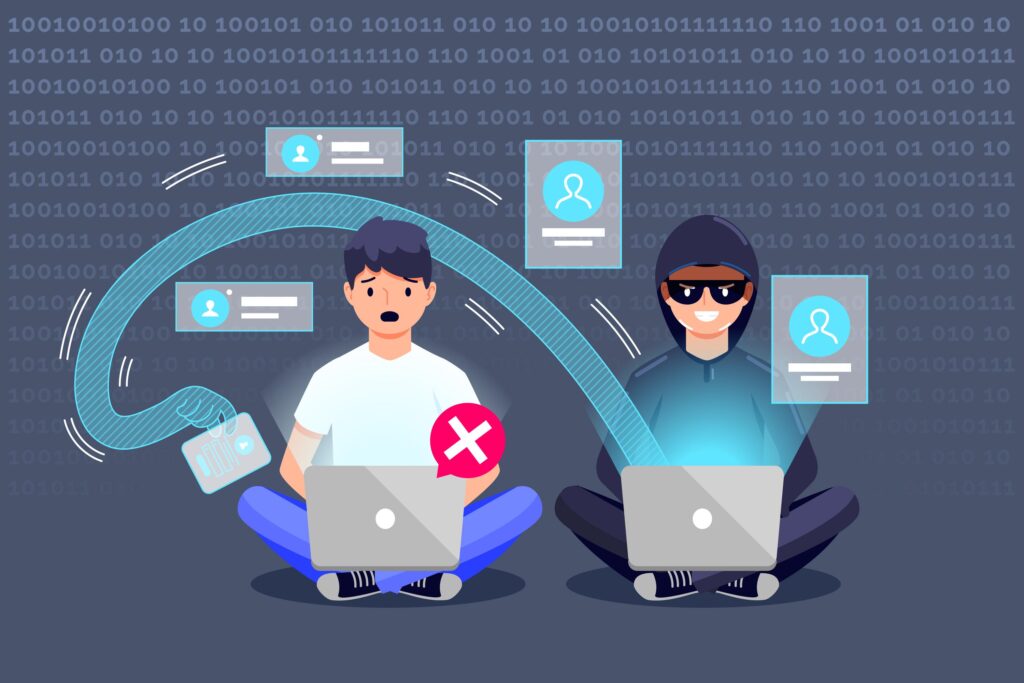 In essence, piracy isn’t driven by a single cause but rather a combination of factors, from cost considerations to convenience and a touch of rebellion. Understanding these drivers provides valuable insights into tackling this complex issue.
Truths about Streaming Video Piracy:
- Illicit IPTV Networks Are the Real Deal
- When you think of piracy, you might picture sketchy websites and social media antics. But the true piracy powerhouse is something else entirely – illicit IPTV networks.
- These crafty networks mimic the look and feel of legitimate streaming services, offering a treasure trove of channels and premium content at a fraction of the cost.
- According to a survey, there are nearly 30,000 pirate networks scattered worldwide. It’s a whole different ballgame.
- Password Sharing
- Sharing passwords for streaming giants like Netflix, Disney+, or Amazon Prime has practically become a global pastime.
- Surprise, surprise – Netflix recently decided to make it even simpler for folks to share their credentials with friends beyond their household, although with a slight price bump.
- The question is: will this move put an end to password sharing? Time will tell.
- Pirates Aren’t Just Geeky Robin Hoods
- Remember the cliché image of geeks in hoodies, thinking they’re modern-day Robin Hoods? Well, it’s time to shatter that stereotype.
- Pirates are more like sharp-suited businesspeople, running a well-structured hierarchy. At the top, you’ve got the “godfathers,” and below them, a troop of resellers connecting directly with subscribers.
- The equation is pretty straightforward: stolen content equals free content, and it’s turning in a tidy profit.
- DRM Isn’t the Only Sheriff in Town
- Digital Rights Management (DRM) has been the go-to guardian for years, but the rise of OTT services shook things up.
- With the proliferation of unmanaged devices like smartphones and smart TVs, pirates have more opportunities to strike.
- Launching a piracy service is as easy as ordering takeout, thanks to user-friendly tools. Pirates can even pose as legitimate apps and strip away DRM protections.
- They employ CDNs to give multiple clients network access, sidestepping concurrency limits and grabbing all the necessary licenses and access tokens.
- The end result? Illegal streams find their way to various piracy platforms, and someone else gets left with the CDN bill.
- Tech Is the Pirate Buster, but Not the Only One
- Piracy is a cybercrime, and pirates are tech-savvy criminals. So, naturally, tech is our ally in this battle.
- Tech solutions like watermarking can help spot content leaks, monitoring illegal streams that disrupts pirate operations, and various tools combat password sharing.
- However, remember that tech isn’t a magic wand – it’s just one piece of the puzzle.
The Takeaway:
It’s crystal clear that streaming video piracy is a massive problem that’s here to stay, with India alone losing a whopping 30% of annual revenue to this digital menace. Unfortunately, younger generations seem to accept it as the norm, posing a serious challenge.
To fight this tide, platforms are employing various tactics, from digital rights management to content watermarking. However, experts predict that more failures and mergers are on the horizon, which might only boost piracy further.
But here’s the twist: the real battle against piracy begins with public awareness, education, law enforcement, policy making, etc. The biggest enemy here is our own indifference. It’s time for a change. Wake up and smell the coffee, piracy is killing the entertainment industry and must be dealt with.
“Downloading dreams or stealing streams? The choice defines digital ethics.”
