Movie Piracy Explained: Causes and Solutions

Movie Piracy Explained: Causes and Solutions

Movie piracy has become one of the most persistent challenges faced by the global entertainment industry. From unauthorized streaming websites to peer-to-peer sharing networks, the easy availability of pirated films has deeply affected content creators, distributors, and studios. Many individuals who download or stream pirated movies often do not realize the serious financial and ethical consequences associated with this act. Understanding the mechanics behind movie piracy is vital not just for protecting intellectual property but also for ensuring that creativity continues to be rewarded fairly.

This blog explores the multifaceted issue of movie piracy, breaking down its causes, impact, and practical solutions. Readers will gain insights into how piracy affects the film ecosystem and learn about the proactive measures being taken to counter it. By the end, you will discover how organizations like AiPlex Antipiracy are safeguarding the entertainment industry through advanced technologies and strategic enforcement. Let’s uncover how movie piracy can be controlled effectively and why it matters to every stakeholder in the creative world.

Understanding Movie Piracy

Movie piracy refers to the unauthorized copying, distribution, or broadcasting of films without the consent of the copyright owner. It encompasses various forms, including illegal downloads, digital ripping, and unauthorized streaming platforms. The digital transformation of cinema has made movie piracy more accessible than ever, creating a complex web of distribution channels that operate across jurisdictions. With new release models and global access, the demand for pirated content has expanded, posing new challenges for filmmakers and regulators alike.

Piracy not only impacts film studios but also the broader economy connected to entertainment—including distributors, theatre owners, and thousands of professionals who work behind the scenes. It devalues original content, reduces profits, and weakens incentives for creative production. To effectively combat it, it is important to understand what drives this issue and how digital infrastructure contributes to the spread of illegal copies.

1. The Evolution of Digital Distribution

The shift from physical DVDs to digital streaming has revolutionized content consumption. However, this same shift has enabled easy duplication and sharing of copyrighted material. Piracy networks exploit high-speed internet and file compression technologies to distribute movies rapidly across global platforms. This accessibility, while beneficial for legitimate users, has also been misused by pirates to build large-scale networks that thrive on advertising revenue and user traffic.

The film industry’s move toward simultaneous global releases has unintentionally fueled piracy as well. When users in one region cannot legally access a movie available elsewhere, they often turn to unauthorized sources. This pattern shows that accessibility gaps are among the primary contributors to the rise of piracy, emphasizing the need for better global release strategies.

2. Motivations Behind Movie Piracy

Piracy often stems from a combination of convenience, cost avoidance, and ignorance of copyright laws. Many users perceive pirated movies as a harmless alternative when legal streaming options are unavailable or too costly. Others simply lack awareness of the long-term consequences piracy has on artists and the industry. In some regions, weak enforcement and cultural normalization of piracy further encourage illegal consumption.

However, understanding user motivation also opens opportunities for deterrence. By improving access, affordability, and user experience, legal platforms can convert potential pirates into legitimate consumers. It is a reminder that combating movie piracy requires both enforcement and education.

3. Economic Impact of Piracy

The financial toll of movie piracy is staggering. Global losses to the entertainment industry exceed billions of dollars annually, affecting every stage of film production and distribution. Reduced revenues directly lead to fewer job opportunities, limited budgets for new projects, and shrinking returns for investors. These consequences are particularly severe for independent filmmakers who rely heavily on theatrical and digital sales.

Moreover, piracy doesn’t just harm studios—it impacts government tax revenues and local businesses linked to film production. The chain reaction spreads across multiple economic layers, making piracy not just a corporate issue but a societal one. Recognizing this helps policymakers craft more comprehensive anti-piracy strategies that support both creativity and commerce.

4. Legal Frameworks Against Movie Piracy

To counter the growing threat, global governments and media bodies have strengthened intellectual property laws. The Digital Millennium Copyright Act (DMCA), for example, enables swift takedown of infringing content and penalizes violators. Similarly, international coalitions under the World Intellectual Property Organization (WIPO) facilitate cross-border enforcement. Despite these efforts, evolving digital tactics continue to challenge regulators.

Modern anti-piracy measures now depend on cooperation between law enforcement, ISPs, and content creators. From blocking illegal domains to implementing watermarking technology, legal frameworks are becoming more adaptive. The success of these laws, however, depends largely on consistent implementation and public awareness.

5. Role of Technology in Fighting Piracy

Technology has emerged as both a cause and a cure for movie piracy. Advanced algorithms and AI-driven detection systems now enable real-time monitoring of piracy activities. Companies like AiPlex Antipiracy utilize automated tools that scan millions of URLs, social media posts, and torrent sites to identify and remove infringing links efficiently.

Blockchain and digital watermarking are also being integrated to track the origin of illegal copies. These tools not only provide evidence for legal action but also discourage the initial act of piracy. As digital ecosystems expand, the role of technology becomes indispensable in ensuring a sustainable and fair content economy.

Major Forms of Movie Piracy

Movie piracy manifests in several distinct forms, each with unique methods and consequences. Identifying these types helps stakeholders target enforcement more effectively. While some are driven by organized groups seeking profit, others emerge from individuals seeking early or free access to films.

Understanding these variations allows content protection services like AiPlex to develop tailored solutions. Whether it’s through data analysis, online takedown campaigns, or collaboration with global partners, recognizing how piracy operates is the first step to dismantling it.

1. Camcord Piracy

Camcord piracy occurs when individuals record a movie directly from the cinema screen. These low-quality recordings often serve as the first source for pirated versions circulating online. Despite poor visuals, camcord copies attract large audiences eager to access new releases without waiting for official availability.

To combat camcord piracy, theatres are implementing infrared camera detection, bag checks, and surveillance. Some distributors also employ unique audio watermarking, which allows authorities to trace back the origin of the recorded copy. By reinforcing cinema security, the industry can significantly reduce the inflow of early pirated content.

2. Torrent and Peer-to-Peer Sharing

Peer-to-peer (P2P) networks like BitTorrent enable users to exchange movie files directly. While these systems can have legitimate uses, they are often exploited to distribute copyrighted content illegally. Once a single pirated copy enters the network, it spreads rapidly to millions of users worldwide.

Effective strategies against P2P piracy include real-time monitoring and automated takedowns. Anti-piracy firms use algorithms that identify infringing torrents and send takedown requests to hosting providers. Education campaigns further help in discouraging users from engaging with these platforms, emphasizing legal and ethical viewing alternatives.

3. Streaming Piracy

Illegal streaming websites have become the most prevalent form of movie piracy today. These platforms mirror the design of legitimate services, offering free access to thousands of films while generating revenue through ads. Many users are unaware that visiting these sites can expose them to malware and data theft.

Combatting streaming piracy requires coordinated action between cybersecurity teams, internet service providers, and legal authorities. Website blocking, ad network penalties, and user awareness campaigns all contribute to dismantling these illegal ecosystems. Legitimate streaming platforms must also enhance convenience and affordability to reduce piracy demand.

4. Digital Ripping and File Sharing

Digital ripping involves copying content from legitimate sources such as Blu-ray discs or streaming services. Advanced software can bypass encryption, enabling high-quality unauthorized duplicates. These files are then uploaded to file-hosting sites or sold on black markets.

Protection against digital ripping relies on strong encryption protocols and watermarking technologies. Regular audits of content security systems also prevent breaches. The key lies in continuous innovation—keeping protection one step ahead of pirates who constantly seek vulnerabilities.

5. Social Media Piracy

Social media platforms have become unexpected hotspots for movie piracy. Short clips, full-length uploads, or even private groups dedicated to sharing illegal content are common. Since these platforms operate on massive scales, detecting every instance of piracy can be complex.

However, partnerships between studios and social platforms are improving response times. Using AI-driven detection tools, infringing videos can now be flagged and removed within minutes. Companies like AiPlex actively collaborate with such networks to ensure continuous content protection in real time.

Preventive Measures and Industry Solutions

While enforcement is critical, prevention remains the most sustainable solution to movie piracy. By combining legal, technological, and educational approaches, the entertainment industry can build an ecosystem that discourages piracy while promoting legal consumption.

1. Enhancing Accessibility and Affordability

Many piracy cases stem from limited access or high pricing of legal content. By expanding regional availability and offering competitive subscription rates, platforms can attract users who might otherwise turn to illegal sources. Simplified payment methods and local-language options further encourage legitimate viewing.

This approach aligns with market-driven solutions rather than punitive ones. When users feel valued and supported, they are more likely to make ethical choices. Streaming services, distributors, and content creators must therefore prioritize accessibility as a key anti-piracy strategy.

2. Strengthening Copyright Education

Public awareness remains one of the most underutilized tools against piracy. Many consumers genuinely do not understand that piracy constitutes theft or that it harms real people behind the scenes. Educational campaigns can shift perceptions by highlighting how piracy undermines creativity and employment.

Schools, universities, and online communities can integrate digital ethics programs to promote responsible content consumption. By embedding copyright awareness early in digital literacy, societies can cultivate long-term respect for intellectual property.

3. Using AI and Automation in Monitoring

Artificial Intelligence plays a crucial role in modern anti-piracy operations. Through automated scanning systems, AI can detect unauthorized uploads, flag suspicious links, and initiate takedown requests within seconds. These systems continuously learn from new piracy patterns, improving accuracy over time.

AiPlex Antipiracy utilizes such automation to protect clients across multiple digital channels. From streaming platforms to social networks, its solutions ensure consistent enforcement without human delays. This combination of technology and strategy forms the backbone of today’s content protection landscape.

4. Global Collaboration and Enforcement

Piracy is a cross-border issue, making international cooperation essential. Collaborative task forces and information-sharing networks allow countries to identify and shut down piracy operations more effectively. Agreements between content creators, telecom regulators, and cybersecurity agencies amplify enforcement power.

Global cooperation also strengthens public trust in digital media ecosystems. When viewers know that piracy is being tackled on an international scale, it reinforces confidence in legal streaming platforms and subscription services.

5. Innovative Distribution Strategies

One of the most effective deterrents to piracy is meeting consumer demand quickly and efficiently. Simultaneous global releases, digital-first premieres, and region-specific streaming strategies ensure that audiences can access films legally without delay. These innovations close the accessibility gap that often fuels piracy.

Incorporating additional incentives—such as behind-the-scenes content or interactive fan experiences—can further drive legal engagement. Ultimately, combating movie piracy is not just about removing illegal options but about enriching legitimate ones.

Why Choose AiPlex Antipiracy for Movie Protection

AiPlex Antipiracy stands as a global leader in digital content protection, offering end-to-end solutions tailored to film studios, OTT platforms, and production houses. With years of expertise, AiPlex leverages AI-driven systems to monitor, detect, and remove pirated content across thousands of online sources in real-time. Its proprietary algorithms ensure swift identification of infringing URLs, while its partnerships with global ISPs and social media platforms enhance takedown efficiency.

Beyond enforcement, AiPlex focuses on preventive intelligence—analyzing piracy trends, understanding audience behavior, and recommending strategic countermeasures. This holistic approach ensures that clients not only protect their intellectual property but also maintain audience trust and brand integrity. Choosing AiPlex means choosing resilience, innovation, and a future where creativity remains rightfully rewarded.

Conclusion

Movie piracy remains one of the most formidable challenges facing the entertainment industry, threatening both creativity and commerce. Yet, as technology evolves, so do the means to counter it. Through collaborative enforcement, intelligent monitoring, and consumer education, the global fight against piracy is gaining strength. The balance lies in protecting rights without restricting access—a goal achievable through modern innovation and strategic foresight.

AiPlex Antipiracy continues to lead this mission with unmatched precision and commitment. By partnering with AiPlex, content creators can safeguard their investments and ensure their stories reach audiences ethically and securely. Protecting creativity is not just a business necessity; it’s a responsibility we all share in preserving the integrity of global entertainment.
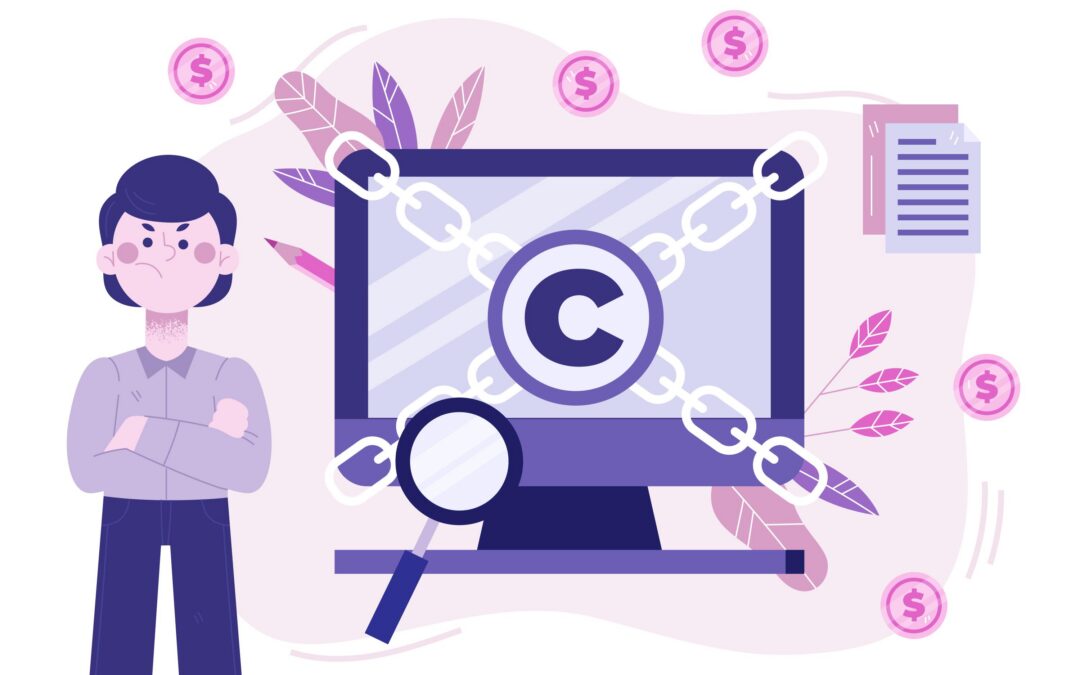
How to Avoid Copyright Infringement Online

How to Avoid Copyright Infringement Online

Digital creativity has opened endless opportunities for businesses and individuals alike. Whether you’re a content creator, marketer, or entrepreneur, the internet provides a limitless stage to share ideas, products, and artistry. Yet, with this freedom comes the risk of misusing or unknowingly replicating someone else’s intellectual property. Copyright infringement can lead to serious legal, financial, and reputational damage, making it essential to understand what constitutes violation and how to steer clear of it while building a responsible online presence.

Learning how to avoid copyright infringement online is not just about compliance—it’s about respect for creativity and fair use. This blog explores key strategies, practical examples, and proactive measures that help individuals and organizations stay compliant while maintaining originality. We’ll also highlight how professional copyright protection services like Aiplex AntiPiracy empower brands to safeguard their digital assets across platforms. Let’s begin with the foundational knowledge every digital participant should have.

Essential Things to Know About Copyright Infringement

Before diving into preventive strategies, it’s vital to grasp what copyright infringement entails. Understanding the principles of ownership, usage rights, and licensing helps avoid unintentional violations. The following subtopics will clarify these concepts in simple, actionable terms.

What is Copyright and Why It Matters

Copyright grants creators exclusive rights to reproduce, distribute, and display their work. It protects intellectual property such as music, videos, literature, and software. For digital businesses, respecting copyright is integral to maintaining credibility and ethical standards online.

At its core, copyright is a balance between creator protection and public access. Misusing protected materials, even unintentionally, can trigger penalties or lawsuits. This is why awareness of licensing, permissions, and attribution plays a central role in compliance. Always verify ownership before sharing, editing, or monetizing someone else’s work.

Common Types of Copyright Infringement

Unauthorized sharing of digital assets is one of the most frequent forms of infringement. Uploading a movie clip, copying written content, or using copyrighted music in marketing videos without permission can all qualify as violations. Even memes, images, and GIFs can be subject to restrictions depending on their source.

Another prevalent issue is derivative work misuse, where someone alters an existing work but fails to secure approval from the original creator. These actions not only breach intellectual property laws but can also damage professional relationships and brand image if left unchecked.

Understanding Fair Use and Licensing

Fair use allows limited use of copyrighted material for commentary, criticism, or education without explicit permission. However, these boundaries are not always clear-cut. Misinterpretation of fair use often leads to disputes, so it’s essential to evaluate how much of a work is used, its purpose, and its market impact.

Licensing offers a safer route. Creative Commons and royalty-free licenses let you use materials legally under specified terms. Understanding and adhering to these licenses ensures your projects stay compliant while benefiting from high-quality content.

The Legal and Financial Risks Involved

Ignoring copyright laws can have severe consequences. Fines, takedown notices, and even lawsuits are common outcomes of infringement cases. Businesses caught misusing intellectual property may face reputational harm that outweighs any immediate financial loss.

Apart from penalties, repeated violations can lead to permanent account suspensions or loss of monetization on platforms like YouTube or Instagram. Preventing these issues starts with building strong internal compliance practices and awareness among all content creators within an organization.

Importance of Digital Asset Management

Maintaining organized digital libraries is crucial to prevent unauthorized reuse of protected content. Digital asset management tools help track file sources, licenses, and expiration dates, ensuring materials are always used legally and ethically.

These tools also streamline collaboration, making it easier for teams to verify content authenticity before publication. For companies managing large-scale campaigns, automation and metadata tracking are key to avoiding accidental copyright violations.

Best Practices to Avoid Copyright Infringement Online

Create Original Content Whenever Possible

Producing original visuals, text, and media ensures complete ownership and reduces infringement risks. Originality also strengthens brand identity and improves SEO visibility. Always aim to produce unique assets instead of modifying or replicating existing works.

If referencing external ideas or data, provide proper citations and context. Transparency not only protects your brand legally but also enhances your credibility as a trustworthy content creator or business.

Verify Ownership Before Use

Before using any third-party material, check its source, license type, and usage rights. Many online assets come with conditions like attribution or non-commercial use only. Ignoring these terms constitutes infringement, even if credit is given.

Conducting due diligence might seem tedious, but it prevents future legal troubles. Establish a checklist within your team for content verification before publishing or sharing materials across marketing channels.

Use Stock Media Responsibly

Stock platforms like Shutterstock or Unsplash offer licensed images and videos for commercial use, but even these come with limitations. Some assets require additional permissions for merchandise or advertisement purposes. Always read license agreements carefully.

Avoid downloading visuals from random websites or social media without confirmation of ownership. Even free content may carry hidden restrictions or attribution requirements that need to be followed closely.

Educate Your Team About Copyright Compliance

Awareness is the first defense against infringement. Conduct regular training sessions for employees, freelancers, and partners who handle creative assets. Clear policies ensure everyone understands legal responsibilities and the importance of respecting intellectual property.

Aiplex Anti Piracy recommends implementing standard operating procedures for uploading, sharing, or editing digital files. These internal guidelines prevent accidental misuse and reinforce organizational accountability.

Monitor and Audit Your Digital Presence

Regularly review your website, social media, and marketing materials to ensure compliance. Use plagiarism detection and copyright-checking tools to identify potential violations. Automation can simplify this task and reduce manual errors.

Working with a professional service like Aiplex Anti Piracy ensures that unauthorized copies of your work are detected and removed efficiently. Their comprehensive monitoring systems provide long-term protection across platforms.

Why Choose Aiplex Anti Piracy for Copyright Protection

Aiplex Anti Piracy stands out as a trusted partner in digital rights management and online content protection. Their team combines advanced AI-driven technology with legal expertise to identify and remove infringing materials across the web.

From film studios to e-learning companies, Aiplex serves diverse industries, ensuring every client’s intellectual property remains secure. Their proactive approach minimizes reputational risks while helping creators focus on innovation rather than constant surveillance of their content.

Conclusion

Respecting copyright is more than just a legal obligation it’s a mark of professionalism and integrity. Whether you’re creating social media content, blogs, or video campaigns, every digital action should prioritize originality and lawful use. By following the right practices and partnering with experts like Aiplex Anti Piracy, businesses can navigate the online world with confidence and peace of mind.

Safeguard your creativity, honor others’ work, and protect your digital future with proactive copyright management. Visit Aiplex AntiPiracy to explore how their services can help your brand stay compliant, ethical, and secure across every online channel.

Is Movierulz Still Banned? Current Status

Is Movierulz Still Banned? Current Status

Curiosity about is Movierulz banned arises frequently among movie enthusiasts who come across its links or mentions online. Many wonder whether it’s just a temporary block or if there are still ways people access it through proxies or mirror sites. This uncertainty often leads users down a rabbit hole of misinformation and risky decisions. To clear the air, it’s essential to understand the legal and cybersecurity aspects surrounding such piracy websites and how they impact both users and the entertainment industry.

This blog explores the present legal status of Movierulz, its history of bans, the cybersecurity dangers of using illegal streaming portals, and the strict anti-piracy measures that organizations like AiPlex Anti Piracy implement globally. By the end, readers will understand not only why Movierulz remains banned but also why using legitimate streaming platforms is the safest choice.

What to Know Before Exploring the Status of Movierulz

Before diving into the reasons and implications behind the ban, it’s crucial to comprehend how piracy websites function, why governments take action against them, and the ripple effects these actions have on the film industry. These points give a foundation to understand the severity of digital piracy and the recurring shutdowns and domain shifts associated with portals like Movierulz.

The Background of Movierulz and Its Rise in Popularity

Movierulz started as a torrent-based platform that provided unauthorized access to newly released movies, often within days of their theatrical release. The platform quickly became popular among users looking to bypass paid subscriptions and regional restrictions. Its extensive collection of global and regional films made it a convenient but illegal alternative for movie lovers.

However, this surge in popularity came at a massive cost to filmmakers, distributors, and the entertainment economy. Each download or stream from Movierulz translated into lost revenue for the creators and production houses. These consistent losses prompted authorities and copyright agencies to take aggressive legal actions, eventually leading to the repeated banning of Movierulz domains across multiple countries.

Why Governments Target Piracy Websites

Governments worldwide consider piracy websites a direct threat to intellectual property rights. Platforms like Movierulz violate copyright laws by distributing films without authorization, infringing on creators’ legal ownership. Many nations, including India, have stringent laws under the Information Technology Act and Copyright Act to penalize those hosting, sharing, or consuming pirated material.

These bans are not just symbolic. They are part of broader anti-piracy initiatives that protect digital content and promote legal consumption. Regular enforcement through domain takedowns and arrests of site operators highlights the ongoing commitment to combating movie piracy. Despite these measures, mirror and proxy sites often emerge, attempting to replicate Movierulz’s operations, leading to a continuous cat-and-mouse dynamic between regulators and pirates.

The Role of ISPs and Cybersecurity Authorities

Internet Service Providers (ISPs) play a significant role in restricting access to websites like Movierulz. Upon government directives, they block specific URLs or IP addresses linked to piracy domains. However, users sometimes try to bypass these restrictions using VPNs, exposing themselves to malware, data theft, and phishing risks.

Cybersecurity authorities consistently monitor illegal streaming networks for suspicious data exchanges and hidden malicious codes embedded in ads or downloads. These agencies work with anti-piracy partners such as AiPlex to identify and eliminate emerging threats, ensuring safer digital environments for users and legitimate platforms alike.

The Economic Impact of Piracy

The ban on Movierulz and similar sites is not merely a legal stance—it’s an economic necessity. Piracy affects thousands of jobs, from technicians and writers to distributors and marketers. According to various industry reports, the global film sector loses billions of dollars annually due to illegal streaming and downloads.

The ripple effect goes beyond the big studios. Independent filmmakers and regional cinema producers suffer disproportionately because they rely heavily on box office and OTT revenue. By blocking piracy platforms, governments aim to safeguard not only corporate profits but also the creative ecosystem that fuels the entertainment industry’s growth.

Public Awareness and Ethical Viewing

One of the biggest challenges in tackling piracy is changing public perception. Many users justify streaming pirated movies because they perceive it as harmless or victimless. In reality, every illegal stream undermines the value of creative work and supports networks that profit from unauthorized distribution.

Ethical viewing involves recognizing that paying for content through legal streaming services sustains the industry and encourages more quality productions. Awareness campaigns led by antipiracy organizations like AiPlex have made considerable strides in promoting responsible online behavior and reducing demand for illicit content.

The Current Legal Status of Movierulz

The Movierulz website remains officially banned in India and several other regions under national copyright enforcement laws. However, new domains and proxies frequently appear, complicating efforts to eradicate the network completely. These newer domains often use deceptive URLs to mislead users into thinking they are legitimate or risk-free.

Government Crackdowns and Legal Actions

Law enforcement agencies continue to pursue individuals and networks behind piracy portals. Arrests, raids, and fines have been conducted against site administrators, uploaders, and advertisers associated with Movierulz. The legal framework includes imprisonment and substantial monetary penalties for those found guilty of promoting or facilitating piracy.

Such legal deterrents have been successful in dismantling several major piracy networks, but the decentralized nature of the internet means new versions of these platforms can quickly resurface. This persistence highlights the need for ongoing vigilance and public cooperation to support anti-piracy measures.

Technology and AI in Anti-Piracy Enforcement

Advanced technology has become a critical tool in detecting and removing pirated content. AI-driven solutions are used by companies like AiPlex to monitor thousands of online sources, identify infringing links, and issue takedown notices automatically. These real-time systems minimize the lifespan of pirated content and prevent widespread distribution.

By integrating machine learning and content fingerprinting, such anti-piracy solutions create a proactive defense against piracy networks. This use of automation not only speeds up enforcement but also ensures that rights holders regain control over their intellectual property in the digital space.

Why Choose AiPlex Anti Piracy for Content Protection

AiPlex is a leading global antipiracy agency dedicated to safeguarding digital assets for entertainment and media clients. The company combines legal expertise, technology, and analytics to provide end-to-end protection for copyrighted content. Their specialized tools track, identify, and remove infringing materials across streaming platforms, social media, and file-sharing networks.

By partnering with AiPlex, film studios, OTT platforms, and content creators gain continuous monitoring and real-time response capabilities. This not only reduces financial losses but also strengthens brand integrity and audience trust. Learn more about their comprehensive protection solutions at AiPlex Anti Piracy.

Conclusion

The question is Movierulz banned can be answered with a definitive yes yet the persistence of its mirror sites shows that piracy is a continuously evolving challenge. Users should understand that accessing such platforms poses both legal and cybersecurity risks. The only sustainable solution lies in supporting legitimate streaming and embracing digital responsibility.

With organizations like AiPlex leading the fight against piracy, the entertainment industry continues to strengthen its defenses and promote a culture of respect for intellectual property. By choosing legal platforms, viewers play a vital role in preserving creativity and ensuring fair rewards for those who bring stories to life.