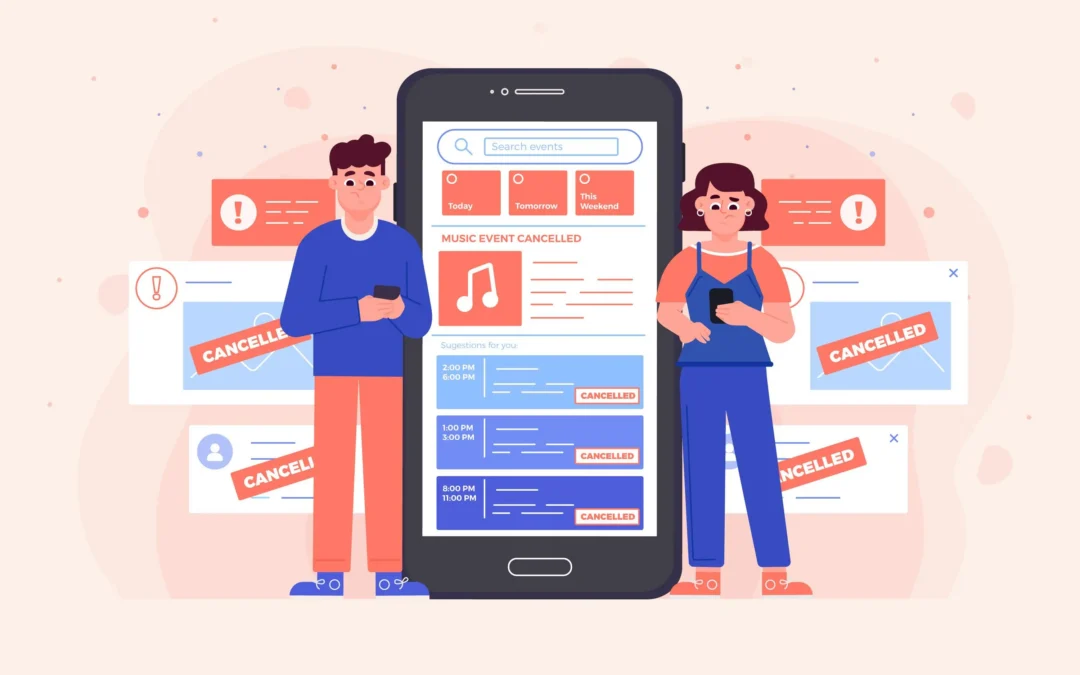
A fake mobile app removal service detects apps that impersonate your brand and gets them taken down from Google Play, the Apple App Store, and third party APK sites. The service handles evidence collection, trademark based takedown filings, and store escalations, usually removing confirmed clones within 3 to 10 days.
What Is a Fake Mobile App Removal Service?
A fake mobile app removal service is a managed brand protection function that monitors app marketplaces for unauthorized apps using your name, logo, icon, screenshots, or app description, then files legal takedown requests on your behalf until the listing is removed.
It typically covers four layers:
Detection: continuous scanning of official stores plus grey market APK repositories.
Verification: confirming the app is infringing rather than a legitimate partner or reseller listing.
Takedown: filing trademark, copyright, or impersonation complaints with the correct store form.
Escalation: pushing unresolved cases through legal channels, hosting providers, and payment processors.
Fake app removal service work differs from ordinary DMCA work because app stores each run their own review queues with their own evidence standards. A complaint accepted by Apple can be rejected by Google if the wrong claim type is selected.
Types of Fake Apps Brands Face
Clone apps that copy the interface to harvest login credentials.
Repackaged apps where the real APK is modified to inject malware or ads.
Name squatting apps that use your trademark to attract downloads for unrelated content.
Fake support apps that pose as customer service to collect payment details.
Abandoned lookalikes that mimic a discontinued version of your product.
Why Brand Impersonation App Removal Matters
Fake apps damage brands in ways that are measurable and quick.
Financial loss. Credential theft through clone banking and wallet apps leads directly to fraud chargebacks that land on the legitimate brand.
Review pollution. Users who get scammed by a clone leave one star reviews on the real app because they do not distinguish between the two.
Search dilution. A fake listing ranking for your brand name in store search steals installs at the exact moment of purchase intent.
Regulatory exposure. In regulated sectors like finance, health, and insurance, a fake app handling customer data can trigger supervisory questions about how the brand monitors its own name.
In practice, the highest damage window is the first 72 hours after a fake app appears, because that is when it captures the install spike from users searching your brand.
How to Remove Fake Mobile Apps Impersonating Your Brand
Here is the process a professional fake mobile app removal service follows.
Build a brand asset baseline. Document trademark registrations, official app IDs, developer account names, logo files, and screenshots. Most rejected takedowns fail here, not at the legal stage.
Run store and off store detection. Search official stores by brand name, product name, common misspellings, and transliterations. Then scan third party APK mirrors.
Capture evidence. Save the listing URL, developer name, package ID, install count, screenshots, and a hash of the APK before it disappears.
Classify the infringement. Decide whether the strongest claim is trademark, copyright, or impersonation. This choice determines which form you file.
File with the correct store channel. Apple uses its Content Dispute and legal forms, Google uses its trademark and copyright removal forms tied to the Play developer policy.
Track and respond. Stores often send the counterparty a chance to respond. Answer follow up questions within the store’s stated window or the case closes.
Escalate off store hosts. For APK mirrors, send notices to the hosting provider and registrar, and request search delisting.
Monitor for reappearance. Removed apps are frequently republished under a new developer account within days.
Best Way to Speed Up a Mobile App Takedown Service Request
Register your trademark in the classes covering software and app services before you need it.
Keep a live, verified developer account so stores can confirm which listing is authentic.
Submit one clean claim type rather than bundling every possible legal theory.
Include a side by side visual comparison of the real and fake listings.
Name the exact package ID, not just the app title.
We have seen filings that name the package ID resolve noticeably faster than filings that describe the app in prose, because reviewers can act without re searching the store themselves.
In House Monitoring vs Professional Fake App Removal Service
Factor
In House Team
Professional Removal Service
Detection coverage
Official stores only, usually manual
Official stores plus APK mirrors, automated
Typical takedown time
2 to 6 weeks
3 to 10 days for clear cases
Legal filing expertise
Varies, often ad hoc
Standardized per store templates
Reappearance tracking
Rare
Continuous, with repeat filings
Cost model
Staff time
Retainer or per takedown
The table reflects the common pattern. A brand with a strong in-house legal team and few clones may not need external help. A brand with an international footprint and a high value transactional app almost always does.
What Does Fake App Detection and Takedown Cost?
Pricing usually follows one of three models:
Per takedown: a fixed fee per successful removal, suited to brands with occasional incidents.
Monitoring retainer: a monthly fee for continuous detection plus a set number of takedowns.
Enterprise program: monitoring across apps, domains, social profiles, and marketplaces under one contract.
Ask any vendor two questions before signing. First, is the fee tied to successful removal or to filing attempts? Second, does the contract cover republished clones of an already removed app, or does each new listing count as a new takedown?
An original observation from working these cases: brands overpay for detection and underinvest in evidence preparation. Detection tools surface hundreds of low risk name matches, while a single properly documented trademark file is what actually closes a case.
How to Prevent Fake Apps From Appearing Again
Removal is reactive. These measures reduce recurrence.
Strengthen Your Store Presence
Claim your brand name across all major stores, including regional ones you do not actively serve.
Verify your developer account and use consistent branding across listings.
Publish a page on your website listing your official app links, and link to it from your app store listing.
Harden the App Itself
Implement code signing checks so repackaged builds fail at launch.
Add tamper detection and certificate pinning.
Use server side validation so a cloned client cannot authenticate.
Build a Standing Response Kit
Keep a single folder containing trademark certificates, official screenshots, logo files in original resolution, developer account details, and a pre-written claim template. When a clone appears, filing becomes a same day task rather than a week long scramble.
Frequently Asked Questions
How long does a fake app takedown take? Clear trademark or copyright cases usually resolve in 3 to 10 days on Google Play and the Apple App Store. Disputed cases where the fake developer responds can take 3 to 6 weeks. Third party APK sites vary widely, from 48 hours to never, depending on the host’s cooperation.
Can I remove a fake app without a registered trademark? Yes, but it is harder. You can file on copyright grounds if the fake app copies your logo, screenshots, or code, or on impersonation grounds under store policy. A registered trademark still produces the fastest and most reliable outcomes.
Do app stores charge for takedown requests? No. Google and Apple both provide free legal complaint forms for trademark, copyright, and impersonation claims. Costs come from the work of detection, evidence preparation, filing, and escalation, which is what a removal service actually charges for.
What if the fake app reappears after removal? Republishing under a new developer account is common. Continuous monitoring catches the new listing, and repeat filings referencing the earlier successful removal usually resolve faster. Persistent repeat offenders can be reported for developer account termination rather than single listing removal.
Can fake apps be removed from third party APK sites? Often, yes. The route is different: notices go to the hosting provider, domain registrar, or CDN rather than a store. Where the host ignores notices, search engine delisting and browser safe browsing reports reduce the reach of the listing.
How do I find fake apps using my brand name? Search each store for your brand name, product names, common misspellings, and local language transliterations. Then search APK mirror sites and set up alerts. Automated monitoring covers far more surface area than manual checks, especially across regional stores.
Conclusion
A fake mobile app removal service turns brand impersonation from an open ended risk into a managed process with defined detection, filing, and escalation steps. The brands that recover fastest are the ones that prepared their trademark evidence and official app documentation before the first clone appeared. Whether handled in house or through a specialist provider, the priority is speed: act within the first few days, file the correct claim type, and keep monitoring after the removal is confirmed.
Building a recognizable brand takes years of effort, investment, and customer trust. Whether you operate an e-commerce store, software company, manufacturing business, or consumer brand, your trademark represents the identity that customers associate with your products and services. Unfortunately, as businesses grow, unauthorized sellers, counterfeiters, and digital infringers often attempt to exploit established brand names for their own gain. This creates confusion among customers, damages reputation, and can result in significant revenue loss. Businesses searching for a reliable trademark protection service India solution are often looking for effective ways to secure their intellectual property while maintaining customer trust and market credibility.
Protecting a trademark requires more than registration alone. Businesses need continuous monitoring, enforcement, investigation, and removal strategies to prevent misuse across online marketplaces, websites, social media platforms, and digital channels. This guide explains the essential elements of modern trademark protection, the key areas businesses must evaluate before selecting a service provider, and the measures required to maintain strong intellectual property security. Companies seeking comprehensive brand protection can benefit from specialized solutions offered by Aiplex AntiPiracy, which combines technology-driven monitoring with enforcement expertise to help brands safeguard their valuable trademarks.
Understanding Trademark Monitoring India Before Choosing a Protection Service
Trademark protection begins with visibility. Businesses must understand where their brand assets are being used and whether those uses are authorized. Monitoring activities help identify misuse before it escalates into larger legal or commercial issues. Effective trademark monitoring India solutions track multiple digital environments, including marketplaces, websites, mobile applications, social media platforms, and search engines.
Before selecting a protection provider, businesses should evaluate monitoring capabilities, reporting transparency, enforcement processes, legal expertise, and response speed. These factors determine how effectively potential infringements are detected and addressed.
Brand Trademark Piracy India: Understanding the Scope of the Problem
Brand misuse can occur across numerous channels where counterfeit sellers and unauthorized entities attempt to benefit from an established reputation. These activities often include fake listings, deceptive advertisements, copied logos, and unauthorized product promotions that mislead customers and weaken brand value.
Organizations must recognize that piracy extends beyond physical counterfeit products. Digital impersonation, misleading advertisements, and unauthorized trademark usage can significantly impact customer trust. Early detection enables businesses to limit reputational damage and maintain stronger market control.
Identifying a violation is only the first step. Businesses must also ensure that infringement incidents are addressed quickly through structured takedown procedures. Delayed action often allows infringers to continue generating revenue while damaging legitimate brand visibility.
An effective takedown process includes evidence collection, documentation preparation, platform-specific submissions, escalation procedures, and follow-up monitoring. Faster enforcement reduces customer confusion and minimizes long-term business risks associated with trademark misuse.
Trademark Copyright India Considerations for Modern Brands
Many businesses protect both trademarks and copyrighted materials simultaneously. Product images, marketing content, videos, packaging designs, and creative assets frequently coexist alongside trademarked brand elements. A coordinated protection strategy helps prevent multiple forms of intellectual property abuse.
Understanding the distinction between trademark and copyright protection allows organizations to implement broader enforcement frameworks. This approach ensures that both brand identity and creative assets remain protected from unauthorized commercial exploitation.
Trademark Infringement India Trends Across Digital Channels
The growth of online commerce has expanded opportunities for infringement. Unauthorized sellers can create listings quickly, launch counterfeit storefronts, and distribute misleading advertisements targeting consumers searching for legitimate products.
Modern infringement frequently involves multiple platforms operating simultaneously. Businesses therefore require centralized monitoring systems capable of identifying recurring offenders, tracking infringement patterns, and supporting long-term enforcement strategies across various digital environments.
Trademark Piracy Removal India and Long-Term Brand Security
Removing infringing content is important, but sustainable brand protection requires ongoing vigilance. New violations often emerge shortly after previous removals, particularly when enforcement efforts lack continuous monitoring support.
Long-term protection strategies combine monitoring, investigations, reporting, takedowns, and repeat offender tracking. This creates a proactive defense mechanism that strengthens trademark security and reduces recurring infringement risks over time.
Trademark Monitoring India as the Foundation of Brand Protection
Trademark monitoring serves as the first line of defense against unauthorized brand usage. Businesses that actively monitor digital channels gain earlier visibility into potential threats and can respond before significant damage occurs.
Key monitoring benefits include:
Early infringement detection
Reduced reputational risk
Faster enforcement actions
Improved marketplace compliance
Better visibility into recurring offenders
Stronger intellectual property management
Continuous monitoring enables organizations to identify suspicious activities and maintain greater control over their brand presence across digital ecosystems.
Trademark Infringement Removal India for Marketplace Protection
Online marketplaces represent one of the most common locations for trademark misuse. Counterfeit products, unauthorized sellers, and deceptive listings can rapidly spread across multiple platforms if left unchecked.
Professional removal services help businesses identify infringing listings, collect supporting evidence, prepare enforcement requests, and track takedown outcomes. These processes significantly reduce exposure to counterfeit activity while preserving consumer confidence in genuine products.
Trademark Violation Takedown India for E-Commerce Platforms
E-commerce environments require specialized enforcement approaches because each marketplace maintains different intellectual property policies. Understanding these procedures improves the efficiency of removal requests and increases successful outcomes.
A structured takedown strategy helps businesses reduce the visibility of infringing content, discourage repeat violations, and strengthen marketplace compliance efforts.
Brand Trademark Piracy India on Third-Party Seller Networks
Third-party seller ecosystems often create opportunities for counterfeit distribution. Unauthorized vendors may exploit established brand recognition to attract customers and generate sales using misleading listings.
Regular monitoring combined with enforcement action enables businesses to identify problematic sellers, remove infringing content, and maintain a cleaner marketplace presence.
IP Trademark Protection India Through Multi-Channel Enforcement
Trademark misuse rarely occurs in a single location. Modern infringers frequently operate across websites, marketplaces, social media platforms, and advertising networks simultaneously. Effective IP trademark protection India strategies therefore require coordinated enforcement efforts.
A comprehensive approach helps businesses maintain consistent brand protection standards regardless of where violations occur. Multi-channel enforcement also improves visibility into larger infringement networks and recurring offenders.
IP Rights Protection India and Risk Management
Intellectual property risks can affect revenue, customer trust, competitive positioning, and long-term business growth. Organizations that prioritize IP rights protection India initiatives often experience stronger control over brand assets and reduced exposure to infringement-related disruptions.
Risk management frameworks help businesses identify vulnerabilities, establish enforcement priorities, and implement preventive measures that strengthen overall trademark security.
Trademark Enforcement Service India for Sustainable Brand Control
Trademark enforcement goes beyond identifying violations. It involves taking strategic action to stop unauthorized activities and deter future infringements. Effective enforcement combines legal expertise, technical monitoring, evidence gathering, and platform engagement.
Businesses seeking long-term protection should evaluate service providers based on their ability to manage the complete enforcement lifecycle rather than focusing solely on detection capabilities.
Trademark Infringement India Investigations and Evidence Collection
Successful enforcement depends heavily on accurate evidence. Investigations help verify infringement claims, identify responsible entities, and support enforcement proceedings with documented proof.
Detailed evidence collection improves takedown success rates and strengthens legal positioning when escalation becomes necessary. This investigative foundation is critical for sustainable trademark protection programs.
Trademark Piracy Removal India Through Repeat Offender Tracking
Many infringers operate through multiple accounts, domains, or seller profiles. Removing a single listing may not permanently eliminate the threat. Repeat offender tracking helps businesses identify recurring patterns and enforce stronger corrective measures.
This proactive approach reduces recurring violations and improves the overall effectiveness of enforcement programs over time.
Online Trademark Protection for Growing Businesses
Business expansion often increases trademark exposure across digital channels. As organizations enter new markets, launch products, and strengthen online visibility, the likelihood of infringement typically rises.
Online trademark protection programs help businesses maintain control over brand usage while supporting sustainable growth initiatives. These solutions provide visibility, enforcement support, and ongoing monitoring that adapts to evolving digital risks.
Trademark Copyright India Protection Across Digital Assets
Digital brand assets extend beyond logos and product names. Marketing materials, promotional content, packaging designs, and multimedia resources also contribute to overall brand identity.
Protecting these assets alongside trademarks creates a stronger intellectual property framework and reduces opportunities for unauthorized exploitation.
IP Rights Protection India for Future Business Expansion
Organizations planning long-term growth should consider intellectual property protection as a strategic investment rather than a compliance requirement. Strong IP protection frameworks support market expansion, investor confidence, and brand differentiation.
Businesses that proactively secure their intellectual property often experience fewer disruptions and stronger competitive positioning in evolving markets.
Why Choose Aiplex AntiPiracy for Trademark Protection?
Aiplex AntiPiracy provides specialized brand protection and intellectual property enforcement solutions designed to help businesses safeguard their trademarks across digital environments. By combining advanced monitoring technologies with enforcement expertise, Aiplex AntiPiracy helps organizations identify infringements, investigate violations, and remove unauthorized content efficiently.
Key advantages include:
Comprehensive trademark monitoring capabilities
Multi-platform infringement detection
Structured takedown and enforcement processes
Investigation and evidence collection support
Repeat offender identification
Scalable protection for growing businesses
Dedicated intellectual property expertise
Businesses seeking stronger control over their trademarks can benefit from a proactive protection framework that addresses both current threats and future risks.
Conclusion
Trademark protection has become an essential component of modern business strategy. As digital commerce continues to expand, organizations face increasing challenges from counterfeit sellers, unauthorized distributors, impersonators, and intellectual property violators. Effective protection requires a combination of monitoring, investigation, enforcement, and continuous oversight to ensure that brand assets remain secure.
Companies looking for the best trademark protection service India solution should evaluate providers based on monitoring capabilities, enforcement effectiveness, response speed, investigative expertise, and long-term support. By implementing a comprehensive protection strategy and partnering with experienced specialists such as Aiplex AntiPiracy, businesses can strengthen brand integrity, maintain customer trust, and safeguard valuable intellectual property assets for sustainable growth.
Summary
Selecting the right trademark protection partner involves understanding monitoring capabilities, enforcement procedures, investigation processes, and long-term protection strategies. Businesses that invest in comprehensive trademark security are better positioned to reduce infringement risks, preserve brand reputation, and maintain market confidence. Aiplex AntiPiracy offers an integrated approach that combines technology, expertise, and enforcement support to help organizations protect trademarks effectively and build a stronger foundation for future growth.
Mobile applications have become one of the most valuable digital assets for businesses across entertainment, fintech, gaming, e-commerce, healthcare, and education sectors. Yet as legitimate apps gain popularity, they often attract imitators who create unauthorized versions, cloned applications, modified APKs, and deceptive listings that misuse brand identity. Businesses frequently discover that users are downloading counterfeit versions of their applications, resulting in revenue loss, customer complaints, security concerns, and reputational damage. This growing challenge has increased the demand for a reliable fake app removal service India, helping businesses maintain control over their digital presence while protecting users from fraudulent experiences.
The impact of fake applications extends far beyond simple brand misuse. Unauthorized apps can distribute malware, collect sensitive user information, display unauthorized advertisements, or redirect users to competing services. As app ecosystems continue expanding across official stores and third-party marketplaces, businesses require proactive monitoring and enforcement strategies. This guide explains how app piracy works, where counterfeit apps typically appear, key factors businesses should evaluate, and the most effective methods for removing infringing applications. It also highlights how Aiplex AntiPiracy helps brands secure their mobile ecosystem through comprehensive detection, monitoring, and takedown services.
Understanding Rogue App Detection and Protection Requirements
Before initiating app enforcement actions, businesses must understand how unauthorized applications spread across multiple platforms and why continuous monitoring is essential. Fraudulent publishers often create applications that closely resemble original apps through copied branding, screenshots, logos, descriptions, and functionality. Some fake applications are designed to deceive users, while others distribute modified versions of legitimate software to bypass subscriptions, advertising revenue, or licensing restrictions.
A structured protection strategy focuses on detection, verification, evidence collection, enforcement, and ongoing monitoring. Successful app protection programs identify threats across official app marketplaces, APK distribution websites, and independent stores before they gain significant traction. Organizations that establish continuous surveillance mechanisms are generally better positioned to prevent large-scale abuse and maintain customer trust.
Evaluating App Store Presence and Brand Exposure
The first step in app protection involves understanding where your application is available and how your brand appears across various distribution channels. Many businesses focus exclusively on major app stores while overlooking smaller platforms where unauthorized copies frequently emerge. Fraudsters often exploit these less-regulated environments because enforcement may be slower and detection less frequent.
Organizations should regularly review app listings, developer profiles, screenshots, descriptions, and user reviews associated with their brands. Monitoring these elements helps identify suspicious listings early and provides valuable evidence when enforcement becomes necessary. Early discovery often leads to faster removals and reduced user impact.
Identifying Unauthorized APK Distribution Channels
Modified APK files remain one of the most common methods used to distribute pirated applications. These files can be uploaded to numerous download websites and shared through online communities, making enforcement more challenging than traditional marketplace removals. Once distributed, modified APKs can spread rapidly across multiple channels.
Businesses should maintain visibility into APK-sharing websites and unauthorized software repositories. Tracking these sources allows organizations to identify infringing copies, gather evidence, and pursue takedown actions before large-scale distribution occurs. Consistent monitoring significantly improves response effectiveness.
Understanding User Trust and Brand Reputation Risks
When users encounter counterfeit applications, they often assume the experience reflects the legitimate brand. If a fake application crashes, steals information, displays excessive advertising, or fails to function properly, customer trust can decline quickly. Negative experiences may lead to poor reviews and reputational damage.
Brand protection therefore extends beyond intellectual property enforcement. It directly supports customer satisfaction, user retention, and overall market credibility. Organizations that actively address unauthorized applications demonstrate a commitment to user safety and digital integrity.
Monitoring Multiple Distribution Ecosystems
Modern app ecosystems include official marketplaces, independent stores, APK repositories, regional platforms, and specialized distribution channels. Unauthorized applications frequently migrate between these environments to avoid detection and enforcement actions.
A comprehensive monitoring approach examines all relevant distribution sources rather than focusing on a single marketplace. Broader visibility increases the likelihood of identifying infringements early and helps organizations maintain stronger protection across their digital footprint.
Building an Evidence-Based Enforcement Process
Effective enforcement depends on accurate documentation and evidence collection. Screenshots, URLs, developer information, metadata, download statistics, and publication dates often play an important role in takedown proceedings. Organized evidence strengthens enforcement requests and improves response efficiency.
Businesses that establish repeatable documentation procedures can streamline future actions and respond more quickly to new infringements. Consistency in evidence collection also helps support broader anti-piracy initiatives and ongoing protection efforts.
Advanced Monitoring for App Marketplace Violations
Organizations frequently assume that official app marketplaces provide complete protection against counterfeit applications. While marketplaces implement review processes and security controls, unauthorized applications can still appear through deceptive listings, cloned branding, and misleading developer identities.
Proactive monitoring helps businesses identify suspicious listings before they accumulate significant downloads. Regular audits of marketplace content provide visibility into potential infringements and support rapid enforcement measures when necessary.
Play Store Fake App Removal India Strategies
The Google Play ecosystem hosts millions of applications, creating opportunities for fraudulent publishers to imitate legitimate brands. Unauthorized listings may use similar names, graphics, and descriptions to mislead users searching for trusted applications.
Businesses should continuously monitor keyword searches, category placements, and competing listings related to their brands. Early identification enables faster enforcement actions and helps minimize user confusion. Consistent marketplace surveillance remains an essential component of app protection.
App Store Piracy Removal India Approaches
Apple’s App Store maintains stringent review procedures, but counterfeit applications can still emerge through misleading branding or intellectual property misuse. Brand owners should actively review search results, developer accounts, and user feedback associated with their applications.
Timely reporting and evidence submission often accelerate enforcement actions. Maintaining organized documentation and monitoring routines helps businesses address unauthorized listings more efficiently and preserve brand credibility.
Addressing APK Piracy and Unauthorized Distribution Networks
APK distribution websites continue to represent a major challenge for software publishers. These platforms often host modified versions of applications that bypass licensing controls, remove advertisements, unlock premium features, or distribute malicious code.
Organizations must implement monitoring programs that extend beyond traditional marketplaces. Detecting unauthorized APKs early helps reduce illegal downloads and limits opportunities for widespread distribution.
APK Piracy Removal India Best Practices
Successful APK enforcement begins with identifying where infringing files are hosted and how they are being distributed. Many websites replicate content across multiple domains, requiring comprehensive investigations and ongoing monitoring efforts.
Key enforcement priorities include:
Identifying original hosting sources
Documenting infringing URLs
Preserving evidence through screenshots
Tracking duplicate uploads
Monitoring recurring offenders
Following up on takedown requests
These actions help organizations improve enforcement outcomes and reduce long-term piracy exposure.
Managing Third Party App Store Piracy India Challenges
Independent app stores often operate with varying compliance standards and enforcement procedures. As a result, unauthorized applications may remain available longer than they would on major marketplaces.
Businesses should maintain visibility across regional and third-party stores to identify infringements promptly. Coordinated monitoring and enforcement efforts help reduce exposure and ensure broader protection coverage across multiple distribution channels.
Protecting Premium Content and OTT Applications
Streaming services and digital entertainment platforms face unique piracy risks because of the high value associated with premium content. Unauthorized applications frequently promise free access to movies, television programs, live events, or subscription-based services.
These applications can undermine subscription revenues while exposing users to significant security threats. Effective protection requires continuous monitoring and swift enforcement actions.
Fake OTT App Removal India Considerations
Unauthorized OTT applications often imitate legitimate platforms through copied logos, branding elements, screenshots, and user interfaces. Their primary objective is typically to attract users searching for free or discounted access to premium content.
Organizations should monitor app marketplaces, APK repositories, and independent stores for suspicious listings. Rapid detection and enforcement reduce unauthorized distribution opportunities and support subscription-based business models.
Preventing Brand Misuse Across Entertainment Platforms
Entertainment brands frequently encounter impersonation attempts due to their large audiences and recognizable identities. Counterfeit applications can exploit this recognition to generate advertising revenue or distribute unauthorized content.
Continuous monitoring helps identify misuse quickly and supports effective enforcement actions. By protecting brand assets, organizations strengthen customer confidence and maintain greater control over their content distribution ecosystem.
Strengthening Mobile App Copyright Protection Programs
Copyright protection plays a vital role in combating unauthorized application distribution. Mobile applications contain original software code, creative assets, designs, content, and proprietary functionality that may qualify for intellectual property protection.
Organizations that establish comprehensive copyright enforcement strategies often achieve stronger long-term protection outcomes and more effective infringement management.
Detecting Infringing App Takedown Opportunities
Identifying copyright violations requires detailed analysis of application content, functionality, branding, and distribution methods. Some infringements involve direct copying, while others incorporate unauthorized modifications of original software.
Regular audits and monitoring activities help businesses discover violations earlier. Once identified, organizations can initiate enforcement procedures supported by documented evidence and intellectual property claims.
Building Long-Term Protection Frameworks
Sustainable protection requires more than occasional enforcement actions. Organizations should develop structured programs that combine monitoring, detection, evidence collection, legal review, and takedown execution.
Long-term protection frameworks help businesses respond more efficiently to emerging threats while reducing overall piracy exposure. Continuous vigilance remains essential as counterfeit operators frequently adapt their tactics.
Why Choose Aiplex AntiPiracy for App Protection Services?
Protecting mobile applications requires expertise, technology, investigative capabilities, and consistent enforcement processes. Aiplex AntiPiracy specializes in identifying unauthorized digital content, monitoring infringement sources, and supporting effective takedown initiatives across multiple platforms.
The company provides comprehensive protection solutions designed to help businesses address unauthorized applications, cloned software, modified APKs, and digital piracy concerns. Through continuous monitoring and structured enforcement workflows, Aiplex AntiPiracy helps organizations maintain stronger control over their digital assets while minimizing infringement risks.
Key advantages include:
Continuous monitoring across app ecosystems
Detection of counterfeit and cloned applications
APK piracy investigation and enforcement support
Brand protection and intellectual property monitoring
Evidence collection and documentation management
Multi-platform infringement tracking
Experienced anti-piracy enforcement processes
Support for entertainment, OTT, gaming, fintech, and enterprise applications
By combining technology-driven monitoring with specialized anti-piracy expertise, Aiplex AntiPiracy enables businesses to respond quickly to emerging threats and strengthen overall application security.
Conclusion
Unauthorized mobile applications present significant challenges for modern businesses. From cloned marketplace listings and modified APKs to counterfeit OTT applications and third-party store infringements, the risks extend beyond revenue loss and directly affect customer trust, brand reputation, and digital security. Organizations that invest in proactive monitoring, structured enforcement, and continuous protection programs are better equipped to manage these threats effectively.
A dependable fake app removal service India helps businesses identify infringements early, document violations accurately, and execute timely enforcement actions across multiple distribution channels. As app ecosystems continue expanding, maintaining visibility and control becomes increasingly important. With specialized expertise in anti-piracy enforcement, monitoring, and digital brand protection, Aiplex AntiPiracy helps organizations safeguard their applications, protect users, and preserve the long-term value of their digital assets.
Summary
Counterfeit applications can appear across official marketplaces, APK repositories, OTT ecosystems, and independent distribution channels. Effective protection requires continuous monitoring, rapid detection, evidence collection, and consistent enforcement efforts. Businesses must also address broader concerns related to user trust, brand reputation, copyright protection, and unauthorized content distribution.
Aiplex AntiPiracy delivers comprehensive app protection solutions that help organizations detect unauthorized applications, manage infringement risks, and strengthen digital asset security. Through ongoing monitoring and enforcement support, businesses can maintain greater control over their applications while protecting users from fraudulent experiences and piracy-related threats.
About Us
India’s first Antipiracy Company serving over 200+ content owners for more than 12+ years.