10 Mistakes Every Business Makes Leading to Anti-Piracy

10 Mistakes Every Business Makes Leading to Anti-Piracy

Introduction

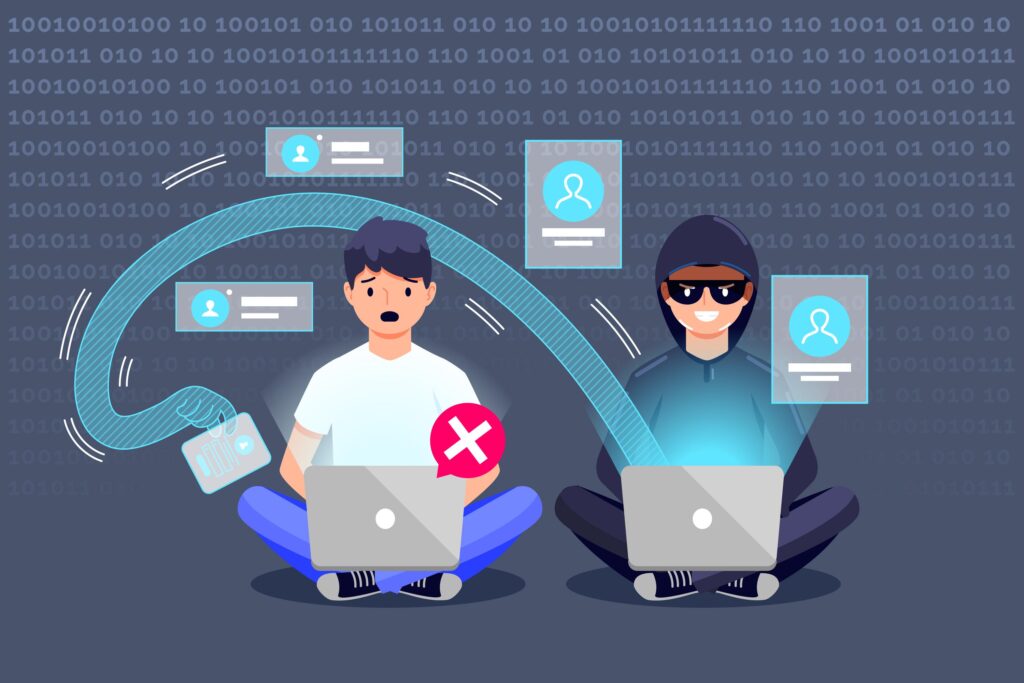
In today’s digitally-driven landscape, businesses are racing to stay ahead by innovating, producing, and distributing faster than ever. But with speed and accessibility comes a lurking danger—piracy. The term “anti-piracy” might seem like jargon relevant only to movie studios or software giants, but the truth is that every business, big or small, can become a victim. If you’ve ever wondered why your digital content appears on unverified platforms or noticed a dip in customer trust, you’re already feeling the effects of poor anti-piracy measures.

This blog will uncover the most common mistakes businesses make that expose them to piracy threats. By understanding and avoiding these pitfalls, you can better safeguard your brand and assets. We’ll cover everything from overlooking copyright basics to failing to invest in robust monitoring tools. If you want to strengthen your anti-piracy strategy and secure your digital content, you’re in the right place. Learn how AiPlex’s anti-piracy solutions can help.

What Every Business Should Know About Digital Piracy

Before diving into the specific mistakes, it’s crucial to understand the mechanics and risks of digital piracy in today’s business environment. With the explosive growth of digital platforms, the ease of duplicating and distributing content has increased, leaving many businesses vulnerable.

1. The Rise of Digital Content Theft

With growing digital transformation, businesses rely more on multimedia content—videos, eBooks, courses, designs, and more. Unfortunately, this content is easily copied and shared without permission. Anti-piracy measures are not just for entertainment giants anymore; they’re essential for e-commerce, education, and tech companies alike.

The growing sophistication of piracy tools means that pirated content often appears online minutes after its official release. Without immediate detection and takedown, this can result in revenue loss and damage to brand reputation. Businesses must recognize this as an urgent threat.

2. Piracy is a Legal and Financial Risk

Pirated content doesn’t just affect sales—it can lead to massive legal complications. Businesses may find themselves liable if they inadvertently use or distribute pirated material. Anti-piracy solutions not only protect your content but also shield you from potential legal backlash.

Moreover, investing in professional anti-piracy protection saves money in the long term. The cost of rectifying piracy-related damages—like litigation fees and brand restoration—can far outweigh the price of preventive measures.

3. The Importance of Copyright and Licensing

Understanding copyright law and securing proper licenses for all digital assets is foundational. Many businesses either ignore this step or don’t fully grasp its implications. Anti-piracy begins with strong internal awareness and legal clarity.

Failure to register or enforce copyrights can make it harder to pursue offenders in court. Licensing agreements should be specific and enforceable to prevent misuse or unauthorized sharing of digital assets.

4. Visibility is a Double-Edged Sword

Your content might go viral or get listed on multiple platforms to increase reach—but this also increases the chances of piracy. Each distribution channel is a potential leak. A comprehensive anti-piracy strategy involves continuous monitoring of all online platforms.

Popular search engines, social media channels, and peer-to-peer platforms are often used to distribute pirated content. Businesses must monitor these in real-time to identify infringements and respond swiftly.

5. Not All Piracy Is External

Employees, vendors, and partners can inadvertently—or intentionally—leak or misuse digital content. Internal security protocols, such as access restrictions and watermarking, are a necessary layer of anti-piracy defense.

Training staff on the importance of IP protection and auditing third-party usage can drastically reduce internal threats. Implementing digital rights management (DRM) tools helps track how and where content is accessed.

10 Mistakes Every Business Makes Leading to Anti-Piracy

Mistake 1: Not Using Watermarks on Digital Content

Watermarks are a simple yet effective deterrent. They embed identifying information into the content, discouraging unauthorized use. Still, many businesses skip this step, especially with demo content or previews.

Failure to watermark leaves your content vulnerable to cloning or misattribution. Even dynamic watermarks—which update based on user or access—can significantly strengthen your anti-piracy framework.

Mistake 2: Ignoring Regional Restrictions

Some companies don’t apply geolocation restrictions, inadvertently making their content available in piracy-prone regions. These regions often lack strict enforcement of copyright laws.

Using geo-blocking technology to control access is a critical step. Anti-piracy strategies must be customized based on where your content is most vulnerable.

Mistake 3: Underestimating Social Media Piracy

Social media platforms are a hotbed for pirated content. Businesses often overlook monitoring these spaces, allowing unauthorized posts and shares to go viral.

Platforms like Facebook, Reddit, and Telegram are commonly used to distribute pirated material. Implementing social media monitoring tools can flag unauthorized posts quickly.

Mistake 4: Using Insecure File Sharing Methods

Relying on public file-sharing services or unsecured cloud links for business transactions is a big mistake. These links can be easily copied and leaked.

Instead, use secure platforms with expiration controls, download tracking, and user authentication. Anti-piracy begins with how you share and store content.

Mistake 5: No Proactive Monitoring of Torrent and Dark Web Platforms

Torrent sites and dark web forums are common places where pirated content is distributed. Businesses not monitoring these spaces are missing key parts of the piracy ecosystem.

Tools that actively scan these platforms can help identify and take down unauthorized content. AiPlex offers robust monitoring solutions tailored for this.

Mistake 6: Not Partnering with an Anti-Piracy Service Provider

DIY anti-piracy efforts often fall short due to lack of resources and expertise. Partnering with experts ensures your protection strategy is up-to-date and comprehensive.

AiPlex, for example, uses AI-driven tools to detect, report, and remove pirated content across the web, giving you peace of mind and legal backing.

Mistake 7: Failing to Educate Teams on IP Protection

Anti-piracy starts within the organization. If your team isn’t aware of piracy risks and preventive protocols, they could unknowingly jeopardize your content.

Training sessions and internal policy documents help create a culture of IP respect. This is especially vital for companies handling large volumes of creative assets.

Mistake 8: Not Securing Streaming and Download Platforms

If your business provides streaming services or downloadable assets, these must be fortified with anti-piracy technologies like DRM, encryption, and tokenization.

Neglecting these protections can lead to large-scale leaks, especially during new content releases. Platform security should be revisited regularly.

Mistake 9: Lack of a Takedown Strategy

Detecting piracy is only half the battle. Without a rapid takedown protocol—via DMCA notices, cease-and-desist letters, or legal follow-ups—your content remains compromised.

AiPlex provides end-to-end takedown support, helping you act fast and effectively when infringements occur.

Mistake 10: Overlooking SEO and Web Crawlers

Pirated content often appears high in search engine results, stealing your traffic. Not optimizing your SEO or submitting proper site maps allows counterfeit copies to dominate SERPs.

With anti-piracy SEO practices, you can suppress pirated links and boost your original content’s visibility. Monitoring crawler activity is essential for this.

Why Choose AiPlex for Anti-Piracy Solutions?

AiPlex stands out as a comprehensive anti-piracy partner offering 360-degree protection for digital assets. With over a decade of experience, AiPlex has helped global brands protect their IP across entertainment, e-learning, software, and e-commerce sectors.

Their AI-powered detection tools scan thousands of sources in real-time, including social media, dark web, torrents, and streaming platforms. Coupled with a dedicated takedown team and legal expertise, AiPlex ensures your content is not just protected, but continuously monitored. Their services also include brand reputation management, helping you maintain authority in your niche. Whether you’re launching new digital content or scaling globally, AiPlex is your go-to anti-piracy partner.

Conclusion

Digital piracy is a silent business killer. While many companies focus on growth, branding, and user acquisition, they often ignore the silent leech—piracy. As we’ve seen, even simple oversights can expose your business to significant financial, legal, and reputational risks. By avoiding these 10 common mistakes, and by implementing a proactive anti-piracy strategy, you can protect your content, revenue, and brand integrity.

Don’t wait for a piracy incident to react. Be prepared. Be protected. Let AiPlex safeguard your digital assets so you can focus on growth. Discover how AiPlex can help.

Blog Summary

Piracy is not limited to the entertainment world—it affects all businesses dealing in digital content. From failing to use watermarks to neglecting dark web monitoring, companies often make preventable mistakes that invite piracy. This blog walked through 10 such pitfalls and emphasized how strategic anti-piracy measures can mitigate these risks. With AiPlex’s intelligent monitoring, secure content delivery, and rapid takedown support, your business can stay one step ahead of content thieves. Secure your brand today—because prevention is always better than a cure.

Best Practices to Strengthen Copyright Protection

Best Practices to Strengthen Copyright Protection

Introduction

In today’s digital-first world, protecting creative work is more important than ever. Whether you are a filmmaker, musician, author, or software developer, the rise of online content sharing brings both opportunities and risks. Your intellectual property, once uploaded, can be duplicated, distributed, or monetized without your consent. Copyright protection is no longer a formality—it’s an essential shield against unauthorized use, piracy, and revenue loss. If you’ve ever seen your work reposted without credit, you already understand the frustration and financial damage it can cause. Effective copyright protection strategies help ensure that your creativity remains rightfully yours.

This blog will guide you through the most effective, industry-approved best practices to strengthen copyright protection in the digital landscape. You’ll discover key preventive measures, monitoring techniques, legal considerations, and advanced tools to safeguard your content. By following these actionable steps, you’ll not only protect your intellectual property but also secure your revenue streams and professional reputation. At AiPlex Anti-Piracy, we specialize in helping creators, brands, and businesses implement robust copyright protection strategies. Learn how to stay ahead of infringers, and explore our Copyright Protection Services for comprehensive, tech-driven solutions.

Key Factors to Know Before Implementing Copyright Protection

Before diving into specific best practices, it’s important to understand the key factors that influence how effective your copyright protection efforts will be. These include the nature of your content, the platforms on which it’s shared, the potential piracy risks, and the legal frameworks governing intellectual property in different regions. Each of these elements shapes the measures you’ll need to take. For instance, protecting a film distributed globally requires different tactics than safeguarding a niche eBook sold in one country. Recognizing these nuances allows you to develop a more targeted and cost-effective strategy.

Another critical consideration is the balance between accessibility and protection. While you want your audience to easily engage with your work, making it too accessible without safeguards increases the risk of unauthorized copying or sharing. This is where digital rights management (DRM) tools, licensing agreements, and secure distribution channels play a crucial role. Additionally, you should assess how quickly you can detect and respond to infringement attempts—because timely intervention often determines whether you can successfully limit damage. A proactive, informed approach is the foundation of strong copyright protection.

Best Practices for Stronger Copyright Protection

1. Register Your Work

Even though copyright exists automatically upon creation in most countries, formal registration strengthens your legal position. It serves as official proof of ownership, making enforcement faster and easier in case of disputes. For businesses and creators with global audiences, registering your work in multiple jurisdictions can further enhance your protection. Registration also allows you to claim statutory damages and attorney’s fees in some legal systems, making it a strategic safeguard. Beyond the legal benefits, registration helps in building trust with partners, distributors, and clients, showing your commitment to securing your intellectual property.

2. Use Digital Watermarking

Digital watermarking embeds an invisible signature in your content. This allows you to track distribution, prove ownership, and identify sources of unauthorized sharing. Modern watermarking technologies can be applied to images, videos, and documents without affecting quality. For high-value assets like movies or premium courses, dynamic watermarking—where user-specific details are embedded—can discourage illicit sharing and make it easier to trace leaks. Combining watermarking with monitoring services allows you to quickly identify and address piracy before it spreads widely.

3. Implement DRM Solutions

Digital Rights Management (DRM) tools control how your content is accessed, copied, and shared. They can limit downloads, restrict screen captures, and enforce subscription or licensing terms, ensuring your content remains within authorized channels. DRM systems are particularly valuable for publishers, streaming services, and software providers. When combined with licensing controls, they ensure that your intellectual property is accessible only under agreed conditions. DRM also provides valuable analytics about how your content is consumed, which can guide marketing and distribution strategies.

4. Monitor Online Platforms

Regularly search for unauthorized uses of your content across websites, social media, and file-sharing networks. Automated monitoring services like AiPlex Anti-Piracy’s proprietary systems can detect and report infringements in real-time, enabling swift action. Continuous monitoring also provides valuable insights into piracy trends, helping you adapt your protection strategy to emerging threats. A strong monitoring system not only identifies violations but also helps map piracy hotspots, so you can focus enforcement efforts where they will be most effective.

5. Enforce Your Rights

When infringements occur, act quickly. Send takedown notices under laws like the DMCA, pursue legal action when necessary, and work with anti-piracy agencies to protect your content continuously. A strong enforcement record discourages potential infringers and reinforces your commitment to protecting your assets. Partnering with experts ensures you navigate complex legal landscapes efficiently. Clear enforcement policies, combined with consistent follow-through, demonstrate that you take piracy seriously.

6. Educate Your Audience

Sometimes, piracy stems from a lack of awareness. Inform your audience about the value of supporting creators, the legal implications of infringement, and where they can access your work legitimately. An educated audience is more likely to respect intellectual property rights. Campaigns that highlight the human effort behind creative work can foster empathy and reduce casual infringement. Encourage community support by offering behind-the-scenes content, exclusive perks, or early access to those who choose legitimate channels.

7. Secure Distribution Channels

Whether distributing music, videos, software, or eBooks, use secure platforms that prioritize intellectual property protection. Opt for vendors with built-in DRM, encryption, and anti-piracy protocols. Secure delivery not only reduces piracy but also enhances user trust. Implementing secure APIs, protected download links, and multi-factor authentication can further safeguard your content. Partnerships with reputable distribution platforms can also expand your reach while maintaining protection.

8. Use Licensing Agreements Effectively

Licensing agreements define how your work can be used, reproduced, or shared. Detailed contracts with clear terms and enforcement provisions reduce misunderstandings and unauthorized exploitation. Use tailored agreements for different types of partners, such as distributors, broadcasters, or educational institutions. Well-structured licenses ensure that you maintain control over your work while enabling legitimate revenue streams.

9. Leverage Technology for Proactive Protection

Emerging technologies like AI-driven content recognition, blockchain for proof of ownership, and machine learning algorithms for piracy detection are revolutionizing copyright protection. Investing in these tools enables faster detection and more precise enforcement. Proactive systems can identify potential threats before they escalate, ensuring your protection strategy stays ahead of piracy trends.

10. Collaborate with Industry Networks

Joining industry coalitions, professional associations, and anti-piracy alliances can strengthen your protection efforts. These networks share threat intelligence, coordinate enforcement campaigns, and lobby for stronger IP laws. Collective action often produces better results than isolated efforts, particularly in combating organized piracy operations.

Why Choose AiPlex Anti-Piracy

AiPlex Anti-Piracy combines advanced technology, legal expertise, and a proactive approach to protect your creative assets. Our team offers real-time monitoring, automated takedown processes, and global enforcement strategies tailored to your needs. We track infringing copies across platforms, take swift action to remove them, and adapt our methods to evolving piracy tactics. Our services go beyond detection and removal—we help you design long-term protection strategies, provide analytics on piracy trends, and ensure compliance with local and international IP laws. Whether you’re an independent creator or a large media company, we provide scalable solutions to safeguard your intellectual property against piracy and unauthorized use.

Conclusion

Strengthening copyright protection is not just about reacting to threats—it’s about anticipating them. By registering your work, applying watermarking, leveraging DRM, monitoring distribution channels, securing delivery methods, using effective licensing, adopting advanced technologies, educating audiences, and enforcing your rights, you create a multi-layered defense that deters infringers and preserves the value of your creations. With AiPlex Anti-Piracy as your partner, you can focus on innovation and creativity while we handle the heavy lifting of protecting your intellectual property. In a world where content moves at the speed of a click, proactive protection is not optional—it’s essential.

Copyright Protection vs Piracy: What You Must Know

Copyright Protection vs Piracy: What You Must Know

Introduction

Imagine spending months, even years, creating a piece of work—whether it’s a film, a software program, a book, or music—only to find it circulating online without your permission. This is the harsh reality many creators face today. The battle between copyright protection and piracy is ongoing, with both sides evolving as technology advances. Understanding how to safeguard your intellectual property isn’t just about avoiding losses; it’s about preserving the value of your creative effort. Copyright protection is the legal armor creators need to defend against the unauthorized use and distribution of their work.

In this blog, we’ll explore the key differences between copyright protection and piracy, what every creator should know about safeguarding their work, and the practical measures to combat infringement. We’ll break down essential concepts, explore anti-piracy tools and strategies, and explain how services like AiPlex can help protect your content worldwide. If you’re serious about defending your creative output, read on—because the right knowledge could save you thousands in lost revenue. Learn more about AiPlex’s copyright protection services and start securing your work today.


Understanding the Essentials Before Comparing Copyright Protection and Piracy

Before diving into the specifics, it’s important to have a clear understanding of what copyright actually means, how piracy undermines it, and why the law exists to protect creators. These foundational ideas will help you better appreciate the tools, strategies, and legal rights available to you as a creator or business owner.

Below, we’ll explore several core concepts in more detail—from defining intellectual property rights to understanding the economic impact of piracy. Each of these is crucial for making informed decisions about your protection strategy.

What is Copyright?

Copyright is a form of intellectual property law that grants creators exclusive rights to use, reproduce, and distribute their original works. It applies to a wide range of creations, including literature, music, films, software, and artistic works. These rights give authors control over how their work is used and enable them to monetize it through licensing or direct sales.

By securing copyright, a creator can prevent unauthorized use, reproduction, or modification of their work. This is the foundation of copyright protection, designed to encourage innovation by ensuring that creators benefit from their own efforts rather than losing revenue to infringers.

Defining Piracy in the Digital Age

Piracy refers to the unauthorized copying, distribution, or use of copyrighted material. In the digital era, this often takes the form of illegal downloads, unauthorized streaming, and counterfeit product sales. While piracy has always existed, technology has made it easier and faster to infringe on copyrights at scale.

Piracy harms both individual creators and entire industries. It erodes potential revenue, undermines legitimate distribution channels, and can damage brand reputation. Understanding what piracy is and how it operates is the first step in taking proactive measures to prevent it.

The Legal Framework Behind Copyright Protection

Copyright protection is governed by both national laws and international treaties, such as the Berne Convention and TRIPS Agreement. These frameworks ensure that creators enjoy protection in multiple countries and that infringement can be pursued across borders.

Enforcement of these laws varies depending on jurisdiction, but the underlying principle remains the same: to safeguard the rights of creators and promote fair competition. Knowing your legal standing allows you to act decisively against infringers, both locally and internationally.

The Economic Impact of Piracy

Piracy is not a victimless crime—it has significant financial repercussions. For industries like film, music, software, and publishing, piracy can mean billions in lost revenue annually. This loss directly affects jobs, reduces investment in new projects, and limits consumer choice in the long run.

For independent creators, even small-scale piracy can be devastating, eating into sales, licensing opportunities, and brand credibility. Understanding the economic stakes highlights why copyright protection should be a priority for every content owner.

Why Prevention is Better than Cure

While legal action is an important deterrent, preventing piracy before it happens is often more cost-effective and less disruptive. Implementing robust copyright protection measures, such as digital watermarking, encryption, and proactive monitoring, can stop infringement before it spreads.

A prevention-first approach not only saves money but also safeguards brand reputation and customer trust. By the time a piracy incident is discovered, significant damage may already have been done—making early action critical.


Key Differences Between Copyright Protection and Piracy

Copyright protection is a lawful, proactive framework designed to preserve and enforce ownership rights over creative works. Piracy, on the other hand, is the unlawful exploitation of these works without consent. Let’s examine the core differences.

Purpose and Legality

Copyright protection exists to reward creativity, stimulate innovation, and ensure fair compensation for creators. It operates within a clear legal structure.

Piracy is inherently illegal, aimed at bypassing payment or licensing requirements to gain unauthorized access to protected content. This illegality exposes perpetrators to lawsuits, fines, and even criminal charges.

Economic Consequences

Effective copyright protection enables revenue generation, job creation, and sustainable creative industries.

Piracy erodes market value, reduces incentives for creators, and destabilizes entire sectors, especially in entertainment and software.

Technological Measures

Copyright protection uses tools like DRM (Digital Rights Management), watermarking, and content ID systems to prevent and track infringement.

Pirates exploit loopholes in these technologies, develop circumvention methods, and often operate anonymously to avoid detection.

Impact on Reputation

Strong copyright enforcement boosts a creator’s credibility and trustworthiness in the marketplace.

Piracy can tarnish a brand’s image, especially when low-quality, unauthorized copies circulate, misleading consumers about the original work’s quality.

Global Reach

Copyright laws and anti-piracy technologies provide international protection via treaties and global enforcement networks.

Piracy networks also operate globally, making international cooperation essential for effective enforcement.


Tools and Strategies for Effective Copyright Protection

Digital Watermarking

Digital watermarking embeds invisible identifiers into media files, enabling rights holders to trace unauthorized copies.

This method acts as both a deterrent and a tool for legal evidence when pursuing infringers.

DRM and Encryption

Digital Rights Management and encryption restrict unauthorized access, copying, and distribution of content.

These measures ensure that only licensed users can view or use the protected material.

Automated Monitoring and Takedown Services

Advanced algorithms scan the web for unauthorized copies of protected content.

Services like AiPlex automate the process of detecting and removing infringing material quickly.

Legal Enforcement

Pursuing legal action against infringers reinforces the seriousness of copyright violations.

Collaboration with legal experts ensures cases are handled effectively and within jurisdictional limits.

Consumer Education

Raising awareness about the importance of copyright and the harm caused by piracy can influence consumer behavior.

Well-informed audiences are more likely to choose legal channels to access content.


Why Choose AiPlex for Copyright Protection

AiPlex offers end-to-end anti-piracy solutions that combine technology, legal expertise, and proactive monitoring. Their services include content protection, real-time monitoring, and global takedown capabilities.

With over a decade of experience, AiPlex has built a reputation for successfully safeguarding films, software, music, and other creative works worldwide.

Choosing AiPlex means partnering with a trusted team committed to preserving your intellectual property, maximizing your revenue, and maintaining your brand’s integrity.


Conclusion

Copyright protection is more than a legal formality—it’s an essential strategy for preserving the value of creative work. Piracy, while pervasive, can be effectively countered with the right combination of technology, legal action, and education.

By understanding the differences between protection and infringement, and by employing robust anti-piracy measures, creators can safeguard their work and ensure they receive fair compensation.

AiPlex provides the tools, expertise, and global reach to help you stay ahead of piracy threats. Protect your work today, and secure the rewards of your creativity for the future.

How Copyright Protection Shields Your Content

How Copyright Protection Shields Your Content

Introduction

Imagine spending weeks or months creating original content, only to find it being copied, reused, or monetized by someone else without your permission. Whether you’re a filmmaker, software developer, writer, or content creator, this scenario isn’t just frustrating—it can be financially damaging. That’s where copyright protection becomes your strongest defense. In today’s digital age, safeguarding your intellectual property is not just a luxury—it’s a necessity.

This blog explores everything you need to know about copyright protection—what it is, why it matters, and how it works in the digital realm. You’ll learn about essential facts, how to implement protection strategies, and discover options available to secure your work legally and effectively. By the end, you’ll understand how to better manage your content and avoid infringement issues. For those looking to streamline the process and work with experienced professionals, Aiplex Anti Piracy offers end-to-end solutions tailored to your needs.

Key Concepts You Must Know Before Using Copyright Protection Services

Before diving into the tools and solutions that copyright protection offers, it’s important to understand the legal, practical, and technological aspects that form the foundation of this field. Copyright isn’t just about registering your work—it’s about knowing your rights, identifying risks, and taking proactive measures to ensure long-term content security.

Understanding Copyright Laws in the Digital Era

With digital distribution exploding across platforms, knowing how copyright law applies online is crucial. The internet has made it easier to share content—but also easier to steal it. Understanding laws like the Digital Millennium Copyright Act (DMCA) is essential. This knowledge helps creators, developers, and companies take informed steps to protect their digital assets.

Laws vary across countries, so it’s vital to know how international copyright agreements might affect your content. For example, something protected in the U.S. may not automatically have protection in India or Europe. Professional services like Aiplex help navigate these complexities by offering region-specific strategies to ensure your intellectual property remains secure globally.

Types of Content That Require Protection

Not all content is treated equally under copyright. Written materials, videos, software, photographs, music, and even website designs are eligible for protection. But many creators don’t realize that even unpublished content is legally covered under copyright laws the moment it’s created and fixed in a tangible form.

If you’re producing any digital content, it’s crucial to assess what needs protecting. Businesses often overlook internal documentation, training videos, and proprietary designs, all of which may be valuable assets. Ensuring these materials are covered reduces the risk of unauthorized use or distribution.

The Difference Between Copyright, Trademark, and Patent

One common confusion among creators and business owners is understanding the distinction between copyright, trademark, and patent. Copyright protects original works like books, music, and videos. Trademarks protect brand elements like logos and slogans. Patents, on the other hand, protect inventions and technical processes.

Understanding the scope and limitations of each helps you make informed decisions about how to protect your intellectual property. In many cases, businesses benefit from a combination of protections to fully safeguard their assets. A service like Aiplex can help determine what coverage your business actually needs.

How Infringement Happens and Its Impacts

Content theft can happen in many ways—from direct plagiarism and piracy to subtle replications and unauthorized use. Infringement can lead to lost revenue, reduced brand trust, and expensive legal battles. Knowing the common methods of infringement can help you better monitor and respond to misuse.

For example, pirated software and duplicated digital courses are rampant across P2P networks and unauthorized sites. Identifying where your content might be vulnerable is the first step. Services like Aiplex use AI and monitoring tools to detect and take down infringed material swiftly.

Legal Remedies and Copyright Enforcement Mechanisms

When infringement does occur, you have legal remedies at your disposal. These include issuing cease-and-desist letters, filing DMCA takedown notices, and in some cases, pursuing lawsuits for damages. However, enforcement can be complex and time-consuming.

That’s why many creators and companies turn to third-party services like Aiplex. These providers handle copyright enforcement on your behalf, from identification to legal action. This ensures quicker response times and better results, without diverting resources from your core activities.

Top Solutions for Copyright Protection Today

AI-Powered Content Monitoring Tools

AI-based copyright monitoring tools help automate the process of detecting unauthorized use of your content across the internet. These tools scan websites, social media platforms, and marketplaces to flag matches and duplicates of your protected works.

Platforms like Aiplex utilize AI to track and take down pirated content in real time. This is especially useful for businesses with large content libraries or frequent uploads, ensuring 24/7 vigilance without human oversight.

Digital Watermarking for Visual Content

Digital watermarking embeds hidden data into images or videos to identify ownership. It doesn’t affect the visual quality but acts as a digital fingerprint that can be used to trace the source if content is misused.

This method is widely used in photography, videography, and design industries. When combined with detection software, watermarks provide a robust solution to track unauthorized distribution.

Blockchain for Copyright Verification

Blockchain technology is gaining traction in copyright protection. By storing metadata and timestamps on an immutable ledger, blockchain provides irrefutable proof of ownership. This can be particularly beneficial for freelancers, artists, and small studios.

Some platforms allow creators to register their content directly on a blockchain, which serves as a permanent record. Services like Aiplex are beginning to integrate these technologies to offer next-gen copyright security.

Automated Takedown Services

When pirated or plagiarized content is found, immediate action is key. Automated takedown services generate DMCA notices or other legal requests to remove infringing content from hosting platforms, search engines, and marketplaces.

With tools built into platforms like Aiplex, this process is faster and more efficient than manual reporting. It reduces the window in which pirated content can do damage, while keeping your brand and revenue intact.

Legal Consulting and Strategic Planning

Preventing copyright issues isn’t just about tools—it requires a strategic approach. Legal consulting helps tailor a copyright plan suited to your specific content type and distribution model. It also prepares you to take action quickly in case of disputes.

Engaging legal professionals through service providers like Aiplex ensures that your protection plan is comprehensive and adaptable to emerging threats.

Why Choose Aiplex Anti Piracy for Copyright Protection?

Aiplex Anti Piracy is a recognized leader in digital copyright protection with a suite of AI-powered solutions designed to keep your content secure. Whether you’re an individual creator or a large enterprise, Aiplex offers tailored services that include content tracking, takedown execution, and legal support.

What sets Aiplex apart is its global reach, automated systems, and industry expertise. From real-time monitoring to legal enforcement, their services are built to respond quickly and decisively to any infringement. Their solutions work across industries, including film, music, publishing, education, and more, making them a versatile partner in digital rights management.

With dedicated client support and continuous innovation, Aiplex ensures that your content stays protected while you focus on creating more. Their holistic approach means you get both preventive measures and active enforcement, a critical combination in today’s digital ecosystem.

Conclusion

In a world where content creation is easier than ever, content theft is equally rampant. That makes copyright protection not just beneficial but essential. Understanding your rights, knowing what content needs protection, and employing the right tools and services can make all the difference. From AI-driven monitoring to legal action, the landscape of copyright enforcement is rapidly evolving.

Services like Aiplex Anti Piracy stand out by offering comprehensive, tech-driven, and globally relevant solutions that ensure your content remains your own. By staying proactive and informed, you position yourself to reap the rewards of your creativity without falling victim to digital theft.

Summary

To summarize, copyright protection is the cornerstone of digital content security. Whether it’s a video, software, or an eBook, protecting your content starts with understanding legal frameworks and leveraging the right technology. AI tools, blockchain, watermarking, and legal services all play a role. Aiplex Anti Piracy brings all of these under one roof, providing creators and companies with a trusted, efficient partner in the fight against content theft. Choosing Aiplex means choosing peace of mind and professional excellence in digital copyright protection.

Top Risks You Face Without Copyright Protection

Top Risks You Face Without Copyright Protection

Imagine investing your time, creativity, and capital into developing original content—only to have it stolen, duplicated, or exploited without your permission. In today’s digital world, this scenario is all too common. From filmmakers and musicians to software developers and e-commerce brands, every creator is vulnerable without proper copyright protection in place. The consequences range from lost revenue to long-term reputational harm. This blog dives deep into why protecting your intellectual property isn’t just advisable; it’s essential.

In this comprehensive guide, we will outline the major risks of operating without copyright protection. Each section will help you understand how unprotected content can be misused and why partnering with a specialized agency like Aiplex Anti-Piracy ensures your rights are enforced. Let’s explore the landscape and uncover the unseen dangers.

What You Need to Know Before Ignoring Copyright Protection

Before delving into the specific risks, it’s crucial to grasp the foundational concepts of copyright law. Many assume that merely creating content offers sufficient protection, but the reality is far more complex. From legal enforcement challenges to the borderless nature of the internet, copyright vulnerability is more significant than ever.

1. Your Content Is Not Automatically Enforced

While your original work is technically protected upon creation, enforcement is another story. Without registration or legal monitoring, asserting your rights can be difficult, especially across jurisdictions. Piracy and unauthorized use often go unchecked.

A copyright protection service provides surveillance, takedown protocols, and legal expertise to identify and respond to infringement quickly.

2. Piracy Happens Faster Than You Think

With the rise of torrents, file-sharing networks, and AI-generated duplication, your content can be pirated within minutes of release. This is especially true for films, eBooks, music, and online courses.

Specialized anti-piracy firms monitor the dark web, streaming sites, and file-sharing platforms in real-time. They use automated tools to detect misuse and issue takedowns.

3. You May Lose Licensing Revenue

Unlicensed use of your content can directly impact your earning potential. When your work is available freely or through unauthorized channels, why would anyone pay for it?

Copyright protection services help safeguard licensing arrangements, ensuring that only approved platforms host your content. This protects revenue streams while maintaining exclusivity.

4. Search Engine Visibility Gets Hijacked

Pirated content can often outrank your official version in search engines. This not only diverts traffic but also undermines your brand’s credibility and reach.

Agencies use SEO-focused takedown strategies to demote or remove unauthorized content from Google and other search engines, giving your original work the visibility it deserves.

5. Your Brand Reputation Takes a Hit

When your work is seen on spammy or low-quality platforms, audiences may associate it with inferior quality. Worse, counterfeit versions may include harmful malware, damaging user trust and your brand.

Anti-piracy services work to maintain the authenticity of your content across digital spaces. This control over distribution preserves your professional reputation.

Key Areas Where Copyright Protection Matters

Understanding the risks is only the beginning. Here are specific domains and industries where copyright protection is not just helpful but absolutely necessary. These are the most vulnerable zones where infringers actively seek unguarded opportunities.

Film and Television Content

The entertainment industry faces relentless piracy, often hours after content is released. Unlicensed distribution not only cuts into profits but also discourages investment in future productions.

Aiplex offers industry-specific tools that detect illegal uploads on streaming platforms, torrents, and social media. This targeted approach minimizes leaks and revenue loss.

Educational and E-Learning Platforms

E-learning platforms spend years developing courses and proprietary learning materials. Once pirated, these assets lose their commercial value and are distributed without context or support.

Copyright monitoring ensures course materials are available only to paying users and through authorized platforms, protecting both educators and learners.

Music and Audio Content

Music piracy may seem like an age-old issue, but it persists in new forms like unauthorized YouTube uploads and streaming fraud. Artists and labels lose millions annually.

Using audio fingerprinting and rights management tools, copyright agencies can identify infringements and monetize or remove them.

Software and Mobile Applications

Code theft and software duplication are rising threats. Cracked versions of apps not only hurt sales but also introduce security risks for users.

Effective copyright protection ensures your intellectual codebase is monitored and counterfeits are deindexed or removed swiftly.

Publishing and Digital Media

From novels to articles and blog posts, written content is routinely lifted and reused without credit. Duplicate content damages SEO and reduces audience loyalty.

Through content fingerprinting and takedown notices, agencies like Aiplex protect written works from plagiarism and unauthorized syndication.

Why Choose Aiplex Anti-Piracy for Copyright Protection

Aiplex Anti-Piracy is a global leader in copyright protection, offering comprehensive services across film, software, music, publishing, and more. Their multi-layered solutions combine AI technology with legal precision to detect and counteract piracy at scale.

What sets Aiplex apart is its proactive stance. Instead of waiting for infringement to occur, they deploy continuous monitoring, predictive threat analysis, and instant takedown actions. From DMCA notices to brand monitoring dashboards, every aspect is tailored to defend your intellectual property in real time. Learn more about Aiplex Anti-Piracy.

Conclusion

Neglecting copyright protection is no longer an option in the digital age. The threats are not theoretical—they’re active, growing, and sophisticated. Whether you’re an individual creator or a large enterprise, your content is at risk the moment it goes online.

By understanding the major vulnerabilities and enlisting professional help, you can ensure that your intellectual assets remain safe, profitable, and respected. Copyright protection is not just legal compliance—it’s business resilience.

Summary

In this blog, we discussed the top risks associated with lacking copyright protection and how these vulnerabilities can affect revenue, visibility, and reputation. From piracy and SEO hijacking to brand damage and licensing loss, the dangers are extensive. We also outlined critical areas such as software, publishing, e-learning, and entertainment where protection is vital. Aiplex Anti-Piracy offers world-class services that safeguard your content 24/7, giving you peace of mind and complete control over your creative assets. Get protected with Aiplex today.

Why Your Business Can’t Afford to Ignore Brand Protection

Why Your Business Can’t Afford to Ignore Brand Protection

Introduction

Brand Protection Services are vital in a world where counterfeiting and intellectual property theft threaten even the most established companies. Imagine dedicating years to building your brand, only to find fake versions of your products sold online and offline. Without the right protection, this is more than a risk—it’s a reality. Counterfeiters don’t just steal profits; they ruin reputations, erode consumer trust, and can even compromise public safety.

In this guide, we’ll break down the dangers of operating without brand protection and explore how modern solutions safeguard your reputation, revenue, and customer base. From real-time takedown tools to global enforcement strategies, discover how to proactively secure your brand identity. AiPlex Anti Piracy offers the expertise and tools needed to protect your business from evolving threats.


The Growing Need for Brand Protection Services

The Surge of E-Commerce and Counterfeiting The rise of online marketplaces like Amazon, Alibaba, and Instagram storefronts has created fertile ground for counterfeiters. These sellers often replicate genuine branding with such precision that even informed buyers are deceived. Without effective brand protection services, businesses risk losing both revenue and consumer trust.

Advanced Intellectual Property Theft Tactics Modern counterfeiters exploit technology and legal loopholes across jurisdictions. They use AI tools to clone logos, labels, and even product reviews. Businesses need services that offer legal expertise and digital monitoring to combat these increasingly sophisticated threats.

Reputation and Revenue at Risk Every fake sold under your name damages your credibility. Worse, unsatisfied customers may blame your brand for the poor quality. Brand protection services actively track down and remove counterfeit listings, preserving your market reputation and preventing long-term losses.

Legal Exposure and Compliance Risks Failing to act against counterfeiters can make your company vulnerable to lawsuits, especially in regulated sectors like healthcare and electronics. Professional protection services ensure you’re legally prepared to defend your brand.


Top Features to Expect from Effective Brand Protection Services

AI-Driven Monitoring Tools Using image recognition, keyword alerts, and geolocation filters, AI tools help scan digital platforms for infringing content. These tools ensure 24/7 surveillance across e-commerce, social media, and even dark web channels.

Fast Takedown and Enforcement Top providers like AiPlex Anti Piracy have direct relationships with marketplaces and platforms, enabling them to take down infringing content quickly. Speed is critical when a counterfeit listing can reach thousands in hours.

Localized Global Enforcement Because counterfeiting is a cross-border issue, a strong brand protection service offers multilingual support and connections with global law enforcement agencies.

Legal Expertise and Documentation Support From cease-and-desist letters to courtroom preparation, legal professionals in brand protection teams help companies navigate IP laws and take swift legal action against offenders.

Strategic Reporting and Trend Analysis Real-time dashboards and monthly analytics reveal where, how, and why your brand is targeted. This information empowers businesses to update distribution strategies and close gaps.


Who Suffers When Brand Protection Services Are Missing?

Businesses and Employees From shrinking profit margins to rising customer complaints, companies without brand protection often face higher operating costs and lower workforce morale.

Consumers and Public Safety Fake pharmaceuticals, cosmetics, or electronics pose real health risks. Without proactive removal strategies, customers are exposed to harmful products.

Governments and Tax Systems Counterfeit markets evade taxes and regulatory frameworks, causing billions in lost revenue and diverting resources from essential services.

Online Retailers and Marketplaces A high rate of counterfeit activity leads to a loss of consumer confidence. This impacts not only counterfeit brands but also legitimate sellers operating on these platforms.

Brand Partners and Investors Brand equity is vital in forming licensing agreements and attracting investment. Without protection, your brand becomes a liability instead of an asset.


What You Risk Without Investing in Brand Protection Services

  • Unchecked growth of counterfeit listings across platforms like eBay, Shopee, and Amazon
  • Legal inaction due to lack of documentation and digital evidence
  • Expensive damage control campaigns to rebuild public trust
  • Competitive disadvantage against brands with strong protection frameworks
  • Permanent loss of customer loyalty due to bad experiences with fake products

How AiPlex Anti Piracy Delivers Industry-Leading Brand Protection

AiPlex Anti Piracy is a pioneer in proactive brand protection. With 20+ years in digital enforcement, they offer end-to-end solutions for brands across industries.

Key Offerings:

  • Automated Monitoring: Round-the-clock scanning of global platforms.
  • Rapid Takedown: Priority handling with online retailers and legal bodies.
  • Cross-Border Enforcement: Collaboration with customs, domain registrars, and law firms worldwide.
  • Insightful Reporting: In-depth analytics to guide future product and legal strategies.
  • Scalable Solutions: Suitable for small businesses, enterprises, and everything in between.

Clients trust AiPlex for their transparency, technological edge, and consistent results. Discover more at aiplexantipiracy.com.


Conclusion: Secure Your Brand Before It’s Too Late

Brand Protection Services are essential, not optional. Counterfeiters operate faster than ever and will exploit any brand left unguarded. Don’t let years of investment, customer trust, and product innovation be undone by fakes.

With expert support from AiPlex Anti Piracy, you gain a comprehensive shield that protects your brand across all channels. Be proactive. Be protected. Act today to secure your brand’s future.


FAQs

What are Brand Protection Services? They detect, monitor, and remove unauthorized use of your brand assets.

Why are these services important now? Because online counterfeiting is growing rapidly and affects both revenue and customer trust.

Do small businesses need brand protection? Yes. Scalable plans are available for startups and SMEs.

How fast are counterfeits removed? With AiPlex, takedowns can happen in hours or days, depending on the platform.

Do these services include legal support? Yes. Many, including AiPlex, offer legal assistance and documentation.

Can these services help fight piracy? Absolutely. They protect movies, software, and digital content too.

How do I get started with AiPlex? Visit aiplexantipiracy.com for a free consultation.


DMCA Takedown Notice: A Complete Guide

DMCA Takedown Notice: A Complete Guide

Introduction

In today’s fast-paced digital world, protecting your original content has become more challenging than ever. Whether you’re a filmmaker, a writer, a photographer, or a brand, the risk of having your work copied, pirated, or misused online is alarmingly high. This is where a DMCA takedown notice comes into play. It’s a powerful legal tool that helps you remove unauthorized use of your content from websites, search engines, and online platforms. If you’ve ever felt frustrated seeing your work stolen and shared without permission, understanding the DMCA process is the first step toward reclaiming control.

This complete guide will explain what a DMCA takedown is, how it works, and the steps required to file one. You’ll also learn about common mistakes to avoid and why working with experts like AiPlex Anti-Piracy makes the process seamless. By the end, you’ll know exactly how to safeguard your creative assets online. Learn more about our DMCA services here.


Things to Know Before Filing a DMCA Takedown

Before you start filing a DMCA takedown notice, it’s essential to understand the basics of how it works. Let’s break down some key points you need to know.

What is the DMCA and How Does it Protect You?

The Digital Millennium Copyright Act (DMCA) is a U.S. law created to help copyright holders protect their work in the digital age. It allows creators to request the removal of infringing content from websites, social media platforms, and hosting services. This means if someone uploads your movie, ebook, image, or music without permission, you have the legal right to ask for it to be taken down.

The DMCA also provides protection to online service providers, as long as they comply with valid takedown requests. For creators, this law is a safety net that ensures you can maintain ownership and control over your intellectual property.

What Qualifies as Copyright Infringement?

Not all copied content qualifies as infringement. Under the DMCA, the work must be original and fixed in a tangible form. For example, a film, a blog post, or a photograph you created would qualify. However, ideas, concepts, or facts generally cannot be copyrighted.

Additionally, there are exceptions such as “fair use,” which allows limited use of copyrighted material for purposes like commentary, criticism, or education. Understanding these nuances helps you avoid filing invalid takedown notices.

Who Can File a DMCA Takedown Notice?

Only the copyright owner or an authorized representative can file a DMCA takedown notice. If you’re a filmmaker, musician, or brand owner, you can file on your own behalf. However, many creators prefer to work with anti-piracy experts like AiPlex Anti-Piracy, who handle the process professionally and ensure compliance with all legal requirements.

This is especially useful for businesses dealing with mass piracy, such as film studios or digital content platforms.

Where Can a DMCA Takedown Be Filed?

A DMCA takedown notice can be sent to multiple entities:

  • Website owners hosting infringing content
  • Web hosting providers
  • Search engines like Google or Bing
  • Social media platforms like YouTube, Facebook, and Instagram

Filing in the right place increases the chances of quick removal. Platforms are legally required to respond promptly to valid notices.

What Happens After Filing a DMCA Notice?

Once you file a takedown request, the hosting platform or service provider reviews it. If it meets legal requirements, the infringing content is removed. However, the uploader may respond with a counter-notice, claiming they have the right to use the content.

If that happens, you may need to take further legal action to resolve the dispute. Working with a professional DMCA takedown service ensures you’re prepared for such scenarios.


Step-by-Step Process of Filing a DMCA Takedown

Now that you know the basics, let’s walk through the filing process step by step.

Identify the Infringing Content

The first step is to locate the exact URL of the infringing content. Without a specific link, your notice may be rejected. Take screenshots and gather evidence to support your claim.

Verify Your Ownership

Before filing, ensure you have proof of ownership. This could be a copyright registration certificate, original files with metadata, or any documentation showing you created the content.

Draft a Proper Takedown Notice

A valid DMCA notice must include:

  • Your contact information
  • A clear description of the copyrighted work
  • The URL of the infringing content
  • A statement that you have a good faith belief the use is unauthorized
  • A statement under penalty of perjury that the information is accurate
  • Your signature

Submit to the Appropriate Platform

Send your notice to the website host, platform, or search engine. For example, Google has an online form for DMCA requests. Each platform may have slightly different submission processes.

Monitor and Follow Up

After submission, monitor the platform for compliance. In many cases, the content is removed within 24-72 hours. If it isn’t, you may need to escalate the issue legally.


Common Mistakes to Avoid When Filing a DMCA Notice

While the process seems straightforward, many creators make mistakes that cause delays or rejections.

Filing Without Proper Evidence

Submitting a notice without proof of ownership can result in it being ignored. Always have documentation ready to establish your rights.

Targeting Non-Infringing Content

Misidentifying fair use or public domain content can lead to legal backlash. Always verify before filing.

Not Following Platform Guidelines

Each platform has its own DMCA submission process. Failing to follow their requirements can lead to rejection.

Working with an experienced anti-piracy team helps avoid these pitfalls.


Why Choose AiPlex Anti-Piracy Solutions?

While you can file a DMCA takedown yourself, managing piracy at scale is time-consuming and complex. AiPlex Anti-Piracy offers end-to-end content protection services tailored to creators, studios, and businesses.

Our team monitors the web for infringing content, files legally compliant takedown notices, and ensures persistent enforcement to keep your work safe. With years of expertise in digital rights management, AiPlex saves you time, minimizes stress, and maximizes results.

Explore our DMCA takedown services to safeguard your intellectual property today.


Conclusion

Online piracy is a growing threat, but with the right tools and expertise, you can protect your work effectively. A DMCA takedown notice remains one of the most efficient ways to remove unauthorized content quickly. By understanding the basics, knowing where and how to file, and avoiding common mistakes, you can maintain control over your intellectual property.

For creators and businesses dealing with widespread piracy, partnering with experts like AiPlex Anti-Piracy ensures seamless enforcement and long-term protection. Don’t let piracy undermine your hard work—take action today and keep your content secure.


FAQs

1. What does a DMCA takedown notice do?
It requests the removal of unauthorized use of your copyrighted content from online platforms.

2. Who can issue a DMCA takedown?
The copyright owner or an authorized representative.

3. How long does it take for content to be removed?
Typically within 24–72 hours, depending on the platform.

4. Does DMCA apply outside the U.S.?
While it’s a U.S. law, many international platforms honor DMCA notices.

5. What happens if someone files a counter-notice?
You may need to pursue further legal action to uphold your rights.

6. Can I file a DMCA takedown for images?
Yes, images, videos, music, and written content are all protected.

7. What if my notice is ignored?
You can escalate by contacting the hosting provider or taking legal action.

8. Is DMCA filing free?
Yes, filing is free, but managing large-scale piracy may require professional help.

9. Can false DMCA claims have consequences?
Yes, knowingly filing false claims can result in legal penalties.

10. How can AiPlex help with DMCA takedowns?
We monitor, identify, and remove infringing content efficiently, saving you time and resources.

What Is a DMCA Takedown and How to File One

What Is a DMCA Takedown and How to File One

Introduction

The internet has made it easier than ever for creators to share their work with a global audience. However, it has also opened the door for widespread copyright infringement. From stolen images and videos to pirated movies and software, unauthorized content distribution is rampant online. This is where a DMCA takedown becomes a powerful tool for protecting your intellectual property. With a properly filed notice, you can request the removal of infringing content from websites, search engines, and hosting platforms, safeguarding your creative work from misuse.

In this blog, we’ll explain what a DMCA takedown is, why it’s essential for content creators, and how you can file one effectively. We’ll also highlight the role of professional services like AiPlex Anti-Piracy in streamlining the process for better results. By the end, you’ll have a clear understanding of how to protect your digital assets with ease. Learn more about AiPlex’s DMCA services here.


Things to Know Before Filing a DMCA Takedown

Before you file a DMCA takedown, it’s important to understand the legal framework and how the process works. Knowing what to include in your notice and the platforms’ policies can save you time and increase your chances of success. Let’s look at the key points you should be aware of before initiating the process.

What Does DMCA Stand For?

DMCA stands for the Digital Millennium Copyright Act, a U.S. law enacted in 1998 to protect digital content from unauthorized use. It allows copyright owners to request the removal of infringing material from the internet. Although it’s a U.S. law, many international platforms comply with DMCA notices to avoid legal issues, making it an effective global content protection strategy.

The DMCA also provides a safe harbor for platforms, meaning they are not liable for user-generated content as long as they respond to valid takedown notices. This makes filing a proper DMCA request the most direct way to remove infringing material quickly.

How Does a DMCA Takedown Work?

A DMCA takedown involves sending a formal notice to a website, hosting provider, or search engine requesting the removal of content that violates your copyright. The notice must include specific details, such as the URL of the infringing content, a description of your original work, and a statement of good faith. Once the platform reviews your request, they typically remove or disable access to the infringing material.

However, it’s important to draft the notice accurately. An incomplete or incorrect request may be rejected, delaying the process. Professional anti-piracy services like AiPlex ensure that every notice is legally compliant and effective in achieving faster takedowns.

Who Can File a DMCA Takedown?

Only the copyright owner or their authorized agent can file a DMCA takedown notice. If you’re a creator, business, or rights holder, you have the legal right to request the removal of unauthorized copies of your work. However, if you manage content for someone else, you must have written authorization to act on their behalf.

For businesses managing large volumes of content, outsourcing DMCA enforcement to experts like AiPlex can save time and ensure consistency across multiple infringement cases.

Which Platforms Accept DMCA Notices?

Most major platforms, including Google, YouTube, Facebook, Twitter, and Instagram, have established DMCA policies and online submission forms. By filing a notice, you can remove infringing links from search results, social media posts, and even entire websites hosting pirated content. However, some offshore hosting providers may ignore DMCA notices, making professional support essential.

Additionally, search engines like Google allow you to request the removal of infringing URLs from their index, preventing them from appearing in search results and reducing visibility for unauthorized copies.

What Happens After You File a DMCA?

Once a DMCA takedown notice is submitted, the platform usually responds within 24–72 hours. They will either remove the infringing content or contact the uploader. In some cases, the uploader may file a counter-notice claiming that the content does not violate copyright. If this happens, you may need to pursue further legal action to maintain the takedown.

This is why it’s crucial to work with experts like AiPlex who can manage both the initial takedown process and any potential counter-notices effectively.


Step-by-Step Guide to Filing a DMCA Takedown

Now that you know the basics, let’s break down the process of filing a DMCA takedown request step by step. Following these guidelines will help you avoid mistakes and ensure faster results.

Step 1: Identify the Infringing Content

The first step is to locate the unauthorized use of your content. This could be a website hosting pirated movies, a blog copying your articles, or a social media page sharing your images without permission. Make sure to collect the exact URLs where the infringement occurs, as this information is essential for the takedown request.

Professional monitoring tools like those used by AiPlex can scan the web for infringements automatically, saving you the time and effort of manual searches.

Step 2: Gather Proof of Ownership

Before filing a DMCA notice, you need to prove that you are the rightful owner of the content. This may include original files, timestamps, publication records, or any legal documentation that confirms your copyright. Having this evidence ready ensures that your takedown request is valid and harder to dispute.

For businesses managing multiple copyrights, keeping a centralized record of ownership details helps streamline the process and avoid delays when filing notices.

Step 3: Draft a Legally Compliant Notice

A valid DMCA takedown notice must include the following:

  • Your contact information
  • A description of your copyrighted work
  • The URLs of the infringing content
  • A statement of good faith belief
  • A declaration under penalty of perjury that the notice is accurate
  • Your signature (digital or physical)

Ensuring accuracy is critical—any errors can result in rejection. AiPlex helps craft precise and legally sound notices for maximum effectiveness.

Step 4: Submit the Notice to the Right Platform

Once your notice is ready, submit it through the appropriate platform. Most sites have a DMCA submission form or a designated email for copyright complaints. If you’re dealing with search engines like Google, you can use their legal removal request tool to delist infringing URLs from search results.

For complex cases involving multiple platforms, a coordinated submission strategy is essential to ensure all instances of infringement are addressed simultaneously.

Step 5: Monitor the Outcome

After submitting the notice, monitor the platform’s response. In most cases, the infringing content will be removed within a few days. However, some sites may delay action or require additional verification. Professional services like AiPlex track responses and follow up as needed to ensure full compliance.

Ongoing monitoring is also important to catch any future re-uploads of the same infringing content.


Why Use Professional DMCA Takedown Services?

Filing a DMCA takedown manually can be time-consuming and legally complex. Professional anti-piracy services like AiPlex offer a streamlined solution by:

  • Identifying infringing content across the web
  • Preparing and submitting legally compliant notices
  • Monitoring for counter-notices and repeat infringements
  • Providing continuous protection through automated scanning

This ensures a higher success rate, faster removals, and peace of mind knowing your content is in expert hands. Discover AiPlex’s DMCA takedown services here.


Why Choose AiPlex Anti-Piracy for DMCA Enforcement?

AiPlex Anti-Piracy specializes in protecting creators, businesses, and studios from online copyright violations. Our advanced technology and legal expertise make the DMCA takedown process faster and more effective. We proactively monitor the web, identify infringements, and ensure unauthorized content is swiftly removed.

By partnering with AiPlex, you save valuable time and resources while ensuring your intellectual property remains protected. Whether it’s a single case or ongoing enforcement, AiPlex provides comprehensive solutions tailored to your needs.


Conclusion

A DMCA takedown is one of the most effective ways to remove unauthorized content from the internet. By understanding how the process works and filing accurate notices, you can protect your creative work, maintain your brand reputation, and recover lost revenue. However, managing takedowns manually can be overwhelming, especially if you’re dealing with multiple platforms and repeat infringements.

That’s why partnering with experts like AiPlex Anti-Piracy is the smart choice. With advanced tools, legal expertise, and proactive monitoring, AiPlex ensures your content remains safe from piracy. Take control of your digital assets today and keep your work where it belongs—under your ownership.


FAQs

  1. What is a DMCA takedown notice?
    It’s a legal request to remove unauthorized content that infringes your copyright.
  2. Who can file a DMCA takedown?
    Only the copyright owner or an authorized agent can file a valid notice.
  3. How long does it take for content to be removed?
    Most platforms respond within 24–72 hours of receiving a valid notice.
  4. Does DMCA apply outside the U.S.?
    While it’s a U.S. law, many international platforms honor DMCA notices.
  5. What if the infringer disputes the takedown?
    They can file a counter-notice, after which you may need legal action.
  6. Can DMCA remove search engine results?
    Yes, search engines like Google can delist infringing URLs from their index.
  7. What happens if a site ignores a DMCA notice?
    You may need professional help or legal enforcement to escalate the issue.
  8. Can I automate DMCA takedowns?
    Yes, with AiPlex, you can automate monitoring and enforcement.
  9. Does DMCA cover all types of content?
    It protects text, images, videos, music, software, and other creative works.
  10. Why choose AiPlex for DMCA services?
    AiPlex offers expert handling, faster removals, and proactive protection.

Latest Trends in Global Movie Piracy Control

Latest Trends in Global Movie Piracy Control

Latest Trends in Global Movie Piracy Control

Movie piracy continues to challenge the global film industry, evolving alongside digital technology. From torrents to illegal streaming platforms, piracy methods are becoming more sophisticated. In response, copyright holders and governments are adopting advanced strategies to combat this digital threat.

This article explores the latest trends in global movie piracy control and what they mean for filmmakers, studios, and content distributors.


The Rise of Real-Time Piracy Monitoring Tools

One of the most significant trends in combating piracy is the deployment of real-time piracy detection systems. These tools scan peer-to-peer networks, social media, and streaming sites to detect infringing content almost immediately after it goes live.

Platforms like Muso and MarkMonitor now offer real-time alerts, allowing studios to act fast. This level of responsiveness reduces revenue loss and helps retain control over content distribution.


AI and Machine Learning in Piracy Control

Artificial Intelligence is revolutionizing movie piracy prevention. Machine learning algorithms can now detect copyright violations by analyzing metadata, watermarks, and content signatures across thousands of platforms in seconds.

For example, AI bots can track where pirated versions are being uploaded and generate automated DMCA notices, increasing takedown efficiency. This minimizes human error and speeds up enforcement.


Geo-Blocking and Digital Rights Management (DRM)

Geo-blocking technology is increasingly used by streaming services and content owners to restrict access to unauthorized regions. It’s a major deterrent for piracy, especially when content is released at different times across countries.

Meanwhile, DRM protocols such as Widevine and PlayReady offer secure content encryption, making it difficult for pirates to duplicate or redistribute high-quality files.


Legal Enforcement and International Cooperation

Governments are stepping up efforts to tighten piracy laws. Countries like India, the UK, and the U.S. are issuing stricter penalties and quicker enforcement of takedown notices.

In many regions, legal frameworks have been updated to better support cross-border collaboration. The Alliance for Creativity and Entertainment (ACE) has emerged as a key player, facilitating global piracy crackdowns through cooperation with ISPs, legal bodies, and media giants.
Read more on ACE’s official site.


The Role of Blockchain in Copyright Protection

Blockchain is emerging as a secure solution for digital content protection. It offers immutable timestamping, ensuring that ownership of creative content is easily verifiable.

Projects like Ascribe and Po.et allow creators to register their work on blockchain, making it easier to prove copyright and take swift legal action in case of infringement.


Education and Public Awareness Campaigns

Another effective method in reducing movie piracy is consumer education. Studios and copyright organizations are investing in campaigns to inform audiences about the ethical and financial impact of piracy.

Increased transparency about how piracy affects small creators, job losses, and film budgets is slowly helping to shift public perception and reduce illegal consumption.


Internal and Outbound Linking Strategy

To learn more about how copyright owners are protecting their rights, check out our guide on DMCA Takedown Notice: A Complete Guide.

Also, here’s an informative article from WIPO (World Intellectual Property Organization) on the legal evolution of piracy control.


Final Thoughts

Movie piracy isn’t going away—but the fight against it is smarter, faster, and more global than ever. With advancements in technology, stronger legal frameworks, and international collaboration, the film industry is better equipped to protect its content.

Whether you’re an indie creator or a major studio, staying informed about these latest piracy control trends is crucial for securing your intellectual property in the digital age.


FAQs About Global Movie Piracy Control

1. What is the biggest threat in modern movie piracy?
Illegal streaming platforms that monetize pirated content remain the most persistent threat today.

2. How does AI help in fighting piracy?
AI tools scan the web for infringing content, generate takedown notices, and provide real-time alerts.

3. Are DRM and geo-blocking effective?
Yes, both limit unauthorized access and copying, although pirates continue to find workarounds.

4. What role does blockchain play in copyright protection?
Blockchain ensures proof of ownership through timestamped records, helping creators secure their content.

5. Why is public awareness important in piracy prevention?
Educated consumers are less likely to support piracy when they understand its real-world consequences.

6. Can small creators use piracy control tools?
Yes, many tools and platforms offer affordable or even free services tailored to independent creators.

7. Is legal action always necessary?
Not always. Many platforms comply with DMCA takedown notices without court involvement.

8. What is ACE?
The Alliance for Creativity and Entertainment is a global coalition fighting digital piracy.

9. Can piracy ever be fully stopped?
Complete eradication is unlikely, but evolving tech can significantly reduce its scale.

10. How can I start protecting my content?
Begin with watermarking, real-time monitoring tools, and registering your work with DMCA services.