by AI Admin | Copyright types
Digital creators, production houses, OTT platforms, publishers, and independent artists often invest significant time and capital into building original content, only to realize that ownership and protection are not as straightforward as they first assumed. Whether you produce films, music, software, eBooks, online courses, or visual art, understanding copyright types is essential to safeguarding what you create. Without clarity on how different rights apply, monetization strategies, licensing agreements, and enforcement actions can quickly become complicated and risky.
This guide breaks down copyright types in a structured and practical way so digital content owners can understand exactly what protections apply to their work. You will learn how each type functions, what it covers, and how it influences distribution, licensing, and enforcement decisions. If you are looking to strengthen your protection strategy, combining knowledge of copyright types with professional anti-piracy solutions from Aiplex can significantly reduce risk. Explore their services through their official website to ensure your digital assets remain secure and profitable.
Important Things to Know Before Understanding Copyright Types
Before exploring individual copyright types, it is important to understand the foundational principles that govern ownership, duration, enforcement, and commercial exploitation. Copyright law operates within a defined legal framework, but its practical application varies depending on the nature of the content and how it is distributed. Digital distribution, global access, and real-time sharing have introduced additional layers of complexity that content owners must consider when planning protection strategies.
The following sections clarify the essential elements you should understand before categorizing your content under specific copyright types. These principles influence how rights are divided, transferred, licensed, and enforced. A strong grasp of these fundamentals will help you structure contracts correctly, identify infringements accurately, and collaborate with anti-piracy experts when enforcement becomes necessary.
Originality and Fixation Requirements
- For any copyright to exist, the work must be original and fixed in a tangible medium. Originality does not require absolute uniqueness, but it does demand independent creation and a minimal degree of creativity. Fixation means the work must be recorded in some stable form, whether written, recorded, filmed, coded, or stored digitally. Ideas alone cannot be copyrighted; only their expressed form receives protection.
- Understanding these requirements helps digital content owners distinguish between protected expressions and unprotected concepts. For example, a storyline outline in your mind is not protected, but once written, recorded, or scripted, it becomes eligible for copyright. This distinction becomes critical when disputes arise, particularly in industries such as film, publishing, and software development.
Automatic Protection and Registration
- Copyright protection arises automatically once a work is created and fixed in a tangible form. Unlike trademarks or patents, no formal registration is required for protection to exist. However, registration offers procedural advantages, particularly in enforcement actions and litigation. Many jurisdictions provide stronger remedies and evidentiary benefits when works are formally registered.
- For digital content owners distributing content globally, registration can strengthen enforcement mechanisms across borders. While automatic protection exists, formal documentation can significantly improve your position when issuing takedown notices or pursuing legal remedies. Combining legal registration with monitoring and enforcement support ensures comprehensive protection.
Ownership and Transfer of Rights
- Ownership typically belongs to the creator unless the work qualifies as a work made for hire or is contractually assigned. In collaborative projects such as films, software platforms, or music productions, ownership may be shared or contractually distributed among parties. Clear documentation is essential to prevent future disputes regarding exploitation and licensing.
- Digital businesses must carefully structure contracts to define ownership boundaries. Misunderstandings in joint ventures, outsourced development, or commissioned projects can lead to conflicts over revenue sharing and distribution rights. A defined ownership framework simplifies licensing and strengthens enforcement against unauthorized use.
Duration of Protection
- Copyright protection lasts for a defined period, typically the life of the author plus several decades, depending on jurisdiction. For corporate or anonymous works, duration is calculated differently, often based on publication date. Once protection expires, the work enters the public domain and can be used freely.
- For content libraries and legacy assets, understanding duration is critical for valuation and long-term strategy. Media companies, publishers, and streaming platforms must track expiration timelines carefully to manage catalog rights and avoid unintended public domain exposure.
Enforcement in the Digital Environment
- Digital distribution has significantly increased the speed and scale of infringement. Unauthorized streaming, torrent distribution, illegal IPTV services, and content scraping are common challenges. Enforcement now requires proactive monitoring, automated detection tools, and structured takedown processes.
- Working with specialized anti-piracy providers such as Aiplex helps digital content owners detect infringements across platforms and jurisdictions. Their enforcement services provide monitoring, notice issuance, and strategic removal processes that complement your understanding of copyright types.
Literary Copyright
- Literary copyright protects written works including books, blogs, articles, scripts, research papers, manuals, and digital publications. This type applies regardless of format, whether the content appears in print, PDF, website format, or eBook distribution. For digital entrepreneurs running content-driven platforms, literary copyright forms the foundation of intellectual property protection.
- Protection extends to the structure, expression, and specific wording of the content, but not to the underlying ideas or general themes. For example, two authors may write about the same subject, but copying specific paragraphs or unique expressions constitutes infringement. Digital publishers must ensure both internal protection and external monitoring to safeguard written assets effectively.
Musical Copyright
- Musical copyright covers both musical compositions and accompanying lyrics. In many cases, rights are divided into separate components, including composition rights and sound recording rights. Streaming platforms, production studios, and independent musicians must clearly understand these distinctions to manage licensing properly.
- Unauthorized distribution through streaming piracy, illegal downloads, or background use in unlicensed videos can significantly affect revenue streams. Musical copyright owners benefit from active monitoring and takedown strategies to ensure their compositions and recordings are not exploited without authorization.
Dramatic Copyright
- Dramatic copyright applies to works intended for performance, such as plays, screenplays, choreography, and scripted content. This type is particularly relevant for film producers, theatre companies, and OTT content creators. Scripts, dialogue sequences, and structured performances fall under this protection.
- Infringement may occur when scripts are reproduced, adapted without permission, or performed without proper licensing. Digital streaming has amplified risks, as unauthorized recordings and redistributed performances can spread rapidly. Structured enforcement ensures that performance-based content remains protected.
Artistic Copyright
- Artistic copyright protects visual works including paintings, photographs, illustrations, graphics, logos, and digital art. Designers, photographers, and marketing agencies rely heavily on this category. In digital spaces, visual assets are often misused through unauthorized downloads, reposting, or reproduction in commercial campaigns.
- Protection applies regardless of artistic quality, provided originality exists. Content owners should watermark, document creation dates, and monitor online platforms to reduce misuse. Combining legal ownership with active tracking ensures visual assets retain both creative and commercial value.
Cinematographic Copyright
- Cinematographic copyright protects films, web series, documentaries, and video content. This includes both visual and audio components embedded within the production. Production houses and OTT platforms depend heavily on this type of protection for revenue security.
- Piracy in this category is widespread, including torrent leaks, illegal streaming portals, and IPTV redistribution. Comprehensive anti-piracy monitoring is essential to detect and remove infringing copies quickly. Services such as those offered by Aiplex play a critical role in minimizing revenue loss from unauthorized distribution.
Sound Recording Copyright
- Sound recording copyright protects the specific recorded version of audio content. This differs from musical composition rights, focusing instead on the produced recording. Record labels and independent producers often hold these rights.
- Unauthorized reproduction, remixing, or redistribution of recordings without permission constitutes infringement. Digital platforms have made copying easier, increasing the need for systematic monitoring and rapid takedown mechanisms to preserve revenue integrity.
Software Copyright
- Software copyright protects source code, object code, and structured programming elements. Technology companies, SaaS providers, and app developers rely on this protection to prevent unauthorized duplication or distribution.
- While functionality itself may not be protected, the specific code expression is. Pirated software distribution can severely damage profitability. Combining legal protection with active digital monitoring reduces risk and preserves competitive advantage.
Broadcast Copyright
- Broadcast copyright protects the rights of broadcasting organizations over their transmitted programs. This includes television and radio transmissions. Unauthorized rebroadcasting, signal theft, or online streaming of broadcast content falls under infringement.
- With the expansion of digital rebroadcast platforms, broadcast copyright enforcement has become increasingly technical. Proactive detection and removal strategies are essential to prevent signal piracy and protect advertising revenue.
Derivative Works Copyright
- Derivative works are new creations based on existing copyrighted material, such as adaptations, translations, remixes, or sequels. Authorization from the original rights holder is required to create lawful derivatives.
- Understanding derivative rights helps content owners manage licensing agreements effectively. Unauthorized adaptations can dilute brand value and infringe upon exclusive rights, making vigilant monitoring crucial.
Why Choose Aiplex for Copyright Protection and Anti-Piracy Enforcement
Understanding copyright types is only one part of protecting digital assets. Effective enforcement requires continuous monitoring, technical detection tools, and structured legal processes. Aiplex specializes in anti-piracy services that help content owners identify unauthorized distribution across digital platforms, including streaming sites, torrent networks, and illegal IPTV services.
By partnering with Aiplex, digital businesses gain access to proactive monitoring, evidence collection, takedown notice issuance, and strategic enforcement planning. Their expertise complements your legal ownership framework and ensures that your copyrighted assets remain secure. Visit their official website to learn how their solutions can strengthen your intellectual property protection strategy.
Conclusion
Copyright protection forms the backbone of digital content ownership. From literary works and musical compositions to films, software, and broadcasts, each category serves a specific purpose within the broader intellectual property framework. Understanding copyright types allows creators and organizations to structure contracts, licensing agreements, and enforcement strategies with clarity and confidence.
However, knowledge alone does not prevent infringement. Digital distribution environments require active monitoring and rapid response mechanisms. By combining a clear understanding of copyright types with professional anti-piracy enforcement from Aiplex, content owners can protect revenue, maintain brand integrity, and ensure long-term sustainability in competitive digital markets.
Summary: Protecting Your Digital Assets with the Right Strategy
Every digital asset you create fits within a specific copyright category, and each category carries distinct implications for licensing, monetization, and enforcement. Whether you produce written content, music, films, software, or broadcasts, recognizing the applicable copyright types enables smarter business decisions and stronger contractual frameworks.
Partnering with Aiplex enhances that legal foundation with real-time monitoring and structured enforcement. Their services help you detect unauthorized usage, remove infringing copies, and protect revenue streams effectively. When legal clarity meets proactive protection, digital content owners can focus confidently on growth, innovation, and sustained profitability.
by AI Admin | Copyright Protection
Introduction
Unauthorized copying and sharing of creative works have become a serious challenge for creators, studios, and businesses that depend on original content for their livelihood. The rise of digital distribution and user-generated platforms has created immense opportunities, but it has also opened doors for rampant copyright infringement. Whether you are a filmmaker, music producer, publisher, or educator, protecting your intellectual property is not just a legal necessity but a strategic move to sustain your brand’s credibility and revenue. This blog will guide you on everything you need to know to stop copyright infringement now.
Copyright infringement doesn’t just cost money—it damages reputation, disrupts fair competition, and discourages innovation. By understanding how it happens and what measures can be taken to prevent it, businesses can protect themselves and their audiences from the far-reaching effects of piracy. This blog explores how copyright infringement occurs, what legal rights you have, and the proactive solutions available through advanced anti-piracy services such as those offered by Aiplex Anti-Piracy. Let’s uncover how you can take control and safeguard your creative assets.
Understanding Copyright Infringement
Copyright infringement occurs when someone uses, reproduces, or distributes copyrighted material without the permission of the owner. This could involve pirating films, sharing unauthorized software copies, or streaming copyrighted music on unlicensed platforms. To fully understand the scope of infringement, you must know the fundamentals of intellectual property rights and the digital environments where violations occur. These aspects form the basis of an effective prevention strategy that every content creator and distributor should know.
What Constitutes Copyright Infringement
The essence of copyright infringement lies in the unauthorized use of protected works. It can manifest through copying, performing, or sharing copyrighted material without obtaining legal consent from the rightful owner. For instance, uploading a movie to a torrent site or reproducing educational materials without permission qualifies as infringement. Even partial use of copyrighted material can lead to violations when it affects the market or creative rights of the original creator.
Understanding these acts is vital for content owners who operate in industries like film, music, gaming, and e-learning. The internet’s borderless nature means that infringement can spread quickly, often across multiple countries. Identifying the exact form of infringement—such as streaming, downloading, or redistribution—is the first step in applying legal and technological remedies to counter it.
Common Types of Copyright Infringement
Copyright infringement takes many forms, each requiring distinct monitoring and enforcement approaches. The most prevalent types include video piracy, software cracking, unlicensed streaming, and unauthorized duplication of e-learning materials. Piracy websites and social media platforms often serve as hubs for illegal sharing, impacting revenue and brand equity for creators.
Another growing concern is the misuse of copyrighted content in advertisements or influencer campaigns without obtaining proper licenses. These subtle violations might not seem damaging initially, but they erode intellectual property value over time. Businesses need to understand the scope of such violations to take preemptive actions using robust anti-piracy monitoring systems.
Legal Frameworks Protecting Creators
Various international conventions and national laws safeguard creators from copyright infringement. Treaties like the Berne Convention and TRIPS Agreement set global standards for intellectual property protection. Countries also have domestic laws—such as India’s Copyright Act (1957) and the U.S. Digital Millennium Copyright Act (DMCA)—to define rights, responsibilities, and penalties for infringement.
These legal frameworks empower creators to take swift action against violators through cease-and-desist notices, DMCA takedowns, or litigation. However, legal recourse alone is not enough. Combining it with advanced digital monitoring and automated takedown technologies significantly improves protection outcomes, especially for global brands with distributed digital assets.
The Economic and Ethical Impact
The effects of copyright infringement go beyond financial loss. It undermines fair competition and discourages investment in creative industries. When piracy becomes normalized, content creators lose the incentive to innovate, leading to lower-quality entertainment and education for audiences worldwide.
Ethically, copyright infringement disrespects the labor and intellectual effort that go into producing creative works. Supporting authentic content helps sustain the entire creative ecosystem—from artists and developers to distributors and marketers. By making informed decisions and respecting copyright ownership, both consumers and businesses can help maintain an equitable digital economy.
Role of Technology in Enabling and Preventing Infringement
Technology plays a dual role in copyright infringement. On one hand, digital tools and file-sharing platforms have made it easier than ever to reproduce and distribute content illegally. On the other, technology also provides powerful defenses—such as digital watermarking, content fingerprinting, and AI-driven web crawlers—to detect and remove infringing material.
Companies like Aiplex leverage cutting-edge AI solutions to monitor global digital spaces and initiate real-time takedowns. Automated systems can trace unauthorized uploads within minutes, ensuring rapid response and brand protection. Understanding this technological landscape helps businesses choose the right solutions and stay ahead of infringers.
Effective Ways to Stop Copyright Infringement
Deploy Automated Content Monitoring Systems
Manual tracking of piracy is inefficient and time-consuming. Automated content monitoring tools are now essential for identifying unauthorized uploads across streaming platforms, social media, and file-sharing sites. These systems use advanced algorithms and machine learning to match content fingerprints with online copies.
With automated systems, businesses can respond instantly to violations by initiating takedown requests or blocking access to infringing sources. Aiplex’s AI-driven monitoring system provides this level of precision, giving creators peace of mind that their intellectual property is under constant surveillance and protection.
Implement Digital Watermarking and Fingerprinting
Watermarking and fingerprinting technologies are crucial deterrents against infringement. Digital watermarks embed invisible identifiers into videos, images, or documents, allowing creators to trace leaks and identify the source of piracy. Fingerprinting, meanwhile, creates unique digital signatures that can detect unauthorized copies even after modification.
These techniques strengthen content ownership visibility and provide valuable forensic evidence during disputes. Implementing them through professional anti-piracy services not only protects digital assets but also reinforces accountability among distribution partners and resellers.
Leverage Legal Tools and Enforcement Mechanisms
While technology handles detection, legal enforcement ensures accountability. Using DMCA takedowns, cease-and-desist letters, and court injunctions, businesses can compel infringers to remove or disable access to copyrighted content. Many countries now have fast-track mechanisms for copyright owners to file complaints directly with hosting platforms.
Partnering with a legal compliance team ensures that enforcement processes are consistent, accurate, and globally applicable. Aiplex’s legal support infrastructure works seamlessly alongside its digital protection tools to handle both detection and enforcement efficiently.
Educate Employees, Partners, and Consumers
Internal awareness is often the most overlooked aspect of copyright protection. Employees handling content must be trained to recognize potential risks, follow licensing norms, and avoid accidental distribution of copyrighted materials. This internal vigilance extends the reach of anti-piracy strategies.
At the same time, consumer education campaigns help audiences understand the importance of supporting authentic content. Businesses can foster community awareness through blogs, social media, and collaboration with educational institutions to advocate respect for copyright laws.
Collaborate with Trusted Anti-Piracy Partners
No business can handle global copyright enforcement alone. Partnering with dedicated anti-piracy agencies ensures consistent protection across markets and platforms. These specialists bring expertise, technology, and global reach to identify, report, and eliminate piracy threats effectively.
Aiplex Anti-Piracy, for instance, provides end-to-end solutions that include content tracking, automated takedowns, and data analytics. Through collaborative action, businesses can reduce the burden of copyright enforcement and focus on creative growth instead.
Why Choose Aiplex Anti-Piracy
Aiplex Anti-Piracy is a leading name in online content protection, offering comprehensive services tailored to entertainment, software, gaming, and educational industries. With over a decade of expertise, Aiplex combines artificial intelligence, legal compliance, and human verification to deliver unmatched protection results. Their solutions cover real-time monitoring, global takedowns, piracy analytics, and strategic consultation.
Choosing Aiplex means choosing proactive protection. Their AI systems continuously scan websites, social platforms, and peer-to-peer networks, ensuring your content remains secure across the digital landscape. Whether you manage a film studio, OTT platform, or software brand, Aiplex’s technology-driven approach ensures that your intellectual property stays protected, your revenue safeguarded, and your reputation preserved.
Conclusion
Copyright infringement poses a complex challenge, but it’s not an unbeatable one. With the right combination of technology, legal enforcement, and awareness, creators and businesses can effectively defend their intellectual property. Partnering with experts like Aiplex Anti-Piracy empowers you to act decisively against piracy and maintain full control over your content’s distribution.
Every original work deserves fair recognition and reward. Don’t let infringement diminish your efforts. Take the next step toward comprehensive digital protection—contact Aiplex Anti-Piracy today and reclaim the security your creative assets deserve.
by AI Admin | Copyright Protection
Introduction
In today’s fast-moving digital world, creators, brands, and businesses are constantly publishing valuable content across multiple platforms. However, with this ease of sharing comes a growing risk — copyright infringement and unauthorized content usage. Whether you are an artist, media house, or educational institution, protecting your creative assets is essential to maintaining your intellectual property rights and ensuring fair monetization. As more content shifts online, safeguarding it from theft and misuse becomes not only a legal obligation but also a strategic necessity.
This blog provides a detailed, step-by-step guide to help you understand how to protect your content from copyright theft. We’ll cover what you should know before implementing protection strategies, practical steps you can take to secure your intellectual property, and why partnering with a professional service like AiPlex Anti-Piracy can make all the difference. By following these methods, you can confidently shield your digital assets from misuse while ensuring your rights remain intact.
Things to Know Before Protecting Your Content
Before you dive into copyright enforcement and protection strategies, it’s important to understand the fundamental principles of ownership, online risks, and global enforcement laws. This section provides foundational insights that every creator or business should grasp before taking protective steps.
1. Understanding Copyright Laws and Ownership Rights
Copyright laws grant creators the exclusive right to distribute, reproduce, and profit from their original works. Whether it’s a video, song, software, or written article, registering your copyright establishes legal ownership and serves as critical evidence in case of disputes. Understanding your rights is the first line of defense against infringement.
Furthermore, knowing which works qualify for copyright protection and the duration of these rights can help you manage your intellectual property portfolio effectively. If your content is used without permission, having formal registration strengthens your ability to issue takedown notices or pursue legal action swiftly.
2. Recognizing Different Types of Copyright Infringement
Copyright theft can take many forms — from unauthorized downloads and video reuploads to plagiarism and unlicensed streaming. Recognizing these types of infringement allows creators to tailor their defensive measures more effectively. Piracy isn’t limited to movies or software; even blog posts, designs, and product photos are at risk.
Understanding the scale and diversity of infringement helps in selecting the right monitoring tools and enforcement partners. For instance, detecting social media misuse might require AI-driven content scanning, while software piracy demands digital license management solutions.
3. The Role of Technology in Content Protection
Technology plays a crucial role in protecting copyrighted content. Techniques like digital watermarking, fingerprinting, and content identification systems can trace the origin and unauthorized distribution of your materials. These technologies help track content across the internet, providing strong evidence for copyright enforcement.
Incorporating these solutions ensures continuous surveillance of your digital assets. With advanced detection systems, you can identify infringements faster, take action promptly, and prevent recurring misuse across streaming platforms, websites, and social media.
4. Importance of Legal Documentation and Registration
Registering your creative work provides the foundation for legal protection. Without documentation, proving ownership during disputes becomes challenging. Every piece of content—whether text, music, or design—should have verifiable registration details, timestamps, and metadata.
Maintaining up-to-date legal documentation enables you to act decisively when infringement occurs. It also ensures that you can claim statutory damages in court, which can be instrumental in deterring repeat offenders and safeguarding your intellectual property rights.
5. Understanding Global Enforcement Challenges
Copyright protection isn’t confined to national borders. With content available globally, enforcing rights across jurisdictions can be complex. Understanding international treaties like the Berne Convention or TRIPS Agreement can guide global enforcement strategies.
Collaborating with international anti-piracy agencies helps antipiracy jurisdictional gaps. Companies like AiPlex specialize in managing worldwide takedowns, ensuring that no matter where your content is misused, swift and lawful action can be taken.
Key Steps to Protect Your Content from Copyright Theft
Once you understand the foundational principles, it’s time to take actionable steps to prevent and respond to copyright infringement. Below are essential methods for creators and organizations to safeguard their digital content effectively.
1. Register Your Copyright
Registering your work officially grants you legal recognition as the rightful owner. This process ensures that your creations—be it written, visual, or audio—are protected under copyright law. Registration helps in filing claims, issuing takedowns, and receiving compensation for damages.
Make it a practice to register new works as soon as they are created. Many creators rely on automatic copyright protection, but formal registration strengthens enforcement power, especially in international cases.
2. Use Watermarking and Fingerprinting Tools
Watermarking embeds identifiable information directly into your digital assets, making it easier to track leaks and unauthorized use. Fingerprinting goes a step further, allowing you to identify identical or derivative content uploaded elsewhere.
These technologies serve as silent guardians of your intellectual property, alerting you to misuse and giving you the leverage to prove ownership when needed. Combining both offers strong, tech-based protection against digital theft.
3. Implement DMCA Takedown Procedures
The Digital Millennium Copyright Act (DMCA) empowers creators to request removal of infringing material from websites and online platforms. Filing a proper DMCA notice requires proof of ownership and precise evidence of infringement.
Agencies like AiPlex Anti-Piracy manage this process efficiently by monitoring violations, drafting takedown notices, and ensuring prompt compliance from offenders. Regular enforcement through DMCA reduces exposure and builds long-term deterrence.
4. Deploy Content Monitoring Systems
Ongoing content monitoring is essential for detecting piracy early. Automated systems scan websites, torrent networks, and social media platforms for copies of your content. Real-time alerts allow you to respond quickly, minimizing potential revenue loss.
Partnering with anti-piracy experts ensures continuous vigilance and comprehensive coverage. AiPlex’s advanced tools, for example, monitor digital spaces globally, allowing creators to stay ahead of infringers.
5. Collaborate with Trusted Anti-Piracy Partners
Working with a professional anti-piracy agency amplifies your protection efforts. These firms combine technology, legal expertise, and experience to detect, remove, and prevent unauthorized content distribution.
AiPlex Anti-Piracy provides customized strategies for different industries—from media and entertainment to software and publishing—ensuring that creators can focus on producing while their assets remain secure.
6. Use Licensing and Contractual Protection
Well-drafted contracts ensure that authorized use of your content remains within agreed boundaries. Licensing clauses can specify distribution rights, payment terms, and penalties for misuse.
Regular audits and reviews of licensing agreements help identify potential breaches early. Having a legal partner oversee these contracts adds another layer of assurance to your overall protection framework.
7. Educate Your Team and Audience
Building awareness among your staff, collaborators, and audience can significantly reduce infringement risks. When everyone understands the importance of respecting copyright, it fosters a culture of ethical content use.
Workshops, training sessions, and educational campaigns are powerful tools. AiPlex also assists clients in conducting awareness programs, helping them strengthen internal compliance and promote responsible digital behavior.
Why Choose AiPlex Anti-Piracy for Content Protection
AiPlex Anti-Piracy has been a global leader in protecting creative content for over two decades. Their end-to-end solutions cover every stage of digital protection—from proactive monitoring and evidence collection to legal enforcement and court coordination. Their technology identifies infringements across platforms within minutes, ensuring faster action and minimal damage.
What sets AiPlex apart is their expertise in handling international piracy cases, 24/7 monitoring, and integration with AI-driven systems. Whether you are a filmmaker, educator, software developer, or brand owner, AiPlex offers tailored solutions that secure your content across all platforms. Visit AiPlex Anti-Piracy to learn more about their advanced copyright protection services.
Conclusion
Protecting your content from copyright theft requires a mix of legal preparedness, technological tools, and professional partnerships. From registering your work and applying digital watermarking to collaborating with experienced anti-piracy firms, every step plays an essential role in maintaining creative integrity.
In an increasingly digital landscape, taking proactive measures ensures that your hard work remains yours. Partnering with experts like AiPlex Anti-Piracy can provide peace of mind, legal assurance, and a long-term shield against infringement. Safeguard your content today and empower your creativity to thrive without compromise.
by AI Admin | Latest Trends
In today’s fast-evolving digital world, creators and businesses generate vast amounts of content daily. From AI-generated videos to proprietary business documents, sharing creative works has never been easier. Unfortunately, this convenience also fuels content theft, unauthorized use, and digital piracy. That’s why Copyright Protection is no longer optional—it’s essential in 2025.
Whether you’re a solo content creator, an educational platform, or a global brand, protecting your intellectual property is crucial for sustainability and growth. In this article, we’ll explore why copyright protection matters now more than ever, how AI complicates ownership, and what actions you can take to secure your work.
? For active enforcement solutions, visit AiPlex Anti Piracy.
Key Shifts That Make Copyright Protection Essential in 2025
To grasp the urgency of copyright protection today, we must first examine the rapid changes in technology, content creation, and legal frameworks.
1. Rise of Generative AI and Content Duplication
AI tools can replicate artistic styles and generate media that closely resembles existing works. As a result, creators are challenged to prove originality in an AI-dominated space. Without proper safeguards, even original content can be mistaken for machine-generated copies.
2. Deepfakes and Synthetic Media Misuse
Although synthetic media can be used positively, it is often exploited. Manipulations of copyrighted content—especially deepfakes—are now widespread. Creators must guard against these distortions to protect their reputation and content.
3. Expansion of Digital Piracy Networks
Piracy extends far beyond movies. E-books, software, courses, and webinars are frequently pirated. Encrypted apps and the dark web make detection harder. Therefore, advanced monitoring is vital.
4. Cross-Border Copyright Enforcement Remains Difficult
Despite global treaties like the Berne Convention, enforcement varies by region. Consequently, creators need international partnerships for consistent protection. AiPlex supports cross-border takedown and enforcement efforts, helping overcome legal boundaries.
5. Ambiguity Around AI-Created Content Ownership
In 2025, some regions allow copyright for AI-assisted content if a human guided the process. Others assign ownership to companies or reject protection altogether. This legal gray area demands clearly defined authorship and contracts.
Top 10 Reasons Copyright Protection Is Crucial in the AI Era
1. AI Makes Infringement Easier and Harder to Detect
AI tools can replicate writing, music, or art with alarming accuracy. As a result, creators must rely on smarter, pattern-based detection systems to spot violations.
2. Content Theft Destroys Brand Credibility
Unlicensed content reuse can confuse your audience and erode brand trust. Protecting your work ensures that your voice remains authentic and exclusive.
3. Revenue Losses Multiply Without Monitoring
If pirated content circulates unchecked, monetization drops. Platforms like Coursera and subscription-based creators are particularly affected. Fortunately, AI-driven copyright tools from AiPlex help recover lost income.
4. Social Media Breeds Copyright Violations
Most infringement today happens on Instagram, YouTube, or TikTok. Tools like screen capture or reposting are widely misused. Thus, targeted enforcement is essential.
5. Registration Strengthens Legal Claims
Although copyright exists automatically, registering your work strengthens legal cases. Moreover, blockchain-based registration tools ensure transparent ownership logs.
6. Misuse of Brand Assets Can Lead to Fraud
When logos, designs, or videos are copied, fake accounts may deceive your audience. This can lead to scams and mistrust. Therefore, content protection also means brand protection.
7. AI-Generated Fakes Create Market Confusion
AI-generated knockoffs may mimic your voice, style, or visuals. Without visible differences, consumers may unknowingly choose counterfeits. Copyright enforcement helps maintain market clarity.
8. Global Distribution Needs Global Protection
Your content lives on multiple platforms and countries simultaneously. Manual efforts can’t keep up. This is why global digital enforcement tools are crucial.
9. Copyright Increases Monetization Potential
Protecting your work means it can be licensed, syndicated, or reused legitimately. Partners and clients feel safer working with protected content.
10. Prevention Saves More Than Legal Recovery
Filing a lawsuit is costly and time-consuming. Instead, proactive copyright enforcement prevents damage before it escalates—saving time, money, and energy.
Why Choose AiPlex Anti Piracy for Copyright Protection?
Traditional copyright methods simply aren’t enough today. AiPlex Anti Piracy combines smart AI tech, global legal networks, and real-time tracking to defend your digital content in 2025.
Their suite includes:
- Real-time monitoring
- Automated DMCA takedowns
- Deep web scanning
- Content watermarking
- International enforcement coordination
Join top creators and brands who trust AiPlex to protect their work.
? Explore AiPlex Anti Piracy Solutions
Conclusion
In an AI-driven world, Copyright Protection is more important than ever. Whether you’re protecting videos, courses, images, or text, the risks of theft and misuse are real—and growing.
By investing in protection early, you secure your creative legacy and maximize your monetization potential. Don’t wait for infringement to happen—be proactive, and stay protected.
FAQs
- What does copyright protection cover in 2025?
It includes AI-generated content, video, music, images, VR assets, and more.
- Can AI-generated works be copyrighted?
Yes, in many regions, if a human directed the AI process and claims authorship.
- Why is social media enforcement important?
Most copyright infringement today starts on social platforms.
- What is the role of blockchain in copyright?
It provides a transparent, immutable record of content ownership.
- Do I need a lawyer to enforce copyright?
Not always. Services like Aiplex offer end-to-end enforcement support.
- How do watermarking and metadata help?
They embed ownership information that helps track and identify content.
- Can Aiplex handle international copyright cases?
Yes, their global network enables cross-border enforcement.
- What is the cost of not protecting your content?
Loss of revenue, credibility, legal rights, and audience trust.
- How fast can infringements be detected?
Aiplex uses real-time AI scanning for instant alerts and takedowns.
- Is copyright protection worth it for small creators?
Absolutely. Even single pieces of content can be valuable and vulnerable.
by AI Admin | Antipiracy
Copyright infringement is more common than many realize, often occurring when individuals or businesses unknowingly use content—images, videos, software, or written works—without proper authorization. The ease of accessing digital content has blurred the lines of ownership, leaving many vulnerable to serious legal issues. Imagine creating a promotional video or blog post using what seemed like a “free” image or clip, only to receive a legal notice weeks later. The legal repercussions can be intimidating and expensive, disrupting business operations and reputations alike. If you’ve landed here, chances are you or someone you know is facing this exact issue.
In this blog, we’ll walk you through everything you need to understand about the legal risks associated with copyright infringement. From potential fines and lawsuits to criminal charges and reputational damage, we’ll explore how infringing on intellectual property can wreak havoc on your personal or professional life. Most importantly, we’ll guide you through the proactive steps you can take to avoid such consequences and how AiPlex Anti Piracy can support you with comprehensive copyright protection. CTA: Learn more about our copyright protection services.
Essential Facts You Need to Know Before Understanding Legal Consequences
Before delving into the consequences, it’s critical to understand the foundational elements of copyright law and infringement. Many missteps occur simply due to lack of awareness about what qualifies as copyrighted material or what constitutes “fair use.” Grasping these basics is essential to understand why copyright laws exist, how infringement is detected, and what behaviors could land you in legal trouble.
What is Copyright and What Does it Protect?
Copyright is a form of intellectual property that provides exclusive rights to creators over their original works. These rights cover reproduction, distribution, display, and modification. This protection applies to various content types including literature, music, software, visual art, and videos.
Many assume only published works are protected, but copyright protection kicks in as soon as the work is created and fixed in a tangible form. This misconception often leads people to reuse content thinking it’s unprotected, which can result in infringement.
How Infringement is Identified and Proven
Secondary keywords: digital piracy detection, copyright monitoring tools
Infringement detection methods have become more sophisticated with the rise of digital piracy detection tools and AI-powered copyright monitoring services. These tools scan the internet to locate unauthorized usage of protected works.
Rights holders often employ services that continuously monitor websites, social media, and file-sharing platforms. Once a match is identified, a cease-and-desist letter or DMCA takedown request is usually the first legal action taken.
Common Misconceptions About Fair Use
Secondary keywords: fair use myths, legal exceptions
“Fair use” is perhaps the most misunderstood aspect of copyright law. Many wrongly believe that small-scale usage or educational purposes automatically qualify under fair use. In reality, this doctrine is limited and fact-specific.
Courts consider factors like purpose, nature, amount used, and market impact when evaluating fair use. Misapplying this concept can turn an otherwise innocent action into a legal liability, particularly when the usage is commercial.
Legal Jurisdictions and International Implications
Secondary keywords: global copyright laws, cross-border infringement
Copyright law varies by country, but many international treaties harmonize core principles. Infringement that crosses borders can subject you to multiple jurisdictions and laws.
For example, using copyrighted content created in the U.S. on a website hosted in Europe could involve international legal proceedings. Knowing your responsibilities globally is just as crucial as understanding your local laws.
The Role of Intent in Legal Penalties
Secondary keywords: willful infringement, negligence in copyright law
Intent often affects the severity of penalties. Willful infringement—knowingly violating copyright—can result in harsher outcomes than unintentional or negligent violations.
However, ignorance of the law is rarely a valid defense. Even if the infringement was unintentional, you may still face fines or litigation, which underscores the need for proactive content audits and legal compliance.
Major Legal Consequences of Copyright Infringement
Each legal consequence of copyright infringement can significantly impact your finances, operations, and reputation. Understanding the weight of these penalties is the first step in protecting yourself or your business from falling into legal peril.
Civil Lawsuits and Financial Damages
Secondary keywords: copyright litigation, statutory damages
One of the most immediate consequences is being sued for copyright infringement. Plaintiffs may seek statutory damages ranging from hundreds to hundreds of thousands of dollars, depending on the nature of the infringement.
Legal proceedings also include attorney fees, court costs, and possible settlement payments. In high-profile cases, judgments can run into millions, especially when infringement is willful or widespread.
Criminal Charges and Jail Time
Secondary keywords: felony copyright infringement, criminal liability
While less common, criminal charges can arise from severe or willful copyright violations, particularly in cases involving piracy or counterfeiting. The consequences may include hefty fines and imprisonment.
The FBI and law enforcement agencies globally take part in investigating criminal copyright cases. Being charged criminally can result in a permanent criminal record, affecting employment and international travel.
Seizure of Assets and Business Disruption
Secondary keywords: digital content seizure, court injunctions
Courts can issue injunctions that compel infringers to stop using the copyrighted material. In some cases, physical or digital assets—like servers, websites, or equipment—may be seized.
This kind of enforcement disrupts business continuity, causes data loss, and may tarnish your relationships with clients and partners. Asset seizure is particularly damaging for startups and digital service providers.
Reputation Damage and Loss of Credibility
Secondary keywords: brand trust, public legal disputes
Being accused or found guilty of copyright infringement can damage public perception. This is especially critical for influencers, brands, and creators whose reputations are closely tied to trust and originality.
Clients, collaborators, and even investors may reconsider working with a business entangled in legal disputes. Long-term credibility loss can be more devastating than the legal penalties themselves.
Platform Bans and Account Terminations
Secondary keywords: content removal, account suspension
Digital platforms like YouTube, Instagram, and Amazon enforce strict copyright policies. Repeat offenses often lead to account termination, which can be catastrophic for content creators and eCommerce businesses.
Losing a monetized channel or marketplace account affects both visibility and revenue. Platform bans can also restrict future business opportunities if blacklisted from using their services.
Why You Should Choose AiPlex Anti Piracy for Copyright Protection
Secondary keywords: anti-piracy services, copyright enforcement solutions
Navigating copyright laws can be daunting, especially for businesses and creators who publish content frequently. AiPlex Anti Piracy specializes in end-to-end copyright protection, offering services from digital surveillance and automated takedowns to legal support and content tracking.
With decades of experience and cutting-edge tools, AiPlex acts as a reliable shield against unauthorized content use. Our anti-piracy services extend across industries—from entertainment and publishing to education and software. Whether you need real-time monitoring or customized copyright enforcement solutions, AiPlex ensures your intellectual property remains secure.
Explore our anti-piracy solutions today.
Conclusion
Copyright infringement is not just a minor legal hiccup—it’s a serious issue that can escalate quickly into lawsuits, financial strain, and reputational loss. From civil damages and criminal charges to business disruptions and digital penalties, the risks are extensive and far-reaching. Most people don’t intend to violate copyright laws, but the consequences of even unintentional infringement can be dire.
That’s why it’s essential to be proactive. Understanding copyright laws, using licensed content, and working with enforcement professionals like AiPlex Anti Piracy can safeguard your content and peace of mind. Don’t wait for a legal notice to realize the importance of copyright compliance—act now and protect what’s rightfully yours.
FAQs
- What is considered copyright infringement?
Using copyrighted material without permission or appropriate licensing, including images, videos, text, or software.
- Can I be sued for accidental copyright infringement?
Yes, even unintentional use can lead to civil lawsuits and financial penalties.
- What are the penalties for willful copyright infringement?
Willful infringement can lead to higher fines, legal fees, and even criminal charges.
- How can businesses avoid copyright infringement?
By auditing all content, using licensed assets, and employing anti-piracy monitoring tools.
- What is fair use and how does it work?
Fair use is a limited exception based on purpose, amount used, and market impact—it doesn’t apply in most commercial settings.
- How do copyright holders track infringement?
Through digital tools, automated scans, and professional anti-piracy services like AiPlex.
- Is downloading pirated software copyright infringement?
Yes, it’s a form of infringement and could result in legal consequences.
- Can international users face legal action for infringement?
Absolutely. Cross-border copyright cases can involve international treaties and legal collaboration.
- What platforms are strict about copyright compliance?
YouTube, Instagram, Amazon, and other content-hosting platforms actively enforce copyright rules.
- How can AiPlex help protect my content?
AiPlex offers monitoring, detection, takedown, and legal support services tailored for complete copyright protection.
by AX Admin | Antipiracy
In today’s digital era, websites with pirated links have become a growing concern, especially for creators and media platforms. Whether it’s movies, web series, or educational material—unauthorized sharing affects both revenue and reputation. Piracy isn’t just unethical—it’s illegal.
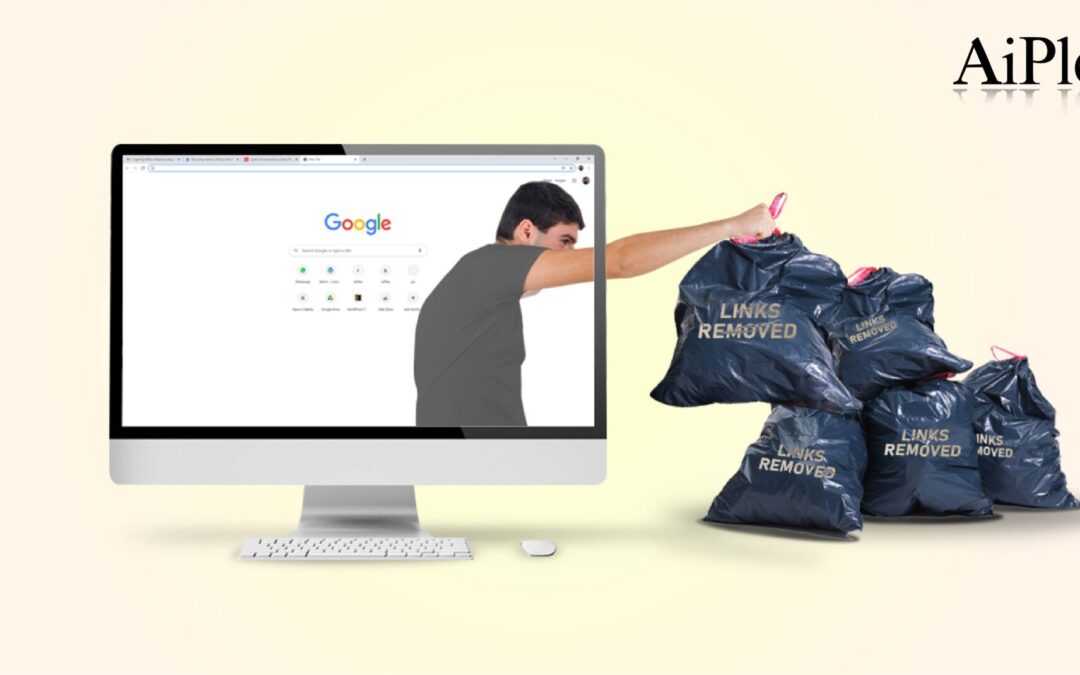
Indian laws and international regulations are stepping up. Platforms like Google and YouTube now actively deindex pirated content upon DMCA notification. If you’re a creator, now’s the time to take action and secure your work.
How Pirated Websites Harm the Creative Ecosystem
Pirated links strip creators of their rightful earnings. Whether you’re an independent filmmaker or a brand with original content, piracy lowers your visibility and trust. Worse, it exposes audiences to malicious ads or malware.
? According to a report by MUSO, India ranks among the top countries for piracy traffic worldwide.
Legal Action Against Websites with Pirated Links in India
India’s Copyright Act, 1957, offers legal support to content owners. Under Sections 51 and 63, creators can file legal complaints against infringing parties.
Furthermore, platforms like YouTube’s Copyright Removal Tool and Google’s DMCA Form provide quick solutions to delist pirated content.
How to Detect Your Content on Pirated Websites
Start by reverse-searching your video or blog titles. Use tools like Copyscape, Google Alerts, and piracy trackers. If pirated links surface, document everything—URLs, screenshots, and hosting details.
Don’t delay. File a DMCA takedown request immediately.
How to File a DMCA Takedown in India
- Identify the infringing URL
- Gather proof of original ownership
- Use Google or hosting provider’s DMCA form
- Send a legal notice (if required)
⚠️ Pro Tip: Always send a copy of your takedown request to the host AND the domain registrar.
How Streaming Platforms Are Fighting Piracy
OTT services like Netflix, Hotstar, and Amazon Prime use watermarking, AI scanning, and dynamic encryption to detect piracy in real time.
Still, websites with pirated links continue to pop up—often hosted outside India. Global cooperation is key.
Why You Should Never Ignore Pirated Versions of Your Work
Ignoring piracy allows it to spread. Worse, it could damage your brand’s SEO. Google penalizes duplicate content, and that includes unauthorized reposts of your blog or videos.
You must stay proactive, not reactive.
Real Examples of Successful Takedowns
- A music label found their latest album leaked on 15 torrent sites. Within 48 hours of issuing DMCA notices, 12 were taken down.
- A coaching platform recovered search visibility after removing pirated video lectures from third-party forums.
Results speak when action is taken.
Best Practices to Prevent Future Content Piracy
- Add watermarks or creator tags to all content
- Register your copyright through official bodies
- Use anti-piracy tools like Digimarc or NAGRA
- Monitor high-risk sites regularly
- Publish a copyright policy on your own website
Need help drafting a copyright notice? Check out India’s Copyright Office.
FAQs About Websites with Pirated Links
1. What are pirated links?
Pirated links point to unauthorized versions of copyrighted content, often hosted illegally.
2. Is watching pirated content illegal in India?
Yes, consuming pirated content can result in legal penalties under Indian law.
3. How can I know if my content is pirated?
Use Google Alerts, Copyscape, or reverse search your titles to detect duplication.
4. What is a DMCA takedown?
A DMCA takedown is a legal process where creators request removal of infringing content from websites or search engines.
5. Can I take legal action against piracy websites?
Yes, you can file complaints under the Copyright Act and send legal notices.
6. How long does it take to remove pirated content?
DMCA takedowns usually take 24–72 hours if filed correctly.
7. Are all torrent websites illegal?
If they host or link to copyrighted material without permission, yes.
8. Does YouTube support DMCA requests?
Yes, YouTube provides a detailed takedown tool for reporting copyright violations.
9. What happens after filing a takedown?
The host or search engine may remove or delist the content. Repeat offenders may face account suspension.
10. Is copyright registration mandatory in India?
No, but it strengthens your legal position during disputes.
