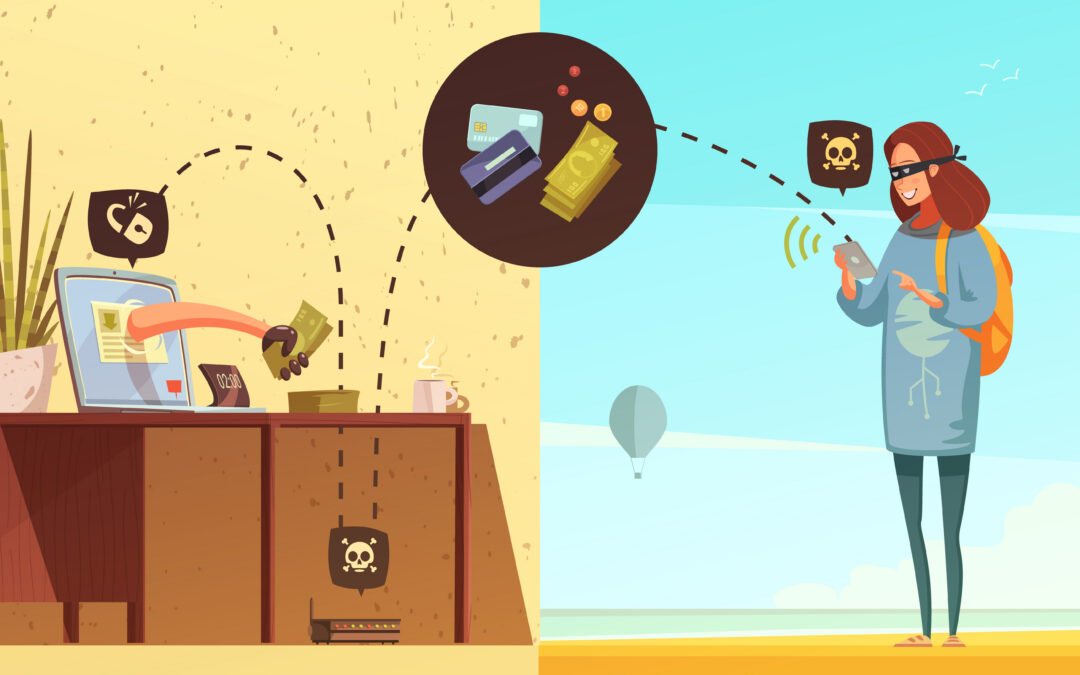
Movie piracy not only harms the business, revenue and the makers with their hardwork, but it primarily attacks the privacy and security of the person, who is consuming pirated content.
Movie piracy has become one of the most alarming threats faced by the global entertainment industry as digital platforms continue to expand. From large production studios to small independent filmmakers, everyone faces the risk of unauthorized leaks and illegal distribution. Many professionals search for ways to detect movie piracy because they understand how quickly pirated files spread once they are released online. The financial losses, legal complications, and reputational damage caused by such incidents can be overwhelming. As more films shift to digital-first releases, the urgency to identify early signs of piracy becomes stronger for every content owner.
This blog provides a detailed overview of the top methods used worldwide to detect movie piracy online. You’ll learn how technologies like AI-driven scanning, watermarking systems, dark web monitoring, and automated takedown tools help protect digital assets. Each section breaks down complex concepts into actionable guidance, ensuring you fully understand how these systems work and why they are essential. As you explore the content, you will also find recommendations that will guide you towards professional solutions. To strengthen your protection strategy further, you can partner with AiPlex Anti-Piracy Services (https://aiplexantipiracy.com/) for industry-leading monitoring, rapid response, and proactive content security.
Key Things to Know Before Detecting Online Movie Piracy
Before diving into advanced piracy detection methods, it is crucial to understand the primary landscape of digital distribution and threat patterns. Modern content consumption happens through streaming platforms, social media, online storage systems, and peer-to-peer networks. While these platforms offer convenience for legitimate users, they also create multiple access points for pirates to exploit. Recognizing these vulnerabilities helps you build a more accurate understanding of how piracy begins and spreads. Without this foundational knowledge, even the most sophisticated detection tools cannot be used effectively.
Another important factor is understanding how pirates operate, the type of content they target, and how they mask their activities. These insights help you design stronger monitoring strategies and respond faster to emerging threats. By examining distribution channels, high-risk platforms, metadata vulnerabilities, and global piracy behavior, you gain the clarity needed to apply the right detection techniques. The following subtopics walk you through these essential elements in detail.
Understanding Digital Distribution Channels (digital content security, online content protection)
Digital distribution channels are the various pathways through which movies reach viewers, whether through OTT platforms, digital cinemas, licensed streaming services, or direct downloads. Understanding how these channels function is the first step in protecting your content. Each channel involves different file transfers, formats, and access permissions, which can create gaps that pirates may exploit. Strong digital content security practices are necessary to identify weak points and ensure your content remains protected throughout its lifecycle.
Moreover, each digital distribution path creates duplicate versions of your film, increasing the risk of unauthorized copies being leaked. Pirates often target vulnerable servers, outdated access control systems, or insecure partners within the distribution chain. Online content protection becomes easier when you map out the flow of your digital assets. By doing so, you can track how content moves, determine where breaches may occur, and apply appropriate monitoring tools at each stage.
High-risk platforms are digital spaces where pirated movies are frequently found. Torrent sites, illegal streaming portals, cyberlockers, and peer-to-peer sharing networks often serve as the first distribution points for unauthorized content. Using torrent monitoring tools helps identify whether your movie has been uploaded, shared, or seeded on such platforms. Anti-piracy surveillance systems further enhance this by scanning sites globally and notifying content owners about illegal uploads.
These platforms often operate from hidden servers or foreign jurisdictions, making them difficult to tackle legally or manually. Many of them rely on anonymous encryption technologies that protect uploaders from being traced. Understanding how they operate helps you refine your detection strategy and prioritize your monitoring efforts. Tracking these high-risk platforms continuously ensures you detect pirated content early and act before it spreads too widely.
The Role of Metadata in Piracy Detection (content identification, metadata tracking systems)
Metadata plays a crucial role in identifying pirated movie files across streaming platforms and file-sharing sites. Each movie file includes information such as resolution, title, codec, language, and file size. Content identification tools rely on this metadata to detect unauthorized copies. Metadata tracking systems help identify mismatches, inconsistencies, and altered file properties, which often signal a pirated version.
Additionally, pirates sometimes alter metadata to evade detection systems, changing file names or compressing videos to reduce traceability. However, metadata tracking tools can identify suspicious patterns even when modifications are made. Understanding how metadata works helps content owners implement more accurate detection measures. It also strengthens the ability to track the origin, distribution path, and frequency of illegal uploads.
User-generated content platforms like YouTube, Facebook, TikTok, and Instagram are among the most common places where short clips, leaked scenes, or full movie copies appear. UGC monitoring tools scan these platforms for copyrighted content, flag suspicious uploads, and enable quick copyright enforcement. Since these platforms host millions of uploads daily, automated monitoring is essential.
Pirates often disguise full-length movies as shorter clips, mixed content, or split segments to avoid detection. Some even use mirrored video formats or altered audio to bypass copyright systems. By consistently monitoring user-generated content sites, you can quickly detect unauthorized usage of your film and file removals. This ensures that illegal uploads don’t gain traction and spread across social networks.
Understanding Global Piracy Patterns (piracy analytics, threat intelligence systems)
Global piracy patterns reveal how illegal content distribution varies by region, demand, and technology. Piracy analytics tools help analyze which countries have higher piracy traffic, what types of films are targeted, and which distribution channels are most vulnerable. Threat intelligence systems complement this by monitoring online chatter, dark web conversations, and piracy community activities.
Understanding these global patterns helps you anticipate where your movie may be leaked and how pirates might distribute it. It also helps you recognize seasonal trends, such as spikes during major holidays or blockbuster releases. When content owners grasp these behavioral insights, they can implement targeted monitoring systems that deliver faster, more precise results.
Top Methods to Detect Movie Piracy Online
The following methods represent the most advanced and effective strategies used by the global entertainment industry to combat digital piracy. They combine technology, automation, and real-time intelligence to detect unauthorized distribution quickly. By understanding these solutions, content creators and distributors can take active control of their digital assets and safeguard their creative investments.
Digital fingerprinting technology assigns a unique digital identity to every movie, allowing platforms and monitoring tools to scan for matching files online. Digital fingerprinting tools can identify a pirated copy even if the video has been altered, cropped, resized, or re-encoded. Content recognition systems use these fingerprints to scan the internet continuously, ensuring that illegal copies are detected quickly.
Fingerprinting also provides accurate, real-time insights into where pirated versions appear and how they spread. It eliminates the need for manual searching, which can be time-consuming and inconsistent. Once a match is detected, takedown requests can be issued automatically. This method provides one of the highest accuracy levels among piracy detection technologies.
Method 2: Watermark Tracking Systems (forensic watermarking, piracy tracing)
Watermark tracking systems embed invisible forensic watermarks into movie files before distribution. These watermarks contain encrypted data that identifies the recipient, distributor, or platform where the content was accessed. Forensic watermarking helps trace piracy incidents back to their source, making it possible to identify the responsible party.
Even when pirates attempt to remove or distort watermarks, advanced tracking tools can still identify the hidden codes. This allows content owners to investigate leaks thoroughly and tighten security across vulnerable distribution partners. Watermark-based piracy tracing creates a strong deterrent because every distributed copy is traceable.
AI-powered web crawlers constantly scan illegal streaming sites, social media platforms, and file-sharing portals for copyrighted material. These AI website scanners use machine learning models to recognize visual and audio patterns from your movie. Automated piracy detection systems scan thousands of pages per minute, giving content owners 24/7 protection.
Artificial intelligence also enables crawlers to adapt as pirates change their tactics. For example, if a pirate uses filters, overlays, or mirrored content, the AI can still detect the material. This makes AI-driven systems extremely effective for identifying hidden or disguised uploads that traditional tools may miss.
Method 4: Dark Web Monitoring Tools (dark web scanning, cyber threat monitoring)
The dark web is a major hub for illegal movie distribution, with many files shared through secret forums, encrypted platforms, and private networks. Dark web scanning tools search these hidden layers of the internet to detect early leaks or sale listings of your movie. Cyber threat monitoring systems also track conversations and file exchanges among piracy groups.
By monitoring dark web activities, content owners can identify threats long before a leak becomes public. This provides extra time to take preventive measures and alert relevant authorities. Detecting early warning signs can prevent large-scale distribution and protect the movie’s value.
Method 5: Automated Takedown and Compliance Systems (copyright takedown tools, compliance automation)
Automated takedown systems identify illegal uploads and immediately generate DMCA notices or platform-specific removal requests. Copyright takedown tools can send hundreds of notices simultaneously across different websites, ensuring rapid content removal. Compliance automation ensures that each takedown request meets legal requirements.
These systems drastically reduce response time, which is crucial because pirated content spreads quickly. Automating the takedown process also improves efficiency, accuracy, and coverage across global platforms. With these tools, content owners can continuously monitor and remove illegal uploads without manual effort.
Why Choose AiPlex Anti-Piracy Services?
AiPlex Anti-Piracy Services offers one of the most comprehensive and technologically advanced solutions for movie piracy detection. With years of experience collaborating with top studios, OTT platforms, and distributors, AiPlex provides full-spectrum monitoring across websites, social media, digital platforms, and peer-to-peer networks. Their systems combine AI scanning, watermark tracking, fingerprinting, dark web monitoring, and automated takedowns into a unified protection strategy.
Moreover, AiPlex provides real-time alerts, detailed piracy reports, and rapid-response teams to ensure your content stays protected around the clock. Their services don’t just stop at detection—they also include enforcement, content removal, and long-term compliance support. By choosing AiPlex, you gain access to a dedicated anti-piracy partner that safeguards your creative investment and strengthens your digital security.
Conclusion
Movie piracy continues to evolve with advances in technology, making it essential for content creators, studios, and OTT platforms to stay proactive in their protection measures. Understanding the digital landscape, identifying high-risk platforms, and leveraging advanced detection technologies can significantly reduce the risk of unauthorized leaks. Tools such as digital fingerprinting, watermark tracking, AI-powered crawlers, and dark web monitoring form the backbone of a strong anti-piracy strategy.
Working with a professional anti-piracy service provider like AiPlex ensures that your movie remains protected at every stage—from pre-release to global distribution. Their expertise, automation capabilities, and rapid enforcement make them a trusted partner for safeguarding valuable digital assets. By adopting these industry-leading methods, you position yourself to combat piracy effectively and maintain full control over your content.
Summary
Detecting movie piracy requires a combination of technology, vigilance, and strategic planning. This blog explored key foundational concepts such as distribution channels, high-risk platforms, metadata, UGC monitoring, and global piracy trends. It also provided a detailed breakdown of the top detection methods, including fingerprinting, watermarking, AI crawlers, dark web monitoring, and automated takedowns. These tools work together to offer strong, reliable protection for your film.
AiPlex Anti-Piracy Services enhances this process by offering end-to-end monitoring and enforcement backed by cutting-edge technology. Choosing AiPlex ensures faster detection, wider coverage, and stronger preventive measures. With their support, you can confidently protect your movies and stay ahead of piracy threats worldwide.
The rapid expansion of digital platforms has changed how content is created, distributed, and consumed, but it has also increased the risk of intellectual piracy.
As creators, businesses, and entertainment industries struggle to protect their ideas and assets, the need to stay informed about new anti-piracy technologies becomes more crucial than ever. Whether you are part of a production house, a tech-driven enterprise, or a rights-management firm, understanding these upcoming trends prepares you to navigate an increasingly complex digital environment. This shift is motivating many companies to explore the next generation of cyber-protection.
In this blog, we will explore the innovations, tools, and strategies shaping the future of combating piracy across industries. You’ll gain a clear understanding of the technologies emerging today and how they will influence protection standards in the years ahead. This comprehensive guide will help you stay one step ahead and evaluate whether your current protection systems are prepared for what’s coming next. To explore advanced anti-piracy services tailored to your needs, visit AiPlex Anti-Piracy.
Key Things to Know Before Exploring Future Anti-Piracy Trends
Before diving into the innovations shaping the fight against piracy, it’s important to understand the foundation from which these new technologies are emerging. The landscape of digital infringement is evolving rapidly. Content is easier to duplicate, share, or alter than ever before, and traditional enforcement models often struggle to keep up with global-scale systems. These initial insights provide clarity on why the shift toward sophisticated tools is no longer optional for content owners.
To fully grasp the developments discussed later in the blog, the following core concepts must be understood. These elements influence how piracy grows, how infringers operate, and why next-generation technologies are becoming the new standard for copyright protection across industries such as film, publishing, software, gaming, and more.
Speed of Digital Distribution
The speed at which digital content travels today has dramatically increased in the past decade. Sharing platforms, streaming sites, and file-hosting networks allow content to be uploaded and shared globally in seconds. This rapid spread means that rights owners must monitor vast digital spaces simultaneously, often across different languages and regional markets. Understanding this fast-paced environment helps identify why anti-piracy efforts must operate in real time.
This speed also means that after pirated content appears online, removing it quickly becomes essential. Even small delays can result in massive losses for creators and businesses. Emerging technologies aim to shrink takedown times, automate discovery, and keep pace with global distribution. Recognizing the scale of real-time monitoring needs is crucial for appreciating the value of future solutions.
Increased Sophistication of Piracy Networks
Piracy groups and illegal distribution channels have become more organized and technologically advanced. They often use encrypted platforms, hidden servers, and automated systems to distribute content while avoiding detection. These networks mimic legitimate digital ecosystems, making it harder to track them without advanced tools. Understanding this evolution highlights why traditional manual monitoring is no longer enough.
Additionally, piracy networks frequently shift domains, recreate platforms under new names, and disperse their content across multiple hosting providers. This decentralization makes enforcement difficult when organizations lack powerful digital tools. Future anti-piracy trends aim to counter these tactics through automation, AI-driven analytics, and predictive monitoring that learns and adapts to infringing behaviors.
Global Accessibility of Pirated Content
Pirated content is not limited by borders. A movie leaked in one region becomes available across continents instantly. This global accessibility creates enforcement challenges because piracy laws differ widely from one country to another. Some jurisdictions have strict copyright laws, while others provide limited enforcement support. These international variations complicate takedown processes.
Understanding this helps explain why emerging anti-piracy solutions are focusing on automation, scalable platforms, and AI-based global detection methodologies. The future of anti-piracy relies heavily on worldwide monitoring capabilities, multilingual tracking, and immediate response strategies that transcend regional limitations.
Rise of User-Generated and Decentralized Platforms
More content is now shared on user-driven platforms, forums, and decentralized networks such as peer-to-peer systems. These spaces allow users to upload files anonymously, making enforcement harder. The shift from centralized to decentralized content-sharing requires new monitoring methods capable of tracking infringements on fragmented platforms.
As these decentralized platforms grow, anti-piracy services must adapt by analyzing patterns, identifying recurring sources, and deploying smart detection tools. The future trends discussed later in this blog address the growing need for solutions that work across both mainstream and obscure user-generated platforms.
The Growing Value of Digital Intellectual Property
Digital intellectual property has become one of the most valuable assets for businesses worldwide. Films, software, e-books, online courses, and even social media content carry economic worth. As the value of digital assets rises, so do the incentives for piracy. Understanding this dynamic emphasizes why future anti-piracy methods must be more robust and forward-thinking.
This increase in value also means companies can no longer rely solely on traditional legal methods for enforcement. Instead, they must adopt a combination of technology, automation, and strategic planning. The innovations shaping the future of anti-piracy aim to protect these high-value assets from unauthorized access, duplication, and distribution.
As the digital world continues to evolve, several groundbreaking technologies are reshaping how intellectual property is secured. These innovations introduce new layers of defense and offer more comprehensive strategies to protect content owners. The advancements below highlight the most promising developments that will define the future fight against piracy.
AI-Powered Detection Systems
Artificial intelligence is becoming central to anti-piracy strategies due to its ability to scan massive amounts of data quickly. AI tools can detect unauthorized copies of content across platforms, even when altered, shortened, or disguised. This adaptability makes AI a powerful ally against sophisticated piracy techniques.
AI systems also enable predictive monitoring by identifying patterns and behaviors commonly associated with infringing users. Over time, these systems learn and improve, leading to faster and more accurate detection. As piracy continues to advance, AI-driven detection will be one of the most important technologies for content owners.
Blockchain Authentication Solutions
Blockchain introduces secure methods to verify the authenticity of digital content. By creating a tamper-proof record of ownership, blockchain makes it nearly impossible for unauthorized copies to pass as legitimate. This technology is especially promising for industries where ownership verification is critical, such as digital art, music, and software.
Beyond authentication, blockchain also helps track the distribution of content. If pirated copies appear online, blockchain trails can reveal where the breach occurred. As this technology matures, more industries are expected to adopt blockchain as part of their intellectual property protection strategy.
Advanced Digital Watermarking
Digital watermarking has been used for years, but new versions are significantly more advanced. These next-generation watermarks are invisible, resistant to tampering, and embedded deeply into the content’s structure. This makes it easier to trace the original source of leaked materials.
Whether the content is a video, audio file, or text document, advanced watermarks maintain traceability even after editing or compression. This improved durability ensures creators can track infringements and act quickly. In the future, watermarking will play a crucial role in early leak identification and legal enforcement.
Automated Takedown Tools
Manual takedown processes are no longer efficient against large-scale piracy. Automated takedown tools scan the web in real time and remove infringing content almost instantly. These systems communicate directly with hosting providers, social platforms, and search engines to accelerate the removal process.
Automation reduces the time window in which pirated content can spread. As more platforms adopt automated compliance systems, the speed of removal will continue improving. This will be essential for industries such as film and gaming, where early leaks can cause substantial revenue loss.
Predictive Threat Intelligence
Predictive threat intelligence uses data analytics and machine learning to forecast piracy risks before they occur. By analyzing common patterns, user behaviors, and historical infringement data, these systems can identify upcoming threats. This proactive approach marks a major shift from traditional reactive enforcement.
Organizations using predictive intelligence can strengthen their protection measures before content is released. This is especially valuable for production houses and entertainment platforms preparing for major launches. Predictive tools help eliminate risks early and create more secure distribution pipelines.
Why Choose AiPlex Anti-Piracy?
AiPlex Anti-Piracy stands at the forefront of innovation with solutions designed to protect digital intellectual property across all industries. Their services combine automation, advanced monitoring, real-time tracking, and fast takedown execution to ensure clients have complete control over their content. With a deep understanding of global piracy trends, AiPlex offers customized strategies that work across regions, languages, and platforms.
Additionally, AiPlex provides continuous monitoring, detailed reporting, and end-to-end management of piracy cases. Their expertise ensures that creators, production houses, and businesses stay protected through every stage of content distribution. Choosing AiPlex means choosing a future-ready, intelligent, and scalable anti-piracy solution.
Conclusion
The fight against intellectual piracy is entering a new era driven by cutting-edge technologies and smarter enforcement methods. As digital ecosystems evolve and piracy grows more complex, businesses must adopt innovative tools to protect their creative assets. The trends discussed in this blog reflect the direction in which the industry is moving, toward automation, intelligence, and predictive solutions.
Staying ahead of piracy requires awareness, preparedness, and strong partnerships. With the right anti-piracy provider, you can secure your intellectual property while maximizing your digital potential. As the digital world continues to transform, so must your approach to protecting what you create.
Summary
This blog explored the future of fighting intellectual piracy by explaining the evolving landscape of digital infringement, highlighting key challenges, and detailing the technologies expected to define the next generation of protection. From AI detection and blockchain authentication to advanced watermarking and predictive intelligence, the tools shaping the future offer more control and faster defense. Choosing a leader like AiPlex ensures that your digital assets remain secure, traceable, and protected across platforms. As piracy continues to evolve, partnering with a future-ready anti-piracy solution becomes essential for long-term success.
Consuming pirated movies or contents not only harms the creator, but also compromises the data for the user.
You may have come across various platforms offering free access to newly released films, and while it may seem convenient, these sites often expose viewers to harmful malware, data theft, and legal consequences. The rise of movie piracy has made online safety a growing concern, especially for individuals who simply want to enjoy entertainment without putting their personal information at risk. This blog will help you understand why steering clear of piracy platforms is essential for your digital safety.
As the online space becomes more complex, it’s crucial to have reliable information before making decisions about how and where to watch movies. In this blog, we’ll break down key facts you must know before choosing where to stream or download films. We will also discuss harmful piracy platforms, the hidden dangers they pose, and how you can safely enjoy content without risking your data or violating legal guidelines. By the end, you’ll have a clearer understanding of the safe alternatives available, and you can explore trusted digital protection services through Aiplex Anti Piracy for guaranteed online security.
Things to Know Before Understanding the Dangers of Piracy
Before exploring the most harmful piracy sites, it’s important to understand the risks tied to using illegal streaming or downloading platforms. Many users are unaware that piracy websites are built with poor security measures, leaving their devices vulnerable to malicious attacks. These platforms operate outside the boundaries of the law, which means there are no safety protocols in place. As a viewer, you may unknowingly grant access to your personal data, exposing yourself to potential identity theft or financial fraud. Awareness of these risks is essential to protect your digital presence.
Lack of Online Safety on Piracy Platforms
One major issue with piracy websites is the lack of online safety. These platforms often host unverified links that redirect users to unsafe pages filled with hidden malware. Since they do not follow any industry guidelines, users have no guarantee that the content they access is clean or secure. Many people fall into the trap of clicking pop-ups or ads, which then download malicious software onto their computers. Understanding these risks can help you avoid threats while browsing online.
Piracy websites also fail to use encryption, leaving your browsing history exposed. Without proper online protection measures, your data can be intercepted by cybercriminals. This puts your privacy at significant risk, making it crucial to stay cautious while navigating the internet.
Risk of Malware and Viruses
Piracy websites are known for hosting files that contain viruses or harmful malware. These threats can severely damage your device’s performance by corrupting files or stealing sensitive information. Many users unknowingly download compromised files disguised as movie links, leading to long-term system damage. Such risks highlight why avoiding piracy sites is vital for maintaining your device’s health.
The lack of security checks on these sites makes it easier for hackers to inject harmful code into downloadable files. Once installed, the malware operates silently, gathering personal information without your consent. These dangers make piracy a serious cybersecurity concern.
Legal Consequences of Using Piracy Sites
Using piracy platforms can also lead to legal consequences. Many countries enforce strict copyright laws, and downloading or streaming unlicensed content can result in penalties. Users may face fines or legal notices, depending on the extent of their activity. Understanding these legal risks helps individuals make informed choices about their online behavior.
Piracy websites violate copyright laws globally, and governments have been cracking down on these platforms. As enforcement becomes stricter, being associated with such illegal websites can create unnecessary complications for viewers.
Poor Quality Content on Piracy Websites
Another major drawback of piracy platforms is the poor quality of content. Often, movies available on piracy sites are recorded illegally with low resolution, poor sound, and visible distractions on the screen. This reduces the overall viewing experience, making it far from enjoyable. Users are typically disappointed after accessing such content, realizing it wasn’t worth the risk.
Streaming platforms that operate legally invest heavily in high-quality recordings and viewing experiences. Piracy websites, on the other hand, do not prioritize quality, leaving users with a subpar and unsafe option.
Hidden Costs of Free Piracy Sites
Although piracy platforms may appear free, they come with hidden costs. Frequent exposure to unsafe ads can lead to accidental downloads of harmful software. Repairing a damaged device or recovering lost data can be far more expensive than paying for a safe streaming service. This makes piracy an extremely costly choice in the long run.
Additionally, compromised accounts, stolen data, or leaked personal information can result in emotional stress and financial loss. These hidden dangers show that free piracy content often comes at a high price.
Top Harmful Piracy Sites You Must Avoid
Using piracy websites is dangerous for many reasons, and certain platforms have gained notoriety for hosting illegal content with high security risks. One such platform is known for distributing pirated movies globally, attracting millions of users each month. However, behind the scenes, these websites often contain malicious scripts designed to access user data. Understanding how these platforms operate can help you recognize and avoid them effectively.
Another well-known piracy website offers fast access to newly released films but exposes users to multiple pop-up ads and harmful downloads. Many unsuspecting visitors believe they are accessing safe content, only to find that their device has been infected with malware shortly after. These sites continue to operate because they generate large revenue through unsafe ad placements, compromising user security.
Why You Should Choose Aiplex Anti Piracy
Choosing Aiplex Anti Piracy provides you with secure and reliable protection against piracy-related risks. The company offers tools that detect and remove harmful pirated content across various platforms, ensuring your safety online. Their services help reduce the chances of encountering unsafe websites by providing proactive monitoring and protection for digital assets. You can explore their expert anti-piracy solutions by visiting their official website.
Aiplex also offers customized security strategies designed to protect both individuals and businesses. With continuous monitoring and advanced detection technology, they help safeguard your digital presence and ensure that your data remains secure at all times. Using their services creates a safe environment for enjoying entertainment online.
Conclusion
Movie piracy may seem like a convenient option for accessing films, but it comes with far-reaching consequences. From legal risks to malware threats, the dangers associated with piracy sites can severely impact your digital life. By understanding how these platforms operate and recognizing their hidden dangers, you can make smarter decisions about your online viewing habits. It’s essential to prioritize safety and choose reliable platforms that respect copyright laws.
Aiplex Anti Piracy offers effective solutions to help you stay safe online and avoid harmful piracy sites. Whether you’re an individual viewer or a content creator, their services ensure better protection and peace of mind. Stay informed, stay safe, and choose legal alternatives for a secure and enjoyable entertainment experience.
Movie piracy isn’t just an industry buzzword—it’s a billion-dollar problem that’s reshaping how studios distribute and monetize content. In a world dominated by streaming platforms and digital consumption, studios face a constant battle to protect their creative assets from illegal reproduction and distribution. With piracy growing more sophisticated and widespread, understanding its mechanics and countermeasures has never been more crucial for content creators, producers, and distributors.
This blog breaks down everything studios need to understand about movie piracy: how it operates, why it persists, the forms it takes, and most importantly, what studios can do to combat it effectively. With detailed insights into anti-piracy technology, legal frameworks, and prevention strategies, this guide offers actionable intelligence for navigating the evolving landscape. Read on to discover how studios can not only protect their intellectual property but also reinforce brand integrity and revenue security. For tailored anti-piracy solutions, explore our services at AiPlex Anti-Piracy.
Key Factors to Know Before Understanding the Depth of Movie Piracy
Before diving into the extensive ways movie piracy affects the industry, it’s important to understand some critical foundational aspects. This section will help studios and content owners recognize the preconditions and elements that drive piracy, so they can develop more effective strategies against it.
Evolution of Digital Distribution and Its Impact on Piracy
The digital transformation of the entertainment industry has revolutionized how movies are distributed and consumed. Online streaming, VOD platforms, and digital downloads have replaced traditional mediums. However, this digital ease has also paved the way for rampant movie piracy through file-sharing, torrents, and illegal streaming sites.
As accessibility to digital content increases, so does its vulnerability. Pirated content often appears online within hours of release, even earlier in some cases. This evolution forces studios to adopt parallel digital strategies that not only reach audiences faster but also build in safeguards against unauthorized access and distribution.
The Role of Torrent Networks and Peer-to-Peer Sharing
Torrenting and P2P file-sharing platforms have long been a staple in the piracy ecosystem. These decentralized systems make it difficult to trace origin points or shut down operations effectively. Users can easily upload and download copyrighted material globally with minimal risk.
The anonymity and efficiency of torrent networks make them a prime tool for movie piracy. Studios must understand how these systems function to counter them with appropriate technological and legal measures. Awareness of how torrents evolve helps build more responsive piracy deterrence models.
Streaming Piracy and Illegal IPTV Services
Streaming piracy has overtaken torrenting in recent years due to its simplicity. Websites offering full-length movies, often in high definition, attract millions of users daily. Similarly, illegal IPTV services provide access to copyrighted content in real-time for a small fee or subscription.
These services mimic legitimate platforms, making it hard for users to differentiate. For studios, the challenge lies in rapid takedown protocols and monitoring tools that can detect illegal streams in real-time and initiate legal or technological interventions.
Geo-Restrictions and Release Delays Fuel Piracy
Staggered release schedules and geo-blocking practices often drive consumers towards pirated versions. When content is unavailable in certain countries or regions, audiences seek out unauthorized ways to access it.
This pattern signals to studios that a global release strategy and equitable access can be powerful anti-piracy tools. Understanding consumer behavior in this context allows studios to anticipate piracy triggers and adjust release logistics accordingly.
Weak Cybersecurity Across Distribution Channels
Studios often overlook vulnerabilities within their own production and distribution pipelines. Leaks from employees, contractors, or unsecured cloud storage have led to early content leaks that subsequently go viral in pirate communities.
Implementing strong cybersecurity protocols, access controls, and encryption methods during production and post-production stages is vital. Studios must evaluate their internal risk exposure as seriously as external piracy threats.
The Most Common Forms of Movie Piracy Studios Must Watch For
Understanding the specific manifestations of movie piracy helps studios anticipate threats and craft targeted responses. Below are the major forms of piracy and how each impacts revenue, distribution, and content lifecycle.
Camcording and Screen Recording in Theaters
Despite increasing security, camcording remains a prevalent form of piracy, especially in regions with lax enforcement. These low-quality versions often serve as the first leak online, quickly spreading across torrent and streaming sites.
Even poor-quality rips can affect a film’s box office performance. The initial few weeks post-release are critical for studios, and camcorded versions dilute exclusivity and urgency. Deploying theater security and watermarking can help trace the source.
Screener Leaks and Insider Breaches
Advance screeners provided to critics, award panels, or distributors are often the source of high-quality leaks. These breaches typically happen close to a movie’s official release, impacting both box office and digital revenues.
Studios must enforce watermarking, secure delivery systems, and accountability among recipients. Blockchain verification and time-sensitive viewing options can add layers of protection to screeners.
Torrenting and Magnet Link Distribution
Torrents remain a significant threat due to their decentralized and anonymous structure. High-quality rips often appear shortly after release and remain available indefinitely across multiple torrent indexes.
Active torrent monitoring and takedown tools, combined with legal notices to ISPs, can mitigate exposure. Studios should partner with cybersecurity firms to track and neutralize torrent distribution as early as possible.
Online Streaming Sites With Ad-Supported Models
Piracy sites that monetize through ads often rake in millions of dollars. These platforms host pirated content while appearing professional and user-friendly, attracting unsuspecting viewers.
Studios can use ad-deprivation tactics, where advertisers are notified and dissuaded from placing ads on such platforms. Cutting off monetization can cripple the site’s operational viability.
Social Media and Messaging Apps
Platforms like Telegram, Discord, and Reddit have become breeding grounds for pirated movie distribution. Users share direct download links or entire files, often within private or semi-private communities.
Studios need AI-powered monitoring solutions that track piracy mentions, links, and unauthorized uploads across social platforms in real time. Collaborations with the platforms themselves can accelerate takedown efforts.
Why Studios Need a Multi-Layered Anti-Piracy Strategy
With piracy threats emerging from multiple directions, a single-line defense is insufficient. Studios must embrace a comprehensive strategy that addresses technological, legal, and operational dimensions simultaneously.
Real-Time Content Monitoring and Detection
Proactive monitoring allows studios to track where and how their content is being pirated. Technologies such as digital watermarking, fingerprinting, and AI-driven content ID systems help detect unauthorized versions quickly.
This real-time detection enables faster response times, reducing the viral spread of pirated content. Investing in advanced monitoring tools is essential for safeguarding newly released films and long-term catalog titles alike.
Legal Enforcement and Global Takedown Mechanisms
Sending legal notices, filing DMCA takedowns, and pursuing legal action against violators are essential tactics. However, studios must coordinate with local and international legal bodies to make these actions effective.
An effective anti-piracy strategy involves ongoing collaboration with law enforcement, legal advisors, and regulatory bodies. Timely action sends a message of deterrence to would-be pirates.
Content Access Strategy: Simultaneous Global Releases
One of the most practical ways to curb piracy is by minimizing the need for it. Studios can achieve this by offering simultaneous global releases across multiple platforms and devices, ensuring viewers don’t turn to illegal sources.
Pricing models and language accessibility also influence piracy behaviors. A studio that understands its audience’s needs and consumption patterns can proactively limit piracy triggers.
Partnership With Anti-Piracy Agencies
External anti-piracy firms like AiPlex Anti-Piracy bring specialized expertise and technology. These agencies offer services like 24/7 content scanning, automated takedown systems, and legal consultancy.
For studios, such partnerships free up internal resources while ensuring comprehensive coverage across the piracy ecosystem. Agencies also provide detailed reports to help studios understand threat patterns and ROI on protection efforts.
Employee Training and Internal Security Measures
Internal threats often go unnoticed until it’s too late. Employees and contractors must be trained in content security protocols. Access to sensitive content should be limited and tracked through secure systems.
Data encryption, role-based access, and remote content-locking features should be standard practice. Employee accountability reduces the chances of insider leaks and helps enforce a culture of protection.
Why Choose AiPlex Anti-Piracy to Protect Your Creative Assets
AiPlex Anti-Piracy offers a cutting-edge suite of solutions tailored for movie studios and digital content owners. With 15+ years in the domain, AiPlex combines technological expertise with legal acumen to deliver airtight protection against piracy. From digital fingerprinting to 24/7 scanning and global takedown operations, AiPlex ensures your content stays protected at every stage.
AiPlex also collaborates directly with ISPs, ad networks, and law enforcement agencies, making enforcement quicker and more impactful. Their transparent reporting and client dashboard allow studios to measure the effectiveness of anti-piracy efforts in real-time. Choosing AiPlex means investing in peace of mind and uninterrupted revenue streams.
Conclusion
Movie piracy remains a pressing concern for studios worldwide, but it is not an insurmountable one. By understanding the ecosystem of piracy and taking proactive steps to prevent it, studios can protect their intellectual property, brand reputation, and revenue. Whether it’s through adopting robust cybersecurity measures, educating internal teams, or partnering with expert agencies like AiPlex Anti-Piracy, the path to safeguarding content is clear.
Studios that treat anti-piracy as a core business strategy, not just an afterthought, are better positioned to thrive in a digital-first world. Don’t wait for your next release to be compromised. Get in touch with AiPlex Anti-Piracy today and stay one step ahead.
FAQs
What is movie piracy and how does it happen? Movie piracy refers to the unauthorized copying and distribution of films through various means like torrents, illegal streaming sites, and leaks from insiders.
Why is movie piracy a serious issue for studios? Piracy causes massive financial losses, dilutes brand value, and disrupts planned release strategies.
How can I prevent my movie from being pirated? Use a combination of digital watermarking, content monitoring tools, and expert anti-piracy services like AiPlex.
What role does AiPlex play in combating piracy? AiPlex provides end-to-end anti-piracy services including real-time content detection, takedowns, and legal support.
Is torrenting still a major piracy threat? Yes, torrents remain widely used for distributing pirated movies due to their decentralized nature.
How quickly can pirated content appear online? Often within hours of a film’s release, or even earlier in cases of insider leaks.
Can piracy be reduced with global releases? Yes, simultaneous global releases can minimize the incentive to seek pirated versions.
Are streaming piracy websites legal? No, these websites violate copyright laws and are often subject to takedowns and legal action.
Can social media platforms be used for piracy? Yes, apps like Telegram and Discord are increasingly used to share pirated content.
What is the best way to secure screeners? Studios should use encrypted delivery, time-sensitive access, and watermarking for all screeners.
Movie piracy continues to challenge the global film industry, evolving alongside digital technology. From torrents to illegal streaming platforms, piracy methods are becoming more sophisticated. In response, copyright holders and governments are adopting advanced strategies to combat this digital threat.
This article explores the latest trends in global movie piracy control and what they mean for filmmakers, studios, and content distributors.
The Rise of Real-Time Piracy Monitoring Tools
One of the most significant trends in combating piracy is the deployment of real-time piracy detection systems. These tools scan peer-to-peer networks, social media, and streaming sites to detect infringing content almost immediately after it goes live.
Platforms like Muso and MarkMonitor now offer real-time alerts, allowing studios to act fast. This level of responsiveness reduces revenue loss and helps retain control over content distribution.
AI and Machine Learning in Piracy Control
Artificial Intelligence is revolutionizing movie piracy prevention. Machine learning algorithms can now detect copyright violations by analyzing metadata, watermarks, and content signatures across thousands of platforms in seconds.
For example, AI bots can track where pirated versions are being uploaded and generate automated DMCA notices, increasing takedown efficiency. This minimizes human error and speeds up enforcement.
Geo-Blocking and Digital Rights Management (DRM)
Geo-blocking technology is increasingly used by streaming services and content owners to restrict access to unauthorized regions. It’s a major deterrent for piracy, especially when content is released at different times across countries.
Meanwhile, DRM protocols such as Widevine and PlayReady offer secure content encryption, making it difficult for pirates to duplicate or redistribute high-quality files.
Legal Enforcement and International Cooperation
Governments are stepping up efforts to tighten piracy laws. Countries like India, the UK, and the U.S. are issuing stricter penalties and quicker enforcement of takedown notices.
In many regions, legal frameworks have been updated to better support cross-border collaboration. The Alliance for Creativity and Entertainment (ACE) has emerged as a key player, facilitating global piracy crackdowns through cooperation with ISPs, legal bodies, and media giants. Read more on ACE’s official site.
The Role of Blockchain in Copyright Protection
Blockchain is emerging as a secure solution for digital content protection. It offers immutable timestamping, ensuring that ownership of creative content is easily verifiable.
Projects like Ascribe and Po.et allow creators to register their work on blockchain, making it easier to prove copyright and take swift legal action in case of infringement.
Education and Public Awareness Campaigns
Another effective method in reducing movie piracy is consumer education. Studios and copyright organizations are investing in campaigns to inform audiences about the ethical and financial impact of piracy.
Increased transparency about how piracy affects small creators, job losses, and film budgets is slowly helping to shift public perception and reduce illegal consumption.
Also, here’s an informative article from WIPO (World Intellectual Property Organization) on the legal evolution of piracy control.
Final Thoughts
Movie piracy isn’t going away—but the fight against it is smarter, faster, and more global than ever. With advancements in technology, stronger legal frameworks, and international collaboration, the film industry is better equipped to protect its content.
Whether you’re an indie creator or a major studio, staying informed about these latest piracy control trends is crucial for securing your intellectual property in the digital age.
FAQs About Global Movie Piracy Control
1. What is the biggest threat in modern movie piracy? Illegal streaming platforms that monetize pirated content remain the most persistent threat today.
2. How does AI help in fighting piracy? AI tools scan the web for infringing content, generate takedown notices, and provide real-time alerts.
3. Are DRM and geo-blocking effective? Yes, both limit unauthorized access and copying, although pirates continue to find workarounds.
4. What role does blockchain play in copyright protection? Blockchain ensures proof of ownership through timestamped records, helping creators secure their content.
5. Why is public awareness important in piracy prevention? Educated consumers are less likely to support piracy when they understand its real-world consequences.
6. Can small creators use piracy control tools? Yes, many tools and platforms offer affordable or even free services tailored to independent creators.
7. Is legal action always necessary? Not always. Many platforms comply with DMCA takedown notices without court involvement.
8. What is ACE? The Alliance for Creativity and Entertainment is a global coalition fighting digital piracy.
9. Can piracy ever be fully stopped? Complete eradication is unlikely, but evolving tech can significantly reduce its scale.
10. How can I start protecting my content? Begin with watermarking, real-time monitoring tools, and registering your work with DMCA services.
Movie piracy has become a silent epidemic in the digital age, affecting everything from blockbuster productions to indie releases. Whether it’s through torrent downloads, streaming sites, or bootleg DVDs, illegal content circulation has reached alarming proportions. For those in the entertainment industry, ignoring the impact of movie piracy isn’t just negligent—it’s financially and culturally damaging. Viewers may see free content as a harmless perk, but the ripple effects go far deeper than most realize.
In this blog, we’ll explore the multifaceted cost of ignoring movie piracy. From revenue losses and employment impacts to the erosion of creative integrity and the challenges of enforcement, you’ll get a comprehensive overview of how piracy affects the entire entertainment ecosystem. If you’re part of the media industry or simply a conscientious viewer, understanding these implications is vital. Visit Aiplex Anti-Piracy to discover professional services that can safeguard your creative investments.
What You Need to Know About Movie Piracy
Understanding the scope and mechanics of movie piracy is essential before delving into its deeper implications. Movie piracy isn’t limited to downloading or sharing files—it encompasses streaming, camcorder recordings, screen captures, and illicit distribution on platforms ranging from social media to rogue websites. Its growth is driven by both demand for free content and the advancement of digital tools that make piracy easier.
The Evolution of Digital Piracy Platforms
In the early 2000s, piracy was largely associated with P2P networks like LimeWire or BitTorrent. Today, streaming platforms such as illegal IPTV services and file locker sites have taken over. Secondary keywords: torrenting, illegal streaming.
Pirates now leverage sophisticated technology to bypass DRM and copyright protections, making enforcement harder. In many cases, pirated versions are available online within hours of a film’s theatrical release. This drastically undermines box office performance and disincentivizes investment in content creation.
Global Reach and Accessibility of Pirated Content
Pirated movies are no longer limited to obscure websites. They’re widely available on platforms with massive global reach. Secondary keywords: digital distribution, geo-blocking.
Geo-restricted content often drives users to piracy. When legal access is delayed or region-locked, users turn to illicit options. The availability of subtitles and high-definition formats makes pirated content even more attractive to international viewers.
Socioeconomic Factors Encouraging Piracy
Not all piracy stems from malicious intent. In many regions, affordability and access are major factors. Secondary keywords: content affordability, regional pricing.
Countries with lower average income often lack affordable, legal access to global entertainment. Piracy becomes a workaround to enjoy content that would otherwise be unaffordable or unavailable. Tackling this issue requires a nuanced understanding of local contexts.
Legal Loopholes and Weak Enforcement
Even where piracy is clearly illegal, enforcement is often weak or inconsistent. Secondary keywords: intellectual property rights, copyright law.
Different countries have varying degrees of copyright protection and enforcement capabilities. Legal loopholes and jurisdictional challenges allow piracy operations to thrive, especially when servers are hosted in countries with lenient IP laws.
User Perception and Cultural Normalization
One of the biggest challenges in combating movie piracy is the public’s perception. Secondary keywords: digital ethics, media consumption habits.
Piracy is often viewed as a victimless crime. Many people rationalize it by blaming high ticket prices or delayed releases. This normalization discourages individuals from seeing the real harm caused to the industry and its workers.
The Real-World Impact of Movie Piracy
Ignoring piracy doesn’t just hurt studios—it destabilizes the entire content ecosystem. Below are key areas where the damage is most evident.
Loss of Revenue in the Film Industry
Movie piracy leads to billions in revenue loss annually. Secondary keywords: box office decline, revenue leakage.
When films are illegally distributed, studios lose out on ticket sales, DVD purchases, and streaming royalties. This affects their ability to recoup investment and finance new projects. Piracy doesn’t just hurt big-budget films—it devastates smaller studios and indie filmmakers even more.
Job Cuts Across the Entertainment Sector
Piracy threatens employment in every corner of the industry. Secondary keywords: entertainment jobs, film crew employment.
From sound engineers and set designers to marketers and projectionists, many behind-the-scenes jobs depend on strong box office returns. When revenues decline due to piracy, these jobs become unsustainable, leading to widespread layoffs and job insecurity.
Reduction in Creative Investment
Studios may become more risk-averse due to piracy threats. Secondary keywords: original content, creative risk.
Investors are less likely to fund experimental or culturally niche films if piracy reduces profitability. This curbs diversity in storytelling and limits the availability of bold, original cinema. The result? A safer, more formulaic industry landscape.
Decline in Viewer Experience Quality
Pirated content often compromises on quality. Secondary keywords: video quality, streaming lag.
Illegal copies may have poor resolution, syncing issues, or missing subtitles. These affect how audiences experience a film. In contrast, legal platforms ensure optimal quality and a seamless viewing experience that respects artistic integrity.
Increased Cybersecurity Threats for Viewers
Users of pirated platforms often expose themselves to malware. Secondary keywords: malware risks, online piracy dangers.
Pirated content is frequently bundled with malicious software, putting personal data and devices at risk. From identity theft to ransomware attacks, the dangers of piracy extend beyond legal concerns—they pose real cybersecurity threats.
Why You Should Choose Aiplex Anti-Piracy Services
Aiplex Anti-Piracy offers comprehensive solutions to tackle all facets of digital piracy. Their technology-driven approach includes real-time monitoring, takedown operations, and global enforcement that safeguard your intellectual property. As a leader in the anti-piracy space, they work closely with law enforcement and regulatory bodies to ensure your creative assets are protected.
With Aiplex, you’re not just investing in protection—you’re reclaiming revenue, preserving brand integrity, and ensuring that your content reaches only the intended audience. Whether you’re a production house, distributor, or content owner, Aiplex is the strategic partner you need to combat piracy effectively.
Conclusion
Movie piracy is not a trivial issue—it’s a complex, evolving threat that affects everyone from producers to consumers. By understanding its causes and consequences, stakeholders can take meaningful steps to address it. While stronger laws and global collaboration are vital, individual awareness and responsible behavior are just as important.
For content creators and rights holders, ignoring piracy is no longer an option. Partnering with experts like Aiplex ensures your hard work doesn’t go unrewarded or unprotected. Learn more about how you can secure your content at Aiplex Anti-Piracy.
FAQs About Movie Piracy
What is movie piracy? Movie piracy is the unauthorized copying, distribution, or streaming of copyrighted film content.
How does piracy affect the film industry? It causes significant financial loss, discourages investment, and leads to job cuts across the sector.
Is watching pirated content illegal? Yes, viewing pirated movies is illegal in many jurisdictions and may result in penalties.
What are the risks of accessing pirated content? Users may face malware infections, legal consequences, and poor viewing quality.
Why do people still pirate movies? Reasons include high costs, limited availability, and lack of awareness about the consequences.
What can be done to reduce piracy? Improving access, affordability, and raising public awareness are key strategies.
How do anti-piracy services work? They use detection tools, takedown notices, and legal enforcement to combat piracy.
Can small studios afford anti-piracy services? Yes, many providers like Aiplex offer scalable solutions tailored for different budgets.
Does piracy affect streaming platforms too? Absolutely. Subscription-based services also face significant revenue losses from piracy.
How can viewers help combat piracy? By choosing legal platforms, reporting pirated content, and promoting ethical media consumption.
Despite technological advancements and stricter laws, movie piracy continues to wreak havoc on the film industry. Whether it’s blockbuster franchises or indie debuts, nearly every movie released today finds itself pirated online within hours of its premiere. While streaming platforms have made content more accessible, they haven’t eradicated the underground networks that leak and distribute pirated films.
This blog explores why movie piracy remains a persistent threat, its economic and cultural impact, and what solutions are being deployed to curb it. If you’re a filmmaker, producer, or distributor, this guide will help you understand the stakes and how services like AiPlex Anti-Piracy can help. Learn more about our anti-piracy solutions.
Things to Know Before Understanding the Impact of Movie Piracy
Before diving into the consequences of piracy, it’s important to understand the mechanics behind how it operates, why it’s difficult to stop, and who it affects most. These foundational insights will help clarify why piracy is still a top-tier concern in 2025.
How Movie Piracy Happens in the Digital Age
Pirated movies often originate from screen recordings, leaked copies, or insider thefts. These are distributed via torrent websites, illegal streaming services, or encrypted file-sharing networks. Within hours, they can reach millions of viewers worldwide.
Despite global enforcement efforts, the anonymity provided by VPNs and decentralized platforms makes tracing and prosecuting offenders extremely challenging. As long as demand persists, piracy operations will find ways to distribute illegal content.
Who Are the Main Targets of Movie Piracy
High-profile blockbusters are prime targets, especially during their theatrical release windows. However, indie films and regional releases also suffer as piracy doesn’t discriminate by scale. Studios investing millions into production and marketing are particularly vulnerable.
Smaller production houses and independent creators often feel the impact more acutely. Without the budget to pursue legal recourse or deploy technical defenses, these creators see significant revenue losses.
Common Misconceptions About Piracy
Many users justify piracy by claiming movies are overpriced or inaccessible. Some believe streaming a pirated film isn’t as bad as downloading it. These misconceptions downplay the real harm caused to artists and the economy.
In reality, piracy affects every person in the creative ecosystem—actors, technicians, marketing teams, and beyond. Reducing it starts with shifting public perception and emphasizing the consequences.
How Pirated Content Spreads Rapidly
Once a pirated copy is released, it spreads virally. Social media platforms, forums, and messaging apps amplify access through shared links. Piracy groups use sophisticated techniques to avoid takedowns and hide sources, including platforms like telegram.
These rapid distribution mechanisms allow pirated content to reach global audiences within hours. The speed and scale of this spread significantly impact box office numbers and streaming revenue.
The Legal and Technological Challenges
Although piracy laws exist, enforcement varies across countries. Legal processes are slow, and jurisdiction issues complicate international cases. Even when sites are taken down, new ones appear quickly.
Technological hurdles include identifying the original leak, tracking downloads, and distinguishing pirated content from legal versions. That’s why advanced tools and expert services are essential for consistent enforcement, including methods like machine learning and digital forensics.
The Financial Cost of Piracy to Studios and Distributors
Movie piracy results in billions of dollars in lost revenue annually. For big-budget films, even a few percentage points in lost ticket sales can amount to millions. Smaller studios might face insolvency due to decreased returns.
Beyond direct ticket sales, piracy reduces merchandise revenue, streaming deals, and syndication opportunities. It discourages investment in future productions, affecting long-term industry health. Read more about the real cost of ignoring movie piracy.
Impact on Employment and Creative Industries
The film industry is a massive employer—from actors and directors to lighting technicians and marketing professionals. When movies underperform due to piracy, it leads to job losses and reduced wages.
Piracy undermines not just profitability but morale. Talented professionals may leave the industry, and new talent may hesitate to enter a field perceived as financially unstable.
Piracy’s Effect on Global Film Distribution
International markets are increasingly vital to a movie’s success. However, piracy dilutes these opportunities. If a film is available online illegally, local audiences are less likely to pay to see it in theaters.
Regional distributors often refuse deals if piracy is rampant, fearing they won’t recoup their investments. This shrinks global reach and limits the cultural impact of films.
How Streaming Services Are Affected
Streaming platforms rely on subscriptions and ad revenue. Pirated versions of their exclusive content reduce viewership, impacting both metrics. Originals released on OTT platforms are particularly at risk.
While some platforms use DRM and watermarking, sophisticated pirates often bypass these defenses. Constant innovation in protective technology is needed to keep up with evolving piracy tactics. Here’s how movie piracy undermines OTT revenues.
The Role of Public Perception and Ethics
Public indifference to piracy fuels the problem. Many consumers see pirated content as harmless or even justifiable. Changing this mindset requires sustained awareness campaigns and legal reinforcement.
Ethical consumption should be encouraged, emphasizing how piracy hurts not just corporations, but individuals trying to make a living. AiPlex supports this through education as well as enforcement.
Why Choose AiPlex for Anti-Piracy Services?
AiPlex Anti-Piracy has been a leader in combating digital piracy for over 15 years. They provide real-time monitoring, takedown services, legal support, and DRM integration to protect movies at every stage.
Despite the availability of legal content, movie piracy remains a powerful force that threatens the financial and cultural viability of cinema. It affects every stakeholder, from global studios to indie creators and local distributors.
Understanding the causes and consequences is the first step toward effective action. By adopting proactive measures and partnering with anti-piracy experts like AiPlex, the industry can push back against illegal content and preserve the value of creative work.
FAQs
Why is movie piracy still a problem in 2025? Because of fast tech, global networks, and insufficient enforcement, piracy continues to flourish.
How do pirated movies get online so fast? Through screen recordings, insider leaks, and rapid sharing on torrent and streaming platforms.
Who loses the most from movie piracy? Studios, producers, theater chains, actors, and technical staff all suffer financially.
Can DRM stop all piracy? No, but it can significantly slow it down and deter casual infringement.
Is streaming pirated content illegal? Yes, in most jurisdictions, streaming pirated content is illegal.
How does AiPlex monitor piracy? AiPlex uses AI tools, fingerprinting, and human intelligence to scan the web continuously.
From automated content monitoring to predictive analytics, AI is bringing great efficiencies to the content protection game.
AI-Powered Anti-Piracy
Automated Content Monitoring
AI-driven bots scan websites, social media, and peer-to-peer networks in real-time to detect unauthorized content distribution. The AI agents also help build an exhaustive database of prolific content pirates and track streaming services, software licensing violations, and illicit downloads, thus enabling swift enforcement actions.
Pattern Recognition
AI detects piracy trends by analysing metadata, user behaviour, and traffic spikes. This allows for proactive countermeasures, reducing unauthorized content distribution before it spreads widely.
Business Insights & Predictive Analytics
AI-driven analytics help businesses identify piracy hotspots, understand consumer motivations, and predict future threats. This enables strategic pricing models and more effective enforcement.
AI-Enhanced Watermarking & Deepfake Detection
AI improves watermarking techniques, making digital content traceable even when altered. Deep learning detects tampered watermarks, while AI helps identify AI-generated counterfeit content.
AI-Enabled Legal Enforcement
AI automates copyright violation detection, takedown requests, and evidence collection, improving the efficiency of legal enforcement efforts. Platforms like YouTube and Spotify already employ AI to flag unauthorized content.
Some Emerging Trends in AI and Anti-Piracy
Blockchain & AI Integration: AI monitors blockchain transactions to prevent unauthorized distributions.
Social Media Scraping: AI scans social media for piracy-related posts and initiates takedowns.
DRM: AI enhances digital rights management by analysing user behaviour and ensuring secure content access.
The Future of AI in Anti-Piracy
The future of AI-driven anti-piracy includes greater collaboration between AI firms and law enforcement, improved AI ethics frameworks, and expanded AI-powered copyright protection for independent creators. As piracy tactics evolve, AI remains a critical line of defence.
Protect your digital assets with AI-driven anti-piracy solutions. Learn more at Aiplex Anti-Piracy.