by AI Admin | Uncategorized
Running a business that relies on digital content, branding, or creative assets requires a constant awareness of ownership and usage rights. Many organizations unknowingly expose themselves to copyright infringement risks through everyday activities such as using images, sharing media, or distributing content without proper authorization. These actions, although often unintentional, can lead to serious legal consequences, financial penalties, and long-term damage to brand credibility. Understanding how copyright infringement occurs is essential for any business aiming to maintain compliance and safeguard its intellectual assets effectively.
This blog provides a structured overview of how businesses can prevent copyright infringement through practical strategies and informed decision-making. It outlines key areas to monitor, operational practices to implement, and systems to adopt in order to stay protected. By following these guidelines, businesses can create a secure content ecosystem while ensuring that all usage aligns with legal standards. Leveraging expert services like Aiplex Anti-piracy further strengthens this approach by offering advanced monitoring and enforcement solutions tailored for modern digital environments.
Key Factors Businesses Must Understand Before Preventing Copyright Issues
Before implementing preventive measures, businesses must develop a clear understanding of how copyright laws apply to their operations and how violations typically occur. This includes recognizing the types of content protected under copyright, the scope of ownership rights, and the limitations of fair use. Without this foundational knowledge, even well-intentioned actions can lead to non-compliance. Businesses should also evaluate how content flows across departments, platforms, and third-party collaborations, as this often reveals hidden vulnerabilities that require attention.
Understanding Ownership and Usage Rights
Ownership of content does not automatically grant unrestricted usage across all channels or formats. Businesses must clearly define whether they hold full ownership, licensed rights, or limited permissions for every asset they use. This distinction becomes particularly important when dealing with third-party creators, agencies, or stock content platforms. Misinterpretation of usage rights is one of the most common causes of copyright infringement, making it crucial to document and verify every agreement associated with content usage.
- Clearly define content ownership agreements before usage
- Verify licensing terms for all third-party assets
- Maintain documentation for content rights and permissions
- Regularly audit usage against agreed terms
Identifying Common Sources of Violations
Many copyright violations originate from routine business practices such as downloading images from search engines, reusing competitor content, or sharing media across multiple platforms without checking permissions. These actions often seem harmless but can expose businesses to legal claims. Identifying these high-risk areas allows organizations to implement stricter controls and educate teams on acceptable usage practices, significantly reducing the chances of infringement.
- Avoid using unverified online content for business purposes
- Monitor internal content sharing practices across teams
- Establish clear guidelines for external content usage
- Train employees on recognizing high-risk content sources
Importance of Internal Content Policies
A well-defined internal content policy acts as a safeguard against unauthorized usage and ensures consistency across all departments. These policies should outline what types of content can be used, how they should be sourced, and who is responsible for approvals. Without structured guidelines, teams may rely on assumptions, increasing the risk of copyright infringement. A clear policy framework empowers employees to make informed decisions while maintaining compliance.
- Create standardized content usage policies across departments
- Assign approval authority for content-related decisions
- Define acceptable sources and licensing requirements
- Regularly update policies to reflect legal changes
Role of Licensing and Permissions
Licensing plays a central role in ensuring legal usage of content. Businesses must not only obtain licenses but also understand the scope and duration of those permissions. Different licenses come with specific restrictions, and overlooking these details can lead to unintended violations. Proper license management ensures that all content usage aligns with contractual terms and avoids disputes with content owners.
- Track license validity and renewal timelines
- Understand usage limitations for each licensed asset
- Store licensing agreements in a centralized system
- Conduct periodic reviews of active licenses
Monitoring Digital Content Usage
With content being shared across multiple digital platforms, monitoring becomes a critical component of prevention. Businesses must actively track how their own content is being used externally while also ensuring internal compliance. Without monitoring systems, unauthorized usage may go unnoticed until it escalates into legal challenges. Implementing proactive tracking mechanisms helps maintain control and visibility.
- Use monitoring tools to track content distribution
- Identify unauthorized use of owned content online
- Review internal content usage regularly
- Implement alerts for potential violations
Practical Strategies to Prevent Copyright Infringement
Preventing copyright infringement requires a combination of structured processes, employee awareness, and technological support. Businesses must move beyond reactive measures and adopt proactive systems that ensure compliance at every stage of content creation and distribution. These strategies not only reduce legal risks but also enhance operational efficiency and content integrity.
Establish a Content Approval Workflow
A structured approval workflow ensures that every piece of content undergoes verification before publication or distribution. This process minimizes the chances of unauthorized usage and ensures compliance with licensing terms. Without a defined workflow, content may bypass necessary checks, increasing the risk of violations.
- Implement multi-level approval processes for content
- Assign responsibility for rights verification
- Use checklists to validate content compliance
- Maintain records of approved assets
Invest in Employee Training Programs
Employees play a significant role in content handling, making training an essential component of prevention. Businesses must educate teams about copyright laws, usage rights, and potential risks associated with non-compliance. Well-informed employees are less likely to engage in practices that lead to copyright infringement.
- Conduct regular training sessions on content compliance
- Provide resources for understanding usage rights
- Encourage reporting of potential violations
- Assess employee knowledge through periodic evaluations
Use Licensed and Original Content
Relying on licensed or original content significantly reduces the risk of copyright infringement. Businesses should prioritize creating their own assets or sourcing from reputable platforms that provide clear licensing terms. This approach ensures transparency and eliminates ambiguity around usage rights.
- Prioritize in-house content creation
- Source assets from trusted licensing platforms
- Verify authenticity of content providers
- Maintain a repository of approved assets
Implement Digital Rights Management Tools
Digital rights management tools help businesses control how content is accessed, shared, and distributed. These tools provide visibility into usage patterns and help enforce restrictions where necessary. By integrating such solutions, businesses can proactively prevent unauthorized usage.
- Restrict access to sensitive content assets
- Track content usage across platforms
- Enforce usage limitations through technology
- Generate reports for compliance monitoring
Conduct Regular Compliance Audits
Audits help identify gaps in content usage practices and ensure that all operations align with copyright laws. Regular reviews allow businesses to address issues before they escalate into legal problems. Audits also reinforce accountability across teams.
- Schedule periodic audits of content usage
- Identify and rectify compliance gaps
- Review licensing agreements during audits
- Document audit findings and actions taken
Why Choose Aiplex Anti-piracy for Content Protection
Aiplex Anti-piracy offers comprehensive solutions designed to help businesses protect their digital assets and prevent copyright infringement effectively. With advanced monitoring technologies and enforcement strategies, the company enables organizations to maintain control over their content across multiple platforms. Its expertise in identifying unauthorized usage and initiating timely actions ensures that businesses remain compliant while safeguarding their intellectual property.
The services provided by Aiplex Anti-piracy extend beyond basic monitoring, offering a proactive approach to content protection. By integrating technology-driven solutions with strategic enforcement, businesses can reduce risks and focus on growth without concerns about misuse. Choosing Aiplex Anti-piracy ensures a reliable partner that understands the complexities of digital content management and delivers consistent protection.
Conclusion
Preventing copyright infringement requires a combination of awareness, structured processes, and reliable monitoring systems. Businesses that prioritize compliance not only avoid legal complications but also strengthen their reputation and operational efficiency. By implementing the strategies discussed in this blog, organizations can create a secure framework for managing content while ensuring adherence to copyright laws.
Partnering with Aiplex Anti-piracy further enhances this approach by providing advanced tools and expert support tailored to modern business needs. With the right systems in place, businesses can confidently manage their digital assets, minimize risks, and maintain complete control over their content ecosystem.
by AI Admin | Copyright Protection
Creative work travels across the internet at remarkable speed. A single movie clip, song, article, or piece of software can be shared thousands of times within hours. For businesses that produce or distribute digital content, this creates an important responsibility: protecting intellectual property from unauthorized use. Many companies invest years of effort and resources into building valuable media assets, yet they often underestimate how quickly those assets can be copied or redistributed without permission. Understanding copyright infringement and the systems that prevent it is therefore essential for media companies, broadcasters, OTT platforms, publishers, and software developers who rely on content ownership for revenue and brand value.
Organizations that want to protect their digital assets must approach copyright protection strategically. Prevention involves monitoring platforms where content may appear illegally, implementing enforcement processes, and responding quickly when violations occur. This blog explains practical measures organizations can take to reduce the risk of copyright infringement across online platforms. It also explores operational practices that help businesses maintain control over their intellectual property at scale. By understanding these practices, companies can build a stronger framework for safeguarding their digital assets and maintaining their rightful ownership.
Important Information to Understand Before Preventing Copyright Infringement
Effective prevention strategies begin with a clear understanding of how online distribution works, where violations occur, and how enforcement systems operate. Organizations that recognize the patterns of digital misuse can build stronger monitoring frameworks and faster response mechanisms. The following sections explain key concepts every business should understand before implementing prevention strategies.
Digital Content Replication
- Digital media is inherently easy to replicate because files can be copied and distributed without degrading quality. Once a piece of content appears online, it may be downloaded, screen recorded, or re‑uploaded onto multiple platforms within minutes. This ability to replicate digital files means businesses must monitor far beyond their own platforms. Even when original files are protected, copies can circulate through streaming sites, social media channels, file‑sharing services, and messaging groups.
- Organizations must therefore understand the scale at which replication occurs. Preventing copyright infringement requires continuous observation of online ecosystems where content spreads rapidly. Businesses that rely solely on manual searches often miss large volumes of unauthorized distribution. Automated detection systems and structured monitoring processes help companies identify copies early, allowing enforcement measures to begin before large‑scale distribution damages revenue or brand reputation.
Online Distribution Channels
- Unauthorized content rarely spreads through a single channel. Instead, it moves across a network of streaming portals, download websites, peer‑to‑peer systems, and social platforms. Each channel operates differently, which means prevention strategies must adapt to multiple digital environments. Some platforms host direct downloads, while others provide embedded streams or redirect links that point users to pirated content elsewhere.
- Understanding these distribution patterns helps organizations detect violations more efficiently. By mapping where digital content typically appears without authorization, companies can focus monitoring efforts on high‑risk environments. This targeted approach increases detection accuracy and allows enforcement teams to respond faster. Organizations that analyze distribution patterns gain valuable insight into how piracy networks operate and how to disrupt them.
Detection and Monitoring Systems
- Preventing copyright infringement online depends heavily on the ability to detect unauthorized copies quickly. Monitoring systems scan the internet for digital fingerprints, file signatures, or visual similarities that match protected content. These systems operate continuously and analyze thousands of websites and platforms simultaneously. Without automated monitoring, organizations would struggle to identify the vast number of copies circulating online.
- Advanced monitoring tools also provide detailed evidence of infringement. When unauthorized content is detected, these systems record the location of the file, the platform hosting it, and the time it was discovered. This evidence becomes essential when requesting removal from hosting platforms or initiating enforcement procedures. Detection technology therefore forms the foundation of modern copyright protection strategies.
Enforcement and Removal Mechanisms
- Detection alone does not prevent copyright infringement; enforcement actions must follow quickly. Once unauthorized content is identified, organizations typically submit removal requests to the platform hosting the material. These requests notify platforms that protected content has been uploaded without authorization and ask for immediate removal. Many digital services maintain structured processes for handling such requests.
- Successful enforcement requires accurate documentation and timely responses. Organizations must track where violations appear and confirm that removals have been completed. Without systematic follow‑up, the same content may reappear repeatedly across different platforms. Effective enforcement therefore combines legal knowledge, monitoring technology, and operational workflows that ensure every infringement case is addressed.
Continuous Protection Strategy
- Online protection cannot be treated as a one‑time activity. Digital content continues circulating long after its initial release, meaning monitoring must remain active for extended periods. Businesses often discover unauthorized distribution months or even years after the original publication. Without ongoing protection systems, these violations can persist unnoticed.
- Continuous protection strategies include ongoing monitoring, routine analysis of piracy patterns, and consistent enforcement actions. Organizations that maintain long‑term monitoring programs gain greater control over how their intellectual property appears online. Over time, these strategies also discourage repeated violations by demonstrating that the company actively protects its rights.
Methods Organizations Use to Prevent Copyright Infringement
Preventing unauthorized use of digital content requires a combination of technology, monitoring processes, and enforcement systems. The following practices represent widely used methods that help organizations maintain control over their intellectual property online.
Content Monitoring Infrastructure
- Organizations that manage large volumes of digital content often implement monitoring infrastructures designed to track where their assets appear online. These systems scan websites, streaming portals, and social platforms for matches with protected content. By analyzing digital fingerprints or visual similarities, monitoring tools can identify unauthorized copies quickly.
- Monitoring infrastructure allows companies to identify infringement early, before large audiences access the content. Early detection significantly reduces the impact of unauthorized distribution. Instead of discovering violations weeks later, organizations can respond within hours. This rapid detection helps maintain the value of original releases and protects revenue streams tied to licensed distribution.
Automated Detection Technologies
- Automation plays a major role in modern copyright protection. Detection technologies can analyze massive volumes of online content far faster than manual review processes. These tools search for patterns that match protected media, such as video frames, audio signals, or code structures. Once a match is found, the system flags the location for review.
- Automated detection increases accuracy while reducing operational workload. Instead of manually searching across thousands of platforms, organizations receive structured reports highlighting potential infringements. These reports allow enforcement teams to prioritize actions and respond quickly to the most significant violations. Automation therefore strengthens both efficiency and coverage in monitoring operations.
Rapid Removal Workflows
- When unauthorized content is identified, organizations must respond quickly to limit further distribution. Rapid removal workflows streamline the process of notifying hosting platforms and requesting content takedown. These workflows include evidence collection, submission of removal notices, and confirmation that the content has been removed.
- Efficient workflows ensure that enforcement actions happen consistently. Without organized processes, responses may be delayed or overlooked. By standardizing removal procedures, companies can handle large volumes of infringement cases while maintaining accuracy and documentation. This structured approach supports ongoing protection across multiple digital platforms.
Data Analysis of Piracy Patterns
- Understanding patterns of unauthorized distribution helps organizations strengthen prevention strategies. Data analysis reveals which platforms frequently host infringing material, which regions experience higher piracy activity, and how quickly content spreads after release. These insights guide monitoring priorities and enforcement planning.
- By analyzing infringement data, businesses can identify recurring sources of unauthorized distribution. Some platforms may repeatedly host the same type of content, while certain release windows may experience higher levels of copying. Recognizing these patterns enables organizations to allocate resources more effectively and respond to emerging threats before they escalate.
Cross‑Platform Protection Frameworks
- Digital content rarely appears on only one platform. A single movie, episode, or software file may circulate across dozens of websites simultaneously. Cross‑platform protection frameworks ensure that monitoring and enforcement extend across multiple digital environments rather than focusing on one location.
- These frameworks integrate monitoring tools, enforcement systems, and reporting processes into a unified structure. When a violation appears on one platform, the system can search for similar copies elsewhere. This coordinated approach increases coverage and reduces the likelihood that unauthorized content continues spreading across new channels.
Why Choose Aiplex Anti‑piracy for Content Protection
Organizations seeking long‑term control over their intellectual property require specialized expertise in digital monitoring and enforcement. Aiplex Anti‑piracy focuses on protecting digital assets across multiple online platforms through structured monitoring systems and enforcement frameworks. The organization works with content owners, broadcasters, and digital distributors to identify unauthorized copies and initiate removal procedures efficiently.
By combining monitoring technology, operational workflows, and enforcement experience, Aiplex Anti‑piracy helps companies maintain visibility over how their content appears online. This comprehensive approach supports businesses in protecting their creative investments and maintaining control over licensed distribution channels. Organizations that prioritize structured protection strategies are better positioned to preserve both revenue and brand value in digital environments.
Conclusion
Preventing copyright infringement online requires more than occasional monitoring or isolated enforcement actions. Effective protection combines continuous observation, automated detection, organized removal processes, and detailed analysis of piracy patterns. Organizations that implement these strategies gain a clearer understanding of how their content circulates online and can respond quickly when unauthorized copies appear.
By building a structured protection framework and partnering with experienced anti‑piracy specialists such as Aiplex Anti‑piracy, businesses can strengthen their control over digital assets and ensure that their creative work remains properly distributed and protected.
by AI Admin | Copyright Protection, Copyright types
Copyright violations have become a serious concern for businesses, creators, and digital platforms that depend on original content for value and reputation. Whether it involves movies, software, music, live broadcasts, or educational materials, unauthorized distribution can undermine the financial and creative investment behind intellectual property. Many organizations invest significant time and resources into producing high-quality content, only to find it copied, redistributed, or monetized elsewhere without permission. Understanding copyright infringement and the laws surrounding it is therefore essential for anyone who produces or distributes digital assets in modern media ecosystems.
This blog explores copyright infringement laws and anti-piracy measures in a structured and practical way. Readers will learn about the fundamental concepts behind copyright protection, the legal frameworks that govern unauthorized use, and the strategies used to prevent and respond to piracy. By understanding these elements, businesses and rights holders can better protect their intellectual property and maintain control over how their content is distributed. Organizations such as Aiplex Anti-piracy provide specialized monitoring and enforcement solutions that help brands safeguard their digital assets effectively.
Key Factors to Understand Before Exploring Copyright Infringement Laws
Before diving into specific regulations and enforcement methods, it is important to understand the broader context of copyright protection and the challenges surrounding it. Intellectual property rights operate across different jurisdictions, digital platforms, and distribution channels, which means that the enforcement of copyright infringement laws requires both legal knowledge and technical expertise. Organizations must also understand how piracy networks function and how copyrighted material spreads across online ecosystems.
Another essential factor is recognizing the evolving nature of digital distribution. Streaming services, peer-to-peer networks, social media platforms, and content sharing websites have transformed how media is consumed and distributed. While these technologies create opportunities for legitimate distribution, they also introduce new risks related to unauthorized copying and redistribution. Understanding these structural elements helps organizations design effective strategies to prevent copyright violations.
Understanding Intellectual Property Rights
Intellectual property rights form the legal foundation that protects creative works such as films, music, books, software, and digital media. These rights grant creators exclusive authority over how their work is reproduced, distributed, and publicly displayed. Without these protections, it would be extremely difficult for creators and companies to maintain control over their original work or to generate sustainable revenue from it.
The importance of intellectual property protection extends beyond individual creators. Entire industries, including entertainment, publishing, software development, and digital education, rely on copyright protection to maintain economic stability. When unauthorized copying occurs at large scale, it weakens legitimate distribution channels and reduces incentives for further innovation.
How Unauthorized Distribution Occurs
Unauthorized distribution occurs when copyrighted content is shared, streamed, downloaded, or sold without permission from the rightful owner. This can happen through multiple channels, including peer-to-peer networks, unauthorized streaming websites, file-sharing platforms, and social media uploads. In many cases, these activities are coordinated by networks that specialize in distributing pirated media.
These systems often operate across international jurisdictions, making enforcement more complicated. A website hosting illegal content may be registered in one country, hosted on servers in another, and accessed globally by users. This decentralized structure requires coordinated legal and technological approaches to effectively combat infringement.
The Role of Digital Platforms in Content Distribution
Digital platforms play a major role in the distribution and discovery of content. Video streaming services, social media networks, and online marketplaces allow creators to reach large audiences with minimal barriers. However, the same platforms can also become channels for unauthorized uploads and redistribution.
Many platforms have introduced systems that detect and remove copyrighted material automatically. Content identification tools, automated scanning systems, and rights management frameworks help platforms reduce infringement. However, these technologies must be continuously improved because piracy networks constantly adapt their methods to avoid detection.
Economic Impact of Piracy on Creative Industries
Piracy has significant economic consequences for businesses and creative professionals. Revenue losses occur when audiences access pirated versions instead of legitimate distribution channels. These losses can affect production budgets, investment in future projects, and the sustainability of creative industries.
The financial impact also extends to related sectors such as distribution companies, marketing agencies, and licensing partners. When piracy becomes widespread, the entire value chain surrounding content production is disrupted. As a result, organizations increasingly invest in anti-piracy monitoring and enforcement services to protect their assets.
Legal Enforcement and Compliance Challenges
Enforcing copyright laws across the internet presents several legal and logistical challenges. Online content spreads rapidly across borders, which means that rights holders often need to coordinate with multiple jurisdictions and regulatory frameworks. Legal enforcement therefore requires collaboration between governments, courts, digital platforms, and specialized enforcement providers.
Compliance is another major factor. Businesses that distribute copyrighted content must ensure that their own operations follow licensing agreements and regulatory requirements. Failure to maintain proper compliance can lead to legal disputes, penalties, and reputational damage.
Global Copyright Infringement Laws
Copyright laws exist in most countries and are designed to protect creators by granting them exclusive rights over their work. These laws typically regulate how content can be reproduced, distributed, adapted, or publicly displayed. Although the fundamental principles of copyright protection remain consistent worldwide, the specific enforcement mechanisms vary depending on national legislation and legal systems.
International agreements also play a crucial role in harmonizing copyright protection across borders. Treaties and conventions encourage countries to recognize and enforce intellectual property rights beyond their domestic jurisdictions. This global coordination is essential for addressing piracy networks that operate across multiple regions.
Digital Rights Management Systems
Digital rights management systems are technological frameworks used to control access to copyrighted content. These systems help rights holders regulate how digital files are distributed, viewed, or copied. By embedding permissions directly into the content, DRM solutions can restrict unauthorized reproduction or sharing.
DRM technologies are commonly used by streaming platforms, software publishers, and online media services. They provide an additional layer of protection that complements legal enforcement strategies. While DRM cannot eliminate piracy entirely, it can significantly reduce unauthorized access and protect the value of digital assets.
Content Monitoring and Detection Technologies
Content monitoring technologies help organizations identify unauthorized distribution of their intellectual property across the internet. These systems scan websites, streaming platforms, file-sharing networks, and social media channels to detect instances where copyrighted material is being distributed without authorization.
Advanced monitoring tools often use automated algorithms, fingerprinting techniques, and machine learning models to identify infringing content quickly. Once detected, organizations can initiate enforcement actions such as takedown requests, legal notices, or platform-level removal procedures.
Takedown Mechanisms and Enforcement Procedures
Takedown procedures are one of the most widely used tools for addressing copyright violations online. When rights holders identify unauthorized content, they can submit formal requests to hosting platforms or service providers asking for the removal of infringing material. These requests typically follow established legal frameworks that outline the responsibilities of platforms and rights owners.
Efficient takedown systems allow organizations to respond quickly to piracy incidents before they spread widely across the internet. Automated reporting tools and enforcement services have significantly improved the speed at which infringing content can be identified and removed.
Strategic Anti-Piracy Operations
Anti-piracy operations combine legal expertise, technological monitoring, and investigative processes to protect copyrighted content. These operations often involve identifying piracy networks, analyzing distribution patterns, and coordinating enforcement actions with authorities and digital platforms.
Comprehensive anti-piracy strategies may also include proactive measures such as tracking leaks, monitoring newly released content, and identifying high-risk distribution channels. By addressing piracy at multiple stages of the distribution chain, organizations can significantly reduce the spread of unauthorized copies.
Why Choose Aiplex Anti-piracy for Content Protection
Organizations that produce valuable digital content require specialized expertise to monitor and protect their intellectual property. Aiplex Anti-piracy provides comprehensive solutions that combine advanced monitoring technologies with legal enforcement capabilities. These services help businesses detect unauthorized distribution quickly and respond with effective enforcement strategies.
The approach focuses on continuous monitoring across multiple platforms, rapid takedown procedures, and strategic anti-piracy planning. By working with experienced professionals, rights holders can protect their creative investments and maintain control over their digital assets in increasingly complex online environments.
Conclusion
Copyright protection remains a fundamental requirement for businesses and creators operating in modern digital ecosystems. As content distribution channels expand across global platforms, the risks associated with unauthorized copying and redistribution continue to grow. Understanding copyright infringement laws and the anti-piracy mechanisms available to rights holders is therefore essential for protecting intellectual property and sustaining creative industries.
Organizations that combine legal awareness with advanced monitoring and enforcement strategies are better positioned to protect their assets. Services offered by Aiplex Anti-piracy help businesses maintain visibility over their digital content and respond quickly to piracy incidents. By adopting proactive protection strategies, companies can safeguard their intellectual property and support the continued growth of legitimate digital distribution systems.
by AI Admin | Antipiracy, Copyright Protection
Digital content moves quickly across platforms, devices, and user communities. A film clip can appear on multiple websites within hours of release, a premium course can circulate on file-sharing platforms, and proprietary software may be distributed without permission. This widespread accessibility has increased both the reach of creative works and the exposure to copyright infringement. Businesses, studios, publishers, and independent creators must constantly track how their content is being distributed online and whether it is being used legally. Without structured monitoring systems, identifying copyright infringement across the internet becomes extremely difficult.
Organizations that rely on digital assets must therefore focus on proactive protection rather than reactive responses. This blog explores how anti-piracy tools assist organizations in managing copyright infringement across digital platforms. It explains the key factors companies should understand before implementing monitoring systems and outlines different tools used to track, analyze, and remove unauthorized distribution. By understanding these mechanisms, organizations can strengthen their protection strategy and maintain control over their intellectual property with the support of Aiplex Anti-Piracy.
Key Factors to Understand Before Managing Copyright Infringement
Before implementing any technological system to manage copyright infringement, organizations need a clear understanding of how digital piracy operates and how enforcement mechanisms work across platforms. Content theft does not occur in a single location or format; it spreads through streaming websites, social platforms, file-sharing networks, and private communities. Each of these channels requires a different monitoring approach and response strategy. Understanding these dynamics helps companies choose the right anti-piracy tools for effective protection.
Monitoring the Scale of Online Content Distribution
Organizations often underestimate how quickly digital material spreads once it becomes publicly accessible. A single unauthorized upload can be replicated across dozens of platforms within hours. Monitoring tools are therefore designed to scan large portions of the internet to detect matching content. These systems rely on fingerprinting technology and automated searches that compare protected media with files circulating online.
Continuous monitoring helps organizations identify copyright infringement patterns rather than isolated incidents. When content owners understand where their materials are being redistributed, they can develop structured enforcement strategies. Without such monitoring systems, unauthorized copies remain active across platforms, leading to long-term losses in revenue and brand value.
Understanding Different Forms of Copyright Infringement
Copyright infringement appears in many formats beyond simple downloads. Streaming piracy, mirror websites, modified content uploads, and unauthorized reselling of digital products are all common examples. Each form requires different detection and response methods. Anti-piracy technologies must therefore identify variations of the same content across multiple formats and hosting environments.
Organizations that recognize these variations are better prepared to implement effective protection strategies. When enforcement teams understand how infringement occurs, they can deploy the appropriate monitoring tools and takedown systems. This structured awareness allows companies to respond faster and maintain consistent control over their intellectual property.
Role of Automation in Detection Systems
Manual monitoring of the internet is not practical when thousands of platforms host digital content. Automation has therefore become a central component of modern anti-piracy technology. Automated systems continuously search websites, streaming portals, and file-sharing networks to identify potential violations. They use algorithms that compare media fingerprints to detect identical or modified copies.
Automation significantly improves response speed. Instead of waiting for manual reports, companies receive alerts when potential copyright infringement is detected. This allows enforcement teams to investigate the issue immediately and initiate removal procedures before the unauthorized content spreads further.
Importance of Takedown Procedures
Detecting copyright infringement is only the first step in protecting intellectual property. Once unauthorized content is identified, companies must initiate formal removal requests with the hosting platforms. These takedown procedures follow established legal frameworks that require service providers to remove infringing material once notified.
Efficient takedown management ensures that enforcement actions are consistent and properly documented. Anti-piracy platforms help organizations manage large volumes of takedown requests while tracking responses from hosting services. This organized workflow prevents delays and helps maintain continuous control over digital content.
Data Analysis and Reporting Capabilities
Anti-piracy tools generate large amounts of data related to infringement activity. These analytics reveal where piracy is most common, which platforms host unauthorized content, and how frequently material is redistributed. Such insights help organizations adjust their enforcement strategy and focus resources on high-risk areas.
Reporting systems also allow companies to measure the effectiveness of their protection efforts. When enforcement teams track takedown success rates and recurring infringement patterns, they can refine their monitoring methods. This analytical approach transforms anti-piracy efforts into a structured and measurable process.
Automated Content Monitoring Systems
Automated monitoring systems scan the internet continuously to identify copies of protected material. These tools use digital fingerprinting, metadata comparison, and search algorithms to locate matches across websites, streaming services, and file-sharing networks. By operating around the clock, monitoring platforms ensure that copyright infringement is detected even when it occurs in newly created domains or temporary hosting environments.
Such systems allow organizations to maintain visibility over how their content is distributed online. Instead of relying on manual discovery, enforcement teams receive automated alerts when new instances of unauthorized distribution appear. This continuous surveillance forms the foundation of any comprehensive anti-piracy strategy.
Digital Fingerprinting Technology
Digital fingerprinting converts media files into unique identifiers that remain recognizable even when the file is slightly modified. Anti-piracy platforms compare these identifiers with content circulating online to locate unauthorized copies. This technique is widely used in protecting films, television programs, music, and software.
Because fingerprints remain consistent across variations of a file, organizations can detect content even when pirates attempt to alter formats or compress media. The technology therefore strengthens the ability to track copyright infringement across multiple distribution channels.
Streaming Platform Monitoring Tools
Streaming services represent one of the most common environments for digital piracy. Unauthorized broadcasts, mirrored streams, and rebroadcasted media frequently appear across independent platforms. Monitoring tools track these streams and identify matches with protected content in real time.
Real-time monitoring is particularly important for live broadcasts such as sports events and film premieres. Rapid detection enables enforcement teams to initiate takedown procedures quickly, limiting the reach of unauthorized streams.
Takedown Management Platforms
Takedown management platforms organize the process of removing unauthorized content from the internet. These systems generate notices to hosting providers, track responses, and document the removal status of each reported link. Automation ensures that large volumes of takedown requests can be processed efficiently.
Centralized takedown management also provides transparency for organizations. Enforcement teams can review which platforms respond quickly and which require repeated notifications. This insight helps companies refine their enforcement strategies and maintain consistent control over their digital assets.
Data Intelligence and Infringement Analytics
Anti-piracy operations generate valuable intelligence regarding piracy networks and distribution channels. Analytical tools compile information about where content appears most frequently and how infringement patterns evolve over time. This data helps organizations prioritize enforcement activities.
Analytics also provide measurable indicators of progress. By analyzing takedown success rates and recurring piracy sources, companies can evaluate the effectiveness of their protection strategy and identify areas that require additional monitoring.
Why Choose Aiplex Anti-Piracy for Protection
Organizations seeking structured protection against copyright infringement require both technological infrastructure and specialized enforcement expertise. Aiplex Anti-Piracy combines automated monitoring, digital fingerprinting, and organized takedown management within a unified framework. This integrated approach allows companies to track unauthorized distribution across multiple platforms while maintaining detailed records of enforcement actions.
The company’s experience in large-scale content monitoring enables businesses to respond quickly when piracy appears online. By using advanced detection systems and data analysis tools, Aiplex Anti-Piracy helps organizations protect intellectual property while maintaining visibility over digital distribution channels.
Conclusion
Managing copyright infringement requires more than occasional monitoring or isolated takedown requests. As digital distribution continues to expand, organizations must rely on structured monitoring systems, automated detection technologies, and organized enforcement procedures. Anti-piracy tools provide the technical foundation needed to identify unauthorized distribution and respond quickly.
By combining monitoring technology, fingerprinting systems, and detailed analytics, companies can protect their creative assets and maintain control over digital distribution. Working with specialized providers such as Aiplex Anti-Piracy enables organizations to implement these systems efficiently while maintaining long-term protection against unauthorized content circulation.
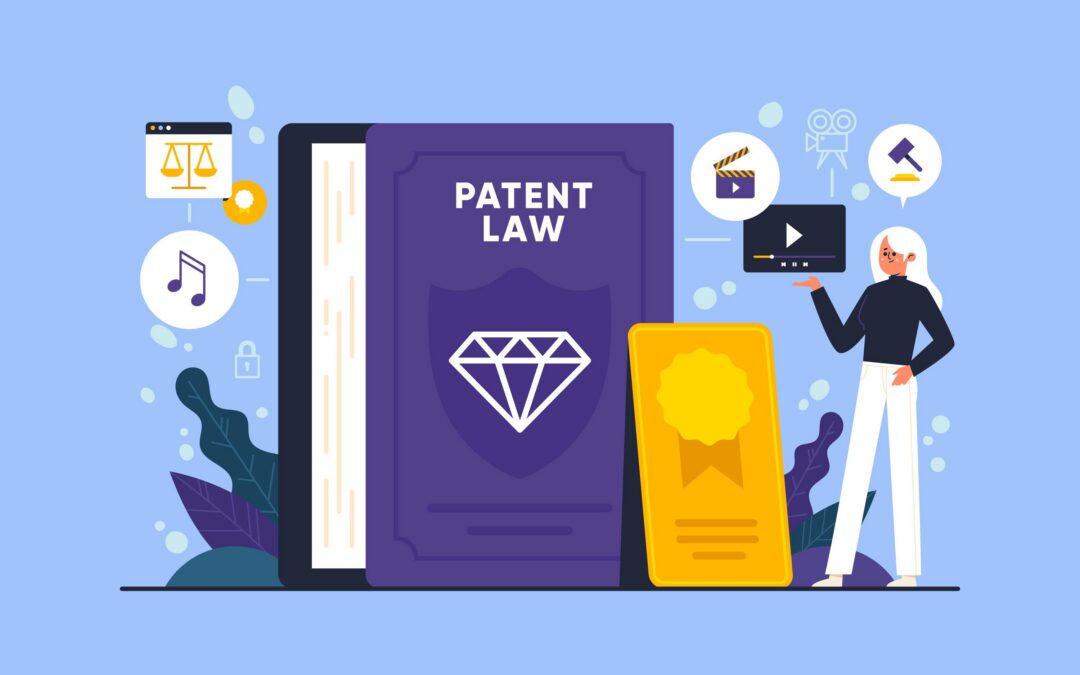
by AI Admin | Copyright Protection
The moment a piece of original work is shared publicly, it begins a journey beyond its creator’s immediate control. Writers publish articles, musicians release tracks, filmmakers distribute videos, and businesses roll out branded content with the expectation that their effort, investment, and creativity will be respected. However, many creators and organizations soon realize that visibility often comes with vulnerability. When original work is copied, reused, or distributed without permission, the consequences extend far beyond simple annoyance. Copyright infringement becomes a structural issue that affects revenue, credibility, and long-term sustainability for both individuals and enterprises.
This blog explores how copyright infringement shapes the realities of modern creators and businesses, examining its financial, legal, and reputational implications in depth. It also explains the foundational concepts readers must understand before assessing impact, including ownership rights, enforcement challenges, and the scale of digital misuse. By the end, readers will have a clear, structured understanding of why copyright infringement matters, how it manifests across industries, and why proactive protection through specialized solutions like those offered by Aiplex Anti-Piracy is an essential strategic decision rather than a reactive expense.
Foundational Aspects to Understand About Copyright Infringement
Before evaluating how copyright infringement impacts creators and businesses, it is important to understand the basic principles that govern ownership, rights, and enforcement. Copyright is not just a legal label; it is a framework that defines how creative and commercial value is protected and monetized. Many misconceptions exist around what qualifies as infringement, who is responsible, and how violations occur at scale. This section outlines the key aspects readers must know in advance, setting a clear foundation for the deeper discussions that follow.
Ownership Rights and Intellectual Property Control
Ownership rights form the backbone of copyright law, determining who has the legal authority to use, distribute, or monetize a creative work. For creators and businesses, intellectual property control ensures that effort and investment translate into measurable value. Copyright infringement occurs when these rights are violated without consent, whether intentionally or through negligence. Understanding ownership is critical because enforcement, licensing, and monetization all depend on clearly established rights.
From a business perspective, unclear ownership structures often lead to disputes, revenue leakage, and weakened legal positions. For individual creators, lack of awareness around intellectual property control can result in lost opportunities and exploitation. When copyright infringement enters the equation, proving ownership becomes the first and most essential step in asserting control and seeking remedies.
Legal Frameworks and Copyright Law Enforcement
Copyright law enforcement varies by jurisdiction, but the underlying principle remains consistent: creators and rights holders are entitled to protection against unauthorized use. Copyright infringement is addressed through civil remedies, takedown mechanisms, and, in some cases, criminal penalties. However, enforcement is rarely automatic and often requires active monitoring and documentation.
For businesses operating across borders, enforcement becomes more complex due to differing legal standards and response timelines. Creators may find the process intimidating, time-consuming, or expensive. This gap between legal protection and practical enforcement is one of the main reasons copyright infringement continues to proliferate despite existing laws.
Digital Distribution and Online Content Misuse
The digital ecosystem has dramatically increased the speed and scale at which content can be shared. While this accessibility benefits creators and businesses, it also amplifies the risk of copyright infringement. Online platforms, file-sharing networks, and social media channels make it easy for infringing content to spread rapidly and anonymously.
Digital misuse often occurs in fragmented ways, with content copied, altered, or redistributed across multiple platforms simultaneously. This fragmentation makes detection difficult and enforcement resource-intensive. Understanding how digital distribution fuels copyright infringement is essential for assessing its true impact on revenue and brand integrity.
Monetization Models and Revenue Dependencies
Most creators and businesses rely on specific monetization models, such as licensing, subscriptions, advertising, or direct sales. Copyright infringement directly undermines these models by diverting audiences toward unauthorized alternatives. When consumers access content for free or through illegitimate channels, legitimate revenue streams suffer.
This impact is not always immediately visible, which leads many organizations to underestimate the damage. Over time, however, consistent infringement erodes pricing power, reduces return on investment, and weakens the perceived value of original work. Understanding this connection clarifies why infringement is not a minor issue but a systemic threat.
Brand Value, Trust, and Market Positioning
Beyond financial loss, copyright infringement affects how brands and creators are perceived in the market. When counterfeit or pirated versions circulate, quality control is lost, and audience trust may decline. Consumers often cannot distinguish between authorized and unauthorized content, leading to confusion and reputational harm.
For businesses, brand dilution can have long-term consequences that extend beyond a single product or campaign. Creators may find their work associated with contexts they did not approve, damaging credibility. Recognizing the relationship between copyright infringement and brand trust is essential for understanding its broader impact.
Financial Impact of Copyright Infringement on Creators
Copyright infringement has a direct and measurable financial impact on creators, affecting both immediate earnings and long-term income potential. While some losses are visible through declining sales or views, others remain hidden within altered consumer behavior and weakened negotiating power. This section explores the key financial dimensions creators face when their work is infringed.
The economic consequences are rarely isolated incidents; they often compound over time. As infringement persists, creators may struggle to justify future investments in quality, marketing, or innovation. Understanding these financial mechanisms highlights why copyright protection is central to creative sustainability.
Revenue Loss from Unauthorized Distribution
Unauthorized distribution allows audiences to access creative work without compensating the creator. Copyright infringement in this form directly reduces sales, streams, or licensing fees that creators depend on for income. Each unauthorized copy represents a potential transaction that never occurred through legitimate channels.
Over time, this loss accumulates and becomes structural rather than incidental. Creators may notice declining earnings even as their work gains popularity, creating a disconnect between reach and revenue. This imbalance often discourages further production and limits professional growth.
Reduced Licensing and Partnership Opportunities
Licensing is a critical revenue stream for many creators, enabling their work to be used legally across platforms and industries. Copyright infringement undermines this model by making unauthorized versions readily available. When potential partners perceive content as widely pirated, they may be less willing to pay licensing fees.
This reduction in perceived exclusivity weakens a creator’s negotiating position. Over time, licensing rates may drop, and high-value partnerships may disappear entirely. The presence of infringement thus directly impacts future earning potential, not just current income.
Increased Enforcement and Legal Costs
Responding to copyright infringement often requires creators to invest time and money into enforcement. Legal consultations, takedown requests, and monitoring tools all represent additional expenses that do not generate revenue. For independent creators, these costs can be particularly burdensome.
Even when enforcement is successful, recovery of losses is not guaranteed. The financial strain of ongoing infringement management can divert resources away from creative work, limiting output and innovation. This hidden cost is frequently overlooked when assessing overall impact.
Business-Level Consequences of Copyright Infringement
For businesses, copyright infringement extends beyond individual losses and affects organizational strategy, scalability, and competitiveness. Companies invest heavily in content, software, branding, and proprietary assets, all of which are vulnerable to misuse. This section examines how infringement reshapes business outcomes.
The impact is often cross-functional, influencing marketing, legal, finance, and product development teams simultaneously. Understanding these interconnected effects is essential for leaders making decisions about risk management and protection strategies.
Market Share Erosion and Competitive Disadvantage
When infringing alternatives enter the market, they compete unfairly with legitimate offerings. Copyright infringement allows unauthorized entities to bypass development costs, enabling them to undercut pricing or flood distribution channels. This erodes market share for legitimate businesses.
Over time, sustained infringement can distort competitive landscapes, making it difficult for compliant companies to maintain profitability. The resulting disadvantage may force businesses to scale back investments or exit certain markets entirely.
Damage to Brand Reputation and Consumer Trust
Brand reputation is built on consistency, quality, and reliability. Copyright infringement disrupts this by introducing unauthorized versions that may not meet the original standards. Consumers who encounter poor-quality infringing content may associate those experiences with the legitimate brand.
This erosion of trust can have long-lasting effects, reducing customer loyalty and increasing churn. For businesses, reputational damage is often more difficult to repair than financial loss, making prevention a strategic priority.
Operational and Resource Drain
Managing copyright infringement requires internal coordination and external expertise. Businesses must allocate resources to monitoring, reporting, and enforcement activities. These operational demands divert attention from core growth initiatives.
As infringement scales, the resource drain intensifies. Without automated or specialized solutions, businesses may struggle to keep pace, resulting in reactive rather than proactive management. This inefficiency further amplifies the overall impact.
Why Choose Aiplex Anti-Piracy for Copyright Protection
Aiplex Anti-Piracy offers specialized solutions designed to address the complexities of modern copyright infringement. By leveraging advanced detection technologies and automated enforcement workflows, the platform helps creators and businesses identify unauthorized use across digital ecosystems efficiently.
Beyond detection, Aiplex Anti-Piracy focuses on scalable protection strategies that align with business objectives. Its approach reduces manual effort, accelerates response times, and strengthens legal positioning. For organizations seeking sustainable copyright protection, choosing a dedicated solution transforms infringement management from a reactive burden into a strategic advantage.
Conclusion: Understanding and Addressing Copyright Infringement
Copyright infringement impacts creators and businesses at every level, from individual revenue streams to long-term brand equity and market stability. Its effects are not limited to isolated incidents but form patterns that weaken creative ecosystems and commercial fairness. By understanding the foundational aspects, financial implications, and business-level consequences, stakeholders can make informed decisions about protection.
Proactive copyright management is no longer optional for those who rely on original work as a core asset. With the right tools and strategies, creators and businesses can safeguard their value, maintain trust, and ensure that creativity and innovation continue to generate sustainable returns.
by AI Admin | Piracy
Media owners invest heavily in creating original content, building audiences, and maintaining brand value across platforms. Whether it is film, music, digital art, publishing, or live broadcasts, the effort behind every asset is significant. When that content is reused, redistributed, or monetized without permission, it directly impacts revenue, credibility, and long-term growth. Copyright infringement is no longer limited to obscure websites or isolated actors; it occurs across social platforms, streaming sites, file-sharing networks, and even legitimate-looking marketplaces, making awareness and protection a strategic priority rather than a legal afterthought.
Understanding copyright infringement protection helps media owners stay informed about how their content is exposed, what risks exist, and which safeguards are available. This blog provides structured, practical information on the foundations of copyright protection, key factors to consider before choosing a protection strategy, and the available methods media owners can use to monitor, detect, and act against unauthorized use. By the end, you will have a clear framework to evaluate professional protection services and explore how Aiplex AntiPiracy supports media owners in enforcing rights effectively.
Essential Foundations of Copyright Infringement Protection
Before exploring specific tools or services, media owners must understand the underlying principles that define copyright infringement protection. These foundations influence how enforcement works, what evidence is required, and how scalable a protection strategy can be. Each element below plays a role in shaping an effective and legally sound approach to safeguarding media assets.
Understanding Copyright Ownership and Rights Scope
Copyright ownership establishes who has the legal authority to control how a work is used, distributed, adapted, or monetized. Media owners must clearly document ownership, licensing agreements, and territorial rights, especially when content is co-produced or distributed through multiple channels. Ambiguity around ownership often weakens enforcement efforts and delays takedowns, even when infringement is obvious.
Equally important is understanding the scope of rights attached to each asset. Some works may allow limited reuse under licensing terms, while others are fully restricted. Knowing these boundaries helps media owners differentiate between legitimate use, fair use claims, and actual infringement. This clarity ensures that enforcement actions are precise, defensible, and aligned with contractual obligations.
Types of Digital Copyright Infringement
Digital copyright infringement appears in multiple forms, including unauthorized streaming, illegal downloads, reuploads on social platforms, and use of protected media in advertisements or derivative content. Each type carries different risks and enforcement requirements. For example, live sports piracy demands rapid response, while catalog content misuse may require long-term monitoring.
Recognizing these categories allows media owners to prioritize protection efforts based on business impact. High-value or time-sensitive content requires real-time detection, while evergreen assets benefit from consistent surveillance. Understanding infringement patterns also helps in selecting tools that specialize in specific platforms or distribution channels.
Jurisdiction and Cross-Border Enforcement Challenges
Copyright laws vary across regions, creating complexity when infringing content is hosted or accessed internationally. Media owners often face delays due to differing takedown standards, notice requirements, and legal interpretations. Without a structured approach, cross-border enforcement can become costly and inefficient.
Effective copyright infringement protection accounts for these jurisdictional differences by using standardized notice frameworks and platform-specific compliance processes. Media owners benefit from solutions that understand global enforcement landscapes and can operate at scale without requiring individual legal actions in each region.
Evidence Collection and Documentation Standards
Successful enforcement depends on strong evidence. This includes proof of ownership, timestamps, URLs, screenshots, and usage records that demonstrate unauthorized exploitation. Inconsistent or incomplete documentation weakens takedown requests and may result in rejected claims.
Automated evidence collection systems reduce manual effort while ensuring accuracy and consistency. For media owners managing large libraries, structured documentation becomes essential to maintaining enforcement momentum and protecting assets without overwhelming internal teams.
The Role of Automation in Modern Protection
Manual monitoring is no longer sufficient for the volume and speed of online infringement. Automation enables continuous scanning across platforms, rapid detection, and streamlined takedown workflows. It also reduces response time, which is critical for live or premium content.
By integrating automation, media owners shift from reactive enforcement to proactive protection. This foundation supports scalable copyright infringement protection strategies that grow alongside content libraries and distribution networks.
Key Copyright Infringement Protection Methods for Media Owners
Once the foundational concepts are clear, media owners can explore specific methods used to protect content from unauthorized use. Each approach addresses different stages of infringement, from prevention and detection to enforcement and reporting.
Digital Fingerprinting and Content Identification
Digital fingerprinting creates unique identifiers for media assets, allowing platforms and monitoring systems to recognize protected content even when modified. This method is effective for audio, video, and visual media shared across user-generated platforms.
For media owners, fingerprinting supports continuous tracking and automated detection. It reduces reliance on manual searches and ensures that infringing copies are identified quickly, even when filenames or formats are altered.
Automated Content Monitoring Systems
Automated monitoring tools scan websites, social media platforms, streaming services, and marketplaces to identify unauthorized use. These systems operate continuously, ensuring coverage beyond business hours and across global platforms.
Such systems provide actionable insights, including infringement frequency, platform distribution, and repeat offenders. Media owners can use this data to refine enforcement strategies and prioritize high-impact actions.
Platform-Specific Takedown Mechanisms
Most major platforms offer copyright reporting tools, but each has unique requirements and response timelines. Understanding these mechanisms is essential for effective enforcement.
Professional protection services streamline platform-specific takedowns by aligning notices with compliance standards. This increases approval rates and minimizes delays, helping media owners maintain control over their content presence.
Legal Notice and DMCA Enforcement
Formal legal notices, including DMCA takedown requests, remain a cornerstone of copyright infringement protection. These notices require accuracy, supporting evidence, and adherence to legal formats.
Automated DMCA workflows help media owners issue notices efficiently while maintaining legal validity. This approach balances enforcement strength with operational efficiency, especially for large-scale infringement cases.
Analytics and Reporting for Strategic Decisions
Protection is not only about removal but also about insight. Analytics reveal where infringement occurs, which assets are most targeted, and how enforcement actions perform over time.
Media owners can use reporting to assess ROI, adjust distribution strategies, and demonstrate protection efforts to stakeholders. Data-driven enforcement supports informed decision-making and long-term asset security.
Why Choose Aiplex AntiPiracy for Copyright Infringement Protection
Aiplex AntiPiracy offers specialized solutions designed for media owners managing complex content ecosystems. Its approach combines AI-driven detection, automated enforcement, and comprehensive reporting to address infringement at scale.
By leveraging advanced monitoring technologies, Aiplex AntiPiracy helps media owners detect unauthorized use across platforms efficiently. Its streamlined takedown processes reduce response times and administrative burden, allowing teams to focus on content creation and distribution. With transparent reporting and scalable protection models, Aiplex AntiPiracy supports sustainable copyright infringement protection aligned with business growth.
Conclusion
Copyright infringement protection is a strategic requirement for media owners operating in highly distributed digital environments. Understanding ownership, infringement types, enforcement challenges, and available protection methods provides a solid foundation for informed decision-making. As content libraries expand and distribution channels multiply, scalable and automated protection becomes essential.
By adopting structured protection strategies and partnering with specialized providers like Aiplex AntiPiracy, media owners can safeguard revenue, maintain brand integrity, and enforce rights confidently. A proactive approach to copyright infringement protection ensures that creative investments remain secure and that original content continues to deliver long-term value.
by AI Admin | Antipiracy
Creators, businesses, and rights holders often face a moment of realization when they discover their original work being used without permission. It may start with a client pointing out duplicated content, a sudden dip in traffic due to copied articles outranking the original, or finding paid media assets distributed freely on unknown platforms. Copyright infringement creates uncertainty because many are unsure where the misuse originated or how far it has spread. Beyond financial loss, it damages brand credibility, weakens market positioning, and erodes trust built with audiences. Understanding copyright infringement as a legal and operational issue is essential for anyone producing valuable intellectual property.
This blog provides structured, actionable information on how legal action can help stop copyright infringement and protect digital assets effectively. It explains essential concepts to understand before taking action, outlines practical legal options available to rights holders, and clarifies how enforcement strategies work in real scenarios. You will also learn when professional support becomes critical and how specialized anti-piracy services simplify the process. If protecting your content matters to your business growth, this guide will help you make informed decisions and take confident next steps with expert-backed solutions from Aiplex Anti-Piracy.
Key Concepts to Understand Before Taking Legal Action Against Copyright Infringement
Before initiating any legal or enforcement step, it is important to understand the foundational elements that govern copyright protection. Legal action without clarity can lead to delays, ineffective claims, or unnecessary costs. This section outlines the essential concepts that shape enforcement outcomes and determine how successful your efforts against copyright infringement will be. Each concept below directly impacts how violations are identified, validated, and resolved.
Ownership and Proof of Copyright
Establishing ownership is the first and most critical requirement when addressing copyright infringement. You must be able to demonstrate that the content in question is your original creation or that you legally hold exclusive rights to it. This may include dated drafts, source files, registration certificates, contracts, or licensing agreements. Clear documentation strengthens your legal position and prevents disputes over originality. Without proof, enforcement actions may be delayed or dismissed, regardless of how obvious the infringement appears.
Beyond formal registration, consistent publishing records and digital footprints also support ownership claims. Metadata, publishing timestamps, and historical hosting records help demonstrate precedence. For businesses managing large content libraries, organizing proof of ownership centrally ensures rapid response when infringement occurs. Proper documentation reduces friction with platforms, legal teams, and enforcement agencies, making the entire process more efficient and defensible.
Understanding Fair Use and Legal Exceptions
Not all unauthorized use qualifies as copyright infringement, which makes understanding fair use essential before taking legal action. Fair use may apply in cases such as commentary, criticism, education, or parody, depending on jurisdiction. Factors like the purpose of use, amount copied, and impact on market value are evaluated collectively. Misinterpreting fair use can result in invalid claims and reputational risks.
Careful analysis ensures that enforcement efforts target genuine violations rather than lawful usage. This distinction is particularly important for digital creators whose content may be referenced across blogs, reviews, or educational platforms. Evaluating context prevents unnecessary disputes and ensures legal resources are focused on high-impact infringements that cause measurable harm.
Jurisdiction and Cross-Border Challenges
Copyright laws vary across countries, which complicates enforcement when infringement occurs internationally. A website hosted abroad or a platform operating under different legal frameworks may require region-specific procedures. Understanding jurisdiction determines whether local courts, international treaties, or platform-based remedies apply.
Cross-border cases often demand specialized expertise to navigate notice requirements, language barriers, and compliance timelines. Knowing where the infringer operates and where the content is hosted helps define the most effective legal path. Strategic planning avoids wasted effort and ensures actions are enforceable under relevant laws.
Role of Digital Evidence in Enforcement
Digital evidence plays a decisive role in proving copyright infringement. Screenshots, URLs, access logs, download records, and platform analytics establish the scope and duration of misuse. Proper evidence collection preserves integrity and admissibility, which is essential for legal proceedings.
Timely documentation matters because infringing content can be altered or removed once discovered. Automated monitoring tools help capture violations in real time and maintain detailed records. Strong evidence accelerates takedown approvals and strengthens claims during disputes or negotiations.
Platform Policies and Compliance Mechanisms
Most digital platforms provide internal mechanisms for reporting copyright infringement, such as DMCA notices or rights management systems. Understanding these policies allows rights holders to act quickly without immediate court involvement. Platforms often require specific formats and proof, making preparation essential.
Using platform compliance tools strategically can result in rapid removal and account penalties for repeat offenders. However, improper submissions may lead to rejection. Familiarity with platform rules ensures enforcement actions are accurate, efficient, and effective.
Legal Action Options to Stop Copyright Infringement
Once foundational concepts are clear, rights holders can choose from multiple legal and semi-legal options to stop copyright infringement. Each option serves a specific purpose depending on severity, scale, and business impact. The following sections explain these options in detail to help you select the most appropriate response.
Cease and Desist Notices
A cease and desist notice is often the first formal step in addressing copyright infringement. It informs the infringer of the violation and demands immediate removal or cessation of use. This approach is cost-effective and resolves many cases without litigation. It establishes intent and creates a documented trail of enforcement efforts.
When drafted professionally, these notices communicate seriousness and legal readiness. They also serve as evidence if the dispute escalates. Clear language, supporting proof, and defined deadlines improve compliance rates and deter repeat violations.
DMCA Takedown Requests
DMCA takedown requests allow rights holders to request removal of infringing content from platforms and hosting providers. This process is widely recognized and often results in swift action when properly submitted. It is particularly effective for online content such as videos, images, and written material.
Accuracy is critical because false claims can result in penalties or counter-notices. Proper documentation and precise identification of infringing material ensure successful takedowns. For businesses managing frequent violations, automation significantly improves efficiency.
Civil Litigation for Copyright Infringement
When infringement causes substantial financial harm or continues despite warnings, civil litigation may be necessary. Legal proceedings seek injunctions, damages, and legal recognition of rights. This option is resource-intensive but provides strong deterrence against large-scale or commercial infringers.
Litigation outcomes often set precedents that discourage future misuse. However, careful cost-benefit analysis is essential. Legal counsel ensures claims are valid, evidence is sufficient, and objectives are clearly defined before proceeding.
Injunctions and Court Orders
Injunctions are court-issued orders that require infringers to stop specific actions immediately. They are effective in urgent situations where ongoing misuse causes irreparable harm. Courts may also order removal of content and prohibit future violations.
Securing an injunction requires strong evidence and legal justification. When granted, it provides enforceable authority that platforms and third parties must respect. This option is particularly valuable in high-stakes commercial disputes.
Settlement and Negotiation
In some cases, settlement offers a faster and mutually beneficial resolution. Negotiations may result in licensing agreements, compensation, or formal acknowledgments. This approach avoids prolonged legal battles while still protecting rights.
Strategic negotiation requires clarity on desired outcomes and acceptable terms. Documented agreements prevent future disputes and formalize usage conditions. Settlement is often effective when both parties seek resolution without public litigation.
Why Choose Aiplex Anti-Piracy for Copyright Enforcement
Aiplex Anti-Piracy provides comprehensive solutions for monitoring, detecting, and enforcing copyright protection at scale. Their technology-driven approach identifies infringements across platforms, domains, and regions with precision. Automated evidence collection ensures accuracy and speed in enforcement actions.
Beyond detection, Aiplex Anti-Piracy manages takedowns, legal coordination, and reporting, allowing businesses to focus on growth. Their expertise reduces response time, increases success rates, and ensures compliance with global regulations. For organizations serious about protecting intellectual property, professional enforcement delivers measurable value.
Conclusion
Stopping copyright infringement requires informed decision-making, structured processes, and consistent enforcement. Understanding ownership, legal boundaries, and available remedies empowers rights holders to act confidently. Legal action, when applied strategically, not only removes infringing content but also deters future misuse.
By combining legal knowledge with specialized anti-piracy services, businesses safeguard revenue, reputation, and creative investment. Choosing a professional partner ensures long-term protection and peace of mind in an increasingly content-driven economy. Taking action today strengthens control over your intellectual property tomorrow.

by AI Admin | Antipiracy
In the digital age, where creative work is shared, copied, and consumed faster than ever, understanding copyright infringement has become crucial for every creator. Whether you are a filmmaker, musician, designer, or writer, your intellectual property is one of your most valuable assets. Yet, with the internet’s vastness and accessibility, it is increasingly common to see creative works reused, altered, or monetized without permission. This raises not only ethical concerns but also significant financial and legal implications that every creator must grasp.
As we explore this topic, this blog will break down what copyright infringement means, how it occurs, and what measures creators can take to safeguard their work. From understanding copyright laws to leveraging advanced anti-piracy solutions, you’ll find actionable information to protect your intellectual property. If you’re looking for reliable copyright protection and digital rights management, AiPlex Anti-Piracy offers specialized services tailored for creators worldwide.
Things Creators Must Know About Copyright Infringement
Before diving into preventive strategies or legal actions, creators must understand the core elements of copyright infringement. These insights form the foundation of awareness and help you make informed decisions about your creative rights. Let’s explore the critical concepts every creator needs to know.
What Is Copyright?
Copyright is a form of legal protection granted to creators of original works, including literary, musical, artistic, and audiovisual content. It gives the creator exclusive rights to reproduce, distribute, display, or license their work. Understanding copyright ensures that creators know the boundaries of what they own and what others cannot use without consent. It’s the first layer of defense against intellectual property misuse.
Moreover, copyright arises automatically when an original work is created and fixed in a tangible medium. Registration, although not mandatory, strengthens legal standing in case of disputes. By recognizing these principles, creators can take proactive steps toward protecting their creative assets globally.
Common Types of Copyright Infringement
Copyright infringement occurs when someone uses another person’s protected work without permission or appropriate licensing. Common examples include copying text, reusing images, distributing films, or streaming music without consent. Infringement can also occur when a derivative work is created that closely imitates the original, diluting its originality or commercial value.
In today’s digital environment, online piracy is the most rampant form of copyright infringement. Websites, peer-to-peer networks, and social media platforms often become unintentional hosts of stolen content. Knowing these forms helps creators recognize infringement early and respond effectively.
Direct and Indirect Infringement
Direct infringement happens when an individual reproduces or shares copyrighted work without authorization. Indirect infringement, on the other hand, occurs when someone contributes to or benefits from another’s infringement—for example, platforms that host illegal content. Understanding both helps creators identify not just the perpetrators but also intermediaries that enable violations.
By differentiating between direct and indirect infringement, creators can target the right entities when taking legal action. It also helps in forming precise evidence-based cases, strengthening enforcement efforts in digital and physical spaces alike.
Fair Use and Its Limitations
Fair use is an exception in copyright law that allows limited use of copyrighted materials without permission for purposes such as commentary, criticism, news reporting, or education. However, fair use has boundaries commercial use or large-scale reproduction often falls outside its scope. Many infringers misuse fair use as an excuse to exploit creative content unfairly.
Creators must familiarize themselves with fair use to understand where legitimate references end and infringement begins. Proper crediting and context are essential, and seeking legal guidance can prevent potential disputes over content reuse.
How Technology Impacts Copyright Enforcement
Modern technology has made copyright protection both easier and more complex. While digital watermarking and content ID systems allow creators to track usage, technologies like AI and blockchain are reshaping ownership verification. Conversely, the same digital tools have enabled sophisticated forms of piracy, including automated content scraping and mass distribution of illegal copies.
For creators, staying updated on technological trends is essential. Collaborating with expert anti-piracy firms like AiPlex ensures continuous monitoring and removal of infringing material, leveraging AI-driven content tracking to protect your digital footprint.
Key Forms of Copyright Infringement in the Digital Space
The digital era has diversified the forms of infringement that creators face daily. From streaming platforms to e-commerce sites, piracy takes many shapes, each requiring a unique countermeasure.
Unauthorized Reproduction and Distribution
This form of infringement involves copying or distributing a copyrighted work without permission. It’s one of the most common violations, especially in music, film, and software industries. Even partial copying can qualify as infringement if it affects the original work’s market potential.
Online file-sharing platforms and torrent websites amplify this issue, making enforcement challenging. By using advanced anti-piracy tools, creators can track and take down unauthorized copies to minimize losses.
Streaming Piracy
Streaming piracy is now a dominant issue for video creators, production houses, and musicians. Illegal streaming sites host or redirect copyrighted content without compensating its rightful owners. These sites often profit through ads or subscriptions, depriving creators of revenue.
Using AI-based content identification and watermarking systems can significantly reduce the spread of illegal streams. Partnering with AiPlex’s proactive takedown solutions further ensures constant protection across platforms.
Image and Design Theft
Photographers, designers, and digital artists frequently encounter unlicensed use of their visuals. Websites and social media users often repost or reuse images without proper credit or license, leading to revenue loss and brand dilution.
Reverse image search tools and DMCA (Digital Millennium Copyright Act) takedown notices can help creators reclaim ownership. With AiPlex’s expertise in digital media monitoring, identifying and removing stolen visuals becomes seamless.
Software Piracy
Software piracy involves using or distributing copyrighted software without proper licensing. This includes cracked versions, unauthorized copies, and key sharing. Beyond revenue loss, it can damage a developer’s reputation and expose users to security risks.
Implementing license management systems and regular monitoring helps software creators protect their intellectual assets. AiPlex provides customized solutions to track and address illegal software distribution.
Social Media and User-Generated Infringement
Social media platforms have become hubs for sharing copyrighted content—intentionally or otherwise. Users often post copyrighted videos, music, or artwork without permission, resulting in large-scale exposure of pirated content.
Platforms like YouTube and Instagram have content recognition systems, but they aren’t foolproof. AiPlex enhances this protection with AI-driven monitoring that flags and removes infringing content faster than manual systems.
Global Copyright Laws Every Creator Should Know
Understanding international copyright laws is vital for global creators. These frameworks help determine your rights and how you can enforce them across jurisdictions.
The Berne Convention
The Berne Convention ensures that works created in one member country receive protection in all others. It simplifies global enforcement for creators whose content is distributed worldwide. This treaty emphasizes automatic protection—no registration required.
By aligning their practices with Berne principles, creators can secure legal protection across 180+ countries, simplifying international copyright claims.
The Digital Millennium Copyright Act (DMCA)
The DMCA is a U.S. law that empowers copyright holders to request the removal of infringing material online. It’s widely used by creators worldwide due to its influence on global digital platforms.
Submitting DMCA notices promptly ensures that unauthorized copies are taken down quickly. AiPlex specializes in executing DMCA compliance strategies to protect creative assets effectively.
European Union Copyright Directive
This directive modernizes copyright law across the EU, especially regarding online platforms. It mandates that content-sharing services take more responsibility for copyright compliance.
Creators in Europe benefit from greater accountability from hosting providers. AiPlex’s global monitoring services align with EU standards to protect digital works across regions.
Indian Copyright Act, 1957
For Indian creators, this act serves as the cornerstone of copyright protection. It covers artistic, literary, and musical works and outlines penalties for infringement.
With AiPlex headquartered in India, creators gain the advantage of localized expertise combined with international enforcement strategies, ensuring broad protection.
How Creators Can Prevent Copyright Infringement
Awareness alone isn’t enough—implementing preventive measures is key to protecting creative work.
Register Your Work
Although copyright exists automatically upon creation, registering it with relevant authorities provides legal proof of ownership. This strengthens your claim in case of disputes or infringement cases.
Digital registration systems and blockchain-based proof of ownership are evolving as secure ways to establish authorship. AiPlex can guide creators through digital copyright registration processes.
Use Watermarks and Metadata
Adding visible or invisible watermarks to your images, videos, or documents deters unauthorized use. Embedding metadata ensures traceability, making it easier to prove ownership.
AiPlex’s watermarking technology enables content creators to embed unique identifiers, providing both preventive and detective protection.
Monitor Online Usage
Constantly tracking where and how your work is being used online helps detect early signs of infringement. Automated systems can scan websites, forums, and social media for unauthorized copies.
AiPlex’s AI-based scanning tools perform real-time monitoring across platforms, ensuring quick detection and action against piracy.
Educate Your Audience
Many instances of infringement occur due to lack of awareness. By educating your audience on copyright norms and encouraging ethical content use, creators can foster respect for intellectual property.
Public awareness campaigns and transparent content licensing can reduce unintentional violations significantly.
Partner With an Anti-Piracy Agency
Managing copyright protection alone can be overwhelming. Partnering with a professional anti-piracy agency like AiPlex ensures continuous vigilance, expert enforcement, and global compliance.
AiPlex uses advanced algorithms to track, report, and remove pirated content efficiently, allowing creators to focus on innovation.
Why Choose AiPlex Anti-Piracy for Copyright Protection
AiPlex Anti-Piracy is a trusted global leader in copyright protection and digital rights management. With over a decade of experience in combating online piracy, AiPlex helps creators safeguard their intellectual property across platforms and jurisdictions.
Their services include automated content monitoring, AI-driven detection systems, DMCA compliance management, and direct takedown execution. AiPlex’s technology ensures minimal downtime for infringing content and maximizes revenue protection for creators.
Beyond technology, AiPlex offers personalized support and legal collaboration to handle complex infringement cases. For creators, partnering with AiPlex means peace of mind—your creative assets remain secure while you focus on producing exceptional work.
Conclusion and Summary
Copyright infringement poses a significant threat to creators in the digital era, but knowledge and proactive measures can make all the difference. Understanding laws, identifying types of infringement, and using modern anti-piracy tools help creators protect their livelihoods and artistic integrity. As digital content continues to expand, securing intellectual property is not just an option—it’s a necessity.
AiPlex Anti-Piracy stands as a comprehensive partner for creators, offering unmatched expertise and technology to combat piracy effectively. Whether you’re an independent artist or a global production house, their solutions are designed to protect, monitor, and enforce your creative rights worldwide. Visit AiPlex Anti-Piracy to learn how their team can safeguard your content and ensure your creative success in the ever-evolving digital landscape.
by AI Admin | Antipiracy
Creating original content or building a business asset involves a significant investment of time, expertise, and financial resources. From digital creators producing videos, music, and designs to businesses developing software, brand assets, and proprietary content, ownership is the foundation of value. However, the moment content is published, shared, or distributed online, it becomes vulnerable to misuse. Copyright infringement has evolved into a complex, fast-moving risk that affects revenue, reputation, and long-term growth. Many creators only realize the extent of the problem after discovering their work copied, resold, or monetized by unknown third parties.
This blog provides a detailed, information-focused breakdown of copyright infringement risks for creators and businesses. It explains the core concepts you must understand, the most common infringement scenarios, and how these risks impact different industries. The goal is to equip you with clear, structured knowledge so you can assess your exposure and make informed decisions about protection. By the end, you will also understand why professional anti-piracy and brand protection solutions are increasingly essential for safeguarding intellectual property at scale.
Things You Must Know About Copyright Infringement
Before exploring specific risk categories, it is important to understand the foundational elements of copyright infringement. Many risks arise not from lack of effort, but from gaps in knowledge about how copyright operates in digital and commercial environments. This section outlines the critical factors every creator and business should be aware of before evaluating protection strategies.
Legal Ownership and Copyright Scope
Copyright protection automatically applies to original works once they are created, but the scope of that protection is often misunderstood. Digital content such as videos, articles, software code, music, images, and online courses are all protected, yet enforcement depends on clearly establishing ownership. Without proper contracts, contributor agreements, licensing documentation, and timestamps, proving ownership can become difficult. Infringers often exploit these gaps to delay takedowns or dispute claims.
For businesses, unclear copyright scope can also create internal risks. Using third-party assets without proper licenses or failing to secure full rights from freelancers and agencies can expose companies to counterclaims. Understanding exactly what your copyright covers, and ensuring documentation is in place, is essential for managing infringement risks effectively.
Direct vs Indirect Infringement
Direct infringement involves clear acts such as copying, distributing, or publicly displaying copyrighted material without permission. Indirect infringement, however, is more complex and often more damaging. This includes hosting pirated content, enabling unauthorized distribution, embedding stolen material, or monetizing infringing content through advertisements and subscriptions. Many large-scale infringement operations rely on indirect models to reduce visibility and legal exposure.
For creators and businesses, indirect infringement presents a monitoring challenge. Content may appear across dozens of platforms, marketplaces, or mirror sites without direct attribution. Without systematic detection, these activities can continue for long periods, compounding financial and reputational damage.
Global Jurisdiction and Enforcement Limitations
Digital content crosses borders instantly, but copyright laws remain jurisdiction-specific. Enforcement procedures, penalties, and cooperation mechanisms vary widely between countries. Some regions have slower takedown processes or weaker enforcement frameworks, making them attractive hubs for infringing activity. This creates uneven protection for global brands and creators.
Understanding jurisdictional limitations helps businesses prioritize enforcement efforts and choose protection strategies that align with their markets. Without this awareness, companies may invest resources in actions that yield limited practical results due to legal constraints in certain regions.
Scale and Automation of Modern Piracy
Modern copyright infringement is rarely manual or isolated. Organized networks use automation, bots, and scraping tools to copy and redistribute content at scale. Once a single asset is leaked, it can be replicated across hundreds of websites, social platforms, and marketplaces within hours. Manual searches and reactive responses are no longer sufficient.
For creators and businesses, this scale creates a response gap. By the time infringement is discovered manually, significant damage may already have occurred. Understanding the speed and scale of modern piracy highlights the need for proactive monitoring and automated enforcement.
Financial and Brand Impact Over Time
Copyright infringement rarely causes immediate collapse, but its long-term impact can be severe. Lost sales, reduced licensing value, weakened exclusivity, and brand dilution accumulate gradually. For subscription-based or digital-first businesses, even small leaks can significantly affect recurring revenue.
Beyond direct financial loss, repeated infringement erodes brand trust. Customers may encounter poor-quality pirated versions, counterfeit listings, or unauthorized bundles, associating negative experiences with the original brand. Recognizing these long-term effects is essential for accurately assessing risk.
Common Copyright Infringement Risks for Creators and Businesses
Once the foundational concepts are clear, it becomes easier to identify where infringement risks are most likely to occur. This section outlines the most common risk categories faced by creators and businesses across industries, explaining how each one impacts ownership, revenue, and brand control.
Unauthorized Content Distribution
Unauthorized distribution is one of the most widespread forms of copyright infringement. It occurs when copyrighted material is shared, uploaded, or redistributed without permission, often through file-sharing platforms, streaming websites, messaging groups, or unauthorized marketplaces. For creators, this may involve leaked videos, music tracks, or written content. For businesses, it can include software, training materials, or licensed media.
The primary risk of unauthorized distribution is loss of control. Once content is distributed illegally, it becomes difficult to track where it appears and how it is used. This not only affects direct revenue but also undermines pricing strategies, exclusivity agreements, and licensing negotiations. Over time, widespread unauthorized distribution can significantly devalue original content.
Counterfeit and Imitation Products
For brands with physical or digital products, counterfeiting presents a major copyright and brand protection risk. Counterfeiters replicate designs, packaging, product descriptions, and media assets to sell unauthorized copies. These products are often distributed through online marketplaces, social media ads, and unauthorized reseller websites.
Counterfeit products damage more than sales. Poor quality imitations can harm customer trust, lead to negative reviews, and create safety concerns. From a legal standpoint, counterfeit listings also complicate enforcement because they may involve multiple sellers operating under different identities across platforms.
Social Media and User-Generated Content Misuse
Social media platforms enable rapid content sharing, but they also create significant infringement risks. User-generated content often incorporates copyrighted music, videos, images, or branded material without permission. While some use may fall under limited exceptions, large-scale misuse for commercial gain constitutes infringement.
For creators, unauthorized reposting and remixing can dilute attribution and reduce traffic to original channels. For businesses, brand assets may be used in misleading promotions or false endorsements. Monitoring social platforms is particularly challenging due to volume, speed, and constantly changing content formats.
Software and Digital Product Piracy
Software piracy remains a critical risk for technology companies and digital product creators. Unauthorized copying, key sharing, cracked versions, and illegal downloads undermine licensing models and subscription revenue. Pirated software is often distributed through forums, torrent sites, and unofficial app stores.
Beyond revenue loss, software piracy introduces security and reputational risks. Users of pirated versions may experience malware, data breaches, or system failures, which can reflect poorly on the original brand. Addressing software piracy requires specialized detection and enforcement capabilities.
Marketplace and E-commerce Infringement
Online marketplaces have become major channels for copyright infringement. Unauthorized sellers may list digital downloads, counterfeit products, or unlicensed bundles using copied descriptions and images. Even legitimate marketplaces can struggle to police the volume of listings effectively.
For businesses, marketplace infringement creates pricing pressure and customer confusion. Legitimate sellers may be undercut by infringing listings, while customers may unknowingly purchase unauthorized products. Proactive monitoring is essential to maintain marketplace integrity.
Why Businesses and Creators Choose Aiplex Anti Piracy
Managing copyright infringement manually is no longer practical for creators and businesses operating at scale. Effective protection requires continuous monitoring, intelligent detection, and coordinated enforcement across platforms and regions. This is where specialized anti-piracy and brand protection services provide measurable value.
Aiplex Anti Piracy offers advanced solutions designed to identify, track, and remove infringing content across the digital ecosystem. Using automated monitoring technologies, the platform detects unauthorized distribution, counterfeit listings, and brand misuse in real time. This proactive approach reduces response times and limits the spread of infringement.
Beyond detection, Aiplex supports structured enforcement workflows, including takedown management and compliance tracking. This allows businesses to maintain consistent protection without diverting internal resources. For creators and enterprises alike, choosing a dedicated anti-piracy partner strengthens intellectual property protection and supports long-term growth.
Conclusion
Copyright infringement is no longer a niche concern limited to large media companies. It affects creators, startups, and global enterprises alike, cutting across industries and content formats. Understanding the risks associated with unauthorized distribution, counterfeiting, social media misuse, software piracy, and marketplace infringement is essential for protecting creative and commercial assets.
By gaining clarity on how infringement occurs and where vulnerabilities exist, creators and businesses can make informed decisions about protection strategies. Professional anti-piracy and brand protection solutions play a critical role in addressing the scale and complexity of modern infringement. Investing in proactive protection is not just about preventing loss; it is about preserving value, trust, and control in an increasingly competitive digital environment.
