by AI Admin | Antipiracy
Introduction
Imagine spending months or even years developing proprietary software that could give your company a competitive edge. You’ve poured resources into its design, development, and distribution. Yet, in a matter of days, pirated versions surface online, being downloaded and used without your consent or compensation. This scenario is more common than most businesses realize, and the implications go far beyond lost sales. Software piracy doesn’t just affect tech giants; it undermines businesses of all sizes, robbing them of their intellectual property and profitability. If you’ve ever dismissed software piracy as someone else’s problem, it might be time to reconsider.
Software piracy is a hidden threat that can quietly chip away at your business’s foundation. In this blog, we’ll explore the extensive impact of software piracy, from revenue losses and security risks to legal consequences and brand damage. You will learn what causes it, how it manifests, and most importantly, how you can protect your enterprise. Whether you’re a startup or an established firm, this blog offers essential insights and actionable steps to safeguard your business. Visit AiPlex Anti Piracy to learn how our solutions can help you combat software piracy effectively.
Key Insights to Know Before Addressing Software Piracy
Before diving into the specifics of how piracy affects your business, it’s crucial to understand the broader context. This includes the forms piracy can take, the underlying motivations behind it, and the global scale of the issue. These foundational insights can help you make informed decisions about protective measures.
1. Definition and Types of Software Piracy
Software piracy comes in multiple forms, including end-user piracy, internet piracy, counterfeiting, and hard disk loading. End-user piracy involves copying software without proper licensing, while internet piracy pertains to downloading or distributing software illegally online. Counterfeiting entails selling fake versions of software that appear genuine. Hard disk loading occurs when vendors install unauthorized copies of software on new hardware to attract buyers.
Understanding these categories is essential for identifying vulnerabilities in your distribution chain. Each form poses unique challenges and requires tailored prevention strategies. Recognizing how piracy manifests is the first step toward effective countermeasures.
2. Motivations Behind Software Piracy
People pirate software for various reasons, including cost avoidance, convenience, and lack of awareness about licensing laws. Some believe that if software is available online, it must be free. Others may not realize the legal and ethical implications of their actions. In certain markets, high software prices push consumers toward illegal alternatives.
Businesses must consider these motivations when designing anti-piracy strategies. Understanding the “why” behind piracy can help companies adopt both technical and educational solutions. These might include pricing models, awareness campaigns, and easily accessible licensing options.
3. Global Scale and Economic Impact
According to the BSA (Business Software Alliance), unlicensed software usage accounted for 37% of software installed on personal computers worldwide. This equates to billions of dollars in lost revenue for software companies annually. The issue is more rampant in developing economies but is by no means limited to them.
These statistics underscore the importance of proactive anti-piracy efforts. Businesses must treat piracy as a global issue, not a localized threat. This means deploying scalable solutions and staying compliant with international regulations.
4. Legal Frameworks and Compliance
Various legal frameworks exist to combat software piracy, including the Digital Millennium Copyright Act (DMCA), TRIPS Agreement (WTO), and country-specific intellectual property laws. These laws empower software creators to pursue legal action against infringers and recover damages.
Understanding and leveraging these legal protections can be a significant deterrent against piracy. Businesses must ensure that their licensing agreements are airtight and enforceable across jurisdictions. Legal preparedness is a crucial pillar of a comprehensive anti-piracy strategy.
5. Role of Technology in Piracy Prevention
Technological advancements have given rise to robust anti-piracy tools, such as digital rights management (DRM), product keys, and software watermarking. Cloud-based solutions and SaaS models also reduce piracy risks by limiting access and usage through authentication protocols.
By integrating these technologies, businesses can significantly minimize their exposure to piracy. Investing in the right tools not only protects revenue but also enhances user trust and compliance. A layered security approach is often the most effective.
How Software Piracy Damages Your Business
Understanding the multifaceted damage piracy causes is essential for crafting a defense strategy. Let’s explore the key ways it affects businesses of all sizes.
1. Revenue Loss Due to Unauthorized Use
Pirated software directly results in lost sales and subscription revenues. Every unauthorized copy in circulation represents a potential paying customer who opted for a free, illegal version instead. This revenue loss can stifle business growth, affect budgets, and undermine profitability.
Moreover, the ripple effects extend to research and development. With fewer resources coming in, businesses may struggle to innovate or maintain product quality. This limits competitiveness and market share.
2. Increased Cybersecurity Risks
Pirated software often comes with malware, spyware, or backdoors, putting users at serious risk. Businesses that unknowingly use pirated versions can become vulnerable to cyberattacks, data breaches, and ransomware.
These security incidents can have long-term consequences, from data loss and operational downtime to reputational harm. Investing in licensed software and monitoring for piracy-related vulnerabilities is essential for cyber resilience.
3. Legal Repercussions and Compliance Issues
Using or distributing pirated software can lead to severe legal penalties. Businesses may face fines, lawsuits, and even criminal charges under copyright laws. For software developers, failing to protect their IP might weaken future legal claims.
Staying compliant with licensing laws and taking swift action against piracy protects your business from unnecessary legal battles. Legal diligence is not just a formality; it’s a business necessity.
4. Damage to Brand Reputation
Piracy undermines the integrity of your software product. When pirated versions malfunction or include malware, users may associate those issues with your brand, even if they never used a legitimate copy. This misattribution can damage your reputation.
Rebuilding trust after such incidents is both time-consuming and costly. Maintaining a clean digital ecosystem and actively managing software distribution channels can help protect your brand image.
5. Strain on Customer Support and Resources
Pirated software users often reach out to official support channels for help. This creates a drain on customer service teams and diverts resources from legitimate customers. It can also lead to confusion and inefficiencies.
Implementing product validation protocols and separating illegitimate usage from genuine customers ensures better resource allocation. Efficient support is crucial to maintaining high customer satisfaction levels.
Why Choose AiPlex Anti Piracy to Protect Your Software
AiPlex Anti Piracy provides specialized solutions designed to detect, monitor, and take down pirated software from various online sources. With decades of experience and a global footprint, AiPlex combines technology, legal expertise, and actionable insights to protect your business.
Their services include real-time tracking of pirated content, automated takedown requests, and robust legal support. Businesses benefit from comprehensive dashboards and analytics that offer full visibility into the piracy landscape. AiPlex’s tailored strategies are designed to suit businesses of all sizes and sectors.
Moreover, their proactive approach ensures minimal disruption and maximum protection. With AiPlex on your side, you can focus on innovation and growth while they secure your digital assets. Learn more about their software anti-piracy solutions.
Conclusion
Software piracy is not just a technological nuisance; it’s a serious threat that affects every facet of your business, from finances to reputation. With the global reach and sophistication of piracy methods today, ignoring the problem is no longer an option. Understanding the forms, motivations, and consequences of software piracy empowers businesses to take the necessary precautions.
Partnering with experts like AiPlex Anti Piracy ensures you’re not facing this challenge alone. Their comprehensive tools and expert-led strategies offer a robust line of defense against piracy. Don’t let your hard work be exploited—act now to protect your software and your bottom line.
FAQs
What is software piracy?
Software piracy refers to the unauthorized use, distribution, or reproduction of software.
How does software piracy affect my business revenue?
It leads to significant revenue losses by reducing potential legitimate sales.
Is using pirated software illegal?
Yes, it violates intellectual property laws and can result in legal penalties.
What are the security risks of pirated software?
Pirated software often carries malware, leading to data breaches and cyberattacks.
Can small businesses be affected by piracy?
Absolutely. Piracy doesn’t discriminate by business size; all are vulnerable.
What legal actions can I take against piracy?
You can file copyright infringement claims or pursue DMCA takedowns.
How can I detect if my software is being pirated?
Monitoring tools and services like AiPlex offer piracy detection solutions.
What technologies help prevent software piracy?
DRM, product activation keys, and watermarking are effective tools.
Is open-source software safe from piracy?
Not entirely. Even open-source licenses require compliance.
Why choose AiPlex Anti Piracy?
They offer comprehensive, tech-driven solutions with legal backing to combat piracy effectively.

by AI Admin | Latest Trends
DMCA Takedown Mistakes are more common than most people realize. Filing a takedown request might seem straightforward, but even small errors can lead to rejection or delays. For creators, businesses, and copyright holders, protecting intellectual property online is crucial. Imagine spending weeks crafting valuable digital content, only to find it illegally distributed on multiple websites. You act fast, sending takedown notices, but technical mistakes or incomplete information cause unnecessary complications. Knowing how to avoid DMCA takedown mistakes can save time and ensure swift removal of infringing material.
In this blog, we’ll cover the most common DMCA takedown mistakes people make when submitting requests. You’ll learn why these errors happen, how they can harm your legal standing, and the best practices to avoid them. By the end, you’ll understand how professional services like Aiplex Anti-Piracy can streamline the process, ensuring your takedown requests are accurate, effective, and compliant. Ready to safeguard your content the right way? Let’s dive in.
Things to Know Before Filing a DMCA Takedown Request
Before you submit a DMCA takedown notice, it’s important to understand how the process works. Many first-time users assume it’s just about pointing out a copied link, but in reality, it’s a legal declaration under penalty of perjury. A proper request must include complete information about the copyright ownership, specific infringing material, and your good-faith belief that the content violates your rights. Avoiding basic DMCA takedown mistakes here is crucial—missing any of these details can invalidate your claim.
The following sections outline key factors you should know before taking action. Understanding these fundamentals helps prevent errors that could slow down the takedown process or, worse, put you at risk of counterclaims.
DMCA Takedown Mistakes Related to Ownership and Eligibility
One of the most critical DMCA takedown mistakes is filing a request without verifying your legal ownership of the content. Just because you created something doesn’t always mean you own all rights to it—especially if it involves collaborative work, licensing agreements, or derivative elements. Before filing, ensure you have clear proof of ownership, such as contracts, timestamps, or official registrations.
Failing to establish ownership can lead to rejection or even legal repercussions. Always confirm your rights before proceeding. When in doubt, consult legal experts or professional anti-piracy services like Aiplex Anti-Piracy.
Mistakes in Submitting Incomplete or Incorrect URLs
Submitting vague or incomplete information is a frequent DMCA takedown mistake. Many notices get rejected because the URLs provided don’t point directly to the infringing material. A generic homepage link or a category page is not sufficient. You must list specific URLs where the copyrighted content appears.
Double-check the accuracy of every link before submission. If there are multiple infringing instances, include all URLs in your request. For more detailed guidance, visit the U.S. Copyright Office DMCA FAQ.
Ignoring Fair Use and Legal Exceptions
Not every use of your content qualifies as infringement. Some instances fall under fair use, such as commentary, parody, or educational purposes. Filing a takedown notice against legally protected content is a DMCA takedown mistake that can damage your credibility and lead to counterclaims.
Before acting, review whether the use might be legally permissible. Understanding fair use principles helps you avoid unnecessary disputes. For deeper understanding, refer to Stanford’s Fair Use Center.
Forgetting to Include Required Statements
A valid DMCA request must include specific legal statements affirming your good-faith belief that the use is unauthorized and that the information provided is accurate. Forgetting these statements is one of the most common DMCA takedown mistakes and renders your notice ineffective.
Many automated forms prompt you to include them, but manual submissions can easily omit this part. Always include the necessary declarations to ensure compliance. Templates from Aiplex Anti-Piracy include this by default.
Using Incorrect or Outdated Contact Information
Your DMCA notice must include accurate contact details—your full name, email address, and sometimes a physical address. One small DMCA takedown mistake like an outdated email can lead to delays or invalidate the request.
Make sure your contact information is current and active. If you’re uncomfortable sharing personal info, a professional service can submit notices on your behalf while keeping your details private.
Additional DMCA Takedown Mistakes That Hurt Your Case
Filing Without Verifying the Infringing Party
Some users file takedowns without confirming the true source of the content. What looks like piracy might be from a licensed partner. Filing against valid use is a DMCA takedown mistake that could damage business relationships.
Submitting One Notice for Many Infringements
Trying to address multiple types of infringement in one request can confuse reviewers and delay processing. Each takedown should focus on a specific issue—combining them is a classic DMCA takedown mistake.
Ignoring Archived or Cached Content
Even after successful takedown, infringing content may persist in cached or archived forms. Ignoring these is a silent but critical DMCA takedown mistake.
Always check and request removal of backups from Google Cache or archive platforms.
Assuming DMCA Applies Globally
Since DMCA is U.S.-based, foreign websites may not comply with it. Assuming DMCA works globally is a serious DMCA takedown mistake.
Use a takedown strategy that includes global copyright laws for broader protection.
Failing to Monitor Post-Takedown Activity
Pirated content often resurfaces. One-time actions aren’t enough. A lack of ongoing monitoring is another common DMCA takedown mistake.
Employ tools or services that offer long-term monitoring and fast repeat takedown capability.
Why Choose Aiplex Anti-Piracy for DMCA Takedown Services
Avoiding DMCA takedown mistakes requires precision, legal understanding, and consistency. Aiplex Anti-Piracy provides end-to-end solutions—from identifying piracy sources to filing compliant notices and post-takedown monitoring.
Their global network ensures coverage beyond U.S. borders. You benefit from accurate, fast, and privacy-compliant takedown solutions that protect your digital assets at scale.
Conclusion
Submitting a DMCA takedown may seem simple, but DMCA takedown mistakes can delay action or cause legal complications. Whether it’s missing legal statements, targeting the wrong party, or skipping cached content, every detail matters.
Working with a professional service like Aiplex Anti-Piracy can help you avoid these pitfalls and take swift, effective action. Protect your content with confidence—don’t let piracy go unchecked.
FAQs
What is a DMCA takedown request?
A legal notice asking a website or platform to remove copyrighted content that violates your ownership rights.
Can anyone file a DMCA takedown?
Only copyright holders or their authorized agents can file valid requests.
How long does it take for a DMCA takedown to work?
Most platforms respond within 24–72 hours of receiving a valid request.
What happens if my DMCA notice is rejected?
You may need to revise your notice, provide more evidence, or seek legal counsel.
Do I need proof of ownership to file a takedown?
Yes, proof is required to confirm your copyright ownership or enforcement rights.
Can a DMCA takedown remove content globally?
No, DMCA is U.S.-based. Other countries may have different legal requirements.
What if someone files a false DMCA takedown against me?
You can file a counter-notice. If the filer doesn’t pursue legal action, the content may be restored.
Does a DMCA takedown remove cached copies?
Not by default. You must request removal of cached or archived versions separately.
Is it better to use a professional service for DMCA takedowns?
Yes. They ensure accuracy, reduce errors, and speed up results.
How can Aiplex Anti-Piracy help with takedowns?
They handle everything—from drafting notices to monitoring for re-uploads—giving you peace of mind.
by AI Admin | Antipiracy
Introduction
In today’s fast-paced digital world, protecting your original content has become more challenging than ever. Whether you’re a filmmaker, a writer, a photographer, or a brand, the risk of having your work copied, pirated, or misused online is alarmingly high. This is where a DMCA takedown notice comes into play. It’s a powerful legal tool that helps you remove unauthorized use of your content from websites, search engines, and online platforms. If you’ve ever felt frustrated seeing your work stolen and shared without permission, understanding the DMCA process is the first step toward reclaiming control.
This complete guide will explain what a DMCA takedown is, how it works, and the steps required to file one. You’ll also learn about common mistakes to avoid and why working with experts like AiPlex Anti-Piracy makes the process seamless. By the end, you’ll know exactly how to safeguard your creative assets online. Learn more about our DMCA services here.
Things to Know Before Filing a DMCA Takedown
Before you start filing a DMCA takedown notice, it’s essential to understand the basics of how it works. Let’s break down some key points you need to know.
What is the DMCA and How Does it Protect You?
The Digital Millennium Copyright Act (DMCA) is a U.S. law created to help copyright holders protect their work in the digital age. It allows creators to request the removal of infringing content from websites, social media platforms, and hosting services. This means if someone uploads your movie, ebook, image, or music without permission, you have the legal right to ask for it to be taken down.
The DMCA also provides protection to online service providers, as long as they comply with valid takedown requests. For creators, this law is a safety net that ensures you can maintain ownership and control over your intellectual property.
What Qualifies as Copyright Infringement?
Not all copied content qualifies as infringement. Under the DMCA, the work must be original and fixed in a tangible form. For example, a film, a blog post, or a photograph you created would qualify. However, ideas, concepts, or facts generally cannot be copyrighted.
Additionally, there are exceptions such as “fair use,” which allows limited use of copyrighted material for purposes like commentary, criticism, or education. Understanding these nuances helps you avoid filing invalid takedown notices.
Who Can File a DMCA Takedown Notice?
Only the copyright owner or an authorized representative can file a DMCA takedown notice. If you’re a filmmaker, musician, or brand owner, you can file on your own behalf. However, many creators prefer to work with anti-piracy experts like AiPlex Anti-Piracy, who handle the process professionally and ensure compliance with all legal requirements.
This is especially useful for businesses dealing with mass piracy, such as film studios or digital content platforms.
Where Can a DMCA Takedown Be Filed?
A DMCA takedown notice can be sent to multiple entities:
- Website owners hosting infringing content
- Web hosting providers
- Search engines like Google or Bing
- Social media platforms like YouTube, Facebook, and Instagram
Filing in the right place increases the chances of quick removal. Platforms are legally required to respond promptly to valid notices.
What Happens After Filing a DMCA Notice?
Once you file a takedown request, the hosting platform or service provider reviews it. If it meets legal requirements, the infringing content is removed. However, the uploader may respond with a counter-notice, claiming they have the right to use the content.
If that happens, you may need to take further legal action to resolve the dispute. Working with a professional DMCA takedown service ensures you’re prepared for such scenarios.
Step-by-Step Process of Filing a DMCA Takedown
Now that you know the basics, let’s walk through the filing process step by step.
Identify the Infringing Content
The first step is to locate the exact URL of the infringing content. Without a specific link, your notice may be rejected. Take screenshots and gather evidence to support your claim.
Verify Your Ownership
Before filing, ensure you have proof of ownership. This could be a copyright registration certificate, original files with metadata, or any documentation showing you created the content.
Draft a Proper Takedown Notice
A valid DMCA notice must include:
- Your contact information
- A clear description of the copyrighted work
- The URL of the infringing content
- A statement that you have a good faith belief the use is unauthorized
- A statement under penalty of perjury that the information is accurate
- Your signature
Submit to the Appropriate Platform
Send your notice to the website host, platform, or search engine. For example, Google has an online form for DMCA requests. Each platform may have slightly different submission processes.
Monitor and Follow Up
After submission, monitor the platform for compliance. In many cases, the content is removed within 24-72 hours. If it isn’t, you may need to escalate the issue legally.
Common Mistakes to Avoid When Filing a DMCA Notice
While the process seems straightforward, many creators make mistakes that cause delays or rejections.
Filing Without Proper Evidence
Submitting a notice without proof of ownership can result in it being ignored. Always have documentation ready to establish your rights.
Targeting Non-Infringing Content
Misidentifying fair use or public domain content can lead to legal backlash. Always verify before filing.
Not Following Platform Guidelines
Each platform has its own DMCA submission process. Failing to follow their requirements can lead to rejection.
Working with an experienced anti-piracy team helps avoid these pitfalls.
Why Choose AiPlex Anti-Piracy Solutions?
While you can file a DMCA takedown yourself, managing piracy at scale is time-consuming and complex. AiPlex Anti-Piracy offers end-to-end content protection services tailored to creators, studios, and businesses.
Our team monitors the web for infringing content, files legally compliant takedown notices, and ensures persistent enforcement to keep your work safe. With years of expertise in digital rights management, AiPlex saves you time, minimizes stress, and maximizes results.
Explore our DMCA takedown services to safeguard your intellectual property today.
Conclusion
Online piracy is a growing threat, but with the right tools and expertise, you can protect your work effectively. A DMCA takedown notice remains one of the most efficient ways to remove unauthorized content quickly. By understanding the basics, knowing where and how to file, and avoiding common mistakes, you can maintain control over your intellectual property.
For creators and businesses dealing with widespread piracy, partnering with experts like AiPlex Anti-Piracy ensures seamless enforcement and long-term protection. Don’t let piracy undermine your hard work—take action today and keep your content secure.
FAQs
1. What does a DMCA takedown notice do?
It requests the removal of unauthorized use of your copyrighted content from online platforms.
2. Who can issue a DMCA takedown?
The copyright owner or an authorized representative.
3. How long does it take for content to be removed?
Typically within 24–72 hours, depending on the platform.
4. Does DMCA apply outside the U.S.?
While it’s a U.S. law, many international platforms honor DMCA notices.
5. What happens if someone files a counter-notice?
You may need to pursue further legal action to uphold your rights.
6. Can I file a DMCA takedown for images?
Yes, images, videos, music, and written content are all protected.
7. What if my notice is ignored?
You can escalate by contacting the hosting provider or taking legal action.
8. Is DMCA filing free?
Yes, filing is free, but managing large-scale piracy may require professional help.
9. Can false DMCA claims have consequences?
Yes, knowingly filing false claims can result in legal penalties.
10. How can AiPlex help with DMCA takedowns?
We monitor, identify, and remove infringing content efficiently, saving you time and resources.
by AI Admin | Antipiracy
Movie piracy isn’t just an industry buzzword—it’s a billion-dollar problem that’s reshaping how studios distribute and monetize content. In a world dominated by streaming platforms and digital consumption, studios face a constant battle to protect their creative assets from illegal reproduction and distribution. With piracy growing more sophisticated and widespread, understanding its mechanics and countermeasures has never been more crucial for content creators, producers, and distributors.
This blog breaks down everything studios need to understand about movie piracy: how it operates, why it persists, the forms it takes, and most importantly, what studios can do to combat it effectively. With detailed insights into anti-piracy technology, legal frameworks, and prevention strategies, this guide offers actionable intelligence for navigating the evolving landscape. Read on to discover how studios can not only protect their intellectual property but also reinforce brand integrity and revenue security. For tailored anti-piracy solutions, explore our services at AiPlex Anti-Piracy.
Key Factors to Know Before Understanding the Depth of Movie Piracy
Before diving into the extensive ways movie piracy affects the industry, it’s important to understand some critical foundational aspects. This section will help studios and content owners recognize the preconditions and elements that drive piracy, so they can develop more effective strategies against it.
Evolution of Digital Distribution and Its Impact on Piracy
The digital transformation of the entertainment industry has revolutionized how movies are distributed and consumed. Online streaming, VOD platforms, and digital downloads have replaced traditional mediums. However, this digital ease has also paved the way for rampant movie piracy through file-sharing, torrents, and illegal streaming sites.
As accessibility to digital content increases, so does its vulnerability. Pirated content often appears online within hours of release, even earlier in some cases. This evolution forces studios to adopt parallel digital strategies that not only reach audiences faster but also build in safeguards against unauthorized access and distribution.
The Role of Torrent Networks and Peer-to-Peer Sharing
Torrenting and P2P file-sharing platforms have long been a staple in the piracy ecosystem. These decentralized systems make it difficult to trace origin points or shut down operations effectively. Users can easily upload and download copyrighted material globally with minimal risk.
The anonymity and efficiency of torrent networks make them a prime tool for movie piracy. Studios must understand how these systems function to counter them with appropriate technological and legal measures. Awareness of how torrents evolve helps build more responsive piracy deterrence models.
Streaming Piracy and Illegal IPTV Services
Streaming piracy has overtaken torrenting in recent years due to its simplicity. Websites offering full-length movies, often in high definition, attract millions of users daily. Similarly, illegal IPTV services provide access to copyrighted content in real-time for a small fee or subscription.
These services mimic legitimate platforms, making it hard for users to differentiate. For studios, the challenge lies in rapid takedown protocols and monitoring tools that can detect illegal streams in real-time and initiate legal or technological interventions.
Geo-Restrictions and Release Delays Fuel Piracy
Staggered release schedules and geo-blocking practices often drive consumers towards pirated versions. When content is unavailable in certain countries or regions, audiences seek out unauthorized ways to access it.
This pattern signals to studios that a global release strategy and equitable access can be powerful anti-piracy tools. Understanding consumer behavior in this context allows studios to anticipate piracy triggers and adjust release logistics accordingly.
Weak Cybersecurity Across Distribution Channels
Studios often overlook vulnerabilities within their own production and distribution pipelines. Leaks from employees, contractors, or unsecured cloud storage have led to early content leaks that subsequently go viral in pirate communities.
Implementing strong cybersecurity protocols, access controls, and encryption methods during production and post-production stages is vital. Studios must evaluate their internal risk exposure as seriously as external piracy threats.
The Most Common Forms of Movie Piracy Studios Must Watch For
Understanding the specific manifestations of movie piracy helps studios anticipate threats and craft targeted responses. Below are the major forms of piracy and how each impacts revenue, distribution, and content lifecycle.
Camcording and Screen Recording in Theaters
Despite increasing security, camcording remains a prevalent form of piracy, especially in regions with lax enforcement. These low-quality versions often serve as the first leak online, quickly spreading across torrent and streaming sites.
Even poor-quality rips can affect a film’s box office performance. The initial few weeks post-release are critical for studios, and camcorded versions dilute exclusivity and urgency. Deploying theater security and watermarking can help trace the source.
Screener Leaks and Insider Breaches
Advance screeners provided to critics, award panels, or distributors are often the source of high-quality leaks. These breaches typically happen close to a movie’s official release, impacting both box office and digital revenues.
Studios must enforce watermarking, secure delivery systems, and accountability among recipients. Blockchain verification and time-sensitive viewing options can add layers of protection to screeners.
Torrenting and Magnet Link Distribution
Torrents remain a significant threat due to their decentralized and anonymous structure. High-quality rips often appear shortly after release and remain available indefinitely across multiple torrent indexes.
Active torrent monitoring and takedown tools, combined with legal notices to ISPs, can mitigate exposure. Studios should partner with cybersecurity firms to track and neutralize torrent distribution as early as possible.
Online Streaming Sites With Ad-Supported Models
Piracy sites that monetize through ads often rake in millions of dollars. These platforms host pirated content while appearing professional and user-friendly, attracting unsuspecting viewers.
Studios can use ad-deprivation tactics, where advertisers are notified and dissuaded from placing ads on such platforms. Cutting off monetization can cripple the site’s operational viability.
Social Media and Messaging Apps
Platforms like Telegram, Discord, and Reddit have become breeding grounds for pirated movie distribution. Users share direct download links or entire files, often within private or semi-private communities.
Studios need AI-powered monitoring solutions that track piracy mentions, links, and unauthorized uploads across social platforms in real time. Collaborations with the platforms themselves can accelerate takedown efforts.
Why Studios Need a Multi-Layered Anti-Piracy Strategy
With piracy threats emerging from multiple directions, a single-line defense is insufficient. Studios must embrace a comprehensive strategy that addresses technological, legal, and operational dimensions simultaneously.
Real-Time Content Monitoring and Detection
Proactive monitoring allows studios to track where and how their content is being pirated. Technologies such as digital watermarking, fingerprinting, and AI-driven content ID systems help detect unauthorized versions quickly.
This real-time detection enables faster response times, reducing the viral spread of pirated content. Investing in advanced monitoring tools is essential for safeguarding newly released films and long-term catalog titles alike.
Legal Enforcement and Global Takedown Mechanisms
Sending legal notices, filing DMCA takedowns, and pursuing legal action against violators are essential tactics. However, studios must coordinate with local and international legal bodies to make these actions effective.
An effective anti-piracy strategy involves ongoing collaboration with law enforcement, legal advisors, and regulatory bodies. Timely action sends a message of deterrence to would-be pirates.
Content Access Strategy: Simultaneous Global Releases
One of the most practical ways to curb piracy is by minimizing the need for it. Studios can achieve this by offering simultaneous global releases across multiple platforms and devices, ensuring viewers don’t turn to illegal sources.
Pricing models and language accessibility also influence piracy behaviors. A studio that understands its audience’s needs and consumption patterns can proactively limit piracy triggers.
Partnership With Anti-Piracy Agencies
External anti-piracy firms like AiPlex Anti-Piracy bring specialized expertise and technology. These agencies offer services like 24/7 content scanning, automated takedown systems, and legal consultancy.
For studios, such partnerships free up internal resources while ensuring comprehensive coverage across the piracy ecosystem. Agencies also provide detailed reports to help studios understand threat patterns and ROI on protection efforts.
Employee Training and Internal Security Measures
Internal threats often go unnoticed until it’s too late. Employees and contractors must be trained in content security protocols. Access to sensitive content should be limited and tracked through secure systems.
Data encryption, role-based access, and remote content-locking features should be standard practice. Employee accountability reduces the chances of insider leaks and helps enforce a culture of protection.
Why Choose AiPlex Anti-Piracy to Protect Your Creative Assets
AiPlex Anti-Piracy offers a cutting-edge suite of solutions tailored for movie studios and digital content owners. With 15+ years in the domain, AiPlex combines technological expertise with legal acumen to deliver airtight protection against piracy. From digital fingerprinting to 24/7 scanning and global takedown operations, AiPlex ensures your content stays protected at every stage.
AiPlex also collaborates directly with ISPs, ad networks, and law enforcement agencies, making enforcement quicker and more impactful. Their transparent reporting and client dashboard allow studios to measure the effectiveness of anti-piracy efforts in real-time. Choosing AiPlex means investing in peace of mind and uninterrupted revenue streams.
Conclusion
Movie piracy remains a pressing concern for studios worldwide, but it is not an insurmountable one. By understanding the ecosystem of piracy and taking proactive steps to prevent it, studios can protect their intellectual property, brand reputation, and revenue. Whether it’s through adopting robust cybersecurity measures, educating internal teams, or partnering with expert agencies like AiPlex Anti-Piracy, the path to safeguarding content is clear.
Studios that treat anti-piracy as a core business strategy, not just an afterthought, are better positioned to thrive in a digital-first world. Don’t wait for your next release to be compromised. Get in touch with AiPlex Anti-Piracy today and stay one step ahead.
FAQs
- What is movie piracy and how does it happen?
Movie piracy refers to the unauthorized copying and distribution of films through various means like torrents, illegal streaming sites, and leaks from insiders.
- Why is movie piracy a serious issue for studios?
Piracy causes massive financial losses, dilutes brand value, and disrupts planned release strategies.
- How can I prevent my movie from being pirated?
Use a combination of digital watermarking, content monitoring tools, and expert anti-piracy services like AiPlex.
- What role does AiPlex play in combating piracy?
AiPlex provides end-to-end anti-piracy services including real-time content detection, takedowns, and legal support.
- Is torrenting still a major piracy threat?
Yes, torrents remain widely used for distributing pirated movies due to their decentralized nature.
- How quickly can pirated content appear online?
Often within hours of a film’s release, or even earlier in cases of insider leaks.
- Can piracy be reduced with global releases?
Yes, simultaneous global releases can minimize the incentive to seek pirated versions.
- Are streaming piracy websites legal?
No, these websites violate copyright laws and are often subject to takedowns and legal action.
- Can social media platforms be used for piracy?
Yes, apps like Telegram and Discord are increasingly used to share pirated content.
- What is the best way to secure screeners?
Studios should use encrypted delivery, time-sensitive access, and watermarking for all screeners.

by AI Admin | Antipiracy
Movie piracy has become a silent epidemic in the digital age, affecting everything from blockbuster productions to indie releases. Whether it’s through torrent downloads, streaming sites, or bootleg DVDs, illegal content circulation has reached alarming proportions. For those in the entertainment industry, ignoring the impact of movie piracy isn’t just negligent—it’s financially and culturally damaging. Viewers may see free content as a harmless perk, but the ripple effects go far deeper than most realize.
In this blog, we’ll explore the multifaceted cost of ignoring movie piracy. From revenue losses and employment impacts to the erosion of creative integrity and the challenges of enforcement, you’ll get a comprehensive overview of how piracy affects the entire entertainment ecosystem. If you’re part of the media industry or simply a conscientious viewer, understanding these implications is vital. Visit Aiplex Anti-Piracy to discover professional services that can safeguard your creative investments.
What You Need to Know About Movie Piracy
Understanding the scope and mechanics of movie piracy is essential before delving into its deeper implications. Movie piracy isn’t limited to downloading or sharing files—it encompasses streaming, camcorder recordings, screen captures, and illicit distribution on platforms ranging from social media to rogue websites. Its growth is driven by both demand for free content and the advancement of digital tools that make piracy easier.
The Evolution of Digital Piracy Platforms
In the early 2000s, piracy was largely associated with P2P networks like LimeWire or BitTorrent. Today, streaming platforms such as illegal IPTV services and file locker sites have taken over. Secondary keywords: torrenting, illegal streaming.
Pirates now leverage sophisticated technology to bypass DRM and copyright protections, making enforcement harder. In many cases, pirated versions are available online within hours of a film’s theatrical release. This drastically undermines box office performance and disincentivizes investment in content creation.
Global Reach and Accessibility of Pirated Content
Pirated movies are no longer limited to obscure websites. They’re widely available on platforms with massive global reach. Secondary keywords: digital distribution, geo-blocking.
Geo-restricted content often drives users to piracy. When legal access is delayed or region-locked, users turn to illicit options. The availability of subtitles and high-definition formats makes pirated content even more attractive to international viewers.
Socioeconomic Factors Encouraging Piracy
Not all piracy stems from malicious intent. In many regions, affordability and access are major factors. Secondary keywords: content affordability, regional pricing.
Countries with lower average income often lack affordable, legal access to global entertainment. Piracy becomes a workaround to enjoy content that would otherwise be unaffordable or unavailable. Tackling this issue requires a nuanced understanding of local contexts.
Legal Loopholes and Weak Enforcement
Even where piracy is clearly illegal, enforcement is often weak or inconsistent. Secondary keywords: intellectual property rights, copyright law.
Different countries have varying degrees of copyright protection and enforcement capabilities. Legal loopholes and jurisdictional challenges allow piracy operations to thrive, especially when servers are hosted in countries with lenient IP laws.
User Perception and Cultural Normalization
One of the biggest challenges in combating movie piracy is the public’s perception. Secondary keywords: digital ethics, media consumption habits.
Piracy is often viewed as a victimless crime. Many people rationalize it by blaming high ticket prices or delayed releases. This normalization discourages individuals from seeing the real harm caused to the industry and its workers.
The Real-World Impact of Movie Piracy
Ignoring piracy doesn’t just hurt studios—it destabilizes the entire content ecosystem. Below are key areas where the damage is most evident.
Loss of Revenue in the Film Industry
Movie piracy leads to billions in revenue loss annually. Secondary keywords: box office decline, revenue leakage.
When films are illegally distributed, studios lose out on ticket sales, DVD purchases, and streaming royalties. This affects their ability to recoup investment and finance new projects. Piracy doesn’t just hurt big-budget films—it devastates smaller studios and indie filmmakers even more.
Job Cuts Across the Entertainment Sector
Piracy threatens employment in every corner of the industry. Secondary keywords: entertainment jobs, film crew employment.
From sound engineers and set designers to marketers and projectionists, many behind-the-scenes jobs depend on strong box office returns. When revenues decline due to piracy, these jobs become unsustainable, leading to widespread layoffs and job insecurity.
Reduction in Creative Investment
Studios may become more risk-averse due to piracy threats. Secondary keywords: original content, creative risk.
Investors are less likely to fund experimental or culturally niche films if piracy reduces profitability. This curbs diversity in storytelling and limits the availability of bold, original cinema. The result? A safer, more formulaic industry landscape.
Decline in Viewer Experience Quality
Pirated content often compromises on quality. Secondary keywords: video quality, streaming lag.
Illegal copies may have poor resolution, syncing issues, or missing subtitles. These affect how audiences experience a film. In contrast, legal platforms ensure optimal quality and a seamless viewing experience that respects artistic integrity.
Increased Cybersecurity Threats for Viewers
Users of pirated platforms often expose themselves to malware. Secondary keywords: malware risks, online piracy dangers.
Pirated content is frequently bundled with malicious software, putting personal data and devices at risk. From identity theft to ransomware attacks, the dangers of piracy extend beyond legal concerns—they pose real cybersecurity threats.
Why You Should Choose Aiplex Anti-Piracy Services
Aiplex Anti-Piracy offers comprehensive solutions to tackle all facets of digital piracy. Their technology-driven approach includes real-time monitoring, takedown operations, and global enforcement that safeguard your intellectual property. As a leader in the anti-piracy space, they work closely with law enforcement and regulatory bodies to ensure your creative assets are protected.
With Aiplex, you’re not just investing in protection—you’re reclaiming revenue, preserving brand integrity, and ensuring that your content reaches only the intended audience. Whether you’re a production house, distributor, or content owner, Aiplex is the strategic partner you need to combat piracy effectively.
Conclusion
Movie piracy is not a trivial issue—it’s a complex, evolving threat that affects everyone from producers to consumers. By understanding its causes and consequences, stakeholders can take meaningful steps to address it. While stronger laws and global collaboration are vital, individual awareness and responsible behavior are just as important.
For content creators and rights holders, ignoring piracy is no longer an option. Partnering with experts like Aiplex ensures your hard work doesn’t go unrewarded or unprotected. Learn more about how you can secure your content at Aiplex Anti-Piracy.
FAQs About Movie Piracy
- What is movie piracy?
Movie piracy is the unauthorized copying, distribution, or streaming of copyrighted film content.
- How does piracy affect the film industry?
It causes significant financial loss, discourages investment, and leads to job cuts across the sector.
- Is watching pirated content illegal?
Yes, viewing pirated movies is illegal in many jurisdictions and may result in penalties.
- What are the risks of accessing pirated content?
Users may face malware infections, legal consequences, and poor viewing quality.
- Why do people still pirate movies?
Reasons include high costs, limited availability, and lack of awareness about the consequences.
- What can be done to reduce piracy?
Improving access, affordability, and raising public awareness are key strategies.
- How do anti-piracy services work?
They use detection tools, takedown notices, and legal enforcement to combat piracy.
- Can small studios afford anti-piracy services?
Yes, many providers like Aiplex offer scalable solutions tailored for different budgets.
- Does piracy affect streaming platforms too?
Absolutely. Subscription-based services also face significant revenue losses from piracy.
- How can viewers help combat piracy?
By choosing legal platforms, reporting pirated content, and promoting ethical media consumption.
by AI Admin | Latest Trends
Movie Piracy: How It Damages Small Film Studios
The film industry may be dominated by Hollywood blockbusters, but behind the scenes, thousands of small film studios are working tirelessly to produce compelling stories on limited budgets. Unfortunately, movie piracy hits these creators the hardest. While major studios can absorb losses, small studios often struggle to survive after a pirated release.
This blog explores the specific ways in which movie piracy affects small film studios—from financial loss to reputational damage. You’ll also learn how anti-piracy services like AiPlex can protect independent creators.
Why Movie Piracy Threatens Small Studios More Than You Think
Before diving into the direct consequences, it’s important to understand why movie piracy is especially harmful to small studios. Big production houses have massive budgets, global reach, and legal teams. Smaller studios, by contrast, often rely on a single film to fund their next project.
How Movie Piracy Exploits Budget Limitations
Small film studios operate on razor-thin margins. A single instance of movie piracy can wipe out their expected returns. Without strong legal departments or anti-piracy teams, they cannot combat illegal distribution effectively, making them soft targets.
Big vs Small: Revenue Models in the Movie Industry
Major studios diversify income with merchandise, franchise deals, and streaming platforms. Small studios depend on limited theatrical runs or digital sales. Movie piracy directly eats into this narrow revenue stream, making it a make-or-break issue for indie producers.
Festival Films and Piracy: A Dangerous Combo
Many indie films premiere at festivals to gain visibility. However, once pirated, they lose distribution appeal. Distributors shy away from films already circulating illegally, robbing small studios of essential post-festival revenue and exposure.
Why Audience Perceptions Need to Change
Audiences often assume pirating a small film does little harm. In truth, movie piracy devastates these creators far more than major studios. Every pirated view means lost revenue, delayed projects, and fewer diverse voices in cinema.
Legal Limitations and Lack of Protection
Unlike large studios that file instant lawsuits and takedowns, smaller studios often don’t have legal knowledge or resources. DMCA notices, cease-and-desist letters, and global enforcement feel out of reach. This makes them even more vulnerable to movie piracy.
How Movie Piracy Causes Direct Financial Damage
When films are pirated, thousands of potential sales are lost. These losses are not hypothetical—they can result in layoffs, shelved projects, and even studio closures. Movie piracy can derail years of work and investment in a matter of hours.
Distribution Challenges Caused by Pirated Releases
Distributors prioritize exclusivity. Once a pirated version is online, the film loses its premium value. Even if a distribution deal is offered, it’s usually at a lower price. This reduces visibility and profitability for the small studio.
Brand Damage Through Poor Pirated Quality
Pirated versions often include low-quality visuals or missing scenes. First-time viewers associate these flaws with the studio, not the pirate. Movie piracy thus erodes trust, damages the brand, and impacts future audience engagement and investor interest.
Funding Becomes Harder After Piracy
Investors notice piracy. A history of leaked releases signals weak content protection, making future projects seem riskier. This limits the ability to secure funding, pushing small studios further into survival mode.
Limited Growth Due to Movie Piracy
Expansion requires capital, but movie piracy limits income. Without strong profits, small studios can’t hire talent, improve production, or explore global markets. Worse, many international distributors won’t work with a studio that’s been pirated.
How AiPlex Helps Indie Studios Fight Piracy
AiPlex offers specialized anti-piracy solutions for independent filmmakers. From watermarking and digital fingerprinting to global takedown enforcement, AiPlex helps studios monitor and protect content without breaking their budget. Explore AiPlex’s services here.
Conclusion: Movie Piracy Is More Than a Crime—It’s a Threat to Creativity
Movie piracy doesn’t just reduce ticket sales—it threatens the entire ecosystem of small film studios trying to tell meaningful stories. From financial collapse and ruined distribution deals to reputational harm, the damage is deep and lasting.
Protecting these studios isn’t just the job of anti-piracy firms—it requires awareness, legal tools, and public support. With help from services like AiPlex, small studios can finally level the playing field and secure their creative future.
FAQs About Movie Piracy and Small Studios
Why does movie piracy hurt small studios more than large ones?
Because they depend on limited revenue sources and cannot absorb major financial losses.
What types of films are most at risk of piracy?
Festival releases, regional cinema, and niche audience films are most vulnerable.
Can small studios afford anti-piracy services?
Yes. AiPlex offers affordable anti-piracy packages specifically designed for small and mid-sized creators.
How fast does pirated content spread?
Pirated versions often appear online within hours of a release, through torrent sites and illegal streaming platforms.
What legal options exist for small studios?
They can file DMCA takedown requests, issue cease and desist letters, or partner with anti-piracy firms like AiPlex.
How does piracy affect future productions?
Loss of revenue and investor confidence can delay or cancel future projects.
What role does the audience play in combating piracy?
Watching films legally and reporting pirated copies can make a huge difference in supporting independent creators.
Can AiPlex protect films before their release?
Yes. Pre-release protection through watermarking and content tracking is available to prevent leaks.
Is piracy more common in certain regions?
Yes, piracy rates tend to be higher in areas with low content accessibility and weak enforcement.
How can I support small studios?
Pay to watch movies through legal platforms, promote indie films, and report pirated content when you see it.

by AI Admin | Uncategorized
In today’s digital age, content creation is booming, with businesses and individual creators producing vast amounts of original work. Yet, with this surge in digital content comes a significant risk: copyright infringement. Whether you’re a filmmaker, author, software developer, or business owner, understanding copyright infringement is essential to protect your intellectual property. For many, the journey begins with questions—what exactly counts as infringement, and how can one safeguard their creations?
This comprehensive guide will break down the essentials of copyright infringement, helping creators and businesses understand the nuances of copyright law. You’ll learn about its types, legal consequences, preventive strategies, and the importance of professional help in enforcement. Whether you’re looking to educate yourself or actively combat piracy, this guide is your go-to resource. Explore our solutions for robust anti-piracy measures tailored for your needs.
Key Facts You Should Know About Copyright Infringement
Before diving into specific details, it’s important to understand a few foundational elements that govern copyright infringement. These core facts will help you better interpret the nuances of the topic and frame the subsequent sections of this blog.
1. Definition and Scope of Copyright Law
Copyright law grants creators exclusive rights to their original works—be it music, literature, film, software, or design. It exists to promote innovation and protect the commercial interests of the creator. These protections arise automatically when the work is fixed in a tangible medium.
Understanding the scope is crucial because copyright does not protect ideas, methods, or systems. Instead, it covers the expression of ideas. This legal distinction forms the foundation for determining whether a work is protected and if a violation has occurred.
2. What Constitutes Copyright Infringement
Copyright infringement occurs when someone uses a copyrighted work without the owner’s permission in a manner that violates one or more of the copyright holder’s exclusive rights. This includes copying, distributing, performing, publicly displaying, or making derivative works.
For creators and businesses, common infringements include unauthorized sharing of digital content, use of copyrighted images or videos in marketing, or unlicensed software usage. Understanding these actions can prevent accidental violations and guide defensive strategies.
3. Types of Copyright Infringement
There are several types of copyright infringement, including willful infringement, innocent infringement, and contributory infringement. Willful infringement involves knowingly violating copyright laws, while innocent infringement may occur without intent. Contributory infringement happens when a party indirectly facilitates infringement.
Distinguishing these types helps determine the severity of legal consequences and the strategy required to address each type. Businesses need to train their teams to recognize and avoid each category proactively.
4. Digital Content and Online Piracy
With the growth of digital platforms, online piracy has become a primary channel for copyright infringement. This includes illegal streaming, torrent downloads, and unauthorized file sharing. Businesses in entertainment, publishing, and software are especially vulnerable.
Digital rights management (DRM) technologies and anti-piracy services can help reduce this threat. Investing in digital security is no longer optional—it’s a necessity for protecting brand integrity and revenue.
5. Legal Consequences of Infringement
Violating copyright laws can lead to civil and even criminal penalties. Civil suits may involve substantial fines or damages, while criminal cases could lead to imprisonment. The law varies by country, but the global trend is increasingly strict.
For creators and companies, understanding the legal implications is crucial. It allows for better risk assessment and underlines the importance of proactive protection and immediate response to any infringements.
How to Identify and Address Copyright Infringement
Recognizing and acting on copyright infringement is a key part of managing your intellectual property. This section will explore different strategies and tools that can help you effectively monitor, detect, and respond to unauthorized usage.
Proactive Content Monitoring
Monitoring your digital assets across platforms can help catch infringement early. Use automated tools and manual searches to track content usage, especially for high-value works. Technologies like digital watermarking make content tracking more efficient.
Content monitoring is crucial for early detection. The earlier infringement is caught, the easier it is to control the spread and minimize financial or reputational damage.
Legal Takedown Requests and DMCA
The Digital Millennium Copyright Act (DMCA) allows copyright owners to issue takedown requests for infringing content hosted online. Platforms like YouTube, Facebook, and hosting providers respond to valid DMCA notices by removing the content.
Crafting a correct and comprehensive DMCA request ensures fast action. Businesses should have a legal team or partner ready to issue these requests efficiently to maintain brand integrity.
Copyright Registration and Documentation
Though copyright protection is automatic, registering your work with a copyright office enhances your legal standing. It provides formal proof of ownership, which is essential in legal proceedings.
Having well-documented copyright records simplifies the enforcement process. For businesses, it forms part of the intellectual property asset management strategy.
Use of Anti-Piracy Technologies
Technologies such as fingerprinting, DRM, and blockchain verification are transforming copyright protection. These tools help track usage, control access, and authenticate original content.
Partnering with companies like Aiplex that specialize in anti-piracy ensures robust implementation. Their solutions are tailored to the industry needs, providing scalable protection.
Partnering with Copyright Protection Experts
Copyright enforcement is complex and resource-intensive. Partnering with experts brings legal, technical, and strategic advantages. They offer end-to-end services—from monitoring and detection to legal action and recovery.
Choosing an experienced partner like Aiplex Anti Piracy ensures that your content remains protected and your business can focus on growth without infringement worries.
Why Choose Aiplex Anti Piracy for Copyright Protection
Protecting your creative assets is a critical aspect of running a business in today’s digital-first world. Aiplex Anti Piracy has over a decade of experience in providing comprehensive anti-piracy services to content creators and enterprises worldwide. Their approach is both preventative and responsive, designed to adapt to evolving piracy tactics.
Aiplex offers tailored solutions based on industry needs—be it film, software, education, or publishing. Their technology-backed services include content monitoring, automated takedown, legal support, and analytics reporting. With a proven track record and a client-first philosophy, Aiplex ensures that your intellectual property gets the protection it deserves. Learn more about our services and get started today.
Conclusion
Copyright infringement is a serious challenge in our content-driven economy. As digital content becomes increasingly shareable, the risk of unauthorized use grows exponentially. Businesses and creators must equip themselves with the knowledge, tools, and partners necessary to safeguard their intellectual assets. This guide has walked you through the fundamental aspects of copyright law, types of infringement, detection methods, and protection strategies.
Taking proactive measures—like registering copyrights, monitoring content, issuing legal takedowns, and partnering with experts—can significantly mitigate the risk. Aiplex Anti Piracy stands as a reliable ally in this battle, offering proven expertise and advanced technologies. Secure your creative future by staying informed and vigilant against copyright infringement.
FAQs About Copyright Infringement
- What is copyright infringement in simple terms?
It refers to using someone else’s copyrighted content without permission, violating their legal rights.
- How can I protect my content from being copied online?
Use copyright registration, DRM tools, content monitoring, and anti-piracy services like Aiplex.
- Do I need to register my content to get copyright protection?
Not necessarily, but registration strengthens your legal position in enforcement.
- Can I use copyrighted content under fair use?
Yes, but fair use is limited and context-dependent—legal advice is recommended.
- What is the penalty for copyright infringement?
Penalties range from monetary damages to imprisonment, depending on severity.
- What is DMCA and how does it help?
DMCA enables rights holders to request removal of infringing online content via takedown notices.
- Is using Google Images safe for business use?
Not always—many images are copyrighted. Always check usage rights or use licensed content.
- Can my business be liable for employee infringement?
Yes, businesses can be held accountable for copyright violations by employees.
- What industries are most affected by copyright infringement?
Entertainment, publishing, education, and software are commonly targeted.
- Why choose Aiplex for copyright protection?
They offer industry-specific, technology-driven, and legally supported anti-piracy services.
by AX Admin | Antipiracy
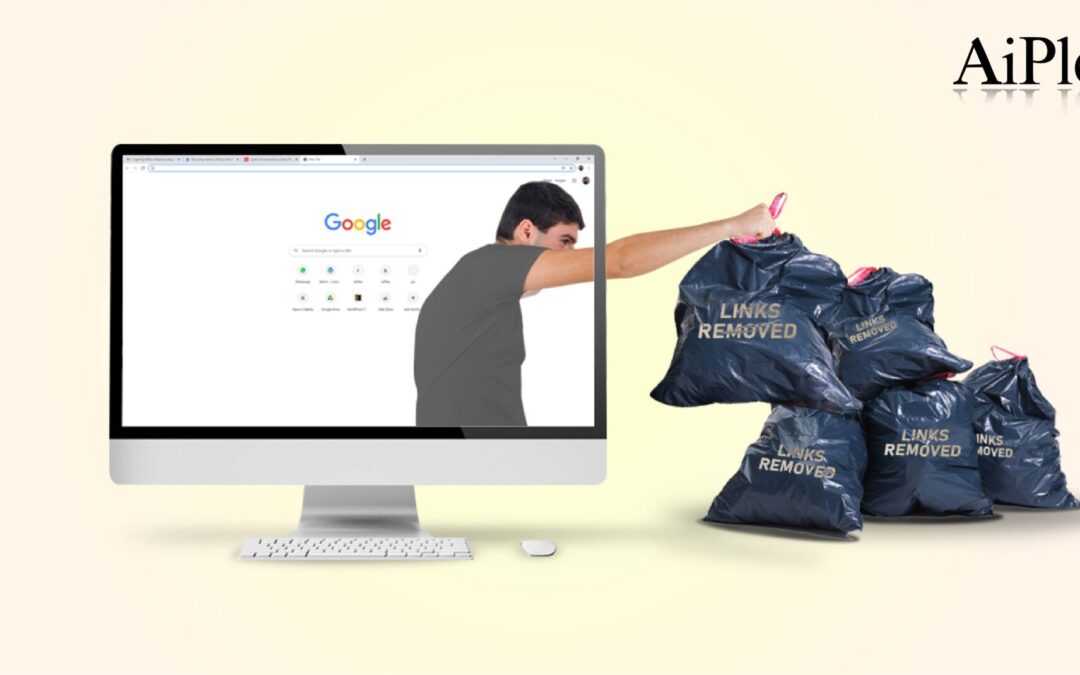
In today’s digital era, websites with pirated links have become a growing concern, especially for creators and media platforms. Whether it’s movies, web series, or educational material—unauthorized sharing affects both revenue and reputation. Piracy isn’t just unethical—it’s illegal.
Indian laws and international regulations are stepping up. Platforms like Google and YouTube now actively deindex pirated content upon DMCA notification. If you’re a creator, now’s the time to take action and secure your work.
How Pirated Websites Harm the Creative Ecosystem
Pirated links strip creators of their rightful earnings. Whether you’re an independent filmmaker or a brand with original content, piracy lowers your visibility and trust. Worse, it exposes audiences to malicious ads or malware.
? According to a report by MUSO, India ranks among the top countries for piracy traffic worldwide.
Legal Action Against Websites with Pirated Links in India
India’s Copyright Act, 1957, offers legal support to content owners. Under Sections 51 and 63, creators can file legal complaints against infringing parties.
Furthermore, platforms like YouTube’s Copyright Removal Tool and Google’s DMCA Form provide quick solutions to delist pirated content.
How to Detect Your Content on Pirated Websites
Start by reverse-searching your video or blog titles. Use tools like Copyscape, Google Alerts, and piracy trackers. If pirated links surface, document everything—URLs, screenshots, and hosting details.
Don’t delay. File a DMCA takedown request immediately.
How to File a DMCA Takedown in India
- Identify the infringing URL
- Gather proof of original ownership
- Use Google or hosting provider’s DMCA form
- Send a legal notice (if required)
⚠️ Pro Tip: Always send a copy of your takedown request to the host AND the domain registrar.
How Streaming Platforms Are Fighting Piracy
OTT services like Netflix, Hotstar, and Amazon Prime use watermarking, AI scanning, and dynamic encryption to detect piracy in real time.
Still, websites with pirated links continue to pop up—often hosted outside India. Global cooperation is key.
Why You Should Never Ignore Pirated Versions of Your Work
Ignoring piracy allows it to spread. Worse, it could damage your brand’s SEO. Google penalizes duplicate content, and that includes unauthorized reposts of your blog or videos.
You must stay proactive, not reactive.
Real Examples of Successful Takedowns
- A music label found their latest album leaked on 15 torrent sites. Within 48 hours of issuing DMCA notices, 12 were taken down.
- A coaching platform recovered search visibility after removing pirated video lectures from third-party forums.
Results speak when action is taken.
Best Practices to Prevent Future Content Piracy
- Add watermarks or creator tags to all content
- Register your copyright through official bodies
- Use anti-piracy tools like Digimarc or NAGRA
- Monitor high-risk sites regularly
- Publish a copyright policy on your own website
Need help drafting a copyright notice? Check out India’s Copyright Office.
FAQs About Websites with Pirated Links
1. What are pirated links?
Pirated links point to unauthorized versions of copyrighted content, often hosted illegally.
2. Is watching pirated content illegal in India?
Yes, consuming pirated content can result in legal penalties under Indian law.
3. How can I know if my content is pirated?
Use Google Alerts, Copyscape, or reverse search your titles to detect duplication.
4. What is a DMCA takedown?
A DMCA takedown is a legal process where creators request removal of infringing content from websites or search engines.
5. Can I take legal action against piracy websites?
Yes, you can file complaints under the Copyright Act and send legal notices.
6. How long does it take to remove pirated content?
DMCA takedowns usually take 24–72 hours if filed correctly.
7. Are all torrent websites illegal?
If they host or link to copyrighted material without permission, yes.
8. Does YouTube support DMCA requests?
Yes, YouTube provides a detailed takedown tool for reporting copyright violations.
9. What happens after filing a takedown?
The host or search engine may remove or delist the content. Repeat offenders may face account suspension.
10. Is copyright registration mandatory in India?
No, but it strengthens your legal position during disputes.
