by AI Admin | Copyright Protection
Digital enterprises thrive on content, code, media assets, research, and proprietary data that move across platforms at remarkable speed. The same velocity that enables global reach also increases exposure to misuse, replication, and unauthorized distribution. When valuable intellectual property is duplicated or redistributed without consent, the financial and reputational consequences can escalate quickly. Leaders searching for clarity on copyright infringement often want structured, reliable information about the solutions available rather than fragmented advice. Understanding how to evaluate, prioritize, and implement the right protective mechanisms is essential for sustaining growth in competitive digital markets.
This blog provides a comprehensive overview of copyright infringement solutions tailored for digital enterprises operating across streaming, publishing, software, gaming, and e‑commerce ecosystems. You will gain clear insights into monitoring frameworks, enforcement models, automation tools, investigative strategies, and long‑term protection systems. Each section outlines practical information that supports informed decision‑making and strategic planning. For organizations seeking enterprise‑grade protection and enforcement support, exploring the advanced anti‑piracy and content protection services offered by Aiplex can provide a direct path toward structured and scalable intellectual property defense.
Key Factors to Understand Before Evaluating Solutions
Before selecting any protection framework, digital enterprises must evaluate the scope of their intellectual property exposure across platforms, territories, and content formats. The level of vulnerability differs between video streaming services, SaaS providers, publishing houses, and gaming companies. A structured assessment helps determine whether infringement is occurring through direct downloads, streaming leaks, peer‑to‑peer networks, mirror sites, or embedded piracy channels. Without this foundational understanding, investments in protection tools may remain reactive rather than strategic, leading to fragmented enforcement and inconsistent results.
It is equally important to align enforcement goals with broader business objectives such as revenue protection, brand reputation, customer trust, and regulatory compliance. Some enterprises prioritize rapid takedown speed, while others focus on forensic tracking and litigation readiness. Defining measurable outcomes, response timelines, escalation processes, and reporting metrics ensures that copyright protection initiatives are performance‑driven. Enterprises that establish governance structures before adopting technological tools typically achieve stronger and more sustainable enforcement outcomes.
Digital Asset Identification and Classification
- An effective protection strategy begins with accurate identification and classification of all digital assets that require monitoring. Enterprises must catalog videos, audio files, source code, design files, marketing materials, and proprietary documents in a centralized system. Proper categorization enables monitoring tools to track duplicates, derivative works, and unauthorized reproductions across digital ecosystems. Without structured asset mapping, enforcement actions may overlook high‑value content while focusing on less critical materials.
- Classification also allows enterprises to assign priority levels based on revenue contribution, exclusivity agreements, or contractual obligations. Premium content, subscription‑based offerings, and licensed media often demand accelerated enforcement protocols. Establishing metadata standards, fingerprinting benchmarks, and documentation trails ensures traceability. When asset classification is comprehensive, detection and enforcement workflows become more precise, measurable, and defensible.
Monitoring Infrastructure and Detection Capabilities
- Continuous monitoring is the backbone of any scalable copyright protection framework. Enterprises must evaluate whether detection systems operate across search engines, streaming platforms, social networks, file‑sharing portals, and mobile applications. Comprehensive coverage ensures that unauthorized copies are identified regardless of distribution channel. Automated scanning powered by artificial intelligence significantly reduces manual oversight while increasing detection accuracy.
- Detection capabilities should include content fingerprinting, watermark recognition, URL crawling, and real‑time alert systems. Enterprises benefit from dashboards that provide visibility into infringement trends, geographic hotspots, and repeat offenders. Strong monitoring infrastructure not only identifies violations quickly but also supports predictive analysis, enabling organizations to anticipate emerging risks before they expand.
Enforcement Models and Response Mechanisms
- Once infringement is detected, enterprises must deploy structured enforcement models that balance speed and legal compliance. Response mechanisms may include automated takedown notices, platform‑specific reporting procedures, cease‑and‑desist communications, and escalation to legal authorities when required. Clear protocols ensure consistent handling of violations across jurisdictions.
- A tiered enforcement approach often delivers better results than ad hoc actions. Minor infringements may require rapid removal requests, while large‑scale piracy operations demand investigative coordination and potential litigation support. Establishing internal approval hierarchies, documentation standards, and follow‑up verification processes strengthens enforcement credibility and effectiveness.
Data Analytics and Reporting Transparency
- Modern copyright protection extends beyond removal actions; it includes actionable intelligence derived from data analytics. Enterprises should assess how infringement data is collected, visualized, and reported to leadership teams. Detailed analytics reveal patterns such as recurring domains, distribution networks, and time‑based spikes in unauthorized sharing.
- Transparent reporting builds accountability and informs strategic decisions regarding partnerships, licensing, and platform selection. Regular performance reports that track takedown success rates, average response times, and revenue impact provide measurable proof of protection effectiveness. Data‑driven governance transforms enforcement from a reactive function into a strategic business asset.
Global Compliance and Jurisdictional Awareness
- Digital enterprises often operate across multiple jurisdictions, each governed by different intellectual property laws and enforcement standards. A comprehensive protection strategy must account for regional legal frameworks, notice requirements, and cross‑border cooperation mechanisms. Understanding jurisdictional nuances prevents procedural delays and enhances enforcement validity.
- Global compliance awareness also includes adapting to evolving regulations related to digital platforms, intermediary liability, and data privacy. Enterprises that integrate legal oversight with monitoring operations are better positioned to manage disputes, defend claims, and pursue formal actions when necessary. Structured compliance ensures that enforcement activities remain both effective and legally sound.
Automated Content Monitoring Solutions
- Automated monitoring solutions enable enterprises to detect unauthorized distribution at scale without excessive manual intervention. These systems use advanced algorithms to scan millions of web pages, streaming portals, and file repositories in real time. By leveraging digital fingerprinting and pattern recognition, automated platforms can identify even modified or compressed versions of original content. This capability is essential for enterprises with extensive libraries or global audiences.
- In addition to detection, automated systems often integrate with takedown workflows, allowing enterprises to initiate removal requests instantly. Centralized dashboards provide visibility into active cases, pending actions, and resolved infringements. Automation significantly reduces operational burden while increasing coverage, making it a foundational component of modern copyright protection strategies.
Takedown and Notice Management Services
- Structured takedown management ensures that identified infringements are addressed swiftly and consistently. Enterprises benefit from systems that generate compliant notices aligned with platform requirements and legal standards. Automated templates reduce administrative effort while maintaining accuracy in documentation and evidence submission. Rapid issuance of notices limits the lifespan of unauthorized content and protects revenue streams.
- Comprehensive notice management also includes tracking acknowledgments, monitoring removal status, and escalating unresolved cases. Centralized case management platforms provide audit trails and performance metrics, enabling enterprises to evaluate enforcement efficiency. A disciplined takedown process reinforces credibility with digital platforms and strengthens long‑term protection outcomes.
Website and App Investigation Services
- Large‑scale piracy operations often operate through interconnected websites and mobile applications designed to evade detection. Investigation services help enterprises uncover hosting details, domain ownership patterns, and revenue models behind infringing networks. Identifying the infrastructure supporting these operations allows for targeted enforcement actions rather than isolated removals.
- Investigative intelligence also supports collaboration with law enforcement and regulatory bodies when necessary. Evidence collection, forensic documentation, and technical analysis enhance the strength of legal proceedings. Enterprises that invest in investigative capabilities gain deeper visibility into organized infringement activities and can disrupt distribution networks more effectively.
Brand Protection and Marketplace Enforcement
- Digital enterprises frequently face infringement in online marketplaces where counterfeit or unauthorized versions of products are sold. Brand protection services monitor listings, seller profiles, and promotional campaigns to identify misuse of intellectual property. Early detection prevents dilution of brand value and safeguards consumer trust.
- Marketplace enforcement involves coordinated removal requests, seller reporting, and escalation procedures for repeat violations. Detailed reporting enables enterprises to track seller behavior patterns and measure the effectiveness of enforcement actions. Protecting brand integrity across commerce platforms complements content protection efforts and reinforces overall intellectual property governance.
Litigation Support and Legal Coordination
- While many infringement cases can be resolved through notices and platform cooperation, certain situations require formal legal intervention. Litigation support services provide evidence compilation, documentation management, and expert testimony assistance. Accurate technical records strengthen legal arguments and improve case outcomes.
- Legal coordination ensures that enforcement actions align with regional intellectual property laws and contractual obligations. Enterprises benefit from structured communication between technical monitoring teams and legal advisors. This integration supports decisive action when infringement reaches commercial scale or causes significant financial harm.
Proactive Risk Assessment and Strategy Development
- Proactive risk assessment allows enterprises to anticipate vulnerabilities before infringement incidents escalate. By analyzing historical data, distribution models, and audience behavior, organizations can identify high‑risk content categories and geographic regions. Strategic planning reduces reactive responses and strengthens preventive measures.
- Developing a long‑term protection roadmap includes technology upgrades, policy refinement, and stakeholder training. Enterprises that embed copyright governance into operational frameworks experience stronger resilience against unauthorized distribution. Proactive strategy transforms protection from a defensive function into a competitive advantage.
Why Choose Aiplex Anti‑Piracy Services
Aiplex delivers comprehensive, enterprise‑grade solutions that combine technology, investigative expertise, and structured enforcement processes. Its integrated approach covers monitoring, takedown management, forensic analysis, and litigation support, providing digital enterprises with end‑to‑end protection. The company’s global reach ensures coverage across jurisdictions, enabling rapid response regardless of distribution channel or geographic origin.
By partnering with Aiplex, enterprises gain access to advanced automation tools, detailed reporting dashboards, and experienced enforcement specialists. The organization emphasizes measurable outcomes, transparent communication, and strategic alignment with business objectives. This combination of technology and expertise positions Aiplex as a reliable partner for sustained intellectual property protection.
Conclusion
Digital enterprises operate in complex ecosystems where intellectual property flows continuously across platforms, devices, and borders. Effective copyright protection requires more than isolated takedown actions; it demands structured monitoring, investigative intelligence, legal coordination, and data‑driven governance. By understanding asset classification, detection capabilities, enforcement models, and compliance considerations, organizations can evaluate solutions with clarity and confidence.
Selecting a comprehensive protection partner strengthens long‑term resilience against unauthorized distribution and revenue leakage. With advanced monitoring systems, investigative depth, and global enforcement capabilities, Aiplex provides a scalable framework for safeguarding digital assets. Enterprises that prioritize proactive strategy and measurable enforcement outcomes are better positioned to maintain growth, preserve brand value, and secure their intellectual property in competitive digital markets.
by AI Admin | Copyright Protection
The moment a piece of original work is shared publicly, it begins a journey beyond its creator’s immediate control. Writers publish articles, musicians release tracks, filmmakers distribute videos, and businesses roll out branded content with the expectation that their effort, investment, and creativity will be respected. However, many creators and organizations soon realize that visibility often comes with vulnerability. When original work is copied, reused, or distributed without permission, the consequences extend far beyond simple annoyance. Copyright infringement becomes a structural issue that affects revenue, credibility, and long-term sustainability for both individuals and enterprises.
This blog explores how copyright infringement shapes the realities of modern creators and businesses, examining its financial, legal, and reputational implications in depth. It also explains the foundational concepts readers must understand before assessing impact, including ownership rights, enforcement challenges, and the scale of digital misuse. By the end, readers will have a clear, structured understanding of why copyright infringement matters, how it manifests across industries, and why proactive protection through specialized solutions like those offered by Aiplex Anti-Piracy is an essential strategic decision rather than a reactive expense.
Foundational Aspects to Understand About Copyright Infringement
Before evaluating how copyright infringement impacts creators and businesses, it is important to understand the basic principles that govern ownership, rights, and enforcement. Copyright is not just a legal label; it is a framework that defines how creative and commercial value is protected and monetized. Many misconceptions exist around what qualifies as infringement, who is responsible, and how violations occur at scale. This section outlines the key aspects readers must know in advance, setting a clear foundation for the deeper discussions that follow.
Ownership Rights and Intellectual Property Control
Ownership rights form the backbone of copyright law, determining who has the legal authority to use, distribute, or monetize a creative work. For creators and businesses, intellectual property control ensures that effort and investment translate into measurable value. Copyright infringement occurs when these rights are violated without consent, whether intentionally or through negligence. Understanding ownership is critical because enforcement, licensing, and monetization all depend on clearly established rights.
From a business perspective, unclear ownership structures often lead to disputes, revenue leakage, and weakened legal positions. For individual creators, lack of awareness around intellectual property control can result in lost opportunities and exploitation. When copyright infringement enters the equation, proving ownership becomes the first and most essential step in asserting control and seeking remedies.
Legal Frameworks and Copyright Law Enforcement
Copyright law enforcement varies by jurisdiction, but the underlying principle remains consistent: creators and rights holders are entitled to protection against unauthorized use. Copyright infringement is addressed through civil remedies, takedown mechanisms, and, in some cases, criminal penalties. However, enforcement is rarely automatic and often requires active monitoring and documentation.
For businesses operating across borders, enforcement becomes more complex due to differing legal standards and response timelines. Creators may find the process intimidating, time-consuming, or expensive. This gap between legal protection and practical enforcement is one of the main reasons copyright infringement continues to proliferate despite existing laws.
Digital Distribution and Online Content Misuse
The digital ecosystem has dramatically increased the speed and scale at which content can be shared. While this accessibility benefits creators and businesses, it also amplifies the risk of copyright infringement. Online platforms, file-sharing networks, and social media channels make it easy for infringing content to spread rapidly and anonymously.
Digital misuse often occurs in fragmented ways, with content copied, altered, or redistributed across multiple platforms simultaneously. This fragmentation makes detection difficult and enforcement resource-intensive. Understanding how digital distribution fuels copyright infringement is essential for assessing its true impact on revenue and brand integrity.
Monetization Models and Revenue Dependencies
Most creators and businesses rely on specific monetization models, such as licensing, subscriptions, advertising, or direct sales. Copyright infringement directly undermines these models by diverting audiences toward unauthorized alternatives. When consumers access content for free or through illegitimate channels, legitimate revenue streams suffer.
This impact is not always immediately visible, which leads many organizations to underestimate the damage. Over time, however, consistent infringement erodes pricing power, reduces return on investment, and weakens the perceived value of original work. Understanding this connection clarifies why infringement is not a minor issue but a systemic threat.
Brand Value, Trust, and Market Positioning
Beyond financial loss, copyright infringement affects how brands and creators are perceived in the market. When counterfeit or pirated versions circulate, quality control is lost, and audience trust may decline. Consumers often cannot distinguish between authorized and unauthorized content, leading to confusion and reputational harm.
For businesses, brand dilution can have long-term consequences that extend beyond a single product or campaign. Creators may find their work associated with contexts they did not approve, damaging credibility. Recognizing the relationship between copyright infringement and brand trust is essential for understanding its broader impact.
Financial Impact of Copyright Infringement on Creators
Copyright infringement has a direct and measurable financial impact on creators, affecting both immediate earnings and long-term income potential. While some losses are visible through declining sales or views, others remain hidden within altered consumer behavior and weakened negotiating power. This section explores the key financial dimensions creators face when their work is infringed.
The economic consequences are rarely isolated incidents; they often compound over time. As infringement persists, creators may struggle to justify future investments in quality, marketing, or innovation. Understanding these financial mechanisms highlights why copyright protection is central to creative sustainability.
Revenue Loss from Unauthorized Distribution
Unauthorized distribution allows audiences to access creative work without compensating the creator. Copyright infringement in this form directly reduces sales, streams, or licensing fees that creators depend on for income. Each unauthorized copy represents a potential transaction that never occurred through legitimate channels.
Over time, this loss accumulates and becomes structural rather than incidental. Creators may notice declining earnings even as their work gains popularity, creating a disconnect between reach and revenue. This imbalance often discourages further production and limits professional growth.
Reduced Licensing and Partnership Opportunities
Licensing is a critical revenue stream for many creators, enabling their work to be used legally across platforms and industries. Copyright infringement undermines this model by making unauthorized versions readily available. When potential partners perceive content as widely pirated, they may be less willing to pay licensing fees.
This reduction in perceived exclusivity weakens a creator’s negotiating position. Over time, licensing rates may drop, and high-value partnerships may disappear entirely. The presence of infringement thus directly impacts future earning potential, not just current income.
Increased Enforcement and Legal Costs
Responding to copyright infringement often requires creators to invest time and money into enforcement. Legal consultations, takedown requests, and monitoring tools all represent additional expenses that do not generate revenue. For independent creators, these costs can be particularly burdensome.
Even when enforcement is successful, recovery of losses is not guaranteed. The financial strain of ongoing infringement management can divert resources away from creative work, limiting output and innovation. This hidden cost is frequently overlooked when assessing overall impact.
Business-Level Consequences of Copyright Infringement
For businesses, copyright infringement extends beyond individual losses and affects organizational strategy, scalability, and competitiveness. Companies invest heavily in content, software, branding, and proprietary assets, all of which are vulnerable to misuse. This section examines how infringement reshapes business outcomes.
The impact is often cross-functional, influencing marketing, legal, finance, and product development teams simultaneously. Understanding these interconnected effects is essential for leaders making decisions about risk management and protection strategies.
Market Share Erosion and Competitive Disadvantage
When infringing alternatives enter the market, they compete unfairly with legitimate offerings. Copyright infringement allows unauthorized entities to bypass development costs, enabling them to undercut pricing or flood distribution channels. This erodes market share for legitimate businesses.
Over time, sustained infringement can distort competitive landscapes, making it difficult for compliant companies to maintain profitability. The resulting disadvantage may force businesses to scale back investments or exit certain markets entirely.
Damage to Brand Reputation and Consumer Trust
Brand reputation is built on consistency, quality, and reliability. Copyright infringement disrupts this by introducing unauthorized versions that may not meet the original standards. Consumers who encounter poor-quality infringing content may associate those experiences with the legitimate brand.
This erosion of trust can have long-lasting effects, reducing customer loyalty and increasing churn. For businesses, reputational damage is often more difficult to repair than financial loss, making prevention a strategic priority.
Operational and Resource Drain
Managing copyright infringement requires internal coordination and external expertise. Businesses must allocate resources to monitoring, reporting, and enforcement activities. These operational demands divert attention from core growth initiatives.
As infringement scales, the resource drain intensifies. Without automated or specialized solutions, businesses may struggle to keep pace, resulting in reactive rather than proactive management. This inefficiency further amplifies the overall impact.
Why Choose Aiplex Anti-Piracy for Copyright Protection
Aiplex Anti-Piracy offers specialized solutions designed to address the complexities of modern copyright infringement. By leveraging advanced detection technologies and automated enforcement workflows, the platform helps creators and businesses identify unauthorized use across digital ecosystems efficiently.
Beyond detection, Aiplex Anti-Piracy focuses on scalable protection strategies that align with business objectives. Its approach reduces manual effort, accelerates response times, and strengthens legal positioning. For organizations seeking sustainable copyright protection, choosing a dedicated solution transforms infringement management from a reactive burden into a strategic advantage.
Conclusion: Understanding and Addressing Copyright Infringement
Copyright infringement impacts creators and businesses at every level, from individual revenue streams to long-term brand equity and market stability. Its effects are not limited to isolated incidents but form patterns that weaken creative ecosystems and commercial fairness. By understanding the foundational aspects, financial implications, and business-level consequences, stakeholders can make informed decisions about protection.
Proactive copyright management is no longer optional for those who rely on original work as a core asset. With the right tools and strategies, creators and businesses can safeguard their value, maintain trust, and ensure that creativity and innovation continue to generate sustainable returns.
by AI Admin | Piracy
Media owners invest heavily in creating original content, building audiences, and maintaining brand value across platforms. Whether it is film, music, digital art, publishing, or live broadcasts, the effort behind every asset is significant. When that content is reused, redistributed, or monetized without permission, it directly impacts revenue, credibility, and long-term growth. Copyright infringement is no longer limited to obscure websites or isolated actors; it occurs across social platforms, streaming sites, file-sharing networks, and even legitimate-looking marketplaces, making awareness and protection a strategic priority rather than a legal afterthought.
Understanding copyright infringement protection helps media owners stay informed about how their content is exposed, what risks exist, and which safeguards are available. This blog provides structured, practical information on the foundations of copyright protection, key factors to consider before choosing a protection strategy, and the available methods media owners can use to monitor, detect, and act against unauthorized use. By the end, you will have a clear framework to evaluate professional protection services and explore how Aiplex AntiPiracy supports media owners in enforcing rights effectively.
Essential Foundations of Copyright Infringement Protection
Before exploring specific tools or services, media owners must understand the underlying principles that define copyright infringement protection. These foundations influence how enforcement works, what evidence is required, and how scalable a protection strategy can be. Each element below plays a role in shaping an effective and legally sound approach to safeguarding media assets.
Understanding Copyright Ownership and Rights Scope
Copyright ownership establishes who has the legal authority to control how a work is used, distributed, adapted, or monetized. Media owners must clearly document ownership, licensing agreements, and territorial rights, especially when content is co-produced or distributed through multiple channels. Ambiguity around ownership often weakens enforcement efforts and delays takedowns, even when infringement is obvious.
Equally important is understanding the scope of rights attached to each asset. Some works may allow limited reuse under licensing terms, while others are fully restricted. Knowing these boundaries helps media owners differentiate between legitimate use, fair use claims, and actual infringement. This clarity ensures that enforcement actions are precise, defensible, and aligned with contractual obligations.
Types of Digital Copyright Infringement
Digital copyright infringement appears in multiple forms, including unauthorized streaming, illegal downloads, reuploads on social platforms, and use of protected media in advertisements or derivative content. Each type carries different risks and enforcement requirements. For example, live sports piracy demands rapid response, while catalog content misuse may require long-term monitoring.
Recognizing these categories allows media owners to prioritize protection efforts based on business impact. High-value or time-sensitive content requires real-time detection, while evergreen assets benefit from consistent surveillance. Understanding infringement patterns also helps in selecting tools that specialize in specific platforms or distribution channels.
Jurisdiction and Cross-Border Enforcement Challenges
Copyright laws vary across regions, creating complexity when infringing content is hosted or accessed internationally. Media owners often face delays due to differing takedown standards, notice requirements, and legal interpretations. Without a structured approach, cross-border enforcement can become costly and inefficient.
Effective copyright infringement protection accounts for these jurisdictional differences by using standardized notice frameworks and platform-specific compliance processes. Media owners benefit from solutions that understand global enforcement landscapes and can operate at scale without requiring individual legal actions in each region.
Evidence Collection and Documentation Standards
Successful enforcement depends on strong evidence. This includes proof of ownership, timestamps, URLs, screenshots, and usage records that demonstrate unauthorized exploitation. Inconsistent or incomplete documentation weakens takedown requests and may result in rejected claims.
Automated evidence collection systems reduce manual effort while ensuring accuracy and consistency. For media owners managing large libraries, structured documentation becomes essential to maintaining enforcement momentum and protecting assets without overwhelming internal teams.
The Role of Automation in Modern Protection
Manual monitoring is no longer sufficient for the volume and speed of online infringement. Automation enables continuous scanning across platforms, rapid detection, and streamlined takedown workflows. It also reduces response time, which is critical for live or premium content.
By integrating automation, media owners shift from reactive enforcement to proactive protection. This foundation supports scalable copyright infringement protection strategies that grow alongside content libraries and distribution networks.
Key Copyright Infringement Protection Methods for Media Owners
Once the foundational concepts are clear, media owners can explore specific methods used to protect content from unauthorized use. Each approach addresses different stages of infringement, from prevention and detection to enforcement and reporting.
Digital Fingerprinting and Content Identification
Digital fingerprinting creates unique identifiers for media assets, allowing platforms and monitoring systems to recognize protected content even when modified. This method is effective for audio, video, and visual media shared across user-generated platforms.
For media owners, fingerprinting supports continuous tracking and automated detection. It reduces reliance on manual searches and ensures that infringing copies are identified quickly, even when filenames or formats are altered.
Automated Content Monitoring Systems
Automated monitoring tools scan websites, social media platforms, streaming services, and marketplaces to identify unauthorized use. These systems operate continuously, ensuring coverage beyond business hours and across global platforms.
Such systems provide actionable insights, including infringement frequency, platform distribution, and repeat offenders. Media owners can use this data to refine enforcement strategies and prioritize high-impact actions.
Platform-Specific Takedown Mechanisms
Most major platforms offer copyright reporting tools, but each has unique requirements and response timelines. Understanding these mechanisms is essential for effective enforcement.
Professional protection services streamline platform-specific takedowns by aligning notices with compliance standards. This increases approval rates and minimizes delays, helping media owners maintain control over their content presence.
Legal Notice and DMCA Enforcement
Formal legal notices, including DMCA takedown requests, remain a cornerstone of copyright infringement protection. These notices require accuracy, supporting evidence, and adherence to legal formats.
Automated DMCA workflows help media owners issue notices efficiently while maintaining legal validity. This approach balances enforcement strength with operational efficiency, especially for large-scale infringement cases.
Analytics and Reporting for Strategic Decisions
Protection is not only about removal but also about insight. Analytics reveal where infringement occurs, which assets are most targeted, and how enforcement actions perform over time.
Media owners can use reporting to assess ROI, adjust distribution strategies, and demonstrate protection efforts to stakeholders. Data-driven enforcement supports informed decision-making and long-term asset security.
Why Choose Aiplex AntiPiracy for Copyright Infringement Protection
Aiplex AntiPiracy offers specialized solutions designed for media owners managing complex content ecosystems. Its approach combines AI-driven detection, automated enforcement, and comprehensive reporting to address infringement at scale.
By leveraging advanced monitoring technologies, Aiplex AntiPiracy helps media owners detect unauthorized use across platforms efficiently. Its streamlined takedown processes reduce response times and administrative burden, allowing teams to focus on content creation and distribution. With transparent reporting and scalable protection models, Aiplex AntiPiracy supports sustainable copyright infringement protection aligned with business growth.
Conclusion
Copyright infringement protection is a strategic requirement for media owners operating in highly distributed digital environments. Understanding ownership, infringement types, enforcement challenges, and available protection methods provides a solid foundation for informed decision-making. As content libraries expand and distribution channels multiply, scalable and automated protection becomes essential.
By adopting structured protection strategies and partnering with specialized providers like Aiplex AntiPiracy, media owners can safeguard revenue, maintain brand integrity, and enforce rights confidently. A proactive approach to copyright infringement protection ensures that creative investments remain secure and that original content continues to deliver long-term value.
by AI Admin | Antipiracy
Creators, businesses, and rights holders often face a moment of realization when they discover their original work being used without permission. It may start with a client pointing out duplicated content, a sudden dip in traffic due to copied articles outranking the original, or finding paid media assets distributed freely on unknown platforms. Copyright infringement creates uncertainty because many are unsure where the misuse originated or how far it has spread. Beyond financial loss, it damages brand credibility, weakens market positioning, and erodes trust built with audiences. Understanding copyright infringement as a legal and operational issue is essential for anyone producing valuable intellectual property.
This blog provides structured, actionable information on how legal action can help stop copyright infringement and protect digital assets effectively. It explains essential concepts to understand before taking action, outlines practical legal options available to rights holders, and clarifies how enforcement strategies work in real scenarios. You will also learn when professional support becomes critical and how specialized anti-piracy services simplify the process. If protecting your content matters to your business growth, this guide will help you make informed decisions and take confident next steps with expert-backed solutions from Aiplex Anti-Piracy.
Key Concepts to Understand Before Taking Legal Action Against Copyright Infringement
Before initiating any legal or enforcement step, it is important to understand the foundational elements that govern copyright protection. Legal action without clarity can lead to delays, ineffective claims, or unnecessary costs. This section outlines the essential concepts that shape enforcement outcomes and determine how successful your efforts against copyright infringement will be. Each concept below directly impacts how violations are identified, validated, and resolved.
Ownership and Proof of Copyright
Establishing ownership is the first and most critical requirement when addressing copyright infringement. You must be able to demonstrate that the content in question is your original creation or that you legally hold exclusive rights to it. This may include dated drafts, source files, registration certificates, contracts, or licensing agreements. Clear documentation strengthens your legal position and prevents disputes over originality. Without proof, enforcement actions may be delayed or dismissed, regardless of how obvious the infringement appears.
Beyond formal registration, consistent publishing records and digital footprints also support ownership claims. Metadata, publishing timestamps, and historical hosting records help demonstrate precedence. For businesses managing large content libraries, organizing proof of ownership centrally ensures rapid response when infringement occurs. Proper documentation reduces friction with platforms, legal teams, and enforcement agencies, making the entire process more efficient and defensible.
Understanding Fair Use and Legal Exceptions
Not all unauthorized use qualifies as copyright infringement, which makes understanding fair use essential before taking legal action. Fair use may apply in cases such as commentary, criticism, education, or parody, depending on jurisdiction. Factors like the purpose of use, amount copied, and impact on market value are evaluated collectively. Misinterpreting fair use can result in invalid claims and reputational risks.
Careful analysis ensures that enforcement efforts target genuine violations rather than lawful usage. This distinction is particularly important for digital creators whose content may be referenced across blogs, reviews, or educational platforms. Evaluating context prevents unnecessary disputes and ensures legal resources are focused on high-impact infringements that cause measurable harm.
Jurisdiction and Cross-Border Challenges
Copyright laws vary across countries, which complicates enforcement when infringement occurs internationally. A website hosted abroad or a platform operating under different legal frameworks may require region-specific procedures. Understanding jurisdiction determines whether local courts, international treaties, or platform-based remedies apply.
Cross-border cases often demand specialized expertise to navigate notice requirements, language barriers, and compliance timelines. Knowing where the infringer operates and where the content is hosted helps define the most effective legal path. Strategic planning avoids wasted effort and ensures actions are enforceable under relevant laws.
Role of Digital Evidence in Enforcement
Digital evidence plays a decisive role in proving copyright infringement. Screenshots, URLs, access logs, download records, and platform analytics establish the scope and duration of misuse. Proper evidence collection preserves integrity and admissibility, which is essential for legal proceedings.
Timely documentation matters because infringing content can be altered or removed once discovered. Automated monitoring tools help capture violations in real time and maintain detailed records. Strong evidence accelerates takedown approvals and strengthens claims during disputes or negotiations.
Platform Policies and Compliance Mechanisms
Most digital platforms provide internal mechanisms for reporting copyright infringement, such as DMCA notices or rights management systems. Understanding these policies allows rights holders to act quickly without immediate court involvement. Platforms often require specific formats and proof, making preparation essential.
Using platform compliance tools strategically can result in rapid removal and account penalties for repeat offenders. However, improper submissions may lead to rejection. Familiarity with platform rules ensures enforcement actions are accurate, efficient, and effective.
Legal Action Options to Stop Copyright Infringement
Once foundational concepts are clear, rights holders can choose from multiple legal and semi-legal options to stop copyright infringement. Each option serves a specific purpose depending on severity, scale, and business impact. The following sections explain these options in detail to help you select the most appropriate response.
Cease and Desist Notices
A cease and desist notice is often the first formal step in addressing copyright infringement. It informs the infringer of the violation and demands immediate removal or cessation of use. This approach is cost-effective and resolves many cases without litigation. It establishes intent and creates a documented trail of enforcement efforts.
When drafted professionally, these notices communicate seriousness and legal readiness. They also serve as evidence if the dispute escalates. Clear language, supporting proof, and defined deadlines improve compliance rates and deter repeat violations.
DMCA Takedown Requests
DMCA takedown requests allow rights holders to request removal of infringing content from platforms and hosting providers. This process is widely recognized and often results in swift action when properly submitted. It is particularly effective for online content such as videos, images, and written material.
Accuracy is critical because false claims can result in penalties or counter-notices. Proper documentation and precise identification of infringing material ensure successful takedowns. For businesses managing frequent violations, automation significantly improves efficiency.
Civil Litigation for Copyright Infringement
When infringement causes substantial financial harm or continues despite warnings, civil litigation may be necessary. Legal proceedings seek injunctions, damages, and legal recognition of rights. This option is resource-intensive but provides strong deterrence against large-scale or commercial infringers.
Litigation outcomes often set precedents that discourage future misuse. However, careful cost-benefit analysis is essential. Legal counsel ensures claims are valid, evidence is sufficient, and objectives are clearly defined before proceeding.
Injunctions and Court Orders
Injunctions are court-issued orders that require infringers to stop specific actions immediately. They are effective in urgent situations where ongoing misuse causes irreparable harm. Courts may also order removal of content and prohibit future violations.
Securing an injunction requires strong evidence and legal justification. When granted, it provides enforceable authority that platforms and third parties must respect. This option is particularly valuable in high-stakes commercial disputes.
Settlement and Negotiation
In some cases, settlement offers a faster and mutually beneficial resolution. Negotiations may result in licensing agreements, compensation, or formal acknowledgments. This approach avoids prolonged legal battles while still protecting rights.
Strategic negotiation requires clarity on desired outcomes and acceptable terms. Documented agreements prevent future disputes and formalize usage conditions. Settlement is often effective when both parties seek resolution without public litigation.
Why Choose Aiplex Anti-Piracy for Copyright Enforcement
Aiplex Anti-Piracy provides comprehensive solutions for monitoring, detecting, and enforcing copyright protection at scale. Their technology-driven approach identifies infringements across platforms, domains, and regions with precision. Automated evidence collection ensures accuracy and speed in enforcement actions.
Beyond detection, Aiplex Anti-Piracy manages takedowns, legal coordination, and reporting, allowing businesses to focus on growth. Their expertise reduces response time, increases success rates, and ensures compliance with global regulations. For organizations serious about protecting intellectual property, professional enforcement delivers measurable value.
Conclusion
Stopping copyright infringement requires informed decision-making, structured processes, and consistent enforcement. Understanding ownership, legal boundaries, and available remedies empowers rights holders to act confidently. Legal action, when applied strategically, not only removes infringing content but also deters future misuse.
By combining legal knowledge with specialized anti-piracy services, businesses safeguard revenue, reputation, and creative investment. Choosing a professional partner ensures long-term protection and peace of mind in an increasingly content-driven economy. Taking action today strengthens control over your intellectual property tomorrow.

by AI Admin | Antipiracy
In the digital age, where creative work is shared, copied, and consumed faster than ever, understanding copyright infringement has become crucial for every creator. Whether you are a filmmaker, musician, designer, or writer, your intellectual property is one of your most valuable assets. Yet, with the internet’s vastness and accessibility, it is increasingly common to see creative works reused, altered, or monetized without permission. This raises not only ethical concerns but also significant financial and legal implications that every creator must grasp.
As we explore this topic, this blog will break down what copyright infringement means, how it occurs, and what measures creators can take to safeguard their work. From understanding copyright laws to leveraging advanced anti-piracy solutions, you’ll find actionable information to protect your intellectual property. If you’re looking for reliable copyright protection and digital rights management, AiPlex Anti-Piracy offers specialized services tailored for creators worldwide.
Things Creators Must Know About Copyright Infringement
Before diving into preventive strategies or legal actions, creators must understand the core elements of copyright infringement. These insights form the foundation of awareness and help you make informed decisions about your creative rights. Let’s explore the critical concepts every creator needs to know.
What Is Copyright?
Copyright is a form of legal protection granted to creators of original works, including literary, musical, artistic, and audiovisual content. It gives the creator exclusive rights to reproduce, distribute, display, or license their work. Understanding copyright ensures that creators know the boundaries of what they own and what others cannot use without consent. It’s the first layer of defense against intellectual property misuse.
Moreover, copyright arises automatically when an original work is created and fixed in a tangible medium. Registration, although not mandatory, strengthens legal standing in case of disputes. By recognizing these principles, creators can take proactive steps toward protecting their creative assets globally.
Common Types of Copyright Infringement
Copyright infringement occurs when someone uses another person’s protected work without permission or appropriate licensing. Common examples include copying text, reusing images, distributing films, or streaming music without consent. Infringement can also occur when a derivative work is created that closely imitates the original, diluting its originality or commercial value.
In today’s digital environment, online piracy is the most rampant form of copyright infringement. Websites, peer-to-peer networks, and social media platforms often become unintentional hosts of stolen content. Knowing these forms helps creators recognize infringement early and respond effectively.
Direct and Indirect Infringement
Direct infringement happens when an individual reproduces or shares copyrighted work without authorization. Indirect infringement, on the other hand, occurs when someone contributes to or benefits from another’s infringement—for example, platforms that host illegal content. Understanding both helps creators identify not just the perpetrators but also intermediaries that enable violations.
By differentiating between direct and indirect infringement, creators can target the right entities when taking legal action. It also helps in forming precise evidence-based cases, strengthening enforcement efforts in digital and physical spaces alike.
Fair Use and Its Limitations
Fair use is an exception in copyright law that allows limited use of copyrighted materials without permission for purposes such as commentary, criticism, news reporting, or education. However, fair use has boundaries commercial use or large-scale reproduction often falls outside its scope. Many infringers misuse fair use as an excuse to exploit creative content unfairly.
Creators must familiarize themselves with fair use to understand where legitimate references end and infringement begins. Proper crediting and context are essential, and seeking legal guidance can prevent potential disputes over content reuse.
How Technology Impacts Copyright Enforcement
Modern technology has made copyright protection both easier and more complex. While digital watermarking and content ID systems allow creators to track usage, technologies like AI and blockchain are reshaping ownership verification. Conversely, the same digital tools have enabled sophisticated forms of piracy, including automated content scraping and mass distribution of illegal copies.
For creators, staying updated on technological trends is essential. Collaborating with expert anti-piracy firms like AiPlex ensures continuous monitoring and removal of infringing material, leveraging AI-driven content tracking to protect your digital footprint.
Key Forms of Copyright Infringement in the Digital Space
The digital era has diversified the forms of infringement that creators face daily. From streaming platforms to e-commerce sites, piracy takes many shapes, each requiring a unique countermeasure.
Unauthorized Reproduction and Distribution
This form of infringement involves copying or distributing a copyrighted work without permission. It’s one of the most common violations, especially in music, film, and software industries. Even partial copying can qualify as infringement if it affects the original work’s market potential.
Online file-sharing platforms and torrent websites amplify this issue, making enforcement challenging. By using advanced anti-piracy tools, creators can track and take down unauthorized copies to minimize losses.
Streaming Piracy
Streaming piracy is now a dominant issue for video creators, production houses, and musicians. Illegal streaming sites host or redirect copyrighted content without compensating its rightful owners. These sites often profit through ads or subscriptions, depriving creators of revenue.
Using AI-based content identification and watermarking systems can significantly reduce the spread of illegal streams. Partnering with AiPlex’s proactive takedown solutions further ensures constant protection across platforms.
Image and Design Theft
Photographers, designers, and digital artists frequently encounter unlicensed use of their visuals. Websites and social media users often repost or reuse images without proper credit or license, leading to revenue loss and brand dilution.
Reverse image search tools and DMCA (Digital Millennium Copyright Act) takedown notices can help creators reclaim ownership. With AiPlex’s expertise in digital media monitoring, identifying and removing stolen visuals becomes seamless.
Software Piracy
Software piracy involves using or distributing copyrighted software without proper licensing. This includes cracked versions, unauthorized copies, and key sharing. Beyond revenue loss, it can damage a developer’s reputation and expose users to security risks.
Implementing license management systems and regular monitoring helps software creators protect their intellectual assets. AiPlex provides customized solutions to track and address illegal software distribution.
Social Media and User-Generated Infringement
Social media platforms have become hubs for sharing copyrighted content—intentionally or otherwise. Users often post copyrighted videos, music, or artwork without permission, resulting in large-scale exposure of pirated content.
Platforms like YouTube and Instagram have content recognition systems, but they aren’t foolproof. AiPlex enhances this protection with AI-driven monitoring that flags and removes infringing content faster than manual systems.
Global Copyright Laws Every Creator Should Know
Understanding international copyright laws is vital for global creators. These frameworks help determine your rights and how you can enforce them across jurisdictions.
The Berne Convention
The Berne Convention ensures that works created in one member country receive protection in all others. It simplifies global enforcement for creators whose content is distributed worldwide. This treaty emphasizes automatic protection—no registration required.
By aligning their practices with Berne principles, creators can secure legal protection across 180+ countries, simplifying international copyright claims.
The Digital Millennium Copyright Act (DMCA)
The DMCA is a U.S. law that empowers copyright holders to request the removal of infringing material online. It’s widely used by creators worldwide due to its influence on global digital platforms.
Submitting DMCA notices promptly ensures that unauthorized copies are taken down quickly. AiPlex specializes in executing DMCA compliance strategies to protect creative assets effectively.
European Union Copyright Directive
This directive modernizes copyright law across the EU, especially regarding online platforms. It mandates that content-sharing services take more responsibility for copyright compliance.
Creators in Europe benefit from greater accountability from hosting providers. AiPlex’s global monitoring services align with EU standards to protect digital works across regions.
Indian Copyright Act, 1957
For Indian creators, this act serves as the cornerstone of copyright protection. It covers artistic, literary, and musical works and outlines penalties for infringement.
With AiPlex headquartered in India, creators gain the advantage of localized expertise combined with international enforcement strategies, ensuring broad protection.
How Creators Can Prevent Copyright Infringement
Awareness alone isn’t enough—implementing preventive measures is key to protecting creative work.
Register Your Work
Although copyright exists automatically upon creation, registering it with relevant authorities provides legal proof of ownership. This strengthens your claim in case of disputes or infringement cases.
Digital registration systems and blockchain-based proof of ownership are evolving as secure ways to establish authorship. AiPlex can guide creators through digital copyright registration processes.
Use Watermarks and Metadata
Adding visible or invisible watermarks to your images, videos, or documents deters unauthorized use. Embedding metadata ensures traceability, making it easier to prove ownership.
AiPlex’s watermarking technology enables content creators to embed unique identifiers, providing both preventive and detective protection.
Monitor Online Usage
Constantly tracking where and how your work is being used online helps detect early signs of infringement. Automated systems can scan websites, forums, and social media for unauthorized copies.
AiPlex’s AI-based scanning tools perform real-time monitoring across platforms, ensuring quick detection and action against piracy.
Educate Your Audience
Many instances of infringement occur due to lack of awareness. By educating your audience on copyright norms and encouraging ethical content use, creators can foster respect for intellectual property.
Public awareness campaigns and transparent content licensing can reduce unintentional violations significantly.
Partner With an Anti-Piracy Agency
Managing copyright protection alone can be overwhelming. Partnering with a professional anti-piracy agency like AiPlex ensures continuous vigilance, expert enforcement, and global compliance.
AiPlex uses advanced algorithms to track, report, and remove pirated content efficiently, allowing creators to focus on innovation.
Why Choose AiPlex Anti-Piracy for Copyright Protection
AiPlex Anti-Piracy is a trusted global leader in copyright protection and digital rights management. With over a decade of experience in combating online piracy, AiPlex helps creators safeguard their intellectual property across platforms and jurisdictions.
Their services include automated content monitoring, AI-driven detection systems, DMCA compliance management, and direct takedown execution. AiPlex’s technology ensures minimal downtime for infringing content and maximizes revenue protection for creators.
Beyond technology, AiPlex offers personalized support and legal collaboration to handle complex infringement cases. For creators, partnering with AiPlex means peace of mind—your creative assets remain secure while you focus on producing exceptional work.
Conclusion and Summary
Copyright infringement poses a significant threat to creators in the digital era, but knowledge and proactive measures can make all the difference. Understanding laws, identifying types of infringement, and using modern anti-piracy tools help creators protect their livelihoods and artistic integrity. As digital content continues to expand, securing intellectual property is not just an option—it’s a necessity.
AiPlex Anti-Piracy stands as a comprehensive partner for creators, offering unmatched expertise and technology to combat piracy effectively. Whether you’re an independent artist or a global production house, their solutions are designed to protect, monitor, and enforce your creative rights worldwide. Visit AiPlex Anti-Piracy to learn how their team can safeguard your content and ensure your creative success in the ever-evolving digital landscape.
by AI Admin | Antipiracy
Creating original content or building a business asset involves a significant investment of time, expertise, and financial resources. From digital creators producing videos, music, and designs to businesses developing software, brand assets, and proprietary content, ownership is the foundation of value. However, the moment content is published, shared, or distributed online, it becomes vulnerable to misuse. Copyright infringement has evolved into a complex, fast-moving risk that affects revenue, reputation, and long-term growth. Many creators only realize the extent of the problem after discovering their work copied, resold, or monetized by unknown third parties.
This blog provides a detailed, information-focused breakdown of copyright infringement risks for creators and businesses. It explains the core concepts you must understand, the most common infringement scenarios, and how these risks impact different industries. The goal is to equip you with clear, structured knowledge so you can assess your exposure and make informed decisions about protection. By the end, you will also understand why professional anti-piracy and brand protection solutions are increasingly essential for safeguarding intellectual property at scale.
Things You Must Know About Copyright Infringement
Before exploring specific risk categories, it is important to understand the foundational elements of copyright infringement. Many risks arise not from lack of effort, but from gaps in knowledge about how copyright operates in digital and commercial environments. This section outlines the critical factors every creator and business should be aware of before evaluating protection strategies.
Legal Ownership and Copyright Scope
Copyright protection automatically applies to original works once they are created, but the scope of that protection is often misunderstood. Digital content such as videos, articles, software code, music, images, and online courses are all protected, yet enforcement depends on clearly establishing ownership. Without proper contracts, contributor agreements, licensing documentation, and timestamps, proving ownership can become difficult. Infringers often exploit these gaps to delay takedowns or dispute claims.
For businesses, unclear copyright scope can also create internal risks. Using third-party assets without proper licenses or failing to secure full rights from freelancers and agencies can expose companies to counterclaims. Understanding exactly what your copyright covers, and ensuring documentation is in place, is essential for managing infringement risks effectively.
Direct vs Indirect Infringement
Direct infringement involves clear acts such as copying, distributing, or publicly displaying copyrighted material without permission. Indirect infringement, however, is more complex and often more damaging. This includes hosting pirated content, enabling unauthorized distribution, embedding stolen material, or monetizing infringing content through advertisements and subscriptions. Many large-scale infringement operations rely on indirect models to reduce visibility and legal exposure.
For creators and businesses, indirect infringement presents a monitoring challenge. Content may appear across dozens of platforms, marketplaces, or mirror sites without direct attribution. Without systematic detection, these activities can continue for long periods, compounding financial and reputational damage.
Global Jurisdiction and Enforcement Limitations
Digital content crosses borders instantly, but copyright laws remain jurisdiction-specific. Enforcement procedures, penalties, and cooperation mechanisms vary widely between countries. Some regions have slower takedown processes or weaker enforcement frameworks, making them attractive hubs for infringing activity. This creates uneven protection for global brands and creators.
Understanding jurisdictional limitations helps businesses prioritize enforcement efforts and choose protection strategies that align with their markets. Without this awareness, companies may invest resources in actions that yield limited practical results due to legal constraints in certain regions.
Scale and Automation of Modern Piracy
Modern copyright infringement is rarely manual or isolated. Organized networks use automation, bots, and scraping tools to copy and redistribute content at scale. Once a single asset is leaked, it can be replicated across hundreds of websites, social platforms, and marketplaces within hours. Manual searches and reactive responses are no longer sufficient.
For creators and businesses, this scale creates a response gap. By the time infringement is discovered manually, significant damage may already have occurred. Understanding the speed and scale of modern piracy highlights the need for proactive monitoring and automated enforcement.
Financial and Brand Impact Over Time
Copyright infringement rarely causes immediate collapse, but its long-term impact can be severe. Lost sales, reduced licensing value, weakened exclusivity, and brand dilution accumulate gradually. For subscription-based or digital-first businesses, even small leaks can significantly affect recurring revenue.
Beyond direct financial loss, repeated infringement erodes brand trust. Customers may encounter poor-quality pirated versions, counterfeit listings, or unauthorized bundles, associating negative experiences with the original brand. Recognizing these long-term effects is essential for accurately assessing risk.
Common Copyright Infringement Risks for Creators and Businesses
Once the foundational concepts are clear, it becomes easier to identify where infringement risks are most likely to occur. This section outlines the most common risk categories faced by creators and businesses across industries, explaining how each one impacts ownership, revenue, and brand control.
Unauthorized Content Distribution
Unauthorized distribution is one of the most widespread forms of copyright infringement. It occurs when copyrighted material is shared, uploaded, or redistributed without permission, often through file-sharing platforms, streaming websites, messaging groups, or unauthorized marketplaces. For creators, this may involve leaked videos, music tracks, or written content. For businesses, it can include software, training materials, or licensed media.
The primary risk of unauthorized distribution is loss of control. Once content is distributed illegally, it becomes difficult to track where it appears and how it is used. This not only affects direct revenue but also undermines pricing strategies, exclusivity agreements, and licensing negotiations. Over time, widespread unauthorized distribution can significantly devalue original content.
Counterfeit and Imitation Products
For brands with physical or digital products, counterfeiting presents a major copyright and brand protection risk. Counterfeiters replicate designs, packaging, product descriptions, and media assets to sell unauthorized copies. These products are often distributed through online marketplaces, social media ads, and unauthorized reseller websites.
Counterfeit products damage more than sales. Poor quality imitations can harm customer trust, lead to negative reviews, and create safety concerns. From a legal standpoint, counterfeit listings also complicate enforcement because they may involve multiple sellers operating under different identities across platforms.
Social Media and User-Generated Content Misuse
Social media platforms enable rapid content sharing, but they also create significant infringement risks. User-generated content often incorporates copyrighted music, videos, images, or branded material without permission. While some use may fall under limited exceptions, large-scale misuse for commercial gain constitutes infringement.
For creators, unauthorized reposting and remixing can dilute attribution and reduce traffic to original channels. For businesses, brand assets may be used in misleading promotions or false endorsements. Monitoring social platforms is particularly challenging due to volume, speed, and constantly changing content formats.
Software and Digital Product Piracy
Software piracy remains a critical risk for technology companies and digital product creators. Unauthorized copying, key sharing, cracked versions, and illegal downloads undermine licensing models and subscription revenue. Pirated software is often distributed through forums, torrent sites, and unofficial app stores.
Beyond revenue loss, software piracy introduces security and reputational risks. Users of pirated versions may experience malware, data breaches, or system failures, which can reflect poorly on the original brand. Addressing software piracy requires specialized detection and enforcement capabilities.
Marketplace and E-commerce Infringement
Online marketplaces have become major channels for copyright infringement. Unauthorized sellers may list digital downloads, counterfeit products, or unlicensed bundles using copied descriptions and images. Even legitimate marketplaces can struggle to police the volume of listings effectively.
For businesses, marketplace infringement creates pricing pressure and customer confusion. Legitimate sellers may be undercut by infringing listings, while customers may unknowingly purchase unauthorized products. Proactive monitoring is essential to maintain marketplace integrity.
Why Businesses and Creators Choose Aiplex Anti Piracy
Managing copyright infringement manually is no longer practical for creators and businesses operating at scale. Effective protection requires continuous monitoring, intelligent detection, and coordinated enforcement across platforms and regions. This is where specialized anti-piracy and brand protection services provide measurable value.
Aiplex Anti Piracy offers advanced solutions designed to identify, track, and remove infringing content across the digital ecosystem. Using automated monitoring technologies, the platform detects unauthorized distribution, counterfeit listings, and brand misuse in real time. This proactive approach reduces response times and limits the spread of infringement.
Beyond detection, Aiplex supports structured enforcement workflows, including takedown management and compliance tracking. This allows businesses to maintain consistent protection without diverting internal resources. For creators and enterprises alike, choosing a dedicated anti-piracy partner strengthens intellectual property protection and supports long-term growth.
Conclusion
Copyright infringement is no longer a niche concern limited to large media companies. It affects creators, startups, and global enterprises alike, cutting across industries and content formats. Understanding the risks associated with unauthorized distribution, counterfeiting, social media misuse, software piracy, and marketplace infringement is essential for protecting creative and commercial assets.
By gaining clarity on how infringement occurs and where vulnerabilities exist, creators and businesses can make informed decisions about protection strategies. Professional anti-piracy and brand protection solutions play a critical role in addressing the scale and complexity of modern infringement. Investing in proactive protection is not just about preventing loss; it is about preserving value, trust, and control in an increasingly competitive digital environment.
by AI Admin | Antipiracy
Creative work whether it’s a movie, song, software, or artwork—represents months or even years of effort, innovation, and investment. Yet, copyright infringement continues to threaten the integrity of intellectual property worldwide. From individuals sharing unauthorized copies online to large-scale digital piracy operations, copyright infringement has become a critical issue for creators and businesses alike. Understanding its implications is no longer optional—it’s essential for safeguarding creative assets and ensuring fair returns on creative investments.
This blog explores the key aspects of copyright infringement—its legal risks, potential penalties, and effective prevention strategies that protect creative works in an increasingly digital environment. We’ll break down what constitutes infringement, how laws are enforced, and why companies must proactively guard their intellectual property. For organizations seeking robust protection. Aiplex Anti-Piracy copyright enforcement services offer advanced monitoring and takedown solutions tailored for today’s digital landscape.
Things to Know Before Addressing Copyright Infringement
Understanding What Constitutes Copyright Infringement
Copyright infringement occurs when someone uses another person’s original work without authorization—whether by copying, distributing, displaying, or modifying it. This extends to both online and offline mediums, covering content such as videos, music, photographs, software, and written works. The digital revolution has made copying and sharing easier than ever, which means even unintentional acts can qualify as infringement under current laws. Knowing the boundary between fair use and infringement is crucial to avoid costly legal repercussions.
For businesses, recognizing infringement is especially vital. Many organizations unknowingly breach copyright laws by using unlicensed media or reusing content without consent. With digital platforms hosting vast volumes of user-generated material, companies must adopt proactive compliance strategies. This includes using licensed assets, deploying automated content recognition tools, and staying informed about copyright laws. Such practices not only minimize legal exposure but also demonstrate corporate integrity in digital content use.
The Difference Between Copyright and Other IP Rights
While copyright protects creative expressions, intellectual property (IP) also includes trademarks, patents, and trade secrets—each with distinct protections. Copyright safeguards artistic and literary works, trademarks secure brand identifiers, patents protect inventions, and trade secrets guard confidential business information. Confusing these categories can lead to weak protection strategies, especially for digital creators and media businesses managing mixed forms of IP.
Understanding these differences ensures that rights holders apply the correct form of protection. For instance, a film studio must secure copyright for its content, trademarks for its logo, and potentially patents for production technologies. Collaborating with digital enforcement agencies like Aiplex Anti-Piracy ensures comprehensive coverage, as their teams specialize in both identifying and acting against various forms of IP misuse online.
Common Types of Copyright Infringement
The most frequent form of infringement involves unauthorized reproduction—such as duplicating videos, music, or books without permission. However, digital distribution has added new dimensions, including streaming, torrenting, and embedding unauthorized content on websites or social platforms. These acts often occur on a massive scale, with infringing materials spreading rapidly across global networks before creators even become aware of the violation.
Other common types include derivative works where content is modified but still retains recognizable portions of the original—and performance infringements, where copyrighted material is publicly displayed or performed without authorization. Identifying and taking down these infringements requires specialized tools and constant monitoring, areas where companies like Aiplex provide technological advantages through AI-driven detection and rapid takedown mechanisms.
Legal Framework Governing Copyright Infringement
Copyright protection is governed by both national and international laws, including the Berne Convention, WIPO treaties, and the Digital Millennium Copyright Act (DMCA). These frameworks establish creators’ rights, enforcement mechanisms, and penalties for violations. However, implementation varies by jurisdiction, which means creators must understand both their local and global legal standing when enforcing rights.
In India, for instance, the Copyright Act, 1957 outlines both civil and criminal penalties for infringement. Internationally, the DMCA enables rightsholders to request content removal across platforms like YouTube, Facebook, and Google. Businesses that rely heavily on digital media must stay updated on evolving copyright legislation to maintain compliance and swiftly act against violators.
Economic Impact of Copyright Infringement
Beyond legal consequences, copyright infringement carries substantial economic losses for creators, studios, and entire industries. The entertainment and software sectors alone lose billions annually to piracy. For smaller creators, even limited unauthorized sharing can erode potential revenue, reduce licensing opportunities, and undermine brand credibility in competitive markets.
Moreover, infringement distorts fair market dynamics, rewarding illegal distributors while penalizing legitimate producers. This creates an environment where innovation becomes less sustainable. By investing in professional anti-piracy solutions, rights holders can reclaim lost revenue and restore fairness within their creative ecosystems.
Major Risks and Penalties of Copyright Infringement
Civil Liabilities for Infringers
Individuals or organizations found guilty of copyright infringement may face severe financial penalties, including statutory damages, compensation for actual losses, and injunctions prohibiting further use. Courts may order removal of the infringing material, destruction of unauthorized copies, or surrender of profits gained through illegal use. In commercial settings, such penalties can significantly impact brand reputation and business operations.
For companies, settlements and lawsuits can cost far more than preventive compliance measures. Implementing content usage policies, licensing agreements, and regular audits helps mitigate risks. Working with IP protection specialists ensures that copyright compliance becomes part of organizational culture, not just a legal afterthought.
Criminal Consequences of Copyright Violation
In serious cases, copyright infringement constitutes a criminal offense, particularly when performed at scale or for commercial gain. Convicted individuals may face imprisonment ranging from six months to three years, along with substantial fines. Law enforcement agencies are increasingly collaborating with digital watchdogs to trace large-scale infringers operating across multiple jurisdictions.
Governments worldwide have ramped up efforts to curb digital piracy, using advanced tracking technologies and international cooperation. For example, coordinated takedowns involving anti-piracy firms like Aiplex have successfully dismantled networks distributing copyrighted movies and software. These actions send a strong deterrent message to would-be infringers.
Reputational Damage to Businesses
Reputational harm is one of the most damaging outcomes of copyright infringement, especially for brands built on trust and originality. Being accused of using unauthorized material—intentionally or not—can erode customer confidence, damage partnerships, and trigger negative publicity. For startups and content-based firms, such exposure can stall growth permanently.
Conversely, strong copyright compliance enhances credibility. Brands that actively protect and respect intellectual property demonstrate ethical leadership. Leveraging Aiplex’s solutions for digital content monitoring ensures organizations can both prevent and respond effectively to potential violations before they escalate publicly.
Loss of Market Opportunities
Unauthorized sharing of copyrighted material often devalues creative works in legitimate markets. For example, leaked films, music, or software reduce official release revenues and deter future collaborations. Businesses affected by infringement may also lose investor confidence, licensing opportunities, or international distribution deals.
Prevention strategies such as digital watermarking, online surveillance, and AI-driven content recognition can help secure future profitability. Implementing these technologies through trusted partners like Aiplex Anti-Piracy not only protects existing assets but strengthens future licensing negotiations.
Impact on the Creative Ecosystem
When creators lose control of their work, the broader creative ecosystem suffers. Piracy discourages innovation and reduces the incentive for artists and developers to invest in new ideas. This ripple effect stifles cultural diversity and limits the availability of original content for audiences worldwide.
By enforcing copyright and promoting fair compensation, society supports sustainable creative industries. Anti-piracy organizations play an essential role in restoring this balance—identifying illegal activity, supporting legal enforcement, and ensuring creators continue to benefit from their original efforts.
Effective Prevention Strategies for Copyright Infringement
Educating Employees and Creators
One of the simplest yet most effective methods of preventing copyright infringement is through awareness and education. Employees, freelancers, and creative partners must understand what constitutes infringement and the consequences of misusing copyrighted material. Regular workshops, compliance training, and guidelines can instill best practices for using licensed resources, especially in media-heavy organizations.
Aiplex often advises its clients to establish internal copyright policies as part of broader compliance frameworks. By ensuring every team member knows the ethical and legal boundaries of content use, organizations reduce the likelihood of accidental violations. Empowered with this knowledge, teams make smarter decisions about sourcing, sharing, and creating content legally.
Deploying Digital Rights Management (DRM) Tools
Digital Rights Management (DRM) tools are critical for protecting media from unauthorized access and distribution. These systems encrypt digital files, control playback permissions, and restrict copying or sharing. Businesses in entertainment, publishing, and software industries rely heavily on DRM to maintain content integrity and profitability.
For example, streaming platforms use DRM to prevent users from downloading and redistributing copyrighted movies or music. Aiplex’s solutions integrate similar technologies with advanced analytics to identify unauthorized copies instantly. This proactive defense ensures that creative assets remain accessible only to authorized users.
Using AI-Powered Content Monitoring
AI-powered content monitoring has revolutionized copyright protection. Through automated detection, machine learning algorithms can scan the internet, flagging unauthorized use of text, video, or imagery within minutes. This level of efficiency is crucial in controlling fast-spreading piracy networks and ensuring timely enforcement.
Aiplex’s proprietary systems leverage AI to conduct 24/7 surveillance across multiple digital platforms. By recognizing patterns of infringement and automatically issuing takedown notices, their clients experience reduced manual workload and faster content recovery. This technology-driven vigilance minimizes losses and protects brand integrity.
Implementing Watermarking and Fingerprinting
Watermarking and digital fingerprinting technologies serve as invisible yet powerful deterrents against unauthorized copying. Watermarks embed unique identifiers within media files, while fingerprints analyze content characteristics to track copies across the internet. Together, they help rights holders trace the origin and spread of infringing content.
Aiplex integrates these tools into their anti-piracy systems, offering clients both reactive and preventive measures. Watermarking adds traceability, while fingerprinting allows detection even after files are altered or reformatted. This dual protection enhances overall copyright security for films, software, and digital art.
Partnering with Professional Anti-Piracy Services
While self-managed protection offers some control, partnering with professionals ensures holistic coverage. Firms like Aiplex combine technology, legal expertise, and global reach to deliver end-to-end protection. From real-time detection to content removal and legal support, their services streamline the complex enforcement process.
A partnership with Aiplex also provides continuous improvement. Their teams constantly adapt to new piracy methods, ensuring that protection remains one step ahead of infringers. This proactive collaboration enables creators and businesses to focus on growth and innovation while their intellectual assets remain safeguarded.
Why Choose Aiplex Anti-Piracy for Copyright Protection
Aiplex Anti-Piracy has established itself as a trusted leader in digital content protection. Their solutions combine artificial intelligence, legal expertise, and automated enforcement to provide unmatched coverage for businesses across entertainment, software, and publishing sectors. With over a decade of experience, they have successfully executed thousands of takedowns worldwide, defending creative rights across multiple platforms.
Partnering with Aiplex means gaining more than a service—it means securing a strategic ally committed to your content’s integrity. Their customized protection systems ensure compliance, minimize losses, and maintain the long-term value of intellectual property. For creators and enterprises seeking scalable, results-driven IP protection, Aiplex remains the top choice.
Conclusion
Copyright infringement poses real and evolving threats to creative professionals and organizations worldwide. Understanding the legal framework, recognizing the risks, and implementing effective prevention strategies are crucial for protecting intellectual assets. From AI-driven detection to global takedown execution, Aiplex Anti-Piracy empowers rights holders to regain control and uphold creative integrity.
Choosing proactive protection is not just about avoiding penalties it’s about preserving the value of originality. With Aiplex as your digital enforcement partner, you can focus on creating while ensuring your work remains secure in an increasingly complex digital landscape.
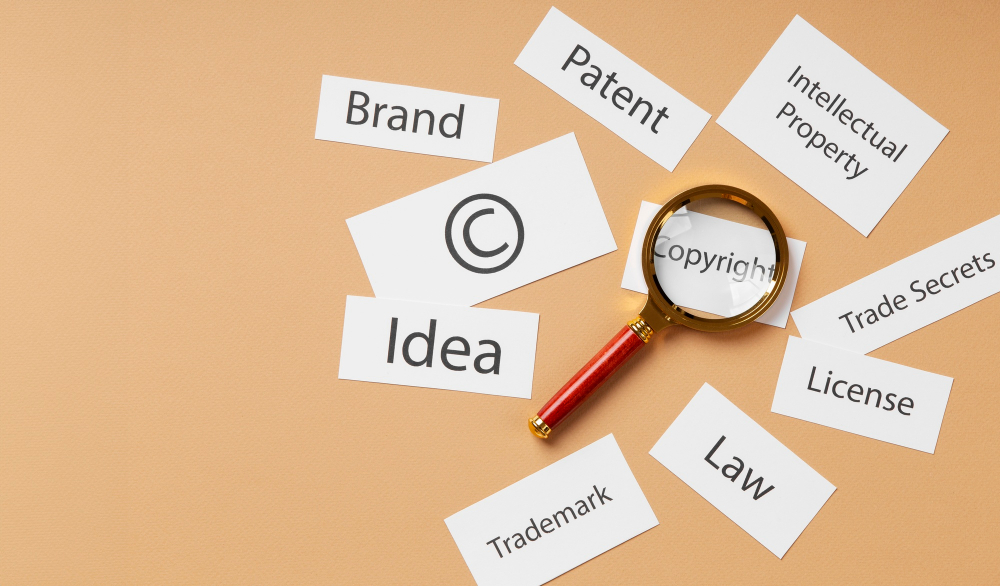
by AI Admin | Copyright Protection
Introduction
Unauthorized copying and sharing of creative works have become a serious challenge for creators, studios, and businesses that depend on original content for their livelihood. The rise of digital distribution and user-generated platforms has created immense opportunities, but it has also opened doors for rampant copyright infringement. Whether you are a filmmaker, music producer, publisher, or educator, protecting your intellectual property is not just a legal necessity but a strategic move to sustain your brand’s credibility and revenue. This blog will guide you on everything you need to know to stop copyright infringement now.
Copyright infringement doesn’t just cost money—it damages reputation, disrupts fair competition, and discourages innovation. By understanding how it happens and what measures can be taken to prevent it, businesses can protect themselves and their audiences from the far-reaching effects of piracy. This blog explores how copyright infringement occurs, what legal rights you have, and the proactive solutions available through advanced anti-piracy services such as those offered by Aiplex Anti-Piracy. Let’s uncover how you can take control and safeguard your creative assets.
Understanding Copyright Infringement
Copyright infringement occurs when someone uses, reproduces, or distributes copyrighted material without the permission of the owner. This could involve pirating films, sharing unauthorized software copies, or streaming copyrighted music on unlicensed platforms. To fully understand the scope of infringement, you must know the fundamentals of intellectual property rights and the digital environments where violations occur. These aspects form the basis of an effective prevention strategy that every content creator and distributor should know.
What Constitutes Copyright Infringement
The essence of copyright infringement lies in the unauthorized use of protected works. It can manifest through copying, performing, or sharing copyrighted material without obtaining legal consent from the rightful owner. For instance, uploading a movie to a torrent site or reproducing educational materials without permission qualifies as infringement. Even partial use of copyrighted material can lead to violations when it affects the market or creative rights of the original creator.
Understanding these acts is vital for content owners who operate in industries like film, music, gaming, and e-learning. The internet’s borderless nature means that infringement can spread quickly, often across multiple countries. Identifying the exact form of infringement—such as streaming, downloading, or redistribution—is the first step in applying legal and technological remedies to counter it.
Common Types of Copyright Infringement
Copyright infringement takes many forms, each requiring distinct monitoring and enforcement approaches. The most prevalent types include video piracy, software cracking, unlicensed streaming, and unauthorized duplication of e-learning materials. Piracy websites and social media platforms often serve as hubs for illegal sharing, impacting revenue and brand equity for creators.
Another growing concern is the misuse of copyrighted content in advertisements or influencer campaigns without obtaining proper licenses. These subtle violations might not seem damaging initially, but they erode intellectual property value over time. Businesses need to understand the scope of such violations to take preemptive actions using robust anti-piracy monitoring systems.
Legal Frameworks Protecting Creators
Various international conventions and national laws safeguard creators from copyright infringement. Treaties like the Berne Convention and TRIPS Agreement set global standards for intellectual property protection. Countries also have domestic laws—such as India’s Copyright Act (1957) and the U.S. Digital Millennium Copyright Act (DMCA)—to define rights, responsibilities, and penalties for infringement.
These legal frameworks empower creators to take swift action against violators through cease-and-desist notices, DMCA takedowns, or litigation. However, legal recourse alone is not enough. Combining it with advanced digital monitoring and automated takedown technologies significantly improves protection outcomes, especially for global brands with distributed digital assets.
The Economic and Ethical Impact
The effects of copyright infringement go beyond financial loss. It undermines fair competition and discourages investment in creative industries. When piracy becomes normalized, content creators lose the incentive to innovate, leading to lower-quality entertainment and education for audiences worldwide.
Ethically, copyright infringement disrespects the labor and intellectual effort that go into producing creative works. Supporting authentic content helps sustain the entire creative ecosystem—from artists and developers to distributors and marketers. By making informed decisions and respecting copyright ownership, both consumers and businesses can help maintain an equitable digital economy.
Role of Technology in Enabling and Preventing Infringement
Technology plays a dual role in copyright infringement. On one hand, digital tools and file-sharing platforms have made it easier than ever to reproduce and distribute content illegally. On the other, technology also provides powerful defenses—such as digital watermarking, content fingerprinting, and AI-driven web crawlers—to detect and remove infringing material.
Companies like Aiplex leverage cutting-edge AI solutions to monitor global digital spaces and initiate real-time takedowns. Automated systems can trace unauthorized uploads within minutes, ensuring rapid response and brand protection. Understanding this technological landscape helps businesses choose the right solutions and stay ahead of infringers.
Effective Ways to Stop Copyright Infringement
Deploy Automated Content Monitoring Systems
Manual tracking of piracy is inefficient and time-consuming. Automated content monitoring tools are now essential for identifying unauthorized uploads across streaming platforms, social media, and file-sharing sites. These systems use advanced algorithms and machine learning to match content fingerprints with online copies.
With automated systems, businesses can respond instantly to violations by initiating takedown requests or blocking access to infringing sources. Aiplex’s AI-driven monitoring system provides this level of precision, giving creators peace of mind that their intellectual property is under constant surveillance and protection.
Implement Digital Watermarking and Fingerprinting
Watermarking and fingerprinting technologies are crucial deterrents against infringement. Digital watermarks embed invisible identifiers into videos, images, or documents, allowing creators to trace leaks and identify the source of piracy. Fingerprinting, meanwhile, creates unique digital signatures that can detect unauthorized copies even after modification.
These techniques strengthen content ownership visibility and provide valuable forensic evidence during disputes. Implementing them through professional anti-piracy services not only protects digital assets but also reinforces accountability among distribution partners and resellers.
Leverage Legal Tools and Enforcement Mechanisms
While technology handles detection, legal enforcement ensures accountability. Using DMCA takedowns, cease-and-desist letters, and court injunctions, businesses can compel infringers to remove or disable access to copyrighted content. Many countries now have fast-track mechanisms for copyright owners to file complaints directly with hosting platforms.
Partnering with a legal compliance team ensures that enforcement processes are consistent, accurate, and globally applicable. Aiplex’s legal support infrastructure works seamlessly alongside its digital protection tools to handle both detection and enforcement efficiently.
Educate Employees, Partners, and Consumers
Internal awareness is often the most overlooked aspect of copyright protection. Employees handling content must be trained to recognize potential risks, follow licensing norms, and avoid accidental distribution of copyrighted materials. This internal vigilance extends the reach of anti-piracy strategies.
At the same time, consumer education campaigns help audiences understand the importance of supporting authentic content. Businesses can foster community awareness through blogs, social media, and collaboration with educational institutions to advocate respect for copyright laws.
Collaborate with Trusted Anti-Piracy Partners
No business can handle global copyright enforcement alone. Partnering with dedicated anti-piracy agencies ensures consistent protection across markets and platforms. These specialists bring expertise, technology, and global reach to identify, report, and eliminate piracy threats effectively.
Aiplex Anti-Piracy, for instance, provides end-to-end solutions that include content tracking, automated takedowns, and data analytics. Through collaborative action, businesses can reduce the burden of copyright enforcement and focus on creative growth instead.
Why Choose Aiplex Anti-Piracy
Aiplex Anti-Piracy is a leading name in online content protection, offering comprehensive services tailored to entertainment, software, gaming, and educational industries. With over a decade of expertise, Aiplex combines artificial intelligence, legal compliance, and human verification to deliver unmatched protection results. Their solutions cover real-time monitoring, global takedowns, piracy analytics, and strategic consultation.
Choosing Aiplex means choosing proactive protection. Their AI systems continuously scan websites, social platforms, and peer-to-peer networks, ensuring your content remains secure across the digital landscape. Whether you manage a film studio, OTT platform, or software brand, Aiplex’s technology-driven approach ensures that your intellectual property stays protected, your revenue safeguarded, and your reputation preserved.
Conclusion
Copyright infringement poses a complex challenge, but it’s not an unbeatable one. With the right combination of technology, legal enforcement, and awareness, creators and businesses can effectively defend their intellectual property. Partnering with experts like Aiplex Anti-Piracy empowers you to act decisively against piracy and maintain full control over your content’s distribution.
Every original work deserves fair recognition and reward. Don’t let infringement diminish your efforts. Take the next step toward comprehensive digital protection—contact Aiplex Anti-Piracy today and reclaim the security your creative assets deserve.

by AI Admin | Copyright Protection
Introduction
In today’s fast-moving digital world, creators, brands, and businesses are constantly publishing valuable content across multiple platforms. However, with this ease of sharing comes a growing risk — copyright infringement and unauthorized content usage. Whether you are an artist, media house, or educational institution, protecting your creative assets is essential to maintaining your intellectual property rights and ensuring fair monetization. As more content shifts online, safeguarding it from theft and misuse becomes not only a legal obligation but also a strategic necessity.
This blog provides a detailed, step-by-step guide to help you understand how to protect your content from copyright theft. We’ll cover what you should know before implementing protection strategies, practical steps you can take to secure your intellectual property, and why partnering with a professional service like AiPlex Anti-Piracy can make all the difference. By following these methods, you can confidently shield your digital assets from misuse while ensuring your rights remain intact.
Things to Know Before Protecting Your Content
Before you dive into copyright enforcement and protection strategies, it’s important to understand the fundamental principles of ownership, online risks, and global enforcement laws. This section provides foundational insights that every creator or business should grasp before taking protective steps.
1. Understanding Copyright Laws and Ownership Rights
Copyright laws grant creators the exclusive right to distribute, reproduce, and profit from their original works. Whether it’s a video, song, software, or written article, registering your copyright establishes legal ownership and serves as critical evidence in case of disputes. Understanding your rights is the first line of defense against infringement.
Furthermore, knowing which works qualify for copyright protection and the duration of these rights can help you manage your intellectual property portfolio effectively. If your content is used without permission, having formal registration strengthens your ability to issue takedown notices or pursue legal action swiftly.
2. Recognizing Different Types of Copyright Infringement
Copyright theft can take many forms — from unauthorized downloads and video reuploads to plagiarism and unlicensed streaming. Recognizing these types of infringement allows creators to tailor their defensive measures more effectively. Piracy isn’t limited to movies or software; even blog posts, designs, and product photos are at risk.
Understanding the scale and diversity of infringement helps in selecting the right monitoring tools and enforcement partners. For instance, detecting social media misuse might require AI-driven content scanning, while software piracy demands digital license management solutions.
3. The Role of Technology in Content Protection
Technology plays a crucial role in protecting copyrighted content. Techniques like digital watermarking, fingerprinting, and content identification systems can trace the origin and unauthorized distribution of your materials. These technologies help track content across the internet, providing strong evidence for copyright enforcement.
Incorporating these solutions ensures continuous surveillance of your digital assets. With advanced detection systems, you can identify infringements faster, take action promptly, and prevent recurring misuse across streaming platforms, websites, and social media.
4. Importance of Legal Documentation and Registration
Registering your creative work provides the foundation for legal protection. Without documentation, proving ownership during disputes becomes challenging. Every piece of content—whether text, music, or design—should have verifiable registration details, timestamps, and metadata.
Maintaining up-to-date legal documentation enables you to act decisively when infringement occurs. It also ensures that you can claim statutory damages in court, which can be instrumental in deterring repeat offenders and safeguarding your intellectual property rights.
5. Understanding Global Enforcement Challenges
Copyright protection isn’t confined to national borders. With content available globally, enforcing rights across jurisdictions can be complex. Understanding international treaties like the Berne Convention or TRIPS Agreement can guide global enforcement strategies.
Collaborating with international anti-piracy agencies helps antipiracy jurisdictional gaps. Companies like AiPlex specialize in managing worldwide takedowns, ensuring that no matter where your content is misused, swift and lawful action can be taken.
Key Steps to Protect Your Content from Copyright Theft
Once you understand the foundational principles, it’s time to take actionable steps to prevent and respond to copyright infringement. Below are essential methods for creators and organizations to safeguard their digital content effectively.
1. Register Your Copyright
Registering your work officially grants you legal recognition as the rightful owner. This process ensures that your creations—be it written, visual, or audio—are protected under copyright law. Registration helps in filing claims, issuing takedowns, and receiving compensation for damages.
Make it a practice to register new works as soon as they are created. Many creators rely on automatic copyright protection, but formal registration strengthens enforcement power, especially in international cases.
2. Use Watermarking and Fingerprinting Tools
Watermarking embeds identifiable information directly into your digital assets, making it easier to track leaks and unauthorized use. Fingerprinting goes a step further, allowing you to identify identical or derivative content uploaded elsewhere.
These technologies serve as silent guardians of your intellectual property, alerting you to misuse and giving you the leverage to prove ownership when needed. Combining both offers strong, tech-based protection against digital theft.
3. Implement DMCA Takedown Procedures
The Digital Millennium Copyright Act (DMCA) empowers creators to request removal of infringing material from websites and online platforms. Filing a proper DMCA notice requires proof of ownership and precise evidence of infringement.
Agencies like AiPlex Anti-Piracy manage this process efficiently by monitoring violations, drafting takedown notices, and ensuring prompt compliance from offenders. Regular enforcement through DMCA reduces exposure and builds long-term deterrence.
4. Deploy Content Monitoring Systems
Ongoing content monitoring is essential for detecting piracy early. Automated systems scan websites, torrent networks, and social media platforms for copies of your content. Real-time alerts allow you to respond quickly, minimizing potential revenue loss.
Partnering with anti-piracy experts ensures continuous vigilance and comprehensive coverage. AiPlex’s advanced tools, for example, monitor digital spaces globally, allowing creators to stay ahead of infringers.
5. Collaborate with Trusted Anti-Piracy Partners
Working with a professional anti-piracy agency amplifies your protection efforts. These firms combine technology, legal expertise, and experience to detect, remove, and prevent unauthorized content distribution.
AiPlex Anti-Piracy provides customized strategies for different industries—from media and entertainment to software and publishing—ensuring that creators can focus on producing while their assets remain secure.
6. Use Licensing and Contractual Protection
Well-drafted contracts ensure that authorized use of your content remains within agreed boundaries. Licensing clauses can specify distribution rights, payment terms, and penalties for misuse.
Regular audits and reviews of licensing agreements help identify potential breaches early. Having a legal partner oversee these contracts adds another layer of assurance to your overall protection framework.
7. Educate Your Team and Audience
Building awareness among your staff, collaborators, and audience can significantly reduce infringement risks. When everyone understands the importance of respecting copyright, it fosters a culture of ethical content use.
Workshops, training sessions, and educational campaigns are powerful tools. AiPlex also assists clients in conducting awareness programs, helping them strengthen internal compliance and promote responsible digital behavior.
Why Choose AiPlex Anti-Piracy for Content Protection
AiPlex Anti-Piracy has been a global leader in protecting creative content for over two decades. Their end-to-end solutions cover every stage of digital protection—from proactive monitoring and evidence collection to legal enforcement and court coordination. Their technology identifies infringements across platforms within minutes, ensuring faster action and minimal damage.
What sets AiPlex apart is their expertise in handling international piracy cases, 24/7 monitoring, and integration with AI-driven systems. Whether you are a filmmaker, educator, software developer, or brand owner, AiPlex offers tailored solutions that secure your content across all platforms. Visit AiPlex Anti-Piracy to learn more about their advanced copyright protection services.
Conclusion
Protecting your content from copyright theft requires a mix of legal preparedness, technological tools, and professional partnerships. From registering your work and applying digital watermarking to collaborating with experienced anti-piracy firms, every step plays an essential role in maintaining creative integrity.
In an increasingly digital landscape, taking proactive measures ensures that your hard work remains yours. Partnering with experts like AiPlex Anti-Piracy can provide peace of mind, legal assurance, and a long-term shield against infringement. Safeguard your content today and empower your creativity to thrive without compromise.
