by AI Admin | Antipiracy
Creative work whether it’s a movie, song, software, or artwork—represents months or even years of effort, innovation, and investment. Yet, copyright infringement continues to threaten the integrity of intellectual property worldwide. From individuals sharing unauthorized copies online to large-scale digital piracy operations, copyright infringement has become a critical issue for creators and businesses alike. Understanding its implications is no longer optional—it’s essential for safeguarding creative assets and ensuring fair returns on creative investments.
This blog explores the key aspects of copyright infringement—its legal risks, potential penalties, and effective prevention strategies that protect creative works in an increasingly digital environment. We’ll break down what constitutes infringement, how laws are enforced, and why companies must proactively guard their intellectual property. For organizations seeking robust protection. Aiplex Anti-Piracy copyright enforcement services offer advanced monitoring and takedown solutions tailored for today’s digital landscape.
Things to Know Before Addressing Copyright Infringement
Understanding What Constitutes Copyright Infringement
Copyright infringement occurs when someone uses another person’s original work without authorization—whether by copying, distributing, displaying, or modifying it. This extends to both online and offline mediums, covering content such as videos, music, photographs, software, and written works. The digital revolution has made copying and sharing easier than ever, which means even unintentional acts can qualify as infringement under current laws. Knowing the boundary between fair use and infringement is crucial to avoid costly legal repercussions.
For businesses, recognizing infringement is especially vital. Many organizations unknowingly breach copyright laws by using unlicensed media or reusing content without consent. With digital platforms hosting vast volumes of user-generated material, companies must adopt proactive compliance strategies. This includes using licensed assets, deploying automated content recognition tools, and staying informed about copyright laws. Such practices not only minimize legal exposure but also demonstrate corporate integrity in digital content use.
The Difference Between Copyright and Other IP Rights
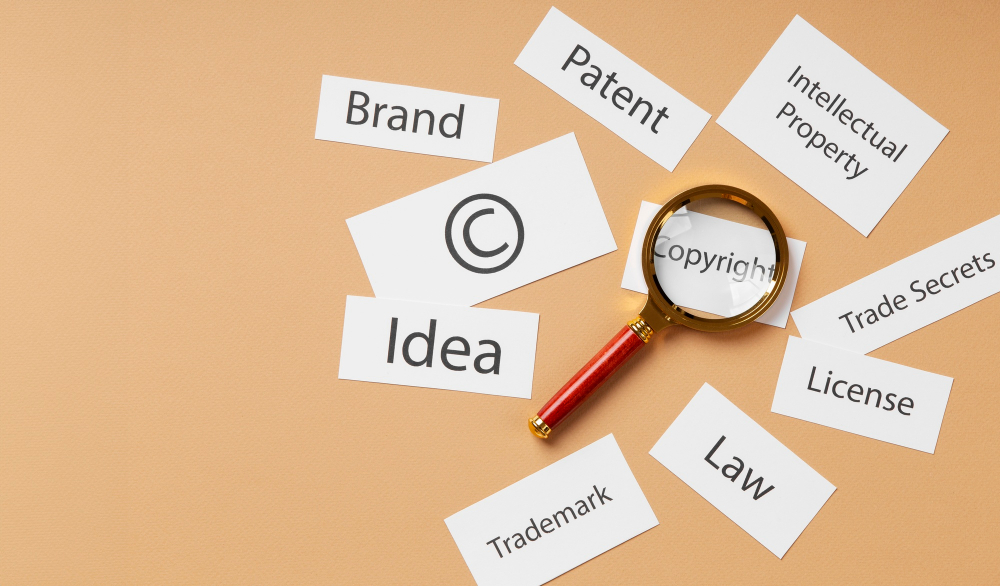
While copyright protects creative expressions, intellectual property (IP) also includes trademarks, patents, and trade secrets—each with distinct protections. Copyright safeguards artistic and literary works, trademarks secure brand identifiers, patents protect inventions, and trade secrets guard confidential business information. Confusing these categories can lead to weak protection strategies, especially for digital creators and media businesses managing mixed forms of IP.
Understanding these differences ensures that rights holders apply the correct form of protection. For instance, a film studio must secure copyright for its content, trademarks for its logo, and potentially patents for production technologies. Collaborating with digital enforcement agencies like Aiplex Anti-Piracy ensures comprehensive coverage, as their teams specialize in both identifying and acting against various forms of IP misuse online.
Common Types of Copyright Infringement
The most frequent form of infringement involves unauthorized reproduction—such as duplicating videos, music, or books without permission. However, digital distribution has added new dimensions, including streaming, torrenting, and embedding unauthorized content on websites or social platforms. These acts often occur on a massive scale, with infringing materials spreading rapidly across global networks before creators even become aware of the violation.
Other common types include derivative works where content is modified but still retains recognizable portions of the original—and performance infringements, where copyrighted material is publicly displayed or performed without authorization. Identifying and taking down these infringements requires specialized tools and constant monitoring, areas where companies like Aiplex provide technological advantages through AI-driven detection and rapid takedown mechanisms.
Legal Framework Governing Copyright Infringement
Copyright protection is governed by both national and international laws, including the Berne Convention, WIPO treaties, and the Digital Millennium Copyright Act (DMCA). These frameworks establish creators’ rights, enforcement mechanisms, and penalties for violations. However, implementation varies by jurisdiction, which means creators must understand both their local and global legal standing when enforcing rights.
In India, for instance, the Copyright Act, 1957 outlines both civil and criminal penalties for infringement. Internationally, the DMCA enables rightsholders to request content removal across platforms like YouTube, Facebook, and Google. Businesses that rely heavily on digital media must stay updated on evolving copyright legislation to maintain compliance and swiftly act against violators.
Economic Impact of Copyright Infringement
Beyond legal consequences, copyright infringement carries substantial economic losses for creators, studios, and entire industries. The entertainment and software sectors alone lose billions annually to piracy. For smaller creators, even limited unauthorized sharing can erode potential revenue, reduce licensing opportunities, and undermine brand credibility in competitive markets.
Moreover, infringement distorts fair market dynamics, rewarding illegal distributors while penalizing legitimate producers. This creates an environment where innovation becomes less sustainable. By investing in professional anti-piracy solutions, rights holders can reclaim lost revenue and restore fairness within their creative ecosystems.
Major Risks and Penalties of Copyright Infringement
Civil Liabilities for Infringers
Individuals or organizations found guilty of copyright infringement may face severe financial penalties, including statutory damages, compensation for actual losses, and injunctions prohibiting further use. Courts may order removal of the infringing material, destruction of unauthorized copies, or surrender of profits gained through illegal use. In commercial settings, such penalties can significantly impact brand reputation and business operations.
For companies, settlements and lawsuits can cost far more than preventive compliance measures. Implementing content usage policies, licensing agreements, and regular audits helps mitigate risks. Working with IP protection specialists ensures that copyright compliance becomes part of organizational culture, not just a legal afterthought.
Criminal Consequences of Copyright Violation
In serious cases, copyright infringement constitutes a criminal offense, particularly when performed at scale or for commercial gain. Convicted individuals may face imprisonment ranging from six months to three years, along with substantial fines. Law enforcement agencies are increasingly collaborating with digital watchdogs to trace large-scale infringers operating across multiple jurisdictions.
Governments worldwide have ramped up efforts to curb digital piracy, using advanced tracking technologies and international cooperation. For example, coordinated takedowns involving anti-piracy firms like Aiplex have successfully dismantled networks distributing copyrighted movies and software. These actions send a strong deterrent message to would-be infringers.
Reputational Damage to Businesses
Reputational harm is one of the most damaging outcomes of copyright infringement, especially for brands built on trust and originality. Being accused of using unauthorized material—intentionally or not—can erode customer confidence, damage partnerships, and trigger negative publicity. For startups and content-based firms, such exposure can stall growth permanently.
Conversely, strong copyright compliance enhances credibility. Brands that actively protect and respect intellectual property demonstrate ethical leadership. Leveraging Aiplex’s solutions for digital content monitoring ensures organizations can both prevent and respond effectively to potential violations before they escalate publicly.
Loss of Market Opportunities
Unauthorized sharing of copyrighted material often devalues creative works in legitimate markets. For example, leaked films, music, or software reduce official release revenues and deter future collaborations. Businesses affected by infringement may also lose investor confidence, licensing opportunities, or international distribution deals.
Prevention strategies such as digital watermarking, online surveillance, and AI-driven content recognition can help secure future profitability. Implementing these technologies through trusted partners like Aiplex Anti-Piracy not only protects existing assets but strengthens future licensing negotiations.
Impact on the Creative Ecosystem
When creators lose control of their work, the broader creative ecosystem suffers. Piracy discourages innovation and reduces the incentive for artists and developers to invest in new ideas. This ripple effect stifles cultural diversity and limits the availability of original content for audiences worldwide.
By enforcing copyright and promoting fair compensation, society supports sustainable creative industries. Anti-piracy organizations play an essential role in restoring this balance—identifying illegal activity, supporting legal enforcement, and ensuring creators continue to benefit from their original efforts.
Effective Prevention Strategies for Copyright Infringement
Educating Employees and Creators
One of the simplest yet most effective methods of preventing copyright infringement is through awareness and education. Employees, freelancers, and creative partners must understand what constitutes infringement and the consequences of misusing copyrighted material. Regular workshops, compliance training, and guidelines can instill best practices for using licensed resources, especially in media-heavy organizations.
Aiplex often advises its clients to establish internal copyright policies as part of broader compliance frameworks. By ensuring every team member knows the ethical and legal boundaries of content use, organizations reduce the likelihood of accidental violations. Empowered with this knowledge, teams make smarter decisions about sourcing, sharing, and creating content legally.
Deploying Digital Rights Management (DRM) Tools
Digital Rights Management (DRM) tools are critical for protecting media from unauthorized access and distribution. These systems encrypt digital files, control playback permissions, and restrict copying or sharing. Businesses in entertainment, publishing, and software industries rely heavily on DRM to maintain content integrity and profitability.
For example, streaming platforms use DRM to prevent users from downloading and redistributing copyrighted movies or music. Aiplex’s solutions integrate similar technologies with advanced analytics to identify unauthorized copies instantly. This proactive defense ensures that creative assets remain accessible only to authorized users.
Using AI-Powered Content Monitoring
AI-powered content monitoring has revolutionized copyright protection. Through automated detection, machine learning algorithms can scan the internet, flagging unauthorized use of text, video, or imagery within minutes. This level of efficiency is crucial in controlling fast-spreading piracy networks and ensuring timely enforcement.
Aiplex’s proprietary systems leverage AI to conduct 24/7 surveillance across multiple digital platforms. By recognizing patterns of infringement and automatically issuing takedown notices, their clients experience reduced manual workload and faster content recovery. This technology-driven vigilance minimizes losses and protects brand integrity.
Implementing Watermarking and Fingerprinting
Watermarking and digital fingerprinting technologies serve as invisible yet powerful deterrents against unauthorized copying. Watermarks embed unique identifiers within media files, while fingerprints analyze content characteristics to track copies across the internet. Together, they help rights holders trace the origin and spread of infringing content.
Aiplex integrates these tools into their anti-piracy systems, offering clients both reactive and preventive measures. Watermarking adds traceability, while fingerprinting allows detection even after files are altered or reformatted. This dual protection enhances overall copyright security for films, software, and digital art.
Partnering with Professional Anti-Piracy Services
While self-managed protection offers some control, partnering with professionals ensures holistic coverage. Firms like Aiplex combine technology, legal expertise, and global reach to deliver end-to-end protection. From real-time detection to content removal and legal support, their services streamline the complex enforcement process.
A partnership with Aiplex also provides continuous improvement. Their teams constantly adapt to new piracy methods, ensuring that protection remains one step ahead of infringers. This proactive collaboration enables creators and businesses to focus on growth and innovation while their intellectual assets remain safeguarded.
Why Choose Aiplex Anti-Piracy for Copyright Protection
Aiplex Anti-Piracy has established itself as a trusted leader in digital content protection. Their solutions combine artificial intelligence, legal expertise, and automated enforcement to provide unmatched coverage for businesses across entertainment, software, and publishing sectors. With over a decade of experience, they have successfully executed thousands of takedowns worldwide, defending creative rights across multiple platforms.
Partnering with Aiplex means gaining more than a service—it means securing a strategic ally committed to your content’s integrity. Their customized protection systems ensure compliance, minimize losses, and maintain the long-term value of intellectual property. For creators and enterprises seeking scalable, results-driven IP protection, Aiplex remains the top choice.
Conclusion
Copyright infringement poses real and evolving threats to creative professionals and organizations worldwide. Understanding the legal framework, recognizing the risks, and implementing effective prevention strategies are crucial for protecting intellectual assets. From AI-driven detection to global takedown execution, Aiplex Anti-Piracy empowers rights holders to regain control and uphold creative integrity.
Choosing proactive protection is not just about avoiding penalties it’s about preserving the value of originality. With Aiplex as your digital enforcement partner, you can focus on creating while ensuring your work remains secure in an increasingly complex digital landscape.
by AI Admin | Antipiracy
Piracy has evolved into one of the most persistent threats to creative industries, technology companies, and brand owners across the globe. Whether it’s counterfeit goods, leaked movies, pirated software, or unauthorized streaming, the repercussions affect both revenue and reputation. As brands expand digitally, identifying the most effective solutions to piracy becomes not just a priority but a strategic necessity. Businesses seeking to safeguard their intellectual property must understand how pirates operate and how to implement robust, multi-layered defenses.
This blog explores how brands can reduce piracy with actionable, effective strategies that have proven successful across industries. From monitoring content online to implementing digital rights management (DRM) and enforcing takedowns, we’ll dive into the most reliable methods available. Readers will gain a detailed understanding of the tools and practices that deter infringers and preserve brand value. To learn more about how Aiplex can protect your brand from piracy, visit their.
Understanding Piracy and Its Impact on Brands
Piracy extends beyond simple copyright infringement—it is a sophisticated ecosystem that undermines brand trust, damages profits, and compromises consumer safety. Counterfeit digital products, illegal downloads, and fake merchandise circulate widely, blurring the line between authentic and pirated goods. Companies often find that by the time a pirated version surfaces, thousands of downloads or sales have already occurred, making damage control complex. Understanding the scale and speed of this issue is crucial before applying effective solutions to piracy.
The financial implications are staggering. Piracy not only cuts into direct sales but also devalues intellectual property and reduces market competitiveness. Beyond revenue loss, brands face reputational harm when consumers unknowingly engage with counterfeit or pirated versions. The result is a decline in customer confidence. Addressing piracy requires a proactive mindset—building awareness internally and deploying consistent, technology-driven responses externally.
Types of Piracy Brands Commonly Face
Brands face multiple forms of piracy that differ in method and motive. Digital piracy, such as software cracks or illegal movie streaming, often targets entertainment, gaming, and tech sectors. Physical counterfeiting, on the other hand, impacts luxury goods, apparel, and pharmaceuticals. Identifying the specific type of piracy that affects your brand helps in selecting tailored countermeasures.
Additionally, the growing popularity of social media marketplaces and peer-to-peer networks has amplified exposure to piracy. Consumers may not realize they are purchasing or sharing pirated material. By monitoring these environments and leveraging analytics, brands can predict trends and respond before damage escalates.
Economic and Reputational Consequences of Piracy
The cost of piracy extends well beyond lost sales. It impacts employment, innovation, and consumer trust. Businesses spend years cultivating brand credibility, only for pirates to erode it within weeks through counterfeits or leaks. The reputational fallout can take longer to repair than financial losses, as customers begin to question the authenticity of what they purchase.
Reputational harm also has a ripple effect on partnerships and investor confidence. Brands associated with frequent piracy incidents may appear vulnerable, discouraging collaborations. An effective anti-piracy plan thus doubles as a brand protection measure—fortifying the company’s image while protecting its intellectual property.
Legal Frameworks and Enforcement Challenges
While laws such as the Digital Millennium Copyright Act (DMCA) and global copyright treaties provide mechanisms for enforcement, the digital environment complicates jurisdiction. Pirates often operate anonymously or across borders, exploiting legal loopholes to evade penalties. This makes relying solely on legal remedies insufficient.
To strengthen enforcement, brands should collaborate with anti-piracy agencies like Aiplex, which combine legal expertise with technology to identify, track, and remove infringed content across regions. This holistic approach transforms legal frameworks from static guidelines into actionable defenses.
The Role of Technology in Combating Piracy
Technology acts as both a challenge and a solution in the fight against piracy. While pirates exploit advancements to copy and distribute content faster, brands can deploy equally advanced tools to detect and prevent infringements. Artificial intelligence (AI) and machine learning (ML) are now integral in monitoring vast online spaces and identifying unauthorized content.
Aiplex utilizes advanced crawling tools and content fingerprinting to locate and remove pirated material efficiently. Through automation, these systems minimize manual intervention and drastically reduce response time, giving brands real-time visibility and control over their assets.
Importance of Collaboration and Education
Even the best anti-piracy technologies are only effective when combined with awareness and collaboration. Educating employees, distributors, and consumers about piracy risks ensures vigilance at every level of the business chain. When stakeholders recognize and report unauthorized use, detection becomes faster and enforcement more efficient.
Collaborating with regulatory bodies, platforms, and other industry leaders enhances collective protection. Shared intelligence helps in mapping piracy trends and neutralizing threats early. Aiplex emphasizes such collaborations to maximize global anti-piracy impact.
Effective Strategies and Solutions to Piracy
Developing a comprehensive anti-piracy plan involves integrating multiple defenses—legal, technological, and educational. Each layer strengthens the brand’s ability to detect and deter piracy across markets.
1. Implement Digital Rights Management (DRM) Systems
DRM technology is one of the most effective solutions to piracy, ensuring that only authorized users can access protected content. By encrypting media and managing licensing, DRM helps prevent unauthorized copying, sharing, and distribution.
Aiplex offers tailored DRM solutions that secure content from the point of release to end-user consumption. With scalable controls, brands can manage permissions, track usage, and revoke access when misuse is detected, maintaining control over their digital assets.
2. Use AI-Powered Content Monitoring
AI-based content monitoring helps detect and remove pirated versions across multiple platforms, from torrent sites to social media. These systems analyze file signatures, keywords, and metadata to identify unauthorized uploads within seconds.
Partnering with Aiplex gives brands access to AI monitoring tools that continuously scan online spaces and issue automated takedown notices. This proactive approach drastically minimizes the life cycle of pirated content, reducing both spread and impact.
3. Enforce Takedown Protocols and Reporting Systems
Swift enforcement is critical once piracy is identified. A well-defined takedown strategy, supported by DMCA notices and legal escalation channels, ensures infringed content is removed quickly and efficiently. Delays can lead to exponential spread and irreversible loss.
Aiplex’s global enforcement network simplifies this process by automating detection and takedown workflows. Through 24/7 monitoring, they ensure minimal downtime between discovery and removal, protecting brand equity and revenue.
4. Secure Supply Chains and Distribution Networks
For brands selling physical or hybrid products, piracy often occurs within distribution networks. Counterfeiters exploit weak supply chain controls to introduce fake goods into the market. Securing each stage—from manufacturing to retail—is therefore vital.
Implementing serialization, holograms, and QR-based authentication gives consumers tools to verify product authenticity. Combining these with digital verification through Aiplex’s tracking systems helps brands maintain visibility and control over global supply chains.
5. Educate Consumers and Partners
Educating consumers is one of the most underestimated solutions to piracy. Many people purchase or stream pirated content without realizing the ethical and security implications. By raising awareness through campaigns, brands can reduce unintentional piracy and build stronger consumer trust.
Similarly, partners and distributors should undergo regular training to identify and report counterfeit activities. A culture of shared responsibility ensures the entire brand ecosystem contributes to anti-piracy vigilance.
6. Leverage Blockchain for Transparency
Blockchain technology adds an immutable layer of authenticity verification to digital and physical goods. By recording every transaction and ownership change, it creates a transparent, tamper-proof record that deters counterfeit production.
When integrated with anti-piracy solutions, blockchain enhances accountability across the supply chain. Aiplex’s research-backed integration tools enable brands to use blockchain-based authentication for long-term protection and trust-building.
7. Partner with Specialized Anti-Piracy Agencies
Anti-piracy requires expertise, technology, and global reach that many brands cannot maintain internally. Partnering with dedicated agencies like Aiplex provides access to advanced detection systems, data analytics, and enforcement resources under one roof.
Aiplex’s holistic approach combines technology, investigation, and legal enforcement to ensure piracy is addressed comprehensively. Their services not only stop infringements but also help brands establish sustainable anti-piracy frameworks.
Why Choose Aiplex Anti-Piracy for Protection
Aiplex AntiPiracy stands at the forefront of digital protection, offering customized solutions that address the unique challenges of each brand. Their integrated approach merges automated technology with legal precision, ensuring that every infringement is identified and acted upon swiftly. With decades of experience and a proven track record, Aiplex helps clients safeguard their intellectual property while maintaining brand integrity.
Their services extend beyond reactive measures. Through predictive analytics, AI-powered surveillance, and global partnerships, Aiplex proactively identifies threats before they escalate. Whether it’s film, software, e-learning, or live events, their solutions adapt seamlessly across industries. Collaborating with Aiplex means choosing a partner dedicated to innovation, transparency, and lasting brand protection.
Conclusion
Piracy will continue to evolve as technology advances, but so will the strategies to combat it. The most effective solutions to piracy integrate technology, education, and enforcement into a unified defense. Brands that treat piracy prevention as a core part of their digital strategy not only protect their assets but also strengthen consumer trust and long-term profitability.
Aiplex Anti-Piracy offers the expertise and infrastructure to help brands stay ahead of threats and safeguard their creative investments. From AI-driven detection to global enforcement, their comprehensive protection framework ensures your brand remains secure and respected. Learn more about their services and take the first step toward eliminating piracy from your digital ecosystem at Aiplex AntiPiracy.
by AI Admin | Copyright Protection
Introduction
Unauthorized copying and sharing of creative works have become a serious challenge for creators, studios, and businesses that depend on original content for their livelihood. The rise of digital distribution and user-generated platforms has created immense opportunities, but it has also opened doors for rampant copyright infringement. Whether you are a filmmaker, music producer, publisher, or educator, protecting your intellectual property is not just a legal necessity but a strategic move to sustain your brand’s credibility and revenue. This blog will guide you on everything you need to know to stop copyright infringement now.
Copyright infringement doesn’t just cost money—it damages reputation, disrupts fair competition, and discourages innovation. By understanding how it happens and what measures can be taken to prevent it, businesses can protect themselves and their audiences from the far-reaching effects of piracy. This blog explores how copyright infringement occurs, what legal rights you have, and the proactive solutions available through advanced anti-piracy services such as those offered by Aiplex Anti-Piracy. Let’s uncover how you can take control and safeguard your creative assets.
Understanding Copyright Infringement
Copyright infringement occurs when someone uses, reproduces, or distributes copyrighted material without the permission of the owner. This could involve pirating films, sharing unauthorized software copies, or streaming copyrighted music on unlicensed platforms. To fully understand the scope of infringement, you must know the fundamentals of intellectual property rights and the digital environments where violations occur. These aspects form the basis of an effective prevention strategy that every content creator and distributor should know.
What Constitutes Copyright Infringement
The essence of copyright infringement lies in the unauthorized use of protected works. It can manifest through copying, performing, or sharing copyrighted material without obtaining legal consent from the rightful owner. For instance, uploading a movie to a torrent site or reproducing educational materials without permission qualifies as infringement. Even partial use of copyrighted material can lead to violations when it affects the market or creative rights of the original creator.
Understanding these acts is vital for content owners who operate in industries like film, music, gaming, and e-learning. The internet’s borderless nature means that infringement can spread quickly, often across multiple countries. Identifying the exact form of infringement—such as streaming, downloading, or redistribution—is the first step in applying legal and technological remedies to counter it.
Common Types of Copyright Infringement
Copyright infringement takes many forms, each requiring distinct monitoring and enforcement approaches. The most prevalent types include video piracy, software cracking, unlicensed streaming, and unauthorized duplication of e-learning materials. Piracy websites and social media platforms often serve as hubs for illegal sharing, impacting revenue and brand equity for creators.
Another growing concern is the misuse of copyrighted content in advertisements or influencer campaigns without obtaining proper licenses. These subtle violations might not seem damaging initially, but they erode intellectual property value over time. Businesses need to understand the scope of such violations to take preemptive actions using robust anti-piracy monitoring systems.
Legal Frameworks Protecting Creators
Various international conventions and national laws safeguard creators from copyright infringement. Treaties like the Berne Convention and TRIPS Agreement set global standards for intellectual property protection. Countries also have domestic laws—such as India’s Copyright Act (1957) and the U.S. Digital Millennium Copyright Act (DMCA)—to define rights, responsibilities, and penalties for infringement.
These legal frameworks empower creators to take swift action against violators through cease-and-desist notices, DMCA takedowns, or litigation. However, legal recourse alone is not enough. Combining it with advanced digital monitoring and automated takedown technologies significantly improves protection outcomes, especially for global brands with distributed digital assets.
The Economic and Ethical Impact
The effects of copyright infringement go beyond financial loss. It undermines fair competition and discourages investment in creative industries. When piracy becomes normalized, content creators lose the incentive to innovate, leading to lower-quality entertainment and education for audiences worldwide.
Ethically, copyright infringement disrespects the labor and intellectual effort that go into producing creative works. Supporting authentic content helps sustain the entire creative ecosystem—from artists and developers to distributors and marketers. By making informed decisions and respecting copyright ownership, both consumers and businesses can help maintain an equitable digital economy.
Role of Technology in Enabling and Preventing Infringement
Technology plays a dual role in copyright infringement. On one hand, digital tools and file-sharing platforms have made it easier than ever to reproduce and distribute content illegally. On the other, technology also provides powerful defenses—such as digital watermarking, content fingerprinting, and AI-driven web crawlers—to detect and remove infringing material.
Companies like Aiplex leverage cutting-edge AI solutions to monitor global digital spaces and initiate real-time takedowns. Automated systems can trace unauthorized uploads within minutes, ensuring rapid response and brand protection. Understanding this technological landscape helps businesses choose the right solutions and stay ahead of infringers.
Effective Ways to Stop Copyright Infringement
Deploy Automated Content Monitoring Systems
Manual tracking of piracy is inefficient and time-consuming. Automated content monitoring tools are now essential for identifying unauthorized uploads across streaming platforms, social media, and file-sharing sites. These systems use advanced algorithms and machine learning to match content fingerprints with online copies.
With automated systems, businesses can respond instantly to violations by initiating takedown requests or blocking access to infringing sources. Aiplex’s AI-driven monitoring system provides this level of precision, giving creators peace of mind that their intellectual property is under constant surveillance and protection.
Implement Digital Watermarking and Fingerprinting
Watermarking and fingerprinting technologies are crucial deterrents against infringement. Digital watermarks embed invisible identifiers into videos, images, or documents, allowing creators to trace leaks and identify the source of piracy. Fingerprinting, meanwhile, creates unique digital signatures that can detect unauthorized copies even after modification.
These techniques strengthen content ownership visibility and provide valuable forensic evidence during disputes. Implementing them through professional anti-piracy services not only protects digital assets but also reinforces accountability among distribution partners and resellers.
Leverage Legal Tools and Enforcement Mechanisms
While technology handles detection, legal enforcement ensures accountability. Using DMCA takedowns, cease-and-desist letters, and court injunctions, businesses can compel infringers to remove or disable access to copyrighted content. Many countries now have fast-track mechanisms for copyright owners to file complaints directly with hosting platforms.
Partnering with a legal compliance team ensures that enforcement processes are consistent, accurate, and globally applicable. Aiplex’s legal support infrastructure works seamlessly alongside its digital protection tools to handle both detection and enforcement efficiently.
Educate Employees, Partners, and Consumers
Internal awareness is often the most overlooked aspect of copyright protection. Employees handling content must be trained to recognize potential risks, follow licensing norms, and avoid accidental distribution of copyrighted materials. This internal vigilance extends the reach of anti-piracy strategies.
At the same time, consumer education campaigns help audiences understand the importance of supporting authentic content. Businesses can foster community awareness through blogs, social media, and collaboration with educational institutions to advocate respect for copyright laws.
Collaborate with Trusted Anti-Piracy Partners
No business can handle global copyright enforcement alone. Partnering with dedicated anti-piracy agencies ensures consistent protection across markets and platforms. These specialists bring expertise, technology, and global reach to identify, report, and eliminate piracy threats effectively.
Aiplex Anti-Piracy, for instance, provides end-to-end solutions that include content tracking, automated takedowns, and data analytics. Through collaborative action, businesses can reduce the burden of copyright enforcement and focus on creative growth instead.
Why Choose Aiplex Anti-Piracy
Aiplex Anti-Piracy is a leading name in online content protection, offering comprehensive services tailored to entertainment, software, gaming, and educational industries. With over a decade of expertise, Aiplex combines artificial intelligence, legal compliance, and human verification to deliver unmatched protection results. Their solutions cover real-time monitoring, global takedowns, piracy analytics, and strategic consultation.
Choosing Aiplex means choosing proactive protection. Their AI systems continuously scan websites, social platforms, and peer-to-peer networks, ensuring your content remains secure across the digital landscape. Whether you manage a film studio, OTT platform, or software brand, Aiplex’s technology-driven approach ensures that your intellectual property stays protected, your revenue safeguarded, and your reputation preserved.
Conclusion
Copyright infringement poses a complex challenge, but it’s not an unbeatable one. With the right combination of technology, legal enforcement, and awareness, creators and businesses can effectively defend their intellectual property. Partnering with experts like Aiplex Anti-Piracy empowers you to act decisively against piracy and maintain full control over your content’s distribution.
Every original work deserves fair recognition and reward. Don’t let infringement diminish your efforts. Take the next step toward comprehensive digital protection—contact Aiplex Anti-Piracy today and reclaim the security your creative assets deserve.
by AI Admin | Copyright Protection
Introduction
In today’s fast-moving digital world, creators, brands, and businesses are constantly publishing valuable content across multiple platforms. However, with this ease of sharing comes a growing risk — copyright infringement and unauthorized content usage. Whether you are an artist, media house, or educational institution, protecting your creative assets is essential to maintaining your intellectual property rights and ensuring fair monetization. As more content shifts online, safeguarding it from theft and misuse becomes not only a legal obligation but also a strategic necessity.
This blog provides a detailed, step-by-step guide to help you understand how to protect your content from copyright theft. We’ll cover what you should know before implementing protection strategies, practical steps you can take to secure your intellectual property, and why partnering with a professional service like AiPlex Anti-Piracy can make all the difference. By following these methods, you can confidently shield your digital assets from misuse while ensuring your rights remain intact.
Things to Know Before Protecting Your Content
Before you dive into copyright enforcement and protection strategies, it’s important to understand the fundamental principles of ownership, online risks, and global enforcement laws. This section provides foundational insights that every creator or business should grasp before taking protective steps.
1. Understanding Copyright Laws and Ownership Rights
Copyright laws grant creators the exclusive right to distribute, reproduce, and profit from their original works. Whether it’s a video, song, software, or written article, registering your copyright establishes legal ownership and serves as critical evidence in case of disputes. Understanding your rights is the first line of defense against infringement.
Furthermore, knowing which works qualify for copyright protection and the duration of these rights can help you manage your intellectual property portfolio effectively. If your content is used without permission, having formal registration strengthens your ability to issue takedown notices or pursue legal action swiftly.
2. Recognizing Different Types of Copyright Infringement
Copyright theft can take many forms — from unauthorized downloads and video reuploads to plagiarism and unlicensed streaming. Recognizing these types of infringement allows creators to tailor their defensive measures more effectively. Piracy isn’t limited to movies or software; even blog posts, designs, and product photos are at risk.
Understanding the scale and diversity of infringement helps in selecting the right monitoring tools and enforcement partners. For instance, detecting social media misuse might require AI-driven content scanning, while software piracy demands digital license management solutions.
3. The Role of Technology in Content Protection
Technology plays a crucial role in protecting copyrighted content. Techniques like digital watermarking, fingerprinting, and content identification systems can trace the origin and unauthorized distribution of your materials. These technologies help track content across the internet, providing strong evidence for copyright enforcement.
Incorporating these solutions ensures continuous surveillance of your digital assets. With advanced detection systems, you can identify infringements faster, take action promptly, and prevent recurring misuse across streaming platforms, websites, and social media.
4. Importance of Legal Documentation and Registration
Registering your creative work provides the foundation for legal protection. Without documentation, proving ownership during disputes becomes challenging. Every piece of content—whether text, music, or design—should have verifiable registration details, timestamps, and metadata.
Maintaining up-to-date legal documentation enables you to act decisively when infringement occurs. It also ensures that you can claim statutory damages in court, which can be instrumental in deterring repeat offenders and safeguarding your intellectual property rights.
5. Understanding Global Enforcement Challenges
Copyright protection isn’t confined to national borders. With content available globally, enforcing rights across jurisdictions can be complex. Understanding international treaties like the Berne Convention or TRIPS Agreement can guide global enforcement strategies.
Collaborating with international anti-piracy agencies helps antipiracy jurisdictional gaps. Companies like AiPlex specialize in managing worldwide takedowns, ensuring that no matter where your content is misused, swift and lawful action can be taken.
Key Steps to Protect Your Content from Copyright Theft
Once you understand the foundational principles, it’s time to take actionable steps to prevent and respond to copyright infringement. Below are essential methods for creators and organizations to safeguard their digital content effectively.
1. Register Your Copyright
Registering your work officially grants you legal recognition as the rightful owner. This process ensures that your creations—be it written, visual, or audio—are protected under copyright law. Registration helps in filing claims, issuing takedowns, and receiving compensation for damages.
Make it a practice to register new works as soon as they are created. Many creators rely on automatic copyright protection, but formal registration strengthens enforcement power, especially in international cases.
2. Use Watermarking and Fingerprinting Tools
Watermarking embeds identifiable information directly into your digital assets, making it easier to track leaks and unauthorized use. Fingerprinting goes a step further, allowing you to identify identical or derivative content uploaded elsewhere.
These technologies serve as silent guardians of your intellectual property, alerting you to misuse and giving you the leverage to prove ownership when needed. Combining both offers strong, tech-based protection against digital theft.
3. Implement DMCA Takedown Procedures
The Digital Millennium Copyright Act (DMCA) empowers creators to request removal of infringing material from websites and online platforms. Filing a proper DMCA notice requires proof of ownership and precise evidence of infringement.
Agencies like AiPlex Anti-Piracy manage this process efficiently by monitoring violations, drafting takedown notices, and ensuring prompt compliance from offenders. Regular enforcement through DMCA reduces exposure and builds long-term deterrence.
4. Deploy Content Monitoring Systems
Ongoing content monitoring is essential for detecting piracy early. Automated systems scan websites, torrent networks, and social media platforms for copies of your content. Real-time alerts allow you to respond quickly, minimizing potential revenue loss.
Partnering with anti-piracy experts ensures continuous vigilance and comprehensive coverage. AiPlex’s advanced tools, for example, monitor digital spaces globally, allowing creators to stay ahead of infringers.
5. Collaborate with Trusted Anti-Piracy Partners
Working with a professional anti-piracy agency amplifies your protection efforts. These firms combine technology, legal expertise, and experience to detect, remove, and prevent unauthorized content distribution.
AiPlex Anti-Piracy provides customized strategies for different industries—from media and entertainment to software and publishing—ensuring that creators can focus on producing while their assets remain secure.
6. Use Licensing and Contractual Protection
Well-drafted contracts ensure that authorized use of your content remains within agreed boundaries. Licensing clauses can specify distribution rights, payment terms, and penalties for misuse.
Regular audits and reviews of licensing agreements help identify potential breaches early. Having a legal partner oversee these contracts adds another layer of assurance to your overall protection framework.
7. Educate Your Team and Audience
Building awareness among your staff, collaborators, and audience can significantly reduce infringement risks. When everyone understands the importance of respecting copyright, it fosters a culture of ethical content use.
Workshops, training sessions, and educational campaigns are powerful tools. AiPlex also assists clients in conducting awareness programs, helping them strengthen internal compliance and promote responsible digital behavior.
Why Choose AiPlex Anti-Piracy for Content Protection
AiPlex Anti-Piracy has been a global leader in protecting creative content for over two decades. Their end-to-end solutions cover every stage of digital protection—from proactive monitoring and evidence collection to legal enforcement and court coordination. Their technology identifies infringements across platforms within minutes, ensuring faster action and minimal damage.
What sets AiPlex apart is their expertise in handling international piracy cases, 24/7 monitoring, and integration with AI-driven systems. Whether you are a filmmaker, educator, software developer, or brand owner, AiPlex offers tailored solutions that secure your content across all platforms. Visit AiPlex Anti-Piracy to learn more about their advanced copyright protection services.
Conclusion
Protecting your content from copyright theft requires a mix of legal preparedness, technological tools, and professional partnerships. From registering your work and applying digital watermarking to collaborating with experienced anti-piracy firms, every step plays an essential role in maintaining creative integrity.
In an increasingly digital landscape, taking proactive measures ensures that your hard work remains yours. Partnering with experts like AiPlex Anti-Piracy can provide peace of mind, legal assurance, and a long-term shield against infringement. Safeguard your content today and empower your creativity to thrive without compromise.
by AI Admin | Uncategorized
Introduction
The Growing Challenge of Copyright Infringement on Social Media
In today’s fast-paced digital landscape, social platforms have become the go-to place for sharing ideas, creativity, opinions, and entertainment. As users scroll through endless feeds, it’s common to encounter clips from popular movies, viral soundtracks, or snippets of trending shows. While this content can be exciting to share, many people don’t realize that doing so may unintentionally involve movie piracy—an issue that continues to rise as more copyrighted material circulates across social networks. The motivation behind sharing such content often stems from wanting to engage followers, express creativity, or participate in trending discussions, but the legal risks associated with this trend are often overlooked.
The purpose of this blog is to help you understand how to avoid copyright infringement on social media, with a specific focus on how movie piracy often finds its way into online interactions. We will explore essential information you need to know before posting content, followed by practical steps you can take to keep your social media presence safe, ethical, and compliant. By the end of this article, you’ll not only understand what to avoid but also how platforms like AiPlex Anti-Piracy actively help creators, studios, and businesses monitor and protect their intellectual property. If you’re serious about maintaining a responsible digital footprint, keep reading—this guide will give you everything you need.
What You Should Know Before Posting Content Online
Sharing anything online comes with responsibilities, especially when copyrighted material is involved. In this section, we’ll explore foundational concepts that every social media user should understand before posting images, videos, or audio clips.
Understanding Copyright Basics
Copyright is the legal protection that grants creators exclusive rights over their original work. This includes movies, music, scripts, artwork, photos, and more. When you share copyrighted material without permission, you risk violating the rights of the owner—even if your intention is harmless. Many users believe that attribution or non-commercial use protects them, but this is not the case. Copyright law applies regardless of your motive or whether you profit from the shared content.
In addition, even short clips from films or scenes taken from streaming platforms qualify as copyrighted content. This means that uploading or reposting without permission exposes you to potential takedowns, penalties, and even legal consequences. Social media platforms themselves often enforce strict copyright rules to avoid liability. That’s why many videos get muted, blocked, or removed instantly—automated systems are constantly scanning for infringements.
The Myth of “Fair Use” on Social Media
Fair use is widely misunderstood. Many people assume that if they transform a piece of content or only use a small portion of it, the post automatically qualifies under fair use. However, fair use is evaluated based on specific criteria including the purpose of use, the amount of material used, and the impact on the copyright owner’s market. Social media posts rarely meet these conditions. Simply adding commentary, filters, or stitching content does not qualify as fair use.
Since fair use is determined legally on a case-by-case basis, relying on it as a justification for sharing movie clips or scenes is risky. Platforms do not evaluate fair use for you—they remove content at the first sign of infringement to avoid legal complications. This makes it essential to understand that fair use is not a blanket protection for online sharing.
How Social Media Platforms Detect Copyrighted Material
Social networks use advanced content recognition systems to detect copyrighted audio and videos uploaded by users. These tools compare posted content with extensive databases to identify matches. When a match is found, the content can be flagged, muted, blocked, or removed automatically. This is often why users find their posts unexpectedly altered or missing.
In many cases, the detection happens within seconds of uploading. These systems exist to protect copyright owners from piracy and unauthorized redistribution. Users who repeatedly violate copyright rules risk account restrictions, suspensions, or permanent bans. Understanding how these detection tools work helps you stay cautious and avoid unintended infringements.
Why Movie Clips Are High-Risk Content
Movie clips are among the most frequently flagged types of content due to their high value and high piracy risk. Film studios invest heavily in creating, marketing, and distributing their work, and unauthorized sharing impacts their revenue. Even short clips taken from trailers, behind-the-scenes footage, or streaming platforms are protected under copyright law.
Social media users often believe that using only a few seconds of a movie scene makes it permissible, but this is incorrect. Movie piracy includes any unauthorized reproduction, distribution, or display of copyrighted visual content. Because social networks are public spaces, sharing even small segments exposes you to infringement claims.
The Legal and Ethical Impact of Unauthorized Sharing
Unauthorized sharing of copyrighted content affects creators and the entertainment industry. Copyright infringement doesn’t just harm studios—it also affects writers, actors, production teams, musicians, and distributors who rely on legitimate sales and viewership. Beyond the legal risks, sharing copyrighted content raises ethical concerns.
Even if your intention is not malicious, the act still contributes to the larger problem of online piracy. Ethical content sharing involves respecting creators’ rights, supporting legal distribution, and avoiding participation in any form of movie piracy, whether knowingly or unknowingly.
Key Tips to Avoid Copyright Infringement on Social Media
Tip 1: Use Only Original or Licensed Content
When creating posts for social media, the safest approach is to use content that you created yourself. This includes original photos, videos, music, and graphics. Using your own material ensures that no copyright owner can claim infringement because you hold full control over your content.
Alternatively, you can use content licensed through proper channels. Licensed material gives you explicit permission to use it within certain boundaries. Many platforms provide copyright-free or royalty-free resources, but it’s crucial to review the terms of use. Licensing agreements may restrict commercial use, editing, or redistribution, so you must understand the limitations before posting.
Tip 2: Avoid Sharing Movie Clips or Streaming Footage
Movie clips are one of the most commonly infringed content types on social media. Even short segments fall under copyright protection, and sharing them without approval directly contributes to movie piracy. Whether they come from cinema recordings, streaming platforms, or screen captures, unauthorized uploads violate the rights of content owners.
Additionally, watermarking, cropping, or re-editing the footage does not remove the copyright protection. Detection algorithms easily identify altered content. If you want to discuss a film or participate in a trending conversation, consider using text-based descriptions or creating commentary without showing copyrighted footage.
Tip 3: Follow Platform-Specific Copyright Rules
Each social media platform has its own copyright policies and enforcement systems. For example, YouTube uses Content ID, Instagram employs audio recognition, and TikTok enforces strict music-usage guidelines. Users who fail to comply may experience muted audio, video removal, or account penalties.
Staying informed about platform rules helps you avoid unintentional violations. These policies are designed to protect copyright owners, reduce piracy, and maintain a fair environment for all users. Regularly reviewing updates ensures that your content remains compliant.
Tip 4: Give Proper Attribution When Allowed
Attribution alone does not legally protect you from copyright infringement, but when sharing content that is explicitly permitted with credit, proper attribution becomes essential. Some creators allow reposting under specific terms, such as tagging them or linking back to the source. In such cases, failing to provide credit may violate the agreement.
Remember that attribution is only valid when the original creator has given you permission to share their work. Without permission, attribution does nothing to protect you from copyright claims. Always verify the terms before reposting someone else’s creative material.
Tip 5: Understand What Content Is Public Domain or Free to Use
Public domain content includes works whose copyrights have expired or been waived. These materials can be freely shared without fear of infringement. Additionally, some creators release their work under open licenses that allow sharing, modification, and redistribution.
However, users must exercise caution, as not all free content is truly copyright-free. Mislabeling and unauthorized uploads are common online. It’s important to confirm that the source is reliable and that the content is genuinely part of the public domain before using it in your posts.
Why Choose AiPlex Anti-Piracy for Copyright Protection?
AiPlex Anti-Piracy specializes in protecting digital content across online platforms by identifying, monitoring, and removing unauthorized distributions. Their advanced technology helps brands, studios, and creators combat the rising threat of movie piracy. With real-time monitoring and fast takedown processes, AiPlex ensures that copyrighted content remains protected.
Their services extend across social media, websites, and digital marketplaces, providing a comprehensive solution for copyright protection. Businesses and creators who want to safeguard their intellectual property can rely on AiPlex for consistent and accurate enforcement. Their team handles everything from detection to actionable takedowns, giving you peace of mind.
Conclusion
Avoiding copyright infringement on social media is essential for maintaining a responsible and legally compliant online presence. By understanding the basics of copyright, recognizing how movie piracy occurs, and following safe content-sharing practices, you can protect yourself and support the creative industry. Social media is a powerful space for expression, but it requires users to act responsibly.
If you want to ensure maximum protection for your digital content, partnering with experts like AiPlex Anti-Piracy can provide the oversight and tools you need. Their comprehensive monitoring and takedown services help safeguard your work and keep unauthorized sharing under control.
Summary
In this blog, we explored how copyright infringement happens on social media and why movie piracy remains a major concern. We discussed essential things users should know before posting and outlined practical tips to avoid unintentional violations. Finally, we explained how AiPlex Anti-Piracy offers advanced solutions to protect digital content. Choosing AiPlex gives you a reliable partner dedicated to keeping your work safe, ensuring responsible content sharing, and strengthening your digital presence.
by AI Admin | Antipiracy
Introduction
In today’s digital world, content travels faster than ever before. From blogs and videos to music and movies, everything is just a click away. Unfortunately, this speed also makes it easy for malicious actors to steal and distribute content without permission. Copyright infringement is more widespread than ever, threatening the livelihoods of creators, businesses, and media companies. This is where the DMCA takedown process becomes a crucial tool, allowing you to reclaim ownership of your digital assets and remove unauthorized copies from the internet.
This blog explains how DMCA takedown works, why it is essential for protecting your intellectual property, and how experts like AiPlex Anti-Piracy can help you efficiently handle infringement cases. We’ll cover everything you need to know about the process, its benefits, and the best practices for keeping your content safe. By the end, you’ll understand why proactive protection is the best defense against online piracy. Learn more about AiPlex’s DMCA solutions here.
Things to Know Before Using DMCA Takedown
Before filing a DMCA takedown request, it’s important to understand how the law works and what it can and cannot do. Many creators assume that filing a request guarantees content removal, but the process involves legal considerations and platform-specific policies. Knowing these basics will help you navigate the system more effectively.
Let’s explore the key elements you should be aware of before initiating a DMCA takedown.
What is DMCA and Why Does it Matter?
The Digital Millennium Copyright Act (DMCA) is a U.S. law enacted to protect copyrighted content on the internet. It provides a legal framework for content owners to request the removal of infringing material from websites and platforms. This law is recognized globally and is often the first step in protecting creative assets from unauthorized use. By leveraging DMCA, you can safeguard your brand reputation and prevent further distribution of stolen content.
Moreover, the DMCA is not limited to the United States. Many international hosting providers honor DMCA notices to maintain legal compliance and avoid hosting infringing material. This makes DMCA a powerful tool for creators worldwide who want to protect their intellectual property beyond national boundaries.
How DMCA Takedown Requests Work
A DMCA takedown request is a formal notice sent to a hosting provider, search engine, or social media platform asking them to remove infringing content. The notice must include specific details such as the original content, the infringing link, and a declaration of ownership. Once submitted, the platform typically reviews and removes the unauthorized material if it violates copyright laws. This process can take anywhere from a few hours to several days, depending on the platform.
However, it’s crucial to draft the request carefully. An incomplete or incorrect DMCA notice may be rejected, delaying the removal of infringing material. This is why many creators and businesses rely on professional anti-piracy services to ensure that takedown requests are accurate, legally sound, and processed efficiently.
Platforms That Support DMCA
Most major platforms like Google, YouTube, Facebook, and Twitter comply with DMCA regulations. This means they have a formal process for receiving and responding to takedown requests. By submitting a valid notice, you can remove search engine listings, social media posts, and even entire websites hosting pirated content. However, not all platforms are equally responsive, and some offshore hosting providers may ignore DMCA notices.
Additionally, some platforms provide automated DMCA submission tools that make the process faster. For example, YouTube’s Content ID system allows creators to automatically flag and monetize or remove infringing videos. Still, for complex cases involving multiple sites, professional help is often necessary to achieve comprehensive takedown coverage.
Limitations of DMCA Takedown
While DMCA is a powerful tool, it does have its limitations. For instance, some countries don’t recognize DMCA laws, and certain piracy websites operate from jurisdictions that are difficult to regulate. Additionally, pirates often re-upload content even after it’s removed, creating an endless cycle of takedown requests. This is why relying solely on DMCA may not completely eliminate piracy.
Furthermore, DMCA cannot stop peer-to-peer sharing networks or encrypted dark web platforms. For more advanced piracy cases, combining DMCA with proactive monitoring and enforcement services like those offered by AiPlex is essential for long-term protection.
Why Professional DMCA Services Are Better
Handling DMCA takedowns manually can be time-consuming and stressful, especially when dealing with multiple infringing sites. Professional anti-piracy services like AiPlex streamline the process by identifying infringing content, preparing legally compliant notices, and ensuring rapid takedowns. This saves creators valuable time and ensures a higher success rate.
Moreover, professional services continuously monitor the web for new instances of infringement, providing ongoing protection rather than one-time removals. This proactive approach helps maintain your content’s integrity and prevents future unauthorized distributions.
How DMCA Takedown Protects Your Brand and Revenue
The DMCA takedown process is not just about removing illegal copies—it also protects your brand value and revenue streams. Unauthorized distribution can harm your reputation, reduce traffic to your official platforms, and lead to significant financial losses. By actively enforcing your rights, you demonstrate a commitment to protecting your work.
Let’s look deeper into how DMCA helps safeguard your business and creative assets.
Preserving Your Online Reputation
When your content appears on unauthorized platforms, it often loses quality and context. Pirated copies may include unwanted ads, malware, or altered branding that can harm your image. DMCA takedowns help maintain the authenticity of your content by ensuring that audiences only access it through legitimate channels.
In addition, protecting your reputation builds trust with your audience. When users see that you actively fight piracy, they are more likely to support your official platforms, enhancing your credibility and strengthening your brand.
Recovering Lost Revenue
Every pirated copy represents a potential loss of revenue. Whether you’re a filmmaker, musician, or content creator, unauthorized distribution deprives you of earnings from subscriptions, sales, or licensing deals. By issuing DMCA takedown requests, you minimize revenue leakage and drive audiences back to legitimate sources.
Moreover, removing pirated copies can improve search engine visibility for your original content, leading to increased organic traffic and higher monetization potential. This creates a positive cycle where protecting your content also enhances your financial growth.
Enhancing SEO and Visibility
Pirated content often competes with your original work in search engine rankings, reducing your online visibility. DMCA takedown notices sent to Google can remove infringing URLs from search results, ensuring your legitimate content ranks higher. This improves SEO performance and makes it easier for audiences to find your official platforms.
Additionally, higher visibility for your authentic content helps you reach a broader audience while minimizing the risk of users mistakenly engaging with unauthorized copies.
Why Choose AiPlex Anti-Piracy for DMCA Takedowns?
AiPlex Anti-Piracy is a trusted partner for creators, studios, and businesses worldwide. Our team specializes in identifying, monitoring, and removing pirated content through fast and legally compliant DMCA takedown services. We handle the entire process for you, from detecting infringements to ensuring successful removals.
What makes AiPlex different is our proactive approach. We don’t just react to piracy—we actively monitor the web to prevent future infringements. By combining advanced technology with expert legal knowledge, AiPlex ensures your content stays protected 24/7. Discover how AiPlex can secure your digital assets.
Conclusion
In the fast-moving digital landscape, protecting your content is no longer optional—it’s essential. The DMCA takedown process provides a powerful way to combat copyright infringement, safeguard your brand, and recover lost revenue. However, managing this process manually can be overwhelming, especially with the ever-evolving tactics of online pirates.
AiPlex Anti-Piracy offers a comprehensive solution that combines DMCA takedowns, proactive monitoring, and advanced detection tools to keep your content safe. By partnering with AiPlex, you can focus on creating while we handle the enforcement. Protect your work today and ensure your creative efforts receive the recognition and revenue they deserve.
FAQs
- What is a DMCA takedown notice?
It’s a formal request to remove unauthorized content that infringes on your copyright.
- Who can file a DMCA takedown?
Any copyright owner or authorized agent can submit a takedown request.
- How long does a DMCA takedown take?
Most platforms respond within 24–72 hours after receiving a valid notice.
- Does DMCA work internationally?
While it’s a U.S. law, many international platforms honor DMCA notices.
- What happens if the infringer files a counter-notice?
The platform may restore the content unless you file a legal action within a set timeframe.
- Can DMCA remove search engine listings?
Yes, Google and other search engines can remove infringing URLs from their results.
- What if the site ignores DMCA requests?
You may need professional help or legal action to pursue further removal.
- Can I automate DMCA takedowns?
Yes, with services like AiPlex, you can automate detection and enforcement.
- Does DMCA protect all types of content?
It covers text, images, videos, music, software, and other creative works.
- Why use AiPlex for DMCA takedowns?
AiPlex offers expertise, speed, and continuous monitoring to ensure long-term protection.
