by AI Admin | Antipiracy, Brand Protection
Introduction
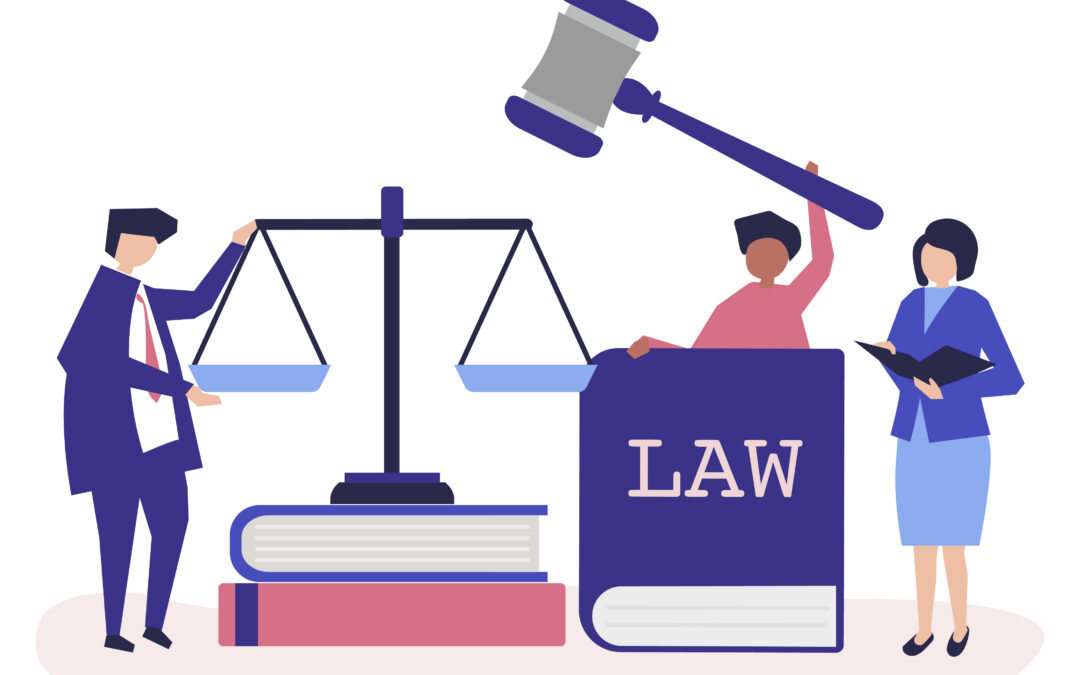
In today’s digital-first world, piracy has become one of the most pressing challenges for content creators, businesses, and governments alike. From movies and music to software and books, intellectual property is constantly under threat from unauthorized distribution. This growing problem has given rise to stringent anti-piracy measures globally, aimed at protecting creators’ rights and sustaining industries that depend on innovation and originality. When you think about the impact of piracy, it’s not just about financial loss—it’s also about ensuring creativity and hard work receive the respect and recognition they deserve.
Understanding anti-piracy laws and regulations is essential not only for businesses but also for individuals who consume digital content. In this blog, we will break down the major aspects of anti-piracy, including laws, enforcement practices, and international treaties that shape digital content protection. You’ll also discover why partnering with a dedicated anti-piracy service provider like AiPlex Anti-Piracy ensures your intellectual property is secured in an ever-evolving digital landscape. Let’s dive into the details and see what you must know about anti-piracy in today’s context.
Things to Know About Anti-Piracy Laws Before Exploring Regulations
Before examining specific anti-piracy laws, it’s important to understand the background principles that guide them. Laws protecting intellectual property (IP) are built on the idea that creators deserve control over how their work is shared, distributed, and monetized. Anti-piracy measures complement copyright and trademark laws by directly tackling illegal distribution practices, both online and offline. These foundations ensure businesses and creators can innovate without fear of losing revenue to piracy.
Another key factor to recognize is that anti-piracy is not limited to one region. With the rise of global digital platforms, piracy has become a cross-border issue, requiring international cooperation and strong frameworks. This interconnectedness means that even if content originates in one country, its protection often depends on how multiple jurisdictions enforce anti-piracy regulations. Let’s break down the essentials under specific topics that highlight the key things you need to know before diving deeper into the laws.
The Role of Copyright in Anti-Piracy
Copyright forms the cornerstone of anti-piracy measures. It grants exclusive rights to creators, enabling them to control the reproduction, distribution, and adaptation of their work. Without copyright enforcement, piracy would be nearly impossible to contain. Modern laws across the world are continuously evolving to adapt to challenges such as streaming piracy and illegal downloads.
At the same time, copyright is more than just a legal safeguard—it is a driver of economic growth. Industries such as film, publishing, and software rely heavily on copyright protections to maintain profitability. Anti-piracy laws are therefore seen as extensions of copyright, ensuring that violations are not just discouraged but actively punished to protect both creativity and commerce.
International Cooperation Against Piracy
Piracy is a borderless crime, making international collaboration crucial in combating it. Organizations like the World Intellectual Property Organization (WIPO) and treaties like the Berne Convention play a vital role in harmonizing copyright protections across countries. These frameworks ensure that content created in one jurisdiction is respected and protected in others.
For businesses, this international approach means their intellectual property is not just safeguarded locally but also has protection in foreign markets. Governments, too, benefit by working together on enforcement initiatives that target global piracy networks. Without such cooperation, anti-piracy efforts would be fragmented and largely ineffective.
The Impact of Digital Piracy
With the explosion of digital platforms, piracy has shifted from physical mediums like DVDs to torrents, streaming services, and file-sharing networks. This shift has made piracy more accessible and harder to track, creating new challenges for anti-piracy laws. As a result, many countries have updated their legislation to cover digital distribution.
The impact of digital piracy is enormous, costing industries billions in revenue annually. More importantly, it undermines trust in legitimate platforms and discourages creators from investing in new projects. Strong anti-piracy frameworks are essential to mitigating these challenges and ensuring the digital economy continues to thrive.
Enforcement Mechanisms
Laws are only as strong as their enforcement mechanisms. Anti-piracy enforcement typically involves government authorities, law enforcement agencies, and private anti-piracy firms. These groups monitor piracy networks, issue takedown notices, and pursue legal actions against offenders.
Technology also plays a major role in enforcement. Automated systems can now detect and remove pirated content from platforms, while legal frameworks ensure that service providers cooperate in combating piracy. This combination of legal and technical approaches ensures piracy is tackled comprehensively.
Consumer Awareness and Education
Anti-piracy isn’t only about laws and enforcement; it also depends on changing consumer behavior. Many people engage in piracy without realizing the legal and ethical consequences. By educating consumers about the importance of intellectual property rights, governments and organizations can reduce demand for pirated content.
Awareness campaigns, educational programs, and transparent communication about the risks of piracy—such as malware infections and financial fraud—play an essential role. When consumers understand the value of creative work, they are more likely to support legal alternatives.
Key Anti-Piracy Laws Around the World
Anti-piracy laws vary across countries, but most share the goal of protecting intellectual property and punishing unauthorized distribution. Let’s explore some of the most important global frameworks that shape anti-piracy regulations.
United States: The DMCA (Digital Millennium Copyright Act)
The DMCA, passed in 1998, remains one of the most influential anti-piracy laws globally. It criminalizes the circumvention of copyright protections and provides mechanisms for takedown notices against infringing content. The DMCA is particularly important for online platforms, as it defines their responsibilities in handling pirated content.
Beyond enforcement, the DMCA also provides a safe harbor provision for service providers who comply with takedown notices, balancing copyright protection with the need to maintain open digital platforms. This balance has made the DMCA a cornerstone for global anti-piracy policies.
European Union: Directive on Copyright in the Digital Single Market
The European Union has implemented several directives aimed at protecting intellectual property, with the 2019 Copyright Directive being the most significant. This law strengthens rights for creators and obliges platforms like YouTube to take greater responsibility for pirated content.
The Directive ensures consistent protection across member states while addressing challenges posed by digital streaming. By holding platforms accountable, the EU is leading efforts to ensure anti-piracy measures remain relevant in the digital age.
India: Copyright Act and IT Act Provisions
India’s Copyright Act of 1957, updated multiple times, provides robust protections against piracy. Coupled with the Information Technology Act, these laws give authorities the power to block access to pirated websites and penalize offenders. Given India’s booming digital economy, these laws are crucial for protecting industries like film and software.
India has also established special enforcement units that monitor piracy and collaborate with private organizations. This proactive approach makes India one of the leading nations in fighting piracy in emerging markets.
China: Stricter Copyright Enforcement
China, once considered a hub for piracy, has made significant strides in improving its copyright enforcement. New regulations require platforms to actively monitor for infringing content and remove it swiftly. The government’s focus on intellectual property protection reflects its commitment to fostering innovation and creativity domestically.
These reforms have not only reduced piracy but also increased confidence among foreign businesses operating in China. Stronger enforcement ensures that both local and international creators benefit from a more secure creative environment.
International Treaties: TRIPS and Berne Convention
Global treaties like the Trade-Related Aspects of Intellectual Property Rights (TRIPS) Agreement and the Berne Convention set the baseline for copyright protections worldwide. These treaties create a harmonized system where intellectual property is respected across borders.
For creators and businesses, these treaties are essential for ensuring their work is not only protected at home but also abroad. They also establish dispute-resolution mechanisms that strengthen enforcement efforts globally.
Why Choose AiPlex Anti-Piracy?
While anti-piracy laws and regulations provide a framework, enforcement can often be complex and time-consuming. This is where AiPlex Anti-Piracy comes in, offering specialized solutions that protect intellectual property across industries. From advanced monitoring systems to rapid takedown services, AiPlex ensures creators and businesses remain one step ahead of pirates.
AiPlex goes beyond legal compliance by combining technology, expertise, and global reach. Whether it’s combating piracy on streaming platforms, torrent sites, or social media, AiPlex delivers comprehensive protection. By choosing AiPlex Anti-Piracy, businesses gain peace of mind knowing their creative assets are safeguarded in a world where piracy constantly evolves.
Conclusion
Anti-piracy laws and regulations form the backbone of intellectual property protection in today’s digital economy. From the DMCA in the United States to the Copyright Directive in the European Union, these laws are continuously evolving to address new challenges posed by technology and consumer behavior. Yet, enforcement remains a challenge without the right tools and expertise.
That’s why partnering with experts like AiPlex Anti-Piracy is essential. With industry-leading monitoring systems, legal expertise, and global enforcement capabilities, AiPlex ensures your intellectual property remains protected no matter where piracy emerges. By understanding anti-piracy laws and taking proactive steps with AiPlex, you can focus on creating and innovating—knowing your work is secure.
Summary
In this blog, we explored the essentials of anti-piracy laws and regulations, including the role of copyright, international cooperation, enforcement mechanisms, and key frameworks across the world. We discussed how laws like the DMCA in the U.S., the Copyright Directive in the EU, and India’s Copyright Act shape global anti-piracy measures. While laws provide strong protections, enforcement often requires expert support. Choosing AiPlex Anti-Piracy offers creators and businesses comprehensive solutions to safeguard their content in today’s fast-paced digital landscape. If protecting your intellectual property is a priority, AiPlex is your trusted partner in the fight against piracy.
by AI Admin | Antipiracy, Brand Protection
Introduction
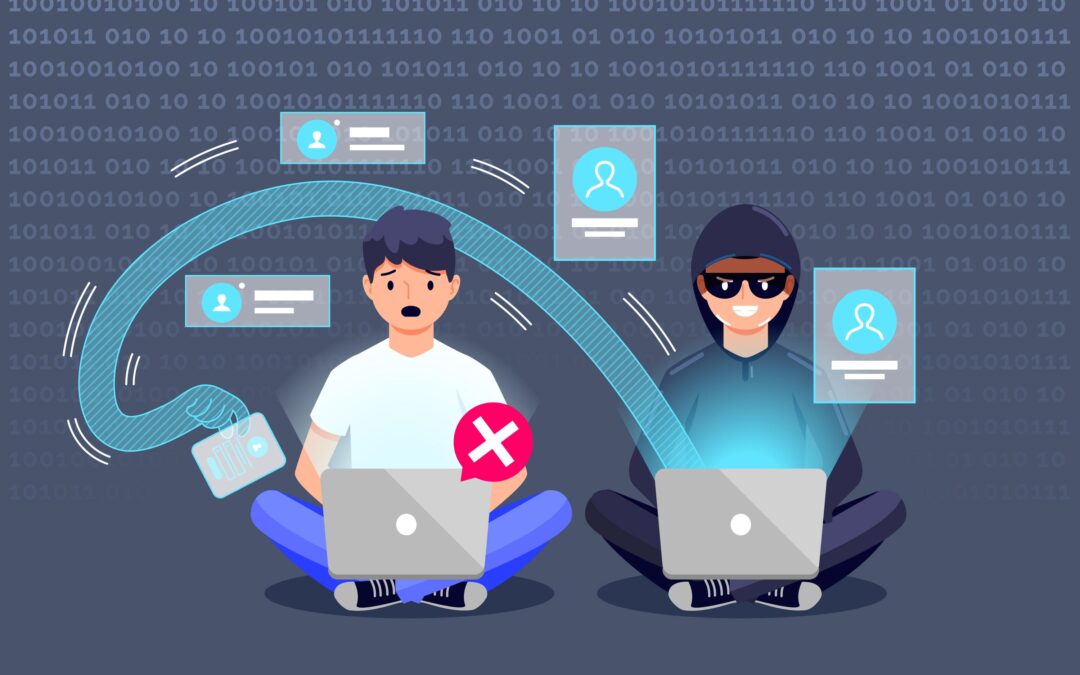
The digital era has opened endless opportunities for creators, businesses, and entertainment industries to share their work with a global audience. But with this freedom comes a significant risk—content theft. From movies and music to eBooks and software, piracy continues to cost industries billions every year. As a creator or business owner, understanding the basics of anti-piracy is not just a matter of legal protection but also a necessity for safeguarding your intellectual property. Without proactive steps, your content could be stolen, shared, and monetized by others before you even realize it.
This blog will take you through everything you need to know about anti-piracy, from essential concepts to practical measures you can adopt to protect your work. We’ll explore digital piracy threats, explain how copyright protection works, and introduce tools, strategies, and industry standards that every creator should understand. By the end, you’ll not only be aware of the risks but also empowered with actionable insights. If you want to ensure your content stays secure, consider partnering with Aiplex Anti-Piracy—a leader in digital rights enforcement.
Things to Know Before Diving into Anti-Piracy
Before we explore the strategies and tools available to combat piracy, it’s important to establish some foundational knowledge. Understanding what piracy looks like, how it affects industries, and the legal framework surrounding it helps you take informed steps toward protection.
Understanding What Digital Piracy Really Means
Digital piracy refers to the unauthorized use, reproduction, or distribution of digital content such as movies, music, games, software, and written works. While some may see piracy as harmless file sharing, it is in fact a violation of intellectual property rights. With global internet access and advanced file-sharing technologies, pirated content spreads within minutes of being uploaded online.
Creators often underestimate the scale of piracy until they notice lost revenues or declining sales. For businesses, piracy not only impacts profitability but also damages brand reputation when consumers encounter poor-quality pirated copies. Knowing what constitutes piracy helps in identifying risks early and applying the right anti-piracy measures.
The Impact of Piracy on Creators and Industries
Piracy has a severe economic impact across industries. According to reports, the film and television industry loses billions annually due to illegal distribution of movies and series. Independent musicians and authors struggle to generate sustainable income when pirated versions of their work circulate freely. Software developers lose revenue as cracked or copied applications are shared globally.
But the harm isn’t only financial. Piracy affects innovation, reduces incentives for creators to produce new content, and weakens the overall cultural ecosystem. Businesses also face additional expenses in cybersecurity and monitoring efforts. Recognizing the scale of this impact highlights the urgency of adopting strong anti-piracy strategies.
Copyright Protection as the First Line of Defense
Copyright law grants creators exclusive rights to reproduce, distribute, and monetize their works. Registering your content under copyright ensures legal ownership and gives you the authority to take action against infringement. It is often the first legal shield that creators and businesses must adopt in their anti-piracy journey.
While copyright provides the legal basis for protecting your work, enforcement requires vigilance. Piracy often crosses borders, making enforcement complicated. That’s why copyright registration should be combined with digital protection tools and professional monitoring to ensure maximum effectiveness.
Types of Piracy You Need to Watch Out For
Piracy isn’t limited to illegal downloads. It takes many forms: streaming piracy, where content is broadcasted on unauthorized platforms; counterfeit copies, where fake DVDs or CDs are sold; and peer-to-peer sharing, where torrents distribute files worldwide. Even social media platforms and video-sharing sites can host pirated material.
Each type of piracy requires a different response. For instance, illegal streaming may demand quick takedown notices, while counterfeit distribution may involve legal enforcement. Understanding these types ensures that you can design a comprehensive anti-piracy strategy tailored to your content and industry.
The Role of Technology in Combating Piracy
Technology is both a driver of piracy and a tool for fighting it. On one hand, file-sharing platforms and torrent networks enable content theft at scale. On the other hand, digital rights management (DRM), watermarking, and content monitoring tools give creators powerful means of protection.
Advanced technologies like AI-driven monitoring systems can scan the web for pirated copies, while automated takedown systems ensure quick action. As piracy methods evolve, so must anti-piracy technologies. Staying updated on these innovations ensures your protection efforts remain effective.
Key Strategies for Effective Anti-Piracy
When it comes to anti-piracy, relying on a single approach is rarely effective. A multi-layered strategy that combines legal, technical, and operational measures provides the strongest defense against content theft.
Register and Protect Your Intellectual Property
The foundation of any anti-piracy plan begins with legal recognition of your content. Register your work under copyright, trademarks, or patents as applicable. This not only asserts ownership but also empowers you to take legal action if infringement occurs.
Many creators skip registration thinking their work is automatically protected. While that’s true to some extent, registration strengthens your legal claim, especially in cross-border disputes. Protecting your intellectual property ensures you are prepared to act swiftly against piracy.
Use Digital Rights Management (DRM) Systems
Digital Rights Management is one of the most common technical solutions against piracy. DRM software controls how content is accessed, copied, or shared. For example, streaming services use DRM to prevent users from downloading or redistributing content.
While DRM sometimes faces criticism for restricting user freedom, it remains a vital tool for industries like film, publishing, and software. Implementing DRM ensures that your content is accessed only in the way you intend, reducing the risk of unauthorized use.
Watermarking and Content Tracking
Watermarking involves embedding invisible or visible marks into your content to track its distribution. For videos, it may include unique identifiers for each copy. For documents, it could mean embedding digital signatures. If pirated versions appear online, watermarks can help trace the leak.
Combined with tracking tools, watermarking ensures accountability and provides evidence for legal action. Many professional anti-piracy solutions, including those offered by Aiplex, integrate watermarking with automated monitoring systems to detect and remove pirated content quickly.
Automated Monitoring and Takedown Services
Given the speed at which pirated content spreads, manual monitoring is nearly impossible. Automated monitoring services scan websites, social media, and torrent platforms for infringing copies. Once detected, takedown notices can be issued immediately.
Quick response is key to minimizing piracy damage. Partnering with anti-piracy firms ensures 24/7 monitoring and rapid removal of pirated material. This not only safeguards your revenue but also preserves your audience’s trust in your brand.
Educating Your Audience and Stakeholders
Surprisingly, many consumers don’t realize the harm caused by piracy. Educating your audience about the ethical and financial consequences of piracy can reduce demand for pirated content. Campaigns that highlight the importance of supporting creators encourage users to choose legal alternatives.
Similarly, businesses should educate employees and partners on anti-piracy practices. Internal leaks are often a source of content theft. Training stakeholders to follow best practices in content security ensures a more robust defense system.
Why Choose Aiplex Anti-Piracy
While there are several tools and techniques available, managing anti-piracy effectively requires constant vigilance, technical expertise, and legal know-how. That’s where Aiplex Anti-Piracy comes in. With decades of experience in digital rights enforcement, Aiplex provides comprehensive solutions to protect your intellectual property across platforms.
From automated monitoring to swift takedown services, Aiplex combines technology with legal expertise. Their AI-driven detection systems ensure that pirated copies are identified quickly, while their global reach allows for enforcement across multiple jurisdictions. Whether you’re an independent creator, a publisher, or a large-scale entertainment company, Aiplex offers tailored solutions to safeguard your work.
Most importantly, partnering with Aiplex means you can focus on what you do best—creating—while leaving the complexities of anti-piracy to the experts.
Conclusion
In today’s digital economy, protecting your content is as important as creating it. Piracy continues to evolve, but so do the tools and strategies designed to combat it. By understanding the basics of anti-piracy, from copyright protection to advanced monitoring systems, creators and businesses can build a strong defense against content theft.
However, fighting piracy is not a one-time effort. It requires constant vigilance, adaptation to new threats, and professional support. This is where expert partners like Aiplex Anti-Piracy make a real difference. Their technology-driven, proactive approach ensures your work remains secure while maximizing your creative and commercial potential.
If your content is valuable, don’t wait for it to be stolen—act now. Secure your intellectual property and ensure your creative journey continues without disruption.
Summary
This blog covered the basics of anti-piracy, emphasizing why creators and businesses must safeguard their digital assets before they are stolen. We explored key concepts including digital piracy definitions, copyright protection, types of piracy, and the role of technology. We also highlighted effective strategies such as DRM, watermarking, automated monitoring, and audience education.
https://aiplexantipiracy.com/Ultimately, while there are multiple anti-piracy solutions available, Aiplex Anti-Piracy stands out as a trusted partner with proven expertise in protecting intellectual property. Choosing Aiplex means accessing AI-driven monitoring, global enforcement, and swift takedown capabilities—all designed to ensure your content stays safe. Protect your work today and secure your future as a creator.
by AI Admin | Antipiracy, Brand Protection
Introduction
The rise of instant messaging platforms has transformed the way we communicate, but it has also created new challenges in digital piracy. Telegram, with its encrypted chats, large file-sharing capabilities, and ease of group creation, has become a hotspot for illegal content distribution. For entertainment companies, content creators, and rights holders, this has led to a significant battle for piracy control. The sheer volume of pirated movies, music, and software circulating on Telegram highlights the urgency of addressing this issue before it grows further.
This blog explores how Telegram is misused for circulating pirated videos, the mechanics behind these illegal networks, and why strong piracy control measures are crucial. You will learn about the methods pirates use, the challenges in regulating digital spaces, and what steps companies and governments are taking to curb piracy. By the end, you will also discover how specialized anti-piracy solutions, such as those offered by AiPlex Anti-Piracy, can help safeguard intellectual property in the digital age.
Things to Know About Piracy on Telegram Before Diving Into Control Measures
Before discussing piracy control, it’s essential to understand how Telegram became a hub for piracy. The platform offers features that inadvertently support piracy networks. These include anonymous accounts, encrypted file sharing, and channels with thousands of users, making it extremely difficult to trace culprits. Recognizing these fundamentals will help in grasping the scale of the issue.
Ease of File Sharing and Encrypted Communication
Telegram allows users to share files up to 2GB in size, far surpassing many messaging apps. Pirates exploit this by distributing high-quality films, software, and e-books. Encrypted communication also prevents authorities from easily monitoring these exchanges, further complicating enforcement.
The anonymity offered on Telegram lets users set up groups without revealing identities, creating massive distribution hubs. Pirates can upload new releases and distribute them across multiple channels within minutes, reaching global audiences. This unique infrastructure has turned Telegram into a preferred platform for piracy, far more resilient than older forums and websites.
The Role of Piracy Channels and Groups
Telegram channels function like broadcast stations, where admins distribute content to subscribers. Piracy channels often have thousands of members eager to download leaked movies or shows. Unlike private groups, these channels act as one-way distribution systems that are difficult to shut down.
In addition, groups function like interactive communities where pirated content is shared openly among members. These groups thrive on user-to-user sharing, often linking to external storage sites for larger files. The combination of channels and groups allows piracy to spread at an alarming pace.
Global Nature of Piracy Networks
Piracy on Telegram is not bound by borders. Channels can be accessed worldwide, making enforcement a cross-jurisdictional nightmare. This global reach enables pirates to upload content in one country and distribute it to users in hundreds of others.
Because of this international nature, laws vary in effectiveness. Some countries may take piracy more seriously than others, leaving loopholes for pirates to exploit. Without coordinated global enforcement, shutting down piracy on Telegram becomes nearly impossible.
How Piracy Impacts Entertainment Industries
The entertainment industry is one of the hardest hit by piracy on Telegram. From Hollywood blockbusters to regional film industries, pirated versions often appear online within hours of release. This directly affects box office revenue and discourages investment in new content.
Music, e-books, and gaming industries also suffer heavy losses. Unauthorized distribution impacts not just major corporations but also small creators who depend on sales for livelihood. In many cases, these illegal copies spread faster than legitimate versions, severely undermining intellectual property rights.
User Demand and Psychology Behind Piracy
It’s important to understand why users flock to pirated content on Telegram. The biggest draw is free access to expensive or paid material. Convenience, availability, and anonymity also play major roles in encouraging piracy consumption.
Psychologically, many users underestimate the consequences of piracy. Since Telegram feels like a private space, they assume their actions go unnoticed. This false sense of security fuels demand, making it harder to enforce piracy control measures.
How Pirated Content Circulates on Telegram
Step 1: Sourcing the Illegal Content
Pirates first obtain content through leaks, hacks, or illegal recordings. Often, insiders or hackers are responsible for leaking movies or shows before their official release. This initial sourcing sets the chain of piracy into motion.
Another common source is “camrips” — movies recorded illegally in theaters. Though quality is poor, demand remains high because people want early access. Once uploaded to Telegram, these files spread widely, often replaced later with higher-quality versions.
Step 2: Uploading and Channel Creation
After sourcing, pirates upload files to Telegram channels. These channels often have thousands of subscribers who are notified instantly when new content is available. The use of bots automates sharing across multiple groups and platforms.
In many cases, these channels brand themselves with flashy names, pretending to be legitimate fan communities. This disguise allows them to grow rapidly without raising immediate suspicion, drawing in massive audiences hungry for free content.
Step 3: Expanding Through External Links
Since Telegram has a file size limit, larger content like full Blu-ray movies is often hosted on external sites such as Google Drive or torrent links. Pirates post these links within groups, making Telegram a distribution hub rather than just a hosting space.
This interconnected web makes enforcement even harder. Even if a Telegram channel is taken down, the external storage remains intact, ready to be reshared elsewhere. Thus, piracy on Telegram thrives on this multi-platform strategy.
Step 4: Viral Sharing Among Communities
One of the biggest reasons piracy thrives on Telegram is viral sharing. Once a movie or show is uploaded, users quickly share it with friends or forward it to other groups. This viral effect amplifies reach, spreading pirated files across multiple networks.
Forwarding features make it easy for content to circulate without duplication. Pirates leverage this by building massive distribution trees where one upload can reach millions in hours. This speed makes piracy control extremely challenging.
Step 5: Monetization of Pirated Content
Contrary to the perception that piracy is only about free access, many piracy networks monetize their channels. They do this through advertisements, paid memberships, or redirecting users to malicious sites. In some cases, pirates even charge users for “premium” pirated content.
This commercialization makes piracy a profitable business model, incentivizing criminals to continue operations. Users may not realize they are indirectly funding illegal networks, further complicating the ethics and legality of the issue.
Piracy Control Challenges on Telegram
Encryption and Privacy Policies
Telegram’s strong encryption, while great for privacy, creates hurdles for anti-piracy enforcement. Authorities cannot easily track the content shared, making pirates confident about operating freely.
The company’s reluctance to compromise user privacy also complicates legal enforcement. While privacy is essential, it inadvertently shields piracy, forcing anti-piracy agencies to develop advanced monitoring solutions.
Constant Re-Creation of Channels
Even when Telegram shuts down piracy channels, new ones appear almost immediately. Pirates often use backup channels or bots to redirect users to fresh groups. This cat-and-mouse game makes permanent takedowns nearly impossible.
The persistence of pirates demonstrates how adaptive and resilient these networks are. This ongoing cycle demands continuous monitoring and rapid-response solutions.
Lack of Global Enforcement Coordination
Piracy enforcement requires international collaboration. Unfortunately, many countries lack strong anti-piracy laws, or enforcement varies significantly. Pirates exploit these differences by hosting content in less regulated jurisdictions.
Without a unified global framework, enforcement agencies face immense difficulties. This fragmented approach allows piracy to flourish across platforms like Telegram.
High User Demand and Social Acceptance
As long as there is user demand for free content, piracy will continue. Many users don’t perceive piracy as a crime, especially when it feels as simple as joining a Telegram group. This social acceptance normalizes piracy.
Shifting user perceptions through awareness campaigns is just as important as legal action. Unless demand decreases, pirates will always find ways to supply.
Speed of Digital Distribution
The speed at which pirated files spread across Telegram is staggering. By the time authorities identify and attempt to shut down a channel, the content has already circulated widely.
This rapid spread reduces the effectiveness of takedowns. Advanced AI-based monitoring solutions are essential to catch piracy at its source before it snowballs.
Why Choose AiPlex Anti-Piracy for Piracy Control?
AiPlex Anti-Piracy specializes in advanced solutions to tackle digital piracy across platforms like Telegram. With AI-powered monitoring, real-time takedowns, and international legal support, AiPlex ensures your content is protected around the clock. Their services cover films, music, e-books, and software, offering end-to-end piracy control.
The company’s expertise extends beyond takedowns, focusing on deterrence and education. By partnering with AiPlex, businesses can minimize revenue losses, protect intellectual property, and maintain brand reputation. For creators and companies, AiPlex is not just a service provider but a trusted partner in the fight against piracy.
Conclusion
Telegram has revolutionized communication but has also become a breeding ground for piracy. From file sharing and anonymous channels to global distribution, the platform enables pirates to circulate illegal videos at an alarming pace. The entertainment industry, creators, and businesses face huge losses, and traditional enforcement methods are often insufficient.
However, with advanced piracy control measures and dedicated solutions like those provided by AiPlex Anti-Piracy, this challenge can be met head-on. By combining technology, legal expertise, and global coordination, it’s possible to safeguard intellectual property and ensure creators receive the value they deserve. In a digital-first world, choosing the right anti-piracy partner is no longer optional — it’s essential.
