by AI Admin | Uncategorized
Introduction
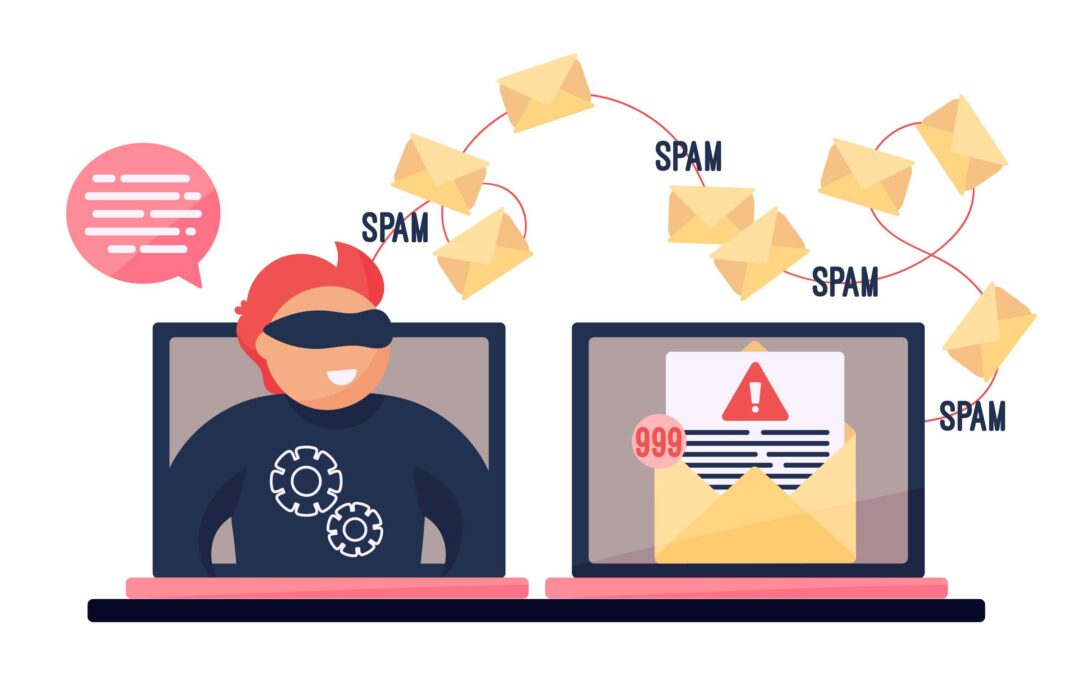
In today’s hyper-connected world, businesses invest significant resources into creating high-quality content, whether it’s films, music, software, eBooks, or digital courses. Yet, despite these investments, content piracy remains a growing threat. Content piracy, the unauthorized use and distribution of copyrighted materials, has become one of the biggest challenges for industries across the globe. Every time pirated content is consumed, legitimate sales are lost, causing both direct and indirect financial damage. For business owners and content creators, understanding the financial consequences of piracy is critical to building strong protective measures.
This blog will explore how content piracy impacts your business revenue, examining the issue from multiple angles such as direct sales losses, intellectual property devaluation, reputational risks, and long-term stunted growth. It will also shed light on the industries most affected and strategies businesses can adopt to mitigate these risks. By the end of this blog, you will gain a clearer understanding of why proactive anti-piracy measures are not just an option but a necessity. To protect your business from piracy, professional anti-piracy solutions like AiPlex Anti-Piracy Services offer comprehensive safeguards.
Key Things to Know About Content Piracy Before Assessing Its Impact
What is Content Piracy in the Digital Age?
Content piracy refers to the unauthorized copying, distribution, and consumption of copyrighted digital assets such as movies, music, software, books, and learning materials. In the digital age, piracy has expanded due to faster internet speeds, torrent networks, and illegal streaming platforms. Unlike the past, when piracy was limited to physical copies such as CDs or DVDs, today’s piracy ecosystem is global, instant, and much harder to trace. This has made piracy a major concern for creators and companies who invest heavily in their digital products.
Piracy is not simply about “sharing” content—it undermines the rights of content owners. By making content available for free, pirates directly reduce the willingness of consumers to pay for legitimate access. With businesses depending heavily on subscription models, digital purchases, or licensing fees, piracy siphons away a large portion of potential revenue. This shift has forced businesses to recognize piracy not as a minor nuisance but as a serious financial and legal challenge that can make or break profitability.
The Different Forms of Online Piracy
Piracy is not limited to one form—it takes multiple shapes across the internet. Some of the most common types include torrent-based downloads, illegal live streaming platforms, unauthorized software cracks, and digital content scraping. Each of these methods exploits technology in different ways, but the outcome is the same: creators and businesses lose rightful income. Torrents remain one of the most widespread methods of piracy, while illicit streaming has emerged as a dominant force in film, sports, and entertainment industries.
The danger is amplified when pirated materials are disguised as legitimate. Fake streaming sites often include malware or phishing traps, further harming consumers while businesses face reputational damage. For industries like gaming and software, cracked applications not only reduce sales but also risk spreading malware under the brand’s name. Therefore, understanding the different forms of piracy is crucial for businesses to deploy targeted protection strategies.
Global Trends in Content Piracy and Business Losses
Recent reports highlight that content piracy is not slowing down—it’s expanding globally. According to industry research, billions of dollars are lost annually due to illegal consumption of digital content. Developing countries with limited access to affordable legal platforms tend to have higher piracy rates, but even in advanced economies, piracy thrives because of convenience and anonymity. Streaming services, for example, have attempted to curb piracy with affordable pricing, but unauthorized platforms continue to attract millions of users.
For businesses, these trends mean that the potential for global market expansion is stunted by piracy. Instead of tapping into international audiences with premium products, companies are forced to confront massive losses as pirated versions spread like wildfire. The global nature of the internet means that once content is pirated in one region, it rapidly spreads worldwide. This creates a ripple effect where losses compound and legitimate revenue opportunities vanish.
How Consumer Behavior Fuels Piracy
Consumer behavior is a central factor in the persistence of piracy. Many users justify piracy under the pretext of affordability or accessibility issues. For instance, if a streaming service is not available in a particular region, users often turn to illegal means. Similarly, in industries like software and e-learning, users may perceive pirated versions as “good enough” alternatives, undermining legitimate products. This mindset, though seemingly harmless to consumers, is detrimental to the businesses creating those products.
Another contributing factor is the lack of awareness. Many consumers fail to recognize the broader implications of piracy beyond individual use. They don’t realize that piracy directly affects jobs, innovation, and even product quality. By refusing to pay for content, consumers indirectly discourage creators and companies from reinvesting in innovation. This cycle continues unless businesses take strong steps to educate audiences about the harms of piracy.
Legal and Regulatory Landscape for Anti-Piracy
Globally, governments have recognized piracy as a significant issue and implemented laws to counter it. Countries have adopted stricter copyright enforcement policies, enabling courts to block websites, seize domains, and prosecute offenders. However, the legal landscape is fragmented, and enforcement varies significantly across regions. While developed nations like the United States and members of the European Union enforce stronger anti-piracy regulations, many countries still struggle with weak enforcement and limited resources.
For businesses, relying solely on legal frameworks is not enough. Pirates are quick to adapt, shifting servers, changing domains, or adopting new distribution tactics. This is why combining legal measures with technology-driven anti-piracy solutions is essential. Collaborating with professional anti-piracy firms ensures that businesses have constant monitoring, takedown actions, and legal support to address piracy efficiently.
Major Ways Content Piracy Impacts Business Revenue
Direct Loss of Sales and Subscription Revenue
The most obvious impact of content piracy is the direct loss of revenue. Every pirated download or stream represents a lost sale for the content owner. For industries like music, films, or digital publishing, these losses can be devastating, as their primary income relies on purchases and subscriptions. The availability of free pirated alternatives reduces the incentive for users to spend on legitimate versions, thereby slashing revenues significantly.
Subscription-driven businesses such as OTT platforms face a similar challenge. Piracy creates an environment where potential customers bypass legal subscriptions altogether. When revenue from subscriptions drops, companies are forced to reconsider their budgets, which affects everything from content creation to marketing. This not only disrupts growth but also restricts a business’s ability to compete effectively.
Impact on Intellectual Property Value
Piracy also diminishes the overall value of intellectual property (IP). The worth of content often lies in its exclusivity, but piracy strips away that exclusivity by making it freely available. When pirated versions circulate widely, businesses lose their ability to leverage IP for licensing deals, syndication, or exclusive partnerships. For example, publishers or studios may struggle to sell distribution rights if pirated versions are already circulating widely.
This devaluation affects long-term revenue streams. Investors and potential collaborators perceive pirated content as a liability, reducing the perceived worth of the brand and its products. Ultimately, piracy undermines the intellectual property ecosystem by devaluing creativity and discouraging innovation.
Piracy’s Role in Market Share Erosion
Another major consequence of piracy is the erosion of market share. When pirated content dominates consumer consumption, legitimate businesses lose control over their markets. For industries with high competition, this can spell disaster. Instead of competing fairly on quality, pricing, or customer experience, companies are forced to compete with free pirated alternatives.
This market share erosion often results in smaller or newer businesses being pushed out of the market. Without strong anti-piracy measures, they cannot compete with the accessibility and availability of free pirated content. This stifles competition and consolidates power in the hands of a few major players who can afford to fight piracy aggressively.
Reputational Damage and Trust Issues
Piracy doesn’t just cause financial harm—it also affects a business’s reputation. Consumers who encounter pirated versions of content often experience poor quality, bugs, or malware, yet they associate these negative experiences with the original brand. Over time, this damages consumer trust, making it harder for businesses to retain loyal customers.
Reputational damage is particularly dangerous for industries like software and e-learning, where trust and reliability are essential. When users believe that a brand’s product is unsafe or of low quality, it impacts future purchases and reduces long-term customer loyalty. Restoring a damaged reputation often requires significant investments in branding, marketing, and consumer engagement.
Long-Term Effects on Innovation and Investment
Piracy also hinders future innovation and investment. Businesses thrive when they can reinvest profits into research, development, and new projects. However, when revenue is siphoned away by piracy, companies are forced to scale back their ambitions. This leads to fewer new releases, less experimentation, and slower industry growth.
Investors are also wary of industries heavily affected by piracy. A company plagued by high piracy rates may struggle to secure funding, as investors see it as a risky bet. This creates a vicious cycle where reduced funding and innovation make it even harder for businesses to compete against piracy-driven markets.
Industries Most Affected by Content Piracy
Film and Entertainment Sector
The film and entertainment industry is among the hardest hit by piracy. Illegal movie downloads and streaming platforms account for billions of dollars in lost revenue annually. Major blockbuster releases often leak online within hours of their premiere, drastically reducing ticket sales and box-office collections. For smaller studios, these losses can be catastrophic.
Piracy also undermines streaming platforms that depend on exclusive content to attract subscribers. When pirated versions circulate online, the unique value proposition of these platforms weakens. As a result, streaming companies must spend heavily on anti-piracy measures just to protect their core business models.
Music and Streaming Platforms
Music piracy has existed since the early days of file sharing, but it continues to evolve with new technologies. Illegal downloads and unlicensed streaming sites still account for significant losses in the music industry. While legal platforms like Spotify and Apple Music have reduced piracy to some extent, unauthorized platforms remain popular worldwide.
Artists, labels, and distributors all lose revenue when pirated tracks are consumed. This not only impacts their immediate income but also disrupts future opportunities for collaborations, tours, and licensing deals. The long-term financial impact discourages new talent from entering the industry, weakening its overall growth potential.
Software and Gaming Industry
The software and gaming industry faces some of the most aggressive piracy attacks. Cracked applications, keygens, and unauthorized copies of games circulate across the internet within days of release. For premium software companies, piracy reduces licensing revenues and undermines the value of their products.
Gaming companies face unique challenges, as piracy directly cuts into sales of both physical and digital copies. Additionally, pirated games often contain malware, damaging the brand’s image and creating security risks for players. This makes anti-piracy enforcement critical for protecting both revenue and brand integrity.
Publishing and e-Learning Platforms
The publishing industry, including eBooks, academic materials, and e-learning courses, suffers immensely from piracy. Websites offering free downloadable PDFs of books and courses have proliferated, reducing legitimate sales and subscriptions. For educators and publishers, this trend is particularly damaging as it discourages authors and content creators from producing high-quality educational resources.
E-learning platforms face similar challenges. When courses are pirated and shared illegally, the platform loses not only immediate income but also the trust of potential learners. This is particularly harmful in a competitive industry where credibility and trust are essential for success.
Sports Broadcasting and Live Events
Sports broadcasting and live events represent another sector highly vulnerable to piracy. Illegal live streams of major sporting events draw millions of viewers, many of whom might otherwise pay for official subscriptions. This cuts into the massive revenue streams generated through broadcasting rights, ticket sales, and advertising.
For sports organizations, piracy reduces the perceived value of broadcasting deals. Broadcasters may hesitate to pay premium prices for rights when they know audiences can easily access pirated versions. Over time, this disrupts the entire ecosystem of sports funding and investment.
Effective Strategies Businesses Can Use to Combat Piracy
Digital Rights Management (DRM) Solutions
One of the most common strategies to combat piracy is implementing Digital Rights Management (DRM) solutions. DRM involves encrypting content to prevent unauthorized copying and distribution. For example, streaming platforms often use DRM to restrict downloads or playback on unauthorized devices, making it harder for pirates to exploit their content.
While DRM cannot eliminate piracy entirely, it raises the barrier for unauthorized users and reduces casual sharing. Businesses that use DRM send a strong message that they value and protect their intellectual property. Over time, this discourages piracy by creating more friction for unauthorized access.
AI and Machine Learning in Anti-Piracy
Artificial Intelligence (AI) and Machine Learning (ML) are revolutionizing the way businesses detect and combat piracy. AI-powered systems can monitor millions of online sources simultaneously, identifying pirated content in real time. Machine learning algorithms then flag these violations, allowing businesses to initiate takedowns swiftly.
The advantage of AI lies in its ability to scale. With piracy spreading across countless platforms, manual monitoring is no longer practical. AI-driven anti-piracy solutions provide cost-effective, continuous protection, ensuring that pirated content is removed before it causes widespread damage.
Legal Enforcement and Collaboration with Authorities
Legal enforcement remains a cornerstone of anti-piracy strategies. Businesses must work closely with governments, legal authorities, and international organizations to pursue offenders. Website blocking, domain seizures, and criminal prosecutions act as deterrents against piracy. However, businesses need to combine legal enforcement with technical measures for maximum effectiveness.
Collaboration with industry bodies and global organizations also strengthens anti-piracy efforts. By pooling resources and expertise, businesses can pressure policymakers to enforce stricter laws and improve international cooperation in fighting piracy.
Consumer Education and Awareness Campaigns
Educating consumers is equally important in combating piracy. Many users are unaware of the long-term consequences of their actions when they download pirated content. Businesses can run awareness campaigns to highlight the negative effects piracy has on innovation, employment, and overall content quality.
Transparency is key—when consumers understand that piracy directly harms the creators they admire, they are more likely to choose legal alternatives. Campaigns that emphasize the value of supporting creators can gradually shift consumer behavior, reducing demand for pirated versions.
Partnering with Professional Anti-Piracy Services
For many businesses, tackling piracy alone is overwhelming. Partnering with professional anti-piracy services like AiPlex Anti-Piracy Solutions ensures access to specialized expertise and technology. These services monitor online platforms, identify piracy sources, and execute takedowns swiftly and effectively.
Professional anti-piracy partners not only handle detection and enforcement but also provide strategic insights to help businesses build stronger defenses. By outsourcing anti-piracy efforts, companies can focus on growth while ensuring their content is protected.
Why Choose AiPlex Anti-Piracy Solutions?
AiPlex stands as a trusted leader in the fight against digital piracy, offering businesses comprehensive protection across multiple industries. With years of experience and advanced technology, AiPlex delivers round-the-clock monitoring, detection, and takedown services. Their solutions are designed to protect films, music, software, gaming content, publishing, e-learning, and live sports, making them a one-stop solution for diverse industries.
What sets AiPlex apart is its proactive approach. Instead of waiting for piracy to cause damage, AiPlex continuously monitors global piracy networks and eliminates threats before they escalate. By choosing AiPlex, businesses gain not only protection but also peace of mind, knowing their content and revenues are safeguarded by experts.
Conclusion
Content piracy is more than just an inconvenience—it is a significant revenue drain that affects industries worldwide. From films and music to software and sports broadcasting, piracy cuts into sales, undermines intellectual property, damages reputations, and stifles innovation. Businesses that fail to address piracy risk losing not just revenue but also long-term competitiveness in their industries.
The good news is that solutions exist. By adopting strategies like DRM, AI-driven monitoring, legal enforcement, consumer education, and partnering with professional anti-piracy services like AiPlex, businesses can mitigate the risks of piracy. Protecting content isn’t just about safeguarding immediate revenue—it’s about ensuring future growth, innovation, and credibility in an increasingly competitive marketplace.
If you’re serious about protecting your digital assets and revenue streams, AiPlex Anti-Piracy Solutions offers tailored strategies to keep your business secure. In today’s digital economy, taking proactive steps against piracy is not optional—it’s essential for survival and success.
by AI Admin | Uncategorized
Introduction
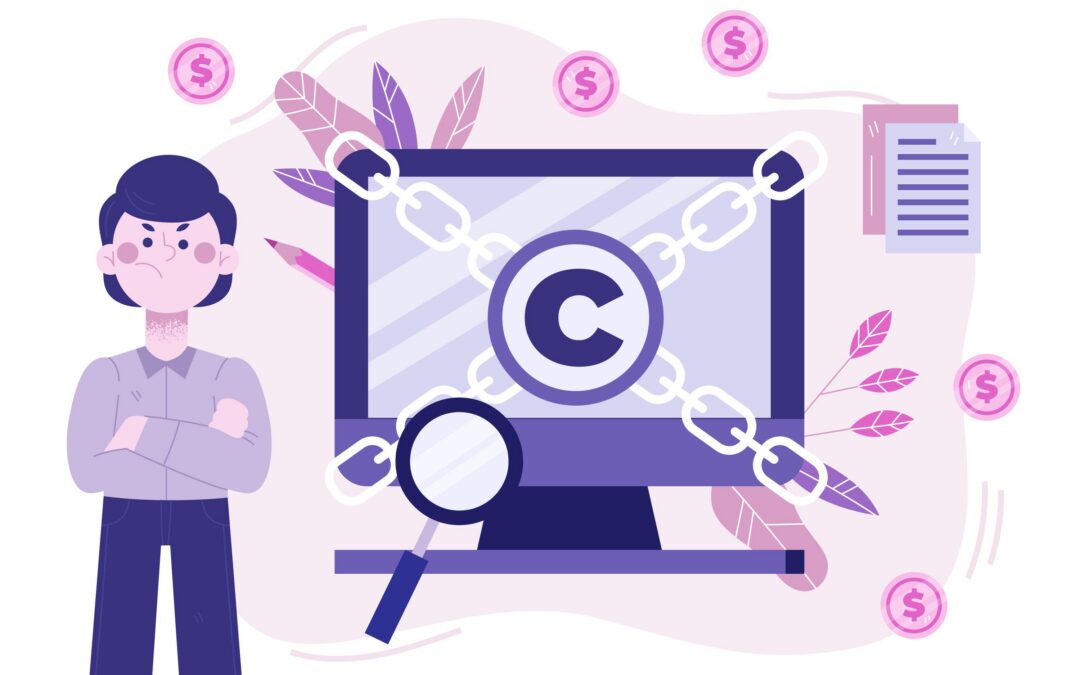
In today’s fast-paced digital age, creativity and innovation drive almost every industry. Whether you are a writer, musician, filmmaker, software developer, or artist, your creations carry significant value. But with the rise of digital platforms, these works are more vulnerable than ever to unauthorized use or piracy. This is where understanding copyright types becomes essential. Many creators find themselves unsure about which category their work falls under, and this confusion can lead to missed opportunities or even exploitation. By exploring the fundamentals, anyone can better protect their creative efforts.
This blog provides a detailed breakdown of the different copyright types, helping you understand how intellectual property protection applies across various fields. We’ll begin by clarifying the essentials of copyright law, then explore each type of copyright in depth. Finally, we’ll look at why choosing professional solutions like Aiplex Anti-Piracy can safeguard your creations from infringement. If you’ve ever wondered how to ensure your work remains yours, keep reading for a comprehensive guide.
Key Things to Know About Copyright Before Exploring Types
Before diving into specific copyright types, it’s important to establish the basics. Copyright laws are designed to protect original works of authorship and grant creators exclusive rights to reproduce, distribute, and profit from their content. While many people confuse copyright with patents or trademarks, the distinctions are crucial for safeguarding different forms of intellectual property. This section will walk you through foundational knowledge before we explore the individual types.
Importance of Copyright Protection
Copyright is the backbone of creative industries. Without it, authors, musicians, filmmakers, and developers would have little control over how their work is used. By legally recognizing creators’ ownership, copyright provides not only financial security but also recognition for their contributions. This ensures that creative industries continue to thrive and innovate.
Equally important, copyright encourages investment. Businesses are more likely to support projects when they know their intellectual property will be legally protected. For creators, this protection translates into revenue streams, licensing opportunities, and peace of mind that their work will not be exploited unfairly.
Difference Between Copyright and Other IP Rights
Many people mistakenly lump copyrights, patents, and trademarks together under the umbrella of intellectual property. However, each serves a distinct purpose. Copyright protects original works of expression, such as music, books, and films. Patents safeguard inventions and innovations, while trademarks cover brand identifiers like logos and slogans.
Understanding these differences helps creators pursue the right type of protection. For example, a tech company may need both patents for its software algorithms and copyright for the user interface design. By distinguishing among these rights, businesses and individuals can maximize their protection strategies.
Global Copyright Laws and Variations
While copyright laws share common principles globally, each jurisdiction has its nuances. In the United States, copyright protection typically lasts the creator’s lifetime plus 70 years. In contrast, some countries follow shorter or longer terms. International treaties, such as the Berne Convention, aim to standardize protections, but variations still exist.
This makes it essential for creators distributing work globally to understand local laws. For example, a filmmaker releasing a movie worldwide must ensure compliance with the specific copyright regulations of each market. Misunderstanding these rules can lead to legal disputes or loss of rights.
Role of Copyright in Digital Content Protection
With the explosion of digital media, copyright has become a frontline defense against piracy. Music, films, books, and software can be copied and shared across the internet in seconds, often without the creator’s consent. Copyright laws empower creators and businesses to take legal action against unauthorized use.
Technology companies and anti-piracy firms, like Aiplex, play a vital role in enforcing these rights. They deploy monitoring systems, takedown notices, and legal support to ensure creators maintain control over their digital works. This highlights why copyright is more important than ever in the digital era.
Common Misconceptions About Copyright
One widespread misconception is that simply posting a creation online automatically forfeits rights. In reality, copyright exists the moment an original work is created and fixed in a tangible medium, whether or not it’s formally registered. Another myth is that copyright lasts indefinitely, when in fact, it has specific terms.
Additionally, some assume “fair use” gives unlimited freedom to copy. However, fair use is a narrow legal doctrine with strict limits. By dispelling these misconceptions, creators can make more informed decisions about protecting and sharing their works.
Main Copyright Types Explained
Now that we’ve covered the foundations, let’s explore the different copyright types. Each category is tailored to specific forms of creative expression, ensuring appropriate protection.
Literary Works Copyright
This category protects written works such as novels, poems, essays, academic papers, and even blogs. The rights extend to both published and unpublished content, giving authors control over reproduction, adaptation, and distribution.
In the digital age, literary copyright also applies to eBooks, online articles, and website content. For businesses, this protection ensures that brand-specific content, like marketing materials, remains secure from plagiarism or unauthorized use.
Artistic Works Copyright
Artistic copyright safeguards visual creations like paintings, drawings, sculptures, and photographs. It also covers applied arts, including design elements found in clothing, furniture, and advertising.
This type of copyright is vital for artists who wish to prevent their work from being copied, printed, or commercialized without consent. It ensures that visual creators retain both recognition and financial rewards for their originality.
Musical Works Copyright
Musical copyright protects compositions, lyrics, and sound recordings. These rights are often divided between songwriters, performers, and producers. For instance, one copyright may apply to the sheet music, while another applies to the actual recording.
This distinction is critical in the music industry, where royalties from streaming, radio play, and performances provide essential revenue. Without copyright, musicians would struggle to control how their work is used and monetized.
Cinematographic and Audiovisual Works Copyright
Films, television shows, documentaries, and online videos fall under this category. Copyright grants producers and directors control over distribution, screenings, and adaptations.
Given the global reach of streaming platforms, protecting audiovisual works has become a pressing concern. Piracy not only robs creators of revenue but also undermines the industry’s sustainability. This makes copyright indispensable for media companies and independent filmmakers alike.
Software and Digital Content Copyright
Software, apps, and digital products are also protected under copyright law. This includes both the source code and the user interface, ensuring developers maintain ownership of their innovations.
In addition, digital content such as websites, video games, and online platforms are safeguarded. With the rise of software piracy, this copyright type is crucial for technology companies that rely on licensing and subscriptions for revenue.
Broadcast and Performance Rights
This category covers live performances, broadcasts, and recorded presentations. It protects both performers and broadcasters, ensuring they control how their work is shared with audiences.
For example, a live concert performance cannot legally be recorded and distributed without permission. Similarly, television and radio broadcasts enjoy exclusive protections, preventing unauthorized retransmissions.
Moral Rights and Derivative Works
Moral rights protect the personal and reputational interests of creators. This includes the right to be credited for a work and the right to object to distortions or modifications that harm the creator’s reputation.
Derivative works, such as adaptations or translations, also fall under copyright protection. This ensures that creators retain control even when their work is transformed into new forms or languages.
Why Understanding Copyright Types Matters in the Digital Age
As content creation continues to grow exponentially online, understanding copyright types is more important than ever. For individuals, it ensures their creative efforts are not exploited. For businesses, it safeguards assets and preserves brand reputation.
Piracy, plagiarism, and unauthorized distribution can cause significant financial losses. By knowing which type of copyright applies, creators can enforce their rights effectively. Moreover, understanding copyright builds trust with audiences, clients, and collaborators, fostering a culture of respect for intellectual property.
In the digital economy, where creative works often drive revenue streams, copyright knowledge is not optional—it’s a necessity. Whether you’re an artist uploading a design, a company launching software, or a musician releasing a track, copyright ensures you remain in control.
Why Choose Aiplex Anti-Piracy for Copyright Protection?
Protecting creative works in the modern digital landscape can be challenging. Unauthorized downloads, streaming, and copying can occur across borders, making enforcement complex. This is where professional solutions like Aiplex Anti-Piracy come in. With cutting-edge monitoring tools, Aiplex identifies and removes infringing content quickly and efficiently.
Beyond takedowns, Aiplex provides end-to-end protection, including legal support and compliance monitoring. For businesses, this means reduced revenue loss and stronger intellectual property control. For individual creators, it ensures peace of mind knowing that their work is safeguarded globally.
By choosing Aiplex, creators not only protect their work but also build sustainable careers. The company’s expertise in tackling piracy and enforcing copyright rights makes it a trusted partner for anyone serious about protecting their intellectual property.
Conclusion
Copyright is more than just a legal framework—it’s a safeguard for creativity, innovation, and economic growth. By understanding the different copyright types, creators can ensure their work is protected, respected, and monetized appropriately. From literary and artistic works to software and audiovisual creations, copyright provides comprehensive coverage across industries.
In a digital world where infringement is only a click away, proactive measures are essential. This is why partnering with experts like Aiplex Anti-Piracy makes a significant difference. With their expertise, technology, and commitment, creators can focus on what they do best—innovating and creating—while leaving protection to professionals.
Summary
In this guide, we explored the essentials of copyright and its many types, including literary, artistic, musical, audiovisual, software, and performance rights. We also highlighted why copyright matters in the digital age and how misconceptions can lead to vulnerabilities. Most importantly, we emphasized why choosing Aiplex Anti-Piracy offers creators and businesses a reliable way to safeguard their intellectual property. By understanding copyright and using professional protection, creators ensure their innovations are not only recognized but also preserved for future success.

by AI Admin | Antipiracy, Brand Protection
Introduction
In today’s fast-paced digital landscape, intellectual piracy has become one of the most critical threats to creators, businesses, and innovators. Whether it is movies leaked online before release, counterfeit software being distributed freely, or eBooks uploaded without consent, piracy is a global issue costing industries billions of dollars annually. For individuals and organizations, the damage extends beyond financial loss—it impacts brand reputation, trust, and the ability to innovate. Imagine dedicating months or years to building something unique, only to have it stolen, replicated, and circulated without permission. That is the frustrating reality that piracy victims face every day.
This blog explores actionable steps to protect against intellectual piracy, helping creators, startups, and enterprises secure their intellectual property. We will begin by looking at key facts about piracy that every stakeholder should understand, followed by proven measures businesses take to safeguard content. Additionally, we will highlight how AiPlex Anti-Piracy provides cutting-edge monitoring and enforcement solutions to protect against copyright infringement and digital theft. By the end, you’ll have a comprehensive understanding of how to safeguard your intellectual assets and why choosing AiPlex is a smart decision.
Things You Must Know Before Protecting Against Intellectual Piracy
Understanding the Scope of Digital Piracy
Intellectual piracy is no longer restricted to physical media like CDs or DVDs. With the internet, piracy has taken new forms across torrent sites, streaming platforms, peer-to-peer sharing apps, and social media. Creators across industries—film, publishing, music, software, and gaming—face continuous threats. Piracy also evolves rapidly, making it critical for businesses to understand the scale and scope of these threats.
The impact of piracy varies by industry but consistently results in heavy losses. For example, global film piracy costs billions in lost revenue annually. Similarly, software piracy undermines developers and weakens consumer trust. Recognizing the digital landscape in which piracy thrives helps businesses prioritize the right protection methods.
Common Methods of Intellectual Piracy
Piracy occurs in several ways. Unauthorized streaming, illegal downloads, counterfeit product sales, and file-sharing networks are among the most common. Businesses should also be aware of intellectual property theft through phishing, hacking, and insider leaks. Each of these threats requires tailored prevention strategies.
Pirates often exploit gaps in digital security or loopholes in international law. For instance, counterfeiters may operate from regions with weak enforcement mechanisms, distributing pirated material globally. Understanding these methods ensures companies can anticipate risks rather than react to them.
Legal Frameworks and Copyright Laws
One of the strongest defenses against intellectual piracy is the legal framework of copyrights and trademarks. However, laws vary significantly across jurisdictions. While countries like the U.S. and EU have strong intellectual property protections, enforcement is often weaker in certain regions.
Businesses must be familiar with copyright registration, trademark protection, and international intellectual property treaties. Registering content legally ensures stronger enforcement mechanisms. Knowing your rights and how to assert them plays a crucial role in long-term protection.
Impact on Businesses and Creators
The damage from piracy goes beyond lost revenue. It undermines innovation, reduces the incentive to invest in creative projects, and can even compromise consumer safety when counterfeit products fail to meet quality standards. For creators, piracy often means discouragement and fewer opportunities to monetize their work.
For businesses, piracy dilutes brand equity. Fake software or counterfeit products can lead to customer dissatisfaction, even when the original company had no role in it. Understanding these impacts motivates organizations to act proactively rather than wait for losses to pile up.
The Role of Technology in Piracy and Protection
Technology is both a tool for pirates and a weapon for protection. On one hand, pirates use advanced distribution channels and encryption to hide their activities. On the other hand, companies can leverage AI-based monitoring, watermarking, and real-time enforcement to protect their intellectual property.
Staying updated with technological trends ensures creators can deploy effective defenses. Partnering with professional anti-piracy firms allows businesses to stay ahead in this evolving landscape. AiPlex Anti-Piracy, for instance, uses machine learning and monitoring tools to detect and take down pirated content quickly.
Practical Steps to Protect Against Intellectual Piracy
Step 1: Register and Protect Your Intellectual Property
The first step in any anti-piracy strategy is proper registration of intellectual property. Copyright, trademark, and patent protections create legal frameworks that give you enforceable rights. Without registration, enforcement becomes more complex and less effective.
Registration also strengthens your ability to take legal action against infringers. When combined with international treaties, it allows businesses to protect their assets beyond their home country. Making intellectual property protection a priority from the beginning is essential for creators and organizations alike.
Step 2: Use Digital Rights Management (DRM) Tools
Digital Rights Management (DRM) is a technology-driven method to control access and usage of digital content. DRM solutions restrict unauthorized copying, sharing, or editing of digital files. For industries such as film, music, and publishing, DRM has become an essential tool.
Businesses can integrate DRM into their distribution channels, ensuring only authorized users have access. By leveraging encryption and user authentication, DRM adds a strong layer of protection. Although not foolproof, DRM discourages casual piracy and makes large-scale infringement more difficult.
Step 3: Apply Watermarking and Content Fingerprinting
Watermarking and content fingerprinting are proactive measures that help track and identify pirated content. Watermarks are unique identifiers embedded in content, often invisible to users, that help trace unauthorized usage. Fingerprinting, on the other hand, creates a unique digital signature for files, allowing for automated detection of piracy.
These techniques act as deterrents while also enabling quick identification of leaks. If pirated material surfaces, companies can use these tools to prove ownership and take action. AiPlex Anti-Piracy employs watermarking and fingerprinting as part of its advanced monitoring solutions.
Step 4: Monitor Online Platforms Continuously
The internet is vast, and piracy can spread within minutes. Continuous monitoring of websites, social media, and file-sharing platforms is crucial. Manual monitoring is nearly impossible at scale, which is why businesses rely on automated anti-piracy tools.
AiPlex Anti-Piracy provides real-time monitoring solutions using AI algorithms that detect infringements across platforms. Once pirated material is identified, takedown notices can be issued promptly. Quick detection minimizes financial losses and prevents widespread distribution.
Step 5: Enforce Legal Action Against Infringers
While prevention is important, enforcement is equally critical. Businesses should be prepared to take legal action against infringers when necessary. Sending cease-and-desist letters, filing Digital Millennium Copyright Act (DMCA) notices, and pursuing lawsuits are all effective tools.
Legal enforcement not only deters offenders but also demonstrates that a business takes its intellectual property seriously. Partnering with legal experts or anti-piracy firms ensures enforcement is consistent, professional, and effective across regions.
Step 6: Educate Employees and Stakeholders
Internal leaks are often an overlooked source of intellectual piracy. Employees, contractors, or partners may unintentionally or deliberately share confidential material. Educating teams on intellectual property policies is therefore essential.
Training employees on the risks of piracy and the importance of protecting intellectual property creates a culture of security. Businesses should also establish clear confidentiality agreements and internal controls to minimize risks.
Step 7: Partner with Professional Anti-Piracy Services
Protecting against piracy requires resources, expertise, and global reach. Partnering with professional anti-piracy services like AiPlex provides businesses with advanced tools, legal support, and monitoring capabilities. These services act as an extension of your team, ensuring continuous protection.
AiPlex specializes in detecting, monitoring, and enforcing against intellectual piracy across industries. Their solutions combine technology, legal frameworks, and expertise, helping creators and enterprises safeguard their assets effectively.
Why Choose AiPlex Anti-Piracy?
AiPlex Anti-Piracy has earned its reputation as a trusted partner for organizations battling piracy worldwide. With decades of expertise and cutting-edge technology, AiPlex delivers a comprehensive suite of services to detect, monitor, and remove infringing content quickly and effectively. Their AI-driven monitoring tools scan websites, peer-to-peer networks, and social platforms in real time, ensuring your intellectual property remains protected.
Beyond technology, AiPlex offers strong legal and enforcement support. Their global network enables quick action against infringers, regardless of jurisdiction. Whether you are a film studio, software developer, publisher, or brand owner, AiPlex provides tailored anti-piracy solutions to safeguard your intellectual assets.
Choosing AiPlex means choosing peace of mind. Their proactive approach allows businesses to focus on innovation and growth while they handle piracy threats. By leveraging AiPlex’s expertise, you not only prevent financial losses but also preserve your brand’s integrity and customer trust.
Conclusion
Intellectual piracy is an evolving challenge that affects businesses, creators, and consumers across the globe. Protecting against it requires a strategic, multi-layered approach that combines legal frameworks, technology, education, and professional support. From registering your intellectual property and using DRM to watermarking, monitoring, and enforcement, each step plays an important role in safeguarding your assets.
AiPlex Anti-Piracy stands as a reliable partner in this journey, offering comprehensive solutions that protect intellectual property across industries. By choosing AiPlex, you empower your organization to combat piracy effectively while maintaining focus on innovation and growth. Don’t let piracy undermine your hard work—take proactive steps today and secure your intellectual assets with AiPlex.
Summary
- Intellectual piracy threatens creators and businesses with financial loss, reputational damage, and reduced innovation.
- Key facts to know include the scope of piracy, common methods, legal frameworks, business impacts, and the role of technology.
- Practical steps to protect against piracy include registration, DRM tools, watermarking, monitoring, legal enforcement, employee education, and professional services.
- AiPlex Anti-Piracy offers AI-powered monitoring, global enforcement, and tailored anti-piracy solutions.
- Choosing AiPlex ensures peace of mind, brand integrity, and sustained growth in the face of piracy threats.

by AI Admin | Antipiracy, Copyright Protection
Introduction
In today’s digital-first world, the rise of streaming platforms and online video sharing has made content more accessible than ever. While this is a major win for creators and consumers alike, it has also given way to a growing concern: video piracy. From unauthorized streaming websites to illegal downloads, piracy remains a global issue that costs creators, studios, and distributors billions of dollars annually. For businesses relying on video content—whether entertainment, training, or marketing—understanding how to protect their assets has become essential.
This blog will walk you through the top, most effective methods to prevent video piracy online. We will explore technological solutions, preventive measures, and legal enforcement strategies that help safeguard your valuable content. Whether you are a filmmaker, a streaming platform, or a business creating original video content, these methods will provide you with actionable insights. If you are serious about protecting your videos, consider leveraging expert anti-piracy services like Aiplex Anti-Piracy for comprehensive protection.
Things to Know Before Preventing Video Piracy
Before diving into specific prevention methods, it’s important to understand the broader landscape of video piracy. This will help you choose the right strategies based on your content type, distribution model, and audience reach. Piracy is not just about stolen revenue—it impacts brand reputation, undermines creative efforts, and reduces trust among legitimate users. Addressing piracy requires a mix of technology, policy, and enforcement.
Below are some essential aspects to know before implementing anti-piracy measures.
Understanding How Video Piracy Works
Video piracy takes many forms, from torrent downloads and streaming sites to screen recording and password sharing. Each of these methods exploits gaps in technology or user behavior. For example, torrenting allows illegal file sharing, while unauthorized streaming platforms monetize stolen content through ads. On the other hand, screen recording bypasses digital protections by simply capturing what plays on the screen. Knowing these methods helps businesses understand where they are most vulnerable.
At the core, piracy thrives on accessibility and demand. If unauthorized copies of content are readily available and free, many users may be tempted to access them instead of paying. This creates a cycle where creators lose revenue, legitimate platforms lose subscriptions, and pirates continue to profit. Understanding these motivations and mechanisms is the first step toward creating strong protection strategies.
The Cost of Video Piracy to Businesses
The financial impact of video piracy is staggering. Global studies estimate that piracy costs the film, TV, and streaming industries tens of billions of dollars annually. For smaller businesses and independent creators, the losses can be even more devastating. Beyond direct revenue loss, piracy also results in reduced ad income, diminished subscription growth, and fewer licensing opportunities. These losses hinder reinvestment into new content creation, affecting the entire ecosystem.
Piracy also affects long-term brand credibility. When audiences find pirated versions of your videos circulating widely, they may question your platform’s security or lose interest in paying for legitimate access. Over time, this can erode customer loyalty and damage industry trust. That’s why implementing strong preventive measures is not only a financial safeguard but also a strategic business decision.
Legal Implications of Video Piracy
From a legal perspective, video piracy constitutes copyright infringement. Governments and international organizations have strict laws in place to address piracy, but enforcement often varies across regions. While some countries aggressively monitor and penalize offenders, others struggle with enforcement due to legal loopholes or limited resources. For businesses, relying solely on legal recourse can be slow and costly.
However, combining legal strategies with technology strengthens anti-piracy efforts. Takedown notices, Digital Millennium Copyright Act (DMCA) requests, and partnerships with law enforcement can deter infringers. Moreover, proactive measures—such as collaborating with anti-piracy service providers—ensure that pirated content is swiftly identified and removed from illegal platforms before it spreads widely.
The Role of Technology in Anti-Piracy
Technology plays a critical role in preventing video piracy. Advanced solutions like encryption, watermarking, and Digital Rights Management (DRM) add strong protective layers around content. These technologies make it significantly harder for pirates to steal and redistribute videos. Furthermore, machine learning and artificial intelligence are increasingly being used to monitor online platforms for infringing content in real-time.
While technology alone cannot eradicate piracy, it significantly reduces vulnerabilities. Businesses need to invest in multi-layered solutions that not only deter piracy but also track and remove unauthorized content quickly. With the right combination of tools, piracy can be controlled to a manageable level.
Importance of User Awareness and Education
While technology and legal enforcement are essential, user awareness also plays a crucial role in preventing piracy. Many users access pirated content without fully understanding its consequences. They may not realize that piracy undermines creators’ livelihoods, exposes them to malware risks, or even results in legal penalties. By educating users about the risks and ethical concerns of piracy, businesses can encourage more responsible behavior.
Awareness campaigns, ethical appeals, and user-friendly legal alternatives help reduce demand for pirated content. When legitimate platforms provide affordable, accessible, and high-quality experiences, users are more likely to choose them over illegal options. Thus, preventive strategies must balance technology with consumer education.
Top Methods to Prevent Video Piracy
Encryption for Securing Content
Encryption is one of the most effective ways to protect videos from piracy. By encoding video files into unreadable formats, only authorized users with the right decryption keys can access the content. This ensures that even if someone manages to intercept the file, it cannot be viewed without the proper authorization. Encryption technologies are especially critical for businesses offering subscription-based or pay-per-view services.
In addition, encryption works seamlessly with other anti-piracy tools. For example, when combined with secure streaming protocols, it minimizes the risk of interception during transmission. Many popular streaming services rely on advanced encryption standards to safeguard their libraries. Implementing encryption not only protects against unauthorized access but also boosts customer confidence in the platform’s security.
Digital Rights Management (DRM)
Digital Rights Management (DRM) is a comprehensive solution that controls how content is accessed, copied, or shared. It places restrictions on playback devices, download permissions, and sharing options. DRM systems prevent unauthorized duplication by ensuring that content can only be accessed under specific, licensed conditions. For instance, platforms like Netflix and Amazon Prime heavily rely on DRM to protect their vast libraries.
The strength of DRM lies in its adaptability. Businesses can customize DRM policies to suit their distribution model, whether it’s rental, subscription, or purchase-based. While DRM has faced criticism for limiting user convenience, its effectiveness in preventing piracy makes it indispensable for video creators and distributors. By striking the right balance between security and usability, DRM can protect valuable assets without alienating legitimate users.
Watermarking Videos
Watermarking involves embedding unique identifiers—either visible or invisible—into video content. These identifiers can track the source of leaks and discourage unauthorized sharing. Visible watermarks often include brand logos or user IDs, while invisible ones use digital coding that only specialized software can detect. Together, they create a strong deterrent against piracy by making content traceable.
Watermarking also provides valuable evidence in legal cases. If pirated copies appear online, businesses can trace them back to the source and take appropriate action. Moreover, dynamic watermarking, which changes identifiers during playback, adds another layer of security. It ensures that even if pirates attempt to remove or alter watermarks, the content remains traceable.
Content Monitoring and Takedown Services
Monitoring the internet for pirated copies of your videos is a crucial step in preventing widespread distribution. Content monitoring services use AI-powered crawlers to scan websites, social media, and torrent platforms for infringing material. Once identified, automated takedown requests can be issued to remove the content quickly. This process limits the reach of pirated copies and protects revenue streams.
For businesses with extensive video libraries, outsourcing monitoring to specialized anti-piracy providers is often more efficient. These providers have the expertise and resources to track down pirated content across multiple platforms simultaneously. Partnering with such services ensures continuous protection, allowing creators to focus on producing high-quality content instead of chasing infringers.
Blocking Screen Recording
Screen recording is one of the simplest ways pirates steal video content. To counter this, platforms can use anti-screen recording technologies that detect and block recording software during playback. For example, DRM systems can disable screen capture functions on supported devices, preventing unauthorized duplication. Additionally, watermarking can complement these tools by identifying attempts at screen recording.
While it’s challenging to eliminate screen recording entirely, combining detection systems with deterrents significantly reduces the risks. For instance, streaming platforms can introduce time-sensitive watermarks that appear during playback, making recorded copies unattractive for illegal sharing. By proactively addressing this vulnerability, businesses can close a major gap in video security.
Limiting Password Sharing
Password sharing among users is another form of piracy that undermines subscription-based platforms. Although often seen as harmless, it results in significant revenue losses when multiple households use a single account. To prevent this, businesses can adopt measures like multi-factor authentication, device limits, and IP tracking to identify unusual login patterns.
Additionally, platforms can incentivize users to purchase individual subscriptions by offering affordable family or group plans. Striking the right balance between user convenience and revenue protection ensures long-term sustainability. As streaming platforms grow, addressing password sharing becomes increasingly important for maintaining profitability and fair access.
Geo-Blocking and Regional Restrictions
Geo-blocking is the practice of restricting access to content based on geographic location. This method helps businesses control distribution rights and prevent unauthorized access from regions where licenses are not available. For instance, a platform may restrict video access to users within certain countries due to content agreements or copyright laws.
Although geo-blocking is not foolproof—VPNs can bypass restrictions—it remains an effective deterrent. When combined with VPN detection tools, it becomes harder for unauthorized users to access restricted content. Geo-blocking also enables businesses to protect regional licensing deals, ensuring compliance with copyright agreements and maintaining global content security.
Using Artificial Intelligence for Detection
Artificial intelligence (AI) has revolutionized anti-piracy efforts by enabling faster and more accurate detection of infringing content. AI-powered tools can scan massive amounts of data across the internet, identify pirated videos, and issue takedown requests in real time. This level of efficiency is particularly useful for businesses managing large-scale content libraries.
AI also assists in predictive analysis. By studying piracy trends, it can anticipate potential vulnerabilities and suggest preventive measures. This proactive approach not only reduces piracy incidents but also helps businesses stay ahead of evolving threats. With continuous advancements, AI is becoming a cornerstone of modern anti-piracy strategies.
Why Choose Aiplex Anti-Piracy
When it comes to safeguarding video content, partnering with a trusted anti-piracy service provider is essential. Aiplex Anti-Piracy offers comprehensive protection by combining cutting-edge technology, legal expertise, and 24/7 monitoring. Their services include advanced content monitoring, automated takedown processes, and AI-driven detection systems designed to protect your videos across platforms.
Unlike generic solutions, Aiplex tailors its strategies to meet the unique needs of each client. Whether you’re a global streaming service, a production studio, or an independent creator, their team ensures your content remains secure. By outsourcing piracy protection to experts, businesses can focus on delivering engaging video experiences while maintaining full control over their assets.
Moreover, Aiplex’s global reach and industry experience make them a trusted partner for content owners worldwide. Their proactive approach not only minimizes losses but also reinforces brand credibility and consumer trust. Choosing Aiplex means choosing peace of mind.
Conclusion
Video piracy remains one of the biggest challenges in today’s digital economy. While complete eradication may not be possible, businesses can significantly reduce risks by implementing robust protection strategies. From encryption and DRM to watermarking, AI detection, and legal enforcement, each method plays an important role in safeguarding content. The key lies in adopting a multi-layered approach that combines technology, policy, and user education.
For businesses serious about protecting their creative investments, partnering with experts like Aiplex Anti-Piracy is the smartest move. Their advanced solutions and industry expertise provide unmatched protection against evolving threats. By investing in strong anti-piracy measures, you not only secure your content but also ensure sustainable growth, stronger audience trust, and long-term profitability.
Summary
In this blog, we explored the top methods to prevent video piracy online, including encryption, DRM, watermarking, content monitoring, screen recording prevention, password control, geo-blocking, and AI-based detection. We also discussed the financial, legal, and reputational costs of piracy, as well as the importance of user education. While each method adds value, the most effective approach is a layered strategy that addresses vulnerabilities from multiple angles. For creators and businesses looking to secure their content, Aiplex Anti-Piracy offers specialized services that ensure comprehensive protection. Choosing them means choosing a trusted partner in the fight against video piracy.

by AI Admin | Antipiracy, Brand Protection
Introduction
In today’s digital-first world, businesses and content creators face constant threats from piracy. Whether it’s movies, music, eBooks, or software applications, unauthorized sharing and illegal downloads have become common. For companies that rely heavily on digital content, these practices can result in significant financial and reputational losses. This is why anti piracy software has emerged as a crucial solution, ensuring creators and businesses can protect their intellectual property and maintain control over their distribution channels. As piracy continues to evolve, so must the strategies to fight it effectively.
When exploring the advantages of anti piracy software, it’s important to recognize that its benefits go beyond security. This software not only shields businesses from illegal use but also strengthens their competitive edge, builds consumer trust, and safeguards revenue streams. In this blog, we will walk you through the top benefits of using anti piracy software, explain the essential things you should know before selecting one, and help you understand why choosing a trusted provider like Aiplex Anti Piracy is the right move for your business.
Things to Know Before Choosing Anti Piracy Software
Importance of Digital Content Protection
Digital content is the backbone of today’s creative and business economy. From entertainment to education, industries depend on the secure distribution of their intellectual property. Without adequate protection, unauthorized parties can duplicate, distribute, or profit from original content. Digital content protection ensures creators maintain full ownership rights and avoid exploitation. This becomes particularly crucial in industries where revenue directly depends on content exclusivity.
For businesses, investing in robust protection tools is not just about securing assets—it’s about creating a sustainable ecosystem where creators feel safe to innovate. Anti piracy software helps strengthen this ecosystem by applying advanced measures such as encryption, watermarking, and automated monitoring. When used strategically, these tools become an extension of brand value, ensuring originality and authenticity remain intact.
How Online Piracy Affects Businesses
Piracy has long been a concern for digital enterprises, but its scale in the online age is unprecedented. Illegal streaming sites, file-sharing platforms, and torrents have made it easier than ever for copyrighted material to circulate without authorization. The losses are not just financial; businesses also suffer from diminished brand reputation and reduced consumer trust when pirated copies of their content spread across the internet.
Additionally, piracy dilutes market opportunities. Consumers accessing free pirated versions are unlikely to pay for the original product, cutting into potential revenue streams. Anti piracy software plays a crucial role by identifying unauthorized distribution points, issuing takedown notices, and actively monitoring threats. By addressing piracy head-on, businesses can mitigate losses and ensure fair compensation for their creative work.
Role of Copyright and Intellectual Property Laws
Copyright and intellectual property (IP) laws form the foundation of digital content protection. These laws empower creators and organizations to claim ownership over their work, preventing others from using or profiting from it without consent. However, laws alone are not sufficient to deter piracy. The digital landscape evolves quickly, and enforcement can be slow, especially across international boundaries.
This is where anti piracy software complements legislation. By providing real-time tracking, infringement detection, and automated responses, businesses can antipiracy the gap between legal rights and practical enforcement. When paired with legal action, anti piracy solutions create a comprehensive shield against unauthorized use of digital content. Thus, companies can confidently maintain ownership over their assets.
Features to Look for in Piracy Prevention Tools
Selecting the right anti piracy solution requires evaluating key features that address both present and future threats. Advanced monitoring systems, automated takedowns, watermarking, and digital rights management (DRM) are some of the core elements. These features ensure that piracy attempts are not only identified but also addressed promptly and effectively.
Another critical feature is scalability. As businesses grow, so do their assets, making it vital for software to adapt to larger volumes of content. Integration with analytics is equally important, providing businesses with insights into piracy trends and helping them refine their security strategies. Ultimately, the effectiveness of anti piracy software lies in its ability to offer proactive, real-time protection.
Integration with Existing Security Systems
One of the most overlooked aspects of anti piracy software is its compatibility with existing security infrastructure. Many businesses already rely on cybersecurity tools to protect sensitive data. Anti piracy solutions should seamlessly integrate into this framework to create a unified defense strategy. This ensures smooth operations without duplication of effort or increased complexity.
Furthermore, integration improves efficiency by centralizing security management. Businesses can monitor piracy threats alongside other risks within a single system, making responses faster and more coordinated. By aligning with existing systems, anti piracy tools deliver maximum value, empowering organizations to create layered defenses that are harder for pirates to breach.
Top Benefits of Using Anti Piracy Software
Safeguards Intellectual Property Rights
One of the most significant advantages of anti piracy software is its ability to protect intellectual property (IP). By identifying and removing unauthorized copies across platforms, businesses ensure their content remains exclusive to authorized users. This safeguards creative work and prevents exploitation by third parties. IP protection fosters an environment where innovation and originality thrive.
Moreover, securing intellectual property strengthens a company’s legal standing. In case of disputes, businesses can present evidence gathered through anti piracy software, showing active measures were taken to safeguard assets. This demonstrates diligence and strengthens their position in copyright enforcement cases. In today’s competitive landscape, protecting intellectual property is no longer optional—it’s a necessity.
Protects Revenue and Reduces Financial Losses
Financial stability is directly tied to the protection of digital assets. Piracy leads to billions of dollars in losses globally each year. Businesses in media, publishing, and software are especially vulnerable. Anti piracy software combats this by reducing unauthorized access and ensuring only paying customers can enjoy premium content. By curbing piracy, businesses protect their revenue streams and avoid unnecessary losses.
Additionally, proactive anti piracy measures increase return on investment (ROI) by extending the lifespan of digital content. When fewer unauthorized copies circulate, businesses can monetize their work for longer periods. This makes anti piracy software a strategic financial safeguard, helping organizations maintain profitability in the face of evolving threats.
Enhances Brand Reputation and Customer Trust
Brand image plays a critical role in consumer decisions, and piracy can harm it significantly. When unauthorized versions of content circulate online, they may be of inferior quality, leading customers to mistakenly associate the poor experience with the original brand. This misrepresentation can erode trust and diminish brand credibility.
By deploying anti piracy software, businesses maintain control over distribution, ensuring only authentic content reaches consumers. This not only preserves quality but also reinforces trust. Customers appreciate brands that take content protection seriously, viewing them as professional, reliable, and committed to delivering value. Over time, this builds loyalty and strengthens brand equity.
Supports Global Distribution and Market Expansion
For businesses aiming to expand internationally, piracy poses a unique challenge. Different regions may have varying levels of law enforcement and consumer awareness regarding copyright. Without effective protection, piracy can undermine efforts to enter new markets. Anti piracy software addresses this issue by monitoring global platforms and ensuring compliance across borders.
With enhanced security, businesses can confidently scale their operations worldwide. They can enter new markets knowing their content will remain protected. This level of assurance encourages innovation and diversification, as companies are no longer restricted by fear of piracy. As a result, anti piracy software becomes a catalyst for sustainable global growth.
Provides Real-Time Monitoring and Enforcement
Traditional copyright enforcement methods are often reactive and slow. By the time infringement is detected and addressed, significant damage may already be done. Anti piracy software changes this dynamic by offering real-time monitoring and rapid enforcement. Automated systems can detect unauthorized copies instantly and initiate takedown processes without delay.
This immediacy minimizes potential losses and ensures pirates have less opportunity to profit from stolen content. Real-time monitoring also provides valuable insights into piracy trends, allowing businesses to stay one step ahead. By combining prevention with swift enforcement, anti piracy tools deliver a proactive defense system that adapts to evolving threats.
Strengthens Competitive Advantage
In competitive industries, safeguarding assets is directly linked to market leadership. Businesses that protect their content effectively stand out from those that fall victim to piracy. Anti piracy software provides a competitive edge by ensuring exclusive ownership and uninterrupted monetization. This not only strengthens revenue but also reinforces brand authority.
Furthermore, competitors who fail to address piracy may struggle with reduced consumer trust and financial instability. By contrast, businesses that deploy anti piracy solutions project strength, professionalism, and reliability. This distinction can attract new customers, partners, and investors, further consolidating their leadership in the industry.
Why Choose Aiplex Anti Piracy?
Aiplex Anti Piracy has earned its reputation as a leader in digital content protection. With advanced tools tailored to combat piracy across industries, Aiplex ensures businesses safeguard their assets with precision and efficiency. Their solutions include automated monitoring, real-time takedowns, and comprehensive reporting, offering complete transparency and control over digital assets.
What sets Aiplex apart is its ability to integrate seamlessly with existing systems, providing businesses with a holistic approach to security. Whether you’re in media, publishing, or software, Aiplex offers scalable, customizable solutions that adapt to your needs. By choosing Aiplex, you align with a trusted partner committed to protecting your intellectual property and ensuring long-term growth.
Conclusion
Piracy is one of the most pressing challenges facing businesses in the digital age, but it doesn’t have to undermine your success. With the right anti piracy software, you can protect your intellectual property, preserve revenue, and maintain customer trust. Beyond security, these solutions empower you to expand globally, strengthen your brand, and stay ahead of competitors.
Aiplex Anti Piracy stands at the forefront of this fight, delivering robust, scalable, and efficient solutions designed to protect what matters most—your content. By partnering with Aiplex, you gain more than just software; you gain a dedicated ally in safeguarding your creative and financial future. Take the step today to secure your assets and ensure your business thrives in a piracy-free digital world.
Summary
In this blog, we explored the top benefits of using anti piracy software, from safeguarding intellectual property rights and protecting revenue to enhancing brand reputation and supporting global expansion. We also discussed key factors to consider before choosing a piracy prevention tool, including digital content protection, integration with existing systems, and compliance with intellectual property laws. Ultimately, anti piracy software is not just a defense mechanism but a growth enabler. By choosing Aiplex Anti Piracy, businesses gain a trusted partner that ensures long-term success and a stronger competitive edge.

by AI Admin | Antipiracy, Brand Protection
In today’s fast-paced business environment, companies cannot afford to take chances when it comes to the people they hire or partner with. Employees, vendors, and even business associates have a direct impact on a company’s reputation, security, and growth trajectory. This is why organizations increasingly turn to background verification companies to safeguard their interests. Hiring someone without proper checks could expose a company to fraud, theft, or reputational damage, making due diligence more important than ever before. By partnering with professional service providers, businesses gain peace of mind and assurance.
This blog explores why businesses across industries rely heavily on background verification companies and what they should consider before making such decisions. We will cover the essential factors companies need to understand about the verification process, the types of background checks available, and the advantages of using professional services. By the end, you will not only understand the significance of background checks but also discover why choosing a reliable partner like AiPlex Anti-Piracy ensures your organization’s credibility and security. Learn more about AiPlex’s services here.
Things to Know Before Choosing a Background Verification Partner
Before businesses jump into the process of selecting a verification provider, it’s important to understand the fundamental aspects of background screening. Every company has unique needs depending on its size, industry, and compliance requirements. Making the wrong choice could lead to incomplete checks or compliance risks. This section covers the foundational knowledge businesses should have before engaging in background verification services.
Compliance with Data Privacy Laws and Regulations
Every background verification company must comply with regional and global laws regarding data collection and privacy. For example, the General Data Protection Regulation (GDPR) in Europe and other data protection laws worldwide impose strict rules on how personal data can be handled. If your chosen provider does not comply with these, your company could face legal action or hefty fines. Businesses should only partner with vendors that ensure compliance at every step of the verification process.
In addition to compliance, businesses must evaluate how the verification company handles sensitive information. Proper encryption, limited data access, and secure storage of personal records are crucial. An organization must feel confident that their vendor not only conducts accurate checks but also safeguards the data entrusted to them. This ensures both legal protection and ethical responsibility.
Accuracy and Reliability of Background Checks
When businesses rely on background checks, accuracy is non-negotiable. A small error in reporting could either wrongly disqualify a suitable candidate or allow a high-risk individual into the company. Background verification companies with proven processes, advanced technology, and a track record of reliability can reduce this risk significantly. Companies should always ask for accuracy rates and quality assurance measures before hiring a provider.
Additionally, businesses should verify whether the service provider uses authentic sources of information. Reliable providers go beyond surface-level checks and cross-verify data from multiple channels. This ensures that employers receive clear, accurate, and trustworthy reports. With accuracy at the core, companies can make better hiring and partnership decisions.
Industry-Specific Screening Needs
Different industries have distinct requirements for background verification. For example, the IT industry may focus more on education and employment checks, while the financial sector prioritizes criminal background and credit history. Understanding your sector’s needs helps in choosing a provider that offers tailored solutions. Providers that specialize in certain industries often deliver more relevant insights compared to generalized services.
Moreover, certain industries such as healthcare or logistics may require highly specialized verification processes like medical license checks or driving record verification. Businesses must ensure their chosen partner can accommodate these specialized needs. This industry-focused approach ensures compliance, safety, and operational efficiency.
Turnaround Time and Efficiency
Businesses often need quick hiring decisions, especially during periods of expansion or urgent staffing needs. A reliable background verification company should provide a reasonable turnaround time without compromising on accuracy. Delays in verification could lead to prolonged hiring cycles, affecting overall business productivity and competitiveness. Hence, speed combined with precision is an important metric when evaluating service providers.
Companies must also consider how streamlined the process is for both employers and candidates. A smooth verification workflow reduces friction during hiring, making the experience better for all parties involved. A provider’s ability to integrate technology and automation into its processes is a strong advantage.
Cost vs. Value of Services
While cost is always an important factor, businesses must evaluate the value a verification company provides rather than simply going for the cheapest option. Inaccurate or incomplete checks could cost far more in the long run than investing in reliable services upfront. A provider that balances affordability with comprehensive service offerings ensures the best return on investment.
Moreover, organizations should consider whether the provider offers scalable packages. As businesses grow, their background verification needs may evolve, requiring flexible and cost-effective plans. Choosing a service that scales with your company ensures continuity and long-term value.
Key Reasons Why Businesses Rely on Background Verification Companies
Background verification companies are more than just service providers; they act as critical partners in building trustworthy teams and protecting organizations. Below, we explore the primary reasons why businesses across industries depend on them.
Workplace safety is one of the top concerns for employers. Hiring individuals without proper checks increases the chances of workplace fraud, violence, or misconduct. By engaging professional verification services, businesses can identify red flags early and prevent potential harm to their workforce. This proactive step fosters a safe and productive environment for all employees.
Beyond physical safety, a secure workplace also involves protecting digital assets. With cybercrime on the rise, employers must ensure that individuals handling sensitive information do not pose a risk. Background verification mitigates these risks by validating employees’ trustworthiness before onboarding.
Protecting Company Reputation
A company’s reputation is one of its most valuable assets. Hiring employees or vendors with questionable histories can lead to public scandals, lawsuits, or media backlash. Professional verification services help protect brands by ensuring that only credible individuals are associated with the business. This preventive approach safeguards the company’s image and builds long-term trust among stakeholders.
Additionally, businesses in client-facing industries must uphold high levels of credibility. Clients prefer to work with organizations that demonstrate responsibility in their hiring practices. Through thorough background checks, companies establish reputations of integrity and reliability, attracting stronger partnerships.
Fraudulent hires or unreliable vendors can lead to direct financial losses. Background verification ensures that companies do not inadvertently employ individuals with a history of financial misconduct, theft, or fraud. By screening thoroughly, businesses prevent costly mistakes and protect their financial resources. This makes background verification an essential risk management tool.
In industries like banking and insurance, financial credibility is paramount. Employing individuals with questionable credit histories could expose organizations to insider risks. Reliable verification processes minimize these risks, saving businesses from potential monetary setbacks.
Meeting Regulatory and Compliance Requirements
Many industries operate under strict compliance regulations that require background checks before employment. For instance, the healthcare, finance, and education sectors often mandate detailed screenings. Partnering with background verification companies ensures that businesses remain compliant and avoid legal complications. Non-compliance could result in fines, lawsuits, or loss of operating licenses.
Furthermore, international companies must consider varying compliance standards across countries. A verification partner with global reach helps organizations maintain consistency while adhering to local laws. This ensures smooth operations across borders while maintaining legal integrity.
Enhancing Hiring Quality
Recruitment is a costly and resource-intensive process. Background verification helps businesses improve hiring quality by ensuring that candidates are genuinely qualified and trustworthy. This reduces employee turnover and enhances overall productivity. By filtering out unqualified applicants early, companies save time and resources in the long run.
Moreover, thorough verification processes also boost employee morale. When staff know that their peers have undergone stringent checks, it fosters an environment of mutual trust. Stronger teams contribute directly to higher performance and organizational growth.
Why Choose AiPlex Anti-Piracy for Background Verification Services
Choosing the right verification partner is as important as conducting the checks themselves. AiPlex Anti-Piracy is a trusted name known for its expertise in risk management, compliance, and data-driven solutions. With years of industry experience, AiPlex ensures that organizations receive accurate, timely, and secure background verification services tailored to their unique needs. Their holistic approach makes them an ideal partner for businesses across industries.
AiPlex offers more than just verification; it provides end-to-end solutions that help businesses protect their reputation, assets, and workforce. From compliance management to customized industry-specific checks, AiPlex combines advanced technology with a customer-first approach. By partnering with AiPlex, organizations not only safeguard their operations but also demonstrate their commitment to security, integrity, and long-term success. Explore AiPlex’s services to see how they can support your business.
Conclusion
In today’s competitive and high-risk business environment, background verification is no longer optional—it is a necessity. Companies across industries recognize the importance of conducting thorough checks to ensure workplace safety, protect their reputation, reduce financial risks, and meet compliance requirements. Professional background verification companies play a crucial role in helping businesses make informed decisions, improve hiring quality, and build trustworthy teams.
By understanding the key factors to consider when choosing a verification partner and recognizing the benefits of professional services, businesses can mitigate risks effectively. Among the many providers, AiPlex Anti-Piracy stands out for its expertise, reliability, and commitment to excellence. Partnering with AiPlex empowers businesses to stay secure, compliant, and future-ready. If your company values integrity and wants to protect its growth, now is the time to partner with AiPlex and make background verification an integral part of your business strategy.

by AI Admin | Latest News, Latest Trends, What's New?
Introduction
The return of Wednesday Season 2 is sending waves of excitement across the streaming world. Fans of the gothic, quirky Addams Family spin-off have eagerly awaited the continuation of Wednesday Addams’ story, and anticipation for the new season is sky-high. But with such popularity comes a surge in piracy attempts, as countless viewers try to find free, illegal streams or downloads of the show. What many don’t realize is that these pirated copies can be far more costly than simply paying for a legitimate streaming subscription.
This blog explores the true price of pirating Wednesday Season 2. We’ll break down the legal, financial, and security risks involved, as well as the ethical consequences that impact the entire entertainment industry. More importantly, we’ll discuss safe, legitimate alternatives to piracy and show how companies like AiPlex Anti-Piracy protect both creators and audiences. By the end, you’ll see why the smartest way to enjoy Wednesday Season 2 is through official streaming platforms.
Key Things to Know Before Streaming Wednesday Season 2 Illegally
Before you consider pirating Wednesday Season 2, it’s important to understand what’s really at stake. Many assume streaming or downloading pirated content is harmless, but it comes with serious risks—some immediate, some long-term. Here are the biggest factors to be aware of.
Legal Consequences of Streaming Pirated Content
Accessing pirated content is a clear violation of copyright laws. Many countries impose strict penalties on individuals who watch or download illegal streams. Fines can range from hundreds to thousands of dollars, and repeat offenders may face legal action. Entertainment companies, including major streaming services, are investing heavily in anti-piracy measures to track down violators.
Authorities are increasingly collaborating with anti-piracy organizations to monitor IP addresses linked to illegal activity. This means that even casual viewers could find themselves on the wrong side of the law. Piracy may seem like a quick way to watch Wednesday Season 2, but the legal risks are very real and not worth the gamble.
Cybersecurity Threats from Pirated Streaming Sites
One of the biggest dangers of piracy comes from unsafe streaming platforms. Websites that host pirated copies are notorious for spreading malware, spyware, and ransomware. Clicking on ads or downloading supposed “episodes” can lead to infections that steal your personal data, banking credentials, or even lock your device until you pay a ransom.
Unlike legitimate platforms, these illegal sites have no safeguards to protect users. Cybercriminals know that fans searching for Wednesday Season 2 are eager and vulnerable, making them easy targets. In the end, the cost of repairing a compromised system or recovering stolen information can far exceed the price of a monthly subscription.
Poor Streaming Quality and Incomplete Episodes
Even if you manage to find pirated episodes of Wednesday Season 2, the viewing experience is often disappointing. Many illegal streams are plagued with buffering issues, poor video resolution, distorted audio, and missing scenes. In some cases, episodes are uploaded in incomplete forms or filled with intrusive ads that ruin the experience.
Official platforms, on the other hand, guarantee HD or 4K quality, smooth playback, and full episodes exactly as intended. Paying for a subscription means enjoying Wednesday Addams’ world without the frustration of broken, unreliable streams. Piracy sacrifices the very entertainment value you’re seeking.
Ethical Concerns Around Piracy
Pirating Wednesday Season 2 may seem like a victimless act, but it directly undermines the hard work of actors, writers, and production crews. Producing high-quality shows requires massive investments of time, creativity, and resources. Piracy drains revenue that should support these professionals and fund future seasons.
Fans who pirate content risk contributing to a cycle where shows struggle to get renewed because they fail to meet financial expectations. Supporting the creators through legitimate channels helps ensure that shows like Wednesday continue to thrive and grow. Piracy, by contrast, jeopardizes the very content fans claim to love.
Long-Term Damage to the Entertainment Industry
Piracy isn’t just a threat to one show—it affects the entire entertainment ecosystem. Streaming services rely on subscriber numbers to justify producing new content. If piracy becomes rampant, it discourages companies from investing in ambitious projects, leading to fewer creative risks and lower-quality programming.
Smaller production companies are hit even harder, as they lack the financial resilience of giants like Netflix. By pirating Wednesday Season 2, fans inadvertently contribute to a culture that makes it harder for new, original content to get greenlit. Over time, this weakens the diversity and richness of global entertainment.
Legitimate Ways to Watch Wednesday Season 2
Fortunately, enjoying Wednesday Season 2 doesn’t require risky shortcuts. There are multiple safe and affordable alternatives to piracy. Subscribing to official streaming platforms not only ensures top-quality viewing but also provides access to bonus features, exclusive content, and reliable playback.
Most platforms offer free trials, student discounts, or bundle deals that make subscriptions even more accessible. Additionally, waiting for seasonal sales or promotional offers can significantly reduce costs. Supporting legitimate services guarantees the full experience of Wednesday Season 2 while protecting yourself from risks.
How Piracy Hurts Both Fans and Creators
Piracy may seem like an individual choice, but it creates a chain reaction of negative effects. Fans who pirate content suffer from poor quality, legal risks, and cyber threats. At the same time, creators lose the revenue needed to sustain future projects. This not only diminishes the quality of the shows available but also limits diversity in storytelling.
The entertainment industry thrives when fans support creators directly. By choosing legal streaming options, viewers protect themselves and contribute to an environment where creative voices can flourish. Piracy might feel like an easy win, but in reality, it undermines the very foundation of the content we love.
Why Choose AiPlex Anti-Piracy Solutions?
AiPlex Anti-Piracy plays a key role in safeguarding content like Wednesday Season 2 from illegal distribution. Using advanced detection and takedown strategies, AiPlex helps streaming platforms and production companies combat piracy effectively. This ensures that copyrighted material remains protected, revenue streams are preserved, and audiences are guided toward safer, legitimate viewing options.
For entertainment companies, AiPlex offers peace of mind by reducing financial losses and maintaining brand integrity. For viewers, their work means fewer risks of encountering malicious pirate sites. Choosing AiPlex isn’t just about protecting profits—it’s about supporting a healthier entertainment landscape where creativity can thrive.
Conclusion
The release of Wednesday Season 2 is a celebration for fans everywhere, but piracy casts a shadow over this excitement. While pirated copies may seem like a tempting way to watch for free, they come with hidden costs—legal consequences, cybersecurity dangers, poor quality, and ethical concerns. Ultimately, the price of piracy is far greater than the cost of a subscription.
By choosing official streaming platforms, fans not only enjoy Wednesday Season 2 in its best form but also support the people who brought it to life. Companies like AiPlex Anti-Piracy ensure that this cycle of creativity and enjoyment continues unbroken. The smarter choice is clear: skip the piracy, embrace legitimate viewing, and experience Wednesday Addams’ world exactly as intended.

by AI Admin | Antipiracy, Brand Protection
Introduction
In today’s digital-first world, businesses, creators, and organizations face a constant threat: the unauthorized use and distribution of their content. Whether it’s films, software, music, eBooks, or digital products, piracy has grown into a sophisticated, global issue that costs industries billions of dollars every year. This is where an anti piracy service comes into play. These services are designed to protect intellectual property, ensure fair usage, and help creators and businesses maintain both revenue and brand reputation in a competitive environment.
This blog will explain what an anti piracy service is, how it works, and why it has become a necessity in today’s digital economy. We will break down the essential components, provide insights into the strategies these services use, and highlight their role in protecting industries across the globe. By the end of this article, you will have a clear understanding of how anti piracy solutions safeguard your business and why partnering with an industry leader like Aiplex Anti Piracy can give you a crucial edge.
Things to Know Before Choosing an Anti Piracy Service
Before diving into how anti piracy solutions work, it’s important to understand a few core aspects. These fundamentals will give you clarity on what makes these services effective and what to look for when selecting the right provider for your needs.
Understanding Digital Piracy
Digital piracy refers to the unauthorized copying, sharing, or distribution of digital content such as movies, games, or software. It happens across torrents, streaming platforms, and even social media. An anti piracy service addresses this widespread issue by deploying advanced detection and removal tools. Recognizing the scale and methods of piracy is the first step to understanding why specialized protection is essential.
Digital piracy not only affects revenue but also damages the reputation of brands and businesses. When users consume pirated copies, they often experience poor quality, which reflects badly on the original creators. An effective anti piracy service ensures both intellectual property protection and brand value preservation.
Legal and Compliance Framework
One of the critical elements of anti piracy solutions is their grounding in legal frameworks. Copyright laws, DMCA takedown notices, and intellectual property rights enforcement form the foundation of any effective strategy. Without proper legal compliance, efforts to stop piracy may be ineffective or challenged.
Choosing a provider that understands global legal landscapes ensures faster and more reliable removal of pirated content. An anti piracy service that combines legal expertise with cutting-edge technology creates a strong shield against online infringement.
Technology Behind Anti Piracy
Technology is at the core of modern anti piracy services. These solutions use advanced algorithms, AI-based crawling, and machine learning to identify pirated copies across websites, social platforms, and even encrypted networks. Automated bots scan thousands of platforms simultaneously, providing unmatched speed in detecting infringements.
Many providers also use digital watermarking and fingerprinting technology, which makes it easier to track unauthorized content. By combining proactive scanning with forensic tools, an anti piracy service ensures that pirated content is identified quickly and taken down effectively.
Impact of Piracy on Businesses
Piracy has a direct financial impact on businesses. Whether it’s lost sales of a software product, reduced ticket revenue for a film, or decreased royalties for musicians, piracy erodes profitability. This revenue leakage can stunt business growth and reduce investments in future innovations.
Beyond financial losses, piracy also weakens trust in a brand. Consumers who interact with pirated versions may encounter poor experiences, which they incorrectly attribute to the original creators. An anti piracy service minimizes these risks by protecting both revenue and reputation.
Global Nature of Piracy
Piracy is not restricted to a single region; it is a global phenomenon. With high-speed internet and peer-to-peer networks, pirated content spreads rapidly across continents. This makes enforcement challenging without a comprehensive strategy that works across jurisdictions.
An effective anti piracy service provides global coverage, monitoring websites, social media, and platforms in multiple languages and regions. This worldwide reach ensures that businesses get the protection they need regardless of where their audience is located.
How Does an Anti Piracy Service Work?
Understanding how anti piracy services work provides insights into the value they bring. These solutions combine technology, expertise, and legal enforcement to safeguard digital assets effectively.
Content Monitoring and Detection
The first step of any anti piracy service is comprehensive content monitoring. Using automated crawlers and AI-driven detection systems, providers scan websites, streaming platforms, and file-sharing networks for pirated content.
These monitoring systems operate 24/7, ensuring no unauthorized content goes unnoticed. The speed and accuracy of detection directly impact how quickly infringing content can be addressed.
Takedown and Enforcement Actions
Once pirated content is identified, immediate action is necessary. Providers issue takedown notices under DMCA or relevant copyright laws to remove infringing material. In cases where hosts do not comply, escalation through legal channels may be required.
A reliable anti piracy service streamlines this process, ensuring that takedown requests are accurate, timely, and effective. By combining legal expertise with strong industry relationships, they maximize compliance and minimize content exposure.
Real-Time Protection on Social Media
Social media has become a major hub for pirated content distribution. From full-length movies shared on video platforms to cracked software links circulating on forums, the volume of infringements is massive. Anti piracy solutions now include dedicated monitoring of social networks.
Using AI-driven tools, providers can quickly identify and flag infringing posts, videos, or live streams. This real-time approach ensures pirated content is removed before it reaches a wide audience.
Digital Watermarking and Fingerprinting
Digital watermarking embeds invisible markers into content, making it traceable even when redistributed. Fingerprinting, on the other hand, creates a unique identifier for every piece of content. These technologies allow providers to identify pirated copies across multiple platforms accurately.
By using these advanced technologies, an anti piracy service creates a robust defense mechanism that works proactively instead of reactively. This reduces the chance of repeated infringements.
Data Analytics and Reporting
An often-overlooked aspect of anti piracy services is analytics. Providers generate detailed reports on piracy trends, sources of infringements, and takedown success rates. These insights allow businesses to understand where piracy is most prevalent and how effective their defenses are.
By using analytics, businesses can make informed decisions about strengthening their intellectual property strategies. An anti piracy service thus becomes not just a reactive measure, but a strategic tool for long-term protection.
Key Benefits of Using an Anti Piracy Service
Anti piracy solutions offer multiple advantages that extend beyond just protecting content.
Revenue Protection
By preventing unauthorized distribution, businesses retain control over their content monetization. Whether it’s subscriptions, pay-per-view, or licensing, revenue streams remain intact.
This financial stability allows businesses to invest in better products and creative projects, driving sustainable growth.
Brand Reputation Safeguard
When consumers experience pirated versions of content, the poor quality can negatively impact brand image. By ensuring only authorized versions are available, businesses maintain control over user experience.
This brand consistency helps build trust with consumers and reinforces long-term loyalty.
Legal Protection
Piracy often involves legal risks for both infringers and businesses whose content is stolen. By leveraging copyright laws and global legal frameworks, anti piracy providers protect clients from legal vulnerabilities.
This ensures businesses remain compliant while maintaining ownership rights over their content.
Competitive Edge
Companies that invest in anti piracy services gain an advantage over competitors who ignore the problem. By protecting revenue, brand reputation, and market share, these businesses create a stronger position in the marketplace.
An anti piracy service transforms content protection into a strategic differentiator.
Long-Term Sustainability
Piracy can drain long-term business sustainability. By reducing financial and reputational losses, businesses create a foundation for future growth. Anti piracy measures thus secure not just current success, but also future opportunities.
This makes anti piracy services essential for industries looking to scale and thrive in the digital economy.
Why Choose Aiplex Anti Piracy?
While there are several providers in the market, Aiplex stands out as an industry leader with years of expertise in protecting digital assets. Their services combine advanced AI-based detection, global monitoring, and legal enforcement to deliver comprehensive protection.
Aiplex also provides customized solutions for industries ranging from entertainment and publishing to software and gaming. Their ability to tailor strategies to unique client needs ensures maximum impact. By working with Aiplex, businesses gain peace of mind knowing their intellectual property is in expert hands.
Conclusion
Piracy is one of the biggest challenges in today’s digital economy, impacting industries on a global scale. From lost revenue to damaged brand reputation, the risks are too significant to ignore. An anti piracy service offers an effective shield against these challenges, combining technology, legal compliance, and proactive monitoring to protect businesses.
By understanding how these services work and the benefits they provide, businesses can make informed decisions about safeguarding their content. Choosing a trusted partner like Aiplex Anti Piracy ensures not only immediate protection but also long-term sustainability in a competitive marketplace.
In a world where digital threats are constantly evolving, anti piracy solutions are no longer optional—they are essential for survival and growth.

by AI Admin | Antipiracy, Brand Protection
Introduction
Video piracy has become one of the biggest challenges in the digital age, where streaming platforms and online video distribution are at the core of entertainment and education. From movies and TV shows to training courses and corporate presentations, nearly every type of video content is at risk of being stolen, copied, or illegally distributed. For content creators, production houses, and businesses, video piracy not only causes significant revenue loss but also undermines years of hard work, investment, and creativity. Understanding how to prevent video piracy online is no longer optional—it is a necessity.
In this blog, we will explore the top ways to prevent video piracy online and ensure your content remains secure. We’ll begin by outlining key aspects you must understand before choosing an anti-piracy strategy. Then, we’ll cover the most effective methods—from watermarking and encryption to AI-driven monitoring systems—that can protect your videos from unauthorized sharing and distribution. Finally, we’ll explain why choosing a trusted partner like Aiplex Antipiracy can make all the difference in safeguarding your digital assets. Let’s dive in!
Things to Know Before Preventing Video Piracy
Before implementing anti-piracy solutions, it’s important to understand how piracy works, what risks are involved, and the types of tools available. This section will cover the key elements that every content owner should know.
How Video Piracy Happens
Video piracy occurs when unauthorized users copy, record, or distribute digital content without the creator’s permission. This can happen through illegal streaming sites, file-sharing platforms, screen recording software, or even peer-to-peer networks. Understanding the channels through which piracy spreads is critical to building effective protection mechanisms. By knowing how pirates operate, content owners can better anticipate vulnerabilities and take proactive steps.
Another major driver of video piracy is the widespread availability of free tools that make it easy to capture, edit, and redistribute digital content. Screen recorders, torrent software, and open-source video downloaders give pirates multiple avenues to bypass security. Without proactive anti-piracy strategies, creators risk losing control of their content in minutes, leading to both financial and reputational damage.
The Financial and Creative Impact
The financial damage caused by piracy runs into billions of dollars annually, affecting not only large studios but also small creators and businesses. For subscription-based platforms, piracy leads to declining revenues and reduced growth potential. Beyond money, piracy also damages brand reputation and discourages content creators from investing in future projects.
Creators also face the emotional toll of seeing their hard work stolen and misused. Independent filmmakers, online educators, and corporate trainers put countless hours into developing original content, only to watch it appear on illegal platforms. Knowing the gravity of these impacts is crucial to understanding why robust protection is essential.
Different Types of Video Piracy
Piracy doesn’t come in one form—it varies from illegal downloads and live-streaming to file sharing and unauthorized screenings. Each type of piracy requires a unique defense. For example, torrent piracy spreads quickly through peer-to-peer networks, while live-streaming piracy undermines events in real time. Recognizing these differences helps businesses deploy targeted anti-piracy tools.
Furthermore, pirates are constantly evolving their methods. While torrent sites were once the biggest threat, streaming piracy has now taken over. Staying updated on emerging piracy trends enables content owners to future-proof their defenses and adapt to the ever-changing digital landscape.
Common Weaknesses in Video Distribution
Many organizations unintentionally make piracy easier due to weak security practices. For example, hosting videos without encryption or relying on basic password protection leaves them vulnerable. Similarly, sharing videos through unsecured platforms can expose them to unauthorized downloads.
Businesses often underestimate the risk of insider leaks, where employees or collaborators with access share content illegally. Understanding these weaknesses ensures that anti-piracy strategies cover both internal and external threats.
Why Legal Action Alone Isn’t Enough
While legal action is an important part of combating piracy, it is often slow, reactive, and expensive. By the time a piracy website is taken down, hundreds of copies may already be circulating online. Legal frameworks also vary across countries, making enforcement inconsistent.
This is why proactive digital protection measures are essential. Instead of waiting for piracy to occur and then reacting, businesses must invest in preventive tools that detect and block piracy in real time. Combining legal and technological defenses creates a stronger, multi-layered protection strategy.
Top Ways to Prevent Video Piracy Online
1. Digital Rights Management (DRM) Protection
Digital Rights Management (DRM) is one of the most effective tools for preventing video piracy. DRM systems encrypt content and restrict access to authorized users only. This means even if someone downloads the video, they cannot play it without proper authorization.
DRM can also control how content is consumed—for example, preventing screen recording, restricting playback to certain devices, or setting expiration dates for video access. Platforms like Netflix and Amazon Prime rely heavily on DRM to protect their massive content libraries. For businesses and creators, implementing DRM ensures that only paying users can access your videos securely.
2. Watermarking for Traceability
Watermarking is another powerful anti-piracy technique. By embedding visible or invisible watermarks into your videos, you can trace unauthorized copies back to their source. This discourages users from illegally sharing content, as it becomes easier to identify the culprit.
Dynamic watermarking goes a step further by customizing watermarks for each viewer—such as embedding their email or IP address. This ensures accountability and reduces the likelihood of unauthorized sharing. Even if a video is leaked, you can identify the source and take immediate action.
3. Secure Video Hosting Platforms
Not all video hosting platforms are created equal. Using secure video hosting platforms that offer encryption, restricted access, and anti-download features is essential to protecting content. Platforms like Vimeo OTT, Brightcove, and enterprise-grade solutions offer advanced anti-piracy features.
Additionally, secure hosting platforms allow for granular access control—such as limiting video playback to certain regions, devices, or authenticated users. Choosing a trusted platform prevents piracy at the distribution level and gives creators confidence in sharing their content online.
4. AI-Powered Content Monitoring
Piracy is widespread and fast-moving, which is why manual detection is insufficient. AI-powered content monitoring tools continuously scan the internet for pirated versions of your videos. These tools detect unauthorized uploads on streaming sites, social media platforms, and torrent networks, enabling quick removal.
With machine learning algorithms, AI tools can identify pirated content even if it has been modified—such as cropped, resized, or re-encoded. By leveraging AI monitoring, businesses gain real-time visibility into piracy threats and can act before significant damage occurs.
5. Encryption and Secure Streaming Protocols
Encrypting video content ensures that even if data is intercepted, it cannot be accessed without the correct decryption keys. Secure streaming protocols like HTTPS, HLS, and RTMPE protect content during transmission and prevent interception by unauthorized parties.
In addition, implementing multi-level encryption adds an extra layer of protection. Combining encryption with other security measures like DRM and token-based authentication makes it much harder for pirates to exploit vulnerabilities.
6. Multi-Factor Authentication (MFA)
Adding multiple layers of authentication for user access reduces the risk of unauthorized entry. MFA requires users to verify their identity through additional steps, such as a one-time password (OTP) or biometric verification, making it harder for stolen credentials to be misused.
For businesses offering subscription-based content, MFA ensures that only genuine users can log in and reduces credential-sharing risks. This simple yet powerful tool strengthens video security while enhancing user accountability.
7. Real-Time Takedown Services
Even with strong preventive measures, piracy attempts may still occur. That’s where real-time takedown services come in. These services monitor piracy websites and immediately send takedown requests when pirated content is found. Fast response is key to minimizing damage.
Partnering with specialized anti-piracy service providers like Aiplex Antipiracy ensures rapid detection and removal of pirated content. These providers have expertise in legal compliance and global enforcement, making them an indispensable part of anti-piracy defense.
8. Educating Users and Employees
Sometimes, piracy happens not out of malice but ignorance. Educating employees, partners, and even customers about the risks of piracy can go a long way. Clear policies, training programs, and awareness campaigns help reduce insider leaks and careless sharing.
For instance, corporate organizations should educate employees on the importance of secure handling of training videos. Similarly, streaming platforms can raise user awareness about the legal consequences of piracy. Creating a culture of accountability ensures everyone contributes to safeguarding digital content.
Why Choose Aiplex for Video Piracy Protection?
When it comes to preventing video piracy, having the right partner makes all the difference. Aiplex Antipiracy is a global leader in digital content protection, offering cutting-edge tools and services to safeguard videos across industries. With advanced AI-powered monitoring, real-time takedown services, and customized anti-piracy strategies, Aiplex provides end-to-end solutions that go beyond traditional methods.
What sets Aiplex apart is its proactive approach. Instead of waiting for piracy to occur, Aiplex actively scans and monitors piracy networks worldwide, ensuring rapid detection and removal. Their expertise spans entertainment, education, sports, and corporate sectors, making them the go-to choice for organizations that value their content. By partnering with Aiplex, you gain not just a service provider but a trusted ally committed to protecting your creativity, revenues, and brand reputation.
Conclusion
Video piracy is a growing threat that affects everyone from independent creators to global entertainment companies. With billions lost annually to illegal distribution, protecting your content has never been more important. Fortunately, tools such as DRM protection, watermarking, AI-powered monitoring, encryption, and real-time takedown services provide powerful ways to prevent video piracy online.
However, the most effective strategy combines technology, awareness, and professional expertise. This is where Aiplex Antipiracy plays a crucial role. By offering comprehensive protection backed by AI and legal enforcement, Aiplex ensures that your content remains safe in an increasingly digital world. If you are serious about securing your videos, reducing piracy risks, and safeguarding your revenue, partnering with Aiplex is the best step forward. Protect your creativity today—because your work deserves nothing less.
Summary
In this blog, we explored the top ways to prevent video piracy online, starting with the importance of understanding how piracy works and its financial and creative impacts. We covered the leading methods such as DRM protection, watermarking, AI-powered monitoring, encryption, secure hosting, MFA, real-time takedowns, and user education. Each of these plays a vital role in ensuring content security.
Finally, we highlighted why choosing Aiplex Antipiracy is the smartest choice for businesses and creators who value their digital assets. With its proactive monitoring, advanced tools, and proven expertise, Aiplex provides unmatched protection in the fight against piracy. By combining innovative technology with legal enforcement, Aiplex helps you stay one step ahead of pirates and secure the future of your video content.
