by AI Admin | Brand Protection, Online piracy, Software Piracy
Introduction
In today’s digital-first world, e-learning platforms have become the go-to resource for students, professionals, and lifelong learners. From interactive courses to certifications, the online education industry has transformed how people acquire knowledge. However, with this rapid growth comes an equally significant threat—digital piracy. Unauthorized distribution of e-learning content not only devalues the creators’ hard work but also threatens the sustainability of these platforms. This is where anti piracy software comes into play, offering advanced protection to ensure that valuable educational materials remain secure.
Anti piracy software serves as the backbone of content protection strategies for e-learning businesses. By monitoring, detecting, and taking down pirated versions of digital content, this software ensures that revenue, intellectual property, and brand reputation are safeguarded. In this blog, we will explore the vital role of anti piracy solutions for e-learning, the different aspects you should know before choosing one, and how such tools empower platforms to stay competitive in a highly challenging digital ecosystem. If you’re running an e-learning platform, this guide will show you why investing in anti piracy software is essential.
Things to Know Before Choosing Anti Piracy Software for E-Learning
Before diving into the many ways anti piracy software supports e-learning platforms, it’s important to understand some foundational aspects. Online education providers face unique challenges—ranging from protecting intellectual property to ensuring compliance with global copyright laws. Each of these elements plays a role in shaping how effective an anti piracy solution can be. Below, we expand on the critical factors that every e-learning platform must consider.
The Growing Threat of Digital Piracy in Education
E-learning content, such as video lectures, PDFs, e-books, and interactive modules, is increasingly targeted by digital piracy networks. Hackers and unauthorized users often share premium course material on torrent sites, file-sharing platforms, or even social media groups. This not only diminishes the value of original content but also deprives educators and institutions of rightful revenue. The rise of online piracy has become a pressing concern for e-learning businesses trying to maintain credibility and financial stability.
In addition, digital piracy erodes the trust students place in e-learning providers. When learners can easily find pirated versions of the same course for free, it undermines the quality perception of paid content. This problem is further magnified when piracy networks distribute outdated or incomplete material, leading to a poor learning experience. Thus, the growing threat of piracy in education highlights the urgent need for robust anti piracy software tailored specifically for the e-learning industry.
How Piracy Affects Online Course Revenue
Revenue loss is one of the most immediate and damaging consequences of online piracy. When premium courses are illegally distributed for free or at discounted rates, the platform’s ability to generate income is severely compromised. For individual instructors and institutions, this can mean reduced earnings, diminished return on investment, and limited resources to create future content. In a competitive market, such financial losses can stall growth and innovation.
Moreover, piracy introduces unfair competition into the e-learning sector. While legitimate platforms invest heavily in content creation, marketing, and technology, piracy operators exploit this effort without cost. The result is a distorted marketplace where high-quality platforms lose out on potential customers. Anti piracy software mitigates these challenges by continuously scanning the web, detecting infringements, and taking down unauthorized versions, thereby protecting the financial backbone of e-learning platforms.
The Importance of Protecting Intellectual Property in E-Learning
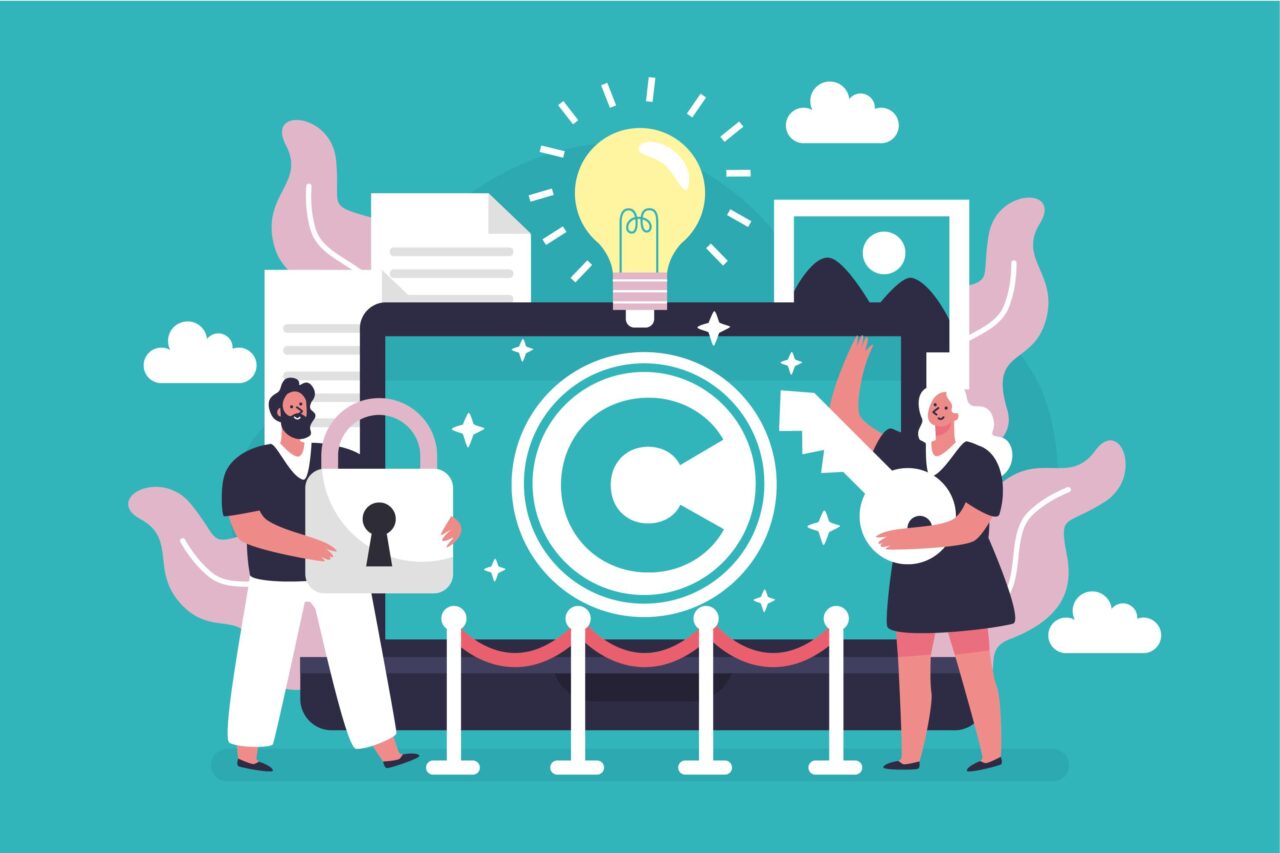
Intellectual property (IP) forms the core of any e-learning platform. Every course, video lecture, or assessment represents the creative and intellectual effort of educators and subject matter experts. Protecting this intellectual property is critical to maintaining the credibility of the platform. Without strong content protection, e-learning businesses risk losing not only revenue but also their brand reputation.
Anti piracy software leverages digital rights management (DRM), encryption, and watermarking to protect intellectual property. These technologies make it difficult for unauthorized users to copy, share, or distribute content illegally. For e-learning providers, implementing such protection ensures that their courses retain exclusivity, quality, and market value. Ultimately, safeguarding intellectual property fosters trust among students who expect secure and authentic content.
Compliance and Legal Challenges for E-Learning Platforms
E-learning platforms operate in a global marketplace, which means they must navigate diverse copyright laws and compliance requirements. For example, copyright infringement laws differ across countries, making it difficult for platforms to manage takedowns manually. This complexity highlights the necessity of anti piracy software equipped with legal expertise and international takedown capabilities.
Furthermore, compliance goes beyond copyright protection. Educational institutions often deal with sensitive student data and learning outcomes, which require adherence to data privacy regulations. Anti piracy solutions not only address intellectual property concerns but also help e-learning businesses stay compliant with international legal frameworks. By automating infringement detection and providing detailed reports, such software reduces legal risks and streamlines compliance management.
Why Investing in Technology Safeguards Student Trust
Student trust is the foundation of successful e-learning platforms. When learners pay for courses, they expect high-quality, secure, and reliable content. However, if students discover that the same material is freely available on piracy sites, it diminishes their confidence in the platform. Over time, this can lead to churn, reduced engagement, and reputational damage.
By investing in anti piracy software, e-learning platforms signal their commitment to protecting both students and educators. Technologies such as watermarking and content tracking reassure learners that their investment is secure. Additionally, platforms that prioritize security are more likely to attract long-term subscribers and institutional partners. Safeguarding trust through technology not only strengthens student loyalty but also enhances the overall brand value of the e-learning business.
How Anti Piracy Software Strengthens E-Learning Platforms
While understanding the challenges is important, it’s equally vital to recognize how anti piracy solutions directly benefit e-learning platforms. From revenue assurance to enhanced credibility, these tools provide comprehensive protection. Below, we explore the major ways in which anti piracy software strengthens the e-learning industry.
Safeguarding Course Content with Digital Rights Management (DRM)
Digital Rights Management (DRM) is one of the most powerful tools integrated into anti piracy software. DRM ensures that only authorized users can access and use e-learning content. By applying encryption and user authentication, DRM prevents illegal copying, downloading, and sharing of digital material. For platforms offering video lectures, DRM plays a crucial role in maintaining exclusivity.
E-learning platforms that implement DRM not only protect their intellectual property but also gain a competitive edge. By ensuring that course materials cannot be tampered with, platforms maintain the integrity and quality of their content. Additionally, DRM enhances user confidence by creating a secure learning environment, where students know they are engaging with authentic and reliable materials.
Real-Time Monitoring and Takedown Services
Piracy networks operate at scale, distributing pirated content across multiple channels simultaneously. Manual detection of these infringements is time-consuming and ineffective. Anti piracy software addresses this challenge through real-time monitoring and automated takedown services. By scanning websites, forums, social media, and file-sharing platforms, these tools detect unauthorized content distribution instantly.
Once piracy is detected, takedown requests are sent to hosting providers or legal authorities to remove the content. This rapid response minimizes revenue loss and prevents widespread distribution. For e-learning platforms, real-time monitoring ensures that pirated versions are removed before they can cause significant harm. The efficiency of takedown services is a game-changer in protecting digital education businesses.
Enhancing Brand Reputation and Competitive Advantage
Reputation is a key differentiator in the crowded e-learning industry. Platforms that fall victim to piracy risk being perceived as insecure or careless with their content. On the other hand, e-learning businesses that actively protect their courses with anti piracy software project a professional and reliable image. This proactive approach boosts credibility and positions the platform as a trusted provider of high-quality education.
Moreover, protecting content creates a competitive advantage. Instructors and institutions are more likely to partner with platforms that prioritize security, knowing their work will remain exclusive. By showcasing a commitment to anti piracy measures, platforms not only retain existing partners but also attract new collaborations, ultimately driving growth and market share.
Supporting Scalable Growth in the E-Learning Industry
Scalability is essential for any e-learning platform aiming to expand its user base globally. However, with growth comes increased risk of piracy. Anti piracy software supports scalability by providing automated solutions that grow with the platform. Whether a business serves hundreds or millions of learners, the software ensures consistent protection across all levels.
Additionally, automated anti piracy systems free up resources that would otherwise be spent on manual monitoring. This allows e-learning businesses to focus on content development, student engagement, and technological innovation. By streamlining piracy protection, anti piracy software paves the way for sustainable growth in the competitive digital education market.
Improving Learner Experience with Secure Content Delivery
The learner experience is central to the success of e-learning platforms. Students value not only high-quality content but also secure and seamless delivery. Anti piracy software enhances the learning experience by ensuring that content is protected from tampering, duplication, and unauthorized distribution. This creates an environment where students can focus entirely on learning.
Furthermore, secure content delivery reduces risks associated with malware and phishing attacks often linked to pirated material. By protecting learners from these threats, e-learning platforms demonstrate responsibility and care for their users. Enhanced security translates into higher satisfaction, better course completion rates, and improved student loyalty.
Why Choose AiPlex Anti-Piracy for Your E-Learning Platform
AiPlex Anti-Piracy is a trusted partner for e-learning businesses seeking robust content protection. With decades of experience in digital rights management and online monitoring, AiPlex offers a comprehensive suite of solutions tailored to the needs of online education providers. From real-time content tracking to global takedown services, AiPlex ensures that your courses remain secure and exclusive.
What sets AiPlex apart is its proactive approach. The company not only addresses piracy once it occurs but also prevents it through advanced watermarking, monitoring, and compliance solutions. By partnering with AiPlex, e-learning platforms gain peace of mind knowing that their intellectual property and revenue are well-protected. With proven expertise across industries, AiPlex helps educational businesses scale confidently while maintaining trust and integrity.
Conclusion
The rise of digital education has brought immense opportunities for learners and providers alike. However, with growth comes the looming threat of piracy, which undermines revenue, intellectual property, and brand reputation. Anti piracy software emerges as a critical safeguard, empowering e-learning platforms to protect their content, maintain student trust, and achieve sustainable growth. From DRM and real-time monitoring to t
by AI Admin | Antipiracy, Online piracy, Software Piracy
Introduction
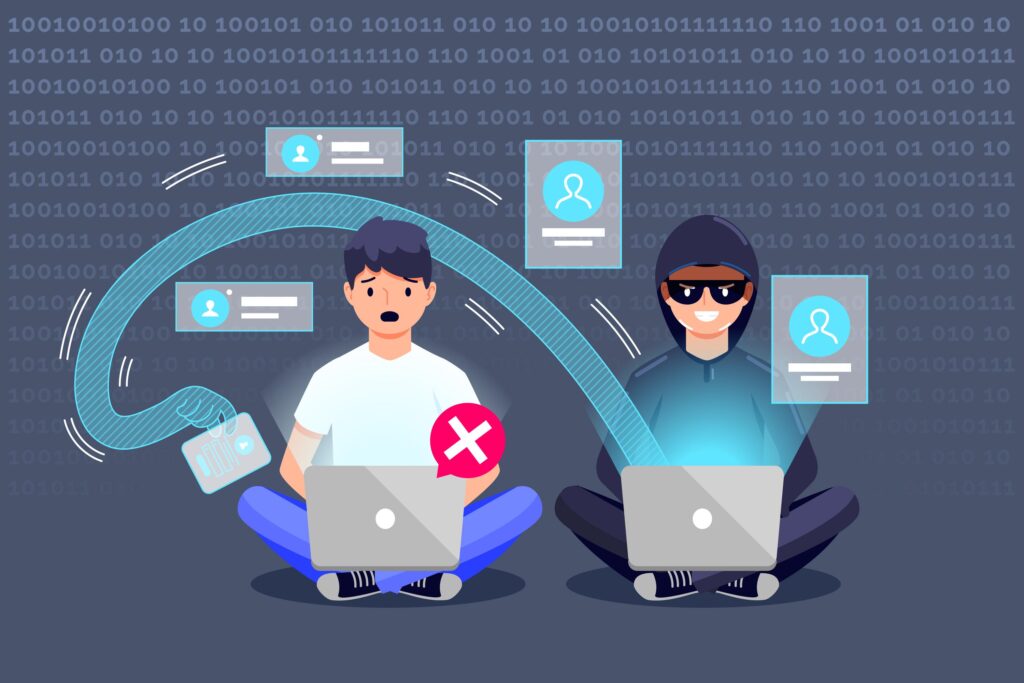
The rise of social media and digital platforms has made it easier than ever for imposters to create fake accounts that mimic individuals, brands, or organizations. These imposters may steal identities, spread misinformation, or scam unsuspecting victims. If you’ve ever encountered a fake profile pretending to be you or your business, you know how unsettling and potentially damaging it can be. Knowing how to report an imposter online is the first step toward protecting your digital identity and ensuring online safety.
In this blog, we’ll explore everything you need to know about reporting imposters safely and effectively. From spotting the warning signs to documenting evidence and using the right reporting channels, you’ll gain a clear roadmap for action. We’ll also highlight how specialized services like AiPlex Anti-Piracy can help safeguard your brand against identity theft and impersonation attacks. By the end, you’ll be equipped with practical steps and reasons to act swiftly when you come across an online imposter.
Things to Know Before You Report an Imposter Online
Before jumping into the reporting process, it’s important to understand the landscape of impersonation online. Not all fake accounts are the same, and knowing the key differences and strategies can help you take stronger action. Below are essential things you should consider before making your report.
Verify the Authenticity of the Account
When you come across a suspicious account, the first step is to verify if it’s truly an imposter. Many platforms now offer verification badges for genuine individuals or brands. If the profile lacks such signs, has minimal activity, or uses stolen images, it’s likely fake. Checking mutual connections, content quality, and engagement patterns also provides useful clues.
Equally important is ensuring you don’t mistakenly report a legitimate fan page or support account. Some well-meaning users create tribute accounts or fan content that may appear similar. Always double-check the account’s intentions before proceeding with your report. This way, your action remains accurate and effective.
Recognize Red Flags of Fake Profiles
Fake profiles often follow a predictable pattern. They may have recently created accounts with little to no activity, suspicious usernames with added numbers, or stock images instead of real photos. They might also send unsolicited friend requests or messages, especially those involving money or sensitive information.
Learning to identify these red flags can help you act quickly before the imposter causes harm. The sooner you identify an imposter account, the faster you can document and report it. Recognizing patterns across platforms also strengthens your vigilance, ensuring your online presence remains secure.
Understand Platform-Specific Reporting Tools
Each platform has its own mechanisms for reporting imposters. For example, Facebook, Instagram, Twitter (X), and LinkedIn all provide reporting options within user profiles. Some platforms allow you to report for impersonation specifically, while others require categorizing it under harassment or spam.
Knowing how these tools work is vital to making your report effective. Platforms prioritize user safety but rely heavily on proper categorization of reports. By selecting the correct reporting reason, you increase the likelihood of quick resolution and removal of the imposter account.
Consider the Risks of Inaction
Ignoring an imposter account can have long-term consequences. Imposters may misuse your identity to scam people, tarnish reputations, or even commit fraud. Inaction not only affects you but can also harm those who interact with the fake account, believing it to be genuine.
By taking swift action, you minimize potential damage and send a strong signal that your identity is protected. Early intervention prevents imposters from gaining traction and ensures trust in your personal or business brand remains intact.
Protect Your Personal Data During the Process
When reporting an imposter, avoid engaging directly with the fake profile. Communicating with imposters may put your personal data at risk. Instead, focus on gathering evidence, such as screenshots and URLs, before submitting reports through official channels.
Data safety is crucial, as imposters often thrive on exploiting small interactions. By keeping your communication secure and reporting through legitimate platforms, you safeguard yourself while ensuring the imposter is dealt with effectively.
Step 1 – Identify the Imposter Profile
The first step to reporting an imposter is recognizing that the account is fraudulent. Imposters typically use stolen images, names, or brand logos to appear legitimate. Take a close look at their activity—low engagement, odd messaging patterns, and requests for sensitive information are all clear signs.
In cases of business impersonation, imposters may use a nearly identical username, with minor spelling changes that trick users into following or transacting with them. Spotting these subtle changes can save you and your customers from serious harm.
Step 2 – Collect Evidence Before Reporting
Before you take action, gather as much evidence as possible. This can include screenshots of the profile, conversations, or any harmful activity the imposter is engaging in. Saving the URL of the fake account is also critical since platforms often require direct links for reporting.
Having solid documentation ensures that platforms can take faster and more decisive action. Evidence also helps if you need to escalate the issue to law enforcement or involve professional brand protection services later.
Step 3 – Report Directly on the Platform
Most social media platforms make it simple to report imposters directly from their profile pages. You’ll usually find a reporting option in the account’s menu, where you can choose impersonation as the reason. Be sure to follow each platform’s specific guidelines when submitting your report.
By using the official reporting system, you help platforms quickly verify and remove fraudulent accounts. Multiple reports from different users also strengthen the case, so encourage colleagues or followers to report imposters as well.
Step 4 – Report to Legal Authorities
In cases of severe impersonation—such as financial scams, fraud, or identity theft—it’s important to take your complaint beyond the platform. Many countries have cybercrime divisions where you can file formal reports. Law enforcement can pursue legal action that platforms alone cannot handle.
Filing a legal complaint provides a formal record of the incident and acts as an additional layer of protection. If damages occur, this documentation also supports any claims you may need to make in court or through insurance providers.
Step 5 – Use Professional Anti-Piracy & Brand Protection Services
For businesses and high-profile individuals, professional support is often the most efficient way to deal with imposters. Companies like AiPlex Anti-Piracy specialize in monitoring digital spaces for impersonation and intellectual property misuse. They have the expertise and tools to track, report, and permanently remove imposters.
Beyond removal, professional services also provide proactive monitoring to catch imposters before they cause harm. This is especially crucial for brands dealing with counterfeiting or large-scale impersonation attacks.
Why Choose AiPlex Anti-Piracy for Reporting Imposters?
AiPlex Anti-Piracy has years of experience helping brands and individuals protect their online presence. Their advanced monitoring systems scan multiple platforms to detect fake profiles, counterfeit listings, and fraudulent accounts in real-time. This ensures that imposters are identified and removed swiftly, preventing damage before it escalates.
Additionally, AiPlex doesn’t just stop at reporting imposters. Their holistic approach includes ongoing surveillance, legal escalation support, and brand reputation management. By choosing AiPlex, you gain a trusted partner committed to safeguarding your digital identity and reinforcing the trust of your audience.
Conclusion
Reporting an imposter online can feel overwhelming, but with the right knowledge and tools, you can protect your identity and reputation effectively. Start by verifying suspicious accounts, gathering solid evidence, and using platform reporting tools. When necessary, escalate the matter to law enforcement or seek the expertise of professional services like AiPlex Anti-Piracy.
By acting swiftly, you not only safeguard your own digital presence but also protect your followers, customers, and community from harm. Imposters thrive on hesitation—so taking proactive steps ensures your brand and personal identity remain secure. With AiPlex Anti-Piracy at your side, you gain both immediate solutions and long-term protection, giving you peace of mind in an increasingly digital world.
Summary
In this blog, we’ve covered the essential steps to report an imposter safely online. From identifying fake profiles and collecting evidence to reporting on platforms and involving authorities, every action plays a role in protecting your identity. We also highlighted why choosing AiPlex Anti-Piracy gives you an edge in safeguarding your brand, thanks to their proactive monitoring and comprehensive protection strategies. By trusting AiPlex, you ensure your digital presence is not only secure today but resilient against future impersonation threats.
by AI Admin | Online piracy, Software Piracy
Introduction
In today’s competitive world, trust has become the backbone of every successful business relationship. Employers, clients, and even partners seek assurance that the people they engage with are credible, reliable, and trustworthy. This is exactly where background verification companies step in. Imagine hiring a candidate who looks perfect on paper, only to discover later that their credentials were exaggerated or falsified. The consequences can be costly both financially and reputationally. By leveraging specialized verification services, organizations can safeguard themselves from such risks and build long-term trust with employees and stakeholders.
This blog explores how background verification companies act as guardians of trust, ensuring authenticity and transparency in every business interaction. From verifying employment history and educational qualifications to conducting criminal record checks, these companies play an essential role in risk mitigation. In the following sections, we will uncover the key aspects to consider before choosing a verification partner, the various services they provide, and why a specialized firm like Aiplex Antipiracy is the best choice for your business. Discover more about our services here.
Things to Know Before Choosing a Background Verification Company
Before selecting a background verification provider, businesses must understand the critical elements that define a trustworthy service. These factors not only impact accuracy but also determine compliance, turnaround time, and long-term reliability.
Industry Expertise and Experience
One of the most important aspects of choosing background verification companies is their expertise within the industry. A provider with years of experience understands the nuances of different sectors, whether it’s IT, finance, healthcare, or education. This ensures that their checks are not only thorough but also tailored to industry-specific requirements. Secondary keywords such as employment screening services and industry compliance become vital here.
Additionally, experienced providers have established connections with databases, institutions, and authorities, enabling them to deliver quicker and more accurate results. Without this depth of expertise, businesses run the risk of incomplete verification, which could compromise hiring decisions.
Compliance with Legal Standards
When selecting a verification partner, compliance with local and international laws is critical. Reputable background verification companies strictly adhere to data protection regulations like GDPR, as well as local labor laws. This ensures that checks are conducted ethically and without infringing on candidate rights. Secondary keywords like legal compliance in verification and data privacy in background checks are highly relevant in this context.
Failure to comply with legal standards can expose an organization to lawsuits, fines, and reputational damage. Therefore, businesses must ensure their chosen verification company operates within established legal frameworks.
Range of Verification Services
Not all businesses require the same type of checks. While one company may prioritize employment history, another may need deeper criminal record checks. Background verification companies should therefore offer a wide range of services including identity checks, educational verification, reference checks, and address validation. This flexibility ensures businesses can customize solutions according to their unique requirements. Keywords like criminal background checks and identity verification services naturally align here.
Having access to a full suite of services not only saves time but also ensures consistency across different levels of verification.
Accuracy and Turnaround Time
Accuracy and speed are the twin pillars of effective verification. Employers cannot afford delays when onboarding critical staff, nor can they risk inaccuracies that might lead to hiring unsuitable candidates. Reliable background verification companies invest in advanced technology, AI-based tools, and secure databases to ensure precise results delivered within a reasonable timeframe. Keywords such as fast background checks and accurate employment verification reflect this expectation.
A company’s ability to balance thoroughness with speed defines its credibility in the verification industry.
Technology and Data Security
In the digital era, technology plays a vital role in ensuring seamless verification processes. Companies that adopt advanced tools for identity validation, automated data entry, and blockchain-based verification systems provide added security and efficiency. Secondary keywords here include data security in verification and digital background checks.
Moreover, businesses must consider how their chosen verification partner secures sensitive information. A breach in data security could have serious implications, making cybersecurity a critical factor when evaluating background verification providers.
Key Services Offered by Background Verification Companies
Employment Verification
Employment verification is one of the core services offered by background verification companies. By contacting previous employers and validating job titles, responsibilities, and duration of employment, these services ensure that candidates present an honest picture of their work history. This reduces the chances of fraudulent claims that could otherwise mislead employers.
Apart from confirming employment history, verification providers also evaluate reasons for leaving previous jobs and assess performance records. This insight allows businesses to make informed hiring decisions and avoid costly recruitment mistakes.
Education Verification
Educational qualifications often serve as the foundation of a candidate’s credibility. Background verification companies authenticate degrees, diplomas, and certifications by liaising directly with educational institutions. This prevents cases where candidates present fake certificates to secure high-level positions. Secondary keywords like degree verification services and academic record checks are highly relevant here.
Beyond merely checking documents, these verifications also validate the authenticity of institutions themselves, ensuring that credentials are from accredited and recognized universities or schools.
Criminal Record Checks
Safety and integrity are paramount in every organization. Criminal record checks help employers safeguard their workplace by ensuring candidates have no history of fraudulent or unlawful activity. These checks include verifying court records, police databases, and international crime lists. The secondary keywords criminal background screening and employee risk management highlight the importance of this service.
Conducting criminal checks is not about discrimination but about minimizing risk and protecting employees, clients, and stakeholders from potential harm.
Identity Verification
Identity verification ensures that the individual applying for a job is indeed who they claim to be. This involves validating government-issued IDs, passports, driving licenses, and other personal documents. Secondary keywords include identity fraud prevention and digital ID verification.
Strong identity verification processes also help reduce the risk of impersonation, safeguarding organizations against insider threats and financial fraud.
Address Verification
Address verification is another crucial service that background verification companies offer. By physically visiting the stated address or validating it through digital records, companies ensure candidates provide accurate residential information. Keywords like residential verification and address fraud detection apply here.
This not only confirms the authenticity of the candidate’s residence but also helps organizations understand demographic and logistical aspects that could affect employment suitability.
How Background Verification Companies Build Trust
Enhancing Workplace Safety
Background verification companies contribute significantly to workplace safety by filtering out individuals with questionable pasts. Employers gain confidence knowing that their teams consist of reliable, law-abiding professionals. Secondary keywords like workplace safety verification and employee trust building apply here.
By ensuring that candidates meet ethical and legal standards, companies create safer environments that foster employee morale and productivity.
Reducing Hiring Risks
Hiring the wrong candidate can be an expensive mistake. From training costs to reputational harm, the risks are numerous. Verification companies mitigate these risks by ensuring that only trustworthy individuals are onboarded. This reduces turnover rates and strengthens organizational resilience. Secondary keywords include risk mitigation services and secure hiring practices.
By leveraging professional verification services, employers protect themselves from long-term liabilities.
Strengthening Employer Reputation
Reputation is everything in business. Organizations that implement strict verification processes project an image of reliability and professionalism. Clients, stakeholders, and potential employees recognize them as companies that value integrity. Secondary keywords such as employer branding and corporate trust support this theme.
Strong verification practices thus extend beyond recruitment; they become part of an organization’s brand identity.
Ensuring Legal Protection
Background verification companies help shield organizations from potential legal issues. By ensuring compliance with employment laws and industry regulations, businesses avoid fines, lawsuits, and penalties. Secondary keywords include compliance verification services and employment law adherence.
Legal security not only builds trust internally but also assures clients and partners of an organization’s credibility.
Supporting Long-Term Growth
Trust is the foundation of sustainable growth. By providing accurate verification services, background verification companies empower businesses to focus on innovation and expansion instead of dealing with fraudulent hires or security issues. Keywords like sustainable workforce practices and long-term employee trust are highly applicable here.
This long-term perspective makes verification a strategic investment, rather than just a hiring formality.
Why Choose Aiplex for Background Verification?
Aiplex Antipiracy has built its reputation as a leader in risk mitigation and trust-building services. With deep expertise in data protection, compliance, and cutting-edge technology, Aiplex goes beyond standard verification. They understand that every business has unique needs, and thus provide tailored verification solutions to match industry-specific requirements. Their services span across employment checks, education validation, criminal screening, and more—all executed with accuracy and speed.
Furthermore, Aiplex prioritizes data security and legal compliance, ensuring that clients never face unnecessary risks. Their technology-driven approach not only streamlines verification processes but also guarantees the integrity of sensitive information. With global reach and local expertise, Aiplex stands as a trusted partner for organizations seeking to strengthen trust and credibility. Learn more about our solutions here.
Conclusion
In an era where trust is both fragile and essential, background verification companies serve as indispensable partners in ensuring transparency and reliability. By validating employment, education, criminal records, and identities, these providers help businesses avoid risks, build credibility, and foster safer workplaces. The benefits extend beyond recruitment, enhancing organizational reputation, ensuring compliance, and supporting long-term growth.
Choosing the right partner for background verification is critical. With its proven expertise, advanced technology, and commitment to compliance, Aiplex Antipiracy emerges as the ideal choice for organizations looking to build and maintain trust. By investing in Aiplex’s verification services, businesses not only protect themselves from risks but also create a foundation of integrity and trust that drives long-term success.
by AI Admin | Antipiracy, Brand Protection, Copyright Protection
Introduction
In today’s digital-first world, businesses thrive on intellectual property, creative assets, and proprietary technologies. Unfortunately, cybercriminals exploit this dependency, leading to piracy, data theft, and content misuse. Anti-piracy has become a critical defense mechanism for organizations aiming to protect their digital assets. From software firms to entertainment giants, every industry is at risk of piracy-related cyber threats, making anti-piracy solutions more essential than ever.
This blog explores how anti-piracy measures safeguard businesses from evolving cyber risks. We will uncover the importance of anti-piracy tools, the key elements businesses must understand before adopting them, and how these measures shield organizations from economic, reputational, and security damages. By the end, you’ll see why partnering with experts like AiPlex Anti-Piracy is the smartest move to ensure your content and intellectual property remain protected.
Things to Know Before Implementing Anti-Piracy Measures
Before diving into the specifics of how anti-piracy protects businesses, it is crucial to understand the foundational aspects. Organizations often jump into adopting solutions without analyzing risks, cyber threats, or legal implications. A structured approach ensures businesses gain maximum protection and avoid gaps that pirates might exploit. Let’s break this down into the essential factors every business must know.
Understanding Digital Piracy Risks
Piracy is no longer limited to counterfeit CDs or DVDs—it now spans across digital platforms, torrents, and illegal streaming sites. Businesses face risks such as unauthorized distribution of software, music, movies, and proprietary content. The growing sophistication of piracy makes it harder for companies to track and eliminate unauthorized use.
Moreover, piracy is often tied to larger cyber threats. Hackers use pirated platforms as gateways for malware, ransomware, and phishing attacks. A company ignoring anti-piracy measures risks not just revenue loss but also potential data breaches, making proactive protection vital for sustainability.
Legal Implications of Piracy
Anti-piracy isn’t just about protecting digital content—it’s about staying compliant with intellectual property (IP) laws. Organizations that fail to safeguard their content may struggle to enforce ownership in court, weakening their IP rights. Understanding digital rights management (DRM) and copyright laws is essential.
Piracy cases often cross international borders, complicating legal actions. This makes it necessary for businesses to partner with global anti-piracy specialists who can navigate international copyright laws effectively. By ensuring compliance, companies maintain stronger control over their intellectual property.
Economic Impact on Businesses
Piracy drains billions from global industries annually. For software firms, unauthorized downloads eat into legitimate sales, while for media companies, illegal streaming reduces subscription revenues. The economic loss is not limited to revenue—it also includes job cuts, reduced innovation budgets, and declining investor confidence.
Anti-piracy measures help businesses mitigate these losses by monitoring illegal distribution channels and taking down infringing content. Companies that adopt proactive measures often notice improved sales and stronger consumer trust, directly translating into economic stability.
Cybersecurity Threats Linked to Piracy
Piracy websites are notorious for harboring malware and spyware. Employees or customers who unknowingly engage with pirated software or media may expose sensitive company data to hackers. Cybercriminals exploit these weaknesses to infiltrate corporate systems, steal credentials, and launch ransomware attacks.
By investing in anti-piracy, businesses not only secure their assets but also fortify their cybersecurity posture. Real-time monitoring, threat detection, and takedown strategies ensure that pirates don’t weaponize content distribution platforms against unsuspecting users.
The Role of Technology in Anti-Piracy
Modern anti-piracy solutions use advanced technologies like artificial intelligence, machine learning, and blockchain to detect and eliminate threats. AI-based monitoring tools scan millions of websites, torrents, and streaming platforms to identify unauthorized usage within seconds.
Blockchain enhances transparency and traceability, making it harder for pirates to tamper with ownership records. These technological advancements allow businesses to fight piracy efficiently, reducing manual effort and increasing accuracy in detecting infringements.
How Anti-Piracy Shields Businesses from Cyber Threats
Having established the fundamentals, let’s now explore the concrete ways anti-piracy protects businesses from evolving cyber dangers.
Protecting Intellectual Property
Intellectual property (IP) is the lifeblood of most modern businesses. Piracy undermines IP rights, diluting brand value and discouraging innovation. Anti-piracy safeguards patents, copyrights, and trademarks, ensuring companies can fully capitalize on their innovations.
By enforcing strict monitoring and takedown protocols, businesses can prevent unauthorized use of their creations. This level of protection not only secures existing assets but also gives companies the confidence to invest in future innovations without fear of theft.
Safeguarding Brand Reputation
When pirated content circulates widely, customers may associate poor-quality versions with the original brand. This can severely damage trust and credibility, especially if pirated software introduces malware or pirated movies provide a poor viewing experience.
Anti-piracy ensures customers always access official, high-quality versions of a brand’s content. By eliminating counterfeit copies, companies preserve their reputation and maintain strong customer loyalty, which is invaluable in today’s competitive markets.
Preventing Revenue Loss
One of the most immediate impacts of piracy is lost sales. For example, a single pirated software file may be downloaded thousands of times, resulting in millions in lost revenue. Streaming platforms also lose advertising and subscription income due to illegal alternatives.
Anti-piracy measures help reclaim lost revenue by shutting down piracy websites and redirecting users toward legitimate channels. Over time, businesses see measurable improvements in sales, proving that anti-piracy directly supports financial growth.
Enhancing Cybersecurity Defense
Cybercriminals often distribute pirated files laced with malicious code. Employees downloading pirated software for convenience may inadvertently compromise the company network. These breaches can lead to ransomware demands, data theft, and prolonged downtime.
With anti-piracy solutions, businesses minimize these risks by tracking down and eliminating malware-infested pirated files online. This proactive strategy strengthens overall cybersecurity, safeguarding both corporate data and customer trust.
Strengthening Global Compliance
Global businesses must operate across diverse jurisdictions with different IP laws. Piracy often exploits these legal loopholes, making enforcement challenging. Anti-piracy firms specialize in global compliance, ensuring companies can pursue infringers across multiple regions.
By maintaining compliance, businesses protect themselves from legal vulnerabilities. This proactive approach allows organizations to expand internationally without fearing piracy-related complications in unfamiliar legal environments.
Why Choose AiPlex for Anti-Piracy Solutions?
AiPlex is a global leader in digital content protection, specializing in advanced anti-piracy solutions tailored for businesses across industries. With expertise spanning film, music, publishing, and software, AiPlex combines cutting-edge technology with deep legal understanding to deliver unmatched results.
Unlike generic anti-piracy tools, AiPlex offers end-to-end protection—from detecting infringements to executing swift takedowns across multiple jurisdictions. Their AI-powered monitoring scans millions of sites, torrents, and streaming platforms in real time, ensuring no pirated copy goes undetected. Additionally, AiPlex provides compliance support, helping businesses navigate complex international IP laws.
By partnering with AiPlex, businesses not only secure their intellectual property but also enhance brand reputation, prevent revenue leakage, and strengthen cybersecurity defenses. With proven expertise and a results-driven approach, AiPlex is the trusted choice for companies seeking comprehensive anti-piracy protection.
Conclusion
Piracy is more than an economic threat—it is a cybersecurity risk, a reputational hazard, and a legal challenge. Businesses that ignore anti-piracy measures expose themselves to revenue loss, brand damage, and cyberattacks. In contrast, companies that invest in robust anti-piracy strategies create a strong shield against evolving digital threats.
From protecting intellectual property to enhancing cybersecurity, anti-piracy delivers multifaceted benefits that empower businesses to thrive in the digital economy. As technology evolves, so do the tactics of pirates, making professional support indispensable.
That’s where AiPlex steps in. With advanced technology, global reach, and proven expertise, AiPlex ensures businesses remain one step ahead of pirates. Choosing AiPlex means choosing security, growth, and trust in an increasingly vulnerable digital world.
Summary
In this blog, we explored how anti-piracy shields businesses from cyber threats. We discussed essential factors to know before adopting solutions, the various ways anti-piracy protects intellectual property, brand reputation, and revenue, and how it strengthens cybersecurity and compliance. Ultimately, AiPlex Anti-Piracy stands out as a trusted partner, offering comprehensive, AI-powered, and globally compliant protection for businesses. By partnering with AiPlex, companies safeguard their future, ensuring their digital assets remain secure and profitable.
by AI Admin | Antipiracy, Brand Protection, Copyright Protection
In today’s digital-first world, content has become one of the most valuable assets for businesses, creators, and organizations. Whether it’s movies, music, eBooks, or digital products, piracy poses a major threat to revenue, reputation, and growth. For instance, a filmmaker might see their latest release leaked online within hours, losing millions in potential earnings. This is where anti piracy software comes into play. It ensures protection against unauthorized copying, distribution, and use of digital content, safeguarding intellectual property in a way that manual methods cannot.
This blog will walk you through how anti piracy software works, the technologies behind it, and the benefits it offers to content creators and businesses alike. From understanding its role in detecting piracy to exploring tools like watermarking, monitoring, and takedowns, you will get a comprehensive look at why investing in this technology is critical today. By the end, you will also see why AiPlex’s advanced solutions stand out in this space and how they can protect your brand. Let’s explore how anti piracy software combats content theft effectively.
Things You Must Know Before Choosing Anti Piracy Software
Before diving into the core features and benefits of anti piracy software, it is important to understand certain factors that influence how these solutions work. These considerations help content owners make informed decisions when selecting the right software and ensure they get maximum return on investment.
Understanding the Scope of Digital Piracy
Digital piracy covers more than just movies or songs being leaked online. It includes software cracking, illegal eBook distribution, counterfeit gaming, and even unauthorized streaming. Knowing the scale of piracy helps businesses identify what type of content protection tools they need. A publishing house, for example, would focus on eBook piracy, while OTT platforms must secure video streaming.
Piracy is growing at a rapid pace globally. With faster internet and anonymous sharing platforms, pirated content often spreads within minutes. Anti piracy solutions need to work proactively and in real-time to catch such leaks before they cause irreversible damage.
Importance of Intellectual Property Protection
Intellectual property (IP) is the backbone of many businesses. From creative industries like film, music, and publishing to tech-driven sectors with proprietary software, protecting IP ensures continued revenue. IP protection solutions are critical for preventing loss of ownership and preserving a company’s brand image.
Without robust anti piracy software, creators risk losing not just money but also trust. Once pirated versions become widely available, the original creators may find it hard to prove authenticity, making IP protection the first step in securing long-term success.
Role of Automated Monitoring and Detection
One of the strongest features of anti piracy tools is automated monitoring. Unlike manual tracking, automated systems constantly scan websites, peer-to-peer networks, and streaming platforms for illegal content. This ensures early detection of piracy instances, giving businesses an edge in controlling the spread.
Monitoring tools also use advanced technologies like AI and machine learning to identify pirated files, even if they are disguised under different names. This makes anti piracy software more reliable and faster than traditional methods of enforcement.
Legal Enforcement and Compliance
While detection is crucial, legal enforcement is equally important. Anti piracy software often integrates with takedown mechanisms to remove pirated content from the internet. This includes DMCA notices, copyright enforcement requests, and direct collaboration with internet service providers.
Compliance with global laws is essential for these processes to work smoothly. Businesses should ensure their chosen anti piracy solution adheres to international intellectual property regulations and has a proven track record of effective takedowns.
Cost vs. Value of Protection
Another important consideration is the cost of anti piracy solutions. While some may see it as an expense, the value it brings in terms of revenue protection, brand safety, and long-term growth outweighs the cost. For businesses relying heavily on digital content, the investment pays for itself by preventing large-scale losses.
Moreover, scalable solutions allow companies to start small and expand as their needs grow. This flexibility ensures that anti piracy software can be tailored to fit businesses of all sizes.
Top Ways Anti Piracy Software Stops Content Theft
1. Content Watermarking
Watermarking is one of the most powerful tools in the fight against piracy. By embedding invisible or visible marks in digital files, companies can trace the source of leaks. This technique is particularly useful for movies, digital art, and confidential documents.
Advanced watermarking technologies ensure that even if pirates attempt to alter or remove the watermark, the original mark remains intact. This acts as a deterrent for unauthorized sharing while providing legal proof of ownership when needed.
2. Automated Takedown Services
Anti piracy software comes equipped with automated takedown capabilities. Once pirated content is detected, the system can issue removal requests immediately. This includes targeting torrent sites, streaming platforms, and unauthorized distribution channels.
These takedowns not only reduce the spread of pirated material but also send a strong message to potential infringers. By ensuring fast and effective enforcement, businesses can safeguard both revenue and brand reputation.
3. AI-Powered Content Monitoring
Artificial intelligence has revolutionized piracy detection. AI-driven anti piracy software can identify pirated content across multiple formats, languages, and disguises. Whether it’s renamed files, altered videos, or mirror websites, AI ensures detection with high accuracy.
This level of monitoring is essential in today’s environment where pirates use advanced techniques to evade detection. AI’s ability to learn and adapt continuously makes it a cornerstone of modern digital content protection.
4. Geo-Blocking and Access Control
Geo-blocking prevents unauthorized users from accessing content outside designated regions. This feature is particularly useful for streaming services, which often deal with licensing agreements tied to specific countries.
By combining geo-blocking with user authentication, businesses can create an additional layer of security. This not only reduces piracy but also ensures compliance with regional copyright laws.
5. Real-Time Threat Analysis
Piracy is not just about existing leaks; it’s also about anticipating future threats. Anti piracy software provides real-time analytics on piracy trends, platforms, and emerging risks. This allows businesses to proactively adjust their strategies.
By analyzing threat intelligence, companies can protect their content before it becomes a target. This predictive approach makes anti piracy tools invaluable for industries where early leaks can cause massive financial setbacks, such as film premieres or game releases.
Why Choose AiPlex Anti Piracy Software?
AiPlex stands out as a leader in anti piracy solutions, offering comprehensive protection across industries. Their advanced monitoring, detection, and enforcement systems ensure maximum coverage against content theft. By combining AI-driven technology with legal expertise, AiPlex provides a holistic approach to piracy protection.
With years of experience in securing films, OTT platforms, eBooks, and software, AiPlex has built a reputation for reliability. Their scalable solutions cater to businesses of all sizes, ensuring affordability without compromising effectiveness. By partnering with AiPlex, you gain not just protection but also a strategic advantage in preserving your intellectual property.
Conclusion
Digital piracy continues to evolve, but so does the technology to fight it. With features like watermarking, AI monitoring, geo-blocking, and real-time analytics, anti piracy software provides a powerful shield against content theft. For businesses that rely on digital assets, investing in such solutions is no longer optional—it’s a necessity.
AiPlex offers a proven track record in helping companies protect their intellectual property while minimizing losses. Their expertise, combined with cutting-edge technology, makes them a trusted partner in the fight against piracy. Choosing AiPlex ensures that your content remains secure, your revenue intact, and your brand reputation unshaken.
by AI Admin | Antipiracy, Latest Trends
Introduction
In today’s digital-first economy, businesses are increasingly vulnerable to piracy. Whether it is movies, software, eBooks, games, or proprietary corporate data, piracy drains millions from companies every year. Imagine spending years developing a product only to have it copied and distributed illegally online within days. This harsh reality has forced companies across industries to seek stronger protection methods. This is where anti-piracy software becomes not just helpful, but essential.
But how do you know if your organization needs it, and more importantly, how do you evaluate the right solution? In this blog, we’ll explore the key factors you must consider when assessing anti-piracy software. We’ll break down the evaluation process into practical steps, highlight what businesses must know beforehand, and provide an in-depth look at the top factors influencing your decision. By the end, you’ll understand exactly why choosing a trusted partner like Aiplex Antipiracy can secure your intellectual property and revenue streams. Explore our services here.
Things to Know Before Choosing Anti-Piracy Software
Before diving into specific features and evaluation criteria, it’s crucial to understand the broader context of anti-piracy solutions. Anti-piracy software is not just about blocking illegal downloads; it’s about monitoring, detecting, and taking action against copyright infringement across multiple channels. From torrents and streaming platforms to social media and cyberlockers, piracy happens in real time, often globally. Businesses need to know what to expect before selecting a solution that fits their needs.
Below, we’ll break down the essential areas of knowledge that prepare you for making the right decision.
Understanding the Cost of Digital Piracy
Digital piracy costs industries billions annually. In fact, the software industry alone loses billions each year to unauthorized distribution and illegal copies. Companies need to recognize that these losses extend beyond financial damages. Brand reputation, customer trust, and long-term product sustainability are also at stake. By quantifying these potential risks, organizations can better justify the investment in anti-piracy solutions.
Moreover, piracy often leads to the spread of malware or counterfeit products that harm end users. This reflects negatively on the brand, even if the company itself is not directly at fault. Protecting intellectual property is therefore not just about protecting revenues, but also safeguarding customer experience and market credibility.
Types of Piracy Affecting Businesses
Piracy is not one-size-fits-all. Businesses must first identify what type of piracy they are most vulnerable to. Common forms include torrent downloads, illegal streaming, peer-to-peer sharing, password sharing, and counterfeit distribution. Each type poses unique risks, making it vital to understand where your intellectual property is most likely to be exploited.
For instance, software companies often struggle with cracked applications being shared freely online, while entertainment businesses face unauthorized streaming. Knowing the types of piracy relevant to your business helps in selecting software designed with the right countermeasures.
Importance of Real-Time Monitoring
In the fast-paced digital world, piracy doesn’t sleep. Illegal copies of your content can be uploaded and shared within minutes. This makes real-time monitoring one of the most critical features to consider in anti-piracy software. Without continuous monitoring, your company could miss crucial moments when your content first appears illegally online.
Real-time monitoring ensures that immediate takedown requests can be filed, reducing both exposure and potential losses. It also provides detailed reports, helping businesses understand the scale of piracy threats and how often their assets are being infringed.
Legal and Compliance Considerations
Anti-piracy software doesn’t operate in isolation; it must align with legal frameworks. Businesses need to be aware of copyright laws, Digital Millennium Copyright Act (DMCA) provisions, and international regulations when pursuing takedowns. Not all solutions are equally effective globally, so compliance and reach become essential considerations.
Some software providers also offer legal support, handling takedown notices and ensuring compliance. This allows businesses to focus on growth while experts manage enforcement across diverse jurisdictions.
Balancing Costs with Benefits
Investing in anti-piracy software may seem expensive at first, but it must be compared against the potential losses from piracy. If your product is heavily pirated, the ROI from anti-piracy solutions is significant. However, companies must also avoid overspending on unnecessary features. Choosing scalable software that grows with your company ensures a balance between affordability and protection.
Ultimately, the key is to align the cost with both the immediate and long-term benefits of protecting your intellectual property.
Key Features to Evaluate in Anti-Piracy Software
Once businesses understand the landscape, the next step is evaluating the specific features offered by anti-piracy solutions. Here are the most important aspects to consider.
Advanced Content Detection
The core function of any anti-piracy software is its ability to detect unauthorized use of your content. Advanced detection uses AI-powered crawlers to scan websites, torrents, streaming platforms, and file-sharing services for infringements. The wider the detection capabilities, the more comprehensive your protection will be.
Businesses must ensure that the solution they choose uses advanced algorithms that can identify not just exact matches, but also modified or disguised versions of their content. This ensures counterfeit or altered files don’t slip through undetected.
Automated Takedown Capabilities
Detection alone isn’t enough; the software must also facilitate swift takedowns. Automated takedown capabilities ensure that once pirated content is identified, a notice is immediately sent to the platform or ISP hosting it. The quicker the takedown, the less damage piracy can cause.
This feature saves businesses from manually tracking piracy, which can be both time-consuming and resource-draining. With automated takedowns, enforcement becomes faster, more efficient, and less costly.
Scalability for Growing Businesses
Small businesses might initially think anti-piracy software is only for large corporations. However, piracy impacts companies of all sizes. Scalable solutions are critical, allowing businesses to start with essential features and expand as they grow. Whether protecting a handful of products or a vast digital library, scalability ensures the investment remains future-proof.
Choosing software that offers customizable features also allows companies to tailor their protection strategies without paying for unnecessary extras.
Comprehensive Reporting and Analytics
Effective protection isn’t only about removing pirated content; it’s about understanding the threat landscape. Comprehensive reporting provides insights into where piracy occurs most often, which products are most at risk, and how enforcement actions are performing.
Data-driven reports help businesses make informed decisions. They can adapt their anti-piracy strategies, identify weak points, and justify the continued investment in protection tools to stakeholders.
Multi-Platform and Global Coverage
Piracy is global, meaning your content could be illegally distributed across multiple countries and platforms simultaneously. Anti-piracy software must therefore provide multi-platform protection with global enforcement capabilities. A solution limited to one region or platform leaves significant gaps.
Choosing software with global reach ensures that your business is protected consistently, regardless of where piracy originates. This feature is particularly critical for entertainment, software, and publishing companies with international audiences.
Why Choose Aiplex Antipiracy?
At this point, it’s clear that evaluating anti-piracy software requires a deep understanding of your business’s vulnerabilities and the solution’s capabilities. This is where Aiplex Antipiracy stands out. With years of experience protecting digital assets worldwide, Aiplex offers a comprehensive suite of services that cover detection, monitoring, takedown, and reporting.
What makes Aiplex unique is its combination of advanced AI-driven detection with human expertise. This hybrid approach ensures accuracy and efficiency, minimizing false positives while maximizing coverage. Additionally, Aiplex offers scalable solutions, making it suitable for startups, SMEs, and large enterprises alike. Learn more about how Aiplex protects businesses here.
Conclusion
Piracy is no longer an occasional nuisance; it is a persistent, evolving threat to businesses of all sizes. From entertainment to software, digital assets are vulnerable the moment they enter the online space. Choosing the right anti-piracy software is therefore a critical step in protecting not only revenue but also reputation and long-term growth.
By understanding the cost of piracy, the types of threats your company faces, and the features that truly matter, you can evaluate software solutions more effectively. Aiplex Antipiracy, with its proven expertise and global reach, provides the protection businesses need in today’s fast-paced digital environment. For companies ready to take piracy seriously, partnering with Aiplex is an investment in safeguarding innovation and future success.
Summary
In this blog, we explored the critical factors businesses must evaluate when considering anti-piracy software. We began by discussing the importance of understanding piracy’s true cost and recognizing the types of piracy that may affect different industries. From real-time monitoring to compliance, these foundational insights prepare businesses for informed decision-making. We then explored key features such as advanced detection, automated takedowns, scalability, comprehensive analytics, and global coverage.
Finally, we highlighted why Aiplex Antipiracy is the trusted partner for companies worldwide. By combining AI-powered detection with human expertise, Aiplex delivers unmatched protection across industries. If your organization values its digital assets and brand reputation, then choosing Aiplex Antipiracy ensures you stay one step ahead of piracy threats.
by AI Admin | Antipiracy, Brand Protection, Latest Trends
Introduction
In today’s digitally-driven landscape, businesses are racing to stay ahead by innovating, producing, and distributing faster than ever. But with speed and accessibility comes a lurking danger—piracy. The term “anti-piracy” might seem like jargon relevant only to movie studios or software giants, but the truth is that every business, big or small, can become a victim. If you’ve ever wondered why your digital content appears on unverified platforms or noticed a dip in customer trust, you’re already feeling the effects of poor anti-piracy measures.
This blog will uncover the most common mistakes businesses make that expose them to piracy threats. By understanding and avoiding these pitfalls, you can better safeguard your brand and assets. We’ll cover everything from overlooking copyright basics to failing to invest in robust monitoring tools. If you want to strengthen your anti-piracy strategy and secure your digital content, you’re in the right place. Learn how AiPlex’s anti-piracy solutions can help.
What Every Business Should Know About Digital Piracy
Before diving into the specific mistakes, it’s crucial to understand the mechanics and risks of digital piracy in today’s business environment. With the explosive growth of digital platforms, the ease of duplicating and distributing content has increased, leaving many businesses vulnerable.
1. The Rise of Digital Content Theft
With growing digital transformation, businesses rely more on multimedia content—videos, eBooks, courses, designs, and more. Unfortunately, this content is easily copied and shared without permission. Anti-piracy measures are not just for entertainment giants anymore; they’re essential for e-commerce, education, and tech companies alike.
The growing sophistication of piracy tools means that pirated content often appears online minutes after its official release. Without immediate detection and takedown, this can result in revenue loss and damage to brand reputation. Businesses must recognize this as an urgent threat.
2. Piracy is a Legal and Financial Risk
Pirated content doesn’t just affect sales—it can lead to massive legal complications. Businesses may find themselves liable if they inadvertently use or distribute pirated material. Anti-piracy solutions not only protect your content but also shield you from potential legal backlash.
Moreover, investing in professional anti-piracy protection saves money in the long term. The cost of rectifying piracy-related damages—like litigation fees and brand restoration—can far outweigh the price of preventive measures.
3. The Importance of Copyright and Licensing
Understanding copyright law and securing proper licenses for all digital assets is foundational. Many businesses either ignore this step or don’t fully grasp its implications. Anti-piracy begins with strong internal awareness and legal clarity.
Failure to register or enforce copyrights can make it harder to pursue offenders in court. Licensing agreements should be specific and enforceable to prevent misuse or unauthorized sharing of digital assets.
4. Visibility is a Double-Edged Sword
Your content might go viral or get listed on multiple platforms to increase reach—but this also increases the chances of piracy. Each distribution channel is a potential leak. A comprehensive anti-piracy strategy involves continuous monitoring of all online platforms.
Popular search engines, social media channels, and peer-to-peer platforms are often used to distribute pirated content. Businesses must monitor these in real-time to identify infringements and respond swiftly.
5. Not All Piracy Is External
Employees, vendors, and partners can inadvertently—or intentionally—leak or misuse digital content. Internal security protocols, such as access restrictions and watermarking, are a necessary layer of anti-piracy defense.
Training staff on the importance of IP protection and auditing third-party usage can drastically reduce internal threats. Implementing digital rights management (DRM) tools helps track how and where content is accessed.
10 Mistakes Every Business Makes Leading to Anti-Piracy
Mistake 1: Not Using Watermarks on Digital Content
Watermarks are a simple yet effective deterrent. They embed identifying information into the content, discouraging unauthorized use. Still, many businesses skip this step, especially with demo content or previews.
Failure to watermark leaves your content vulnerable to cloning or misattribution. Even dynamic watermarks—which update based on user or access—can significantly strengthen your anti-piracy framework.
Mistake 2: Ignoring Regional Restrictions
Some companies don’t apply geolocation restrictions, inadvertently making their content available in piracy-prone regions. These regions often lack strict enforcement of copyright laws.
Using geo-blocking technology to control access is a critical step. Anti-piracy strategies must be customized based on where your content is most vulnerable.
Mistake 3: Underestimating Social Media Piracy
Social media platforms are a hotbed for pirated content. Businesses often overlook monitoring these spaces, allowing unauthorized posts and shares to go viral.
Platforms like Facebook, Reddit, and Telegram are commonly used to distribute pirated material. Implementing social media monitoring tools can flag unauthorized posts quickly.
Mistake 4: Using Insecure File Sharing Methods
Relying on public file-sharing services or unsecured cloud links for business transactions is a big mistake. These links can be easily copied and leaked.
Instead, use secure platforms with expiration controls, download tracking, and user authentication. Anti-piracy begins with how you share and store content.
Mistake 5: No Proactive Monitoring of Torrent and Dark Web Platforms
Torrent sites and dark web forums are common places where pirated content is distributed. Businesses not monitoring these spaces are missing key parts of the piracy ecosystem.
Tools that actively scan these platforms can help identify and take down unauthorized content. AiPlex offers robust monitoring solutions tailored for this.
Mistake 6: Not Partnering with an Anti-Piracy Service Provider
DIY anti-piracy efforts often fall short due to lack of resources and expertise. Partnering with experts ensures your protection strategy is up-to-date and comprehensive.
AiPlex, for example, uses AI-driven tools to detect, report, and remove pirated content across the web, giving you peace of mind and legal backing.
Mistake 7: Failing to Educate Teams on IP Protection
Anti-piracy starts within the organization. If your team isn’t aware of piracy risks and preventive protocols, they could unknowingly jeopardize your content.
Training sessions and internal policy documents help create a culture of IP respect. This is especially vital for companies handling large volumes of creative assets.
Mistake 8: Not Securing Streaming and Download Platforms
If your business provides streaming services or downloadable assets, these must be fortified with anti-piracy technologies like DRM, encryption, and tokenization.
Neglecting these protections can lead to large-scale leaks, especially during new content releases. Platform security should be revisited regularly.
Mistake 9: Lack of a Takedown Strategy
Detecting piracy is only half the battle. Without a rapid takedown protocol—via DMCA notices, cease-and-desist letters, or legal follow-ups—your content remains compromised.
AiPlex provides end-to-end takedown support, helping you act fast and effectively when infringements occur.
Mistake 10: Overlooking SEO and Web Crawlers
Pirated content often appears high in search engine results, stealing your traffic. Not optimizing your SEO or submitting proper site maps allows counterfeit copies to dominate SERPs.
With anti-piracy SEO practices, you can suppress pirated links and boost your original content’s visibility. Monitoring crawler activity is essential for this.
Why Choose AiPlex for Anti-Piracy Solutions?
AiPlex stands out as a comprehensive anti-piracy partner offering 360-degree protection for digital assets. With over a decade of experience, AiPlex has helped global brands protect their IP across entertainment, e-learning, software, and e-commerce sectors.
Their AI-powered detection tools scan thousands of sources in real-time, including social media, dark web, torrents, and streaming platforms. Coupled with a dedicated takedown team and legal expertise, AiPlex ensures your content is not just protected, but continuously monitored. Their services also include brand reputation management, helping you maintain authority in your niche. Whether you’re launching new digital content or scaling globally, AiPlex is your go-to anti-piracy partner.
Conclusion
Digital piracy is a silent business killer. While many companies focus on growth, branding, and user acquisition, they often ignore the silent leech—piracy. As we’ve seen, even simple oversights can expose your business to significant financial, legal, and reputational risks. By avoiding these 10 common mistakes, and by implementing a proactive anti-piracy strategy, you can protect your content, revenue, and brand integrity.
Don’t wait for a piracy incident to react. Be prepared. Be protected. Let AiPlex safeguard your digital assets so you can focus on growth. Discover how AiPlex can help.
Blog Summary
Piracy is not limited to the entertainment world—it affects all businesses dealing in digital content. From failing to use watermarks to neglecting dark web monitoring, companies often make preventable mistakes that invite piracy. This blog walked through 10 such pitfalls and emphasized how strategic anti-piracy measures can mitigate these risks. With AiPlex’s intelligent monitoring, secure content delivery, and rapid takedown support, your business can stay one step ahead of content thieves. Secure your brand today—because prevention is always better than a cure.
by AI Admin | Brand Protection, Latest Trends
In the modern digital landscape, video piracy has transformed from a fringe issue into a mainstream business threat. The rise of high-speed internet, cloud storage, and instant file sharing has given pirates unprecedented access to replicate and distribute copyrighted content. Picture this: you launch a highly anticipated film, training program, or exclusive brand video. Within hours, pirated copies appear on social media, unauthorized streaming sites, and even in private messaging channels. The result? Lost revenue, diluted brand image, and weakened audience engagement. In 2025, video piracy isn’t just a legal issue—it’s a strategic challenge every brand must prepare for.
This guide will walk you through the most important aspects of understanding, detecting, and combating video piracy in today’s rapidly evolving environment. You’ll learn the latest trends, the technology pirates use, and the tools and strategies available to protect your intellectual property. We’ll also highlight why partnering with experts like AiPlex Anti-Piracy is a game-changing move for safeguarding your video assets. Whether you’re a content creator, broadcaster, or streaming service, these insights will help you strengthen your defense and stay ahead of piracy in 2025.
Things to Know Before Protecting Your Content from Video Piracy
The Evolution of Video Piracy Techniques
Over the last decade, video piracy has evolved from basic file-sharing methods to highly sophisticated, AI-assisted distribution models. Early piracy often relied on peer-to-peer (P2P) networks and physical copying, but today’s pirates use advanced encoding, streaming mirrors, and even screen recording tools to bypass security measures. The widespread adoption of cloud storage and encrypted messaging platforms has made it easier to share large video files instantly, while AI tools help in re-encoding content to evade detection.
Understanding this evolution is critical for businesses aiming to protect their assets. Modern pirates are not only faster but also better at hiding their tracks, making traditional enforcement methods less effective. Brands that still rely on outdated monitoring tools risk leaving their content vulnerable. Staying informed about these shifting tactics allows companies to choose countermeasures that address current threats rather than yesterday’s problems.
The Role of AI in Piracy and Protection
Artificial intelligence has become a double-edged sword in the fight against video piracy. On one hand, pirates leverage AI to automate tasks like detecting newly released content, removing watermarks, and creating compressed versions that maintain quality while reducing file size. This speeds up their distribution process and makes pirated content harder to trace. AI can even help pirates mimic streaming interfaces, tricking users into thinking they’re on a legitimate platform.
On the other hand, AI also offers powerful tools for anti-piracy operations. Machine learning algorithms can scan vast portions of the internet in real time, identifying unauthorized copies through content fingerprinting and pattern recognition. Solutions like those from AiPlex combine AI-driven monitoring with rapid takedown capabilities, enabling rights holders to act quickly before pirated content spreads uncontrollably.
Legal Frameworks and Global Enforcement Challenges
Copyright laws provide the backbone for anti-piracy enforcement, but their effectiveness varies across regions. While some countries have strict penalties and efficient takedown systems, others lack the infrastructure or political will to address piracy effectively. This creates safe havens for pirates who exploit jurisdictional loopholes to host and distribute content without facing serious consequences.
Brands must navigate these complexities by working with global enforcement partners who understand local laws and have the resources to take swift legal action. A company like AiPlex leverages its international network to initiate takedowns and pursue infringers across multiple jurisdictions, ensuring that content owners are not limited by geographic boundaries when protecting their assets.
Economic Impact of Video Piracy
The financial consequences of video piracy extend far beyond immediate revenue loss. Piracy can erode the perceived value of content, making consumers less willing to pay for legitimate access. For subscription-based services, unauthorized sharing undermines business models, leading to higher churn rates and reduced customer acquisition. Moreover, piracy impacts ancillary revenue streams like merchandising, licensing, and advertising, as brand exposure occurs in uncontrolled environments.
Quantifying these losses can help companies justify the investment in robust anti-piracy measures. By understanding the full economic impact, decision-makers can allocate resources more effectively and prioritize prevention strategies that deliver measurable returns.
Consumer Awareness and Education
While technology and legal enforcement are essential, consumer behavior plays a critical role in curbing video piracy. Many users engage with pirated content without fully understanding its legal and ethical implications. Educational campaigns can shift public perception, emphasizing how piracy harms creators, reduces content quality, and limits future production.
Brands can collaborate with industry bodies to run awareness initiatives, promote legitimate access channels, and highlight the risks associated with pirated sites, such as malware and data theft. An informed audience is less likely to engage in piracy, reducing demand and weakening pirate networks over time.
Proven Strategies to Protect Your Video Content in 2025
Advanced Content Fingerprinting
Content fingerprinting involves creating a unique digital signature for each video asset, allowing anti-piracy systems to detect unauthorized copies quickly. This technology is highly effective in identifying even modified versions of content, as the fingerprint remains consistent despite changes in format, resolution, or compression.
Implementing fingerprinting technology ensures that detection is both accurate and scalable, covering the vast expanse of the internet and social platforms. Companies like AiPlex integrate this technology into their monitoring systems, enabling real-time alerts and rapid response to potential infringements.
Automated Takedown Systems
Speed is crucial in minimizing the damage caused by piracy. Automated takedown systems streamline the process of identifying and removing infringing content from websites, streaming platforms, and search engines. These systems use AI to verify matches and send legally compliant takedown notices without human delay.
With piracy capable of spreading globally in minutes, automation ensures that brands maintain control over their content distribution. AiPlex’s automated workflows help rights holders act within hours, significantly reducing the availability of pirated copies online.
Watermarking for Traceability
Watermarking embeds a visible or invisible code into video content, allowing owners to trace the source of leaks. Modern watermarking can survive re-encoding, cropping, and other alterations, making it a reliable tool for identifying where and how piracy occurs.
Forensic watermarking, in particular, enables companies to pinpoint the exact user account or distribution channel responsible for a leak. This level of traceability not only aids enforcement but also acts as a deterrent, as potential pirates know their actions can be traced.
Geo-Blocking and Access Controls
Geo-blocking restricts content access to specific regions, reducing exposure to markets where piracy is prevalent. Combined with strong user authentication and secure streaming protocols, geo-blocking limits the avenues through which pirates can obtain content.
Although no solution is foolproof, layered access controls make it significantly harder for unauthorized users to download or redistribute videos. This approach works best when combined with monitoring tools that can detect breaches and adjust controls dynamically.
Partnership with Professional Anti-Piracy Services
While in-house teams can handle basic monitoring, combating sophisticated piracy networks often requires specialized expertise. Professional anti-piracy services offer the technology, legal knowledge, and global reach necessary to protect content at scale.
AiPlex Anti-Piracy, for instance, provides end-to-end protection, from real-time monitoring to legal enforcement. Their proactive approach ensures that content owners can focus on production and distribution while experts handle the constant battle against piracy.
Why Choose AiPlex Anti-Piracy for Your Brand
AiPlex stands out as a leader in the anti-piracy industry, combining advanced technology with a global enforcement network. Their AI-powered monitoring systems scan millions of web pages, streaming platforms, and social channels daily, ensuring that infringing content is detected quickly. With automated takedown processes, AiPlex minimizes the window of opportunity for pirates, protecting both revenue and brand integrity.
Beyond technology, AiPlex offers unmatched expertise in navigating complex legal landscapes. Their team coordinates with local authorities, internet service providers, and hosting companies to ensure that takedown requests are honored swiftly. By partnering with AiPlex, brands gain a dedicated ally committed to preserving the value of their video content worldwide.
Conclusion
Video piracy in 2025 is a fast-moving, sophisticated threat that demands a proactive, multi-layered defense. Brands must combine advanced detection tools, rapid response capabilities, strong legal strategies, and consumer education to create a resilient protection framework. As pirates adopt new technologies, staying ahead requires continuous adaptation and expert guidance.
AiPlex Anti-Piracy provides exactly that—integrating AI-driven monitoring, automated takedowns, and global enforcement into a seamless protection strategy. Partnering with them allows content creators, distributors, and streaming platforms to safeguard their assets, protect revenue streams, and maintain audience trust in a competitive digital market.
Summary
In 2025, protecting your brand from video piracy means understanding the evolving tactics of pirates, leveraging powerful detection methods like content fingerprinting and watermarking, and applying preventative measures such as geo-blocking and access controls. The economic, legal, and reputational stakes are too high to leave to chance. Working with a trusted partner like AiPlex ensures your content is monitored around the clock, takedowns are executed rapidly, and your rights are enforced globally. With comprehensive protection in place, you can focus on creating exceptional content, confident that your brand remains secure in an age where piracy is both sophisticated and relentless.
by AI Admin | Uncategorized
Introduction
In today’s digital-first world, protecting creative work is more important than ever. Whether you are a filmmaker, musician, author, or software developer, the rise of online content sharing brings both opportunities and risks. Your intellectual property, once uploaded, can be duplicated, distributed, or monetized without your consent. Copyright protection is no longer a formality—it’s an essential shield against unauthorized use, piracy, and revenue loss. If you’ve ever seen your work reposted without credit, you already understand the frustration and financial damage it can cause. Effective copyright protection strategies help ensure that your creativity remains rightfully yours.
This blog will guide you through the most effective, industry-approved best practices to strengthen copyright protection in the digital landscape. You’ll discover key preventive measures, monitoring techniques, legal considerations, and advanced tools to safeguard your content. By following these actionable steps, you’ll not only protect your intellectual property but also secure your revenue streams and professional reputation. At AiPlex Anti-Piracy, we specialize in helping creators, brands, and businesses implement robust copyright protection strategies. Learn how to stay ahead of infringers, and explore our Copyright Protection Services for comprehensive, tech-driven solutions.
Key Factors to Know Before Implementing Copyright Protection
Before diving into specific best practices, it’s important to understand the key factors that influence how effective your copyright protection efforts will be. These include the nature of your content, the platforms on which it’s shared, the potential piracy risks, and the legal frameworks governing intellectual property in different regions. Each of these elements shapes the measures you’ll need to take. For instance, protecting a film distributed globally requires different tactics than safeguarding a niche eBook sold in one country. Recognizing these nuances allows you to develop a more targeted and cost-effective strategy.
Another critical consideration is the balance between accessibility and protection. While you want your audience to easily engage with your work, making it too accessible without safeguards increases the risk of unauthorized copying or sharing. This is where digital rights management (DRM) tools, licensing agreements, and secure distribution channels play a crucial role. Additionally, you should assess how quickly you can detect and respond to infringement attempts—because timely intervention often determines whether you can successfully limit damage. A proactive, informed approach is the foundation of strong copyright protection.
Best Practices for Stronger Copyright Protection
1. Register Your Work
Even though copyright exists automatically upon creation in most countries, formal registration strengthens your legal position. It serves as official proof of ownership, making enforcement faster and easier in case of disputes. For businesses and creators with global audiences, registering your work in multiple jurisdictions can further enhance your protection. Registration also allows you to claim statutory damages and attorney’s fees in some legal systems, making it a strategic safeguard. Beyond the legal benefits, registration helps in building trust with partners, distributors, and clients, showing your commitment to securing your intellectual property.
2. Use Digital Watermarking
Digital watermarking embeds an invisible signature in your content. This allows you to track distribution, prove ownership, and identify sources of unauthorized sharing. Modern watermarking technologies can be applied to images, videos, and documents without affecting quality. For high-value assets like movies or premium courses, dynamic watermarking—where user-specific details are embedded—can discourage illicit sharing and make it easier to trace leaks. Combining watermarking with monitoring services allows you to quickly identify and address piracy before it spreads widely.
3. Implement DRM Solutions
Digital Rights Management (DRM) tools control how your content is accessed, copied, and shared. They can limit downloads, restrict screen captures, and enforce subscription or licensing terms, ensuring your content remains within authorized channels. DRM systems are particularly valuable for publishers, streaming services, and software providers. When combined with licensing controls, they ensure that your intellectual property is accessible only under agreed conditions. DRM also provides valuable analytics about how your content is consumed, which can guide marketing and distribution strategies.
4. Monitor Online Platforms
Regularly search for unauthorized uses of your content across websites, social media, and file-sharing networks. Automated monitoring services like AiPlex Anti-Piracy’s proprietary systems can detect and report infringements in real-time, enabling swift action. Continuous monitoring also provides valuable insights into piracy trends, helping you adapt your protection strategy to emerging threats. A strong monitoring system not only identifies violations but also helps map piracy hotspots, so you can focus enforcement efforts where they will be most effective.
5. Enforce Your Rights
When infringements occur, act quickly. Send takedown notices under laws like the DMCA, pursue legal action when necessary, and work with anti-piracy agencies to protect your content continuously. A strong enforcement record discourages potential infringers and reinforces your commitment to protecting your assets. Partnering with experts ensures you navigate complex legal landscapes efficiently. Clear enforcement policies, combined with consistent follow-through, demonstrate that you take piracy seriously.
6. Educate Your Audience
Sometimes, piracy stems from a lack of awareness. Inform your audience about the value of supporting creators, the legal implications of infringement, and where they can access your work legitimately. An educated audience is more likely to respect intellectual property rights. Campaigns that highlight the human effort behind creative work can foster empathy and reduce casual infringement. Encourage community support by offering behind-the-scenes content, exclusive perks, or early access to those who choose legitimate channels.
7. Secure Distribution Channels
Whether distributing music, videos, software, or eBooks, use secure platforms that prioritize intellectual property protection. Opt for vendors with built-in DRM, encryption, and anti-piracy protocols. Secure delivery not only reduces piracy but also enhances user trust. Implementing secure APIs, protected download links, and multi-factor authentication can further safeguard your content. Partnerships with reputable distribution platforms can also expand your reach while maintaining protection.
8. Use Licensing Agreements Effectively
Licensing agreements define how your work can be used, reproduced, or shared. Detailed contracts with clear terms and enforcement provisions reduce misunderstandings and unauthorized exploitation. Use tailored agreements for different types of partners, such as distributors, broadcasters, or educational institutions. Well-structured licenses ensure that you maintain control over your work while enabling legitimate revenue streams.
9. Leverage Technology for Proactive Protection
Emerging technologies like AI-driven content recognition, blockchain for proof of ownership, and machine learning algorithms for piracy detection are revolutionizing copyright protection. Investing in these tools enables faster detection and more precise enforcement. Proactive systems can identify potential threats before they escalate, ensuring your protection strategy stays ahead of piracy trends.
10. Collaborate with Industry Networks
Joining industry coalitions, professional associations, and anti-piracy alliances can strengthen your protection efforts. These networks share threat intelligence, coordinate enforcement campaigns, and lobby for stronger IP laws. Collective action often produces better results than isolated efforts, particularly in combating organized piracy operations.
Why Choose AiPlex Anti-Piracy
AiPlex Anti-Piracy combines advanced technology, legal expertise, and a proactive approach to protect your creative assets. Our team offers real-time monitoring, automated takedown processes, and global enforcement strategies tailored to your needs. We track infringing copies across platforms, take swift action to remove them, and adapt our methods to evolving piracy tactics. Our services go beyond detection and removal—we help you design long-term protection strategies, provide analytics on piracy trends, and ensure compliance with local and international IP laws. Whether you’re an independent creator or a large media company, we provide scalable solutions to safeguard your intellectual property against piracy and unauthorized use.
Conclusion
Strengthening copyright protection is not just about reacting to threats—it’s about anticipating them. By registering your work, applying watermarking, leveraging DRM, monitoring distribution channels, securing delivery methods, using effective licensing, adopting advanced technologies, educating audiences, and enforcing your rights, you create a multi-layered defense that deters infringers and preserves the value of your creations. With AiPlex Anti-Piracy as your partner, you can focus on innovation and creativity while we handle the heavy lifting of protecting your intellectual property. In a world where content moves at the speed of a click, proactive protection is not optional—it’s essential.