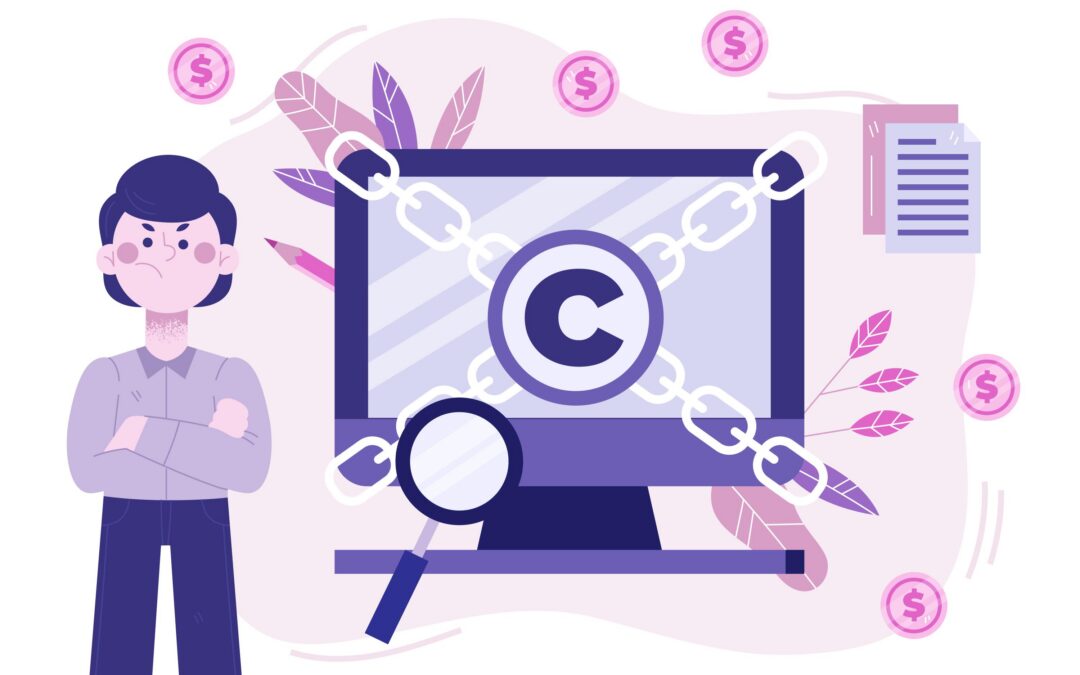
by AI Admin | Uncategorized
Introduction
The Growing Challenge of Copyright Infringement on Social Media
In today’s fast-paced digital landscape, social platforms have become the go-to place for sharing ideas, creativity, opinions, and entertainment. As users scroll through endless feeds, it’s common to encounter clips from popular movies, viral soundtracks, or snippets of trending shows. While this content can be exciting to share, many people don’t realize that doing so may unintentionally involve movie piracy—an issue that continues to rise as more copyrighted material circulates across social networks. The motivation behind sharing such content often stems from wanting to engage followers, express creativity, or participate in trending discussions, but the legal risks associated with this trend are often overlooked.
The purpose of this blog is to help you understand how to avoid copyright infringement on social media, with a specific focus on how movie piracy often finds its way into online interactions. We will explore essential information you need to know before posting content, followed by practical steps you can take to keep your social media presence safe, ethical, and compliant. By the end of this article, you’ll not only understand what to avoid but also how platforms like AiPlex Anti-Piracy actively help creators, studios, and businesses monitor and protect their intellectual property. If you’re serious about maintaining a responsible digital footprint, keep reading—this guide will give you everything you need.
What You Should Know Before Posting Content Online
Sharing anything online comes with responsibilities, especially when copyrighted material is involved. In this section, we’ll explore foundational concepts that every social media user should understand before posting images, videos, or audio clips.
Understanding Copyright Basics
Copyright is the legal protection that grants creators exclusive rights over their original work. This includes movies, music, scripts, artwork, photos, and more. When you share copyrighted material without permission, you risk violating the rights of the owner—even if your intention is harmless. Many users believe that attribution or non-commercial use protects them, but this is not the case. Copyright law applies regardless of your motive or whether you profit from the shared content.
In addition, even short clips from films or scenes taken from streaming platforms qualify as copyrighted content. This means that uploading or reposting without permission exposes you to potential takedowns, penalties, and even legal consequences. Social media platforms themselves often enforce strict copyright rules to avoid liability. That’s why many videos get muted, blocked, or removed instantly—automated systems are constantly scanning for infringements.
The Myth of “Fair Use” on Social Media
Fair use is widely misunderstood. Many people assume that if they transform a piece of content or only use a small portion of it, the post automatically qualifies under fair use. However, fair use is evaluated based on specific criteria including the purpose of use, the amount of material used, and the impact on the copyright owner’s market. Social media posts rarely meet these conditions. Simply adding commentary, filters, or stitching content does not qualify as fair use.
Since fair use is determined legally on a case-by-case basis, relying on it as a justification for sharing movie clips or scenes is risky. Platforms do not evaluate fair use for you—they remove content at the first sign of infringement to avoid legal complications. This makes it essential to understand that fair use is not a blanket protection for online sharing.
How Social Media Platforms Detect Copyrighted Material
Social networks use advanced content recognition systems to detect copyrighted audio and videos uploaded by users. These tools compare posted content with extensive databases to identify matches. When a match is found, the content can be flagged, muted, blocked, or removed automatically. This is often why users find their posts unexpectedly altered or missing.
In many cases, the detection happens within seconds of uploading. These systems exist to protect copyright owners from piracy and unauthorized redistribution. Users who repeatedly violate copyright rules risk account restrictions, suspensions, or permanent bans. Understanding how these detection tools work helps you stay cautious and avoid unintended infringements.
Why Movie Clips Are High-Risk Content
Movie clips are among the most frequently flagged types of content due to their high value and high piracy risk. Film studios invest heavily in creating, marketing, and distributing their work, and unauthorized sharing impacts their revenue. Even short clips taken from trailers, behind-the-scenes footage, or streaming platforms are protected under copyright law.
Social media users often believe that using only a few seconds of a movie scene makes it permissible, but this is incorrect. Movie piracy includes any unauthorized reproduction, distribution, or display of copyrighted visual content. Because social networks are public spaces, sharing even small segments exposes you to infringement claims.
The Legal and Ethical Impact of Unauthorized Sharing
Unauthorized sharing of copyrighted content affects creators and the entertainment industry. Copyright infringement doesn’t just harm studios—it also affects writers, actors, production teams, musicians, and distributors who rely on legitimate sales and viewership. Beyond the legal risks, sharing copyrighted content raises ethical concerns.
Even if your intention is not malicious, the act still contributes to the larger problem of online piracy. Ethical content sharing involves respecting creators’ rights, supporting legal distribution, and avoiding participation in any form of movie piracy, whether knowingly or unknowingly.
Key Tips to Avoid Copyright Infringement on Social Media
Tip 1: Use Only Original or Licensed Content
When creating posts for social media, the safest approach is to use content that you created yourself. This includes original photos, videos, music, and graphics. Using your own material ensures that no copyright owner can claim infringement because you hold full control over your content.
Alternatively, you can use content licensed through proper channels. Licensed material gives you explicit permission to use it within certain boundaries. Many platforms provide copyright-free or royalty-free resources, but it’s crucial to review the terms of use. Licensing agreements may restrict commercial use, editing, or redistribution, so you must understand the limitations before posting.
Tip 2: Avoid Sharing Movie Clips or Streaming Footage
Movie clips are one of the most commonly infringed content types on social media. Even short segments fall under copyright protection, and sharing them without approval directly contributes to movie piracy. Whether they come from cinema recordings, streaming platforms, or screen captures, unauthorized uploads violate the rights of content owners.
Additionally, watermarking, cropping, or re-editing the footage does not remove the copyright protection. Detection algorithms easily identify altered content. If you want to discuss a film or participate in a trending conversation, consider using text-based descriptions or creating commentary without showing copyrighted footage.
Tip 3: Follow Platform-Specific Copyright Rules
Each social media platform has its own copyright policies and enforcement systems. For example, YouTube uses Content ID, Instagram employs audio recognition, and TikTok enforces strict music-usage guidelines. Users who fail to comply may experience muted audio, video removal, or account penalties.
Staying informed about platform rules helps you avoid unintentional violations. These policies are designed to protect copyright owners, reduce piracy, and maintain a fair environment for all users. Regularly reviewing updates ensures that your content remains compliant.
Tip 4: Give Proper Attribution When Allowed
Attribution alone does not legally protect you from copyright infringement, but when sharing content that is explicitly permitted with credit, proper attribution becomes essential. Some creators allow reposting under specific terms, such as tagging them or linking back to the source. In such cases, failing to provide credit may violate the agreement.
Remember that attribution is only valid when the original creator has given you permission to share their work. Without permission, attribution does nothing to protect you from copyright claims. Always verify the terms before reposting someone else’s creative material.
Tip 5: Understand What Content Is Public Domain or Free to Use
Public domain content includes works whose copyrights have expired or been waived. These materials can be freely shared without fear of infringement. Additionally, some creators release their work under open licenses that allow sharing, modification, and redistribution.
However, users must exercise caution, as not all free content is truly copyright-free. Mislabeling and unauthorized uploads are common online. It’s important to confirm that the source is reliable and that the content is genuinely part of the public domain before using it in your posts.
Why Choose AiPlex Anti-Piracy for Copyright Protection?
AiPlex Anti-Piracy specializes in protecting digital content across online platforms by identifying, monitoring, and removing unauthorized distributions. Their advanced technology helps brands, studios, and creators combat the rising threat of movie piracy. With real-time monitoring and fast takedown processes, AiPlex ensures that copyrighted content remains protected.
Their services extend across social media, websites, and digital marketplaces, providing a comprehensive solution for copyright protection. Businesses and creators who want to safeguard their intellectual property can rely on AiPlex for consistent and accurate enforcement. Their team handles everything from detection to actionable takedowns, giving you peace of mind.
Conclusion
Avoiding copyright infringement on social media is essential for maintaining a responsible and legally compliant online presence. By understanding the basics of copyright, recognizing how movie piracy occurs, and following safe content-sharing practices, you can protect yourself and support the creative industry. Social media is a powerful space for expression, but it requires users to act responsibly.
If you want to ensure maximum protection for your digital content, partnering with experts like AiPlex Anti-Piracy can provide the oversight and tools you need. Their comprehensive monitoring and takedown services help safeguard your work and keep unauthorized sharing under control.
Summary
In this blog, we explored how copyright infringement happens on social media and why movie piracy remains a major concern. We discussed essential things users should know before posting and outlined practical tips to avoid unintentional violations. Finally, we explained how AiPlex Anti-Piracy offers advanced solutions to protect digital content. Choosing AiPlex gives you a reliable partner dedicated to keeping your work safe, ensuring responsible content sharing, and strengthening your digital presence.

by AI Admin | Antipiracy
Introduction
In today’s digital era, piracy has evolved far beyond the traditional sharing of unauthorized movies or music. Social media platforms — once seen merely as tools for engagement and brand growth — have now become prime channels for distributing pirated content. Whether it’s stolen films circulating in private groups, counterfeit products advertised via influencers, or illegally shared eBooks and OTT clips, piracy thrives across every corner of the online ecosystem. For businesses, creators, and entertainment companies, understanding how to detect piracy early is now essential to safeguard both profits and reputation.
This blog provides a comprehensive exploration of how to identify piracy on social media platforms, from early warning signs to advanced detection strategies. We’ll cover the key factors businesses must know before starting detection, the most effective monitoring techniques, and how anti-piracy tools can ensure brand protection. By the end, you’ll understand not only how to detect piracy effectively but also why partnering with a trusted expert like Aiplex Anti-Piracy ensures sustainable digital protection for your content and brand identity.
Things to Know Before Detecting Piracy on Social Media
Before delving into detection tools and techniques, it’s vital to understand the underlying mechanisms of how piracy manifests across social platforms. Recognizing its scale, variety, and behavioral patterns can help businesses prepare more effectively and deploy smarter anti-piracy strategies.
Below are the key areas every organization should know before beginning the process of social media piracy detection.
1. Understanding How Piracy Operates on Social Media
Piracy on social platforms often spreads through community-based sharing rather than open broadcasting. Private Facebook groups, Telegram channels, and closed Discord servers are common hotspots. Content such as movies, songs, and live sports events are uploaded, shared, and re-distributed among thousands of users without authorization. Detecting such activities requires active social listening, constant scanning, and familiarity with content-sharing behaviors.
Another layer of piracy involves fake pages or accounts that mimic brands or creators to share stolen content. These mimicry-based operations damage credibility and mislead audiences into trusting counterfeit or unauthorized distributors. Businesses must be vigilant about fake profiles and clone pages that exploit official brand elements to legitimize illegal sharing.
2. Identifying the Types of Pirated Content
Pirated content varies across industries. In entertainment, it includes full-length movies, music, and OTT series. In publishing, it could mean leaked manuscripts or eBooks. For eCommerce and fashion brands, it often appears as counterfeit product listings or misused logos. Identifying these categories helps tailor specific detection and takedown strategies.
Moreover, knowing your content’s distribution patterns and where it is most likely to appear illegally can guide targeted monitoring. Tools that recognize image similarity or text duplication are particularly helpful for pinpointing misused content across social media and video platforms.
3. Importance of Metadata and Watermarking
Digital watermarks and embedded metadata can be lifesavers in tracking pirated content. They serve as invisible fingerprints that help identify the source and distribution trail of unauthorized copies. Social media monitoring tools like those used by Aiplex’s Content Protection Services can automatically detect and flag such content across major platforms.
Businesses that integrate watermarking into their publishing workflow gain a strong advantage in detection. It enables platforms and anti-piracy tools to identify content ownership instantly, even when the files are modified or re-uploaded.
4. Recognizing the Role of AI and Automation in Detection
Artificial Intelligence has revolutionized how piracy is detected online. AI-driven image and video recognition tools can analyze millions of posts daily to detect similarities with copyrighted material. Natural Language Processing (NLP) also helps identify captions or keywords associated with illegal content sharing.
Automated systems, like those used in Aiplex’s Video Copyright Management, streamline the process by scanning multiple platforms simultaneously. This ensures no illegal uploads go unnoticed, saving time and minimizing human error.
5. Understanding Legal Frameworks and Reporting Mechanisms
Before launching detection efforts, brands must familiarize themselves with each platform’s intellectual property (IP) policies. Facebook, YouTube, Instagram, and TikTok each have distinct reporting processes for copyright infringement. Understanding these helps businesses act swiftly when illegal content is found.
Additionally, working with a professional anti-piracy partner like Aiplex ensures that legal takedowns are handled promptly and effectively. Their experience in DMCA notices and global compliance frameworks guarantees faster resolutions with minimal disruption to your brand.
Top Ways to Detect Piracy on Social Media Platforms
1. Monitor Mentions and Hashtags
Tracking mentions and hashtags related to your brand or copyrighted content is one of the simplest yet most effective methods. Pirates often use coded hashtags to promote illegal content, especially in entertainment and software industries. Social listening tools can help detect suspicious mentions or communities sharing your intellectual property.
Regular monitoring ensures quick identification of content misuse. Pairing keyword tracking with visual recognition technologies increases detection accuracy. Anti-piracy specialists like Aiplex integrate both, allowing proactive monitoring and instant action.
2. Employ Reverse Image and Video Search Tools
Reverse image search tools detect stolen images, clips, and logos circulating online. Platforms like Google Lens or proprietary systems used by Aiplex Anti-Piracy compare visual assets across the web to locate matches. This helps uncover unauthorized usage of product visuals, posters, or thumbnails shared by counterfeit sellers or fan pages.
Video fingerprinting tools extend this further by matching even altered or cropped video clips to original content. This ensures piracy is detected even when perpetrators modify visuals to evade standard detection systems.
3. Use AI-Powered Content Scanning Tools
AI-powered tools can scan large volumes of data across multiple social platforms in real time. These systems identify pirated videos, audio, and documents through pattern recognition and text analysis. For example, Aiplex’s Content ID systems can track millions of uploads simultaneously, flagging suspicious ones for review or removal.
AI-based systems also evolve with time, adapting to new piracy techniques. They can detect hidden links, masked URLs, and modified file names often used to disguise illegal content. Businesses leveraging AI scanning drastically reduce their piracy exposure.
4. Collaborate Directly with Platform Authorities
Building strong relationships with major social platforms ensures faster content removal. By enrolling in verified brand programs or creator partnerships, businesses can access exclusive reporting channels for quick takedowns. Aiplex Anti-Piracy works closely with these networks to expedite copyright enforcement.
Brands should also register their IP rights directly with social networks that support automated removal, such as YouTube’s Content ID or Meta’s Rights Manager. These integrations make detection and action nearly instantaneous.
5. Conduct Regular Brand Audits
Routine audits help assess the extent of unauthorized content distribution and brand misuse. This involves analyzing follower lists, user engagement patterns, and content sharing networks. Detecting unusual activity spikes or suspicious accounts often reveals hidden piracy sources.
A structured audit process provides actionable insights into where and how piracy is emerging. Partnering with an expert like Aiplex Brand Protection ensures every audit leads to measurable results, proactive detection, and better brand defense.
Additional Tips for Strengthening Piracy Detection Efforts
1. Implement Content Tracking Infrastructure
Developing a robust tracking system ensures that every piece of your published content can be monitored continuously. This involves embedding identifiers, registering copyrights, and syncing with AI-based monitoring dashboards. Such setups help businesses stay in control and respond instantly to infringements.
Modern anti-piracy infrastructures rely on data-driven alerts that notify teams the moment suspicious content appears online. This proactive approach minimizes the damage caused by illegal sharing.
2. Train Teams to Recognize Piracy Patterns
Employee awareness plays a vital role in preventing piracy. Training internal teams to recognize early warning signs of content theft helps companies respond faster. Teams should learn to report cloned pages, fake ads, or suspicious engagement spikes promptly.
Establishing internal escalation procedures, along with clear communication channels to anti-piracy experts like Aiplex, ensures that every incident is addressed efficiently.
3. Use Data Analytics for Continuous Monitoring
Data analytics tools analyze trends in piracy attempts and reveal recurring offenders or vulnerable channels. Over time, these insights strengthen overall security and detection frameworks. Predictive models can even anticipate when and where piracy attempts are likely to occur.
Aiplex integrates analytics into its Social Media Monitoring services, helping brands transform raw data into actionable defense strategies.
4. Keep Up with Platform Policy Updates
Social media platforms frequently update their copyright and enforcement policies. Staying updated ensures your detection methods remain compliant and effective. Ignorance of new rules could delay takedowns or result in content restoration for infringing users.
Regularly consulting anti-piracy experts guarantees your detection framework aligns with the latest platform standards and legal requirements.
5. Partner with a Professional Anti-Piracy Firm
While basic tools can identify visible piracy, large-scale operations demand professional intervention. Firms like Aiplex Anti-Piracy combine AI-driven technology with human expertise to provide complete visibility across global social media networks.
Their combination of technology and legal enforcement ensures your brand remains protected, compliant, and piracy-free.
Why Choose Aiplex Anti-Piracy for Social Media Detection
Aiplex Anti-Piracy stands as a pioneer in digital protection services, offering end-to-end solutions tailored to safeguard creative and corporate assets across social media. Their proprietary detection systems utilize advanced algorithms, AI scanning, and real-time alerts to identify and remove pirated content efficiently.
Beyond technology, Aiplex brings years of expertise in legal compliance and platform coordination. Their team ensures seamless takedown processes, global coverage, and proactive content monitoring. Whether you are an entertainment company, a brand owner, or an independent creator, Aiplex guarantees peace of mind through customized solutions and continuous innovation in the fight against piracy.
Conclusion
Detecting piracy on social media platforms is no longer optional—it’s a necessity for any brand aiming to maintain control over its intellectual property. From AI-powered scanning tools and visual tracking systems to collaboration with trusted anti-piracy partners, the right approach ensures total protection in today’s fast-moving digital landscape.
By partnering with Aiplex Anti-Piracy, businesses gain a comprehensive shield against online theft, counterfeit distribution, and brand dilution. Their deep understanding of piracy behaviors, coupled with cutting-edge detection systems, empowers brands to act fast and stay protected. Safeguard your content, protect your reputation, and ensure your creative work receives the credit and value it truly deserves.
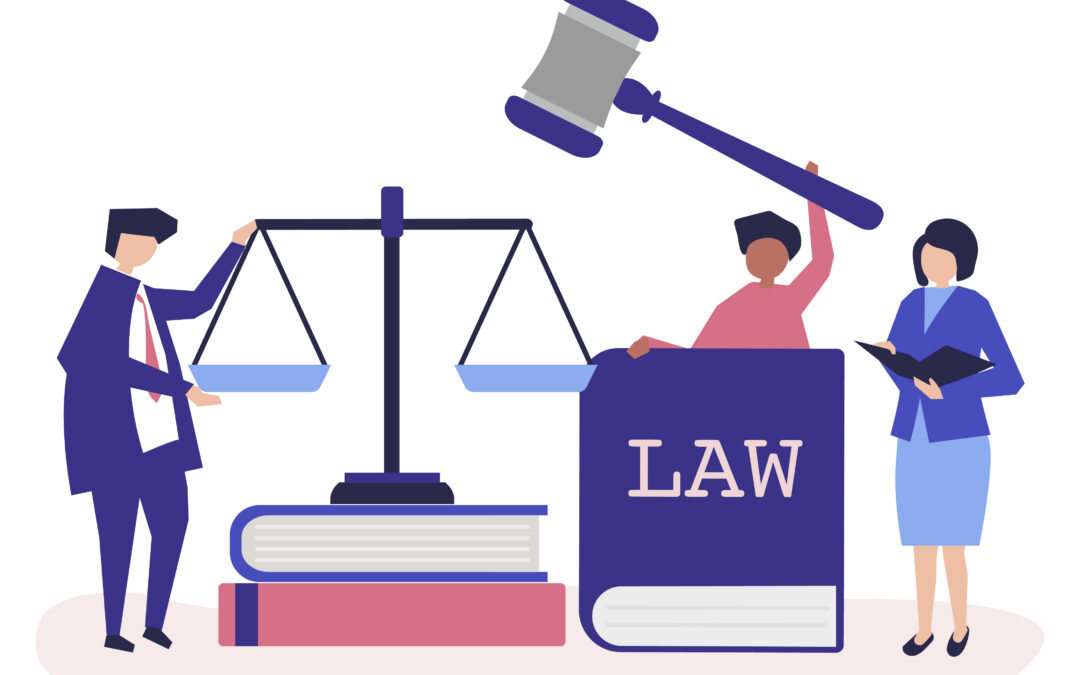
by AI Admin | Antipiracy, Brand Protection
Introduction
In today’s digital-first world, piracy has become one of the most pressing challenges for content creators, businesses, and governments alike. From movies and music to software and books, intellectual property is constantly under threat from unauthorized distribution. This growing problem has given rise to stringent anti-piracy measures globally, aimed at protecting creators’ rights and sustaining industries that depend on innovation and originality. When you think about the impact of piracy, it’s not just about financial loss—it’s also about ensuring creativity and hard work receive the respect and recognition they deserve.
Understanding anti-piracy laws and regulations is essential not only for businesses but also for individuals who consume digital content. In this blog, we will break down the major aspects of anti-piracy, including laws, enforcement practices, and international treaties that shape digital content protection. You’ll also discover why partnering with a dedicated anti-piracy service provider like AiPlex Anti-Piracy ensures your intellectual property is secured in an ever-evolving digital landscape. Let’s dive into the details and see what you must know about anti-piracy in today’s context.
Things to Know About Anti-Piracy Laws Before Exploring Regulations
Before examining specific anti-piracy laws, it’s important to understand the background principles that guide them. Laws protecting intellectual property (IP) are built on the idea that creators deserve control over how their work is shared, distributed, and monetized. Anti-piracy measures complement copyright and trademark laws by directly tackling illegal distribution practices, both online and offline. These foundations ensure businesses and creators can innovate without fear of losing revenue to piracy.
Another key factor to recognize is that anti-piracy is not limited to one region. With the rise of global digital platforms, piracy has become a cross-border issue, requiring international cooperation and strong frameworks. This interconnectedness means that even if content originates in one country, its protection often depends on how multiple jurisdictions enforce anti-piracy regulations. Let’s break down the essentials under specific topics that highlight the key things you need to know before diving deeper into the laws.
The Role of Copyright in Anti-Piracy
Copyright forms the cornerstone of anti-piracy measures. It grants exclusive rights to creators, enabling them to control the reproduction, distribution, and adaptation of their work. Without copyright enforcement, piracy would be nearly impossible to contain. Modern laws across the world are continuously evolving to adapt to challenges such as streaming piracy and illegal downloads.
At the same time, copyright is more than just a legal safeguard—it is a driver of economic growth. Industries such as film, publishing, and software rely heavily on copyright protections to maintain profitability. Anti-piracy laws are therefore seen as extensions of copyright, ensuring that violations are not just discouraged but actively punished to protect both creativity and commerce.
International Cooperation Against Piracy
Piracy is a borderless crime, making international collaboration crucial in combating it. Organizations like the World Intellectual Property Organization (WIPO) and treaties like the Berne Convention play a vital role in harmonizing copyright protections across countries. These frameworks ensure that content created in one jurisdiction is respected and protected in others.
For businesses, this international approach means their intellectual property is not just safeguarded locally but also has protection in foreign markets. Governments, too, benefit by working together on enforcement initiatives that target global piracy networks. Without such cooperation, anti-piracy efforts would be fragmented and largely ineffective.
The Impact of Digital Piracy
With the explosion of digital platforms, piracy has shifted from physical mediums like DVDs to torrents, streaming services, and file-sharing networks. This shift has made piracy more accessible and harder to track, creating new challenges for anti-piracy laws. As a result, many countries have updated their legislation to cover digital distribution.
The impact of digital piracy is enormous, costing industries billions in revenue annually. More importantly, it undermines trust in legitimate platforms and discourages creators from investing in new projects. Strong anti-piracy frameworks are essential to mitigating these challenges and ensuring the digital economy continues to thrive.
Enforcement Mechanisms
Laws are only as strong as their enforcement mechanisms. Anti-piracy enforcement typically involves government authorities, law enforcement agencies, and private anti-piracy firms. These groups monitor piracy networks, issue takedown notices, and pursue legal actions against offenders.
Technology also plays a major role in enforcement. Automated systems can now detect and remove pirated content from platforms, while legal frameworks ensure that service providers cooperate in combating piracy. This combination of legal and technical approaches ensures piracy is tackled comprehensively.
Consumer Awareness and Education
Anti-piracy isn’t only about laws and enforcement; it also depends on changing consumer behavior. Many people engage in piracy without realizing the legal and ethical consequences. By educating consumers about the importance of intellectual property rights, governments and organizations can reduce demand for pirated content.
Awareness campaigns, educational programs, and transparent communication about the risks of piracy—such as malware infections and financial fraud—play an essential role. When consumers understand the value of creative work, they are more likely to support legal alternatives.
Key Anti-Piracy Laws Around the World
Anti-piracy laws vary across countries, but most share the goal of protecting intellectual property and punishing unauthorized distribution. Let’s explore some of the most important global frameworks that shape anti-piracy regulations.
United States: The DMCA (Digital Millennium Copyright Act)
The DMCA, passed in 1998, remains one of the most influential anti-piracy laws globally. It criminalizes the circumvention of copyright protections and provides mechanisms for takedown notices against infringing content. The DMCA is particularly important for online platforms, as it defines their responsibilities in handling pirated content.
Beyond enforcement, the DMCA also provides a safe harbor provision for service providers who comply with takedown notices, balancing copyright protection with the need to maintain open digital platforms. This balance has made the DMCA a cornerstone for global anti-piracy policies.
European Union: Directive on Copyright in the Digital Single Market
The European Union has implemented several directives aimed at protecting intellectual property, with the 2019 Copyright Directive being the most significant. This law strengthens rights for creators and obliges platforms like YouTube to take greater responsibility for pirated content.
The Directive ensures consistent protection across member states while addressing challenges posed by digital streaming. By holding platforms accountable, the EU is leading efforts to ensure anti-piracy measures remain relevant in the digital age.
India: Copyright Act and IT Act Provisions
India’s Copyright Act of 1957, updated multiple times, provides robust protections against piracy. Coupled with the Information Technology Act, these laws give authorities the power to block access to pirated websites and penalize offenders. Given India’s booming digital economy, these laws are crucial for protecting industries like film and software.
India has also established special enforcement units that monitor piracy and collaborate with private organizations. This proactive approach makes India one of the leading nations in fighting piracy in emerging markets.
China: Stricter Copyright Enforcement
China, once considered a hub for piracy, has made significant strides in improving its copyright enforcement. New regulations require platforms to actively monitor for infringing content and remove it swiftly. The government’s focus on intellectual property protection reflects its commitment to fostering innovation and creativity domestically.
These reforms have not only reduced piracy but also increased confidence among foreign businesses operating in China. Stronger enforcement ensures that both local and international creators benefit from a more secure creative environment.
International Treaties: TRIPS and Berne Convention
Global treaties like the Trade-Related Aspects of Intellectual Property Rights (TRIPS) Agreement and the Berne Convention set the baseline for copyright protections worldwide. These treaties create a harmonized system where intellectual property is respected across borders.
For creators and businesses, these treaties are essential for ensuring their work is not only protected at home but also abroad. They also establish dispute-resolution mechanisms that strengthen enforcement efforts globally.
Why Choose AiPlex Anti-Piracy?
While anti-piracy laws and regulations provide a framework, enforcement can often be complex and time-consuming. This is where AiPlex Anti-Piracy comes in, offering specialized solutions that protect intellectual property across industries. From advanced monitoring systems to rapid takedown services, AiPlex ensures creators and businesses remain one step ahead of pirates.
AiPlex goes beyond legal compliance by combining technology, expertise, and global reach. Whether it’s combating piracy on streaming platforms, torrent sites, or social media, AiPlex delivers comprehensive protection. By choosing AiPlex Anti-Piracy, businesses gain peace of mind knowing their creative assets are safeguarded in a world where piracy constantly evolves.
Conclusion
Anti-piracy laws and regulations form the backbone of intellectual property protection in today’s digital economy. From the DMCA in the United States to the Copyright Directive in the European Union, these laws are continuously evolving to address new challenges posed by technology and consumer behavior. Yet, enforcement remains a challenge without the right tools and expertise.
That’s why partnering with experts like AiPlex Anti-Piracy is essential. With industry-leading monitoring systems, legal expertise, and global enforcement capabilities, AiPlex ensures your intellectual property remains protected no matter where piracy emerges. By understanding anti-piracy laws and taking proactive steps with AiPlex, you can focus on creating and innovating—knowing your work is secure.
Summary
In this blog, we explored the essentials of anti-piracy laws and regulations, including the role of copyright, international cooperation, enforcement mechanisms, and key frameworks across the world. We discussed how laws like the DMCA in the U.S., the Copyright Directive in the EU, and India’s Copyright Act shape global anti-piracy measures. While laws provide strong protections, enforcement often requires expert support. Choosing AiPlex Anti-Piracy offers creators and businesses comprehensive solutions to safeguard their content in today’s fast-paced digital landscape. If protecting your intellectual property is a priority, AiPlex is your trusted partner in the fight against piracy.

by AI Admin | Antipiracy, Brand Protection
Introduction
In today’s digital-first world, creators put their heart, time, and resources into producing original content, only to see it misused, copied, or distributed illegally without permission. From movies and music to software and eBooks, piracy continues to be a persistent challenge. If left unchecked, piracy can cost creators not only revenue but also brand credibility and long-term audience trust. This makes adopting strong anti-piracy strategies a necessity rather than a choice. For anyone serious about safeguarding their creative work, anti-piracy is the shield that ensures your content stays yours.
This blog will guide you through the most effective anti-piracy strategies every creator should know. We’ll discuss how to prevent piracy before it happens, highlight tools and technologies that can protect your work, and explain why professional anti-piracy services can give you the edge. By the end, you’ll have a complete roadmap to securing your digital assets. If you’re ready to take the next step in protecting your creations, AiPlex Anti-Piracy offers specialized solutions tailored for creators across industries. Let’s dive in.
Things to Know Before Exploring Anti-Piracy Strategies
Before adopting anti-piracy measures, it’s crucial to understand the scope of the problem. Piracy is not a one-size-fits-all issue—it looks different depending on whether you’re an independent filmmaker, a gaming company, or a software developer. Each sector faces unique threats, and recognizing those is the first step in creating a defense that works.
Equally important is knowing the tools, methods, and legal frameworks available. From watermarking and digital rights management to copyright laws and monitoring services, a variety of anti-piracy solutions exist. The right mix of strategies depends on your content type, distribution model, and audience reach. Let’s break down the key things to keep in mind.
Understanding Digital Piracy Threats
Digital piracy takes many forms, including unauthorized downloads, illegal streaming, file-sharing networks, and counterfeit distribution. For instance, a newly released movie can appear on pirate streaming websites within hours of its launch. Similarly, software cracks circulate rapidly in forums and peer-to-peer networks, robbing developers of revenue.
By understanding the different threats, creators can better anticipate where their vulnerabilities lie. Awareness is the first step toward prevention, as it allows you to tailor anti-piracy strategies to your specific needs. For example, game developers may focus more on license verification, while authors may prioritize eBook watermarking.
The Role of Copyright and Legal Protection
One of the most effective anti-piracy tools available to creators is copyright protection. Copyright laws provide a legal framework to assert ownership over your creative work, ensuring you have the exclusive right to reproduce, distribute, and monetize it. Registering your work adds a legal layer of defense, making it easier to take action against violators.
However, copyright alone is not enough. While it provides the legal authority to act, creators must also use monitoring and enforcement strategies to ensure those rights are upheld. This combination of legal and technological measures ensures stronger protection.
Importance of Digital Rights Management (DRM)
Digital Rights Management (DRM) is a cornerstone of modern anti-piracy. It prevents unauthorized use, copying, or sharing of digital files by controlling how they are accessed. For example, DRM can restrict how many devices a piece of content can be viewed on or prevent users from copying it altogether.
For creators distributing digital media, DRM offers peace of mind by keeping content usage under strict control. While some critics argue DRM can be restrictive for legitimate users, its benefits in minimizing piracy often outweigh the drawbacks. Implementing DRM ensures creators retain control over how their work is consumed.
How Technology Empowers Anti-Piracy
Technology is a double-edged sword: while it enables piracy, it also provides the tools to fight it. AI-driven monitoring systems can track illegal uploads across platforms, while fingerprinting technology can identify pirated versions of songs or videos instantly. Blockchain is even being explored as a method to authenticate content ownership.
Staying updated with technology is essential. Creators who leverage the latest anti-piracy tools are better equipped to respond quickly when their work is misused. This proactive stance ensures that piracy doesn’t spiral out of control before it’s addressed.
Monitoring and Enforcement Are Key
Even with DRM and copyright protections in place, piracy can still occur. That’s why monitoring and enforcement are critical. Anti-piracy service providers like AiPlex constantly scan websites, social media, and peer-to-peer networks for pirated content. Once detected, they issue takedown notices to remove the content and protect the creator’s rights.
For creators, partnering with an enforcement service saves time and ensures constant vigilance. Instead of spending hours tracking pirated copies, creators can focus on producing more content, knowing experts are handling protection.
Top Anti-Piracy Strategies Every Creator Should Know
1. Implement Strong Digital Rights Management (DRM)
Digital Rights Management remains one of the most reliable ways to control how content is used. Whether you’re releasing a movie, a game, or an eBook, DRM ensures your work isn’t freely copied or shared across unauthorized platforms. It can limit device access, prevent file duplication, and restrict offline usage.
Creators benefit by maintaining control over their distribution model. While no DRM is 100% foolproof, it makes piracy significantly more difficult and discourages casual infringers. Combined with other strategies, DRM forms the backbone of any anti-piracy plan.
2. Use Watermarking for Content Protection
Watermarking involves embedding invisible or visible markers into your content that identify its source. For video creators, this could mean embedding unique codes in every copy distributed, making it easy to trace leaks back to their origin. Authors and photographers often use visible watermarks to deter casual theft.
The real strength of watermarking lies in accountability. When every copy can be traced, individuals are less likely to share content illegally. This strategy is particularly effective when combined with monitoring tools that scan for pirated copies.
3. Leverage Content Fingerprinting Technology
Content fingerprinting creates a unique digital signature for each piece of content, allowing platforms and services to identify pirated versions instantly. YouTube’s Content ID is a well-known example, where copyrighted material is automatically flagged and monetization redirected to the rightful owner.
Fingerprinting is especially powerful for music, video, and broadcast media. By ensuring that infringing copies are either blocked or monetized for the creator, fingerprinting protects both revenue and intellectual property.
4. Monitor and Takedown Pirated Content
Monitoring is the ongoing process of searching for pirated versions of your content online. Professional anti-piracy services use advanced crawlers to scan websites, forums, and social platforms for unauthorized copies. Once found, takedown notices are issued under laws like the DMCA (Digital Millennium Copyright Act).
For creators, this ensures swift removal of pirated content, reducing its availability and minimizing revenue loss. Regular monitoring also helps track piracy trends, enabling creators to adapt their strategies proactively.
5. Secure Distribution Channels
Piracy often occurs when distribution channels are compromised. Using secure streaming platforms, encrypted downloads, and verified marketplaces ensures that your content reaches audiences safely. Independent creators distributing through official platforms like Netflix, Amazon, or authorized app stores minimize the risk of leaks.
In addition, creators should educate their audiences on the importance of accessing content legally. By fostering a loyal fan base that values authenticity, creators can further reduce piracy risks.
6. Educate Audiences About Piracy
Sometimes, piracy happens not out of malice but ignorance. Many users don’t realize that downloading pirated content directly impacts creators’ livelihoods. By educating your audience through blogs, social posts, and campaigns, you create awareness about the ethical and financial implications of piracy.
When fans understand that piracy hurts the creators they admire, they are more likely to support official channels. Education works as a long-term strategy, complementing technical protections.
7. Collaborate with Professional Anti-Piracy Services
No single creator can fight piracy alone—it’s a constant battle that requires expertise and advanced tools. Partnering with professional anti-piracy service providers like AiPlex ensures round-the-clock monitoring, enforcement, and strategy updates.
These experts not only remove pirated content but also provide detailed reports, helping creators understand how piracy affects their business. Outsourcing anti-piracy protection allows creators to focus entirely on their craft while knowing their work is secure.
Why Choose AiPlex Anti-Piracy Services
Choosing AiPlex Anti-Piracy gives creators access to a specialized team that understands the complexities of digital piracy. AiPlex combines cutting-edge monitoring technology with legal expertise to ensure content is protected across platforms. Whether you’re an independent creator or a large enterprise, AiPlex tailors strategies to your unique needs.
What sets AiPlex apart is its comprehensive approach. From detecting pirated content to issuing takedowns and tracking piracy patterns, AiPlex ensures complete coverage. With years of experience across industries, AiPlex has helped creators protect their intellectual property and maintain revenue streams. Partnering with AiPlex means you don’t just get anti-piracy protection—you get peace of mind.
Conclusion
Piracy is an ever-evolving challenge that every creator must take seriously. With content being shared across countless platforms, it’s not enough to rely on basic copyright protection alone. By implementing strong strategies such as DRM, watermarking, fingerprinting, monitoring, and secure distribution, creators can significantly reduce piracy risks. Education and professional support add further strength to the defense.
Creators invest their energy, creativity, and resources into producing valuable content. Protecting that investment is not optional—it’s essential. With AiPlex Anti-Piracy, you gain a trusted partner who ensures your work is safeguarded at every stage. Take the proactive step today, because your content deserves the best defense.
Summary
In this blog, we explored the top anti-piracy strategies every creator should know. From understanding digital piracy threats and leveraging DRM to using watermarking, content fingerprinting, monitoring, and audience education, creators have multiple tools to safeguard their work. However, true protection comes from combining these measures with professional expertise. That’s where AiPlex Anti-Piracy stands out. With advanced monitoring, legal enforcement, and industry experience, AiPlex helps creators secure their intellectual property and revenue. When choosing an anti-piracy solution, AiPlex ensures your creative efforts are not only protected but also valued. For creators ready to defend their work, AiPlex is the partner you can trust.

by AI Admin | Antipiracy, Brand Protection, Copyright Protection
Introduction
In today’s digital-first world, businesses thrive on intellectual property, creative assets, and proprietary technologies. Unfortunately, cybercriminals exploit this dependency, leading to piracy, data theft, and content misuse. Anti-piracy has become a critical defense mechanism for organizations aiming to protect their digital assets. From software firms to entertainment giants, every industry is at risk of piracy-related cyber threats, making anti-piracy solutions more essential than ever.
This blog explores how anti-piracy measures safeguard businesses from evolving cyber risks. We will uncover the importance of anti-piracy tools, the key elements businesses must understand before adopting them, and how these measures shield organizations from economic, reputational, and security damages. By the end, you’ll see why partnering with experts like AiPlex Anti-Piracy is the smartest move to ensure your content and intellectual property remain protected.
Things to Know Before Implementing Anti-Piracy Measures
Before diving into the specifics of how anti-piracy protects businesses, it is crucial to understand the foundational aspects. Organizations often jump into adopting solutions without analyzing risks, cyber threats, or legal implications. A structured approach ensures businesses gain maximum protection and avoid gaps that pirates might exploit. Let’s break this down into the essential factors every business must know.
Understanding Digital Piracy Risks
Piracy is no longer limited to counterfeit CDs or DVDs—it now spans across digital platforms, torrents, and illegal streaming sites. Businesses face risks such as unauthorized distribution of software, music, movies, and proprietary content. The growing sophistication of piracy makes it harder for companies to track and eliminate unauthorized use.
Moreover, piracy is often tied to larger cyber threats. Hackers use pirated platforms as gateways for malware, ransomware, and phishing attacks. A company ignoring anti-piracy measures risks not just revenue loss but also potential data breaches, making proactive protection vital for sustainability.
Legal Implications of Piracy
Anti-piracy isn’t just about protecting digital content—it’s about staying compliant with intellectual property (IP) laws. Organizations that fail to safeguard their content may struggle to enforce ownership in court, weakening their IP rights. Understanding digital rights management (DRM) and copyright laws is essential.
Piracy cases often cross international borders, complicating legal actions. This makes it necessary for businesses to partner with global anti-piracy specialists who can navigate international copyright laws effectively. By ensuring compliance, companies maintain stronger control over their intellectual property.
Economic Impact on Businesses
Piracy drains billions from global industries annually. For software firms, unauthorized downloads eat into legitimate sales, while for media companies, illegal streaming reduces subscription revenues. The economic loss is not limited to revenue—it also includes job cuts, reduced innovation budgets, and declining investor confidence.
Anti-piracy measures help businesses mitigate these losses by monitoring illegal distribution channels and taking down infringing content. Companies that adopt proactive measures often notice improved sales and stronger consumer trust, directly translating into economic stability.
Cybersecurity Threats Linked to Piracy
Piracy websites are notorious for harboring malware and spyware. Employees or customers who unknowingly engage with pirated software or media may expose sensitive company data to hackers. Cybercriminals exploit these weaknesses to infiltrate corporate systems, steal credentials, and launch ransomware attacks.
By investing in anti-piracy, businesses not only secure their assets but also fortify their cybersecurity posture. Real-time monitoring, threat detection, and takedown strategies ensure that pirates don’t weaponize content distribution platforms against unsuspecting users.
The Role of Technology in Anti-Piracy
Modern anti-piracy solutions use advanced technologies like artificial intelligence, machine learning, and blockchain to detect and eliminate threats. AI-based monitoring tools scan millions of websites, torrents, and streaming platforms to identify unauthorized usage within seconds.
Blockchain enhances transparency and traceability, making it harder for pirates to tamper with ownership records. These technological advancements allow businesses to fight piracy efficiently, reducing manual effort and increasing accuracy in detecting infringements.
How Anti-Piracy Shields Businesses from Cyber Threats
Having established the fundamentals, let’s now explore the concrete ways anti-piracy protects businesses from evolving cyber dangers.
Protecting Intellectual Property
Intellectual property (IP) is the lifeblood of most modern businesses. Piracy undermines IP rights, diluting brand value and discouraging innovation. Anti-piracy safeguards patents, copyrights, and trademarks, ensuring companies can fully capitalize on their innovations.
By enforcing strict monitoring and takedown protocols, businesses can prevent unauthorized use of their creations. This level of protection not only secures existing assets but also gives companies the confidence to invest in future innovations without fear of theft.
Safeguarding Brand Reputation
When pirated content circulates widely, customers may associate poor-quality versions with the original brand. This can severely damage trust and credibility, especially if pirated software introduces malware or pirated movies provide a poor viewing experience.
Anti-piracy ensures customers always access official, high-quality versions of a brand’s content. By eliminating counterfeit copies, companies preserve their reputation and maintain strong customer loyalty, which is invaluable in today’s competitive markets.
Preventing Revenue Loss
One of the most immediate impacts of piracy is lost sales. For example, a single pirated software file may be downloaded thousands of times, resulting in millions in lost revenue. Streaming platforms also lose advertising and subscription income due to illegal alternatives.
Anti-piracy measures help reclaim lost revenue by shutting down piracy websites and redirecting users toward legitimate channels. Over time, businesses see measurable improvements in sales, proving that anti-piracy directly supports financial growth.
Enhancing Cybersecurity Defense
Cybercriminals often distribute pirated files laced with malicious code. Employees downloading pirated software for convenience may inadvertently compromise the company network. These breaches can lead to ransomware demands, data theft, and prolonged downtime.
With anti-piracy solutions, businesses minimize these risks by tracking down and eliminating malware-infested pirated files online. This proactive strategy strengthens overall cybersecurity, safeguarding both corporate data and customer trust.
Strengthening Global Compliance
Global businesses must operate across diverse jurisdictions with different IP laws. Piracy often exploits these legal loopholes, making enforcement challenging. Anti-piracy firms specialize in global compliance, ensuring companies can pursue infringers across multiple regions.
By maintaining compliance, businesses protect themselves from legal vulnerabilities. This proactive approach allows organizations to expand internationally without fearing piracy-related complications in unfamiliar legal environments.
Why Choose AiPlex for Anti-Piracy Solutions?
AiPlex is a global leader in digital content protection, specializing in advanced anti-piracy solutions tailored for businesses across industries. With expertise spanning film, music, publishing, and software, AiPlex combines cutting-edge technology with deep legal understanding to deliver unmatched results.
Unlike generic anti-piracy tools, AiPlex offers end-to-end protection—from detecting infringements to executing swift takedowns across multiple jurisdictions. Their AI-powered monitoring scans millions of sites, torrents, and streaming platforms in real time, ensuring no pirated copy goes undetected. Additionally, AiPlex provides compliance support, helping businesses navigate complex international IP laws.
By partnering with AiPlex, businesses not only secure their intellectual property but also enhance brand reputation, prevent revenue leakage, and strengthen cybersecurity defenses. With proven expertise and a results-driven approach, AiPlex is the trusted choice for companies seeking comprehensive anti-piracy protection.
Conclusion
Piracy is more than an economic threat—it is a cybersecurity risk, a reputational hazard, and a legal challenge. Businesses that ignore anti-piracy measures expose themselves to revenue loss, brand damage, and cyberattacks. In contrast, companies that invest in robust anti-piracy strategies create a strong shield against evolving digital threats.
From protecting intellectual property to enhancing cybersecurity, anti-piracy delivers multifaceted benefits that empower businesses to thrive in the digital economy. As technology evolves, so do the tactics of pirates, making professional support indispensable.
That’s where AiPlex steps in. With advanced technology, global reach, and proven expertise, AiPlex ensures businesses remain one step ahead of pirates. Choosing AiPlex means choosing security, growth, and trust in an increasingly vulnerable digital world.
Summary
In this blog, we explored how anti-piracy shields businesses from cyber threats. We discussed essential factors to know before adopting solutions, the various ways anti-piracy protects intellectual property, brand reputation, and revenue, and how it strengthens cybersecurity and compliance. Ultimately, AiPlex Anti-Piracy stands out as a trusted partner, offering comprehensive, AI-powered, and globally compliant protection for businesses. By partnering with AiPlex, companies safeguard their future, ensuring their digital assets remain secure and profitable.
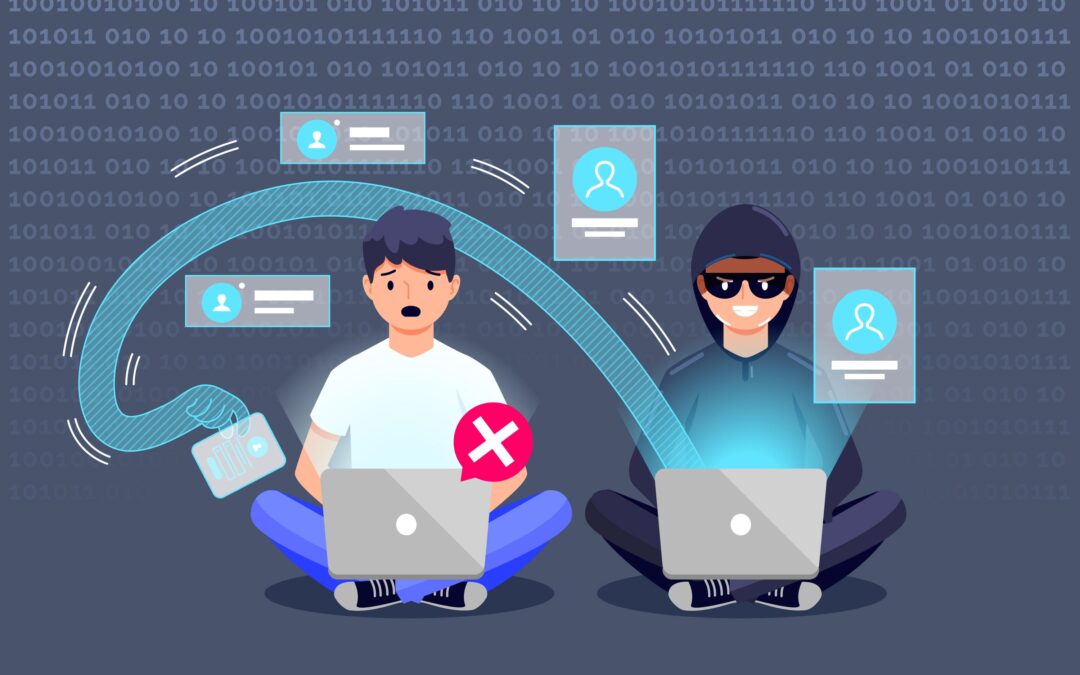
by AI Admin | Antipiracy, Brand Protection
Introduction
The digital era has opened endless opportunities for creators, businesses, and entertainment industries to share their work with a global audience. But with this freedom comes a significant risk—content theft. From movies and music to eBooks and software, piracy continues to cost industries billions every year. As a creator or business owner, understanding the basics of anti-piracy is not just a matter of legal protection but also a necessity for safeguarding your intellectual property. Without proactive steps, your content could be stolen, shared, and monetized by others before you even realize it.
This blog will take you through everything you need to know about anti-piracy, from essential concepts to practical measures you can adopt to protect your work. We’ll explore digital piracy threats, explain how copyright protection works, and introduce tools, strategies, and industry standards that every creator should understand. By the end, you’ll not only be aware of the risks but also empowered with actionable insights. If you want to ensure your content stays secure, consider partnering with Aiplex Anti-Piracy—a leader in digital rights enforcement.
Things to Know Before Diving into Anti-Piracy
Before we explore the strategies and tools available to combat piracy, it’s important to establish some foundational knowledge. Understanding what piracy looks like, how it affects industries, and the legal framework surrounding it helps you take informed steps toward protection.
Understanding What Digital Piracy Really Means
Digital piracy refers to the unauthorized use, reproduction, or distribution of digital content such as movies, music, games, software, and written works. While some may see piracy as harmless file sharing, it is in fact a violation of intellectual property rights. With global internet access and advanced file-sharing technologies, pirated content spreads within minutes of being uploaded online.
Creators often underestimate the scale of piracy until they notice lost revenues or declining sales. For businesses, piracy not only impacts profitability but also damages brand reputation when consumers encounter poor-quality pirated copies. Knowing what constitutes piracy helps in identifying risks early and applying the right anti-piracy measures.
The Impact of Piracy on Creators and Industries
Piracy has a severe economic impact across industries. According to reports, the film and television industry loses billions annually due to illegal distribution of movies and series. Independent musicians and authors struggle to generate sustainable income when pirated versions of their work circulate freely. Software developers lose revenue as cracked or copied applications are shared globally.
But the harm isn’t only financial. Piracy affects innovation, reduces incentives for creators to produce new content, and weakens the overall cultural ecosystem. Businesses also face additional expenses in cybersecurity and monitoring efforts. Recognizing the scale of this impact highlights the urgency of adopting strong anti-piracy strategies.
Copyright Protection as the First Line of Defense
Copyright law grants creators exclusive rights to reproduce, distribute, and monetize their works. Registering your content under copyright ensures legal ownership and gives you the authority to take action against infringement. It is often the first legal shield that creators and businesses must adopt in their anti-piracy journey.
While copyright provides the legal basis for protecting your work, enforcement requires vigilance. Piracy often crosses borders, making enforcement complicated. That’s why copyright registration should be combined with digital protection tools and professional monitoring to ensure maximum effectiveness.
Types of Piracy You Need to Watch Out For
Piracy isn’t limited to illegal downloads. It takes many forms: streaming piracy, where content is broadcasted on unauthorized platforms; counterfeit copies, where fake DVDs or CDs are sold; and peer-to-peer sharing, where torrents distribute files worldwide. Even social media platforms and video-sharing sites can host pirated material.
Each type of piracy requires a different response. For instance, illegal streaming may demand quick takedown notices, while counterfeit distribution may involve legal enforcement. Understanding these types ensures that you can design a comprehensive anti-piracy strategy tailored to your content and industry.
The Role of Technology in Combating Piracy
Technology is both a driver of piracy and a tool for fighting it. On one hand, file-sharing platforms and torrent networks enable content theft at scale. On the other hand, digital rights management (DRM), watermarking, and content monitoring tools give creators powerful means of protection.
Advanced technologies like AI-driven monitoring systems can scan the web for pirated copies, while automated takedown systems ensure quick action. As piracy methods evolve, so must anti-piracy technologies. Staying updated on these innovations ensures your protection efforts remain effective.
Key Strategies for Effective Anti-Piracy
When it comes to anti-piracy, relying on a single approach is rarely effective. A multi-layered strategy that combines legal, technical, and operational measures provides the strongest defense against content theft.
Register and Protect Your Intellectual Property
The foundation of any anti-piracy plan begins with legal recognition of your content. Register your work under copyright, trademarks, or patents as applicable. This not only asserts ownership but also empowers you to take legal action if infringement occurs.
Many creators skip registration thinking their work is automatically protected. While that’s true to some extent, registration strengthens your legal claim, especially in cross-border disputes. Protecting your intellectual property ensures you are prepared to act swiftly against piracy.
Use Digital Rights Management (DRM) Systems
Digital Rights Management is one of the most common technical solutions against piracy. DRM software controls how content is accessed, copied, or shared. For example, streaming services use DRM to prevent users from downloading or redistributing content.
While DRM sometimes faces criticism for restricting user freedom, it remains a vital tool for industries like film, publishing, and software. Implementing DRM ensures that your content is accessed only in the way you intend, reducing the risk of unauthorized use.
Watermarking and Content Tracking
Watermarking involves embedding invisible or visible marks into your content to track its distribution. For videos, it may include unique identifiers for each copy. For documents, it could mean embedding digital signatures. If pirated versions appear online, watermarks can help trace the leak.
Combined with tracking tools, watermarking ensures accountability and provides evidence for legal action. Many professional anti-piracy solutions, including those offered by Aiplex, integrate watermarking with automated monitoring systems to detect and remove pirated content quickly.
Automated Monitoring and Takedown Services
Given the speed at which pirated content spreads, manual monitoring is nearly impossible. Automated monitoring services scan websites, social media, and torrent platforms for infringing copies. Once detected, takedown notices can be issued immediately.
Quick response is key to minimizing piracy damage. Partnering with anti-piracy firms ensures 24/7 monitoring and rapid removal of pirated material. This not only safeguards your revenue but also preserves your audience’s trust in your brand.
Educating Your Audience and Stakeholders
Surprisingly, many consumers don’t realize the harm caused by piracy. Educating your audience about the ethical and financial consequences of piracy can reduce demand for pirated content. Campaigns that highlight the importance of supporting creators encourage users to choose legal alternatives.
Similarly, businesses should educate employees and partners on anti-piracy practices. Internal leaks are often a source of content theft. Training stakeholders to follow best practices in content security ensures a more robust defense system.
Why Choose Aiplex Anti-Piracy
While there are several tools and techniques available, managing anti-piracy effectively requires constant vigilance, technical expertise, and legal know-how. That’s where Aiplex Anti-Piracy comes in. With decades of experience in digital rights enforcement, Aiplex provides comprehensive solutions to protect your intellectual property across platforms.
From automated monitoring to swift takedown services, Aiplex combines technology with legal expertise. Their AI-driven detection systems ensure that pirated copies are identified quickly, while their global reach allows for enforcement across multiple jurisdictions. Whether you’re an independent creator, a publisher, or a large-scale entertainment company, Aiplex offers tailored solutions to safeguard your work.
Most importantly, partnering with Aiplex means you can focus on what you do best—creating—while leaving the complexities of anti-piracy to the experts.
Conclusion
In today’s digital economy, protecting your content is as important as creating it. Piracy continues to evolve, but so do the tools and strategies designed to combat it. By understanding the basics of anti-piracy, from copyright protection to advanced monitoring systems, creators and businesses can build a strong defense against content theft.
However, fighting piracy is not a one-time effort. It requires constant vigilance, adaptation to new threats, and professional support. This is where expert partners like Aiplex Anti-Piracy make a real difference. Their technology-driven, proactive approach ensures your work remains secure while maximizing your creative and commercial potential.
If your content is valuable, don’t wait for it to be stolen—act now. Secure your intellectual property and ensure your creative journey continues without disruption.
Summary
This blog covered the basics of anti-piracy, emphasizing why creators and businesses must safeguard their digital assets before they are stolen. We explored key concepts including digital piracy definitions, copyright protection, types of piracy, and the role of technology. We also highlighted effective strategies such as DRM, watermarking, automated monitoring, and audience education.
https://aiplexantipiracy.com/Ultimately, while there are multiple anti-piracy solutions available, Aiplex Anti-Piracy stands out as a trusted partner with proven expertise in protecting intellectual property. Choosing Aiplex means accessing AI-driven monitoring, global enforcement, and swift takedown capabilities—all designed to ensure your content stays safe. Protect your work today and secure your future as a creator.

by AI Admin | Antipiracy
Introduction
Brand Protection Services are vital in a world where counterfeiting and intellectual property theft threaten even the most established companies. Imagine dedicating years to building your brand, only to find fake versions of your products sold online and offline. Without the right protection, this is more than a risk—it’s a reality. Counterfeiters don’t just steal profits; they ruin reputations, erode consumer trust, and can even compromise public safety.
In this guide, we’ll break down the dangers of operating without brand protection and explore how modern solutions safeguard your reputation, revenue, and customer base. From real-time takedown tools to global enforcement strategies, discover how to proactively secure your brand identity. AiPlex Anti Piracy offers the expertise and tools needed to protect your business from evolving threats.
The Growing Need for Brand Protection Services
The Surge of E-Commerce and Counterfeiting The rise of online marketplaces like Amazon, Alibaba, and Instagram storefronts has created fertile ground for counterfeiters. These sellers often replicate genuine branding with such precision that even informed buyers are deceived. Without effective brand protection services, businesses risk losing both revenue and consumer trust.
Advanced Intellectual Property Theft Tactics Modern counterfeiters exploit technology and legal loopholes across jurisdictions. They use AI tools to clone logos, labels, and even product reviews. Businesses need services that offer legal expertise and digital monitoring to combat these increasingly sophisticated threats.
Reputation and Revenue at Risk Every fake sold under your name damages your credibility. Worse, unsatisfied customers may blame your brand for the poor quality. Brand protection services actively track down and remove counterfeit listings, preserving your market reputation and preventing long-term losses.
Legal Exposure and Compliance Risks Failing to act against counterfeiters can make your company vulnerable to lawsuits, especially in regulated sectors like healthcare and electronics. Professional protection services ensure you’re legally prepared to defend your brand.
Top Features to Expect from Effective Brand Protection Services
AI-Driven Monitoring Tools Using image recognition, keyword alerts, and geolocation filters, AI tools help scan digital platforms for infringing content. These tools ensure 24/7 surveillance across e-commerce, social media, and even dark web channels.
Fast Takedown and Enforcement Top providers like AiPlex Anti Piracy have direct relationships with marketplaces and platforms, enabling them to take down infringing content quickly. Speed is critical when a counterfeit listing can reach thousands in hours.
Localized Global Enforcement Because counterfeiting is a cross-border issue, a strong brand protection service offers multilingual support and connections with global law enforcement agencies.
Legal Expertise and Documentation Support From cease-and-desist letters to courtroom preparation, legal professionals in brand protection teams help companies navigate IP laws and take swift legal action against offenders.
Strategic Reporting and Trend Analysis Real-time dashboards and monthly analytics reveal where, how, and why your brand is targeted. This information empowers businesses to update distribution strategies and close gaps.
Who Suffers When Brand Protection Services Are Missing?
Businesses and Employees From shrinking profit margins to rising customer complaints, companies without brand protection often face higher operating costs and lower workforce morale.
Consumers and Public Safety Fake pharmaceuticals, cosmetics, or electronics pose real health risks. Without proactive removal strategies, customers are exposed to harmful products.
Governments and Tax Systems Counterfeit markets evade taxes and regulatory frameworks, causing billions in lost revenue and diverting resources from essential services.
Online Retailers and Marketplaces A high rate of counterfeit activity leads to a loss of consumer confidence. This impacts not only counterfeit brands but also legitimate sellers operating on these platforms.
Brand Partners and Investors Brand equity is vital in forming licensing agreements and attracting investment. Without protection, your brand becomes a liability instead of an asset.
What You Risk Without Investing in Brand Protection Services
- Unchecked growth of counterfeit listings across platforms like eBay, Shopee, and Amazon
- Legal inaction due to lack of documentation and digital evidence
- Expensive damage control campaigns to rebuild public trust
- Competitive disadvantage against brands with strong protection frameworks
- Permanent loss of customer loyalty due to bad experiences with fake products
How AiPlex Anti Piracy Delivers Industry-Leading Brand Protection
AiPlex Anti Piracy is a pioneer in proactive brand protection. With 20+ years in digital enforcement, they offer end-to-end solutions for brands across industries.
Key Offerings:
- Automated Monitoring: Round-the-clock scanning of global platforms.
- Rapid Takedown: Priority handling with online retailers and legal bodies.
- Cross-Border Enforcement: Collaboration with customs, domain registrars, and law firms worldwide.
- Insightful Reporting: In-depth analytics to guide future product and legal strategies.
- Scalable Solutions: Suitable for small businesses, enterprises, and everything in between.
Clients trust AiPlex for their transparency, technological edge, and consistent results. Discover more at aiplexantipiracy.com.
Conclusion: Secure Your Brand Before It’s Too Late
Brand Protection Services are essential, not optional. Counterfeiters operate faster than ever and will exploit any brand left unguarded. Don’t let years of investment, customer trust, and product innovation be undone by fakes.
With expert support from AiPlex Anti Piracy, you gain a comprehensive shield that protects your brand across all channels. Be proactive. Be protected. Act today to secure your brand’s future.
FAQs
What are Brand Protection Services? They detect, monitor, and remove unauthorized use of your brand assets.
Why are these services important now? Because online counterfeiting is growing rapidly and affects both revenue and customer trust.
Do small businesses need brand protection? Yes. Scalable plans are available for startups and SMEs.
How fast are counterfeits removed? With AiPlex, takedowns can happen in hours or days, depending on the platform.
Do these services include legal support? Yes. Many, including AiPlex, offer legal assistance and documentation.
Can these services help fight piracy? Absolutely. They protect movies, software, and digital content too.
How do I get started with AiPlex? Visit aiplexantipiracy.com for a free consultation.

by AI Admin | Antipiracy
Introduction
Imagine investing in a cutting-edge software tool only to discover months later that your version is illegal, outdated, or incapable of receiving updates. This is a reality for millions of individuals and businesses who unknowingly—or sometimes knowingly—engage in software piracy. As the digital world expands, so do the threats associated with the unauthorized use of software. The importance of understanding the types of software piracy has never been more critical, especially as more enterprises rely on digital tools for daily operations. If you’re here, it’s likely because you want to protect your investment, ensure compliance, or simply stay informed.
This blog will cover the most prevalent types of software piracy, what they mean, and how you can avoid falling into this costly trap. We’ll explore concepts like end-user piracy, softlifting, counterfeiting, and more—equipping you with the knowledge to make responsible and secure software choices. By the end, you’ll understand how partnering with professional services like Aiplex Anti Piracy can help you monitor and combat software piracy effectively. Let’s dive into the details that will help you safeguard your assets and reputation.
What You Need to Know Before Identifying Software Piracy
Before diving into the different forms of software piracy, it’s crucial to grasp the underlying mechanisms that enable piracy and the legal frameworks that govern digital rights. Piracy isn’t just about copying and pasting code; it encompasses a wide range of unethical and illegal activities that exploit software licensing terms. Understanding these basics will give context to the types of piracy and help you detect red flags early.
The Role of Licensing Agreements in Software Use
Licensing agreements are legal documents that outline how software can be used, installed, and distributed. Violating these terms—whether knowingly or unknowingly—can result in software piracy. Terms and conditions often restrict installations to a limited number of devices or users. Exceeding those limits without proper authorization constitutes a breach.
These agreements are essential because they serve as the foundation for copyright enforcement. Whether it’s freeware, shareware, or commercial software, licenses determine the user’s rights and limitations. Misinterpreting or ignoring them can open the door to various types of piracy.
Common Myths About Software Piracy
A widespread myth is that only large corporations are targeted for piracy enforcement, but individuals and small businesses are equally at risk. Another common misunderstanding is that open-source software can never be pirated—this is false. Even open-source software comes with licenses that must be respected.
These myths lead to complacency, making individuals and organizations vulnerable to lawsuits, penalties, and malware risks. Being informed about what constitutes piracy is the first step toward responsible software usage.
Economic Impact of Piracy on Businesses
Software piracy isn’t a victimless crime. It costs the global economy billions of dollars annually. For businesses, the financial repercussions can include fines, increased IT costs, and loss of competitive advantage due to compromised or outdated software.
Pirated software often lacks essential updates and security patches, leaving systems exposed to cyberattacks. This can lead to data breaches, operational disruptions, and a tarnished brand image—issues far costlier than the initial price of legitimate software.
Legal Implications and Risks
Using pirated software can lead to civil lawsuits, criminal charges, and massive fines. International organizations like the BSA (Business Software Alliance) actively pursue violators, often offering monetary rewards for whistleblowers. Being caught using unauthorized software can severely damage your business credibility.
Ignorance isn’t a defense. Even if you weren’t aware that your software was pirated, you can still be held liable. That’s why it’s essential to conduct regular audits and work with anti-piracy professionals to ensure compliance.
How Piracy Affects Software Developers
For software developers, piracy stifles innovation and revenue generation. Every pirated copy of software represents lost income that could have funded new features, security improvements, or support services. This demoralizes developers and hinders the progress of technological advancement.
Supporting legitimate software means investing in the future of technology. It also ensures users receive the full benefits of updates, support, and secure use. When piracy undermines this ecosystem, everyone—from developers to end-users—suffers.
Top Types of Software Piracy You Should Know
End-User Piracy
End-user piracy occurs when individuals or companies install software on more computers than the license permits. It’s one of the most common types and often happens due to ignorance or convenience. For example, using a single-user license across multiple workstations is a clear violation.
This form of piracy directly impacts software vendors and developers, as it leads to underreported usage and lost revenue. End-user piracy is easily preventable through better awareness, internal audits, and compliance training within organizations.
Softlifting
Softlifting involves purchasing a single licensed copy of software and loading it onto multiple systems, contrary to the license agreement. It’s prevalent in educational institutions and small businesses trying to cut costs, but it’s still illegal.
Many people falsely believe softlifting isn’t harmful because no physical duplication is involved. However, it still denies software developers the revenue they deserve, making it a major concern in the industry.
Hard Disk Loading
Hard disk loading happens when computer resellers install unauthorized copies of software onto systems before selling them. This gives the impression that the software is legally obtained when, in fact, it is not.
Customers who buy such systems often face issues updating the software or receiving customer support. Businesses should always verify software authenticity before purchasing hardware from third-party vendors.
Counterfeiting
Counterfeiting involves illegally duplicating and selling software as if it were the genuine product. This can include packaging, manuals, and even activation keys that closely mimic the original.
This type of piracy poses significant risks to users, including exposure to malware and lack of official updates. Counterfeit software often bypasses quality assurance processes, making it unreliable and dangerous to use.
Online Piracy (P2P and Torrent Sharing)
Online piracy includes unauthorized downloading, sharing, and distribution of software through peer-to-peer networks or torrent websites. It’s one of the most accessible and damaging types of piracy today.
Despite efforts to block such platforms, they continue to thrive. Users often underestimate the legal risks and cybersecurity threats involved. Online piracy exposes systems to malicious software, ransomware, and data theft.
Why Choose Aiplex Anti Piracy to Protect Your Software
Partnering with Aiplex Anti Piracy means choosing a proven leader in digital protection. With years of experience and advanced AI-driven tools, Aiplex ensures comprehensive monitoring, enforcement, and takedown of pirated software across platforms. Their proactive strategies safeguard intellectual property and help companies maintain their competitive edge.
Aiplex provides tailored anti-piracy solutions that fit the unique needs of software developers, enterprises, and digital distributors. By continuously scanning the web and identifying violations, they help clients respond swiftly and effectively—ensuring both legal compliance and brand protection.
Conclusion
Understanding the types of software piracy is crucial for anyone involved in the digital ecosystem. Whether you’re a casual user, a business owner, or a software developer, being informed helps you make better choices. From end-user violations to online piracy, the risks are real—and so are the consequences.
The best way to safeguard your interests is through awareness, compliance, and proactive protection. That’s where services like Aiplex Anti Piracy come in. Don’t wait until it’s too late. Secure your digital assets today and build a future rooted in trust, innovation, and integrity.
FAQs
What is software piracy?
Software piracy is the unauthorized use, duplication, or distribution of copyrighted software.
Is softlifting considered piracy?
Yes, using one licensed software on multiple systems beyond the agreement is illegal.
How does piracy affect developers?
It reduces revenue, hampers innovation, and discourages continued development.
What are common types of piracy?
End-user piracy, softlifting, hard disk loading, counterfeiting, and online piracy.
Can I be fined for using pirated software?
Yes, individuals and businesses can face hefty fines and legal consequences.
How do I check if my software is pirated?
Verify licensing details, source of purchase, and check for updates and support availability.
Is open-source software safe from piracy?
No, even open-source software must be used within its license terms.
Why is online piracy dangerous?
It exposes users to malware, ransomware, and legal risks.
What is hard disk loading?
It’s when resellers install unauthorized software on systems before selling them.
How can Aiplex help combat piracy?
Aiplex uses AI tools to monitor, detect, and eliminate pirated versions of your software online.ersions of your software online.

by AI Admin | Antipiracy
Introduction
Imagine spending months or even years developing proprietary software that could give your company a competitive edge. You’ve poured resources into its design, development, and distribution. Yet, in a matter of days, pirated versions surface online, being downloaded and used without your consent or compensation. This scenario is more common than most businesses realize, and the implications go far beyond lost sales. Software piracy doesn’t just affect tech giants; it undermines businesses of all sizes, robbing them of their intellectual property and profitability. If you’ve ever dismissed software piracy as someone else’s problem, it might be time to reconsider.
Software piracy is a hidden threat that can quietly chip away at your business’s foundation. In this blog, we’ll explore the extensive impact of software piracy, from revenue losses and security risks to legal consequences and brand damage. You will learn what causes it, how it manifests, and most importantly, how you can protect your enterprise. Whether you’re a startup or an established firm, this blog offers essential insights and actionable steps to safeguard your business. Visit AiPlex Anti Piracy to learn how our solutions can help you combat software piracy effectively.
Key Insights to Know Before Addressing Software Piracy
Before diving into the specifics of how piracy affects your business, it’s crucial to understand the broader context. This includes the forms piracy can take, the underlying motivations behind it, and the global scale of the issue. These foundational insights can help you make informed decisions about protective measures.
1. Definition and Types of Software Piracy
Software piracy comes in multiple forms, including end-user piracy, internet piracy, counterfeiting, and hard disk loading. End-user piracy involves copying software without proper licensing, while internet piracy pertains to downloading or distributing software illegally online. Counterfeiting entails selling fake versions of software that appear genuine. Hard disk loading occurs when vendors install unauthorized copies of software on new hardware to attract buyers.
Understanding these categories is essential for identifying vulnerabilities in your distribution chain. Each form poses unique challenges and requires tailored prevention strategies. Recognizing how piracy manifests is the first step toward effective countermeasures.
2. Motivations Behind Software Piracy
People pirate software for various reasons, including cost avoidance, convenience, and lack of awareness about licensing laws. Some believe that if software is available online, it must be free. Others may not realize the legal and ethical implications of their actions. In certain markets, high software prices push consumers toward illegal alternatives.
Businesses must consider these motivations when designing anti-piracy strategies. Understanding the “why” behind piracy can help companies adopt both technical and educational solutions. These might include pricing models, awareness campaigns, and easily accessible licensing options.
3. Global Scale and Economic Impact
According to the BSA (Business Software Alliance), unlicensed software usage accounted for 37% of software installed on personal computers worldwide. This equates to billions of dollars in lost revenue for software companies annually. The issue is more rampant in developing economies but is by no means limited to them.
These statistics underscore the importance of proactive anti-piracy efforts. Businesses must treat piracy as a global issue, not a localized threat. This means deploying scalable solutions and staying compliant with international regulations.
4. Legal Frameworks and Compliance
Various legal frameworks exist to combat software piracy, including the Digital Millennium Copyright Act (DMCA), TRIPS Agreement (WTO), and country-specific intellectual property laws. These laws empower software creators to pursue legal action against infringers and recover damages.
Understanding and leveraging these legal protections can be a significant deterrent against piracy. Businesses must ensure that their licensing agreements are airtight and enforceable across jurisdictions. Legal preparedness is a crucial pillar of a comprehensive anti-piracy strategy.
5. Role of Technology in Piracy Prevention
Technological advancements have given rise to robust anti-piracy tools, such as digital rights management (DRM), product keys, and software watermarking. Cloud-based solutions and SaaS models also reduce piracy risks by limiting access and usage through authentication protocols.
By integrating these technologies, businesses can significantly minimize their exposure to piracy. Investing in the right tools not only protects revenue but also enhances user trust and compliance. A layered security approach is often the most effective.
How Software Piracy Damages Your Business
Understanding the multifaceted damage piracy causes is essential for crafting a defense strategy. Let’s explore the key ways it affects businesses of all sizes.
1. Revenue Loss Due to Unauthorized Use
Pirated software directly results in lost sales and subscription revenues. Every unauthorized copy in circulation represents a potential paying customer who opted for a free, illegal version instead. This revenue loss can stifle business growth, affect budgets, and undermine profitability.
Moreover, the ripple effects extend to research and development. With fewer resources coming in, businesses may struggle to innovate or maintain product quality. This limits competitiveness and market share.
2. Increased Cybersecurity Risks
Pirated software often comes with malware, spyware, or backdoors, putting users at serious risk. Businesses that unknowingly use pirated versions can become vulnerable to cyberattacks, data breaches, and ransomware.
These security incidents can have long-term consequences, from data loss and operational downtime to reputational harm. Investing in licensed software and monitoring for piracy-related vulnerabilities is essential for cyber resilience.
3. Legal Repercussions and Compliance Issues
Using or distributing pirated software can lead to severe legal penalties. Businesses may face fines, lawsuits, and even criminal charges under copyright laws. For software developers, failing to protect their IP might weaken future legal claims.
Staying compliant with licensing laws and taking swift action against piracy protects your business from unnecessary legal battles. Legal diligence is not just a formality; it’s a business necessity.
4. Damage to Brand Reputation
Piracy undermines the integrity of your software product. When pirated versions malfunction or include malware, users may associate those issues with your brand, even if they never used a legitimate copy. This misattribution can damage your reputation.
Rebuilding trust after such incidents is both time-consuming and costly. Maintaining a clean digital ecosystem and actively managing software distribution channels can help protect your brand image.
5. Strain on Customer Support and Resources
Pirated software users often reach out to official support channels for help. This creates a drain on customer service teams and diverts resources from legitimate customers. It can also lead to confusion and inefficiencies.
Implementing product validation protocols and separating illegitimate usage from genuine customers ensures better resource allocation. Efficient support is crucial to maintaining high customer satisfaction levels.
Why Choose AiPlex Anti Piracy to Protect Your Software
AiPlex Anti Piracy provides specialized solutions designed to detect, monitor, and take down pirated software from various online sources. With decades of experience and a global footprint, AiPlex combines technology, legal expertise, and actionable insights to protect your business.
Their services include real-time tracking of pirated content, automated takedown requests, and robust legal support. Businesses benefit from comprehensive dashboards and analytics that offer full visibility into the piracy landscape. AiPlex’s tailored strategies are designed to suit businesses of all sizes and sectors.
Moreover, their proactive approach ensures minimal disruption and maximum protection. With AiPlex on your side, you can focus on innovation and growth while they secure your digital assets. Learn more about their software anti-piracy solutions.
Conclusion
Software piracy is not just a technological nuisance; it’s a serious threat that affects every facet of your business, from finances to reputation. With the global reach and sophistication of piracy methods today, ignoring the problem is no longer an option. Understanding the forms, motivations, and consequences of software piracy empowers businesses to take the necessary precautions.
Partnering with experts like AiPlex Anti Piracy ensures you’re not facing this challenge alone. Their comprehensive tools and expert-led strategies offer a robust line of defense against piracy. Don’t let your hard work be exploited—act now to protect your software and your bottom line.
FAQs
What is software piracy?
Software piracy refers to the unauthorized use, distribution, or reproduction of software.
How does software piracy affect my business revenue?
It leads to significant revenue losses by reducing potential legitimate sales.
Is using pirated software illegal?
Yes, it violates intellectual property laws and can result in legal penalties.
What are the security risks of pirated software?
Pirated software often carries malware, leading to data breaches and cyberattacks.
Can small businesses be affected by piracy?
Absolutely. Piracy doesn’t discriminate by business size; all are vulnerable.
What legal actions can I take against piracy?
You can file copyright infringement claims or pursue DMCA takedowns.
How can I detect if my software is being pirated?
Monitoring tools and services like AiPlex offer piracy detection solutions.
What technologies help prevent software piracy?
DRM, product activation keys, and watermarking are effective tools.
Is open-source software safe from piracy?
Not entirely. Even open-source licenses require compliance.
Why choose AiPlex Anti Piracy?
They offer comprehensive, tech-driven solutions with legal backing to combat piracy effectively.
