
by AI Admin | Antipiracy
Introduction
In today’s digital age, where streaming, sharing, and social media dominate content consumption, the rise of online piracy has become an ever-growing concern for creators and businesses alike. The search for effective solutions to piracy has intensified as intellectual property theft causes billions in losses annually. Whether you are a film producer, software company, or e-commerce brand, safeguarding your digital assets is crucial to maintaining revenue and reputation. This blog explores how technology, legal mechanisms, and professional anti-piracy solutions can help combat the ongoing threat of piracy and protect creative integrity in the online ecosystem.
Understanding the legal solutions to piracy is not just about enforcement; it’s about strategy. From DMCA takedowns and copyright monitoring to litigation and preventive measures, there are numerous ways to defend your digital property effectively. In this blog, we’ll break down the key legal strategies that work, what you need to know before applying them, and how professional services like Aiplex Anti-Piracy can streamline the process for your business. Let’s dive into the most trusted and proven legal solutions that help keep piracy at bay.
Things to Know Before Choosing Legal Solutions to Piracy
Before implementing any legal solutions to piracy, it is vital to understand how online piracy operates and which protection strategies are most effective. Different industries face different forms of piracy, from illegal film downloads to cracked software distribution. Therefore, the first step involves assessing your exposure, identifying how your content is being misused, and determining the appropriate legal course of action. In this section, we will explore the foundational aspects every organization should know before investing in anti-piracy measures.
1. Understanding Copyright and Intellectual Property Rights
Copyright and intellectual property rights form the legal backbone of anti-piracy enforcement. These rights protect creators by granting them exclusive authority over how their works are distributed, modified, and monetized. To leverage legal solutions effectively, businesses must register their content and ensure ownership documentation is in place. This legal foundation is what enables action against infringers when piracy occurs.
Furthermore, understanding the jurisdiction of copyright laws is crucial because digital piracy often crosses international boundaries. Global enforcement requires familiarity with treaties like the Berne Convention and TRIPS Agreement. Companies should also consult intellectual property attorneys to ensure that their copyright registrations align with global standards and can hold up in multiple regions if needed.
2. The Role of Digital Watermarking and Fingerprinting
Digital watermarking and fingerprinting are critical preventive tools that complement legal solutions to piracy. These technologies embed unique identifiers within content, allowing copyright owners to trace leaks or unauthorized sharing. By integrating these tools, businesses can gather evidence necessary for takedowns or litigation, thereby strengthening their legal position.
These digital identifiers also enhance content monitoring efficiency. They make it easier to identify pirated material on streaming platforms or torrent sites, leading to faster detection and removal. Companies that combine watermarking with real-time scanning services can maintain continuous oversight of their digital assets and minimize exposure to online theft.
3. Understanding DMCA and Its Global Equivalents
The Digital Millennium Copyright Act (DMCA) is one of the most powerful legal tools in the U.S. against online piracy. It allows copyright owners to request removal of infringing material from websites and platforms. However, it’s essential to understand that DMCA enforcement varies globally. In other regions, similar laws such as the EU Copyright Directive or India’s Copyright Act provide parallel legal protections.
Companies should be aware of how to properly issue takedown notices, what evidence to include, and how to follow up with hosting providers or ISPs. Partnering with experienced anti-piracy agencies like Aiplex can streamline this process, ensuring faster compliance from offenders and a higher success rate in content removal.
4. Importance of Continuous Content Monitoring
Continuous content monitoring is vital to detect piracy early and prevent financial losses. This process involves scanning websites, streaming services, peer-to-peer networks, and even social media platforms for unauthorized copies. By combining technology and legal action, businesses can stay proactive in their anti-piracy efforts.
Automated monitoring tools can identify infringements within minutes, enabling rapid DMCA notices or site takedowns. The faster the response, the lesser the impact on your brand. Partnering with professionals ensures round-the-clock vigilance, an essential aspect of comprehensive digital rights management.
5. Choosing the Right Legal Partner or Anti-Piracy Agency
Selecting the right legal partner or anti-piracy agency can make a significant difference in your enforcement success. Experienced agencies like Aiplex Anti-Piracy bring together legal expertise, advanced technology, and global reach to manage complex copyright challenges. They help identify infringements, send takedown requests, and pursue legal recourse when necessary.
An effective legal partner also offers customized protection strategies based on your industry and market presence. Whether it’s film, gaming, or software, their expertise in specific domains ensures that your assets receive the best protection possible while complying with local and international regulations.
Best Legal Solutions to Tackle Online Piracy
The fight against digital theft demands a combination of preventive, enforcement, and strategic legal approaches. Below are some of the most effective legal solutions to piracy that businesses and creators can leverage to protect their intellectual property in the online world.
1. DMCA Takedown Notices
DMCA takedown notices are among the most widely used and effective legal remedies against online piracy. They empower copyright holders to request immediate removal of infringing material from websites, platforms, and search engines. When executed properly, these notices can significantly reduce the availability of pirated content and disrupt illegal distribution channels.
However, DMCA takedowns must be filed correctly with detailed evidence of ownership and infringement. Anti-piracy firms like Aiplex specialize in drafting and dispatching legally sound takedown notices, ensuring faster compliance from violators and platforms. Their team also monitors repeat offenders and takes escalated legal actions when necessary.
2. Copyright Registration and Enforcement
Copyright registration is the cornerstone of intellectual property protection. It serves as proof of ownership and a prerequisite for filing legal claims in court. By registering all creative assets—from videos and software to graphics and scripts—businesses strengthen their authority over digital property.
Once registered, enforcement actions can include cease-and-desist letters, litigation, and statutory damages. Having official documentation accelerates legal processes and increases the likelihood of successful outcomes in court. Partnering with professionals ensures that every element of your digital content is properly secured under copyright law.
3. Content Identification Systems
Content identification systems like YouTube’s Content ID or automated recognition algorithms allow owners to detect unauthorized uploads instantly. These tools scan and match content fingerprints to databases, flagging duplicates or pirated versions across platforms. They not only identify violations but also give creators the option to monetize infringing uploads.
Businesses should integrate such systems with their content distribution channels for continuous oversight. Agencies like Aiplex provide end-to-end monitoring solutions that combine AI-driven detection with legal enforcement, offering a unified approach to content protection across all major platforms.
4. Website Blocking and ISP Collaboration
Website blocking through Internet Service Providers (ISPs) is an impactful legal measure, especially against large-scale piracy websites. Courts in many countries now authorize ISPs to block access to domains that repeatedly host infringing material. This approach cuts off audience access and disrupts revenue streams for pirate sites.
Collaboration with ISPs ensures that piracy sources are dealt with at the infrastructure level. Anti-piracy agencies help facilitate these partnerships by presenting comprehensive evidence packages that justify court-ordered blocks. Such collaboration forms a long-term barrier against recurring piracy networks.
5. Legal Action and Litigation
When piracy results in significant financial loss or brand damage, legal action becomes necessary. Litigation serves as a deterrent and sets legal precedents against future infringements. Copyright owners can pursue claims for damages, injunctions, and in some cases, criminal penalties depending on jurisdiction.
Experienced IP attorneys work alongside anti-piracy experts to build strong cases supported by digital forensics and documentation. Agencies like Aiplex ensure that all evidence is collected and preserved in compliance with international standards, making court proceedings more effective.
6. License Management and Contractual Enforcement
Proper license management prevents unintentional misuse and ensures that only authorized entities distribute your content. Drafting watertight contracts with clauses for copyright enforcement and penalties for violations reduces risk exposure. Regular audits can also help identify potential license breaches before they escalate.
Agencies with legal expertise can assist in drafting and enforcing these agreements. Aiplex’s compliance and legal teams offer customized licensing frameworks that minimize ambiguity, keeping all stakeholders accountable for how your digital content is used and distributed.
7. Monitoring and Reporting Systems
Monitoring and reporting systems serve as the foundation for consistent piracy management. These systems track piracy trends, identify repeat offenders, and generate actionable reports for legal teams. Real-time dashboards offer visibility into global infringements and highlight priority areas for enforcement.
With advanced analytics, businesses can measure the ROI of their anti-piracy campaigns and refine their strategies over time. Aiplex’s reporting infrastructure integrates both automated detection and manual review to deliver high accuracy in identifying piracy incidents.
8. Collaborating with Law Enforcement and Regulatory Bodies
Working with law enforcement agencies enhances the legal impact of anti-piracy initiatives. In severe cases involving organized piracy or counterfeit distribution, authorities can conduct raids, seize assets, and prosecute offenders under criminal law. These actions create powerful deterrents against future violations.
Aiplex maintains active collaborations with government bodies and cybercrime units to ensure timely and coordinated enforcement. Such partnerships antipiracy the gap between digital monitoring and legal prosecution, creating a holistic defense against online piracy.
9. Legal Awareness and Training for Teams
Educating your organization about piracy laws and enforcement is a preventive strategy often overlooked. Training helps employees recognize early signs of content misuse and report violations promptly. Legal awareness sessions can also prevent internal mishandling of copyrighted materials.
Aiplex provides tailored training programs that equip corporate teams with knowledge about compliance, copyright obligations, and enforcement protocols. Empowered teams can act swiftly, reducing the overall risk of digital content exploitation.
10. Partnering with Professional Anti-Piracy Solutions Providers
Finally, engaging a professional anti-piracy solutions provider ensures comprehensive, technology-driven, and legally sound protection. Companies like Aiplex Anti-Piracy combine artificial intelligence, human expertise, and global legal support to monitor, detect, and remove infringing content across multiple platforms.
Their services include takedown management, piracy analytics, legal coordination, and long-term brand protection. By outsourcing anti-piracy efforts, businesses can focus on growth while ensuring that their intellectual property remains safeguarded under robust legal frameworks.
Why Choose Aiplex Anti-Piracy for Legal Solutions
Aiplex Anti-Piracy stands as one of the most trusted names in digital rights protection. With decades of expertise and partnerships across industries, Aiplex offers comprehensive solutions that go beyond simple takedowns. Their technology-driven monitoring, legal enforcement support, and end-to-end content protection systems ensure that businesses remain protected from all forms of digital theft.
What sets Aiplex apart is its proactive approach—combining continuous surveillance, global legal reach, and rapid response teams. Whether it’s protecting movies, OTT content, software, or educational materials, Aiplex’s legal experts and enforcement professionals work together to deliver measurable results. Visit Aiplex Anti-Piracy to explore how they can tailor a protection plan for your organization.
Conclusion
In an era where online piracy continues to evolve, businesses must adapt with stronger, smarter, and legally sound solutions. From DMCA takedowns to ISP collaborations, every strategy plays a role in securing intellectual property and ensuring fair revenue for creators. The best approach combines technology with legal enforcement, under the guidance of experienced professionals who understand the complexities of the digital ecosystem.
Choosing the right partner can make all the difference. With its proven track record and integrated anti-piracy systems, Aiplex Anti-Piracy remains a global leader in helping companies protect their creative and digital assets. To learn more about comprehensive solutions to piracy, visit Aiplex Anti-Piracy and start fortifying your digital presence today.
by AI Admin | Antipiracy
Introduction
Consuming pirated movies or contents not only harms the creator, but also compromises the data for the user.
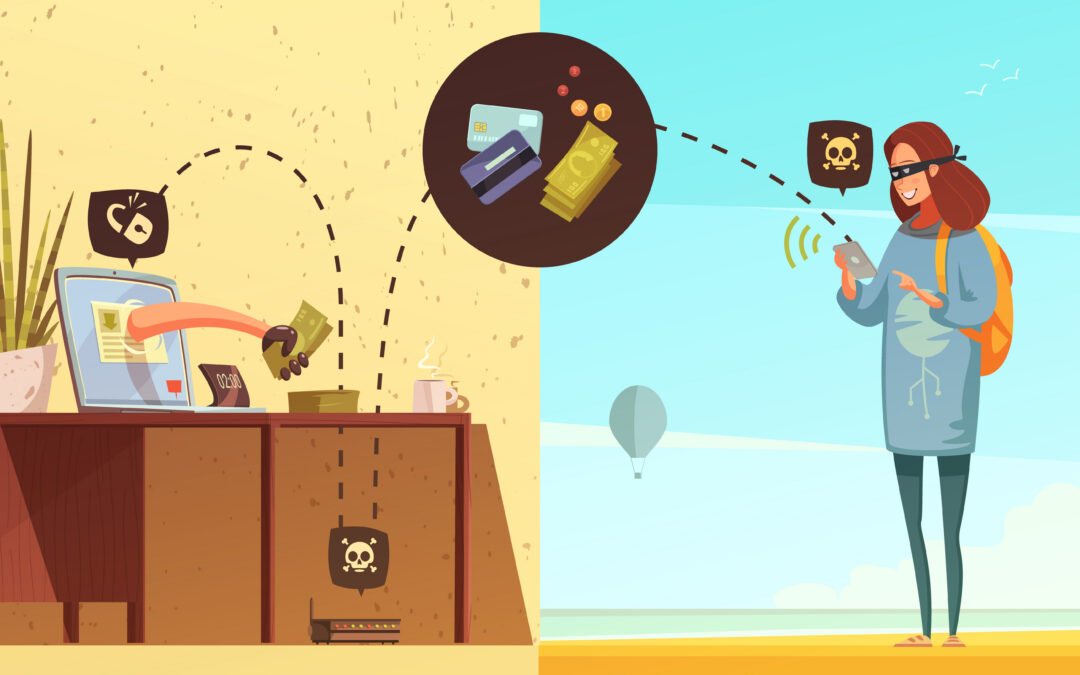
You may have come across various platforms offering free access to newly released films, and while it may seem convenient, these sites often expose viewers to harmful malware, data theft, and legal consequences. The rise of movie piracy has made online safety a growing concern, especially for individuals who simply want to enjoy entertainment without putting their personal information at risk. This blog will help you understand why steering clear of piracy platforms is essential for your digital safety.
As the online space becomes more complex, it’s crucial to have reliable information before making decisions about how and where to watch movies. In this blog, we’ll break down key facts you must know before choosing where to stream or download films. We will also discuss harmful piracy platforms, the hidden dangers they pose, and how you can safely enjoy content without risking your data or violating legal guidelines. By the end, you’ll have a clearer understanding of the safe alternatives available, and you can explore trusted digital protection services through Aiplex Anti Piracy for guaranteed online security.
Things to Know Before Understanding the Dangers of Piracy
Before exploring the most harmful piracy sites, it’s important to understand the risks tied to using illegal streaming or downloading platforms. Many users are unaware that piracy websites are built with poor security measures, leaving their devices vulnerable to malicious attacks. These platforms operate outside the boundaries of the law, which means there are no safety protocols in place. As a viewer, you may unknowingly grant access to your personal data, exposing yourself to potential identity theft or financial fraud. Awareness of these risks is essential to protect your digital presence.
Lack of Online Safety on Piracy Platforms
One major issue with piracy websites is the lack of online safety. These platforms often host unverified links that redirect users to unsafe pages filled with hidden malware. Since they do not follow any industry guidelines, users have no guarantee that the content they access is clean or secure. Many people fall into the trap of clicking pop-ups or ads, which then download malicious software onto their computers. Understanding these risks can help you avoid threats while browsing online.
Piracy websites also fail to use encryption, leaving your browsing history exposed. Without proper online protection measures, your data can be intercepted by cybercriminals. This puts your privacy at significant risk, making it crucial to stay cautious while navigating the internet.
Risk of Malware and Viruses
Piracy websites are known for hosting files that contain viruses or harmful malware. These threats can severely damage your device’s performance by corrupting files or stealing sensitive information. Many users unknowingly download compromised files disguised as movie links, leading to long-term system damage. Such risks highlight why avoiding piracy sites is vital for maintaining your device’s health.
The lack of security checks on these sites makes it easier for hackers to inject harmful code into downloadable files. Once installed, the malware operates silently, gathering personal information without your consent. These dangers make piracy a serious cybersecurity concern.
Legal Consequences of Using Piracy Sites
Using piracy platforms can also lead to legal consequences. Many countries enforce strict copyright laws, and downloading or streaming unlicensed content can result in penalties. Users may face fines or legal notices, depending on the extent of their activity. Understanding these legal risks helps individuals make informed choices about their online behavior.
Piracy websites violate copyright laws globally, and governments have been cracking down on these platforms. As enforcement becomes stricter, being associated with such illegal websites can create unnecessary complications for viewers.
Poor Quality Content on Piracy Websites
Another major drawback of piracy platforms is the poor quality of content. Often, movies available on piracy sites are recorded illegally with low resolution, poor sound, and visible distractions on the screen. This reduces the overall viewing experience, making it far from enjoyable. Users are typically disappointed after accessing such content, realizing it wasn’t worth the risk.
Streaming platforms that operate legally invest heavily in high-quality recordings and viewing experiences. Piracy websites, on the other hand, do not prioritize quality, leaving users with a subpar and unsafe option.
Hidden Costs of Free Piracy Sites
Although piracy platforms may appear free, they come with hidden costs. Frequent exposure to unsafe ads can lead to accidental downloads of harmful software. Repairing a damaged device or recovering lost data can be far more expensive than paying for a safe streaming service. This makes piracy an extremely costly choice in the long run.
Additionally, compromised accounts, stolen data, or leaked personal information can result in emotional stress and financial loss. These hidden dangers show that free piracy content often comes at a high price.
Top Harmful Piracy Sites You Must Avoid
Using piracy websites is dangerous for many reasons, and certain platforms have gained notoriety for hosting illegal content with high security risks. One such platform is known for distributing pirated movies globally, attracting millions of users each month. However, behind the scenes, these websites often contain malicious scripts designed to access user data. Understanding how these platforms operate can help you recognize and avoid them effectively.
Another well-known piracy website offers fast access to newly released films but exposes users to multiple pop-up ads and harmful downloads. Many unsuspecting visitors believe they are accessing safe content, only to find that their device has been infected with malware shortly after. These sites continue to operate because they generate large revenue through unsafe ad placements, compromising user security.
Why You Should Choose Aiplex Anti Piracy
Choosing Aiplex Anti Piracy provides you with secure and reliable protection against piracy-related risks. The company offers tools that detect and remove harmful pirated content across various platforms, ensuring your safety online. Their services help reduce the chances of encountering unsafe websites by providing proactive monitoring and protection for digital assets. You can explore their expert anti-piracy solutions by visiting their official website.
Aiplex also offers customized security strategies designed to protect both individuals and businesses. With continuous monitoring and advanced detection technology, they help safeguard your digital presence and ensure that your data remains secure at all times. Using their services creates a safe environment for enjoying entertainment online.
Conclusion
Movie piracy may seem like a convenient option for accessing films, but it comes with far-reaching consequences. From legal risks to malware threats, the dangers associated with piracy sites can severely impact your digital life. By understanding how these platforms operate and recognizing their hidden dangers, you can make smarter decisions about your online viewing habits. It’s essential to prioritize safety and choose reliable platforms that respect copyright laws.
Aiplex Anti Piracy offers effective solutions to help you stay safe online and avoid harmful piracy sites. Whether you’re an individual viewer or a content creator, their services ensure better protection and peace of mind. Stay informed, stay safe, and choose legal alternatives for a secure and enjoyable entertainment experience.
by AI Admin | Antipiracy, Brand Protection
Introduction
In today’s digital-first world, piracy has become one of the most pressing challenges for content creators, businesses, and governments alike. From movies and music to software and books, intellectual property is constantly under threat from unauthorized distribution. This growing problem has given rise to stringent anti-piracy measures globally, aimed at protecting creators’ rights and sustaining industries that depend on innovation and originality. When you think about the impact of piracy, it’s not just about financial loss—it’s also about ensuring creativity and hard work receive the respect and recognition they deserve.
Understanding anti-piracy laws and regulations is essential not only for businesses but also for individuals who consume digital content. In this blog, we will break down the major aspects of anti-piracy, including laws, enforcement practices, and international treaties that shape digital content protection. You’ll also discover why partnering with a dedicated anti-piracy service provider like AiPlex Anti-Piracy ensures your intellectual property is secured in an ever-evolving digital landscape. Let’s dive into the details and see what you must know about anti-piracy in today’s context.
Things to Know About Anti-Piracy Laws Before Exploring Regulations
Before examining specific anti-piracy laws, it’s important to understand the background principles that guide them. Laws protecting intellectual property (IP) are built on the idea that creators deserve control over how their work is shared, distributed, and monetized. Anti-piracy measures complement copyright and trademark laws by directly tackling illegal distribution practices, both online and offline. These foundations ensure businesses and creators can innovate without fear of losing revenue to piracy.
Another key factor to recognize is that anti-piracy is not limited to one region. With the rise of global digital platforms, piracy has become a cross-border issue, requiring international cooperation and strong frameworks. This interconnectedness means that even if content originates in one country, its protection often depends on how multiple jurisdictions enforce anti-piracy regulations. Let’s break down the essentials under specific topics that highlight the key things you need to know before diving deeper into the laws.
The Role of Copyright in Anti-Piracy
Copyright forms the cornerstone of anti-piracy measures. It grants exclusive rights to creators, enabling them to control the reproduction, distribution, and adaptation of their work. Without copyright enforcement, piracy would be nearly impossible to contain. Modern laws across the world are continuously evolving to adapt to challenges such as streaming piracy and illegal downloads.
At the same time, copyright is more than just a legal safeguard—it is a driver of economic growth. Industries such as film, publishing, and software rely heavily on copyright protections to maintain profitability. Anti-piracy laws are therefore seen as extensions of copyright, ensuring that violations are not just discouraged but actively punished to protect both creativity and commerce.
International Cooperation Against Piracy
Piracy is a borderless crime, making international collaboration crucial in combating it. Organizations like the World Intellectual Property Organization (WIPO) and treaties like the Berne Convention play a vital role in harmonizing copyright protections across countries. These frameworks ensure that content created in one jurisdiction is respected and protected in others.
For businesses, this international approach means their intellectual property is not just safeguarded locally but also has protection in foreign markets. Governments, too, benefit by working together on enforcement initiatives that target global piracy networks. Without such cooperation, anti-piracy efforts would be fragmented and largely ineffective.
The Impact of Digital Piracy
With the explosion of digital platforms, piracy has shifted from physical mediums like DVDs to torrents, streaming services, and file-sharing networks. This shift has made piracy more accessible and harder to track, creating new challenges for anti-piracy laws. As a result, many countries have updated their legislation to cover digital distribution.
The impact of digital piracy is enormous, costing industries billions in revenue annually. More importantly, it undermines trust in legitimate platforms and discourages creators from investing in new projects. Strong anti-piracy frameworks are essential to mitigating these challenges and ensuring the digital economy continues to thrive.
Enforcement Mechanisms
Laws are only as strong as their enforcement mechanisms. Anti-piracy enforcement typically involves government authorities, law enforcement agencies, and private anti-piracy firms. These groups monitor piracy networks, issue takedown notices, and pursue legal actions against offenders.
Technology also plays a major role in enforcement. Automated systems can now detect and remove pirated content from platforms, while legal frameworks ensure that service providers cooperate in combating piracy. This combination of legal and technical approaches ensures piracy is tackled comprehensively.
Consumer Awareness and Education
Anti-piracy isn’t only about laws and enforcement; it also depends on changing consumer behavior. Many people engage in piracy without realizing the legal and ethical consequences. By educating consumers about the importance of intellectual property rights, governments and organizations can reduce demand for pirated content.
Awareness campaigns, educational programs, and transparent communication about the risks of piracy—such as malware infections and financial fraud—play an essential role. When consumers understand the value of creative work, they are more likely to support legal alternatives.
Key Anti-Piracy Laws Around the World
Anti-piracy laws vary across countries, but most share the goal of protecting intellectual property and punishing unauthorized distribution. Let’s explore some of the most important global frameworks that shape anti-piracy regulations.
United States: The DMCA (Digital Millennium Copyright Act)
The DMCA, passed in 1998, remains one of the most influential anti-piracy laws globally. It criminalizes the circumvention of copyright protections and provides mechanisms for takedown notices against infringing content. The DMCA is particularly important for online platforms, as it defines their responsibilities in handling pirated content.
Beyond enforcement, the DMCA also provides a safe harbor provision for service providers who comply with takedown notices, balancing copyright protection with the need to maintain open digital platforms. This balance has made the DMCA a cornerstone for global anti-piracy policies.
European Union: Directive on Copyright in the Digital Single Market
The European Union has implemented several directives aimed at protecting intellectual property, with the 2019 Copyright Directive being the most significant. This law strengthens rights for creators and obliges platforms like YouTube to take greater responsibility for pirated content.
The Directive ensures consistent protection across member states while addressing challenges posed by digital streaming. By holding platforms accountable, the EU is leading efforts to ensure anti-piracy measures remain relevant in the digital age.
India: Copyright Act and IT Act Provisions
India’s Copyright Act of 1957, updated multiple times, provides robust protections against piracy. Coupled with the Information Technology Act, these laws give authorities the power to block access to pirated websites and penalize offenders. Given India’s booming digital economy, these laws are crucial for protecting industries like film and software.
India has also established special enforcement units that monitor piracy and collaborate with private organizations. This proactive approach makes India one of the leading nations in fighting piracy in emerging markets.
China: Stricter Copyright Enforcement
China, once considered a hub for piracy, has made significant strides in improving its copyright enforcement. New regulations require platforms to actively monitor for infringing content and remove it swiftly. The government’s focus on intellectual property protection reflects its commitment to fostering innovation and creativity domestically.
These reforms have not only reduced piracy but also increased confidence among foreign businesses operating in China. Stronger enforcement ensures that both local and international creators benefit from a more secure creative environment.
International Treaties: TRIPS and Berne Convention
Global treaties like the Trade-Related Aspects of Intellectual Property Rights (TRIPS) Agreement and the Berne Convention set the baseline for copyright protections worldwide. These treaties create a harmonized system where intellectual property is respected across borders.
For creators and businesses, these treaties are essential for ensuring their work is not only protected at home but also abroad. They also establish dispute-resolution mechanisms that strengthen enforcement efforts globally.
Why Choose AiPlex Anti-Piracy?
While anti-piracy laws and regulations provide a framework, enforcement can often be complex and time-consuming. This is where AiPlex Anti-Piracy comes in, offering specialized solutions that protect intellectual property across industries. From advanced monitoring systems to rapid takedown services, AiPlex ensures creators and businesses remain one step ahead of pirates.
AiPlex goes beyond legal compliance by combining technology, expertise, and global reach. Whether it’s combating piracy on streaming platforms, torrent sites, or social media, AiPlex delivers comprehensive protection. By choosing AiPlex Anti-Piracy, businesses gain peace of mind knowing their creative assets are safeguarded in a world where piracy constantly evolves.
Conclusion
Anti-piracy laws and regulations form the backbone of intellectual property protection in today’s digital economy. From the DMCA in the United States to the Copyright Directive in the European Union, these laws are continuously evolving to address new challenges posed by technology and consumer behavior. Yet, enforcement remains a challenge without the right tools and expertise.
That’s why partnering with experts like AiPlex Anti-Piracy is essential. With industry-leading monitoring systems, legal expertise, and global enforcement capabilities, AiPlex ensures your intellectual property remains protected no matter where piracy emerges. By understanding anti-piracy laws and taking proactive steps with AiPlex, you can focus on creating and innovating—knowing your work is secure.
Summary
In this blog, we explored the essentials of anti-piracy laws and regulations, including the role of copyright, international cooperation, enforcement mechanisms, and key frameworks across the world. We discussed how laws like the DMCA in the U.S., the Copyright Directive in the EU, and India’s Copyright Act shape global anti-piracy measures. While laws provide strong protections, enforcement often requires expert support. Choosing AiPlex Anti-Piracy offers creators and businesses comprehensive solutions to safeguard their content in today’s fast-paced digital landscape. If protecting your intellectual property is a priority, AiPlex is your trusted partner in the fight against piracy.
