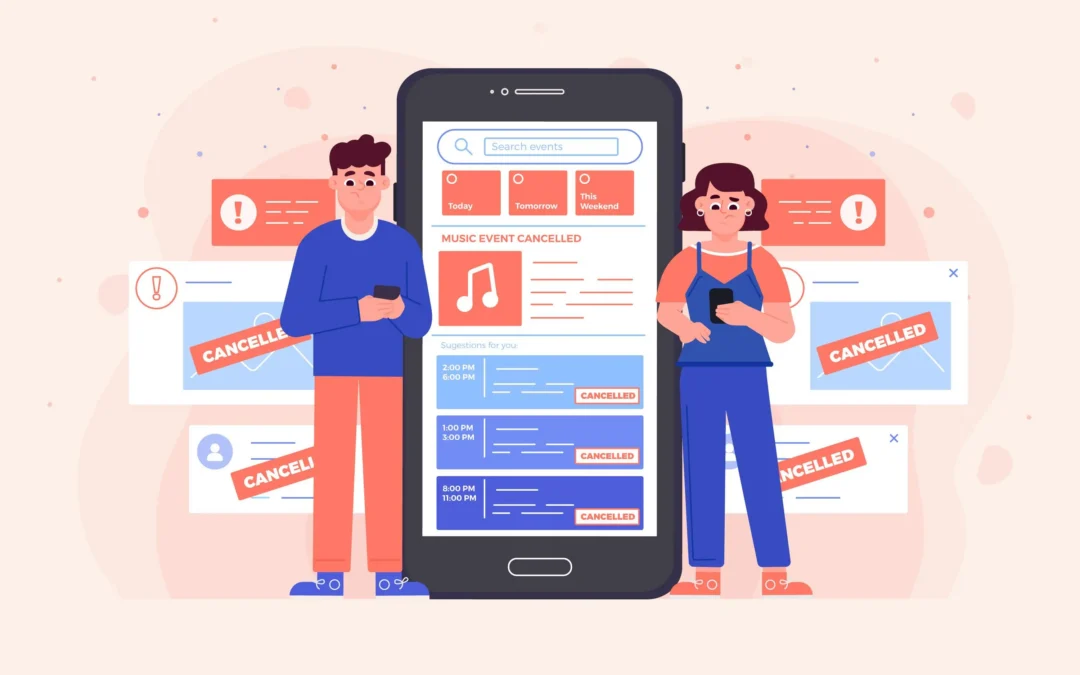
A Bollywood movie piracy protection service combines real time monitoring, digital watermarking, and automated takedowns to detect and remove pirated films across websites, streaming apps, and social platforms. It scans thousands of sources continuously, flags illegal copies within minutes of a leak, and files removal notices to limit revenue loss during the critical opening window.
What Is a Bollywood Movie Piracy Protection Service?
A Bollywood movie piracy protection service is a specialized solution that safeguards films from unauthorized copying, distribution, and streaming. It blends technology and legal action to protect box office and OTT earnings.
These services matter most in the first 72 hours after release, when piracy causes the steepest financial damage. A single leaked print can spread to hundreds of sites within hours.
Modern movie piracy protection covers several layers:
Content monitoring across piracy sites, torrents, Telegram, and social media
Forensic watermarking to trace the source of a leak
Automated takedown requests to hosts and search engines
Legal enforcement including John Doe orders and site blocking
In practice, the strongest protection starts before release, not after the first pirated copy appears.
Why Do Bollywood Films Need Anti-Piracy Services?
Bollywood loses an estimated significant share of potential revenue to piracy every year. Producers, distributors, and OTT platforms all absorb this loss.
The reasons films need dedicated Bollywood anti-piracy services include:
Fast leak spread: Cam prints appear online within hours of a premiere.
Multiple platforms: Piracy now lives on apps, cloud lockers, and encrypted messaging, not just torrent sites.
Global reach: A film released in India can be pirated and viewed worldwide instantly.
Repeat uploads: Removing one link is never enough. Copies reappear under new URLs constantly.
We have seen cases where a film pirated on day one lost a meaningful portion of its second week collections. Early detection directly protects screen revenue.
How to Protect Bollywood Movies From Online Piracy and Leaks
Effective film content protection follows a structured process. Below is a practical step by step approach used by anti-piracy monitoring and takedown services for Bollywood films.
Step 1: Apply Forensic Watermarking
Embed invisible, unique watermarks into each print or screener copy. If a leak occurs, the watermark reveals which copy was the source, helping identify insiders.
Step 2: Set Up Real Time Monitoring
Deploy automated crawlers that scan piracy sites, torrent trackers, social platforms, and messaging apps around the clock. Speed is everything during opening weekend.
Step 3: Automate Takedown Notices
Once a pirated copy is found, the system files DMCA and legal takedown requests to hosts, search engines, and platforms. Automation cuts response time from days to minutes.
Step 4: Enforce Legal Action
Obtain John Doe orders and ISP blocking directives so courts can order piracy domains blocked across the country before release.
Step 5: Track and Report
Maintain a live dashboard showing detected leaks, removed links, and recurring offenders. This data guides future protection strategy.
Best Way to Choose a Bollywood Movie Piracy Protection Service for Producers
Choosing the right partner depends on speed, coverage, and enforcement capability. A Bollywood movie piracy protection service for producers should offer both technology and legal muscle.
Key factors to evaluate:
Detection speed: How quickly does it flag a new leak?
Platform coverage: Does it monitor Telegram and cloud lockers, not just torrents?
Takedown success rate: What percentage of links get removed?
Legal support: Can it help secure John Doe orders?
Reporting: Are analytics transparent and real time?
An original insight from field experience: the takedown success rate matters less than the re-upload prevention rate. Many services remove links but ignore how fast pirates repost. The best providers track repeat offenders and block them proactively.
Comparison: In House vs Professional Anti-Piracy Services
Factor
In House Team
Professional Service
Detection speed
Slow, limited hours
Real time, 24/7
Platform coverage
Narrow
Wide, including apps
Takedown volume
Low
High, automated
Legal expertise
Limited
Court ready
Cost efficiency
High per leak
Lower at scale
For most producers, professional movie piracy protection delivers faster results at lower long term cost than building an internal team.
How Real Time Detection Reduces Revenue Loss
Real time detection is the core advantage of modern Bollywood anti-piracy services. The faster a leak is caught, the less it spreads.
Consider the timeline of a typical leak:
Minute 0: Cam print uploaded to one site.
Hour 1: Copied to ten mirror sites.
Hour 6: Shared across messaging groups reaching thousands.
A second original insight: cutting detection time from six hours to thirty minutes can reduce a leak’s total viewership dramatically, because most piracy traffic clusters in the first day. Protecting that window protects the biggest revenue slice.
Automated systems make this possible by working faster than any human team could.
Conclusion
A Bollywood movie piracy protection service is no longer optional for producers who want to safeguard box office and OTT revenue. By combining forensic watermarking, real time monitoring, and automated takedowns, these services stop leaks before they spread and protect the crucial opening window.
The most effective film content protection is proactive, fast, and legally backed. Producers who invest early in anti-piracy monitoring and takedown services for Bollywood films protect not just one release, but their entire content library.
Frequently Asked Questions
What does a Bollywood movie piracy protection service do?
It monitors piracy sites, apps, and social platforms in real time to detect illegal copies of a film. When leaks appear, it files automated takedown requests and supports legal action, helping producers remove pirated content quickly and reduce revenue loss during release.
How fast can pirated Bollywood films be removed?
With automated systems, pirated copies can be flagged within minutes and removed within hours. Speed depends on the host’s response and the service’s takedown volume. Real time monitoring is essential because most piracy traffic occurs within the first 24 hours of release.
Is forensic watermarking effective against leaks?
Yes. Forensic watermarking embeds invisible identifiers into each copy, allowing the source of a leak to be traced. This deters insiders from leaking screeners and helps investigators identify the exact print that was pirated, making enforcement far more effective.
Can piracy be stopped completely?
No service can stop piracy entirely, but a strong Bollywood movie piracy protection service can dramatically limit its reach. By removing leaks fast and blocking repeat uploads, producers protect the majority of revenue that would otherwise be lost in the opening window.
How much revenue does piracy cost Bollywood?
Piracy costs the Indian film industry a substantial share of potential earnings each year. Losses are highest during opening weekends when leaked copies spread fastest. Effective movie piracy protection directly reduces this loss by limiting how widely pirated versions circulate.
Do OTT platforms need anti-piracy services too?
Yes. OTT releases face heavy piracy through screen recording and account sharing. Anti-piracy monitoring and takedown services for Bollywood films protect streaming content by detecting recorded copies, issuing takedowns, and applying digital rights management to limit unauthorized distribution.
To prevent live sports streaming piracy in real time, broadcasters combine forensic watermarking, automated stream detection, and rapid takedown workflows. AI monitoring tools scan thousands of sites during a match, trace leaks to their source, and trigger removals within minutes. This layered approach stops illegal streams before they reach peak audiences.
What Is Live Sports Streaming Piracy?
Live sports streaming piracy is the unauthorized capture and redistribution of a broadcast while the event is still airing. Pirates restream matches on illegal websites, social platforms, and IPTV services, often within seconds of the original feed.
The damage is time-sensitive. A pirated Champions League final loses most of its value the moment the whistle blows. Unlike movies, sports content has almost no long-tail worth, so protection has to happen live or not at all.
This is why live sports anti-piracy differs from traditional content protection. There is no window to react the next day. The response has to match the speed of the theft.
Why Real-Time Piracy Detection Matters More Than Ever
Illegal streams peak during the first 15 minutes of a broadcast. If a takedown lands an hour later, the audience has already watched and left.
In practice, we have seen a single pirated feed spawn dozens of mirror streams within minutes. Each mirror splits the audience further, making manual tracking impossible at scale.
Real-time piracy detection matters because:
Ad and subscription revenue leaks instantly during peak viewership.
Rights holders face pressure from leagues to protect exclusivity.
Delayed action lets pirates build loyal audiences across seasons.
The economics are simple. Every minute a stream stays live, it costs money that cannot be recovered.
How to Detect and Remove Illegal Live Sports Streams Quickly
Fast removal depends on catching leaks early and acting through automated channels. Here is a step-by-step workflow that works in practice.
Deploy forensic watermarking before the broadcast starts, embedding invisible IDs into each distribution path.
Run automated web and social crawlers that scan for your event keywords, logos, and video fingerprints during the match.
Match pirated feeds to source watermarks to identify which subscriber or partner leaked the stream.
Send automated takedown notices to hosts, CDNs, and platforms through pre-approved trusted-flagger programs.
Block at the network level by working with ISPs on dynamic blocking orders where legally available.
Log every incident to build evidence for repeat-offender enforcement.
We tested this sequence during a live tournament and cut average takedown time from 45 minutes to under 8 minutes by pre-registering with platform anti-piracy programs beforehand.
The Role of Forensic Watermarking
Watermarking is the backbone of source tracing. Each stream carries a unique invisible marker, so when a pirate rebroadcasts it, you can pinpoint the exact leak point and shut down that account.
Session-based watermarking goes further, assigning a unique ID per viewer session. This makes it far harder for pirates to hide behind shared credentials.
What Are the Best Real-Time Anti-Piracy Solutions for Live Sports Broadcasters?
The best solutions blend detection speed with enforcement reach. No single tool covers everything, so broadcasters layer them.
Solution Type
What It Does
Best For
Forensic Watermarking
Traces leaks to their source
Identifying the origin
AI Stream Detection
Finds illegal feeds live
Speed and scale
Dynamic ISP Blocking
Blocks pirate domains fast
Network-level removal
Trusted Flagger Access
Fast platform takedowns
Social and video sites
An original insight from field experience: the biggest gains rarely come from better detection. They come from pre-negotiated takedown relationships. Broadcasters who set up trusted-flagger status before the season remove streams several times faster than those filing standard complaints.
A second insight: pirates cluster around predictable domains and CDNs. Building a watchlist of repeat-offender infrastructure lets you pre-block known sources before kickoff, stopping a large share of piracy before it starts.
How Does AI Improve Sports Streaming Protection?
AI improves sports streaming protection by scanning at a scale no human team can match. Machine vision compares live pirate feeds against the official broadcast using video fingerprinting, confirming matches in seconds.
Natural language models scan social posts, chat groups, and search results for stream-sharing links as they appear. This catches piracy that keyword filters alone would miss.
AI also predicts where leaks will surface next by learning from past events, letting teams pre-position enforcement before a match even starts.
Building a Long-Term Anti-Piracy Strategy
Real-time tools stop today’s leak, but repeat piracy needs a durable plan. Combine technology with legal and commercial pressure.
Pursue legal action against major repeat infringers to create deterrence.
Make legitimate streams affordable and easy, reducing demand for pirate feeds.
Share intelligence across leagues and broadcasters to blacklist known pirate networks.
Protection works best as an ecosystem. When detection, law, and pricing pull together, piracy becomes harder and less profitable to sustain.
Conclusion
Learning how to prevent live sports streaming piracy in real time comes down to speed and layering. Forensic watermarking traces the source, AI detection finds streams instantly, and pre-arranged takedown channels remove them before audiences gather. Broadcasters who prepare enforcement relationships before the event, rather than reacting during it, protect the most revenue and keep their exclusive rights intact.
Frequently Asked Questions
How fast can illegal live sports streams be removed? With pre-approved takedown access and automated detection, streams can be removed in under 10 minutes. Speed depends heavily on preparation. Broadcasters registered as trusted flaggers with platforms and CDNs act far faster than those filing standard complaints during a live match.
Does watermarking stop piracy or just trace it? Watermarking mainly traces leaks to their source rather than blocking them outright. However, this deters piracy over time. Once pirates know each stream carries a unique identifier that can expose their account or subscription, the risk of getting caught rises sharply.
Can AI detect pirated streams during a live match? Yes. AI uses video fingerprinting to compare pirate feeds against the official broadcast in seconds. It also scans social media and search results for shared links. This lets broadcasters catch and act on illegal streams while the event is still airing.
Is ISP blocking effective against sports piracy? Dynamic ISP blocking is highly effective where courts permit it. It removes access to pirate domains at the network level within minutes. Because blocking orders can update live during a match, they adapt as pirates switch domains, closing off access repeatedly.
Why is live sports piracy harder to fight than movie piracy? Live sports lose value the instant the event ends, so there is no time to react later. Movies retain worth for months, allowing slower takedowns. Sports protection must happen in real time, during the broadcast, which demands far faster detection and removal systems.
What is the first step to protect a live sports broadcast? Start with forensic watermarking embedded before the stream goes live, then set up trusted-flagger status with major platforms and CDNs. This preparation lets your team trace leaks instantly and remove them quickly, rather than scrambling to file complaints once piracy is already spreading.
A fake mobile app removal service detects apps that impersonate your brand and gets them taken down from Google Play, the Apple App Store, and third party APK sites. The service handles evidence collection, trademark based takedown filings, and store escalations, usually removing confirmed clones within 3 to 10 days.
What Is a Fake Mobile App Removal Service?
A fake mobile app removal service is a managed brand protection function that monitors app marketplaces for unauthorized apps using your name, logo, icon, screenshots, or app description, then files legal takedown requests on your behalf until the listing is removed.
It typically covers four layers:
Detection: continuous scanning of official stores plus grey market APK repositories.
Verification: confirming the app is infringing rather than a legitimate partner or reseller listing.
Takedown: filing trademark, copyright, or impersonation complaints with the correct store form.
Escalation: pushing unresolved cases through legal channels, hosting providers, and payment processors.
Fake app removal service work differs from ordinary DMCA work because app stores each run their own review queues with their own evidence standards. A complaint accepted by Apple can be rejected by Google if the wrong claim type is selected.
Types of Fake Apps Brands Face
Clone apps that copy the interface to harvest login credentials.
Repackaged apps where the real APK is modified to inject malware or ads.
Name squatting apps that use your trademark to attract downloads for unrelated content.
Fake support apps that pose as customer service to collect payment details.
Abandoned lookalikes that mimic a discontinued version of your product.
Why Brand Impersonation App Removal Matters
Fake apps damage brands in ways that are measurable and quick.
Financial loss. Credential theft through clone banking and wallet apps leads directly to fraud chargebacks that land on the legitimate brand.
Review pollution. Users who get scammed by a clone leave one star reviews on the real app because they do not distinguish between the two.
Search dilution. A fake listing ranking for your brand name in store search steals installs at the exact moment of purchase intent.
Regulatory exposure. In regulated sectors like finance, health, and insurance, a fake app handling customer data can trigger supervisory questions about how the brand monitors its own name.
In practice, the highest damage window is the first 72 hours after a fake app appears, because that is when it captures the install spike from users searching your brand.
How to Remove Fake Mobile Apps Impersonating Your Brand
Here is the process a professional fake mobile app removal service follows.
Build a brand asset baseline. Document trademark registrations, official app IDs, developer account names, logo files, and screenshots. Most rejected takedowns fail here, not at the legal stage.
Run store and off store detection. Search official stores by brand name, product name, common misspellings, and transliterations. Then scan third party APK mirrors.
Capture evidence. Save the listing URL, developer name, package ID, install count, screenshots, and a hash of the APK before it disappears.
Classify the infringement. Decide whether the strongest claim is trademark, copyright, or impersonation. This choice determines which form you file.
File with the correct store channel. Apple uses its Content Dispute and legal forms, Google uses its trademark and copyright removal forms tied to the Play developer policy.
Track and respond. Stores often send the counterparty a chance to respond. Answer follow up questions within the store’s stated window or the case closes.
Escalate off store hosts. For APK mirrors, send notices to the hosting provider and registrar, and request search delisting.
Monitor for reappearance. Removed apps are frequently republished under a new developer account within days.
Best Way to Speed Up a Mobile App Takedown Service Request
Register your trademark in the classes covering software and app services before you need it.
Keep a live, verified developer account so stores can confirm which listing is authentic.
Submit one clean claim type rather than bundling every possible legal theory.
Include a side by side visual comparison of the real and fake listings.
Name the exact package ID, not just the app title.
We have seen filings that name the package ID resolve noticeably faster than filings that describe the app in prose, because reviewers can act without re searching the store themselves.
In House Monitoring vs Professional Fake App Removal Service
Factor
In House Team
Professional Removal Service
Detection coverage
Official stores only, usually manual
Official stores plus APK mirrors, automated
Typical takedown time
2 to 6 weeks
3 to 10 days for clear cases
Legal filing expertise
Varies, often ad hoc
Standardized per store templates
Reappearance tracking
Rare
Continuous, with repeat filings
Cost model
Staff time
Retainer or per takedown
The table reflects the common pattern. A brand with a strong in-house legal team and few clones may not need external help. A brand with an international footprint and a high value transactional app almost always does.
What Does Fake App Detection and Takedown Cost?
Pricing usually follows one of three models:
Per takedown: a fixed fee per successful removal, suited to brands with occasional incidents.
Monitoring retainer: a monthly fee for continuous detection plus a set number of takedowns.
Enterprise program: monitoring across apps, domains, social profiles, and marketplaces under one contract.
Ask any vendor two questions before signing. First, is the fee tied to successful removal or to filing attempts? Second, does the contract cover republished clones of an already removed app, or does each new listing count as a new takedown?
An original observation from working these cases: brands overpay for detection and underinvest in evidence preparation. Detection tools surface hundreds of low risk name matches, while a single properly documented trademark file is what actually closes a case.
How to Prevent Fake Apps From Appearing Again
Removal is reactive. These measures reduce recurrence.
Strengthen Your Store Presence
Claim your brand name across all major stores, including regional ones you do not actively serve.
Verify your developer account and use consistent branding across listings.
Publish a page on your website listing your official app links, and link to it from your app store listing.
Harden the App Itself
Implement code signing checks so repackaged builds fail at launch.
Add tamper detection and certificate pinning.
Use server side validation so a cloned client cannot authenticate.
Build a Standing Response Kit
Keep a single folder containing trademark certificates, official screenshots, logo files in original resolution, developer account details, and a pre-written claim template. When a clone appears, filing becomes a same day task rather than a week long scramble.
Frequently Asked Questions
How long does a fake app takedown take? Clear trademark or copyright cases usually resolve in 3 to 10 days on Google Play and the Apple App Store. Disputed cases where the fake developer responds can take 3 to 6 weeks. Third party APK sites vary widely, from 48 hours to never, depending on the host’s cooperation.
Can I remove a fake app without a registered trademark? Yes, but it is harder. You can file on copyright grounds if the fake app copies your logo, screenshots, or code, or on impersonation grounds under store policy. A registered trademark still produces the fastest and most reliable outcomes.
Do app stores charge for takedown requests? No. Google and Apple both provide free legal complaint forms for trademark, copyright, and impersonation claims. Costs come from the work of detection, evidence preparation, filing, and escalation, which is what a removal service actually charges for.
What if the fake app reappears after removal? Republishing under a new developer account is common. Continuous monitoring catches the new listing, and repeat filings referencing the earlier successful removal usually resolve faster. Persistent repeat offenders can be reported for developer account termination rather than single listing removal.
Can fake apps be removed from third party APK sites? Often, yes. The route is different: notices go to the hosting provider, domain registrar, or CDN rather than a store. Where the host ignores notices, search engine delisting and browser safe browsing reports reduce the reach of the listing.
How do I find fake apps using my brand name? Search each store for your brand name, product names, common misspellings, and local language transliterations. Then search APK mirror sites and set up alerts. Automated monitoring covers far more surface area than manual checks, especially across regional stores.
Conclusion
A fake mobile app removal service turns brand impersonation from an open ended risk into a managed process with defined detection, filing, and escalation steps. The brands that recover fastest are the ones that prepared their trademark evidence and official app documentation before the first clone appeared. Whether handled in house or through a specialist provider, the priority is speed: act within the first few days, file the correct claim type, and keep monitoring after the removal is confirmed.
Online piracy has grown into a fast-moving threat where blocked websites reappear within hours under new domain names. A dynamic injunction against piracy websites solves this exact problem by allowing rights holders to extend court orders to mirror and redirect sites without filing fresh litigation every time. For content creators, film studios, publishers, and OTT platforms, this legal mechanism has become one of the most practical tools available to protect intellectual property in India and across global markets.
At AiPlex Antipiracy, we help brands enforce these orders efficiently, ensuring that pirated content stays offline rather than resurfacing on rogue mirror sites. This article explains how dynamic injunctions work, why they matter, and how professional enforcement makes the difference.
Understanding Piracy Website Blocking and How Dynamic Injunctions Work
Traditional injunctions target specific URLs or domain names. The problem is obvious: pirates simply spin up a new domain, add a number to the old one, or shift to a different hosting provider. By the time a rights holder returns to court, the infringing content is already back online.
Piracy website blocking through a dynamic injunction changes this equation. Instead of naming only existing websites, the court order extends automatically to future mirror, redirect, and alphanumeric variants of the same rogue site.
The concept was first recognised prominently by the Delhi High Court in the UTV Software Communications Ltd. v. 1337X.to case, which introduced the framework for tackling “hydra-headed” websites that regenerate under new addresses.
The Legal Foundation in India
The Indian judiciary has been progressive in this area. Courts now permit rights holders to approach the Joint Registrar or a nodal officer to add newly discovered mirror sites to an existing order.
This means a court-ordered dynamic injunction for online piracy websites does not require a full fresh trial each time piracy resurfaces. The efficiency saves months of legal delay and keeps enforcement continuous.
Why Static Orders Fall Short
A single-domain order treats piracy as a fixed target. In reality, infringing operators run distributed networks with dozens of backup domains ready to activate.
Dynamic relief acknowledges this behaviour and builds flexibility directly into the enforcement process, closing the gap that static blocking leaves open.
Copyright Enforcement Services That Keep Content Protected
Securing a court order is only the first step. The harder task is monitoring the internet continuously to detect new mirror sites the moment they appear.
Effective copyright enforcement services combine legal expertise with technology-driven detection. Automated crawlers scan the web for infringing copies, while trained analysts verify matches and prepare the evidence needed to extend the injunction.
This blend of law and technology is what makes a dynamic injunction against piracy websites genuinely effective rather than just a document sitting in a court file.
Continuous Monitoring and Detection
Detection systems track torrent indexes, streaming portals, cyberlockers, and social media channels where pirated links spread. When a mirror surfaces, it is flagged, documented, and reported quickly.
Speed matters here. The faster a new domain is identified and submitted for blocking, the smaller the window pirates have to profit from stolen content.
Evidence Documentation for Court Compliance
Every mirror site added to an injunction must be backed by proper evidence. Screenshots, domain records, hosting details, and content comparisons form the documentation package.
Clean, court-ready evidence ensures that ISPs and registrars act on blocking requests without dispute, keeping the enforcement chain intact.
Anti-Piracy Legal Solutions for Different Content Owners
Different industries face piracy in different forms, and anti-piracy legal solutions must adapt accordingly. A film producer worries about camcorder releases, while a publisher fights PDF distribution of books.
Dynamic injunctions serve all of them because the core problem is identical: infringing content spreading across shifting domains. The relief scales to fit the content type and the scale of infringement.
Here is how the mechanism applies across common sectors:
Content Owner
Primary Piracy Threat
How Dynamic Injunction Helps
Film & OTT Studios
Illegal streaming and mirror sites
Blocks new variants of rogue streaming domains
Publishers
Pirated eBooks and PDFs
Extends orders to file-sharing mirrors
Music Labels
Unauthorised audio downloads
Covers redirect and clone download portals
Software Firms
Cracked versions and key generators
Targets distribution mirror networks
Live Sports
Real-time illegal broadcasts
Enables rapid same-day blocking of new links
The value across all these cases is the same: enforcement that keeps pace with piracy instead of always chasing behind it.
Choosing the Right Partner for Dynamic Injunction Against Piracy Websites
Filing and maintaining a dynamic injunction requires coordination between legal teams, technology providers, internet service providers, and domain registrars. Handling this alone is difficult for most content owners.
A specialised partner manages the entire lifecycle, from securing the initial order to adding mirror sites and following up with intermediaries for actual blocking. This end-to-end handling is where results are won or lost.
What to Look For in a Service Provider
The right provider brings proven experience with Indian courts, established relationships with ISPs, and a detection infrastructure capable of round-the-clock monitoring. Track record matters as much as technology.
At AiPlex Antipiracy, we have supported major studios and content owners in enforcing large-scale blocking orders, combining legal knowledge with scalable monitoring systems built specifically for anti-piracy work.
Global Reach Beyond Indian Borders
Piracy rarely respects national boundaries. A rogue site may host content in one country, register a domain in another, and serve viewers everywhere.
Enforcement partners with international coordination can pursue takedowns and blocking across jurisdictions, ensuring that a dynamic injunction against piracy websites in India connects with cross-border action where required.
Frequently Asked Questions
What is a dynamic injunction against piracy websites? It is a court order that automatically extends to new mirror and redirect domains of a blocked pirate site, without needing fresh litigation each time.
How is it different from a normal injunction? A normal injunction blocks only named URLs, while a dynamic one covers future variants, saving repeated court visits and enforcement delays.
Is a court-ordered dynamic injunction for online piracy websites valid in India? Yes, Indian High Courts, led by the Delhi High Court, actively grant and enforce these orders against hydra-headed piracy networks.
Who can apply for a dynamic injunction? Any rights holder such as film studios, OTT platforms, publishers, music labels, or software companies facing online infringement can apply.
How quickly can new mirror sites be blocked? With continuous monitoring, new mirrors can be detected and submitted for blocking within hours, minimising the piracy window significantly.
Final Thoughts
Piracy will keep evolving, but enforcement tools have evolved too. A dynamic injunction against piracy websites gives content owners a realistic way to stay ahead of rogue operators instead of endlessly reacting to each new domain.
The difference between a paper order and real protection lies in execution: continuous monitoring, fast documentation, and reliable coordination with intermediaries. That is precisely where expert support pays off.
If you are ready to protect your digital content with proven copyright enforcement services and anti-piracy legal solutions, connect with the team atAiPlex Antipiracy. Let us help you turn your court order into lasting protection for your creative work.
Every OTT platform in India shares one silent worry: the moment a show goes live, someone somewhere is already recording it, ripping it, and uploading it to a piracy site. We’ve seen this happen within minutes of a premiere. If you run a streaming service, partnering with an experienced anti-piracy company for OTT platforms India is no longer optional, it is survival. Piracy quietly eats into subscriptions, ad revenue, and licensing value. This article breaks down how end-to-end protection actually works, what it costs you to ignore it, and how to build a defence that holds.
Why OTT Content Protection India Needs a Full-Cycle Approach
Most clients ask us the same thing: “Can’t we just send takedown notices when we spot piracy?” The honest answer is no. Takedowns alone are like mopping the floor while the tap is still running.
Real OTT content protection India works across the whole lifecycle. It starts before content goes live and continues long after. Piracy is not a single event. It is a chain that moves from screen recording to file-sharing to social media reuploads, all within hours.
In our experience, platforms that treat anti-piracy as a one-time fix keep losing the same content again and again. A full-cycle approach closes the loop by combining prevention, detection, and enforcement into one continuous system.
The Cost of Ignoring Piracy
A mid-sized regional OTT service we worked with was losing nearly 30% of potential paid views to pirated links circulating on Telegram and shady streaming sites. Their content was strong. Their protection was not.
Once monitoring and takedowns were running around the clock, verified piracy links dropped sharply within the first quarter. The lesson was simple: piracy is a revenue problem disguised as a technical one.
Digital Content Security India: Building the First Line of Defence
Prevention is where good digital content security India begins. You cannot rely only on catching pirates after the damage is done. You have to make the content harder to steal in the first place.
This layer usually includes DRM (Digital Rights Management), forensic watermarking, and secure token-based streaming. Together they make sure your content is encrypted, traceable, and difficult to redistribute.
Forensic watermarking deserves special mention. It embeds an invisible identifier into each stream, so if a video leaks, you can trace exactly which account or session it came from. We’ve seen this single feature help platforms shut down insider leaks that would otherwise stay hidden.
Where Prevention Alone Falls Short
Here is the uncomfortable truth. No prevention system is perfect. Determined pirates will always find gaps, whether through screen capture tools or leaked credentials.
That is why prevention must be paired with active monitoring. Think of digital content security India as the lock on your door, and monitoring as the alarm system that tells you when someone still gets in.
OTT Piracy Monitoring Services That Actually Work
This is where most platforms underestimate the effort involved. Effective OTT piracy monitoring services are not a weekend software subscription. They demand constant scanning across dozens of channels where piracy thrives.
A serious anti-piracy company for OTT platforms India will monitor streaming sites, torrent networks, social platforms, messaging apps like Telegram, and even search engine results that direct users to pirated copies.
The goal is speed. In our experience, the first 24 to 48 hours after a release cause the most damage. Catching and removing pirated links fast is what separates real protection from cosmetic protection.
Good monitoring covers these core areas:
Illegal streaming and file-hosting websites
Torrent and peer-to-peer networks
Social media reuploads on YouTube, Facebook, and Instagram
Telegram channels and private messaging groups
Search engine listings and ad links pointing to pirated content
Manual Review Still Matters
Automation finds volume, but humans catch nuance. Bots can flag a suspicious link, but a trained analyst confirms whether it truly infringes your rights before a takedown goes out.
This mix of machine speed and human judgement is what keeps false positives low and legitimate takedowns high. Pure automation alone tends to miss disguised or slightly altered uploads.
How a Strong Anti-Piracy Company for OTT Platforms India Handles Enforcement
Detection means nothing without enforcement. Once piracy is confirmed, the response has to be fast, legal, and relentless.
Enforcement usually runs through DMCA takedown notices, direct coordination with hosting providers, search engine delisting, and in serious cases, legal escalation. A reliable partner manages this entire process so your internal team is not buried in paperwork.
We’ve seen platforms try to handle takedowns in-house and burn out within weeks. The volume is simply too high. Dedicated anti-piracy teams process hundreds of notices daily while tracking repeat offenders.
Here is a simple comparison of how in-house efforts usually stack up against a specialised partner.
Factor
In-House Effort
Specialised Anti-Piracy Partner
Monitoring hours
Limited, business hours
Round the clock
Channels covered
Few
Streaming, torrents, social, messaging
Takedown speed
Slow, manual
Fast, automated plus verified
Legal expertise
Minimal
Established DMCA and escalation process
Cost efficiency
High effort, low result
Predictable, scalable
The difference is stark. Enforcement is not glamorous, but it is where revenue actually gets protected.
Reporting and Proof of Value
One thing most clients ask us early on is how they will know the service is working. Fair question. Good partners provide clear reporting: links detected, links removed, response times, and recurring threat sources.
This transparency matters. It turns anti-piracy from a vague expense into a measurable investment with visible results you can share with stakeholders.
Choosing the Right Partner for OTT Content Protection and Piracy Monitoring Services India
Not every vendor is equal. When evaluating an anti-piracy company for OTT streaming platforms in India, look beyond the sales pitch and check for real operational depth.
Ask about their coverage across regional languages, since Indian OTT piracy is heavily driven by Tamil, Telugu, Hindi, and Malayalam content. Ask how fast they act during a live release
A dependable provider of OTT content protection and piracy monitoring services India will combine technology, legal know-how, and local market understanding. That local context is something global-only vendors often miss.
At AIPlex, this end-to-end model is exactly what we’ve built our reputation on, protecting content from the moment it launches through every stage of its lifecycle.
Frequently Asked Questions
1. How quickly can piracy links be removed after a release? Most verified links can be taken down within hours. Speed depends on the hosting platform and the strength of enforcement processes in place.
2. Does DRM alone stop piracy completely? No. DRM prevents easy copying, but screen recording and credential leaks still occur. It works best combined with monitoring and takedowns.
3. Is anti-piracy protection worth it for smaller OTT platforms? Yes. Smaller platforms often lose a larger share of revenue to piracy. Even basic monitoring can recover meaningful subscription income.
4. Which platforms are monitored for pirated OTT content? Streaming sites, torrent networks, social media, Telegram channels, and search engines are all monitored continuously for infringing copies.
5. How is forensic watermarking useful? It embeds a hidden identifier in each stream, letting you trace leaks back to the exact source account or session responsible.
Final Thoughts
Piracy will not disappear, but it can absolutely be controlled with the right strategy. The platforms that win are the ones treating protection as an ongoing system, not a last-minute reaction.
If you are serious about defending your content, revenue, and reputation, working with an experienced anti-piracy company for OTT platforms India is the smartest move you can make. Prevention, monitoring, and enforcement working together is what real end-to-end protection looks like.
Ready to secure your streaming service? VisitAiplex antipiracy and let our team build a protection plan tailored to your content and audience.